
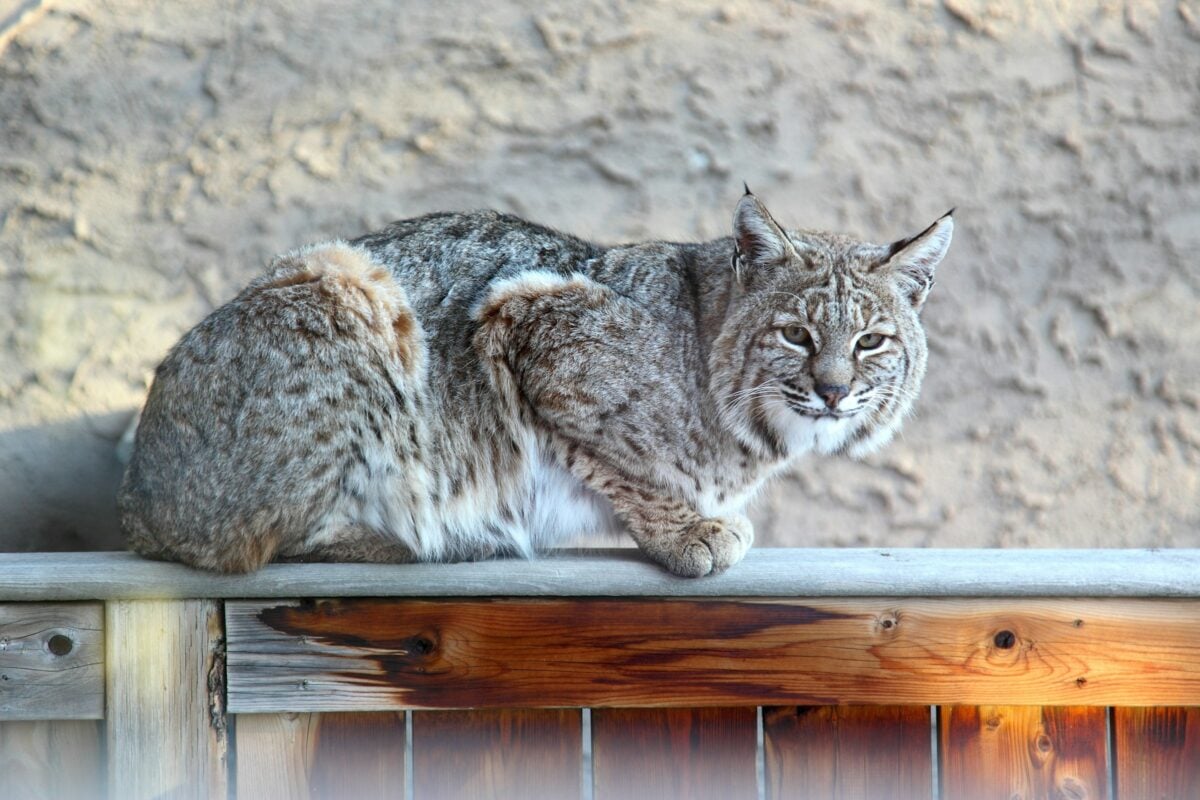
You might think of bobcats as ghost-like predators of deep forests and rugged mountains, but there is a good chance one has slipped past your neighborhood at night without anyone noticing. Across much of North America, wildlife biologists are uncovering a surprising truth: these wild cats are quietly sharing space with soccer fields, cul-de-sacs, and shopping centers. It feels almost unreal, like learning there’s a secret world layered right on top of your daily commute.
Once you realize bobcats are out there, weaving through fence lines and drainage ditches while most people sleep, your idea of “wild places” starts to shift. The line between town and wilderness is not a hard edge; it is more like a fuzzy gradient where wild animals test the limits of human tolerance and opportunity. Understanding how bobcats manage this balancing act is not only fascinating, it also says a lot about how adaptable nature really is – and how much our everyday choices quietly shape the lives of the animals living just out of sight.
The Hidden Neighbors You Never See
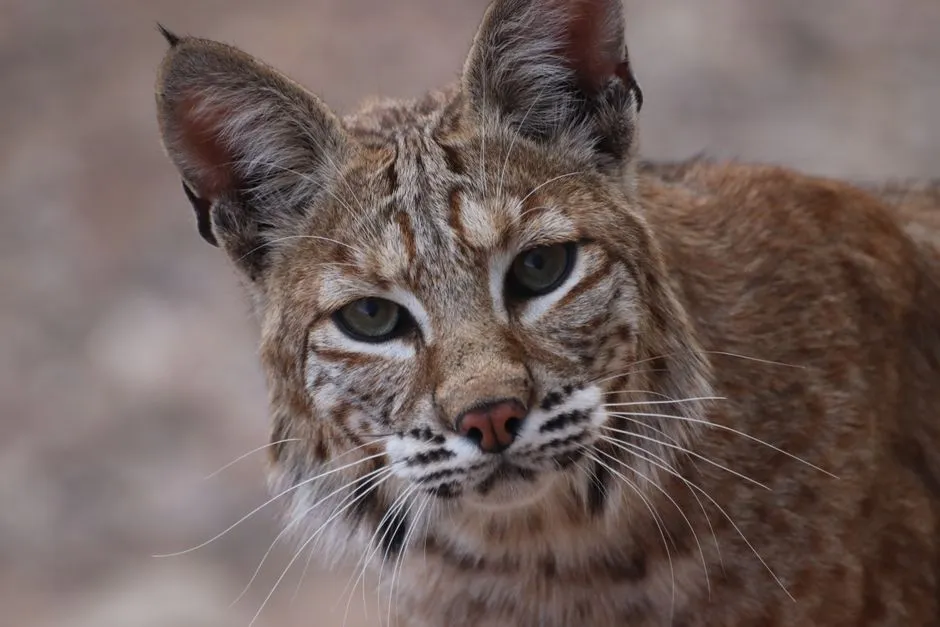
One of the most startling findings from modern wildlife biology is that bobcats can live their entire lives within sight of busy neighborhoods and go almost completely unnoticed. Trail cameras placed behind schools, along suburban greenbelts, or even near the edges of parking lots regularly capture bobcats padding through at dawn or slipping by after midnight. To most residents, those same spots are just dog-walking routes or shortcuts to the grocery store.
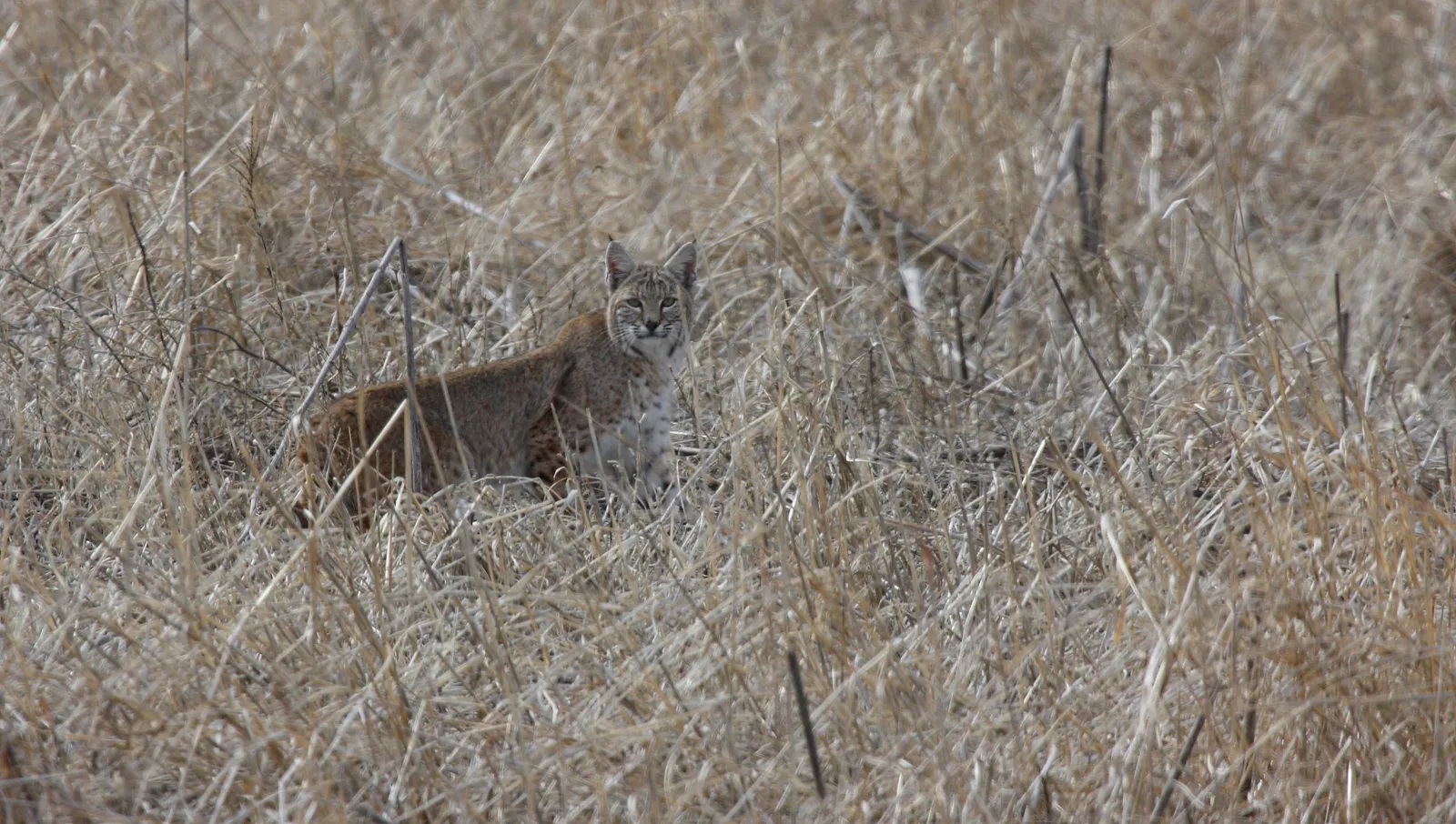
This invisibility is not an accident; it is one of the bobcat’s greatest survival tricks. Their fur pattern breaks up their outline in tall grass and brush, and their movement style is cautious and fluid, more like spilled ink sliding between shadows than a dramatic big-cat stalk. I still remember the first time I saw a trail-cam clip of a bobcat trotting past a kids’ play structure behind a subdivision – it felt like discovering a secret chapter of the neighborhood that only shows up when the lights go out.
How Urban Landscapes Quietly Suit a Stealth Predator
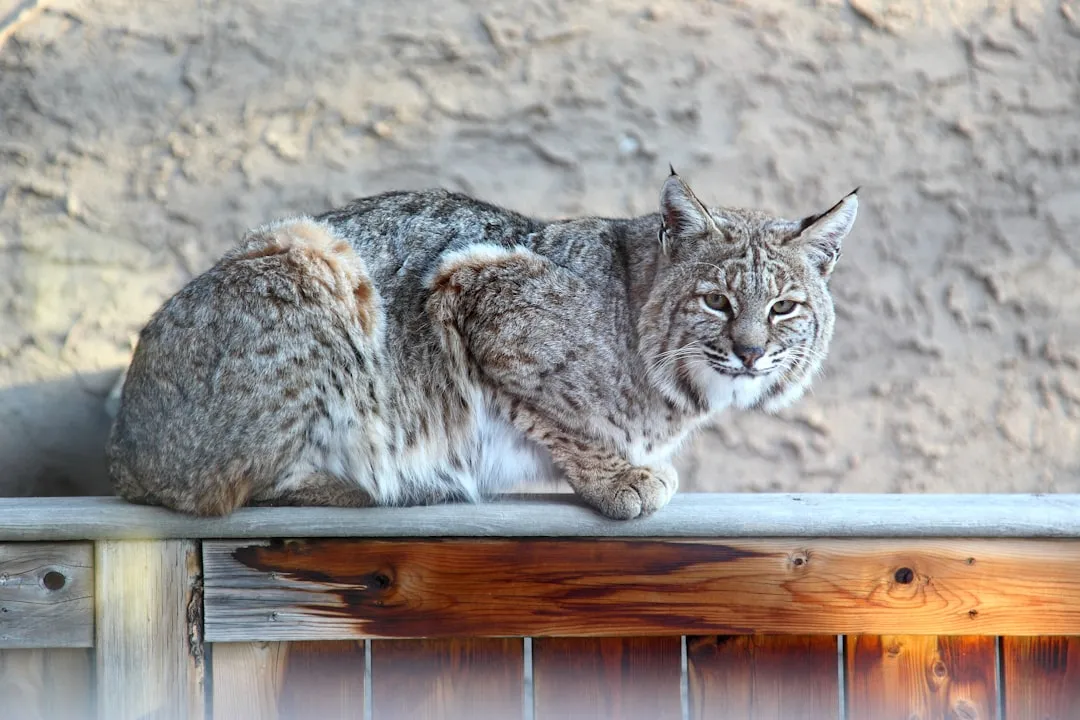
At first glance, cities and suburbs look completely hostile to a medium-sized predator: traffic, lights, noise, lawns, dogs, people everywhere. Yet, from a bobcat’s point of view, these places are patchworks of cover and food. Overgrown drainage ditches, utility corridors, flood-control channels, golf course roughs, and small wooded lots create narrow bands of habitat that link bigger parks or wild patches outside town. If you imagine a city from a bobcat’s eye level, it is less a concrete block and more like a maze of hedges and corridors.
On top of that, urban and suburban areas can be ridiculously productive for small prey. Rodents thrive on spilled birdseed, garden beds, compost, and trash. Rabbits and squirrels feed on ornamental shrubs and watered lawns. For a bobcat, this is basically a moving buffet, and it does not require them to trek miles into the backcountry. So while we see “development,” a bobcat often sees opportunity – provided it can stay hidden enough to avoid conflict with humans and their pets.
Territories, Travel Routes, and the Night Shift
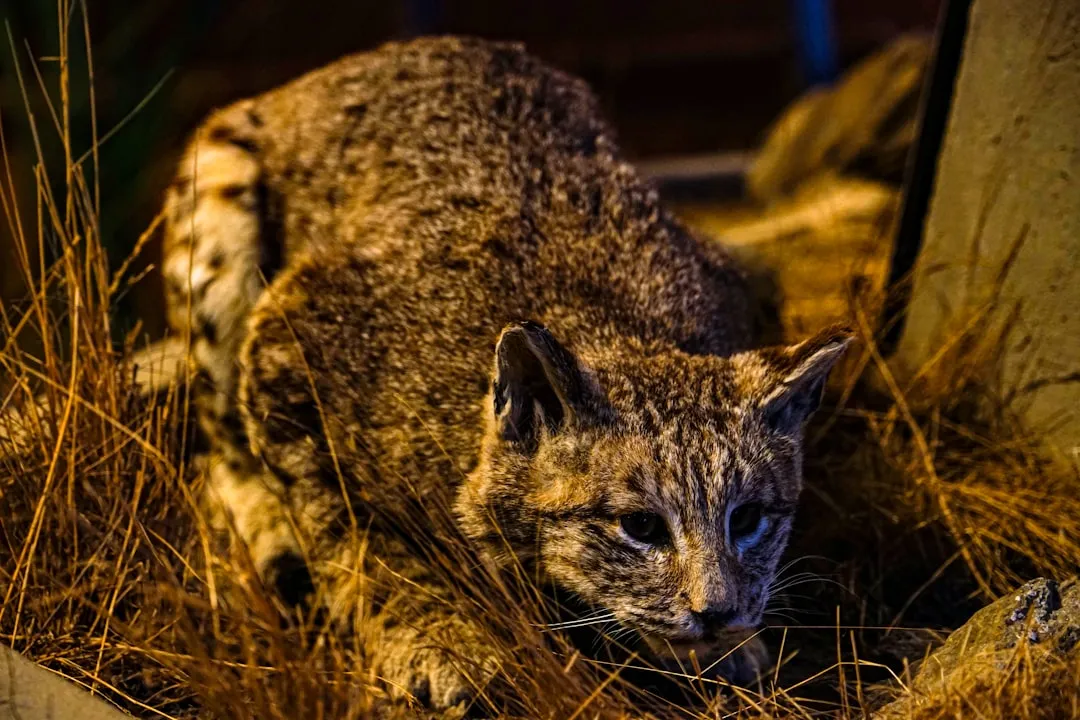
Bobcats are territorial, but their territories are more flexible than many people assume, especially near developed areas. Instead of one huge, pristine wilderness home range, an urban-edge bobcat might piece together a territory out of odd-shaped fragments: a strip of riparian vegetation along a creek, a sliver of powerline right-of-way, a thick patch of brush behind a warehouse. Biologists track these cats with GPS collars and see them moving in long, looping patterns that cleverly skirt houses and busy streets.
Time of day is part of their strategy too. In heavily settled areas, bobcats tilt toward a night shift to avoid human activity. They may rest quietly in dense cover by day – sometimes only a short distance from backyards – and then become active when people are indoors and dog walkers thin out. It is a bit like watching someone navigate a city using only alleys and side streets at 3 a.m., making full use of the quiet hours when everyone else has disappeared.
What Bobcats Eat When They Live Near Us
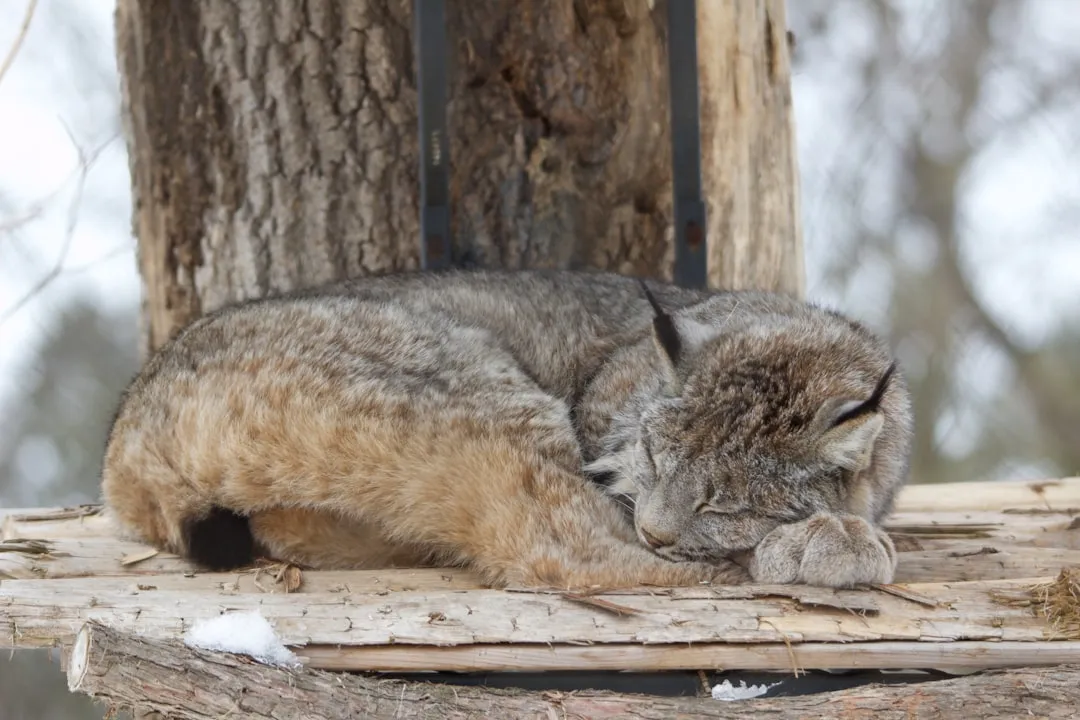
Even when bobcats live close to neighborhoods, their diets remain surprisingly wild. Studies of scat and stomach contents consistently show a strong focus on small mammals like rabbits, hares, voles, and rats, with birds and the occasional reptile mixed in. In some regions, rabbits can make up a large chunk of their food intake, which helps explain why golf courses, edges of parks, and brushy suburban lots are attractive hunting grounds.
That said, living near people does subtly change the menu. Easy access to rodents drawn to trash, bird feeders, and pet food can shift hunting patterns closer to homes and businesses. There are occasional incidents involving outdoor cats or small dogs, but those remain relatively rare compared with the amount of wild prey consumed. From a biological perspective, bobcats are doing what any energy-efficient predator would do: taking advantage of the richest food patches, whether that is a desert wash or a rodent-filled alley behind a strip mall.
Why You Almost Never See Them (Even When They See You)
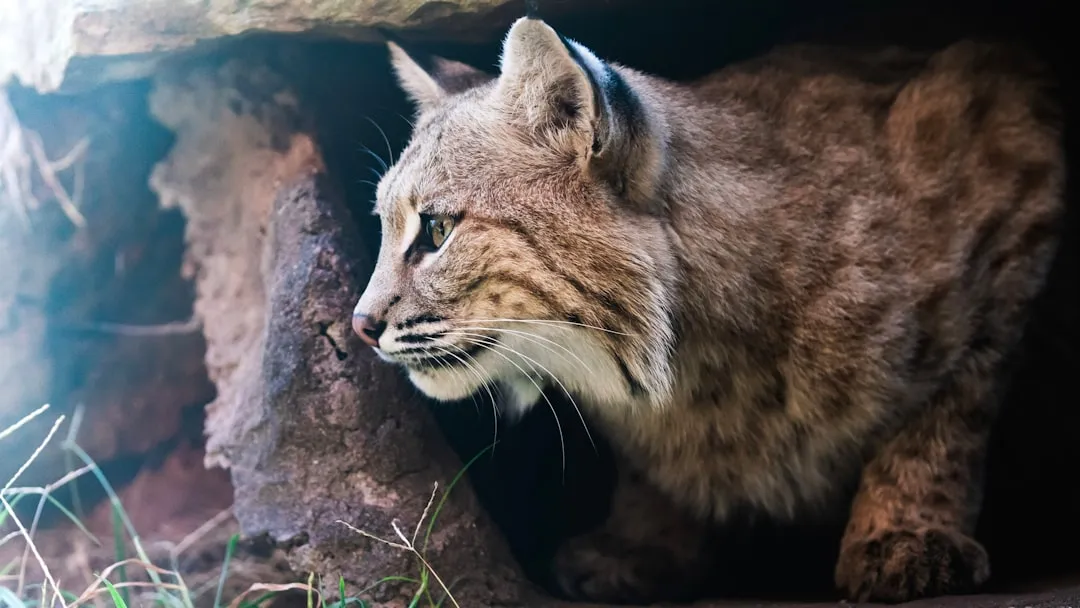
It is not that bobcats are rarely present near people; it is that they are exceptionally good at staying out of sight. Their natural wariness of larger animals and loud, unpredictable environments leads them to avoid direct contact. They can freeze at the faintest sound of a human, melt back into vegetation, or slip behind a boulder and wait until the coast is clear. If you have ever walked a neighborhood trail and felt watched without knowing why, there is a non-trivial chance a bobcat or coyote was quietly tucked away nearby.
Noise, smell, and movement all cue bobcats to keep their distance. Kids shouting on a playground, a dog barking behind a fence, or a jogger with reflective clothing are all signals to stay hidden. Over time, bobcats that tolerate human proximity but avoid direct confrontation tend to survive and pass on their genes. The result is a population that regards us as something to be navigated around, not approached – a living, breathing example of coexistence built more on mutual avoidance than on any sort of warm friendship.
Risks, Misconceptions, and Realistic Safety Concerns
Whenever people learn that bobcats live near their homes, two reactions tend to pop up: fascination and fear. The fascination is understandable – they are beautiful, elusive animals. The fear often comes from mixing them up in our minds with larger, more dangerous cats. In reality, attacks on humans are extremely rare, and healthy bobcats are strongly motivated to avoid direct conflict. They are simply not built like mountain lions and do not behave like movie predators.
The more realistic concern is for very small pets left outdoors without supervision, especially at night or at the edges of wild areas. A small dog or outdoor cat can look a lot like prey when viewed through a bobcat’s instincts. The flip side, though, is that bobcats also help control rodent populations that spread disease and damage property. Ignoring the science and treating bobcats as monsters or, conversely, as oversized house cats to be approached is where problems begin. Respect at a distance is not just polite; it is practical.
How Our Choices Shape Bobcat Survival
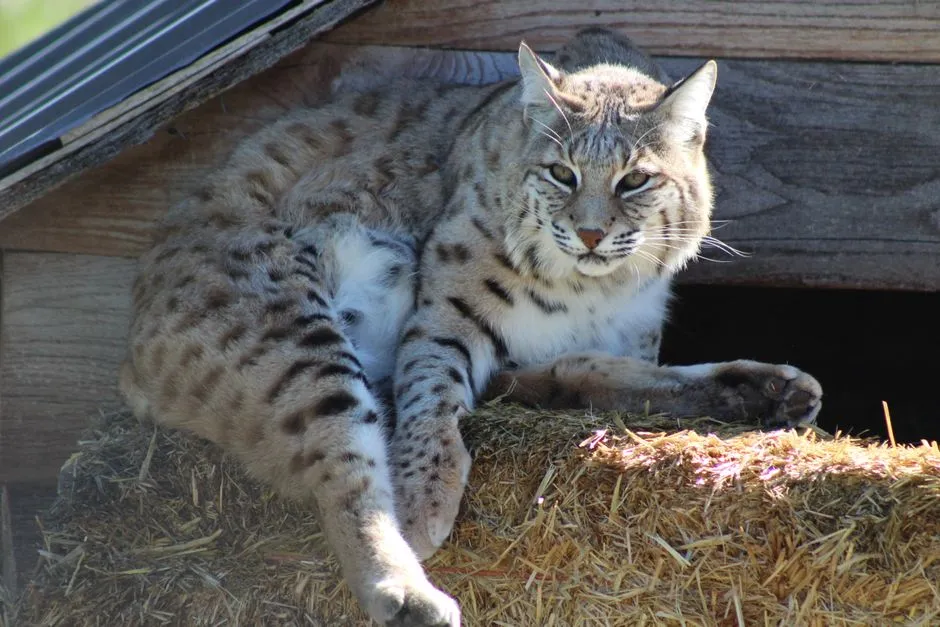
For all their adaptability, bobcats still depend on some basic ecological ingredients: cover, prey, and safe passage across the landscape. The way we design neighborhoods, parks, and infrastructure either maintains those ingredients or silently erases them. Continuous strips of vegetation along creeks and washes can function as wildlife highways, while overly manicured, wall-to-wall turf becomes almost useless habitat. A small decision like leaving a brushy buffer near a stream can mean the difference between a functioning corridor and a dead end.
Our everyday habits matter too. Securing trash, feeding pets indoors, and avoiding leaving piles of unsecured grain or birdseed lying around can reduce the rodent bonanza that draws predators into the tightest parts of neighborhoods. I am personally convinced that the places that will balance wildlife and people best are the ones where residents accept that some corners will stay a bit wild and messy. When we demand that every square meter be clipped, paved, or lit up, we are not just tidying – we are pushing the last quiet neighbors out.
Living With Bobcats: My Take on Coexistence
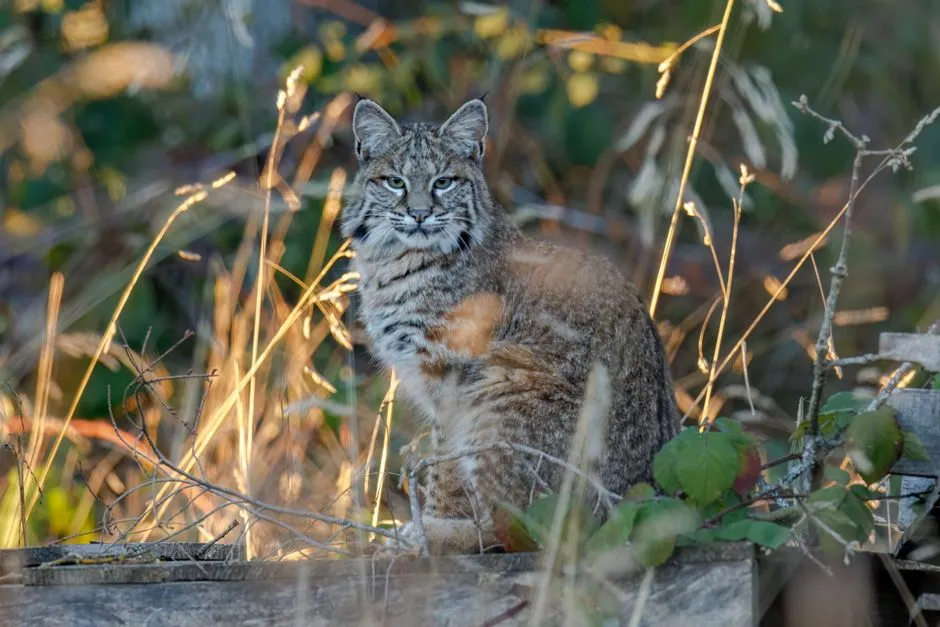
To me, the fact that bobcats often live within sight of busy neighborhoods is not a problem to be solved; it is a test of how mature we are as a species. We built our communities into habitats that were already occupied, and now we are realizing those original tenants have not entirely left. Pretending they should vanish just because we showed up first with subdivisions and parking lots strikes me as both unrealistic and arrogant. If anything, the persistence of bobcats is evidence that our landscapes are not completely broken yet.
My opinion is that learning to live alongside bobcats – cautiously, respectfully, and with good science guiding local policy – is one of the healthiest cultural shifts we can make. It forces us to admit that “nature” is not a faraway park you drive to on weekends; it is the drainage culvert behind the supermarket and the wooded lot down the street. Seeing a bobcat on a doorbell camera should not trigger panic and demands for removal. It should trigger curiosity, a conversation about better pet safety, and maybe even a bit of quiet pride that something truly wild still trusts our world enough to thread its way through it. If a bobcat can adapt to us, the real question is whether we are willing to adapt, even a little, to it – would you?
