
There’s something a little surreal about birding . One minute you’re staring at a cactus in heat-shimmering desert, and the next you’re watching a jewel-bright hummingbird that only barely crosses into the United States. Arizona is where the Southwest cracks open and spills out an incredible mix of desert specialists, high-elevation forest birds, and tropical wanderers from Mexico. It is, quite literally, one of the few places in the country where your life list can explode in a single weekend.
The funny thing is, most people only think of canyons and cacti when they picture this state. They don’t realize there are lush sycamore-lined streams, shady oak canyons, and cool pine forests stacked like layers on a cake. Each of the five spots below is a different slice of that cake, with its own rhythm, signature birds, and personality. If you’ve ever wanted to combine road-trip freedom, gorgeous scenery, and serious birding bragging rights, Arizona is where you go.
Southeast Arizona’s Sky Islands: A Different Bird World on Every Ridge

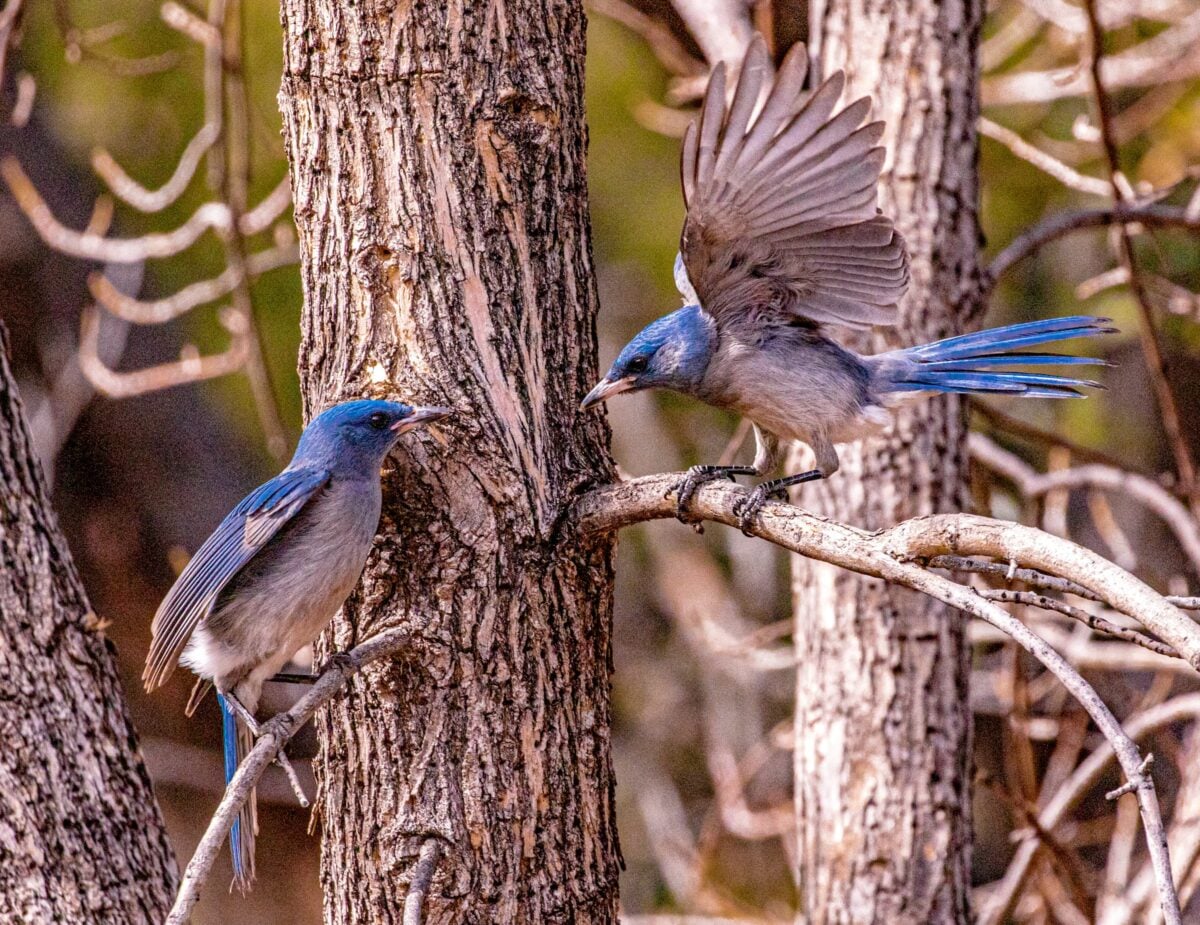
If you’ve never heard the term “sky islands,” picture mountain ranges rising abruptly out of desert like green ships in a tan ocean. Those ranges in southeast Arizona create isolated pockets of habitat, each with its own weirdly unique bird community. In the space of a short drive, you can move from saguaro desert with Gilded Flickers and Harris’s Hawks up into shady oak and pine forest where Mexican Jays, Red-faced Warblers, and Elegant Trogons (on the right canyon and season) suddenly become realistic targets.
What blows my mind every time is how compressed everything feels here. You can wake up with Gambel’s Quail calling outside a motel in the lowlands and, by mid-morning, be watching hummingbirds and montane warblers in cool, high-elevation canyons. The Santa Rita, Huachuca, and Chiricahua ranges are the heavy hitters, and birders flock here because some species barely make it into the US anywhere else. It feels a little like crossing a border without leaving the country, especially when you start ticking off those classic “Mexico-adjacent” specialties.
Madera Canyon: Hummingbird Heaven and Trogon Territory
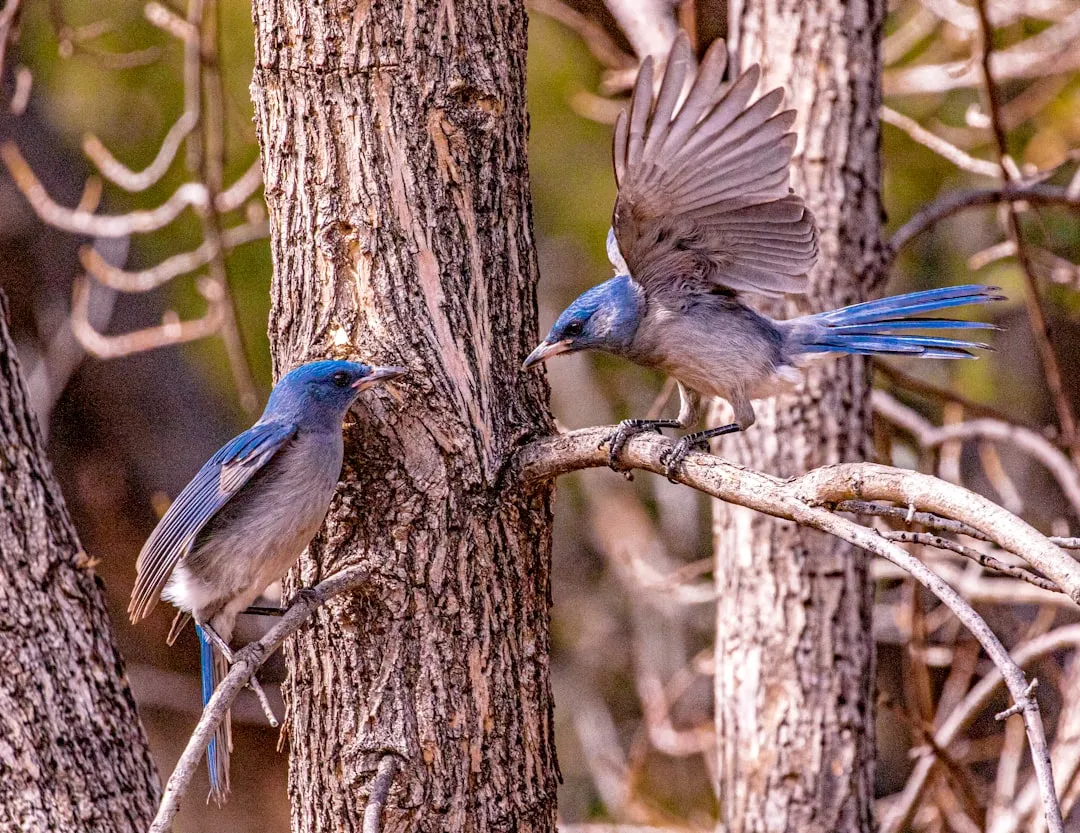
Madera Canyon, tucked into the western flank of the Santa Rita Mountains, is one of those places where non-birders accidentally become birders. Even the parking lots and lodges have hummingbird feeders so active they look like chaotic tiny airports. During peak season, multiple hummingbird species can be zipping around you at once, from the common Anna’s and Black-chinned to more coveted species that draw serious photographers and life-listers from across the country.
But Madera is more than feeders and easy views. Walk up the canyon and every elevation band has its own cast: lower trails might have desert-loving species and noisy woodpeckers, while farther up you start running into Mexican Jays, tanagers, and high-elevation warblers. The canyon is also famous for being one of the best US spots to try for Elegant Trogon in the right season, which adds a certain thrill to every rustle and half-heard call in the sycamores. Even on slow days, the combination of shade, birdsong, and mountain views makes it feel like a sanctuary carved out of otherwise harsh desert.
Patagonia and the Sonoita Creek Corridor: Riparian Lifelines in the Desert
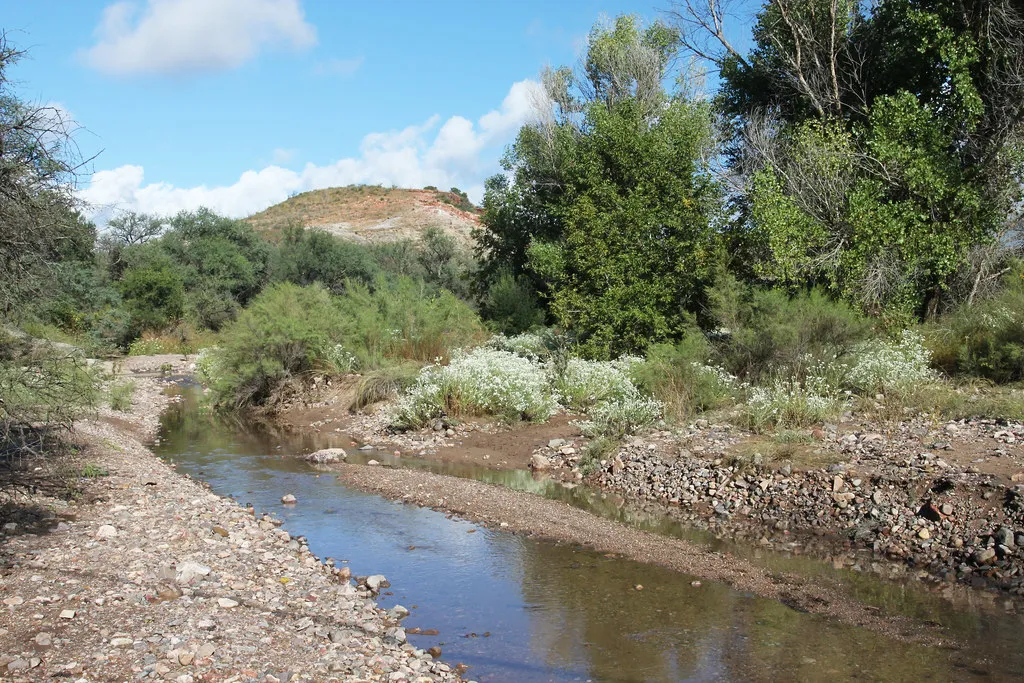
Drive into Patagonia and you quickly realize why birders talk about “oases” in Arizona. The Sonoita Creek corridor is lined with cottonwoods and willows that look almost impossibly green against the surrounding scrub and grassland. That ribbon of water and trees acts like a magnet for birds, especially migrants funneling along the riparian habitat during spring and fall. Even in the middle of summer, the shade and soft sound of moving water make it feel like you’ve stepped out of the desert and into a different climate.
What keeps birders coming back here is the sheer unpredictability in the best possible way. Regular riparian species mix with sought-after specialties and occasional rarities, so it always feels like anything could appear in the next clump of leaves. The trails and viewing areas are relatively gentle, which makes this an easy place to linger, scan, and just soak in the sounds of flycatchers, orioles, and warblers. If the sky islands feel dramatic and vertical, Patagonia and Sonoita Creek feel horizontal and quietly generous, feeding both birds and birders that need a break from the glare of open country.
Sweetwater Wetlands (Tucson): Urban Birding That Doesn’t Feel Urban
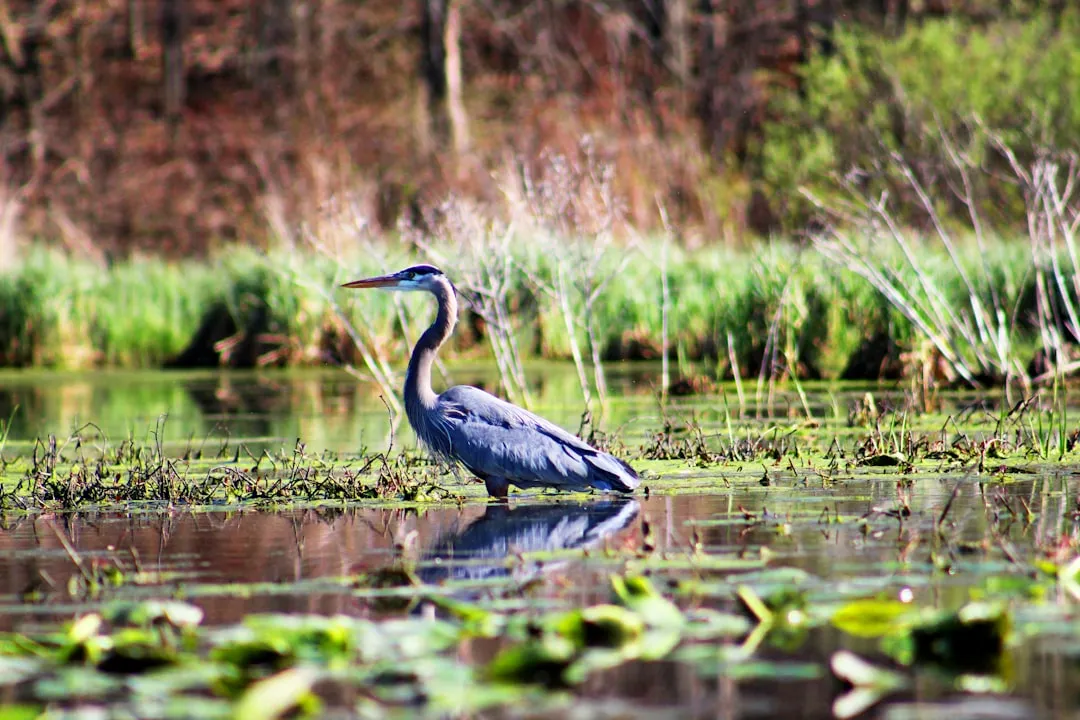
Sweetwater Wetlands is one of those rare sites that proves you do not have to be miles from civilization to have a serious birding day. Built as part of Tucson’s water treatment system, it has become a surprisingly rich patchwork of ponds, reeds, and cottonwoods that pull in everything from wading birds and ducks to raptors and songbirds. You might be listening to traffic hum in the distance, but in front of you a heron is stalking through reeds while swallows scythe overhead.
For newer birders, places like Sweetwater are a gift because the birds are often visible, the paths are easy, and the species diversity is high enough to make every circuit feel rewarding. For experienced birders, it is a reliable stop where oddities and migrants can show up alongside more expected residents. I like that it feels democratic: school groups, hardcore listers, and casual walkers all end up sharing the same paths, peering into the same thickets. It is a reminder that good habitat can exist in the most unexpected corners of a city if someone is stubborn enough to build and protect it.
Grand Canyon and the Colorado River Corridor: Raptors, Cliff Nests, and Big-Sky Vistas
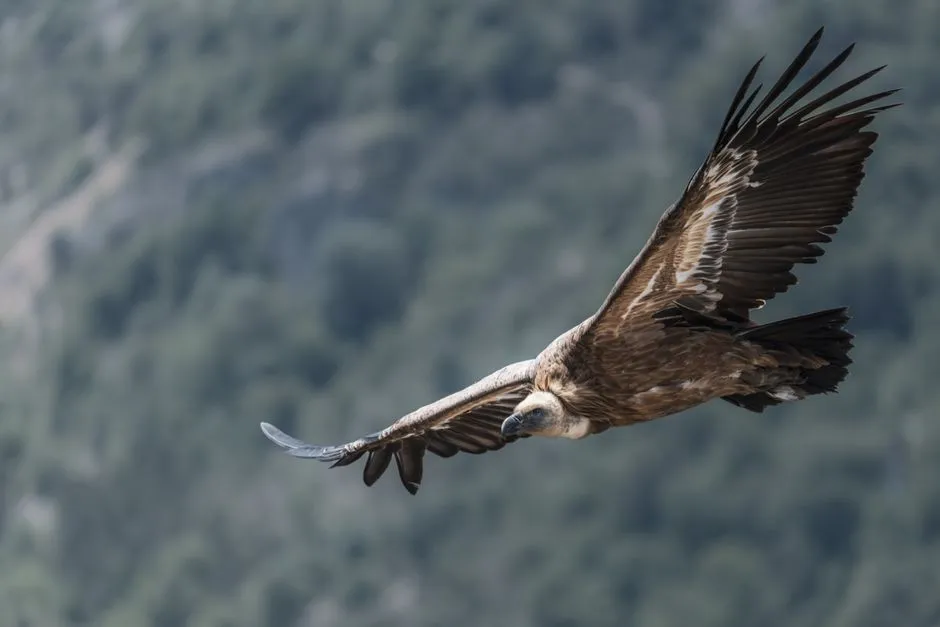
When people think of the Grand Canyon, they picture the view, not the birds. But stand on the rim with binoculars and the canyon suddenly turns into a vast amphitheater of air, cliffs, and hidden ledges. Large raptors, including recovering species that were once on the brink in the region, ride the thermals here, and seeing one drift past at eye level can be a bit heart-stopping. Ravens play in the updrafts, swallows thread the air above the river, and canyon specialists haunt the scrub and pinyon-juniper along the edges.
What sets the Grand Canyon apart as a birding spot is how it combines drama and subtlety. The big, obvious birds get your attention first, but if you wander the rim trails or drop into the canyon (within your comfort and safety limits), you start noticing the smaller residents: singing sparrows, mountain bluebirds, and woodland species in the higher-elevation forests. It is not as species-dense as a lush riparian corridor down south, but the experience of watching birds against that geologic backdrop is unforgettable. It is the kind of place where you realize birding is as much about where you are as what you see.
Flagstaff and the High Country Forests: A Cool-Weather Counterpoint
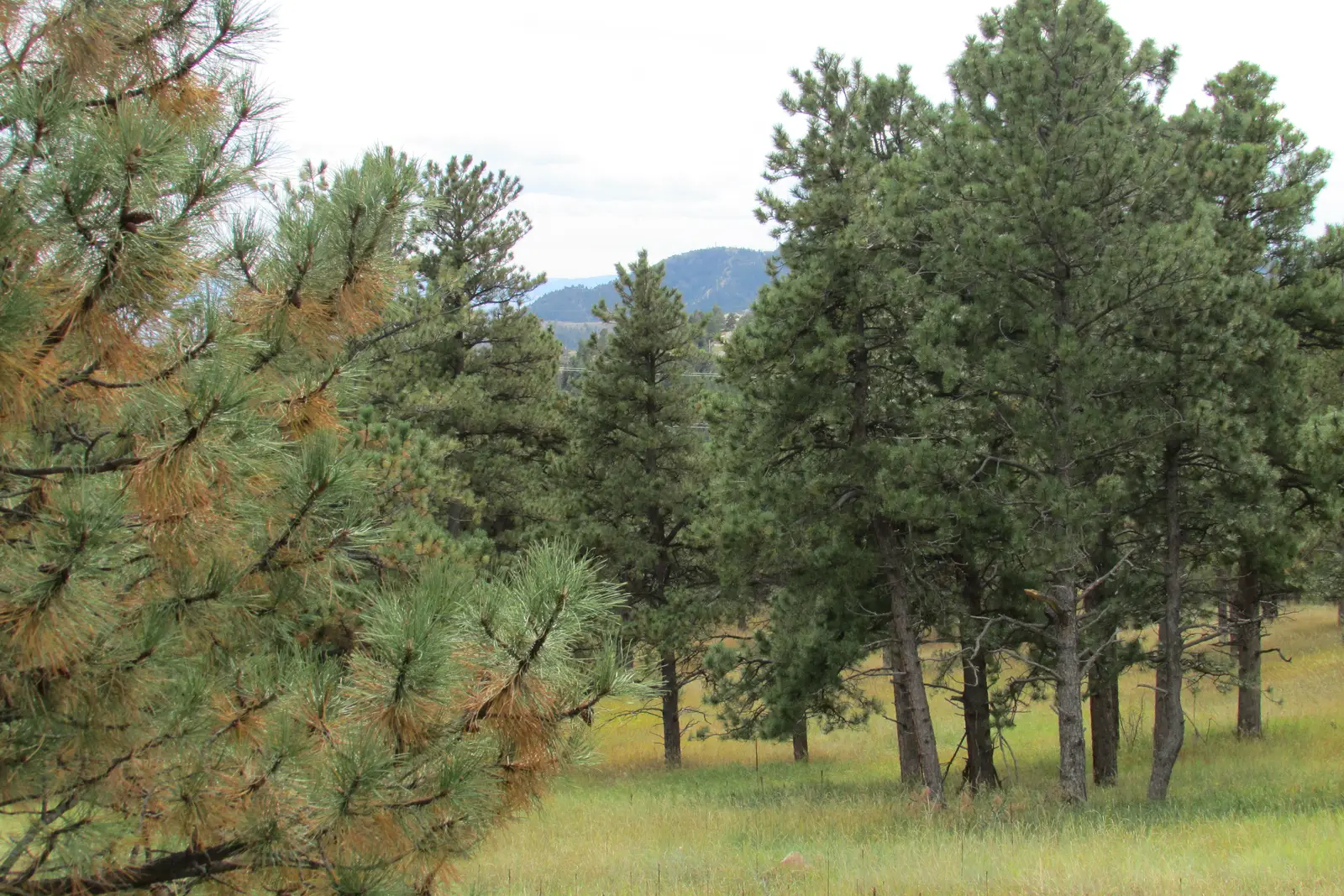
After a few days in the desert, rolling into Flagstaff can feel like changing states rather than just climbing in elevation. Tall ponderosa pines, cool air, and summer thunderstorms give the high country a completely different mood. Here you’re chasing mountain and forest birds that you simply will not find in the low desert: species of nuthatches, chickadees, and warblers that fit naturally into the pine and mixed-conifer landscape. The transition is so dramatic that it almost feels like you’ve driven from Arizona straight into Colorado without crossing a border.
What makes the Flagstaff area particularly appealing is the combination of accessible trails, varied elevation, and relative comfort during the hottest months. You can bird forest edges at dawn, explore meadows and aspen stands, and still grab lunch in a college town with good coffee and a low-key vibe. For many birders, this high-country zone becomes the perfect capstone or starting point for a larger Arizona loop. It balances the tropical flavor of the sky islands with a more classic western mountain feel, rounding out the state’s birding story in a really satisfying way.
Conclusion: Arizona Birding Rewards Curiosity, Not Just Checklists
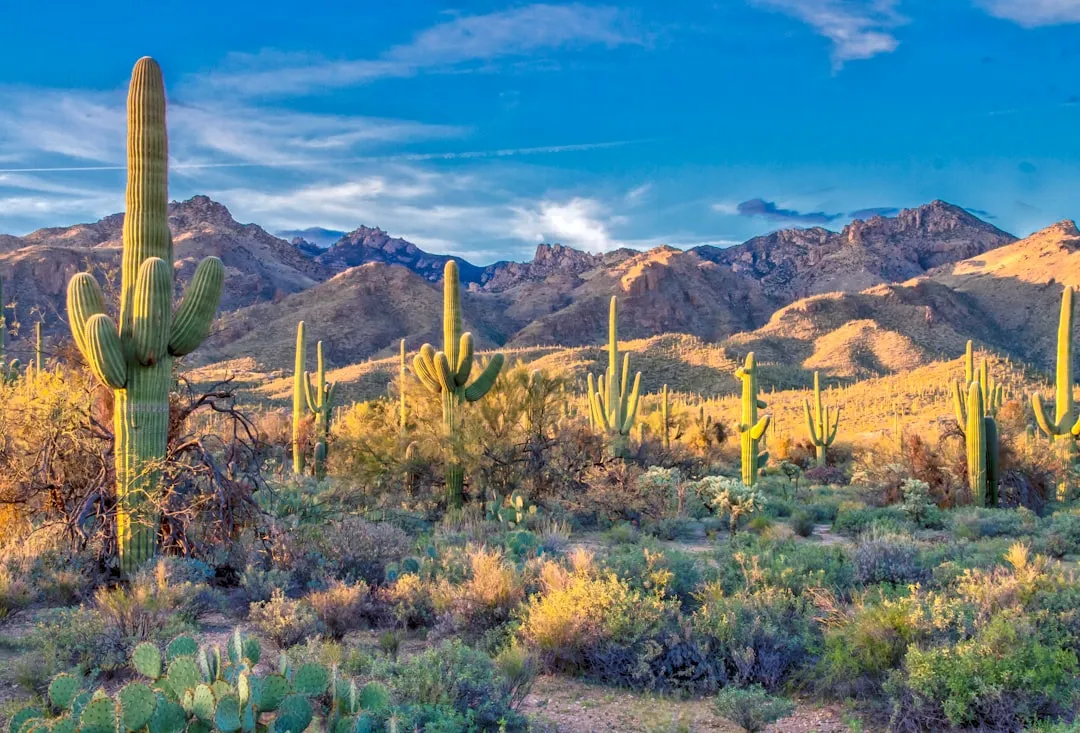
When I think back on my own Arizona birding trips, the memories that stick are not just the rare targets, but the moments in between: the shock of cool canyon air after a scorching drive, the sound of water in a place that looks bone-dry from a distance, the mix of license plates in a trailhead lot where everyone is chasing the same rumor of a sighting. The five spots above are favorites for good reasons, but they are also gateways into a wider landscape that keeps revealing new corners as you return. If you show up with patience and curiosity, Arizona tends to overdeliver.
In my admittedly biased opinion, Arizona is one of the few states where birding feels like a genuine adventure rather than just a hobby. You are not only ticking boxes; you are moving through extreme gradients of climate and terrain, watching birds adapt to each niche. Whether you end up obsessed with hummingbirds in Madera, quietly loyal to Sweetwater’s urban wetlands, or hypnotized by the Grand Canyon’s raptors, this state will probably get under your skin. The real question is not whether Arizona deserves a spot on your birding bucket list, but which of these five places you’ll visit first – what would you choose?

- The 5 Best Birdwatching Spots in Arizona - August 14, 2026
- Wildlife Biology Says Bobcats Often Live Within Sight of Busy Neighborhoods - August 14, 2026
- Wildlife Biology Says River Otters Return Before Most Rivers Are Fully Restored - August 14, 2026