
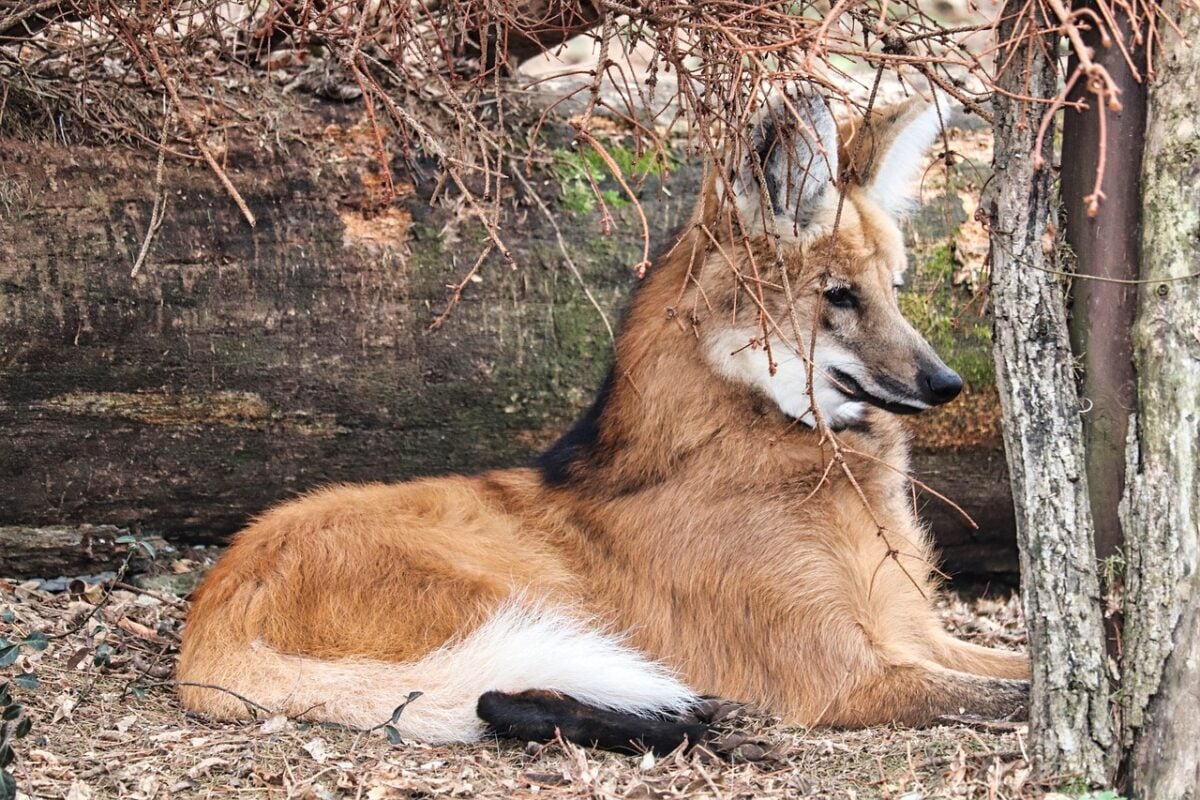
If you saw a maned wolf for the first time on a dark road, you’d probably think you’d just spotted a fox that got into a pair of stilts and decided to cosplay as a deer. It looks familiar but wrong at the same time, like someone hit randomize on a dog-creator app. Long legs, foxy face, huge ears, reddish coat – it ticks all the visual boxes… and yet, it is not a fox, and technically, not a true wolf either.
That mismatch between looks and reality is what makes the maned wolf so fascinating. It is a living reminder that nature doesn’t care about our neat labels. When I first learned it wasn’t closely related to either foxes or wolves, I felt a bit cheated, like I’d been misled by its own marketing. But the more you dig into what this animal really is, the more you realize it’s actually far stranger – and far cooler – than the nicknames suggest.
1. Those “stilt” legs are built for grasslands, not for being a giant fox
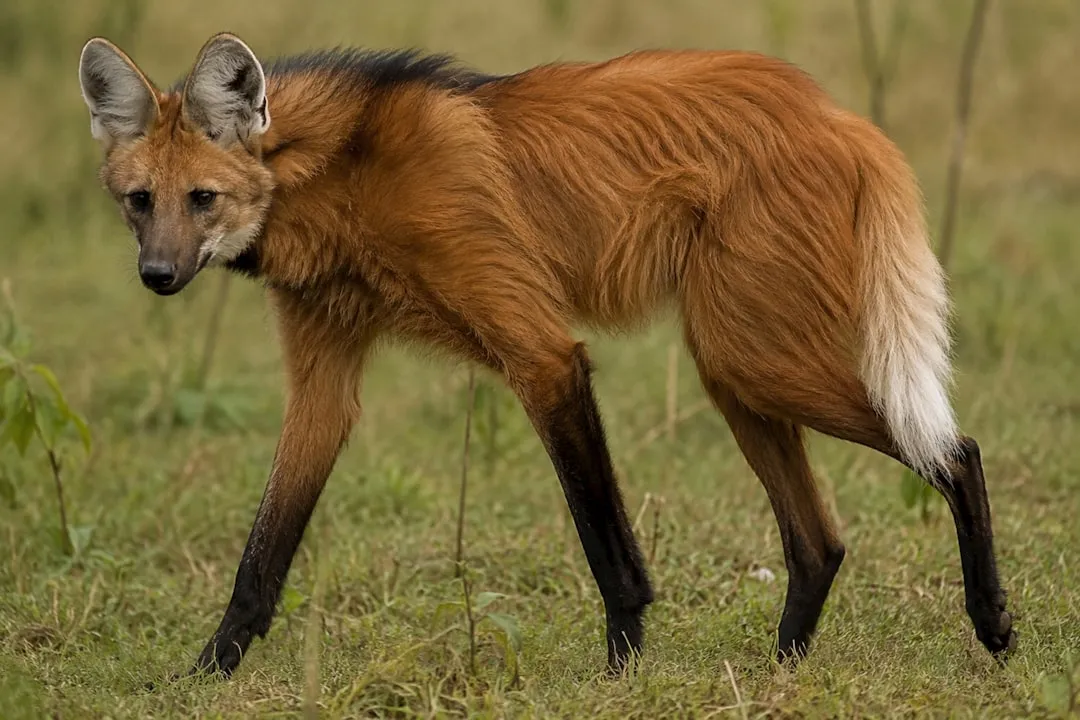
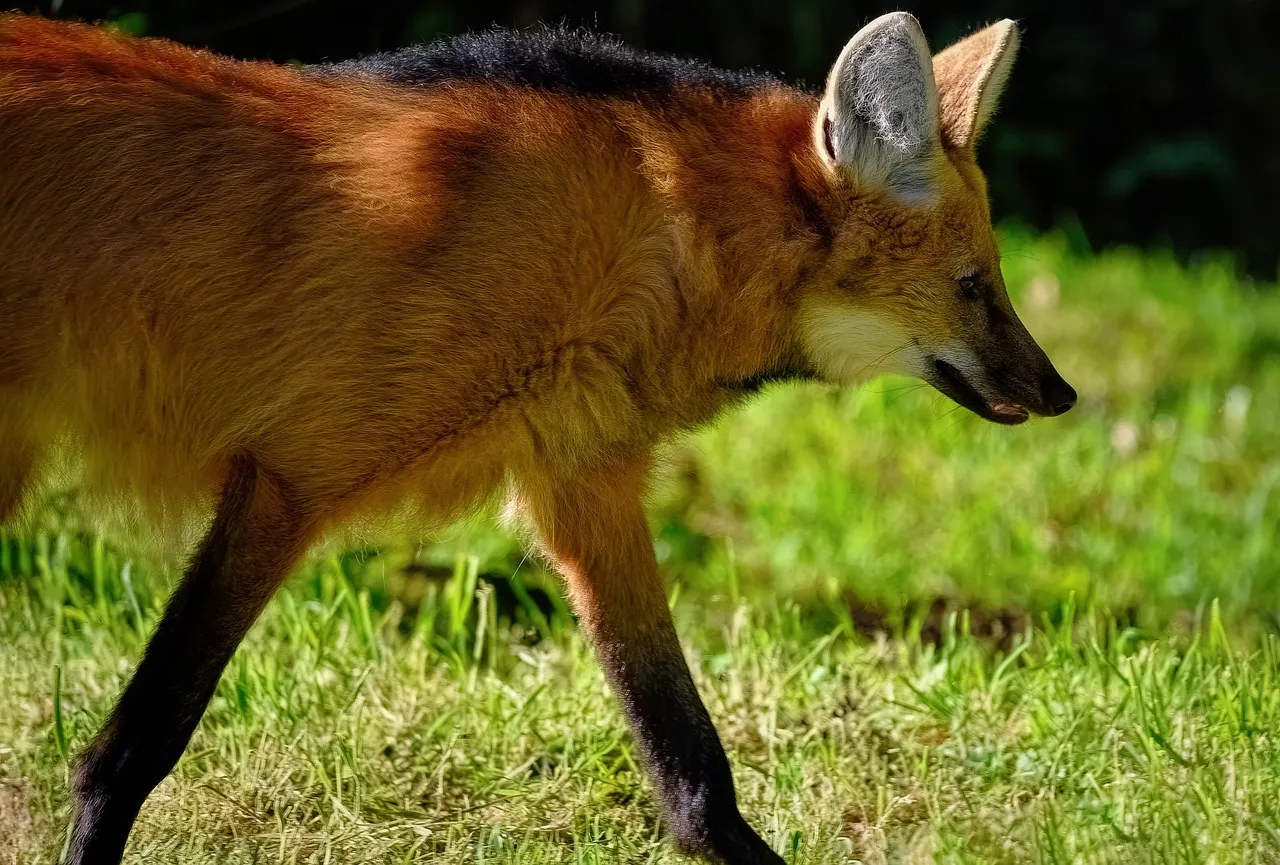
The first thing that makes you do a double-take with the maned wolf is the legs. They’re absurdly long, like someone edited them in with bad Photoshop. That’s where the whole “fox on stilts” thing comes from. But those legs aren’t a quirky design choice; they’re a serious adaptation to the tall grasslands and savannas of South America, especially in places like Brazil’s Cerrado.
Instead of sneaking through forests like many foxes or roaming in harsh tundra like some wolves, maned wolves live in open, grassy habitats where the vegetation can tower above shorter animals. Long legs lift their head and eyes above the grass so they can spot prey, competitors, and threats. It is the same logic as a person standing on a hill for a better view, except here evolution did the elevating. So the leggy look is not a stretched-out fox design – it is a grassland specialist’s body plan.
2. DNA says: close in looks, distant in family
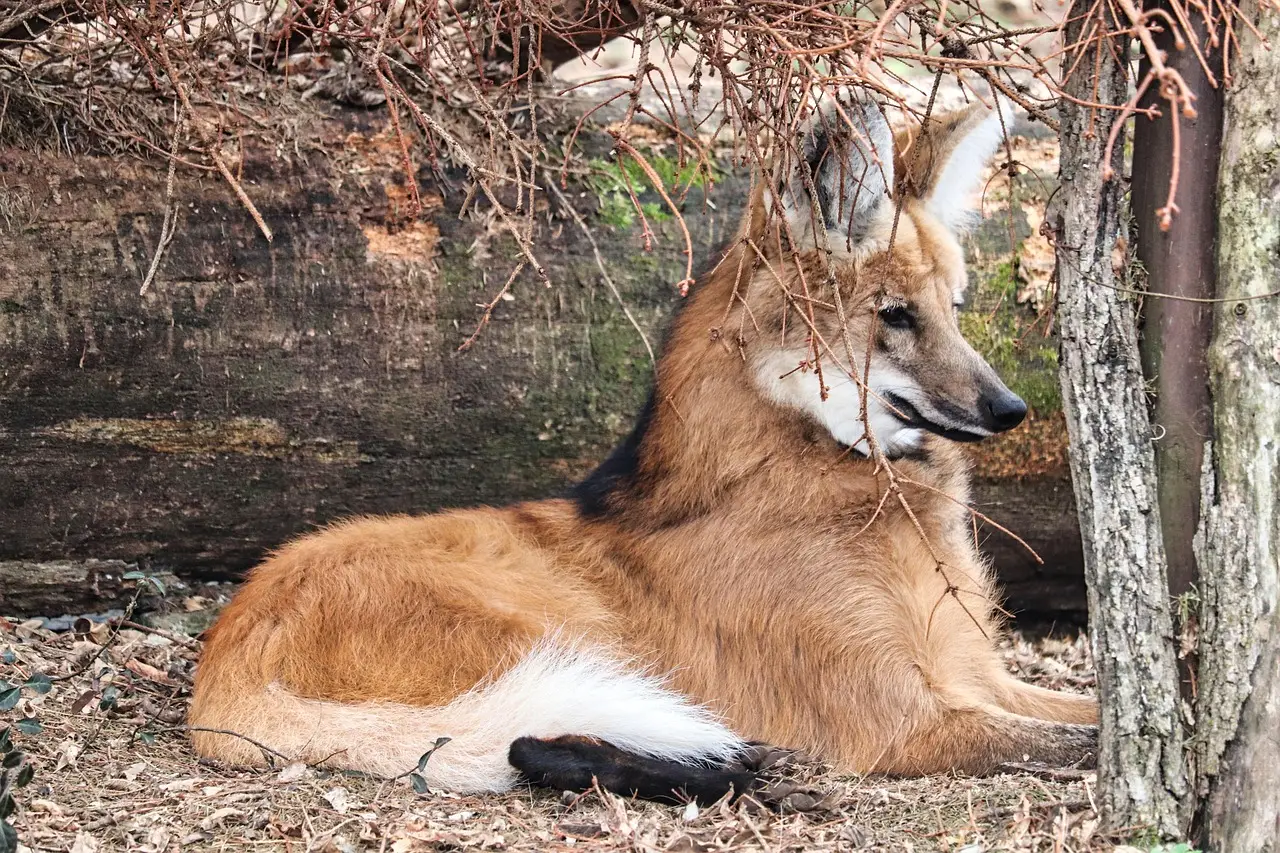
Visually, the maned wolf feels like it should sit somewhere between a red fox and a lanky wolf. But once scientists started looking at its genetics, the story took a twist. Despite the name “maned wolf” and its obvious fox-like face, it doesn’t slot neatly next to either one in the dog family tree. Instead, it belongs to its own distinct branch, with its closest relatives including some lesser-known South American canids.
That means the shared look with foxes and wolves is mostly a case of convergence – different lineages evolving similar traits because they live similar lifestyles or habitats – not because they are closely related. It is like two unrelated people both ending up with glasses, dark hair, and the same taste in jackets; you might assume they are siblings, but the DNA disagrees. So while the maned wolf wears a fox-and-wolf style outfit, its genetic passport tells a different story altogether.
3. Its diet is part fruit-lover, part small-prey hunter
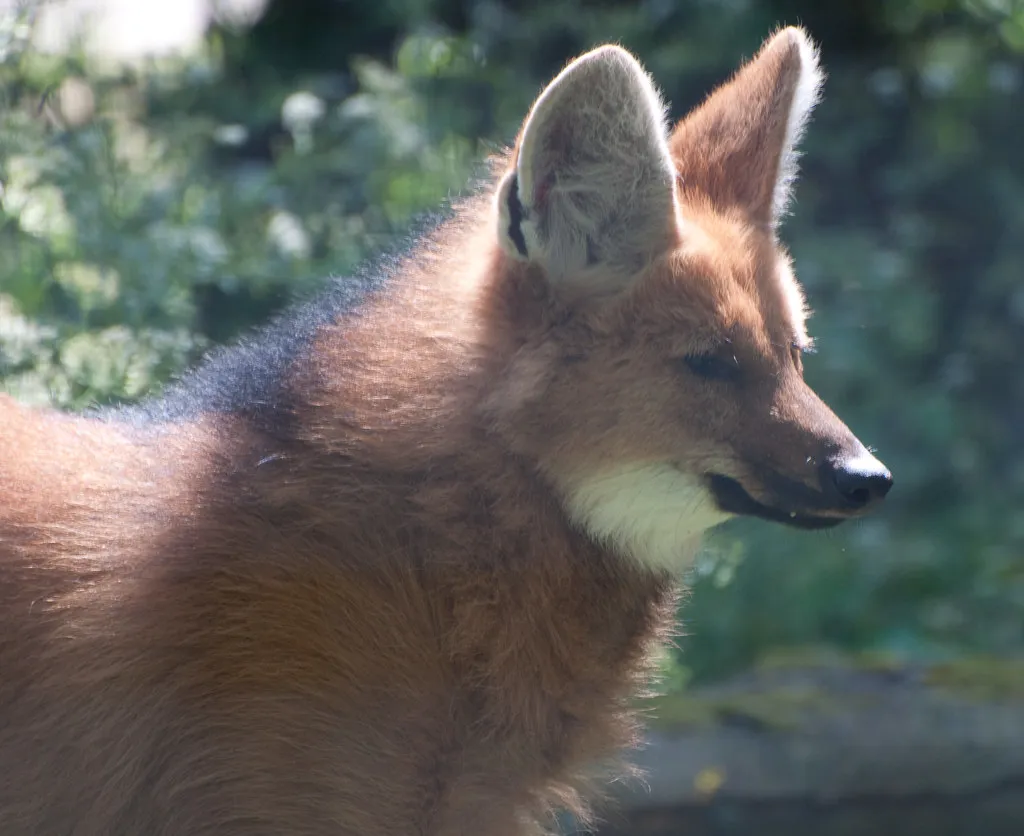
When you see those big teeth and long legs, you expect a pure predator, something that hunts like a wolf on open plains. Wolves are mostly meat-focused, and many foxes are heavily into small mammals and birds. The maned wolf, though, plays by its own rules. It eats small animals like rodents, birds, and insects, but a surprisingly big chunk of its diet is fruit, especially a tomato-like berry often called the wolf apple.
That makes it more of an omnivore with a strong fruit addiction than a strict carnivore. It actively helps spread seeds through its droppings, making it a quiet gardener of the ecosystems it lives in. You could almost think of it as a part-time predator and part-time forest farmer. This flexible, fruit-heavy diet is another sign that, despite the name and the look, it is living a very different lifestyle from the meat-driven stereotype of wolves and many foxes.
4. It hunts and lives mostly alone, unlike pack wolves and crafty fox families
Wolves are famous for their packs, for coordinated hunts, and for tight-knit family groups. Many fox species form pairs or family units, raising pups together and defending territories as a team. Maned wolves, on the other hand, lean hard into solitude. Even when a male and female share a territory, they often move around separately and may not hang out together as much as you’d expect.
They hunt alone, wandering over large ranges, listening and sniffing for prey in the tall grass rather than charging in as a coordinated group. This solo, wide-ranging lifestyle fits their scattered food sources: small animals here, a patch of fruit there. It is more like a long, lonely road trip with snacks along the way than a group expedition. That independence is a big behavioral reason why calling them “wolves” is misleading; the social script is totally different.
5. Their communication style is strange: long legs, loud barks, and strong scent
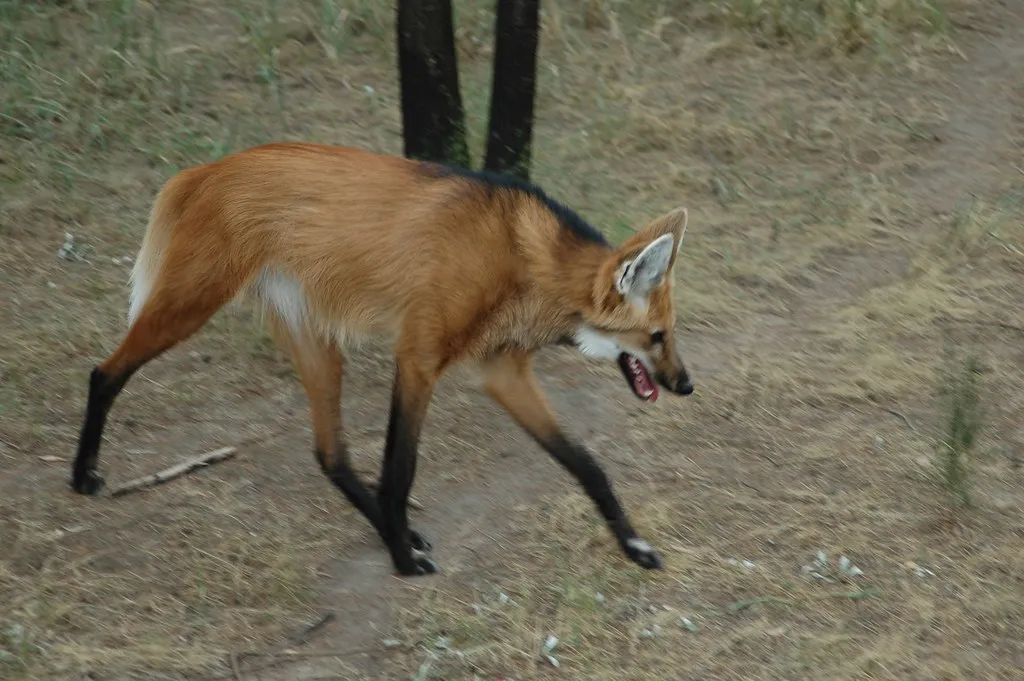
People often imagine foxes as yappy and wolves as howling in packs under the moon. The maned wolf adds its own twist with a deep, booming call sometimes described as a roar-bark, which carries over long distances across the open landscape. Because individuals are usually far apart, this powerful call helps them announce their presence and keep some space between neighbors without constant direct conflict.
They also lean heavily on scent marking, leaving strong-smelling urine on plants and objects to sketch out invisible boundaries. Some people say the smell is surprisingly intense and distinctive, enough that zoos sometimes have to explain it to nearby visitors. Between sound and scent, a mostly solitary animal can maintain a social map of who is where without ever forming a pack. It is a very different vibe from the complex, close-contact pack communication we see in true wolves.
6. That shaggy “mane” is a mood signal, not just a fashion statement
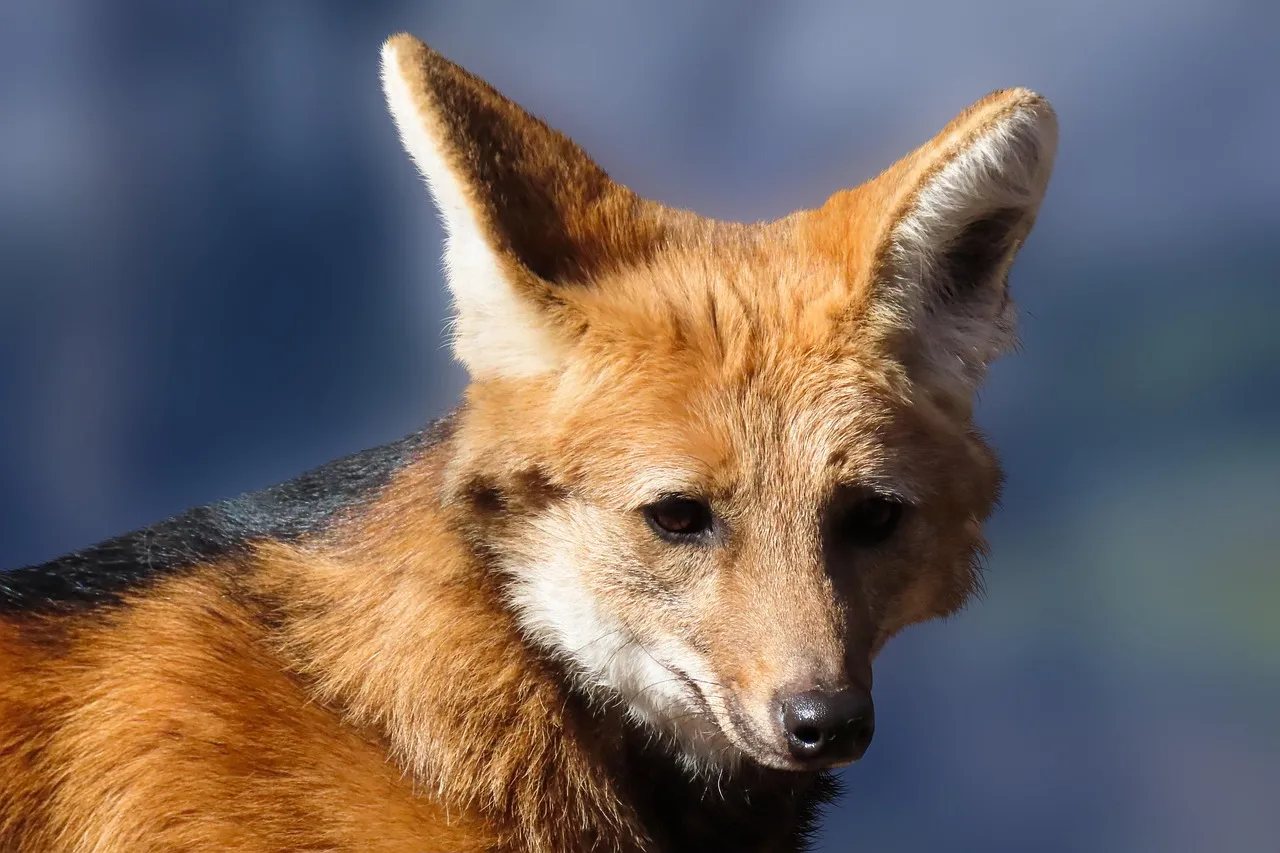
The “maned” part of maned wolf comes from the dark, raised strip of fur along its neck and back. When the animal is calm, the mane can lie fairly flat, blending into its reddish-brown coat. But when it feels threatened, alert, or excited, it can raise that mane, making itself look bigger and more intimidating. It is a visual warning system built right into the fur, like a built-in jacket you can fluff up when you need to look tougher.
Wolves and foxes have their own body language and postures, but this bold, stand-up mane gives the maned wolf a dramatic flair they usually lack. If you imagine a cat raising its fur when scared, you get the idea, just applied to a tall, slender canid in a field of grass. It sends a clear signal without needing to fight or even get very close. That kind of visual, inflatable warning system adds to the sense that this creature is operating on a somewhat different wavelength from the classic wolf or fox playbook.
7. Its conservation story is uniquely tied to South American savannas
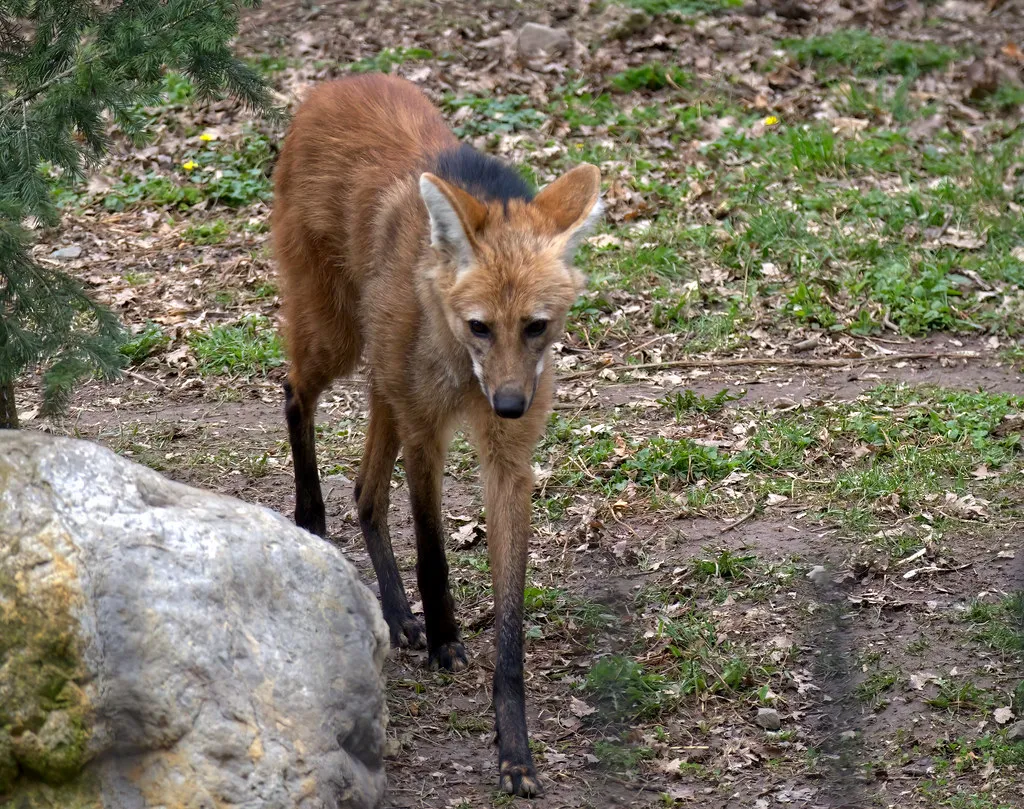
Wolves and foxes have stories that stretch across continents and cultures, from European folklore to North American wilderness tales. The maned wolf, however, is tightly bound to South American landscapes, especially the threatened Cerrado, a vast mosaic of grasslands, shrublands, and scattered trees. As agriculture, urban expansion, and infrastructure carve up these habitats, the maned wolf finds itself caught between shrinking wild spaces and human-dominated land.
It faces risks from road collisions, diseases spread by domestic dogs, and conflict with people who mistake it for livestock-killing predators. Yet, in many places, it rarely preys on large farm animals and would often rather stick to small prey and fruit. That misunderstanding mirrors the confusion in its name: called a wolf, looking like a fox, but playing a very different ecological role. Protecting it means protecting entire savanna ecosystems that are often overlooked compared to rainforests, and that alone makes its story different from the more familiar conservation narratives of true wolves and common foxes.
Conclusion: more than a fox on stilts, and more interesting than its name
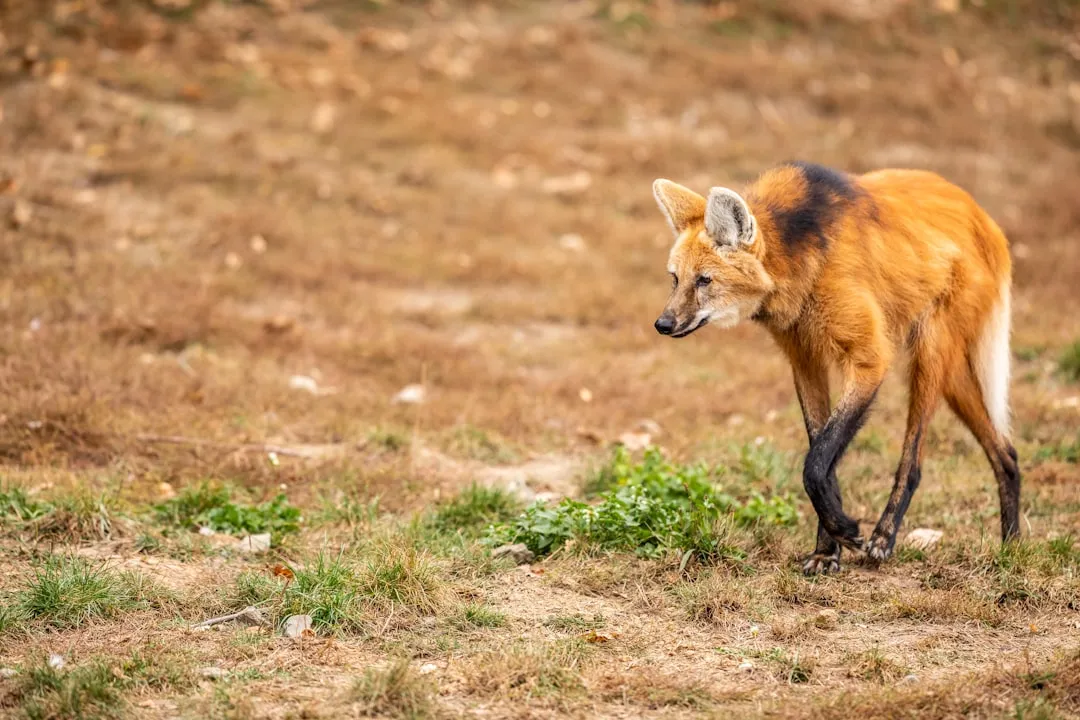
The more you peel back the layers of the maned wolf, the more that “fox on stilts” joke starts to feel a bit lazy. Yes, it looks like a lanky mashup of animals we already know, but that is just the surface. Underneath the long legs and foxy face is a solitary, fruit-loving, grassland specialist with its own lineage, its own rules, and its own fragile place in the world. Honestly, calling it a wolf at all feels like trying to shove a square peg into a round hole just because we are used to certain labels.
If anything, I think we should stop treating the maned wolf as a quirky side character in the wolf and fox story and start seeing it as the main character in its own. It is proof that evolution does not care about our categories; it just keeps experimenting until something works in a particular place and time. Maybe the real question is not why this animal looks like a fox on stilts, but why we are so desperate to fit it into boxes it has clearly outgrown. Now that you know what it really is, does “neither fox nor wolf” surprise you as much as it did me?

- 7 Reasons the Maned Wolf Looks Like a Fox on Stilts but Is Neither a Fox Nor a Wolf - August 15, 2026
- Animal Science Says Vampire Bats Share Food With Hungry Companions They Know - August 15, 2026
- What Eagle Are You According to Your Zodiac Sign - August 15, 2026