
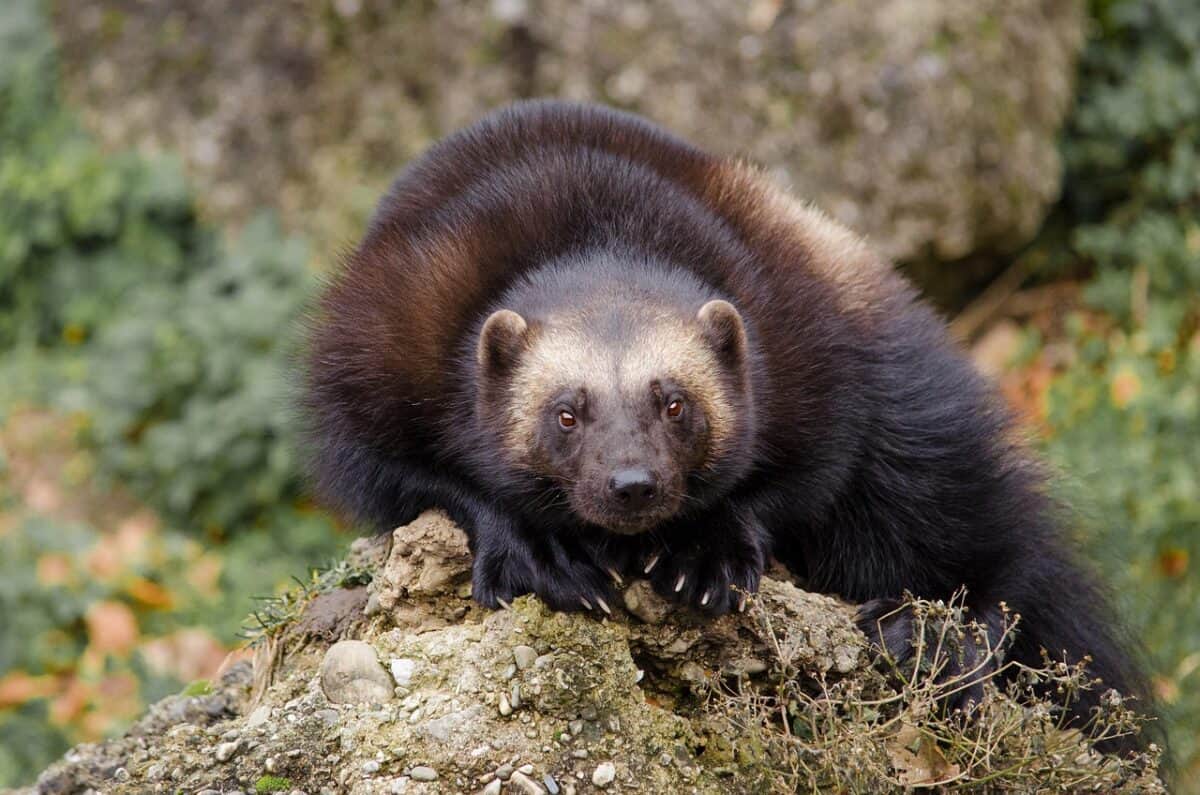
If there were an award for the toughest animal most people never see, the wolverine would win it by a mile. This compact, shaggy survivor lives where even big, famous predators struggle: wind-scoured tundra, deep snow, brutal cold, and endless dark winters. Yet somehow, this animal not only hangs on, it thrives.
For years, I barely thought about wolverines beyond seeing their name on a sports jersey. The more I learned, though, the more it felt like uncovering a secret chapter of nature’s survival manual. Wolverines are not just strong; they are built around a quiet, ruthless efficiency that lets them do what almost no other predator can. Here are seven reasons they pull off this extreme lifestyle.
1. A Body Built Like a Living Snowplow
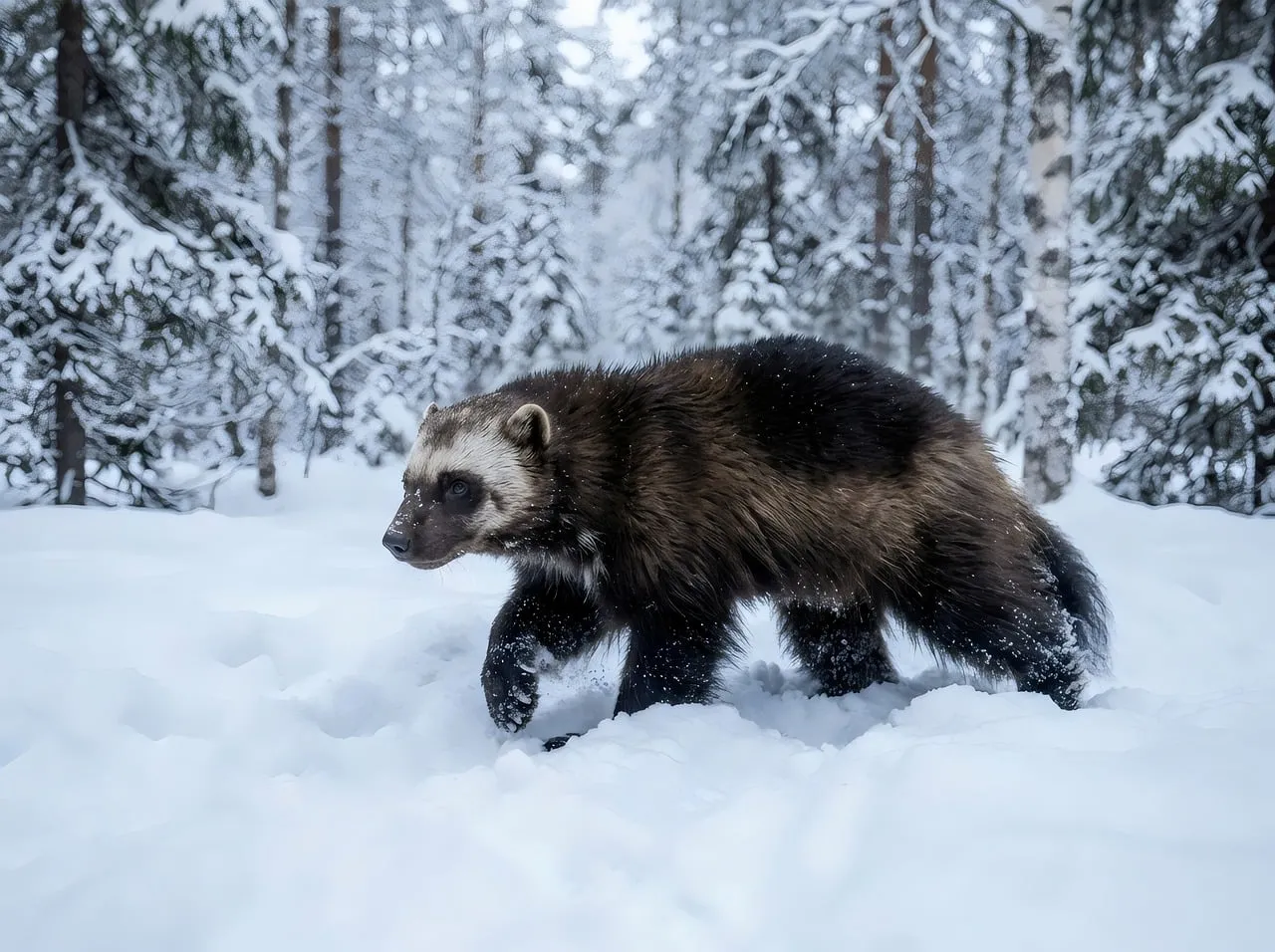
The first shock with wolverines is how much power nature can pack into a relatively small frame. They are not as large as wolves or big cats, but they are ridiculously stocky, with dense muscles, heavy bones, and broad heads and shoulders. Their paws are oversized relative to their body, almost like a set of built-in snowshoes that spread their weight and keep them from sinking deep into soft drifts.
This sturdy build gives them traction and leverage when moving over deep snow, climbing icy slopes, or dragging carcasses much larger than themselves. Think of a compact off-road vehicle that can go where sleek sports cars simply bog down. In the same way, a wolf might punch through the snow and tire quickly, while a wolverine trundles over the surface, burning less energy and reaching places most predators just cannot bother with.
2. A Metabolism Tuned for Feast, Famine, and Freezing Cold
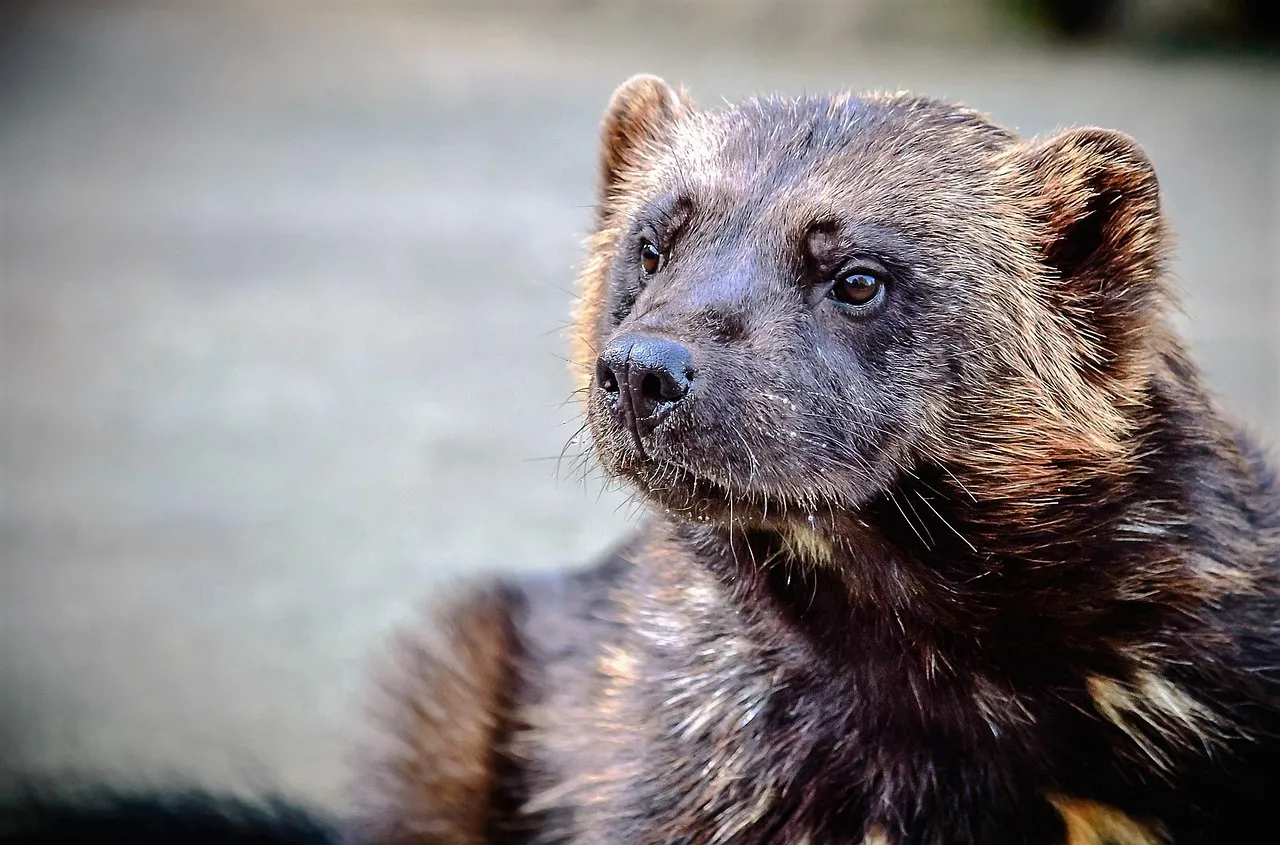
Most animals pay a heavy price for living in extreme cold, because staying warm is like running a furnace nonstop. Wolverines cope by combining thick insulating fur and a physiology that tolerates swings between food abundance and scarcity. When there is a carcass to eat, they can gorge themselves and pack away energy not only as fat, but also by caching leftovers in the snow and ice, where low temperatures act like a natural freezer.
During lean times, their bodies are remarkably efficient at using stored reserves, allowing them to keep roaming long distances in search of food without collapsing. It is a bit like having a hybrid car that can switch to a long-range mode when gas stations are hundreds of miles apart. Many predators are built around regular, predictable meals; the wolverine is wired for the reality of wild, irregular windfalls and long, hungry stretches.
3. An Omnivorous, Opportunistic Diet That Rarely Runs Out
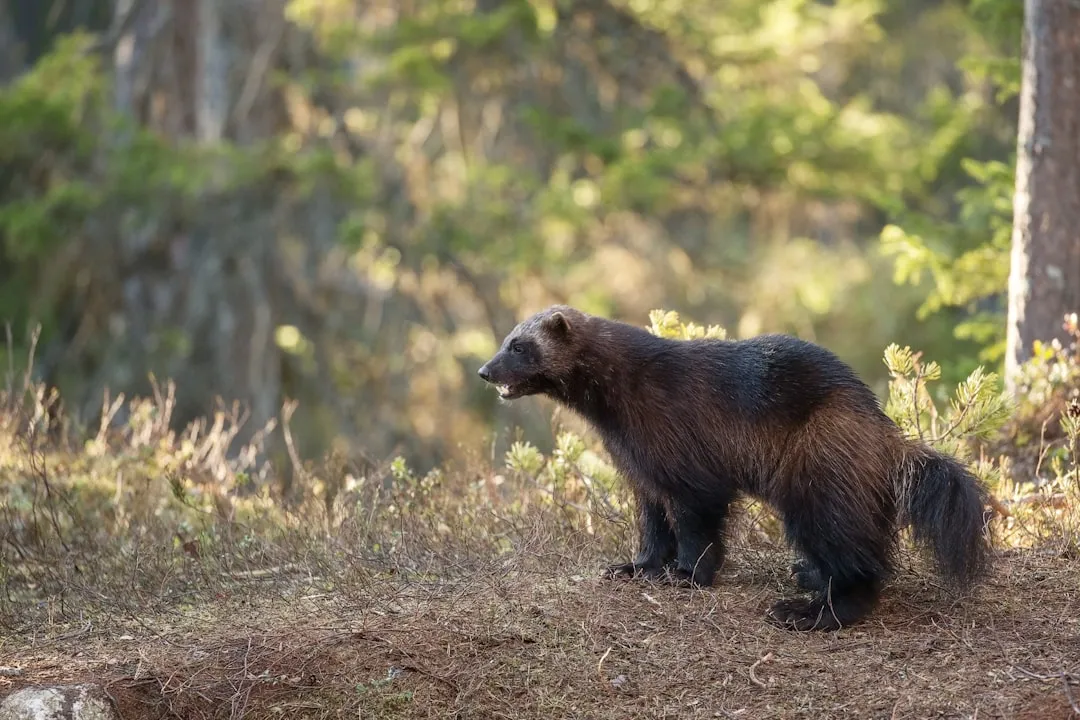
One of the biggest advantages wolverines have is dietary flexibility. They certainly hunt when they can, taking smaller mammals and birds, and occasionally going after weakened or young larger animals. But they are equally at home as scavengers, feeding on carcasses of deer, caribou, elk, or other animals that died from cold, avalanches, or other predators. That means they are not betting their survival on being able to chase down fast prey every day.
On top of that, wolverines will eat berries, insects, and almost anything remotely edible they can find when meat is scarce. This broad menu is a kind of insurance policy against the harshest conditions, when other predators go hungry because their specific prey is missing or difficult to catch. In ecosystems where the rules are simple – eat or be eaten – wolverines bend those rules by being content to eat almost whatever the land and weather provide.
4. A Temperament That Outsizes Their Body
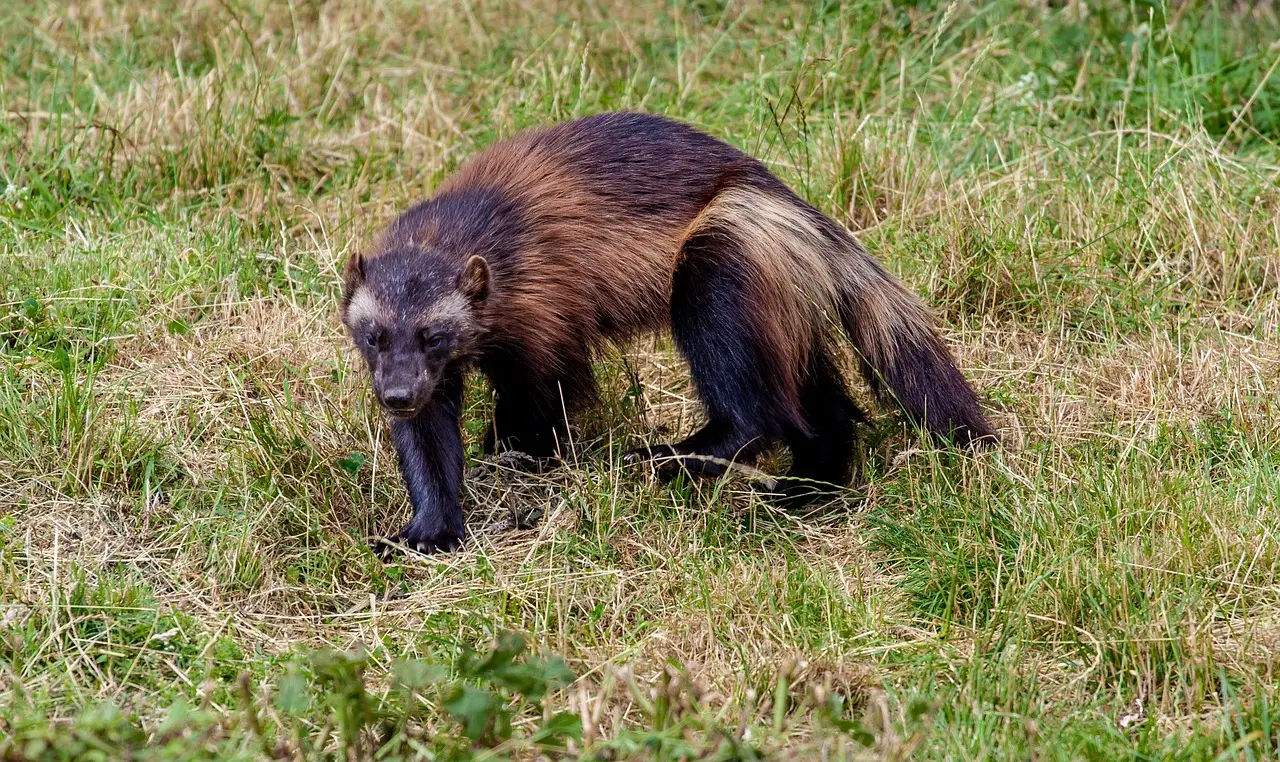
Ask people who study wolverines, and you will hear the same description again and again: they are fearless. For their size, wolverines are famously bold and confrontational, sometimes standing their ground against much larger animals over food. That attitude matters in remote, resource-poor environments, where backing down from every conflict means losing crucial calories that may not be replaced soon.
This fierce temperament is more than just drama; it has real survival value. A wolverine that is willing to defend a carcass or chase away competitors can extract more nutrition in less time, then move on before conditions worsen. To me, it is like watching someone in a tough neighborhood who refuses to be pushed around – not because they are reckless, but because they know that hesitating means going hungry. That edge is part of why they can survive in sparse territories where other predators cannot maintain control of their food sources.
5. Insulating Fur and Hidden Dens in a Frozen World
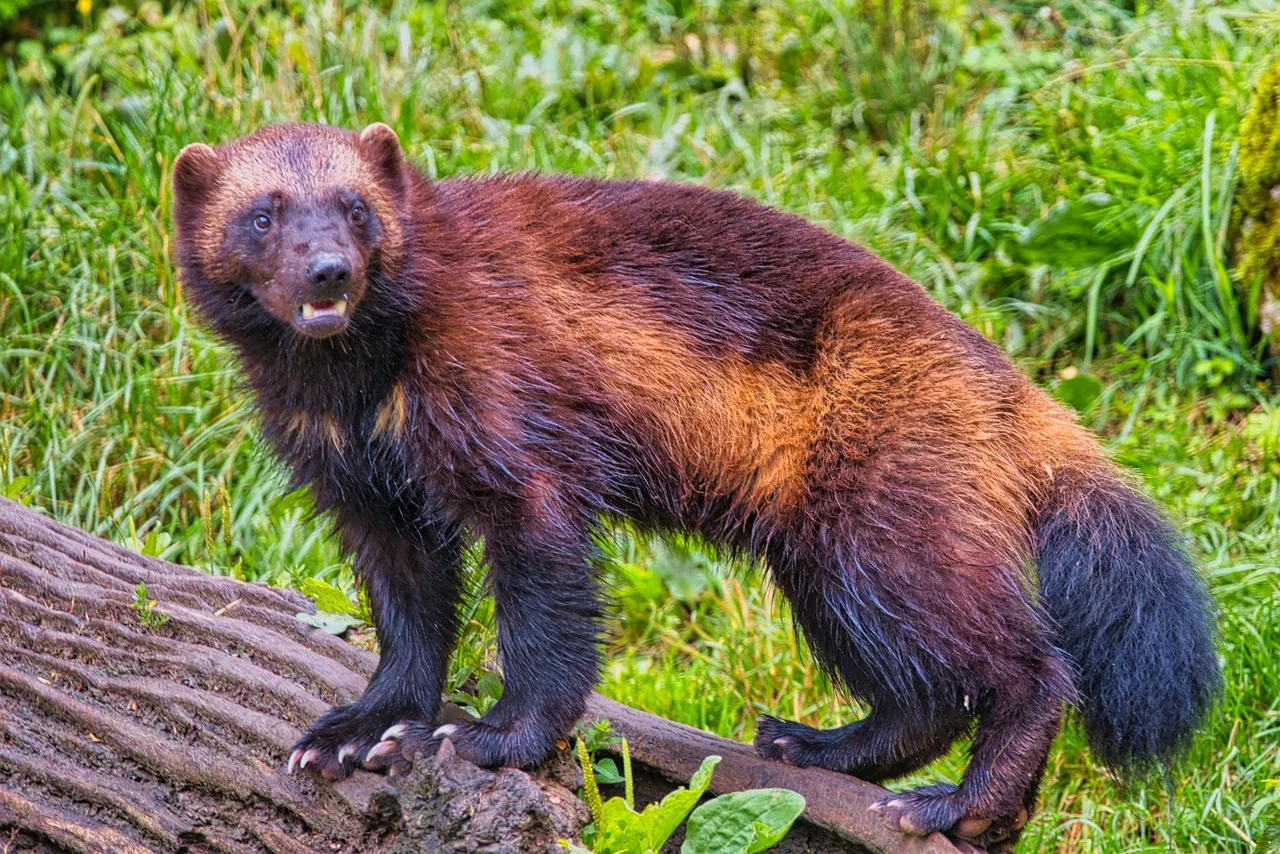
Wolverines wear one of the most effective cold-weather outfits in the animal kingdom. Their fur is thick, oily, and resistant to frost, which helps keep them dry and warm even in blizzards and subzero temperatures. In areas where temperatures plunge far below freezing for long stretches, staying dry can matter as much as staying warm, and wolverines are wrapped in a coat that sheds snow instead of soaking it up.
They pair this clothing with smart home design. Wolverines often den in deep snow tunnels, crevices, or hollow spaces among rocks and trees, especially for raising their young. Snow might sound harsh, but deep snowpack can actually work like insulation, holding a more stable temperature than the howling air above. While other predators may be exposed on the surface, a wolverine and its kits can be tucked away in a quiet, insulated pocket of the winter landscape.
6. Enormous Home Ranges and Relentless Wanderings
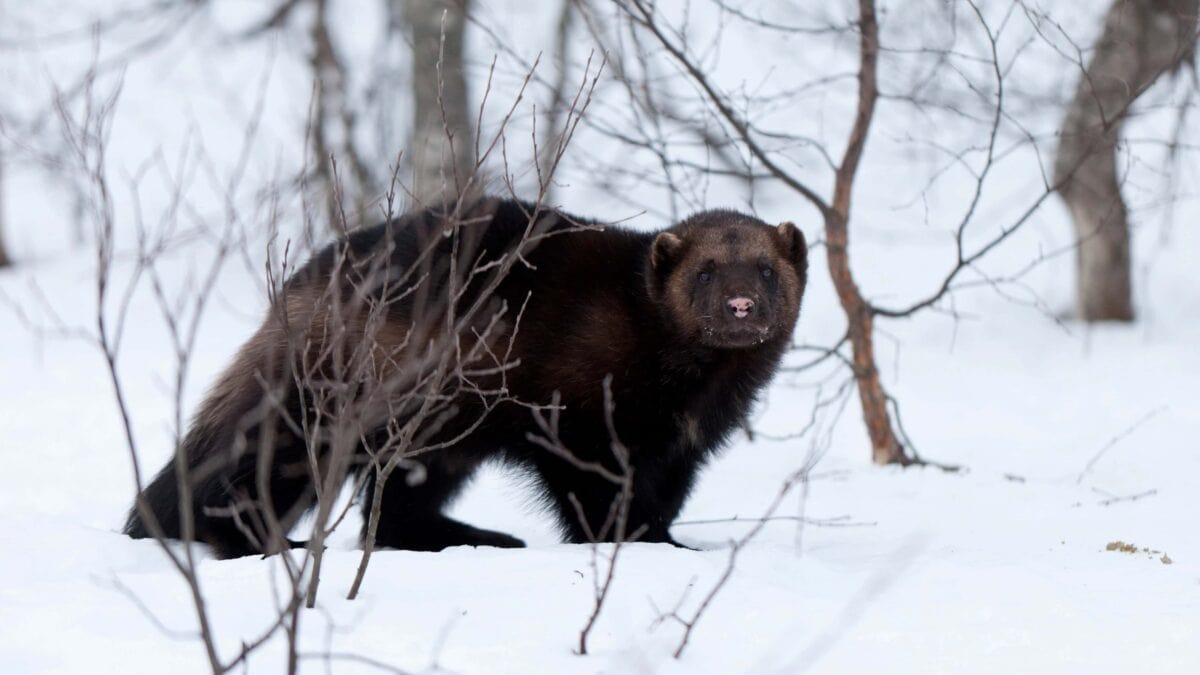
Where many predators carve out a relatively compact territory, wolverines think in much larger maps. Individuals can travel over huge areas, crossing mountain ranges, valleys, and frozen rivers in search of food. This constant movement means they are not draining one small area dry; instead, they tap into scattered resources that other animals rarely reach consistently.
Covering such large distances in harsh conditions sounds exhausting, but for wolverines it is a survival strategy. When prey is unpredictable and carcasses appear at random, the animal that keeps moving has a better chance of stumbling on the next meal. It reminds me of someone who refuses to stay in a single failing job market and instead travels to wherever opportunities appear. In places where nature offers no guarantees, mobility is one of their greatest assets.
7. A Reproductive Strategy Timed to Harsh Seasons
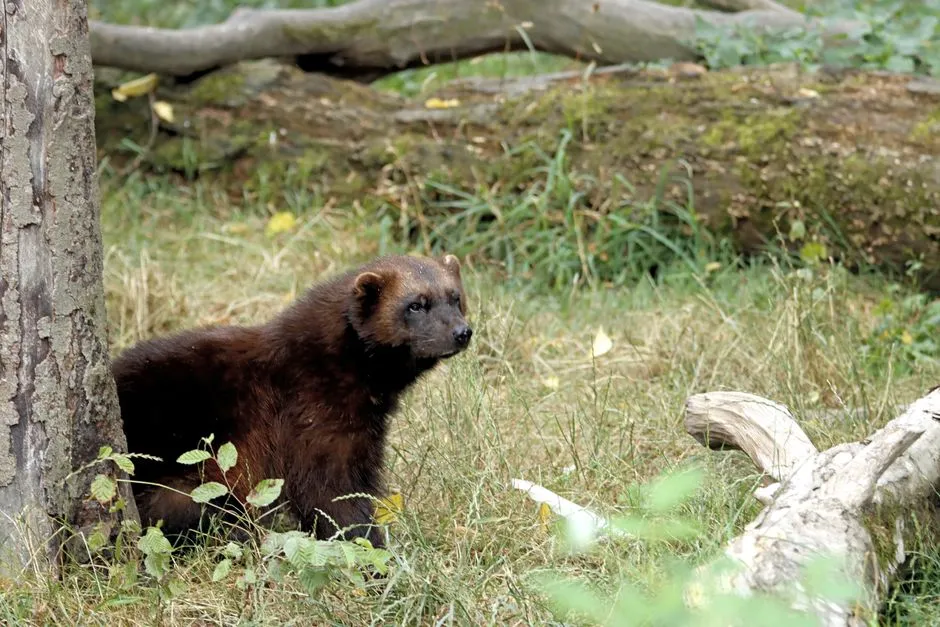
Wolverines do not breed recklessly; their reproductive strategy is cautious and closely tied to environmental conditions. They typically have relatively few young, and the timing of births is aligned with late winter and early spring, when deep snow is still available for dens but food availability is beginning to creep upward. This balance gives mothers a protected space to raise kits while slowly improving conditions outside.
There is evidence that wolverine reproduction is sensitive to food availability, meaning that females may delay or limit pregnancies when resources are too scarce. That might sound risky, but it helps ensure that when kits are born, there is at least a reasonable chance of supporting them. In a world where some predators pour energy into litters even when conditions are terrible, the wolverine’s approach is almost conservative, and that restraint can make the difference between collapse and long-term survival in unforgiving habitats.
Conclusion: The Quiet Champion of Harsh Places
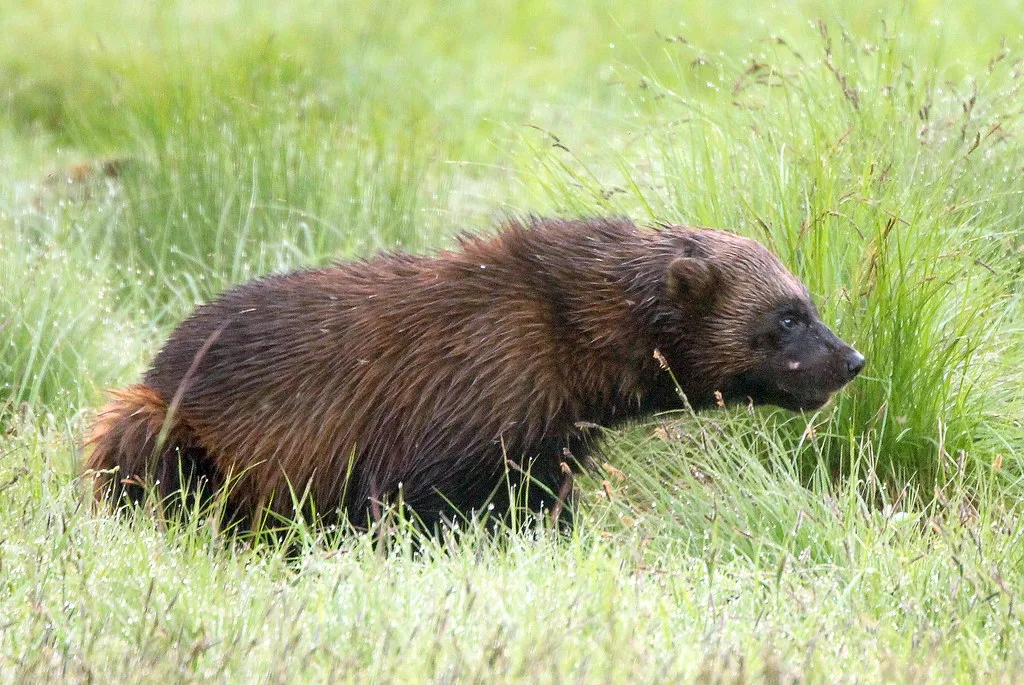
When you put all of this together – the stocky build, the efficient metabolism, the fearless attitude, the giant home range – it becomes clear that wolverines are not just another predator. They are a specialized answer to one of nature’s hardest questions: how do you live where almost nothing wants to live? I think that is why they fascinate so many biologists and outdoors people; they are proof that survival is not only about size or speed, but about a whole package of traits working in brutal harmony.
In my view, we tend to underestimate wolverines precisely because they stay out of sight and out of mind, quietly doing the impossible in places most of us will never go. As climates shift and wild landscapes change, their future is not guaranteed, and that makes their story feel even more urgent. If an animal this tough can be pushed to the edge, what does that say about the rest of us living in far gentler conditions? Maybe the real question is whether we are tough and adaptable enough to keep sharing a planet with survivors like the wolverine – what would you honestly bet on?

- 7 Reasons Wolverines Survive in Places Most Predators Cannot - August 15, 2026
- 10 North American Animals That Become Surprisingly Difficult to Find After Sunset - August 15, 2026
- 8 Things Porcupines Can Do With Their Quills That Most Americans Get Wrong - August 15, 2026