
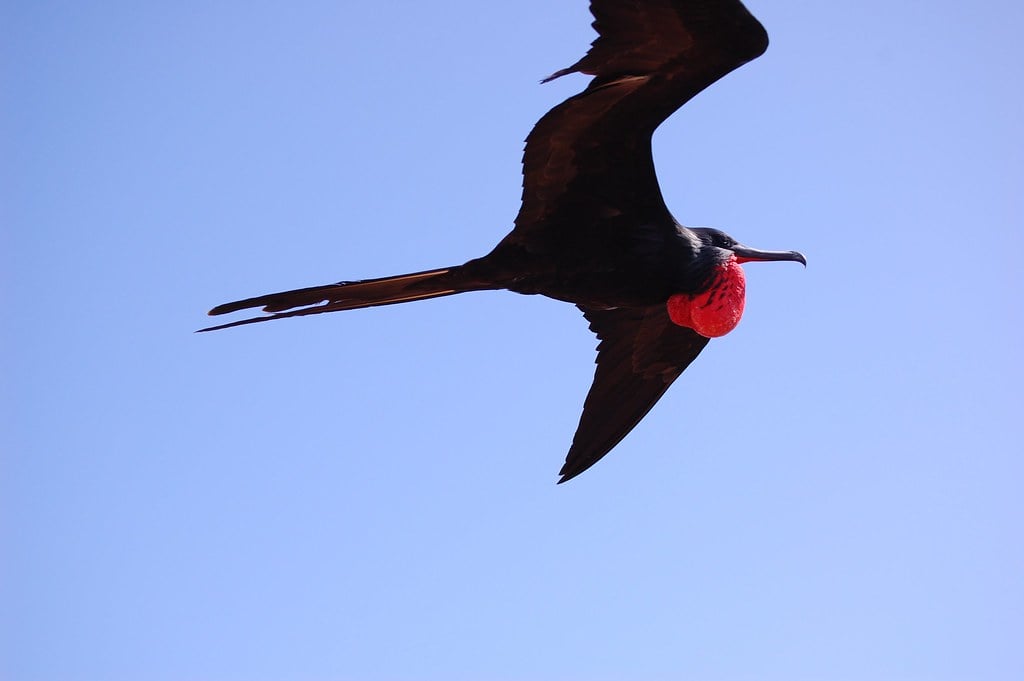
Picture a bird drifting on air for days above a wide, empty ocean, never landing, barely flapping its wings… and still managing to sleep. It sounds like a fantasy from a nature documentary, but modern bird science says this is exactly what frigatebirds do. They sleep on the wing, high above the sea, where there’s nowhere to rest and no safe place to stop.
When I first read that researchers had measured brain activity in wild frigatebirds and found they were literally sleeping mid-flight, I had to reread it. How does an animal close off parts of its brain and still avoid crashing into the ocean? The deeper you go into the science, the more it feels like a glimpse into an alien way of being alive – and a slightly uncomfortable mirror for how clumsy our own sleep habits seem by comparison.
The Ocean Nomads That Almost Never Land
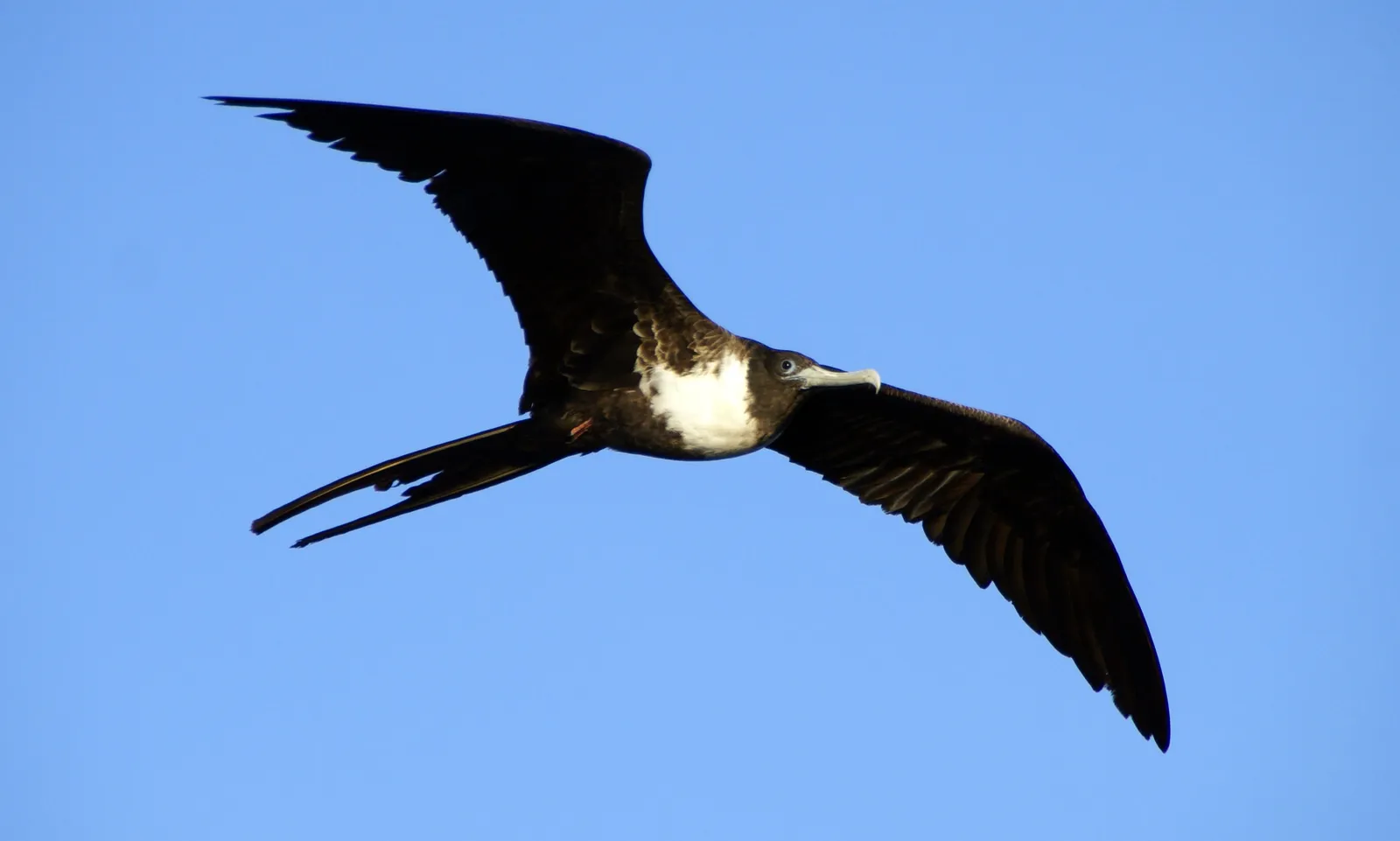
Frigatebirds are not your average seaside birds; they’re more like extreme-distance athletes built for life over the open ocean. With wingspans that can rival a grown human’s height and bodies that are surprisingly light, they are designed to ride warm air currents rather than power themselves with constant flapping. They can stay airborne for days, sometimes even over a week, cruising above the waves in search of food.
What makes them truly wild, though, is their refusal to land on the water. Their feathers are not waterproof like a duck’s, and if they sit on the ocean, they risk becoming waterlogged and drowning. So they live suspended between sky and sea, sleeping and waking in a world where the nearest “bed” may be hundreds of miles away. In that harsh reality, learning to sleep while flying isn’t a fun party trick; it’s a survival requirement.
How Scientists Actually Proved They Sleep While Flying
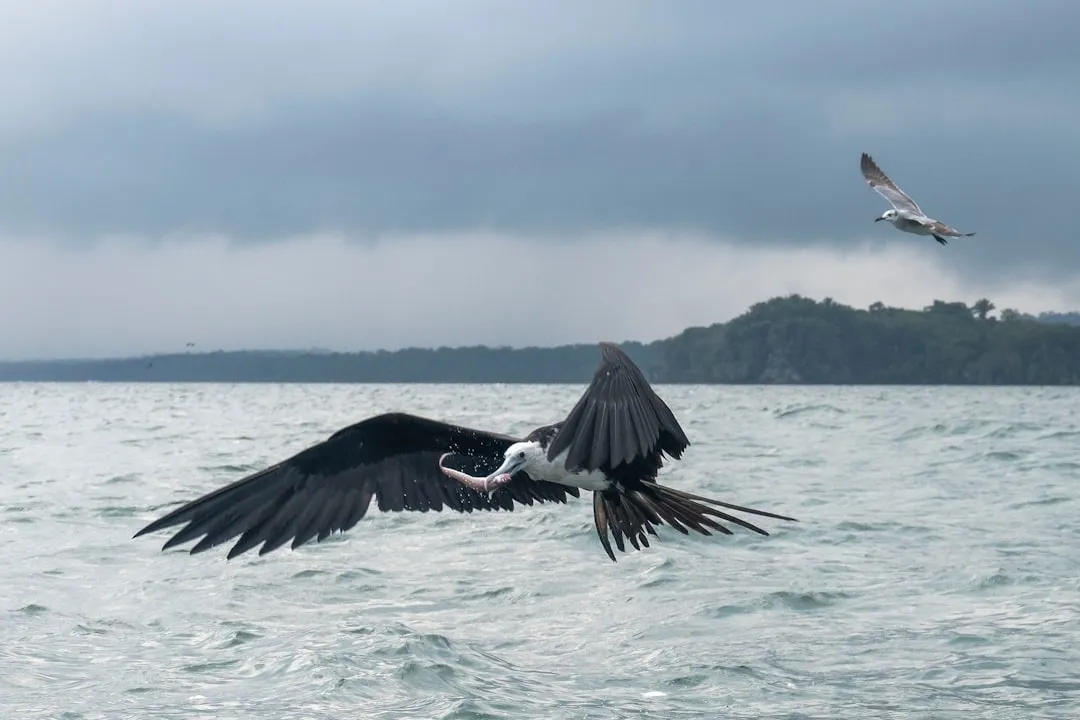
For years, the idea that birds might sleep while flying was more speculation than fact. It made sense on paper, but no one had actually measured it in the wild. That changed when researchers managed to attach tiny devices to frigatebirds that recorded brain activity, head movements, and position during long flights. It’s one of those scientific feats that sounds almost impossible: tracking the brain waves of a bird gliding hundreds of miles from land.
What they found was both subtle and astonishing. The recordings showed clear patterns of sleep, not just when the birds were perched on land, but also during long, continuous flights over the ocean. These weren’t full, deep, eight-hour blocks like humans tend to idealize, but short, scattered fragments that added up over time. The data basically confirmed that frigatebirds can do what we can barely imagine: rest their brains without ever fully stopping.
The Trick: Sleeping With Half a Brain Awake
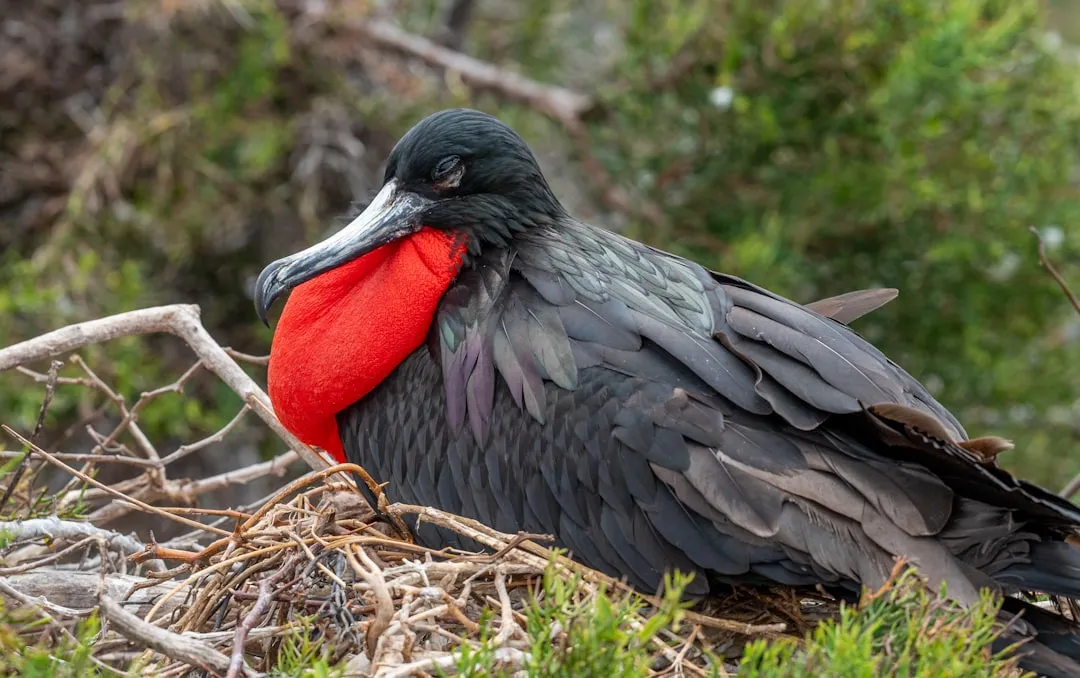
The secret to this aerial sleep is something called unihemispheric slow-wave sleep, which is a mouthful but easy to picture: one half of the brain sleeps while the other side stays awake. In frigatebirds, as in some other birds and marine mammals, this allows them to keep one eye open and one side of their brain alert while the other side gets some rest. It’s like having a built-in night shift and day shift in the same skull, taking turns.
During flight, this split-brain sleep lets frigatebirds keep track of where they are, avoid collisions, and stay positioned in rising air currents, all while still logging real sleep. What’s especially striking is that they can switch between half-brain sleep and short bursts of both halves sleeping at once, depending on how demanding the situation is. When conditions are calmer, they risk a tiny bit more shut-eye; when things are tricky, they dial up the vigilance again. It’s a kind of flexible, dynamic rest that makes our rigid bedtime routines feel pretty basic.
How Much Sleep Do They Actually Get Up There?
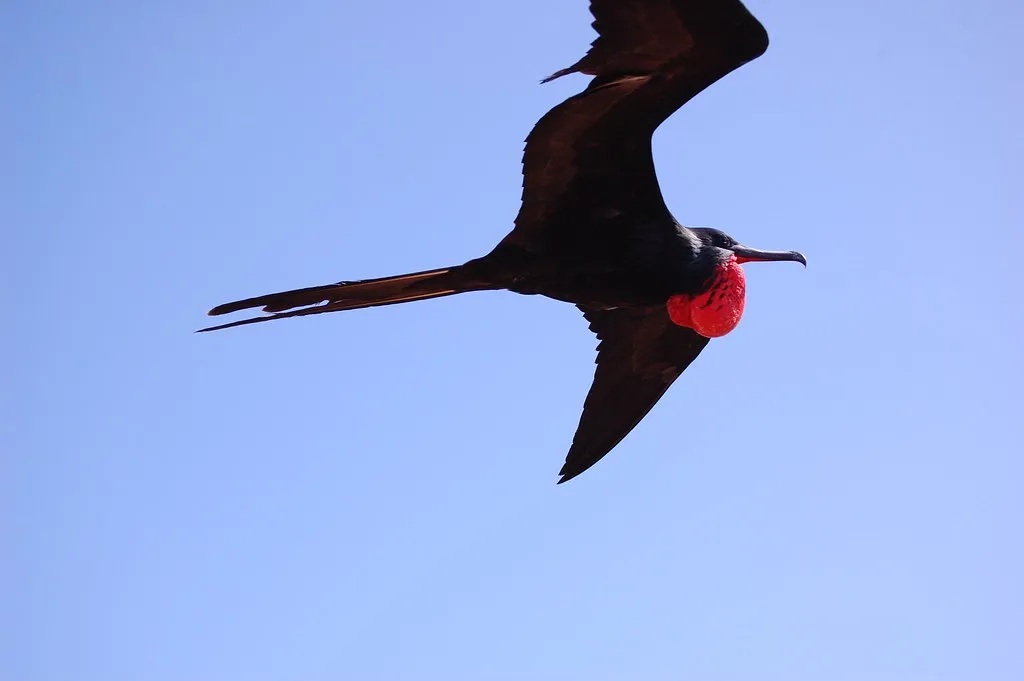
Here’s the part that sounds almost unfair: frigatebirds get dramatically less sleep while flying than they do on land. Some measurements suggest that on long ocean trips, they sleep for only small fragments scattered through the day and night, adding up to well under an hour or two in a full day. Compare that to humans, who start to unravel after just one bad night, and the difference is almost embarrassing.
What’s even more surprising is that the birds still perform the complex tasks of navigation, flight control, and hunting in this sleep-deprived state. They are literally managing with what, in human terms, would count as brutal chronic sleep restriction. Once they return to land, they do increase their sleep, as if finally paying down that sleep debt. But somehow, while they are out over the open sea, their bodies and brains are adapted to handle a level of sleep loss that would flatten most mammals.
Why Sleeping in Flight Matters for Survival
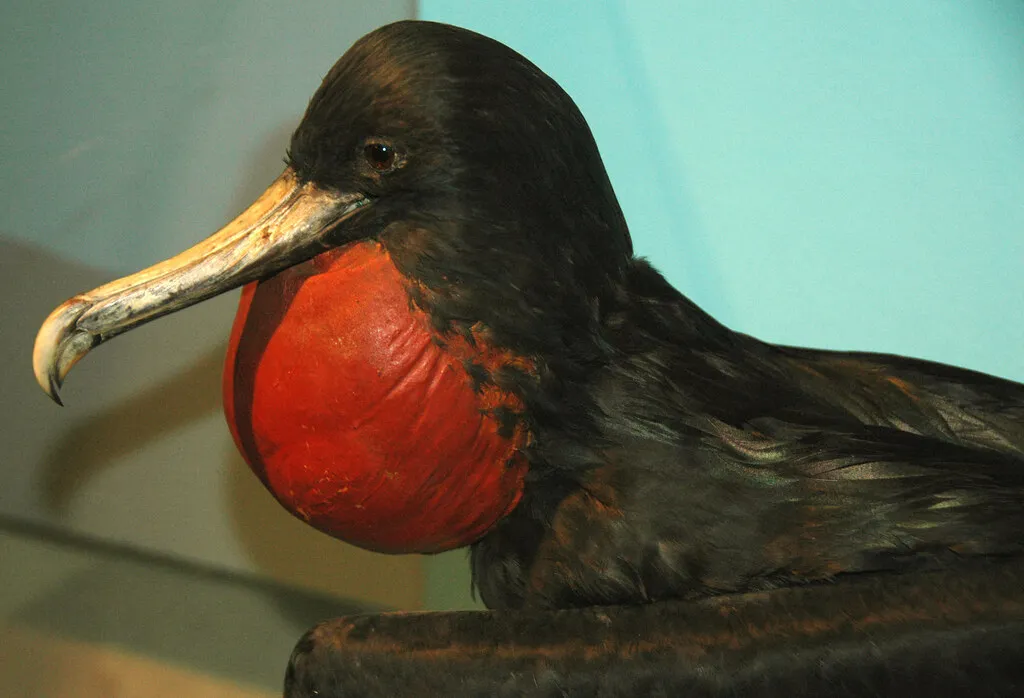
Sleeping while flying isn’t just a cool biological trick; it’s deeply tied to the frigatebird’s whole lifestyle. These birds feed largely by snatching fish and other prey that are forced to the surface by predators like tuna or dolphins, or by grabbing food from other seabirds. Those feeding opportunities can pop up suddenly and vanish just as quickly, so staying airborne and mobile gives them a serious advantage.
If they had to land every time they needed rest, they would lose access to huge swaths of the open ocean where there’s no safe resting spot. Sleeping on the wing lets them follow shifting food patches, track weather patterns, and stay clear of storms and predators more effectively. In a way, their ability to sleep while flying turns the entire sky into a moving campsite, one where they never have to give up position in the race for food and safety.
What Frigatebirds Can Teach Us About Sleep and the Brain

The more you learn about frigatebird sleep, the more it challenges our tidy ideas about what sleep is supposed to look like. We often think of sleep as a full shutdown, a dark room, and a full-body off switch, but these birds prove that rest and vigilance can be mixed and matched in ways that still work. They show that sleep is not a one-size-fits-all blueprint; it’s a flexible process fine-tuned to each species’ environment and risks.
From a human perspective, the most fascinating part is that frigatebirds seem able to function without the long, continuous sleep blocks we treat as non-negotiable. That doesn’t mean we should start glorifying sleep deprivation or trying to copy them; we are not built like they are, and biology doesn’t usually let you cheat without a price. But their example suggests that brains can adapt to extreme demands in ways we’re only beginning to understand, and it hints that sleep research still has a lot of wild territory left to explore.
Why This Story Changes How We See Birds – And Ourselves
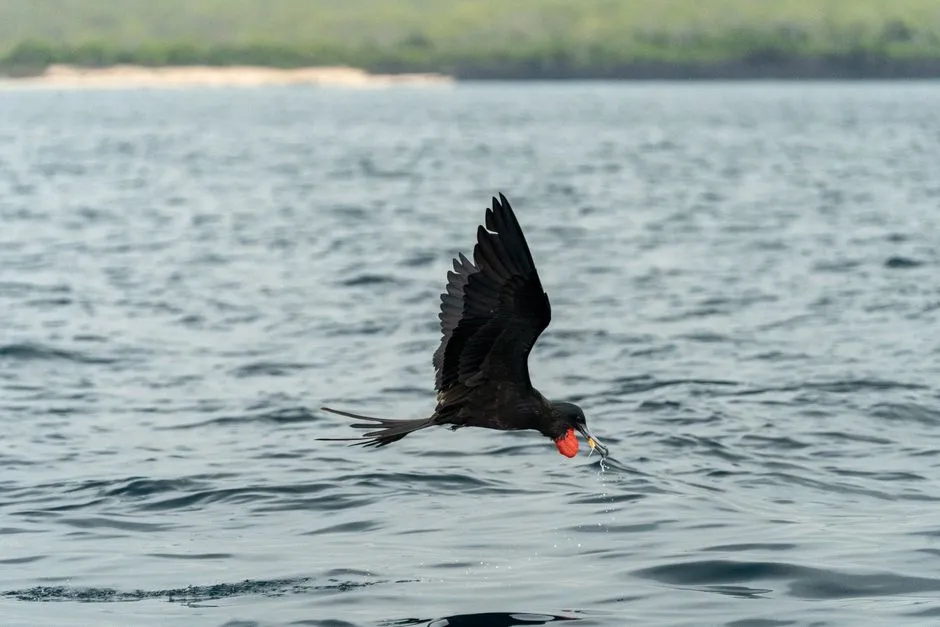
There’s something humbling about realizing a bird you might barely notice on a beach poster is quietly outdoing us in both endurance and brain-level multitasking. Frigatebirds make our obsession with productivity hacks look almost childish. While we debate sleep-tracking apps and blue-light glasses, they’ve evolved a system that lets them cross vast oceans on scraps of rest, without burning out or crashing.
My honest opinion is that this kind of science forces us to drop the lazy assumption that humans are the default for how bodies and brains should work. Frigatebirds sleeping over the open ocean are a reminder that life finds wildly creative solutions when cornered by harsh environments. They are not just curiosities; they’re a living argument that sleep, intelligence, and survival can be wired together in ways that upend our expectations. It leaves me wondering: if a bird can nap on the wing above a restless sea, what other hidden tricks are still waiting in the skies that we haven’t even thought to look for yet?

- Bird Science Says Frigatebirds Can Sleep While Flying Over the Ocean - August 16, 2026
- 7 U.S. Beaches Where the Sand Is Nothing Like the Typical Golden Shore - August 16, 2026
- Which Superpower Would Eagles Have if They Were Marvel Heroes? - August 16, 2026