
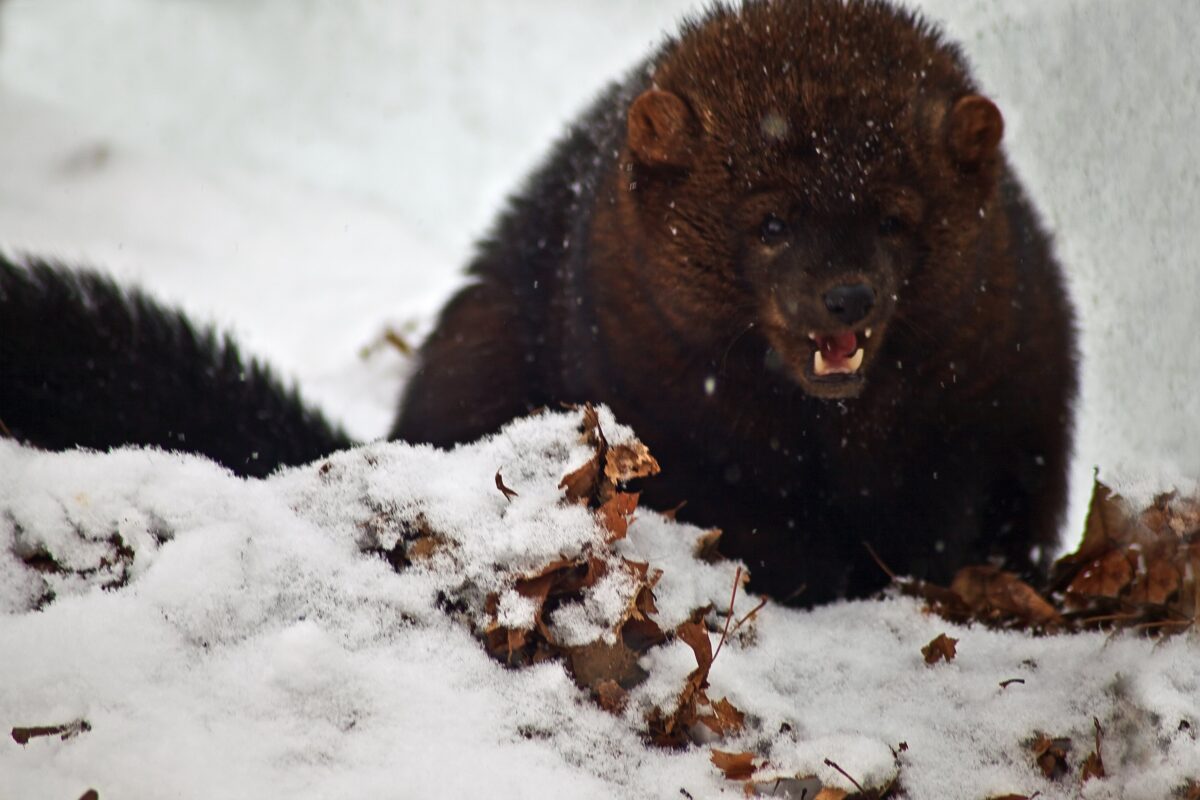
For a long time, fishers were like ghosts in many North American forests: talked about in old stories, remembered by trappers and grandparents, but almost never actually seen. In some regions, people went their whole lives without spotting a single one, and many assumed they were gone for good. So when trail cameras started catching their sleek, cat-sized shapes slipping between trees again, it felt almost unreal, like a piece of the past quietly walking back into the present.
That comeback is not luck. It is the result of changing forests, changing attitudes, and, honestly, some hard lessons learned over the last century. Fishers are returning to places where they vanished generations ago, and their story says a lot about how we treat wild lands, and what happens when we finally decide not to push everything to the edge. Let’s dig into the biggest reasons behind this surprising return.
1. Legal Protection Finally Gave Fishers Breathing Room
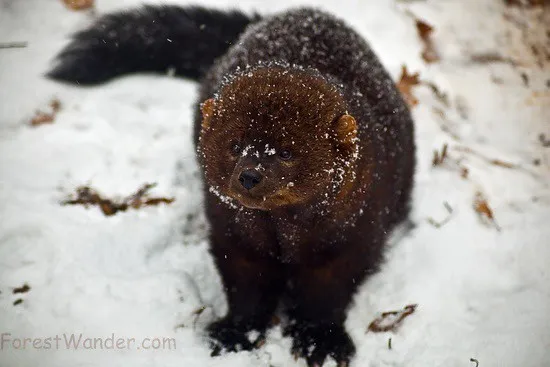
![1. Legal Protection Finally Gave Fishers Breathing Room (By ForestWander Nature Photography (www.ForestWander.com) [1], CC BY-SA 3.0 us)](https://nvmwebsites-budwg5g9avh3epea.z03.azurefd.net/aatg/8fa78ab8bbc49d29a48fd9e709342e9c.webp)
Not that long ago, fishers were trapped heavily for their fur and killed as nuisances, with almost no real limits. In many states and provinces, they were simply exploited until numbers crashed so low that local populations disappeared. Once wildlife agencies recognized how bad things had gotten, they shut down or tightly restricted trapping seasons and finally added strong protections.
Those legal changes did something simple but powerful: they gave surviving fishers time. When an animal that has been pushed to the brink is no longer killed every time it encounters a person or a trap line, it can slowly reclaim territory, raise young, and reconnect former pockets of habitat. The laws did not magically fix everything, but they stopped the bleeding, and that pause is often the first step in any comeback story.
2. Forests Are Growing Back After a Century of Heavy Logging
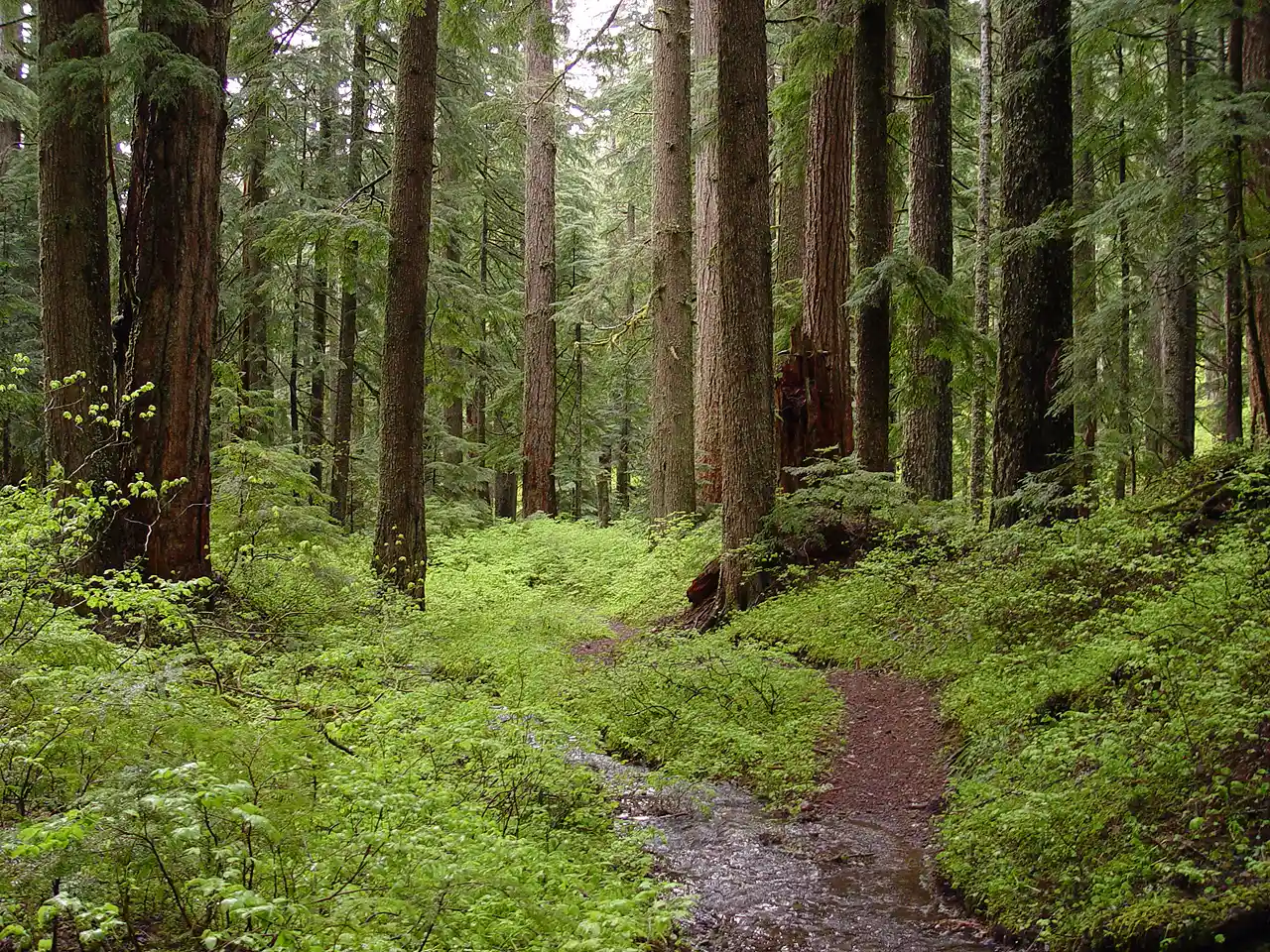
In the late nineteenth and early twentieth centuries, large swaths of North American forest were cut almost to the ground. Older, complex forests turned into patchy young stands, farms, or scrub, and the animals that depended on mature woods had nowhere to go. Fishers prefer big trees, tangled cover, and messy forest floors dotted with logs and snags, so those cutover landscapes were a disaster for them.
Fast forward to now, and in many regions, those once-logged hillsides have grown back into mid-aged or older forests. Abandoned farms reforested, timber companies adopted longer rotations in some places, and public lands were allowed to recover. As branches thicken and canopies close again, the habitat starts to look like something a fisher actually wants to use. Their return is, in many ways, the forest’s own slow healing made visible through an animal that needs cover, cavities, and structure to survive.
3. Reintroduction Programs Quietly Rebuilt Local Populations
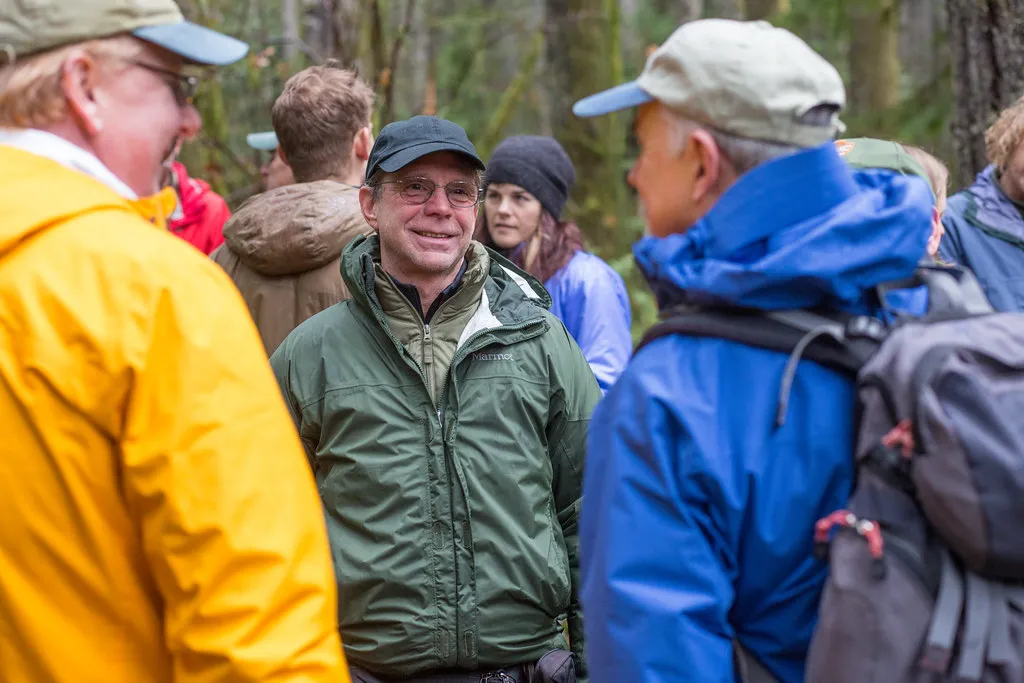
In some areas, fishers did not just wander back on their own; they were brought back on purpose. Wildlife biologists captured fishers from healthier populations and released them into forests where the species had been missing for decades. It is not glamorous work: long winter field seasons, truckloads of traps, radio collars, careful health checks, and constant monitoring afterward to see who survives and where they go.
These translocated fishers became the seeds of new populations, raising kits in places where the species had been absent for a generation or more. Without those deliberate reintroductions, a lot of modern sightings simply would not exist, because too many forests are now separated by roads, development, and open landscapes that make natural recolonization painfully slow or impossible. Whether people love or hate the idea of “moving” wildlife, it is hard to ignore that these programs often turned what would have stayed an empty forest into one that once again holds a native predator.
4. Changing Attitudes Toward Predators Opened the Door
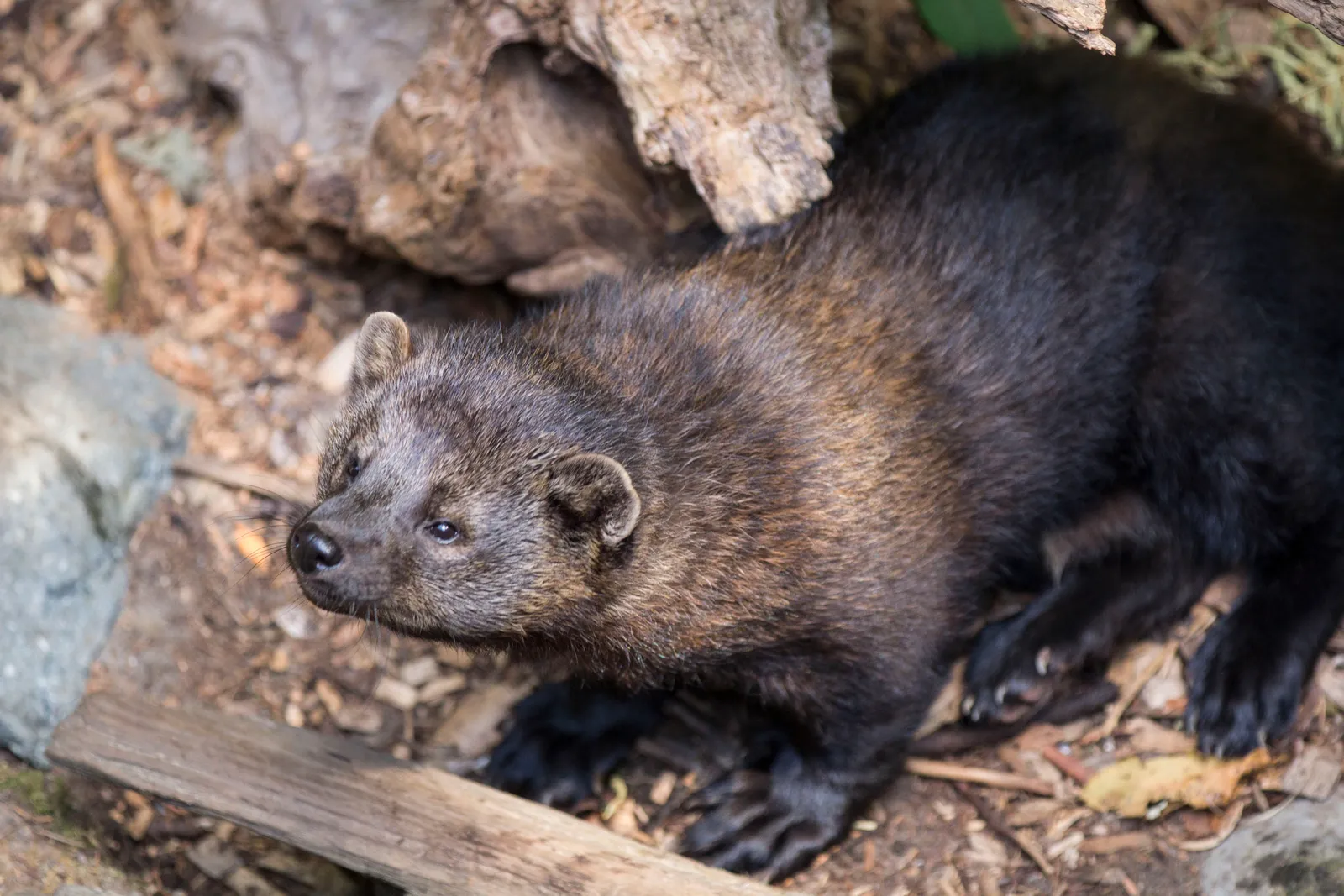
A century ago, the common attitude toward predators was brutally simple: if it eats what we value, get rid of it. From small carnivores like fishers to wolves and big cats, people often saw them as pests, not as integral parts of a healthy ecosystem. That mindset fueled bounties, poisoning campaigns, and relentless persecution, and fishers got caught up in the same suspicion and fear.
Over time, public opinion shifted, pushed along by ecology, education, and honestly by people just wanting wilder, more complete landscapes again. Many folks now see predators not as villains but as vital threads in the forest fabric, helping control prey species and keeping ecosystems from becoming too one-sided. That shift matters in the real world: it influences regulations, funding for research and protection, and how people react when they spot a fisher near their home. When a community decides that a predator belongs, even if it is occasionally inconvenient, the odds of a lasting comeback rise sharply.
5. Ecosystem Recovery Created the Prey Base Fishers Need
Fishers are opportunistic, but they still need a steady buffet of small mammals, birds, and other prey to make a living. When landscapes were fragmented, polluted, or stripped of structural complexity, many of those prey populations crashed or became unstable. You can protect a predator and restore trees all you want, but if the pantry is empty, the animal will not stay for long.
As forests matured again and undergrowth, downed wood, and wetland edges returned, populations of squirrels, rodents, rabbits, and birds often rebounded as well. In some regions, recovery of other species, such as porcupines, also gave fishers a unique niche to fill. With more food on the landscape, fishers could spread, establish territories, and raise litters successfully. It is a reminder that predator stories are never just about the predators; they are about the entire food web that supports them.
6. Climate and Land-Use Changes Are Shifting Where Fishers Can Thrive
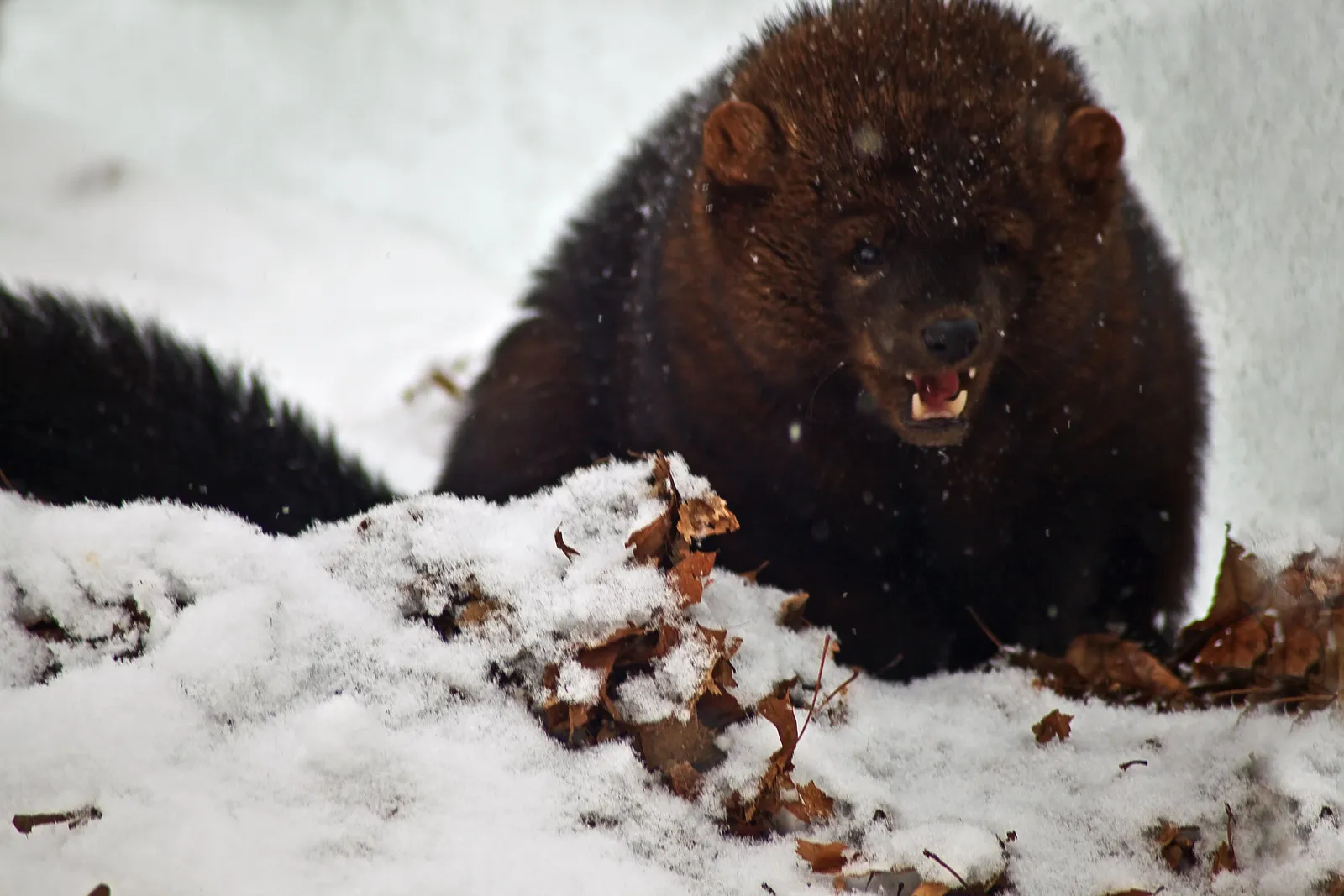
Climate change and land-use shifts are reshaping habitats in complicated ways, and not every trend is bad news for fishers. In some areas, slightly milder winters or changing snow conditions can open up new patches of forest that were once marginal for them. In others, land that used to be intensively farmed or grazed is now being allowed to reforest or is being managed with more wildlife in mind, creating fresh corridors and stepping-stones for movement.
That does not mean climate change is a net positive story; it absolutely is not. But wildlife is responding in real time, and some species, including fishers, are using newly suitable stretches of habitat that did not work for them in the past. In a way, they are reading the map faster than we are, slipping through regenerating woodlots, river corridors, and suburban green belts while we are still arguing over zoning and land plans. Their return in some “unexpected” places is partly a reflection of how fluid and dynamic modern landscapes have become.
7. Human Curiosity and Technology Finally Noticed They Were Back
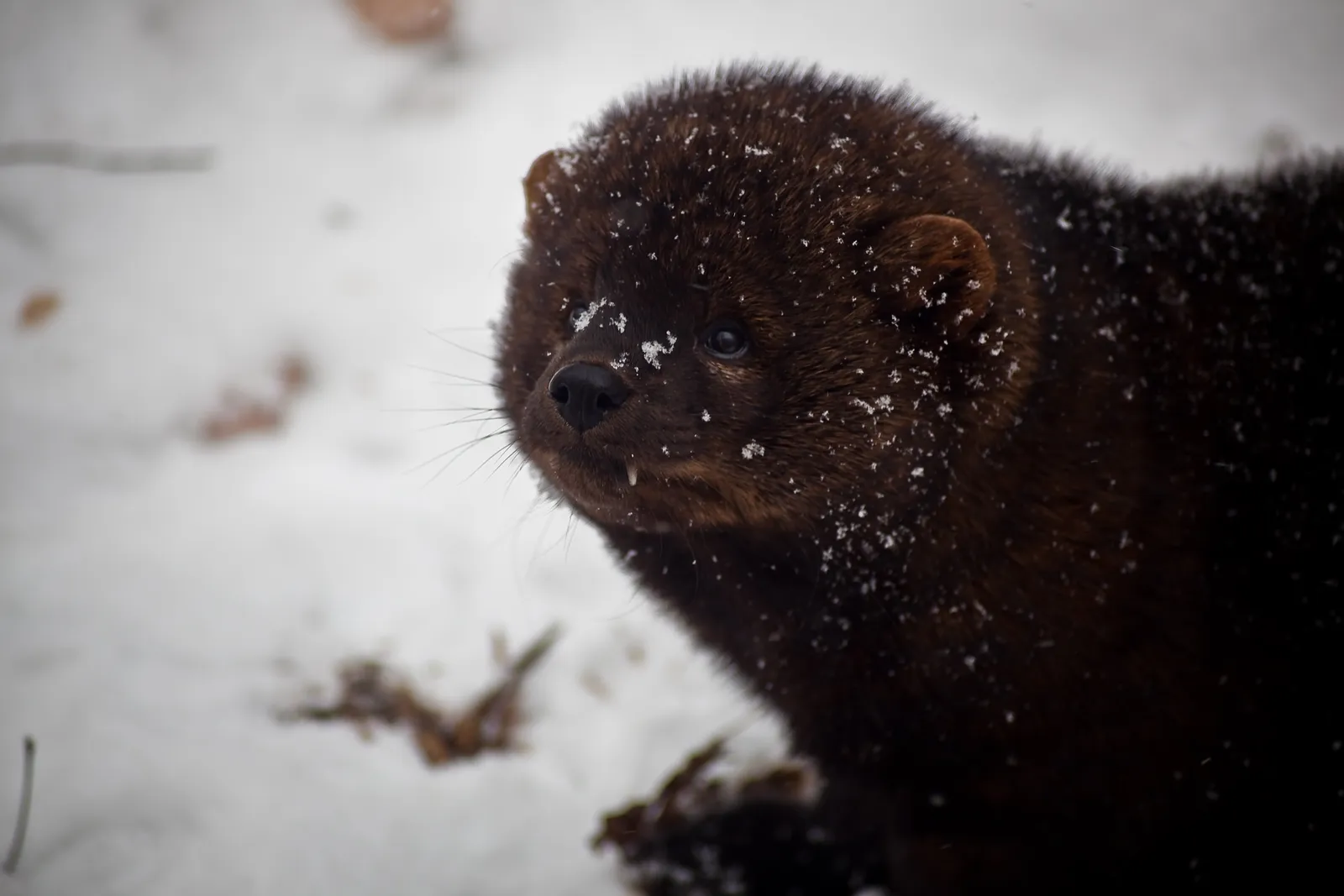
There is a slightly humbling twist to this story: in some places, fishers may have slipped back into the forest quietly before anyone realized it. What changed is that people now scatter trail cameras on game trails, put doorbell cams on porches, and share wildlife clips on social media. Suddenly, those rare, nighttime movements of a shy, dark carnivore are no longer invisible; they are in phone feeds and local news clips.
This does not cause the recovery, but it amplifies and confirms it. When more people see real images and videos of fishers padding through the snow or trotting along a log near town, the animal shifts from myth to neighbor. That visibility can build support for continued protection and better habitat management, while also correcting exaggerated fears or rumors. The truth is that part of the “return” story is simply us finally paying enough attention, with better tools, to notice who has been sharing the forest with us again.
Conclusion: A Second Chance We Should Not Waste
To me, the return of fishers feels like a quiet, stubborn kind of hope. It is not flashy like reintroducing a herd of bison or dramatic like wolves howling across a restored valley, but it is proof that when we stop grinding a species down, protect the land it needs, and let ecosystems breathe, wild things will often try their best to come back. Fishers slipping through the shadows of forests their ancestors once knew is a reminder that local extirpation does not always have to be the final chapter.
At the same time, this comeback is fragile and conditional. It depends on us continuing to value complex forests over short-term gains, to see predators as partners in healthy ecosystems rather than enemies, and to resist the temptation to repeat old mistakes whenever they become politically convenient. Their return is not a miracle; it is a verdict on better choices made, and a warning that those choices can be reversed. When you imagine those sleek, dark shapes returning to woods where their tracks vanished generations ago, it is hard not to ask: now that they are back, are we wise enough to let them stay?
