
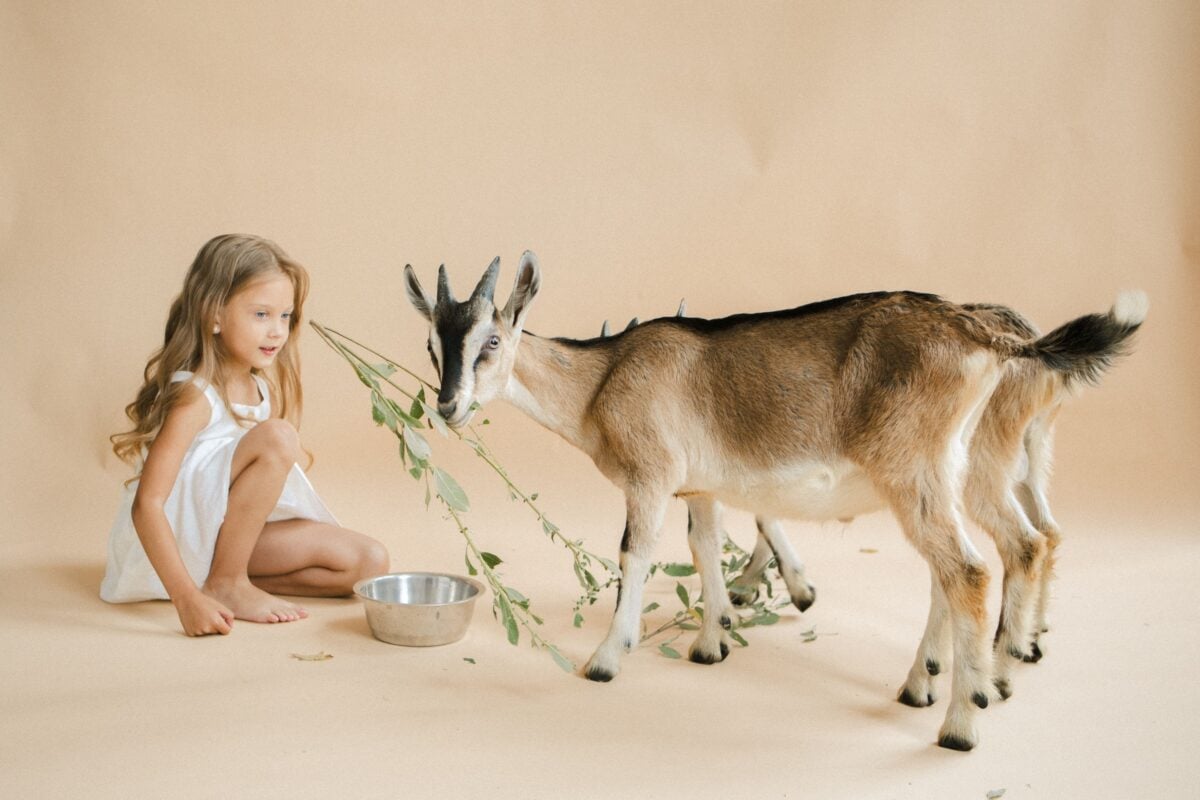
Imagine walking back into an escape room months after you first did it and still nailing the sequence of clues almost perfectly. Now imagine the creature doing that is not a human, not a dog, not even a chimp, but a goat. That single image is enough to flip how we usually rank animals in our heads, from “farm stock” to “quiet geniuses in hooves.” This is exactly what research into animal cognition is starting to show: goats can learn a complex puzzle and then remember how to solve it many months later.
That might sound cute and surprising, but it is also deeply uncomfortable for what it says about how we treat animals we usually only think of as meat or milk producers. If a goat can hold a detailed memory of a tricky task over time, then their inner world is richer than most people ever give them credit for. And once you let that truth sink in, it is almost impossible to look at a goat the same way again.
Goats: From Background Farm Animals To Cognitive Heavyweights
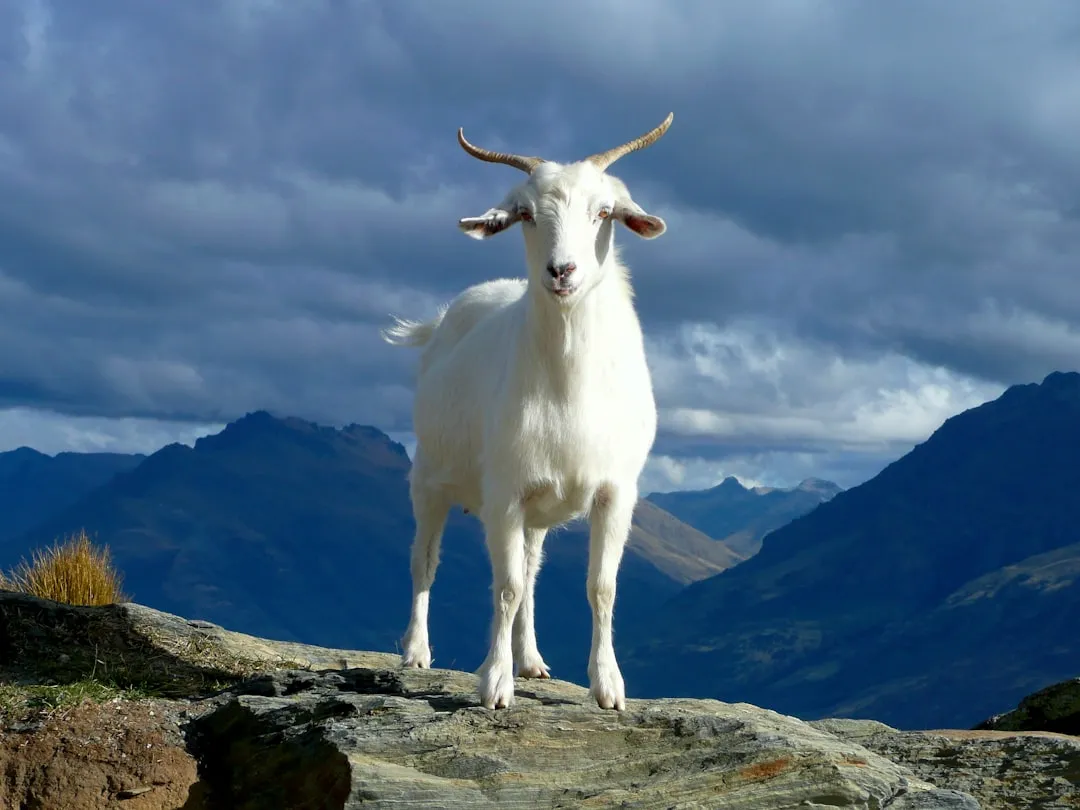
For most of us, goats are wallpaper animals. They show up in petting zoos, in memes of goats screaming, or as a blur in the background of holiday drives through the countryside. We rarely pause to ask what is happening behind those curious eyes or what it feels like to be one of them. Yet cognitive scientists have quietly been doing exactly that, and the picture that is emerging is both humbling and a little bit shocking.
When researchers train goats to manipulate levers, open doors, or navigate around obstacles, they are not just seeing if goats can learn a trick. They are probing how goats think, what they can remember, and how long that memory lasts. The fact that goats do not just stumble through but can come back months later and reproduce the solution shows they are not mindless grazing machines. They are problem-solvers carrying around mental maps of what worked before, just like we do with our favorite shortcuts in a video game or the fastest route to work.
The Puzzle Tests That Changed How Scientists See Goats
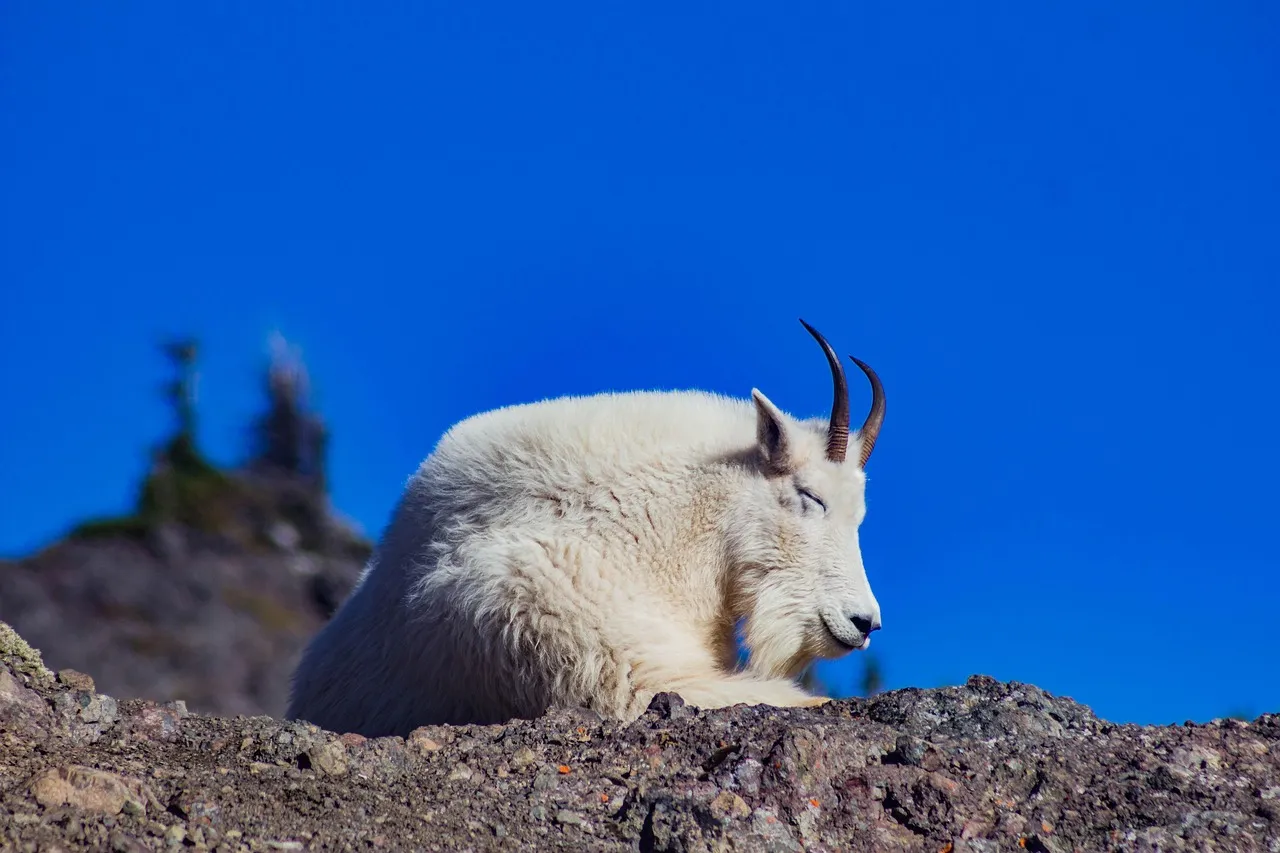
In these cognitive experiments, goats are usually presented with a device that has several parts: maybe a lever that must be pulled, followed by a knob that must be lifted, then a door that slides. One wrong move, and nothing happens. Only by doing the steps in the right order does a reward appear, often a small amount of food. This is not a simple “press a button, get a treat” trick. It is a mini locked-box challenge, closer to those brainteaser toys that frustrate adults at Christmas.
What researchers look for first is whether goats can figure out the sequence at all. Many do, given some time, and that alone already tells us they can experiment, remember what failed, and adapt their strategy. The real jaw-drop moment comes later, when the same goats are brought back after a long break and presented with the same contraption. If they walk up and quickly repeat the right sequence, it means they stored that information for a seriously long time, not just for a few minutes or hours.
Memory That Lasts For Months: Why That Is A Big Deal
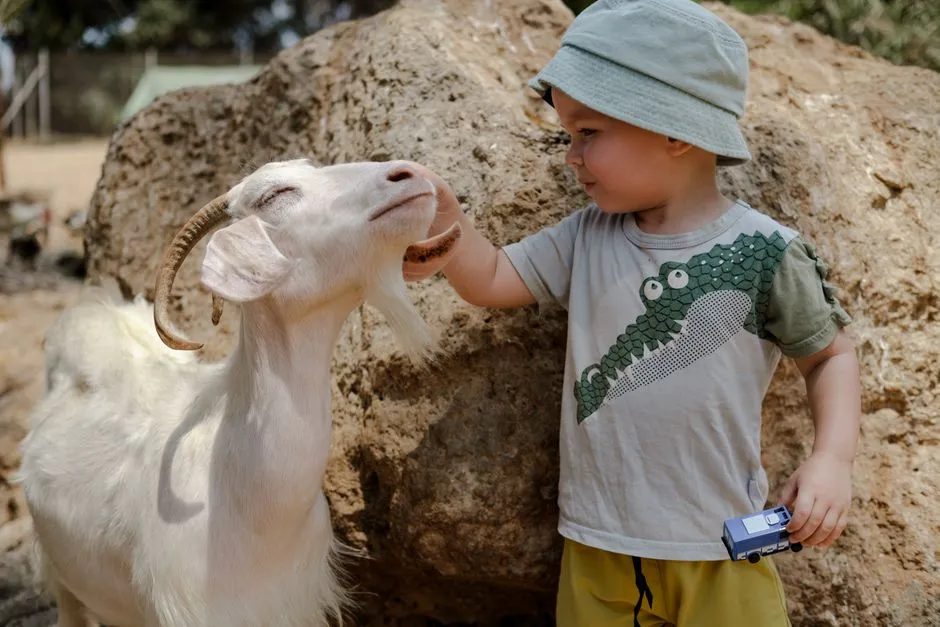
When you hear that goats can remember a difficult puzzle months later, it is tempting to shrug and think, “So what? My dog remembers where his ball is.” But this is more than recalling a location. It is remembering a multi-step solution, like the combination to a lock or the sequence to log into a device. Long-term memory for complex actions has often been seen as a hallmark of “higher” animals, especially certain birds and primates, so seeing it in goats forces a rethink.
The time gap matters because memories naturally fade, especially if they are not used. If a goat encounters a tricky device only once and then, months after no practice, still walks up and performs the right actions, that is strong evidence for robust long-term memory. It is similar to you getting back on a bicycle after years and still being able to balance and steer. The more we realize goats can do this, the harder it becomes to defend the old idea that some animals are simply too “simple” to hold onto complex knowledge for very long.
What This Reveals About The Inner Life Of A Goat
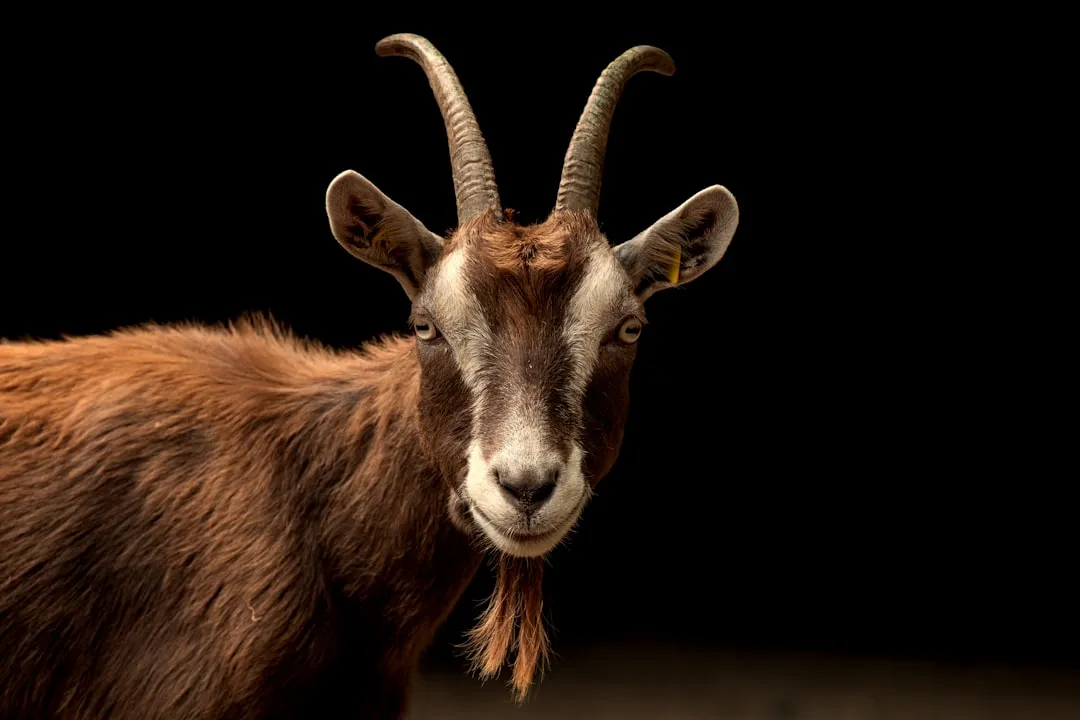
So what does it mean, in real terms, when a goat remembers a puzzle? At the very least, it suggests that goats carry a mental library of experiences they can draw from: this lever led to food, that corner of the barn has something interesting, that human is worth approaching. Their world is not just a blur of instinct and reaction; it is stitched together by memories, expectations, and probably a sense of familiarity that stretches over time.
I remember standing once at a small hillside farm where one particular goat kept approaching the same gate latch, nudging it with his nose like he was checking whether it had changed. He had clearly learned at some point that this spot could open, and he had not forgotten. Watching that, it felt less like observing “livestock” and more like seeing someone test a password they had memorized months ago. That is the kind of quiet, persistent cognition these puzzle studies are finally forcing us to notice.
Goat Intelligence In Everyday Life: Not Just Lab Tricks
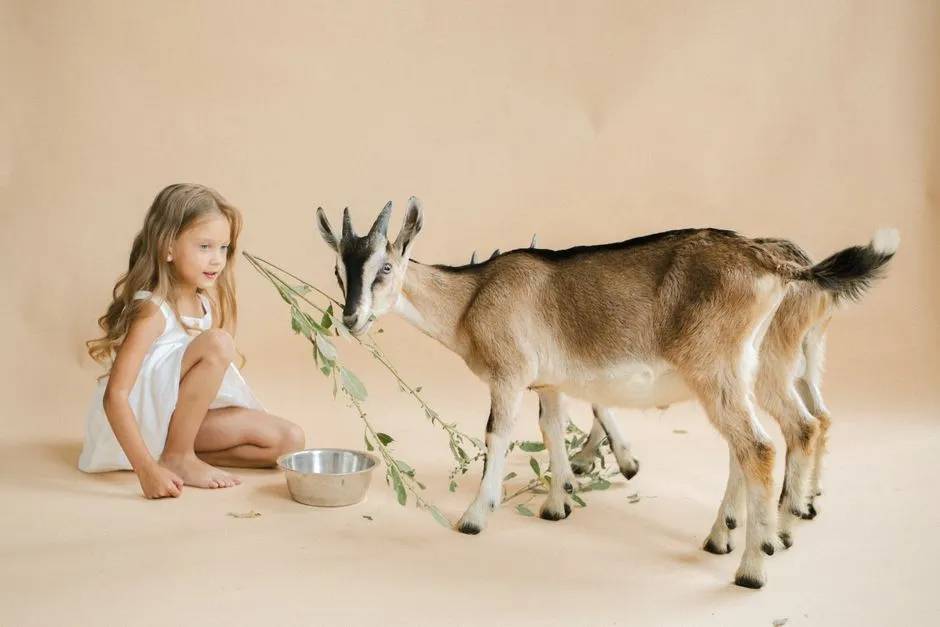
One easy trap is to dismiss lab puzzles as artificial and irrelevant to real life on a farm or mountainside. But when you strip away the scientific equipment, the core skill is very familiar: find a way to access a resource and then remember how to do it again. Goats escape enclosures, learn which feeders pay off, figure out which paths are safer, and keep track of social relationships in their herd. Those all rely on memory for complex situations, not just simple reflexes.
If a goat can recall how to operate a weird-looking box in a research setting, it is not a stretch to think they can remember which gate humans forgot to fully lock or which patch of land hides the tastiest shrubs. Many keepers and farmers already have stories of one goat who always seems to be “the clever one,” opening doors or teaching the others where to go. The science does not contradict these anecdotes; it gives them a structured backbone and shows that the capacity to learn and retain is built into the species, not just rare lucky individuals.
Rethinking How We Treat And Talk About Goats
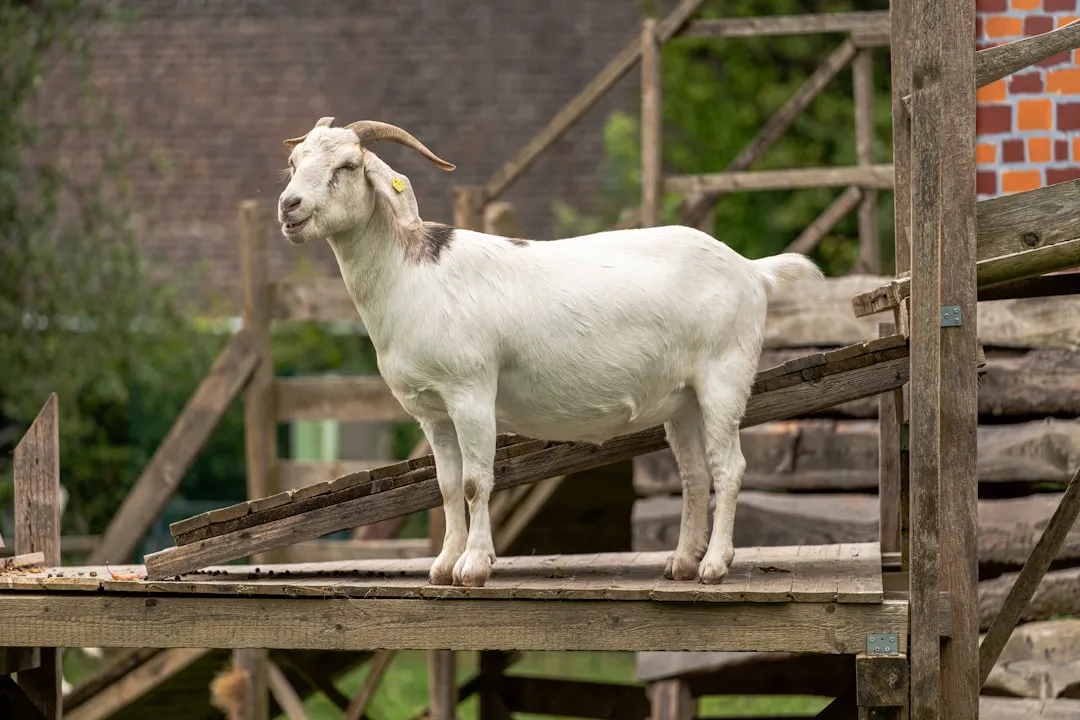
Once you accept that goats have this kind of lasting memory for difficult tasks, it becomes harder to justify housing them in boring, empty environments where nothing changes and nothing challenges them. An animal with that level of cognitive ability is not just a stomach on legs; it is a mind that can get bored, frustrated, and possibly even depressed if it is never allowed to use its skills. From an ethical standpoint, that is a huge deal. It suggests we owe goats more than food and shelter; we owe them stimulation.
There is also a social piece here. Goats are often the punchline of jokes, portrayed as silly, stubborn, or destructive. But stubbornness can look a lot like persistence when you realize the goat is trying strategies it once saw work. Destructiveness can be a symptom of curiosity and problem-solving in an environment with too few proper outlets. The better we understand what their memory and learning systems are capable of, the more we should push ourselves to change the way we design their pens, train them, and even talk about them in everyday conversations.
What Goat Cognition Might Mean For Our View Of All Animals
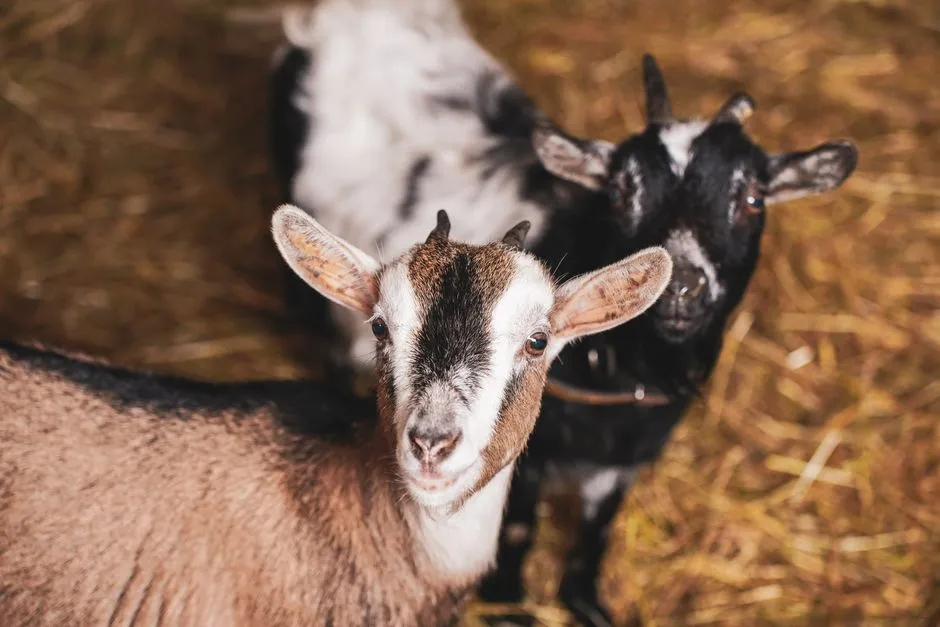
The most unsettling part of this story is not just that goats are smarter than people thought; it is the possibility that many so-called “ordinary” animals are carrying similar hidden abilities. If goats can remember a difficult puzzle for months, what else is going on in the minds of sheep, pigs, or cows that we have not bothered to test properly? The line between “clever pet” and “anonymous farm animal” is starting to look very artificial, drawn more from habit and convenience than from neuroscience.
My own opinion is that discoveries like this are not just fun facts; they are moral pressure. Every time science uncovers a new layer of cognition in animals we take for granted, it quietly asks us whether our old hierarchies still hold up. Maybe the real revolution is not that goats can crack puzzles, but that we are finally willing to admit that intelligence and memory are widely spread across the animal kingdom, not hoarded at the top. If even a goat can remember a complex sequence months later, are we really comfortable pretending that most animals live in an almost empty mental world? Did you expect that?

- Animal Cognition Says Goats Can Remember a Difficult Puzzle Months After Learning It - August 17, 2026
- The Pet Your Zodiac Sign Would Rescue Without Hesitation - August 16, 2026
- 7 US States Where Mountain Lions Are Closer Than You Think - August 16, 2026