
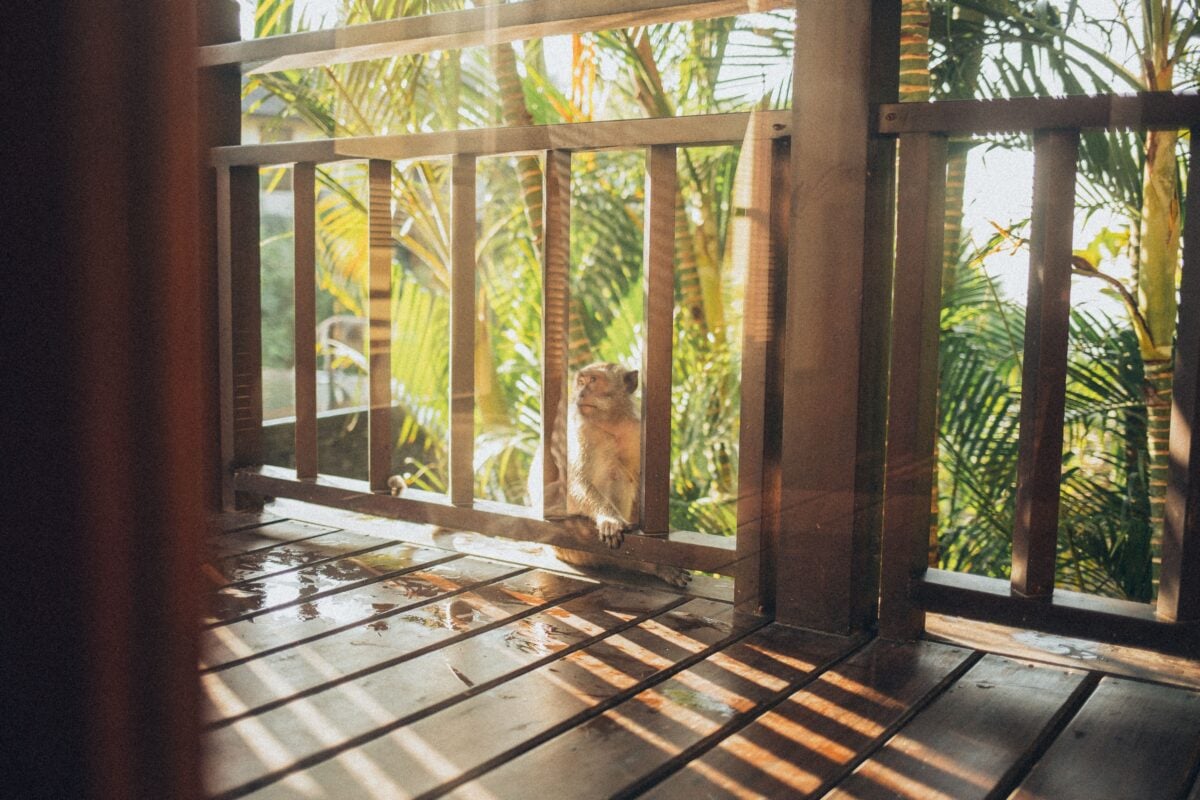
You’ve probably assumed wild animals only do two things around humans: flee or ignore. There’s no in-between, right? No version where a squirrel or a fox is quietly, cautiously deciding you’re safe to be around, the way a nervous rescue dog slowly learns to trust a new owner.
Except that’s exactly what’s happening in thousands of backyards right now, so slowly and so quietly that almost nobody clocks it. Real trust from wildlife doesn’t look like a Disney moment with birds landing on your shoulder. It looks like a robin that simply stops flying away – and once you know what to watch for, your garden will never look the same again.
#1 – They Stop Bolting the Second You Open the Door
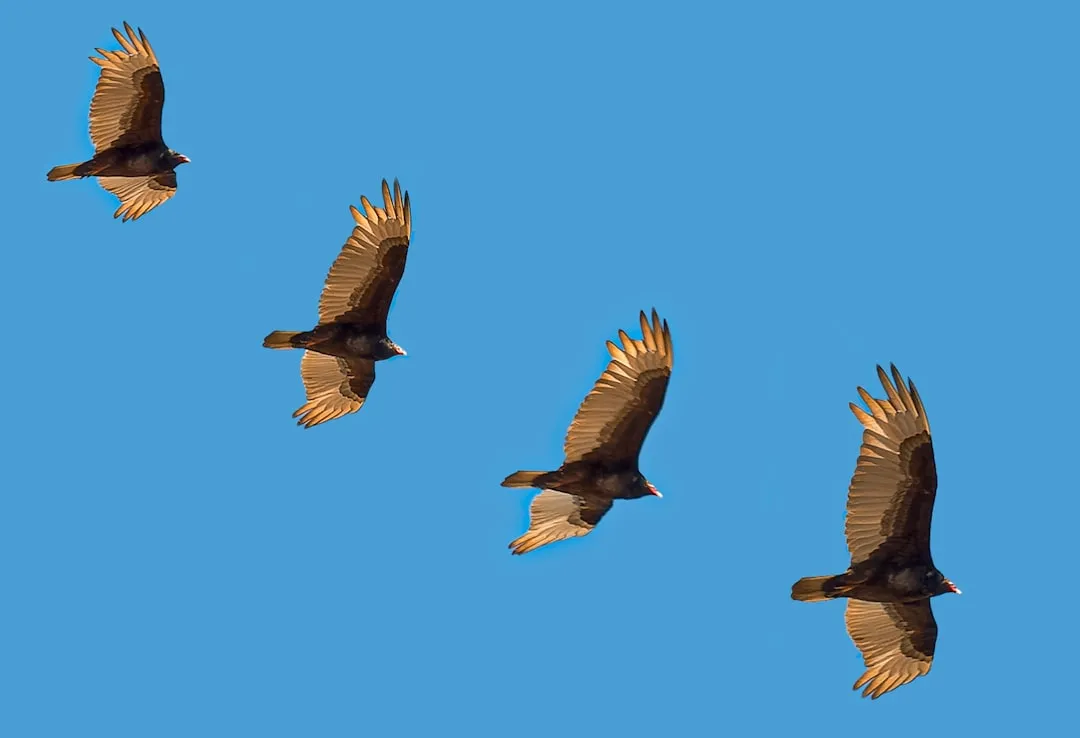
If every bird, squirrel, or rabbit used to explode out of your yard the moment your door creaked, you already know what raw fear looks like. When that reaction softens into a casual glance and a slight shuffle instead of a full-blown panic sprint, that’s not nothing. That’s a shift in how they see you entirely.
Watch the “flight distance” – the gap they keep between you and them. At first it might be 20 to 30 feet. Over weeks or months, that bubble can shrink dramatically. They’ll walk instead of bolt. Some will even turn their back to you briefly, which in animal body language basically translates to, “I’m alert, but I’m not terrified of you.”
#2 – Birds Sing and Preen Right in Front of You
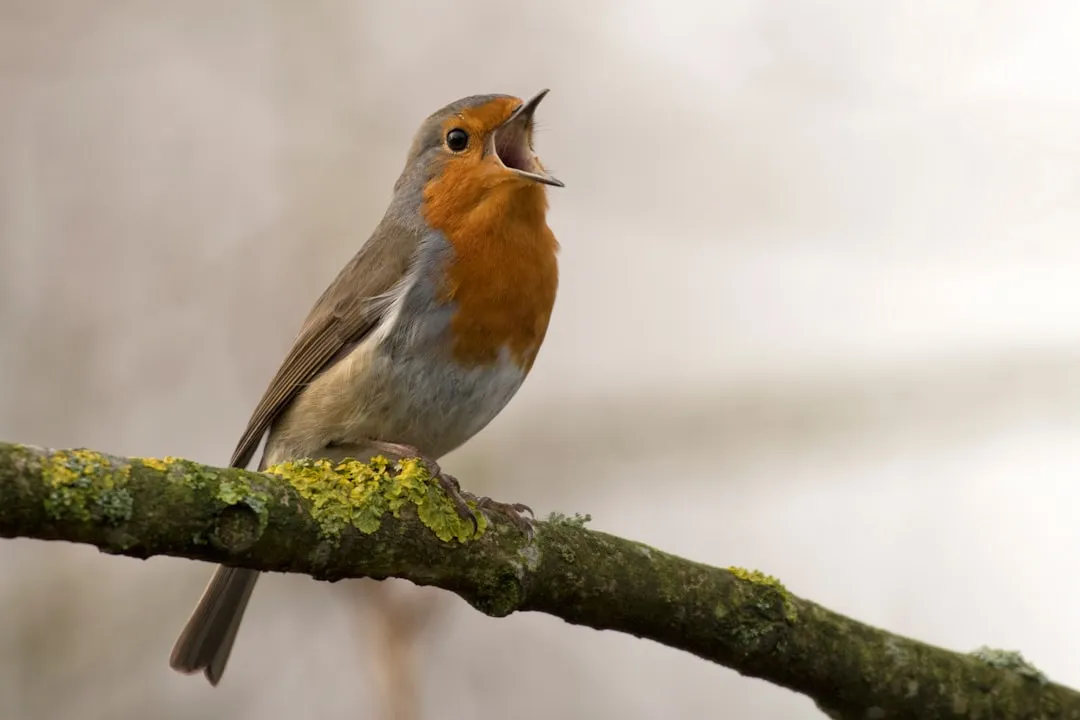
Here’s something most people never realize: birds don’t sing just because they’re happy. Singing and preening in the open are genuinely risky behaviors, the kind of thing a bird only does when it feels reasonably safe. So if you’re watering plants and the robin on your fence keeps singing instead of going silent, it’s quietly voting that you’re not worth worrying about.
Preening is the bigger tell. When a bird pauses to clean its feathers, fluff itself up, or stand with one leg tucked while you’re in full view, it’s literally dropping its guard. That’s time it could be spending scanning for predators. Instead, it’s choosing comfort over hypervigilance – and while birders obsess over rare species, this ordinary little behavior is the one quietly saying, “I feel okay here.”
#3 – Squirrels Turn Their Back on You (Rude but Revealing)
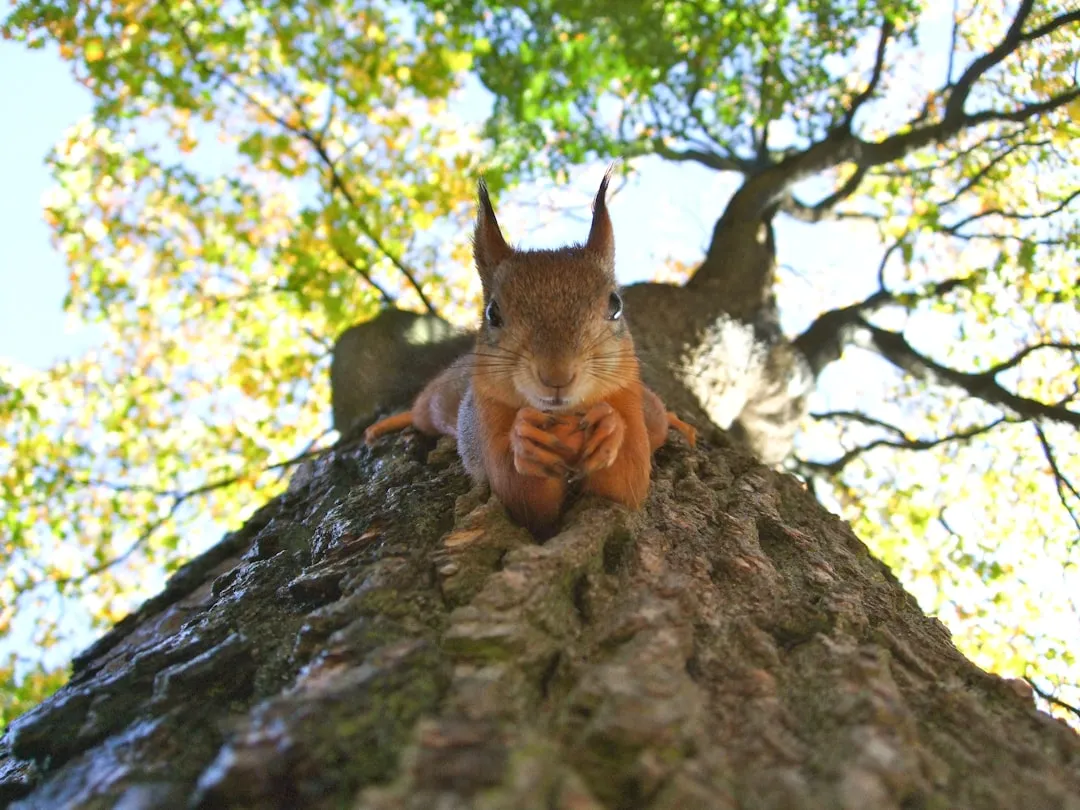
Squirrels are drama queens when they’re genuinely scared: tail flicking, alarm barks, vertical dashes up the nearest tree. So when the regulars in your garden stop doing all of that every time you appear, pay attention. A squirrel that keeps eating, ambles along the fence, or actually turns its back on you while foraging is broadcasting a kind of low-key confidence.
Watch for the “half-escape.” The squirrel darts halfway up the tree, freezes, watches you for a beat, then comes right back down to its food. That’s an animal testing its own risk assessment mid-motion – “I was ready to run, but eh, I guess I don’t need to.” Call it tameness or call it habituation, either way your presence no longer triggers a full flight response.
Fast Facts
- Flight distance is the scientific term for how close an animal will let you get before fleeing.
- Squirrels typically test uncertain situations with short, reversible dashes rather than committing to a full retreat.
- A loose, relaxed tail rather than a flicking one is one of the clearest squirrel calm signals.
- Repeated calm exposure, not food alone, is usually the biggest driver behind a shrinking flight distance.
#4 – Your Garden Becomes Their Daily Commute
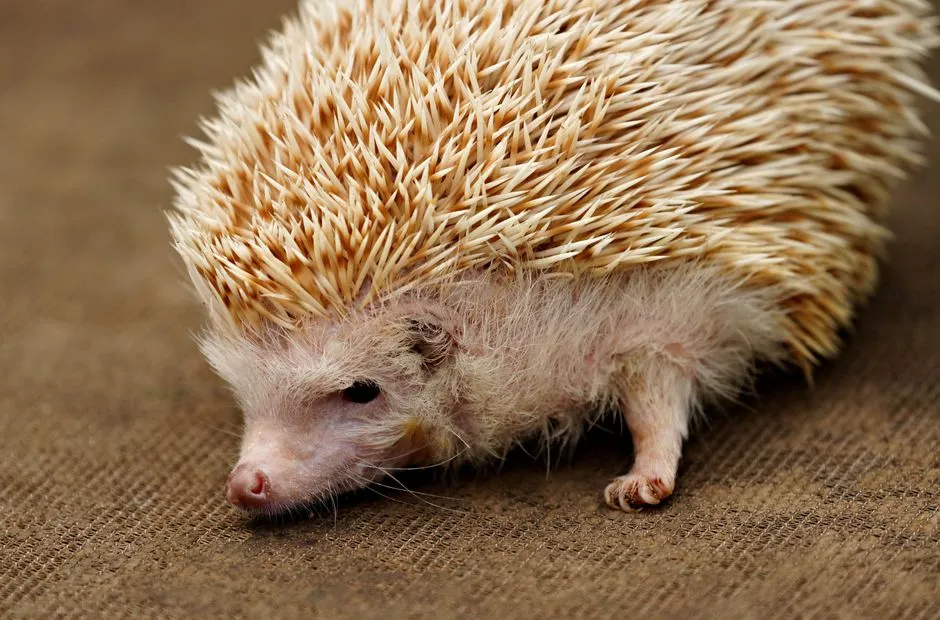
Most people think trust means an animal moves toward them. Often it’s the opposite: they start treating you like furniture. If foxes, hedgehogs, rabbits, or neighborhood cats begin using your garden as a regular pathway, the same route, roughly the same time each day, that’s a serious compliment in wild-animal terms.
- A hedgehog following the same edge line near dusk, night after night.
- A fox trotting calmly across the lawn instead of slipping through the shadows.
- A rabbit crossing the exact same gap in the fence every evening.
These aren’t panicked dashes; they’re commutes. When an animal chooses a route, it’s constantly weighing cover, escape options, and threat level. If your yard keeps winning that calculation, you’ve quietly been voted into its safety network – and some wildlife experts argue this is a clearer trust marker than hand-feeding will ever be.
#5 – They Risk Bringing Their Babies Into Your Space
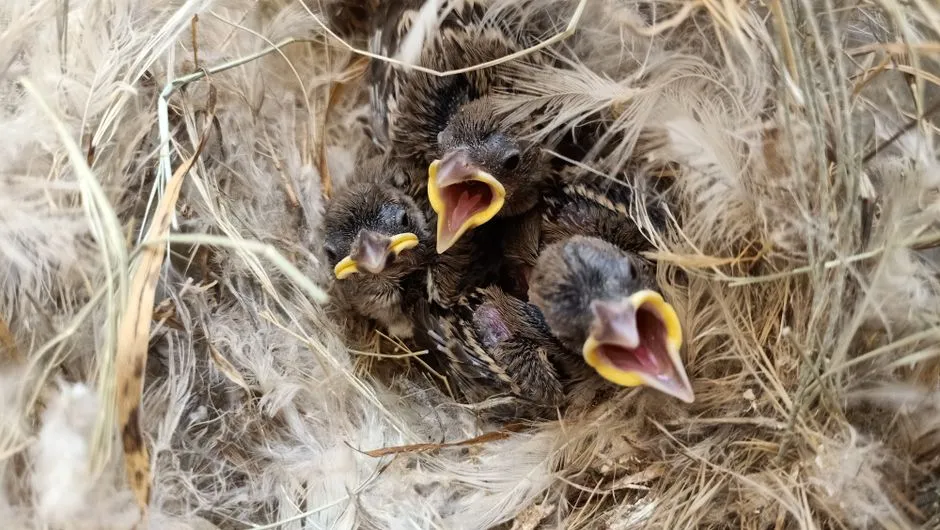
This is one of the strongest, and most misunderstood, signs of all. When birds nest in your hedge, a robin feeds chicks in your planter, or a rabbit turns up with kits nibbling clover on your lawn, that’s a risk they simply wouldn’t take in a hostile zone. Wild parents are paranoid during breeding season, and anything that smells like danger gets avoided on instinct.
- A blackbird building a nest low in your shrub, well within reach.
- A fox family playing at the back of the garden at dusk.
- Fledgling birds hopping awkwardly around you on the patio.
It usually means the adults have decided your presence is predictable enough to gamble on. One important nuance: you’ll still see defensive behavior, alarm calls, scolding, or distraction displays if you get too close. Trust here doesn’t mean friendship. It means you’re safer than the alternatives.
#6 – They Bounce Back Fast After You Move
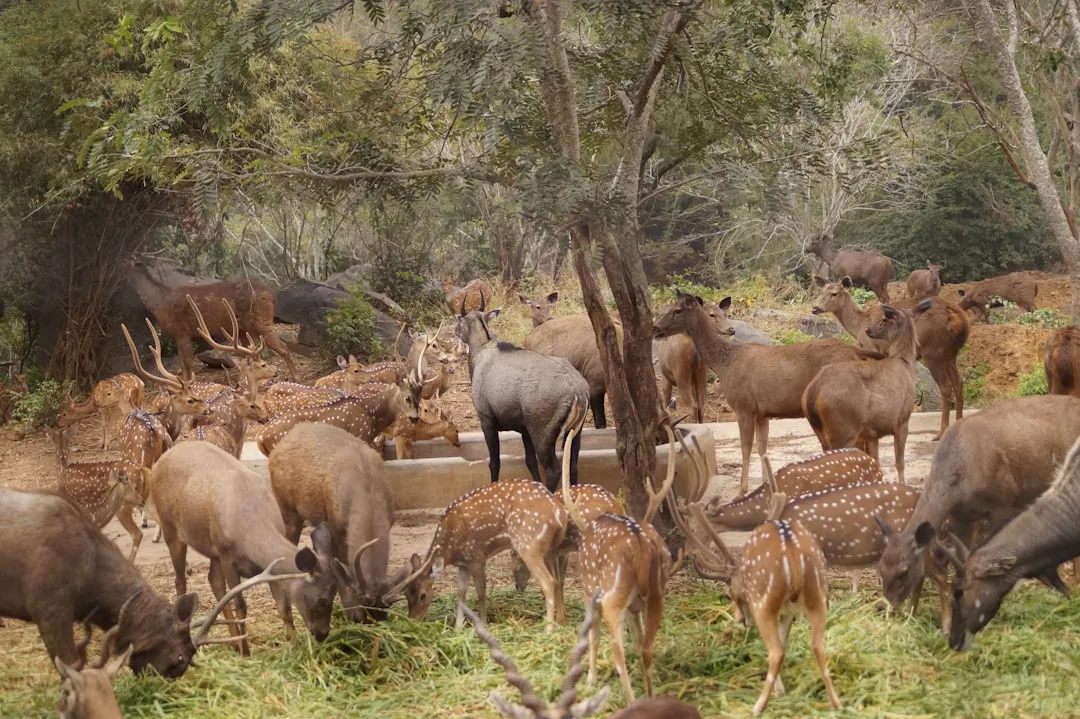
Watch what happens the moment you shift position – stand up from a chair, walk to another bed, change tools. Skittish wildlife vanishes and stays gone. Semi-trusting wildlife bolts, watches, and comes right back within a minute or two. That rebound speed is a trust dial almost no casual gardener ever thinks to track.
If a bird flies to a higher branch but is back on the lawn the second you stop walking, it’s filed you under “annoying, not lethal.” A rabbit that dashes under a bush and reappears quickly, nibbling again while staying half-turned toward you, is doing the same math. Over time, that interval keeps shrinking, until some of them barely bother fleeing at all.
#7 – They Pick Perches in Plain Sight of You
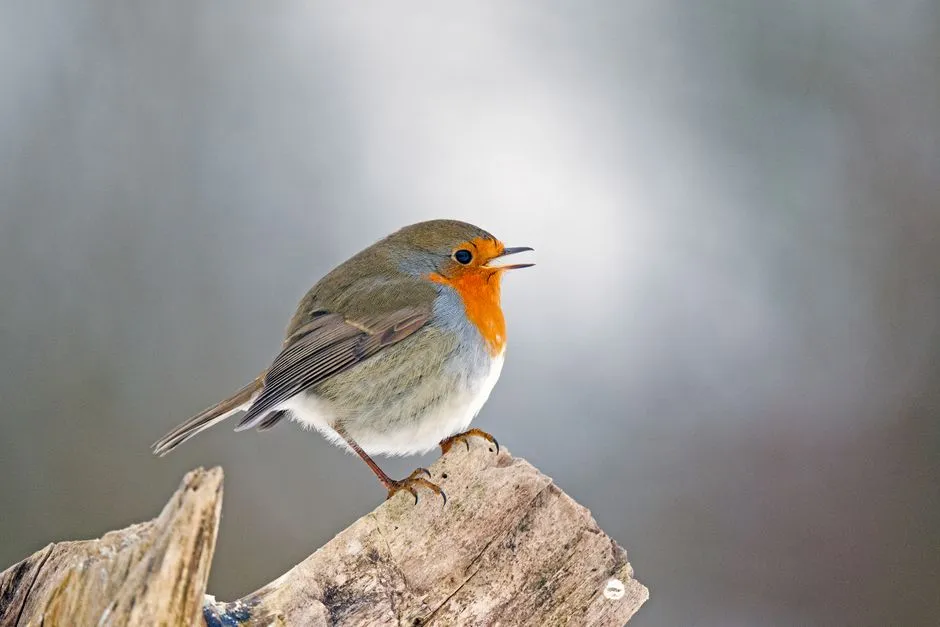
Perching in the open is a gamble. Birds want vantage points where they can see predators coming but still make a fast getaway. So when they start choosing lower, closer, more exposed perches even while you’re outside, that’s a confidence upgrade playing out right in front of you. That robin picking your low fence over the tall tree isn’t random. It’s data.
- A wren bouncing along a low trellis while you weed nearby.
- Chickadees or tits landing on a feeder hook right beside your chair.
- A blackbird sunning itself on the lawn, wings slightly spread.
Sunbathing, dust-bathing, or sprawling in open spots means they trust the overall safety of your garden, including your predictable movements. Some birders wave this off as “urban adaptation,” but the patterns in a single garden tell a far more personal story than that.
#8 – Your Everyday Noise Stops Scaring Them
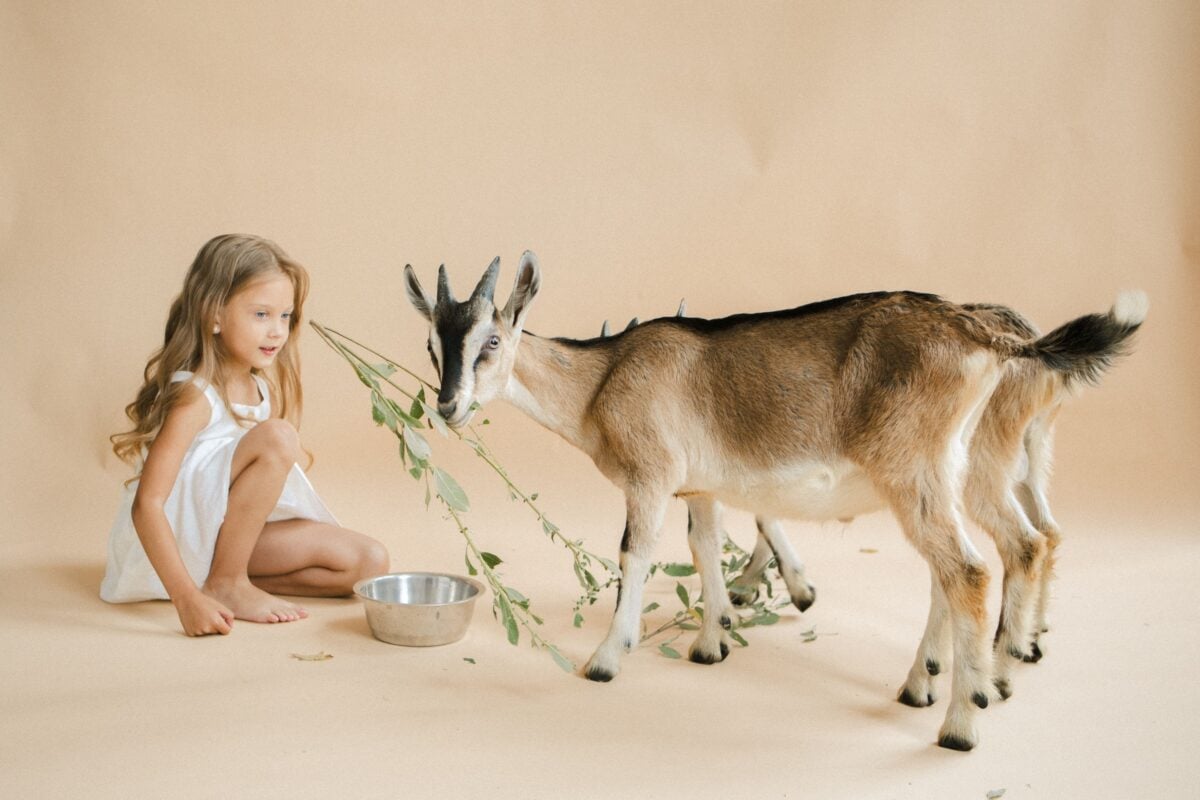
Vacuum running inside, music through an open window, a hose dragging across the paving. Hyper-alert wildlife vanishes at every unexpected sound. But if the birds keep feeding, the squirrel keeps demolishing your sunflower seeds, and none of it makes them flinch, that’s habituation, and it very often rides in right alongside trust.
- Your voice might be completely ignored.
- A dropped tool causes a brief pause, then business as usual.
- The back door slam that once cleared the yard now earns a few glances at most.
Some people worry this “boldness” means wildlife is losing its fear of humans altogether. The reality is more nuanced than that. They’re learning the difference between actual danger and background noise, and somewhere along the way, you got filed under background.
Worth Knowing
- Habituation means an animal has learned a stimulus isn’t a threat, it isn’t the same thing as bonding.
- Wildlife can grow used to sound while remaining fully wary of sudden movement or direct eye contact.
- Consistent daily routines tend to speed up habituation far more than occasional, irregular visits.
- An unfamiliar new sound or visitor can temporarily reset the trust clock you’ve been building.
#9 – They Feed Within Arm’s Reach of You
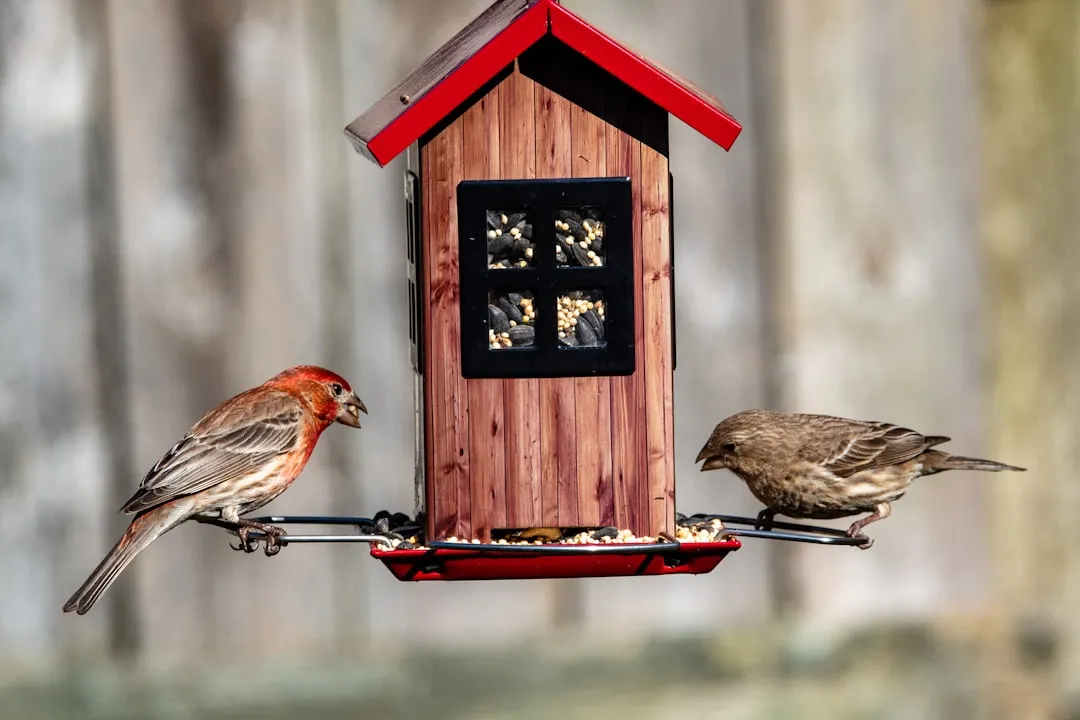
Feeding wildlife is controversial, and critics aren’t wrong to flag the risks of overdoing it. But if you’ve established a consistent feeder or a wildlife-friendly food source, the way animals use it around you says a lot about where you stand with them. When birds land on the feeder while you’re still within arm’s reach, they’ve quietly done the math on you.
- They circle you, call from a nearby branch, then dive in anyway.
- They queue in the shrubs, watching your hands but refusing to leave.
- Braver individuals feed, flee, then return in shorter and shorter cycles.
This isn’t cuddly friendship. It’s calculated risk. And that calculation only tips in your favor once you’ve proven, over dozens of encounters, that you’re predictable and non-threatening.
#10 – Nighttime Visitors Don’t Flee From Your Porch Light
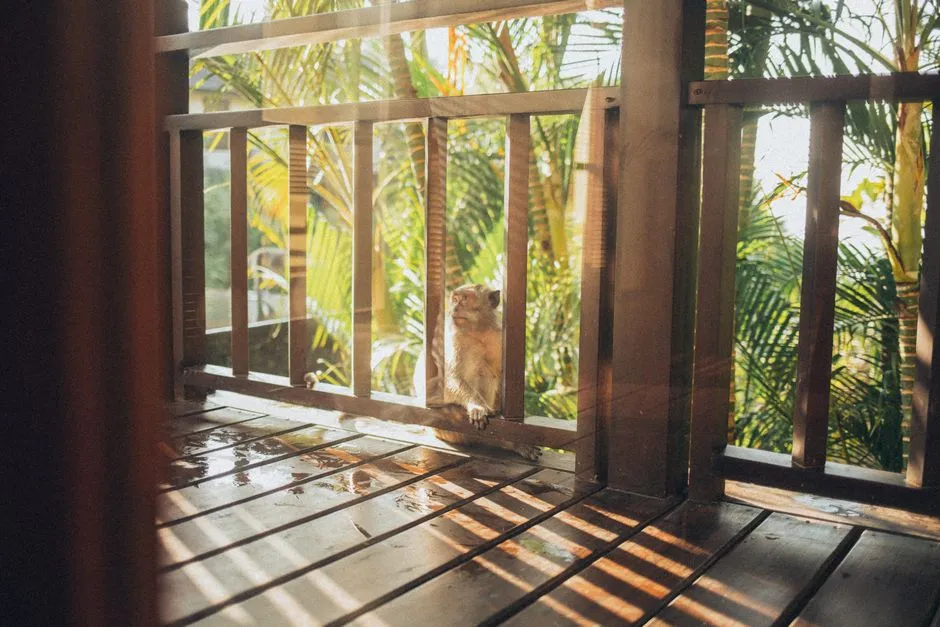
Nocturnal wildlife, hedgehogs, foxes, raccoons, owls, are experts at staying invisible. If you flip on a porch light or garden spotlight and they freeze for a moment, then simply carry on, that’s a subtle but powerful signal. They’re not panicking. They’re adapting in real time, right in front of you.
- A hedgehog snuffling along a border, pausing when the door opens, then resuming.
- A fox glancing up at you on the step, tail relaxed, trotting off instead of sprinting.
- An owl staying on the same perch even as you move behind a lit window.
Light usually equals exposure, and exposure usually triggers escape. When it doesn’t, you’re watching an animal decide, on the spot, that your illuminated presence is tolerable. People often mistake this for “tameness,” but it’s really a refined risk calculation happening in seconds.
#11 – They Nap and Rest in Your Garden
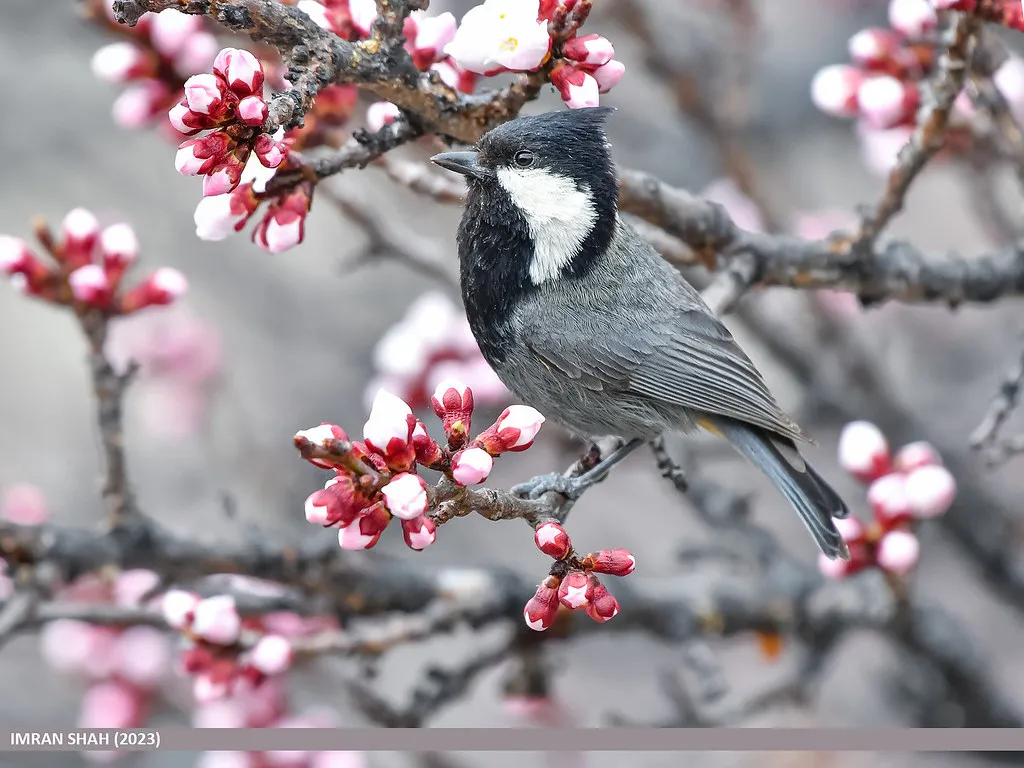
Passing through your garden is one level of comfort. Settling into it is another entirely. When animals start resting, loafing, or napping in your space, they’re showing the deepest kind of trust there is: choosing your garden for their downtime. A dove roosting on your pergola, a rabbit stretched out under a shrub, a cat curled up on your warm patio stones, these all say the same thing. Your yard feels like a safe pause button.
- Birds fluffed and half-dozing on branches within sight of you.
- A squirrel lying flat on a fence rail to cool off.
- A fox lying down on the lawn at dawn instead of just passing through.
Some biologists argue that “rest-site selection” is actually a stronger indicator of perceived safety than food use. Food can lure animals into risky spots. Sleep almost never does. If wildlife is trusting your garden with its off-duty hours, you’ve quietly passed a very big test.
At a Glance
- Resting or sleeping in a space is considered one of the highest-confidence trust signals in animal behavior.
- Predators rarely nap in areas they perceive as dangerous, since sleep leaves them vulnerable.
- Daytime napping spots are usually chosen for warmth and cover, not just convenience.
- An animal that naps near you has effectively ruled you out as a threat.
#12 – They Give You a Side-Eye, Not a Stare-Down
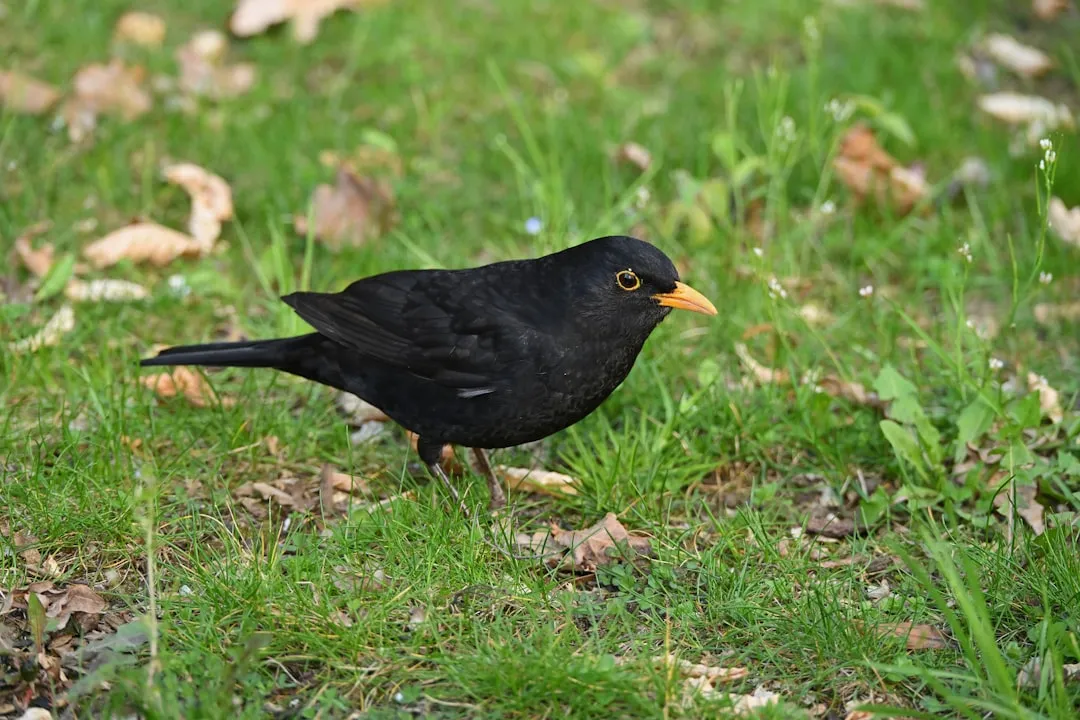
Direct staring in the animal world can read as a threat. So, paradoxically, an animal that doesn’t keep its eyes locked on you the whole time is often more relaxed than one that does. Watch a blackbird foraging side-on, glancing your way only now and then, or a rabbit keeping one ear turned toward you while it keeps eating. That’s not indifference. It’s a kind of compromise.
- Frequent short glances instead of one rigid, unblinking stare.
- A body angled slightly away, ready to move but not tensed to bolt.
- Ears and head scanning the whole yard, not fixated only on you.
People who assume “if it’s not approaching me, it doesn’t trust me” are missing the point entirely. In wild terms, divided attention is more comfortable than laser-focusing on a perceived threat. You’ve become part of the landscape, not the problem in it.
#13 – The Alarm Calls Fade Out
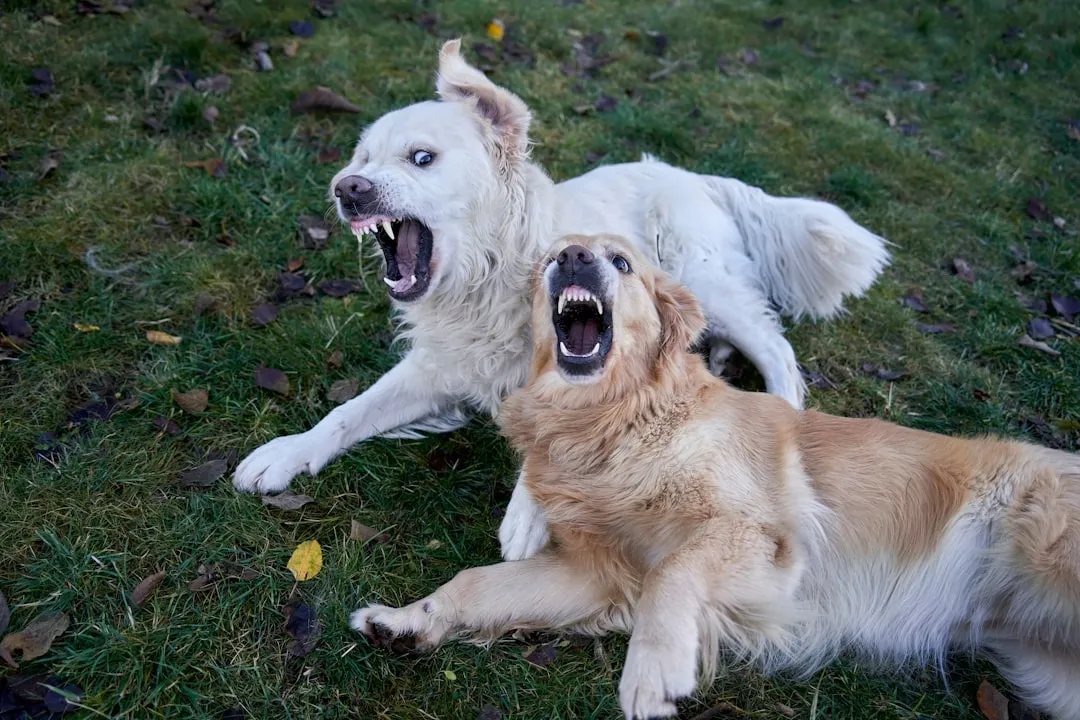
Birds and small mammals run on alarm systems: harsh calls, tail flicking, rapid retreats. Track how often that system fires when you step outside. If, over weeks or months, the alarm calls aimed at you drop off in frequency and intensity, that’s literally the neighborhood gossip calming down about you.
- Only new visitors react strongly; the regulars ignore you completely.
- Calls get shorter, or only fire for genuinely sudden movements.
- Scolding shifts away from you and toward actual predators, like cats or hawks.
This is social learning in action, and it’s a bigger deal than it sounds. Animals watch each other’s reactions constantly. Once the regulars stop freaking out when you emerge with your coffee, newcomers often adjust faster too. You’ve stopped being headline news in the local wildlife rumor mill.
#14 – You Start Recognizing Them as Individuals
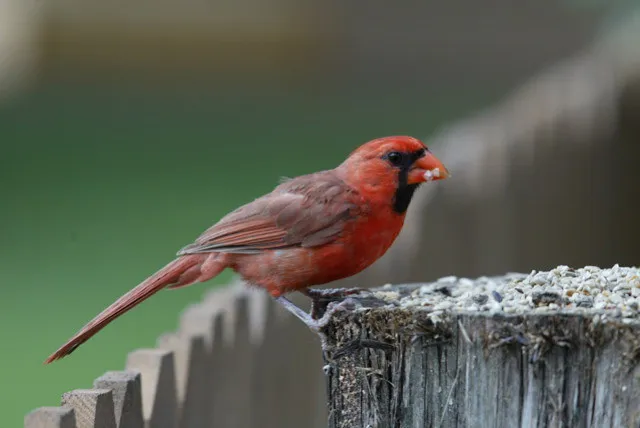
Here’s an underrated truth: many of your garden visitors are the same individuals showing up day after day, not a random parade of strangers. When you start telling them apart by markings or quirks, the bold robin, the cautious squirrel with the nicked ear, you’re noticing what researchers have confirmed for years. Wild animals have distinct personalities, and they notice you back.
- One bird consistently lands closer to you than the others.
- One fox lingers to watch you, while another always skirts the edges.
- A particular crow seems to track your routine and shows up right when you do.
Some species, like crows and other corvids, are known to recognize individual human faces. Not every backyard visitor is that sharp, but consistent, non-threatening behavior from you becomes part of their memory either way. That doesn’t make you a fairytale character, but it does mean the relationship is more personal than most people ever give it credit for.
#15 – They Explore Everything New You Add
Install a small pond, add a log pile, put up a new feeder, then watch how wildlife reacts. In a high-stress territory, new objects can trigger avoidance for days or even weeks. In a trusted garden, animals often approach, inspect, and start using new features surprisingly fast, sometimes while you’re still standing right there.
- Birds checking out a new water dish within hours of it appearing.
- A hedgehog snuffling around a fresh log pile on the first or second night.
- Squirrels testing a new feeder design while you’re still nearby.
This tells you two things at once: they trust the space, and they trust their history with you enough to risk investigating whatever you just changed. Curiosity is only ever safe to express in places that already feel low-risk.
#16 – They Walk Closer to You, Not Farther Away
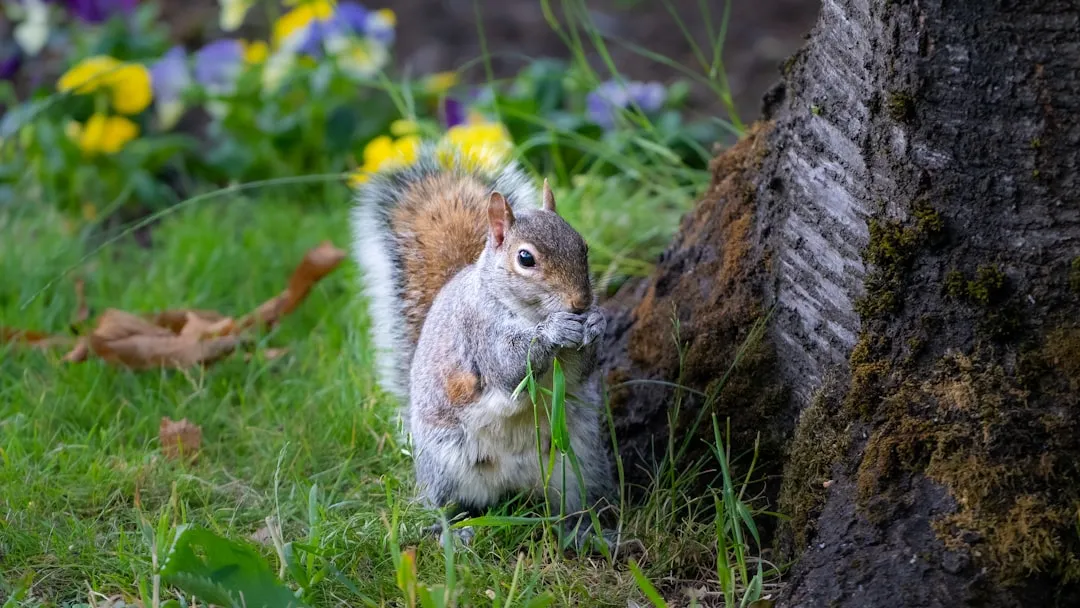
Animals absolutely know the layout of your garden, every path, gap, and shortcut in it. If they start choosing the route that passes closer to your usual sitting spot instead of detouring around you, that’s subtle but it means something. They’ve decided the shorter, more efficient path is worth brushing past you for.
- A robin hopping across the patio near your chair instead of looping the beds.
- A squirrel running along the fence directly above you rather than the back fence.
- A cat or fox cutting behind your bench instead of hugging the far edge.
Some people get oddly offended by this – “why is this squirrel so bold?” – but that boldness is a sign of safety, not disrespect. You’ve gone from “avoid at all costs” to “just another object to weave around.” That’s trust, in its most practical, unglamorous form.
Why It Stands Out
- Choosing a shorter path near you over a longer detour is a direct efficiency-over-fear trade-off.
- Animals constantly weigh risk versus energy cost, and route choice reveals that math in real time.
- This behavior usually only develops after dozens of repeated, harmless encounters with you.
- It signals that you’ve been reclassified from “threat” to “neutral obstacle.”
#17 – They Tune You Out Completely
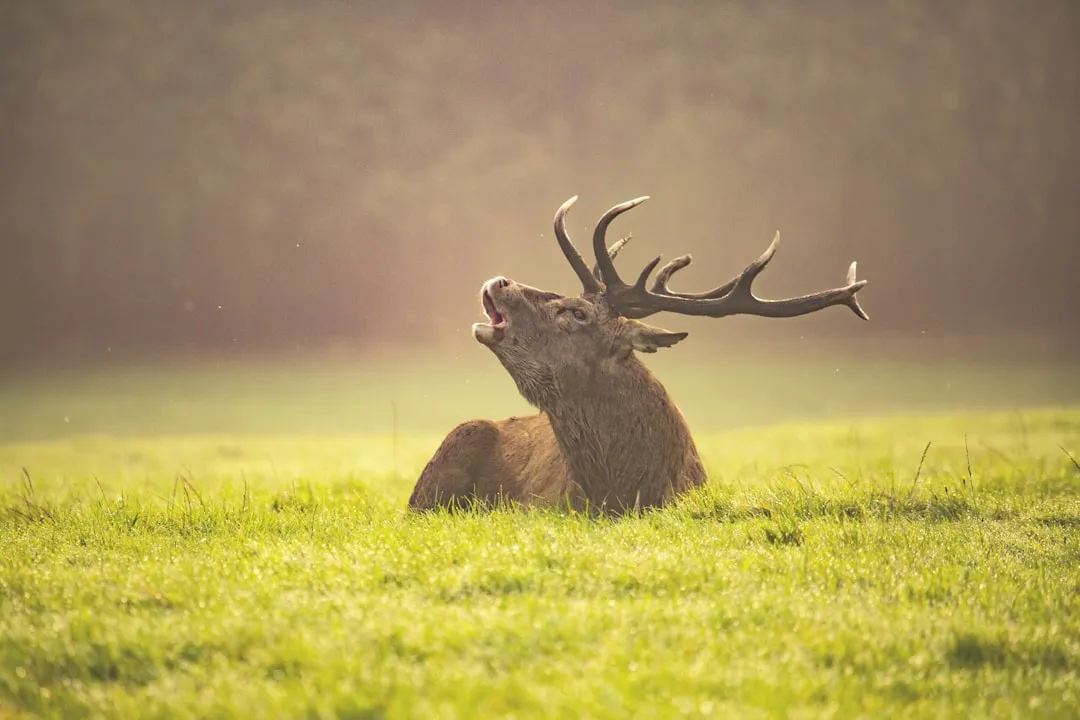
The ultimate test: you become background noise. When wildlife in your garden totally blanks you in favor of whatever else it’s doing, that’s about as close to trust as you’ll get without tipping into harmful taming or dependency. It looks boring on the surface. Behaviorally, it’s massive.
- Birds locked onto a patch of insects, barely glancing up as you pot plants.
- A rabbit so absorbed in grazing it only hops a few feet when you walk by.
- A fox listening intently to something in the next yard, ignoring you entirely on the step.
In pure survival terms, ignoring a potential threat is genuinely risky. Animals only do it once repeated experience has taught them that your movement, your smell, your voice do not lead to harm. At that point, your garden isn’t just somewhere they tolerate. It’s part of their normal, predictable world.
The Verdict
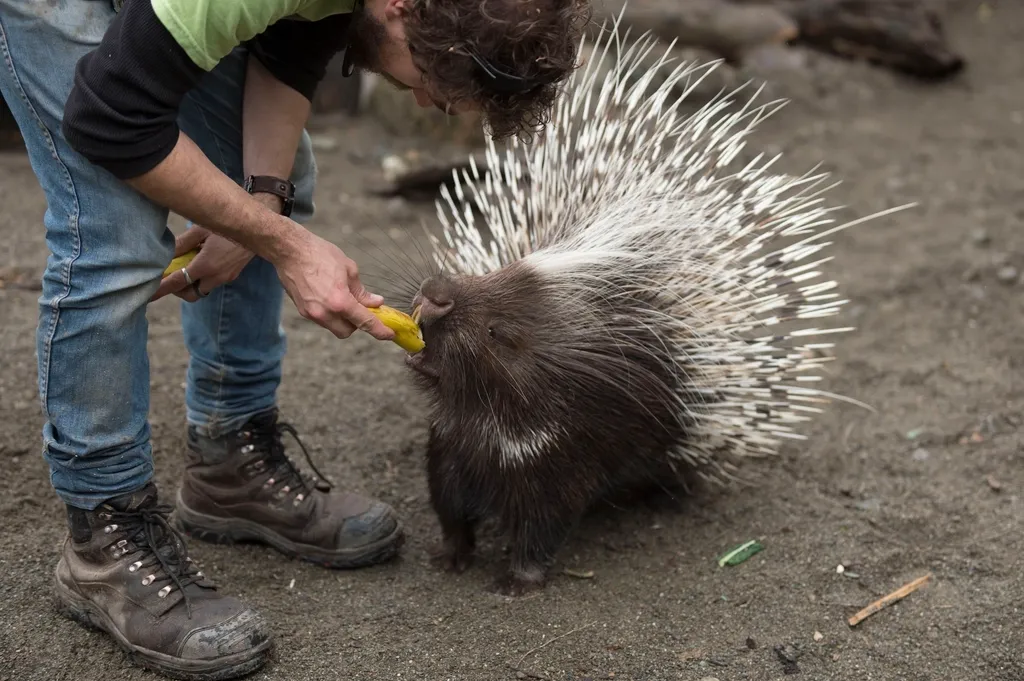
If you’re recognizing several of these signs, not just one, your garden’s wildlife hasn’t gone soft. It’s made a careful, evidence-based decision that you’re safe enough to live around, and honestly, that’s a bigger achievement than most gardeners realize.
Trust in wild animals is never sentimental. It’s earned through dozens of quiet non-events where you simply didn’t turn into a problem.
The animal does not think as we think, nor feel as we feel; his position in the world is different from ours.
Henry Beston
I’ll say this plainly: chasing the Disney version of wildlife trust, hand-feeding, luring animals close for a photo, treating a fox like a pet, misses the entire point and usually does more harm than good. The real prize isn’t an animal that depends on you. It’s an animal that no longer sees you as a threat and simply gets to be itself in your presence. That’s rarer, quieter, and honestly a lot more impressive than anything you’d catch on a nature documentary.

- 19 Hummingbird Behaviours Researchers Say Almost Nobody Ever Notices Happening in Their Own Garden - August 18, 2026
- Has the Wildlife in Your Garden Begun to Trust You? 17 Quiet Signs It Has - August 18, 2026
- 18 Dog Breeds That Cope Beautifully With Cold Autumn Mornings and 18 That Genuinely Struggle - August 18, 2026