
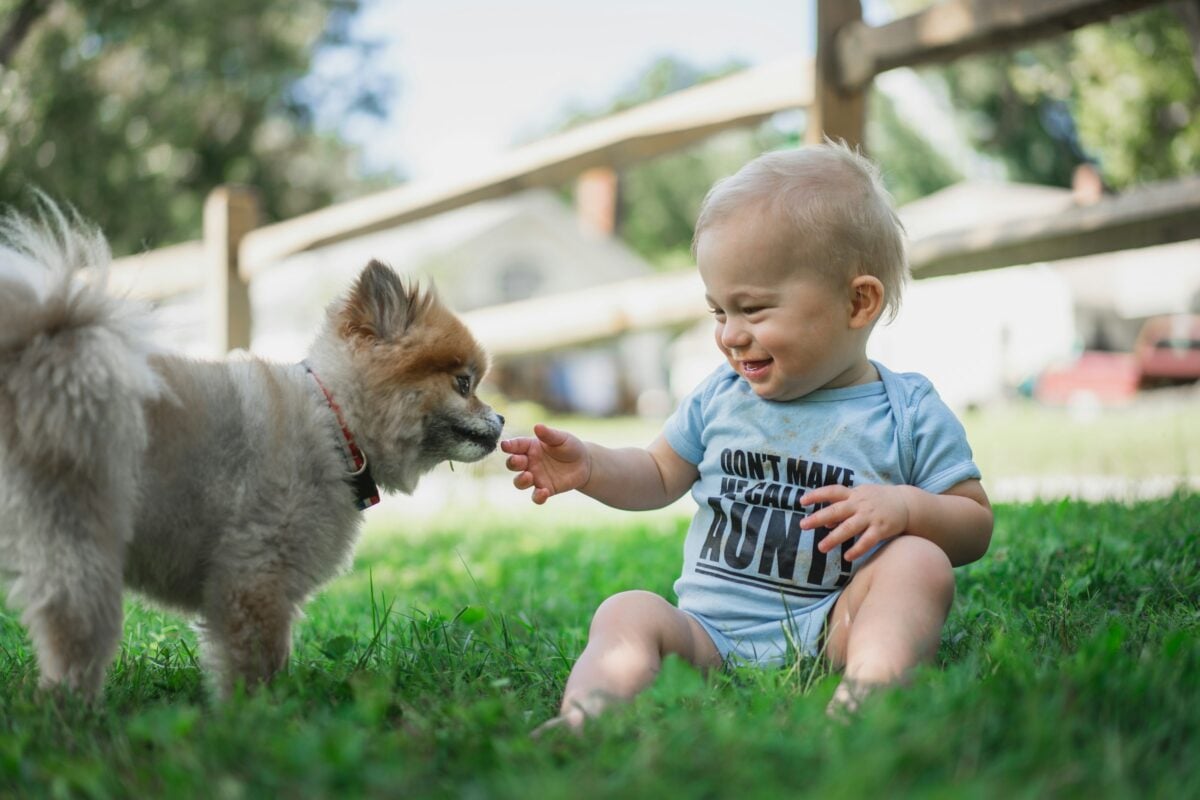
Walk down a row of kennels and most people play the same game: “good dog,” “bad dog,” based on a wag or a bark. Shelter workers don’t play that game. They’ve learned that the real story is never in the tail – it’s in the tiny, almost invisible habits nobody else bothers to notice.
How a dog eats. How it flinches. How it sleeps when it thinks no one’s watching. These small tells quietly expose whether a dog was loved, ignored, or hurt – and once you know what to look for, you’ll never look at a shelter dog the same way again.
#1 – How They React to Raised Hands or Sudden Movements
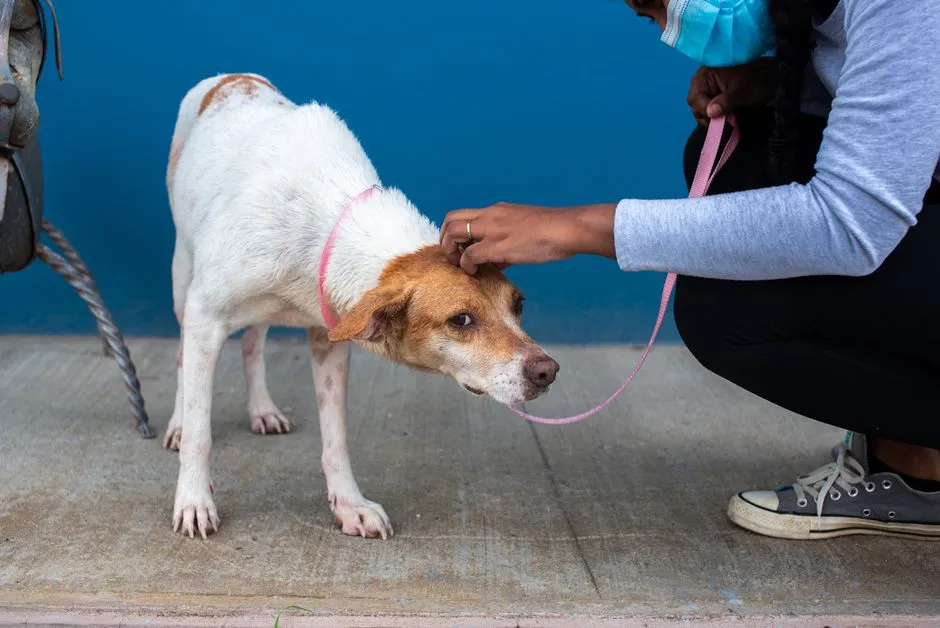
The fastest way to read a dog’s past isn’t a bite – it’s a flinch. When a shelter worker reaches to clip a leash or scratch an ear and the dog drops low, freezes, or ducks from an empty hand, that’s a massive clue. Dogs raised in calm, gentle homes usually lean in or at least hold neutral. Dogs who’ve been hit or roughly grabbed brace for impact before they even know what’s coming.
Shelter staff watch closely for the blink-and-step-back, or the full-body flop, the dog that pancakes to the ground or rolls onto its back every time someone moves too fast. That’s not drama. It’s a survival script rehearsed because it worked before. Casual visitors call it “shy.” Experienced workers know it usually means hands were never used for petting – and that’s mild compared to what happens when the food bowls come out.
#2 – Their Behavior Around Food Bowls and Treats
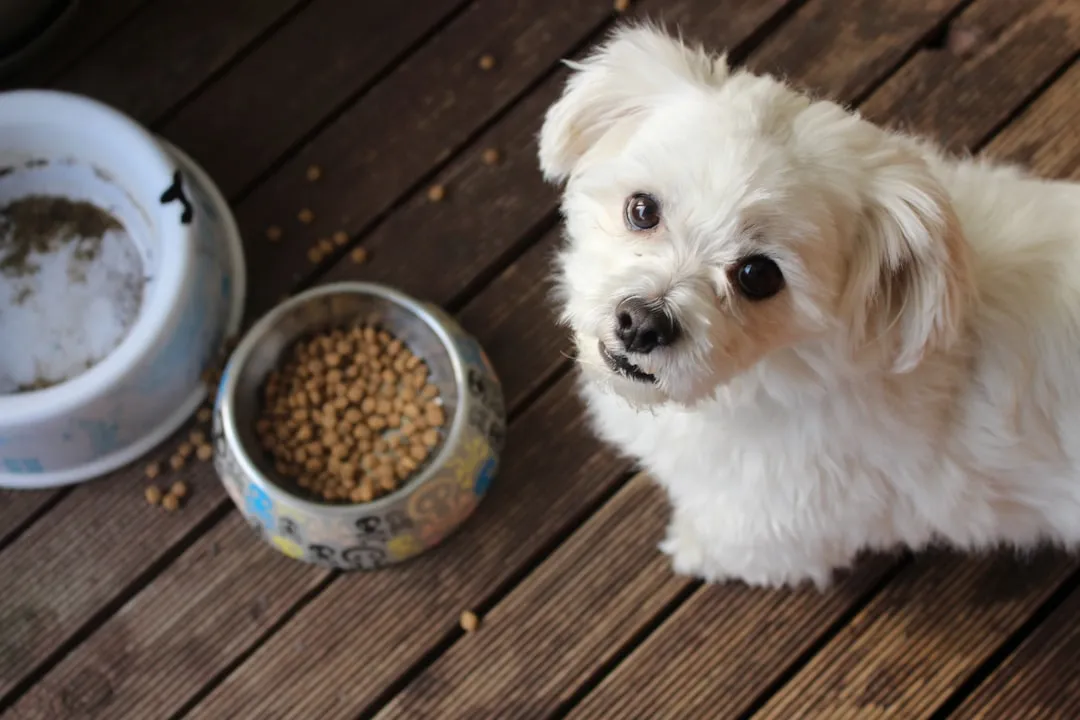
You can fake obedience training. You cannot fake a food history. Many shelter workers quietly test how a dog handles meals, because food behavior is one of the clearest windows into whether a dog grew up safe or grew up competing. A dog fed regularly and peacefully eats at a normal pace, can pause mid-bite, and doesn’t panic if someone walks past the bowl.
The red flags are hard to miss: guarding the bowl, stiffening over kibble like it might vanish, or gulping so fast they choke. Dogs who’ve gone hungry or fought for scraps often show resource guarding or desperate inhaling – not because they’re “bad,” but because scarcity was their normal. Some even flinch when a treat is offered, bracing for a trick or a snatch instead of a gift. Once you see that fear around food, you start noticing it everywhere else too – starting with the basics of everyday life.
Fast Facts
- Gulping food almost too fast to breathe often signals past competition for meals
- Stiffening or freezing over the bowl is a classic early guarding posture
- Dogs fed on a steady schedule rarely react when a human simply walks by
- Flinching when a treat is handed over can mean past hands weren’t gentle
#3 – Whether They Understand Basic House Manners at All
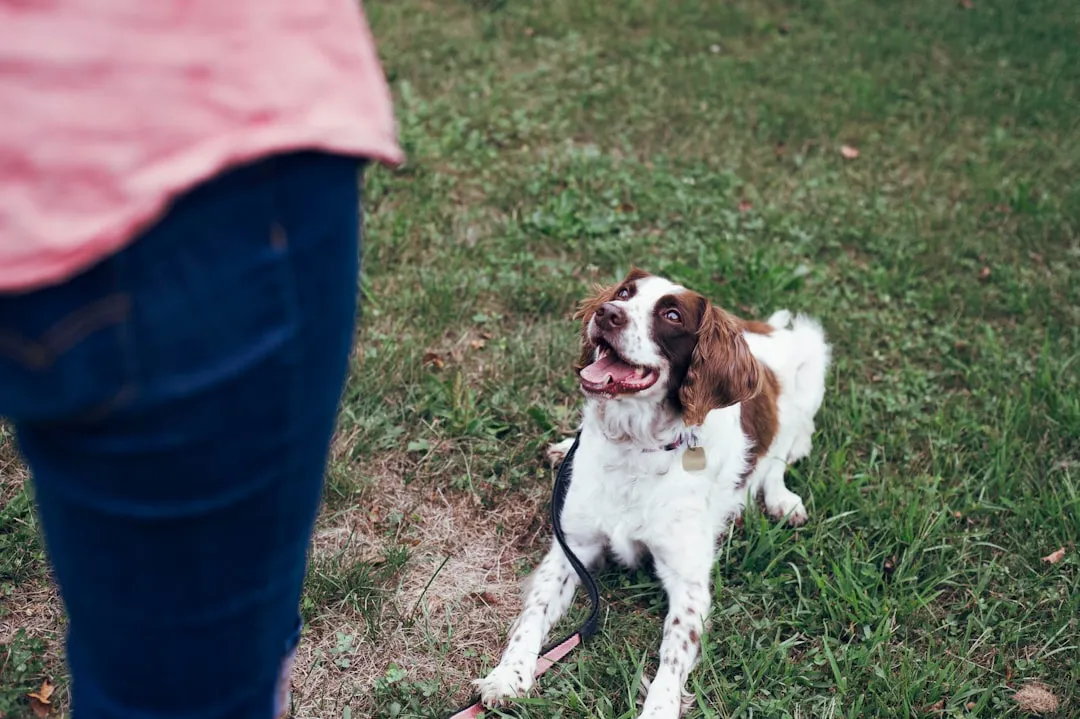
Most people assume a shelter dog is “broken.” Workers roll their eyes at that, because what they’re really checking is simpler and sadder: did anyone ever bother to teach this dog basic house rules? A dog completely confused by sliding doors, stairs, or flooring changes often never had a normal indoor life to begin with.
Some don’t even recognize their own name, let alone “sit” or “come here.” That doesn’t scream bad dog – it screams no one invested five minutes in you. Dogs from decent homes usually have at least a rough grasp of simple cues. When a dog acts like a house is an alien planet, staff quietly suspect backyard-only living, constant crating, or something worse. And the story only gets louder once you show that same dog a crate door.
#4 – Their Relationship With Crates and Kennels
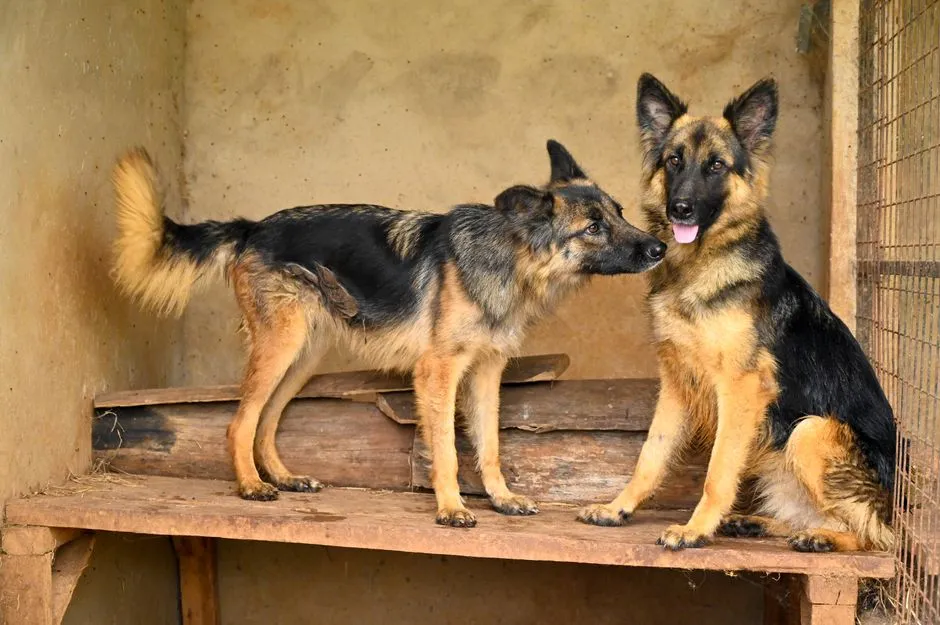
Crates can be safe dens, or they can be tiny prisons. Shelter workers pay close attention to how a dog reacts to one, because that reaction exposes exactly how confinement was used in the past. A dog raised with positive crate training walks in for a treat, curls up, and settles without a fight.
Then there’s the other side. Dogs who were left crated for hours, punished in cages, or locked away as an afterthought will slam on the brakes at the door, nails scraping the floor, or spin and bark frantically once it shuts. Some shut down completely, curling into the smallest possible ball, as if disappearing is safer. Others explode the second a human appears, pawing and screaming to get out. Casual visitors call it separation anxiety. Experienced staff call it what it is: learned panic from being trapped too long with zero comfort. And nowhere does that fear show up more sharply than around kids.
#5 – How They Respond to Children’s Voices and Energy
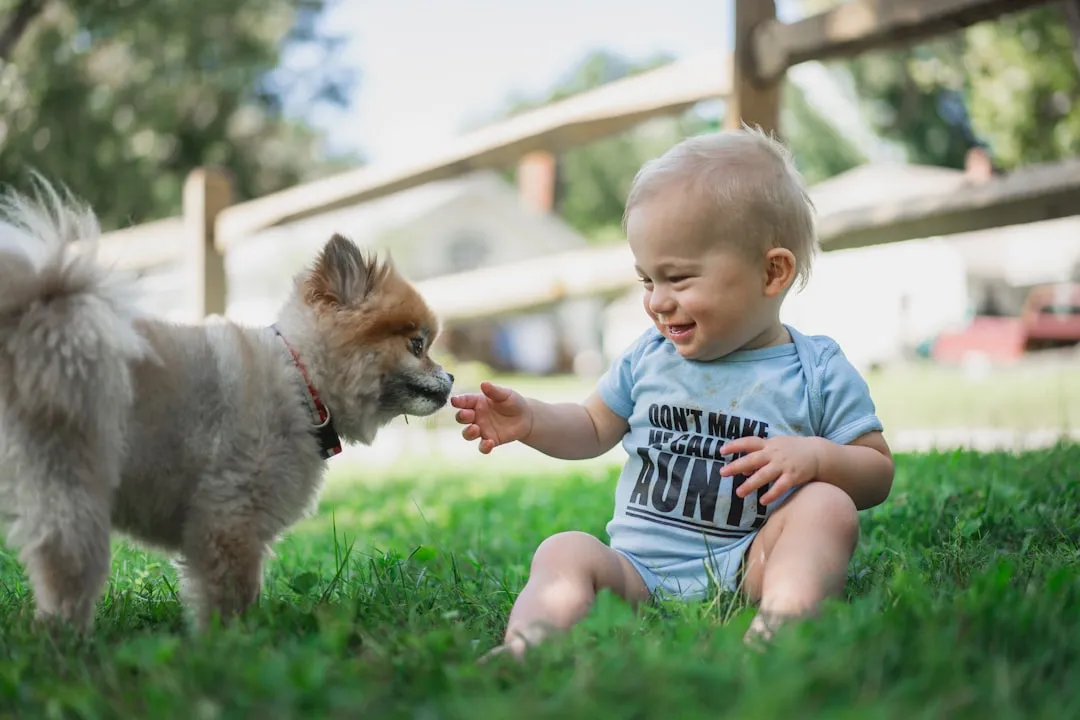
Most people assume dogs automatically “love kids.” Shelter workers are blunt about this one: how a dog handles children is one of the clearest tells of its past – and of how responsible the adults around it actually were. A dog raised around respectful, supervised kids tends to be curious or at least tolerant of loud, unpredictable little humans.
The opposite reaction is genuinely chilling. Dogs who stiffen, hide, or growl at high-pitched voices or sudden chaotic movement usually didn’t have good experiences – climbed on, grabbed, chased, while adults laughed instead of stepping in. These dogs aren’t mean. They’re simply done being someone’s toy. Shelter workers don’t blame the dog for that; they blame the adults who taught it that children equal chaos or pain. And that same failure by adults shows up again the second you clip on a leash.
#6 – Their Leash Skills (or Total Lack of Them)
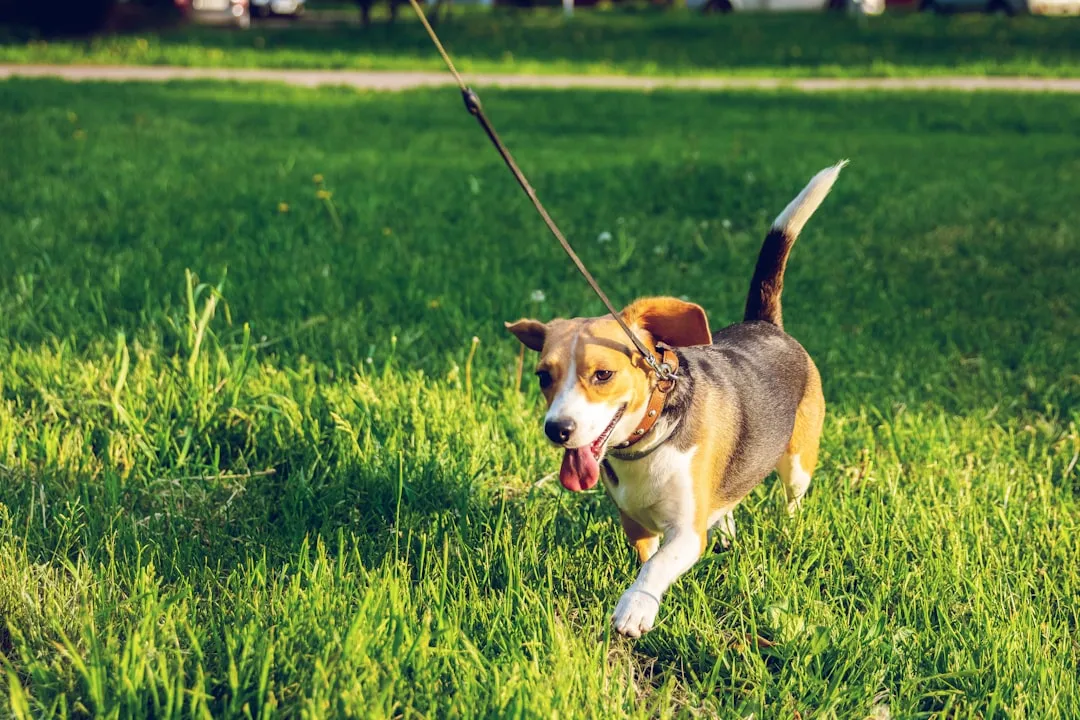
You can tell in three seconds if a dog has ever had a real walk. When a shelter worker snaps on a leash and the dog immediately charges, zigzags, or chokes itself pulling like it’s never done this before, it usually means one thing: nobody bothered to exercise or train them properly.
Watch for zero focus on the human – just panic, spinning, or lunging at everything that moves – or outright terror of traffic and sidewalks, like the outdoors itself is the enemy. On the flip side, a dog that automatically checks in, slows when you slow, and can pass another dog without detonating almost certainly had someone who invested real time in them. This isn’t smart versus dumb. It’s effort versus neglect. And when you pair leash chaos with how a dog handles being left alone, shelter staff can practically map out its old life.
#7 – Their Reaction to Being Left Alone (Even for a Moment)
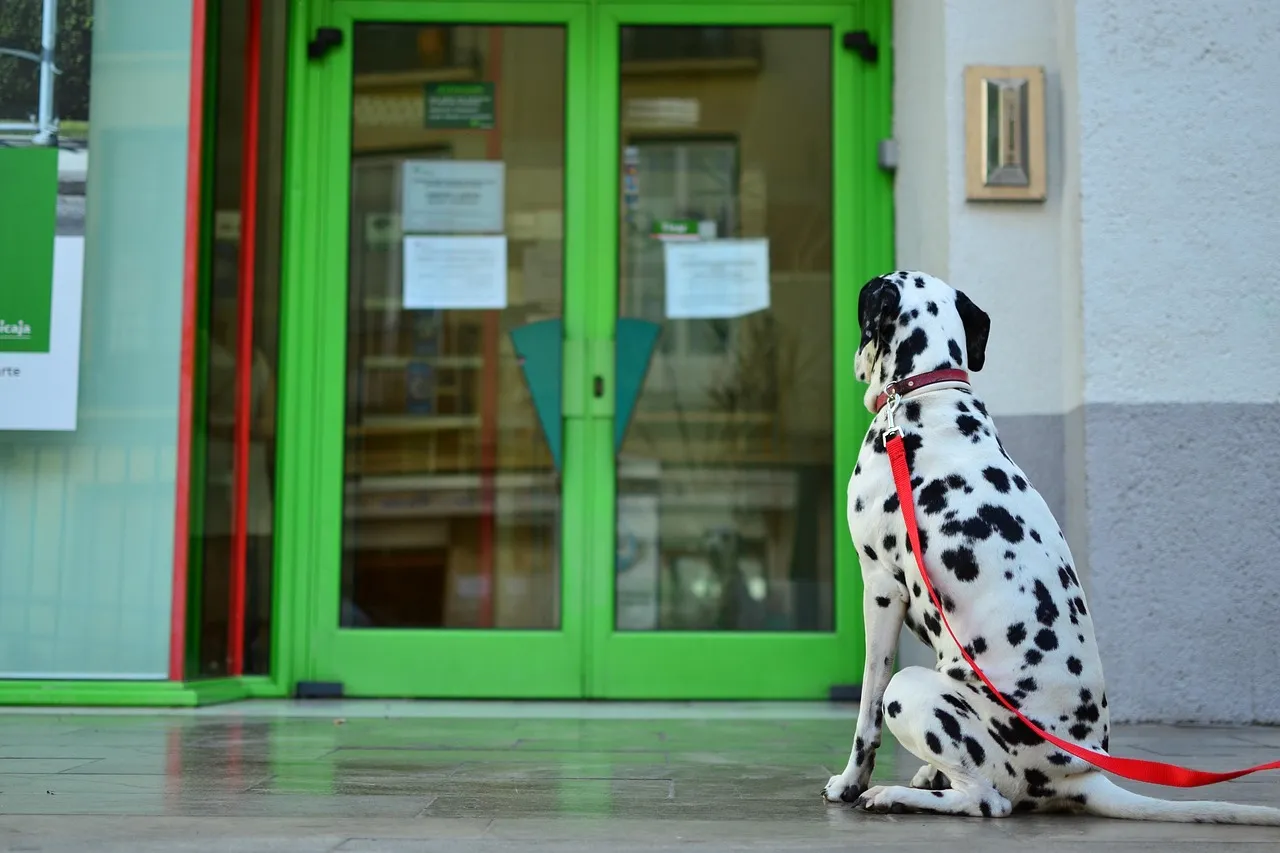
Walk away from a kennel and you’ll see the truth fast. Dogs gradually taught that alone time is safe usually whine a little, then settle. Dogs who were dumped in a yard, crated for hours, or isolated as punishment tend to go one of two ways: total shutdown, or a desperate meltdown.
Shelter workers quietly note the howling, the door-slamming, the shredded bedding – or the opposite, a dog frozen and trembling, staring at the door, refusing to move until the human returns. Extreme distress often means the dog never had consistent routines, only chaotic bursts of attention followed by sudden abandonment. Some dogs seem to think, “If I’m just loud and perfect enough, maybe they won’t leave.” Others curl into the corner, resigned, having learned that calling out never works. That same hopelessness shows up again the moment you try to touch them.
Quick Compare
- Secure history: whines briefly, then settles into a nap
- Anxious history: howls, scratches at doors, or shreds bedding
- Secure history: greets your return calmly, tail loose and easy
- Anxious history: stays frozen rigid by the door until you reappear
#8 – How They Handle Simple Affection and Touch
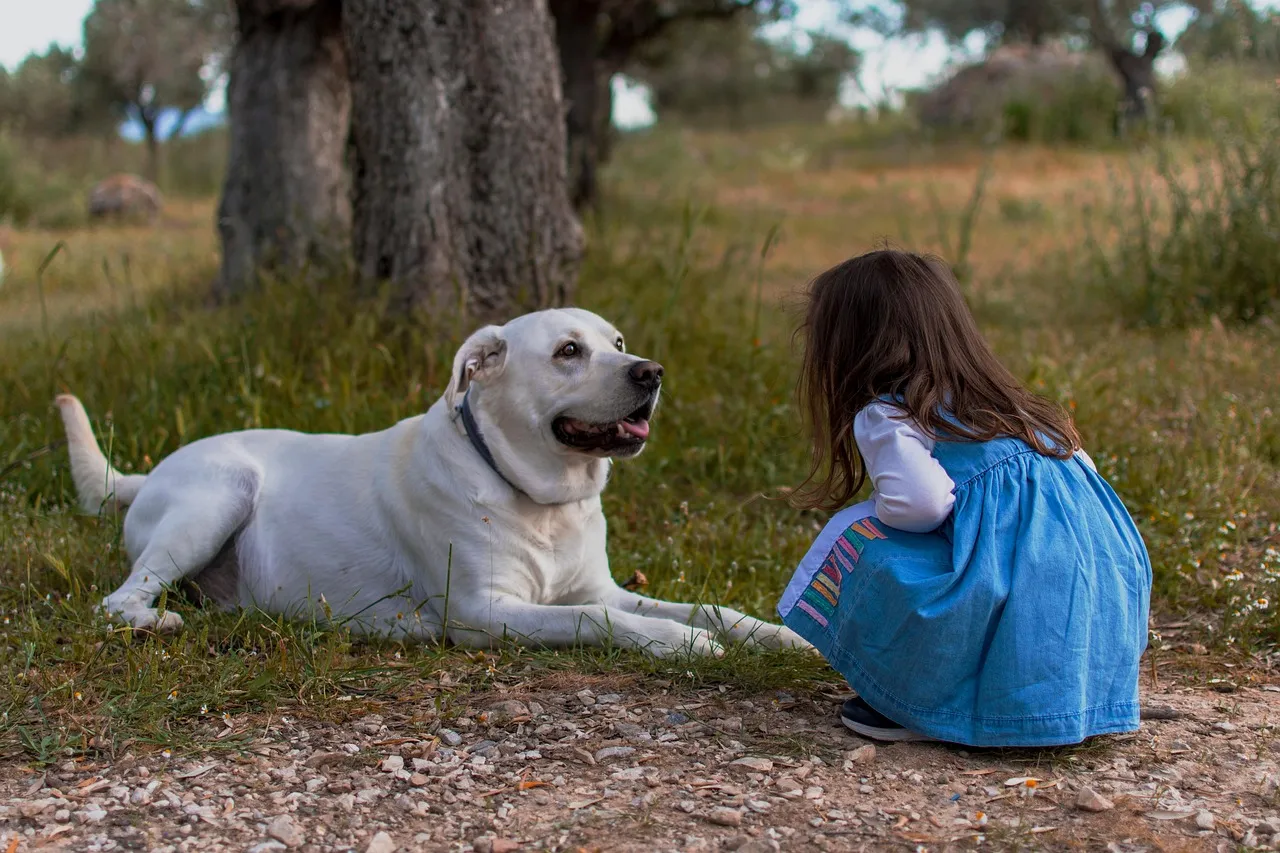
Most people assume every dog craves cuddles. Shelter workers know better: how a dog accepts or avoids touch says more about its history than any intake file ever could. Dogs raised in affectionate, respectful homes lean into pets, offer their side for scratches, or at least tolerate gentle handling without going rigid.
But if a dog freezes when you stroke its back, ducks from a hand near the collar, or stays rock-hard under your fingers, touch clearly hasn’t been safe. Some flinch when a hand reaches over their head but melt when you scratch under the chin – a classic sign that hands coming from above once meant something bad. Others lick frantically out of appeasement, not affection, silently begging you not to be mad. The heartbreakers are the ones who seem genuinely confused by kindness, unsure what to do with it. That same confusion tends to show up again in how they react to ordinary household noise.
#9 – Their Reaction to Everyday Noises and Household Chaos
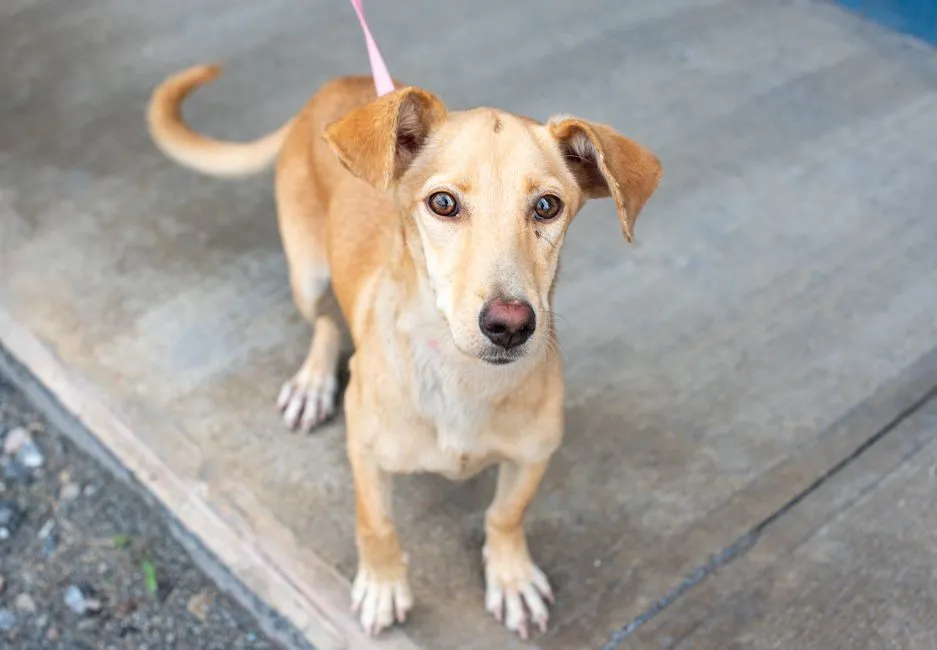
Shelter workers pay close attention to noise sensitivity, because the way a dog reacts to sound exposes exactly what kind of environment raised it. A dog from a busy, normal home with vacuums, doorbells, and visitors might startle but recovers fast. It’s learned that noise doesn’t equal danger.
Dogs from quieter or harsher backgrounds tell a very different story: panicking at vacuum cleaners or clattering dishes, bolting at raised voices or slamming doors. Some reactions are eerily specific – a dog who melts down at a belt unbuckling, keys jingling, or boots on a floor has almost certainly tied that sound to punishment. Casual adopters shrug and say “he’s just sensitive.” Shelter staff know those triggers are emotional landmines planted by past humans. And the contrast gets even sharper once you put that same dog in a room full of others.
#10 – How They Interact With Other Dogs (Play, Panic, or Predatory?)
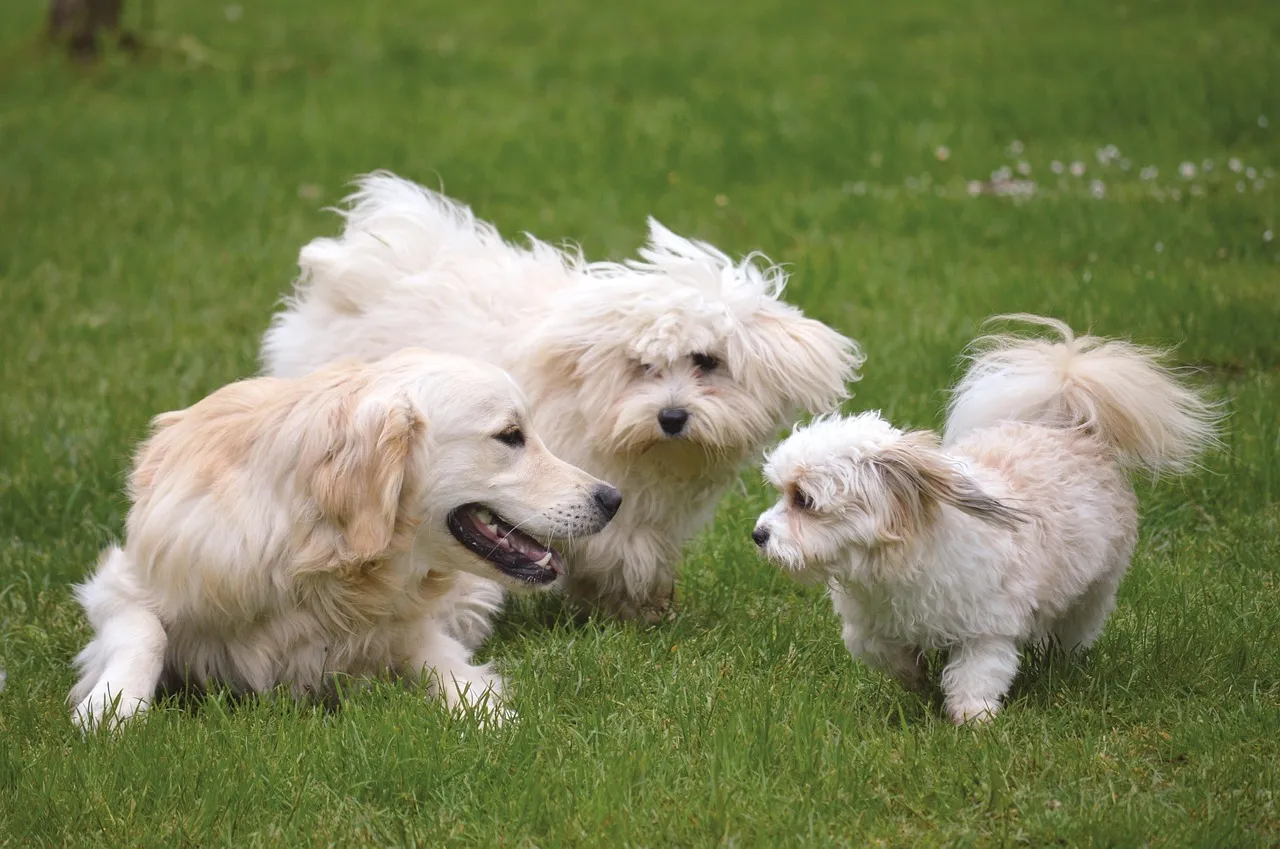
Most owners badly misread dog-to-dog behavior. Shelter workers, handling new dogs constantly, know that how a dog greets, plays with, or avoids others reveals exactly how socialized – or isolated – it’s been. Dogs raised around stable, well-mannered dogs tend to read body language fluently: curved approaches, play bows, quick disengagement before things escalate.
Red flags come in several flavors – the rude bulldozer crashing into other dogs like a bowling ball, the dog frozen in terror with its tail tucked, screaming when sniffed, or the stiff, predatory stalker who’s more hunter than playmate. These patterns range from “grew up alone in a yard” to “only ever met one aggressive dog and never got a second chance.” Ironically, the dog labeled “aggressive” at intake is often just wildly under-socialized, a product of humans who never gave it safe practice. That same story continues the moment you try to groom or handle it.
#11 – Their Tolerance for Grooming, Handling, and Basic Care
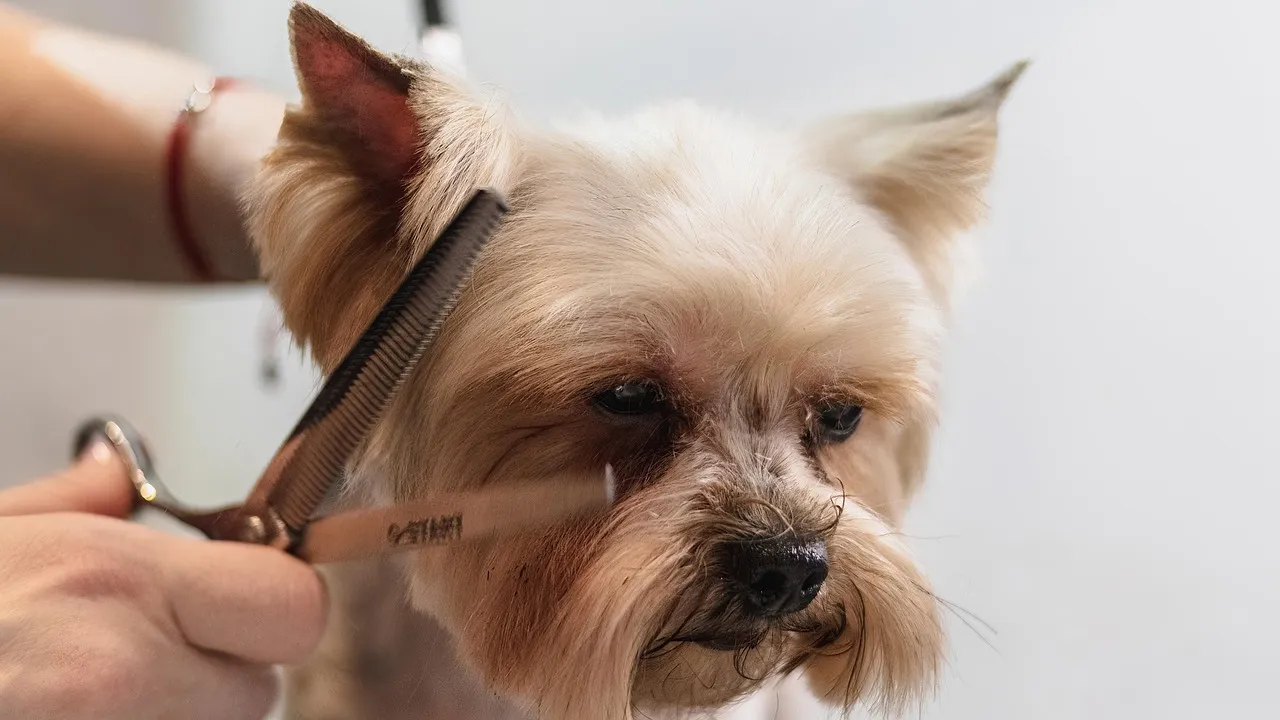
You can lie about how much you loved a dog. Its reaction to grooming won’t lie for you. Shelter workers see the truth the second they touch paws, check ears, or handle a collar – the dog either melts into it or braces like something bad is coming. Dogs raised with routine care generally accept nail trims or quick checks with mild annoyance, at worst.
The others tell a rougher story: yanking a paw away like it’s been grabbed too hard before, snapping when a collar is adjusted, or genuine terror at the sight of clippers or even a towel. This isn’t about being spoiled. It’s about whether anyone ever calmly, consistently taught the dog that care means comfort, not restraint and fear. A dog who can’t tolerate basic handling usually comes from a place where grooming happened roughly, rarely, or only as punishment. Pair that with how a dog responds to a simple cue, and you’ve basically got a highlight reel of its old home.
Worth Knowing
- Yanking a paw away fast often traces back to rough nail trims in the past
- Snapping at collar touches can signal corrections that were once too harsh
- Fear of clippers or towels rarely shows up in dogs groomed calmly from puppyhood
- Dogs properly desensitized tolerate handling with mild annoyance, not panic
#12 – What They Do When You Ask for Anything (Their Training History in One Minute)
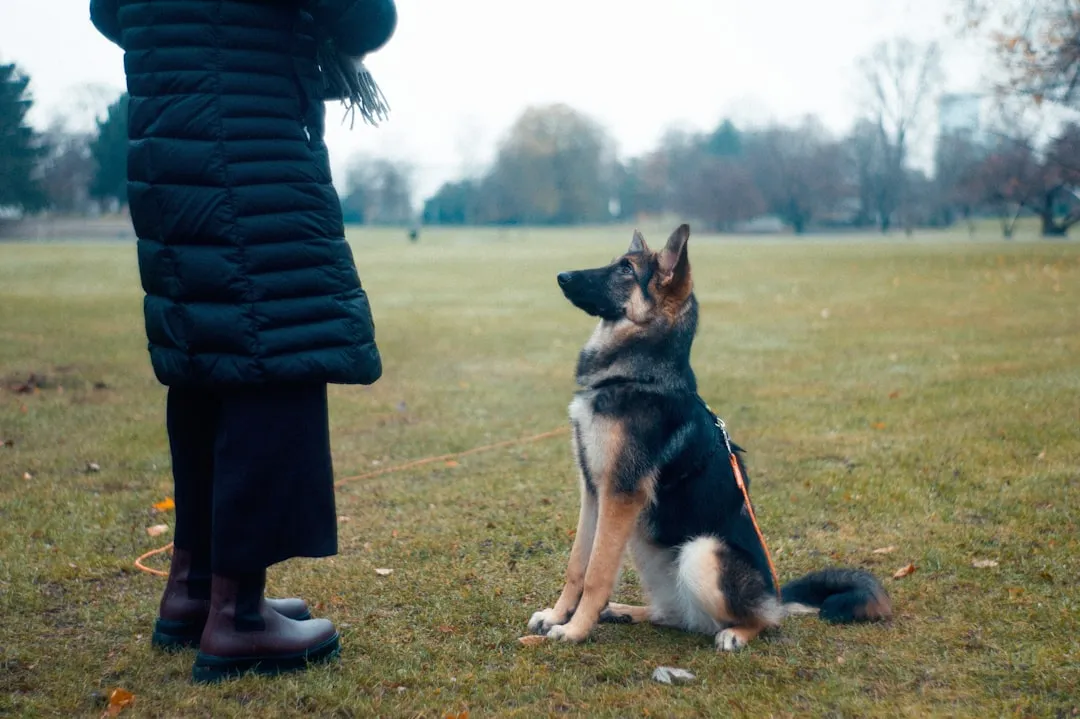
Ask a dog to sit, and you’re not just testing obedience – you’re testing its entire history with learning. Shelter workers know a dog’s response to a simple cue says more about its past humans than about its intelligence. Dogs from engaged homes often perk up at familiar words and seem genuinely curious about figuring things out.
Others instantly cower at a firm “no” or “sit,” bracing as if a mistake automatically equals punishment. Some stare blankly, not even attempting a guess, because nobody ever played the “let’s learn together” game with them. The saddest cases fire off a nervous flurry of random tricks – sit, paw, roll – because they learned that constant performing was the only way to stay safe or earn attention. When training was always about fear instead of fun, it shows immediately. And when you stack every sign so far – the flinching, the food panic, the noise triggers – there’s one final tell shelter workers quietly wait for.
#13 – How They Attach Once They Finally Feel Safe
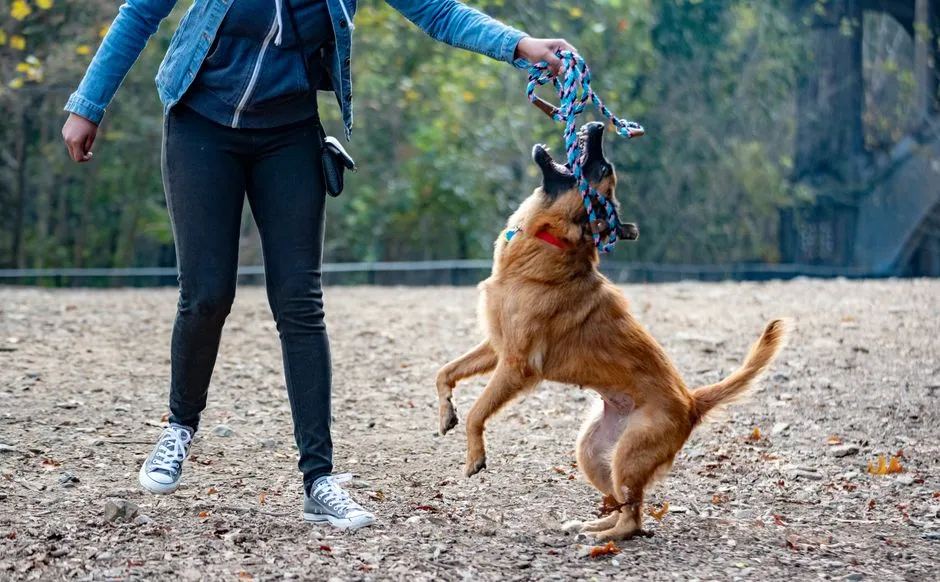
The way a dog settles in after a few days or weeks is the loudest chapter of its entire story. Shelter workers see it constantly: dogs who’ve been bounced around or emotionally neglected swing hard toward extremes the moment they finally feel safe. Some become velcro dogs, glued to one person, panicking the second that person stands up. Others stay distant far longer, as if waiting for the other shoe to drop.
The patterns speak volumes – obsessive attachment to a single person while ignoring everyone else, or eerie over-compliance, never testing a boundary, as if afraid to “mess up” even once. In healthier histories, a dog bonds warmly but can still relax alone, unbothered. That last group almost always had consistent, predictable care. The first two learned that humans leave, homes change, and love comes with conditions. When they finally land somewhere safe, they either clutch it with both paws or keep it at arm’s length – and that says as much about us as it does about them.
Why It Stands Out
- A fully settled dog can rest in another room without distress
- It accepts new routines without sliding back into old panic behaviors
- It tests small boundaries occasionally instead of freezing in fear
- Affection is offered and received without desperation or hesitation
Dogs are not our whole life, but they make our lives whole.
Roger Caras
The Bottom Line
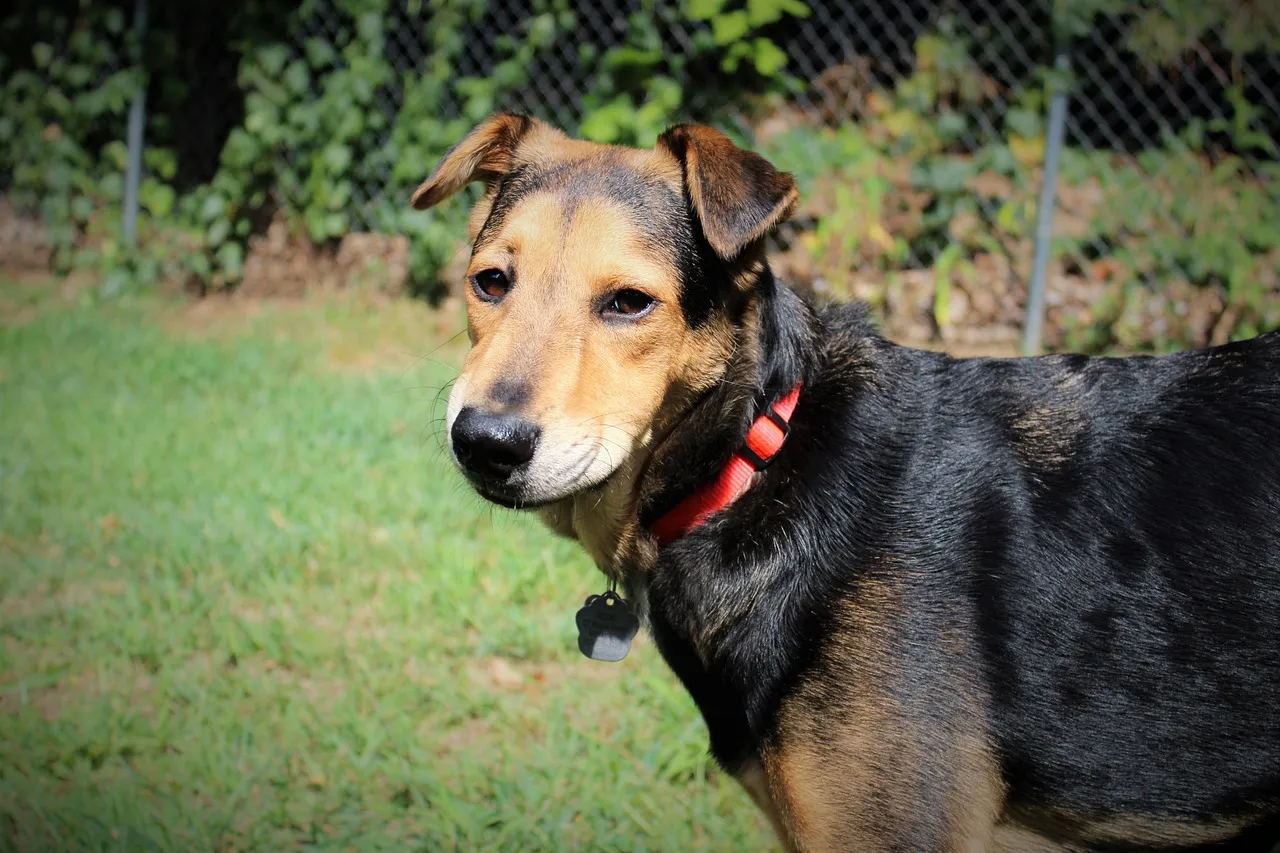
Shelter workers will tell you plainly: most “problem dogs” are actually problem histories. The flinching at raised hands, the panic over food bowls, the terror of crates or kids – none of it is random. Every one of those behaviors is a receipt for how humans treated that dog long before it ever saw a kennel.
Here’s the uncomfortable part: a lot of the behaviors people use to justify dumping a dog were created by the very same people walking away from it. And here’s the hopeful part – with time, structure, and actual compassion, an enormous number of these dogs unwind those scars completely and become the most loyal companions someone will ever have.
So maybe the question was never “what’s wrong with that shelter dog.” Maybe it’s always been “what was done, or not done, to this animal before it ever got here.” Which of these thirteen signs hit you the hardest – and does it match what you’ve noticed in a rescue dog of your own?
