
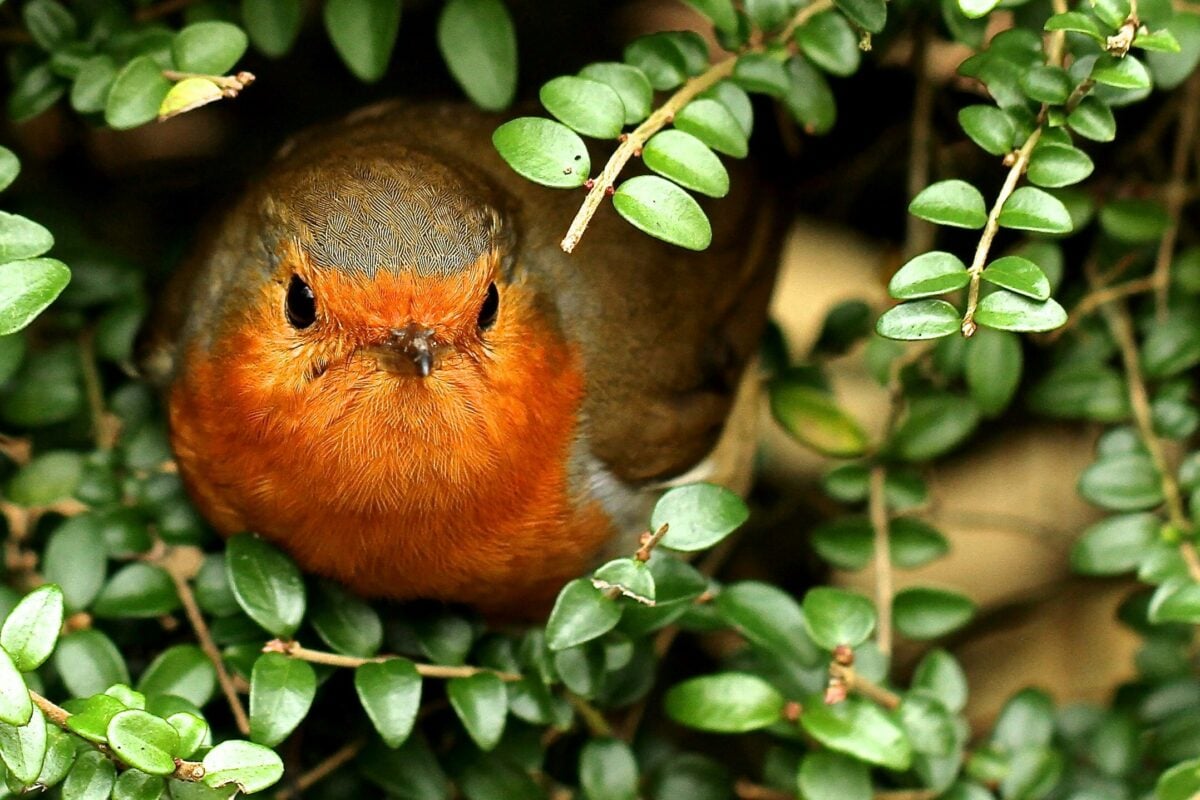
Most people assume birds pick their spring address in March, cruising the neighborhood like house hunters once the weather warms up. That’s not what actually happens. By the time the first hard frost hits, birds have already crossed your yard off the list – or quietly bookmarked it as a favorite – based on decisions you made weeks earlier without giving them a second thought.
A silent yard next April isn’t bad luck. It’s feedback. Every seedhead you clipped, every leaf bag you hauled to the curb, every porch light left blazing all night sent a signal birds actually remember. Here are the 19 September moves long-time birders and wildlife biologists watch closely – ranked from the small stuff that quietly adds up to the one decision that overrides everything else.
#19 – Stop “Fall Cleaning” Like a Landscaper
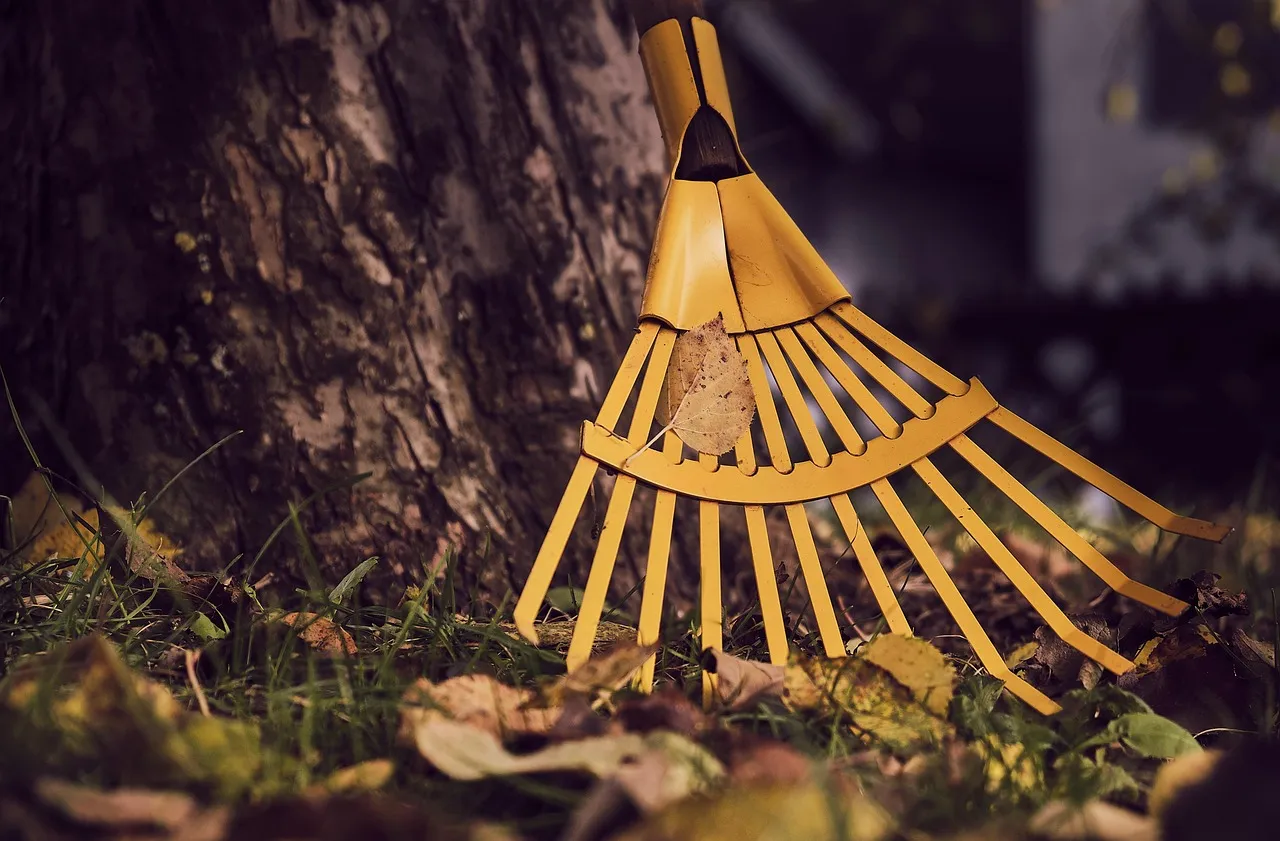
September turns a lot of us into amateur landscapers. Perennials get chopped to stubble, every leaf gets bagged like evidence, seedheads get sheared off mid-bloom. It feels responsible. It’s actually a quiet eviction notice.
Birds don’t see a tidy yard – they see a food desert with no pantry and no cover. Sparrows, finches, and juncos survive cold snaps on exactly the “ugly” leftovers you’re removing. Leave some seedheads, some leaf piles, some standing stems. While the neighbors chase a golf-course lawn, the birders who actually get spring visitors have already learned to let a little wildness stay.
#18 – Leave Seedheads Standing (They’re Natural Feeders)
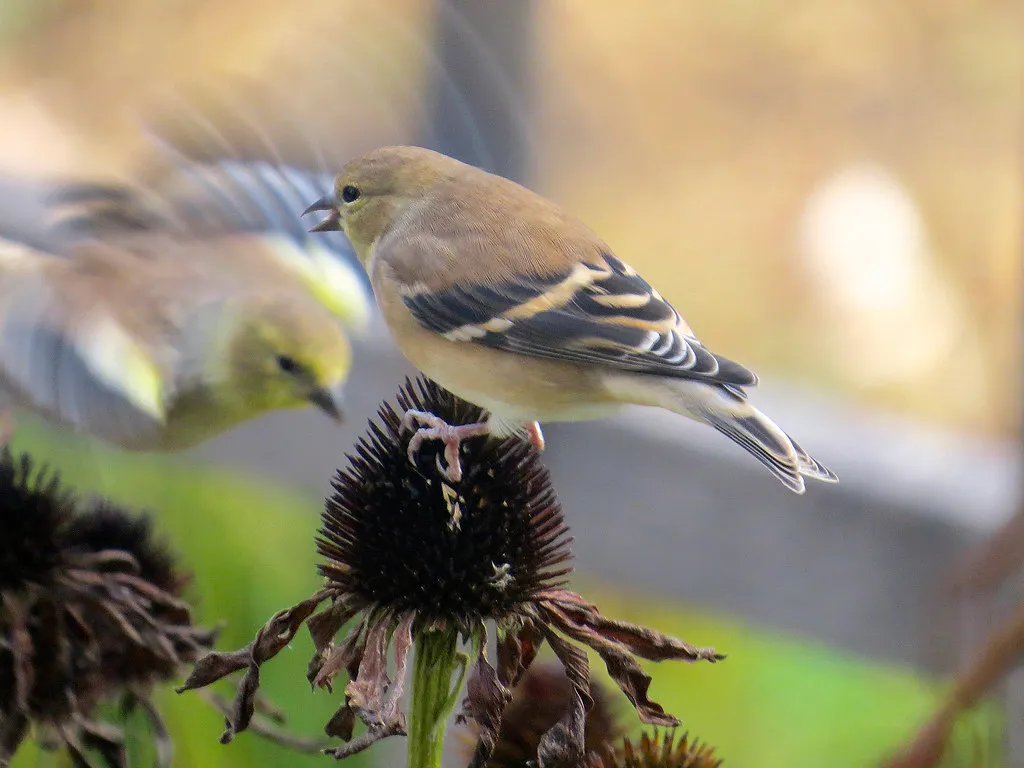
The biggest September mistake is cutting flowers down the second they finish blooming. Those dead-looking tops on coneflowers, black-eyed Susans, sunflowers, and ornamental grasses are fully stocked bird feeders you never have to buy or refill.
Goldfinches, chickadees, sparrows, and even cardinals will cling to those stalks all fall and winter. Skip the shears this month and mark a few beds to stay standing until late winter. If you’re worried about curb appeal, cluster the wild patches in one corner instead of scattering them – birds don’t care about design lines, they care about calories per square foot.
Fast Facts
- Coneflowers, sunflowers, and black-eyed Susans keep producing edible seed well past their bloom window.
- Goldfinches and chickadees often work the same seedhead for weeks at a time.
- Ornamental grass plumes double as insulated roosting cover during sudden cold snaps.
- Cutting seedheads early removes food birds specifically time their fall diet around.
#17 – Turn One Corner into a Leaf-Litter Buffet
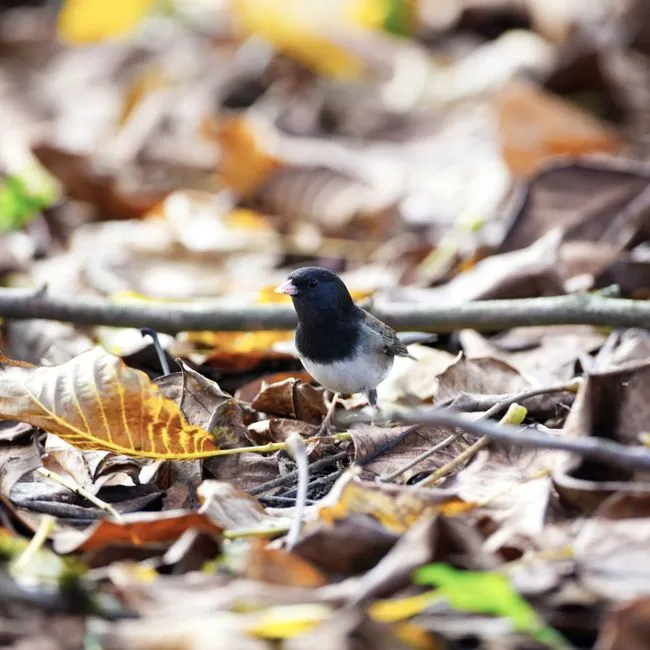
Most people bag leaves like trash. To a bird, that’s the equivalent of hauling away the entire grocery store. Moth pupae, beetles, spiders, and tiny larvae overwinter in that damp leafy layer, and by spring they become the protein-rich breakfast that fuels nest building.
This month, pick one corner or one shrub line to become your dedicated leaf zone. Rake leaves off the actual lawn if you want, but drag them into that bed instead of to the curb. Robins, thrushes, wrens, and towhees will hunt there all winter. It’s not laziness – it’s strategy dressed up as neglect.
#16 – Stop Overseeding Lawns Where Birds Actually Forage
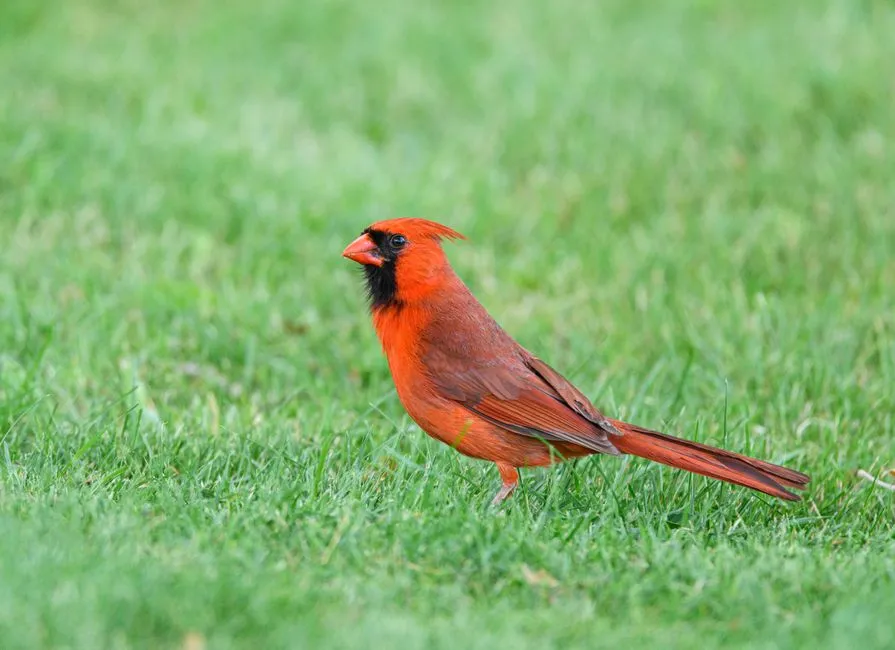
Here’s the uncomfortable part: the greener and denser your September lawn gets, the fewer birds it usually feeds. A thick, fertilized carpet looks perfect to humans but makes it brutally hard for birds to probe for insects and worms underneath.
Save the heavy overseeding for the paths and play areas humans actually use, and let a few low-traffic strips stay patchy. Clover, violets, and “weeds” feed pollinators now and seed-eaters later. Lawn companies hate this advice. Long-time bird watchers won’t overseed any other way.
#15 – Cut Back Only the Right Shrubs (And Leave the Others Alone)
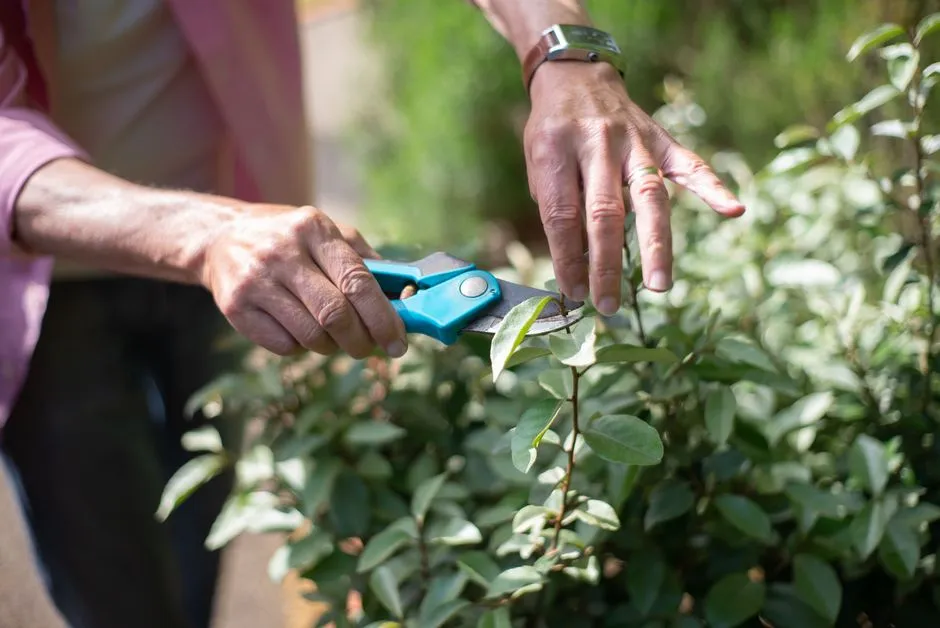
Fall pruning feels productive, but a badly timed haircut can wipe out next spring’s entire buffet. Viburnum, holly, dogwood, and serviceberry set fall and winter berries that sustain migrating thrushes, waxwings, and resident cardinals – and “shaping” them hard in September often removes the exact branches holding that fruit.
Walk your yard first. Berry-loaded shrubs get minimal pruning; overgrown, non-fruiting ones can be thinned. Dense shrubs also double as night roosts where birds hide from hawks and wind, so cut too aggressively and you’ve taken away their safest place to sleep.
#14 – Add at Least One Native Berry Plant Before Frost
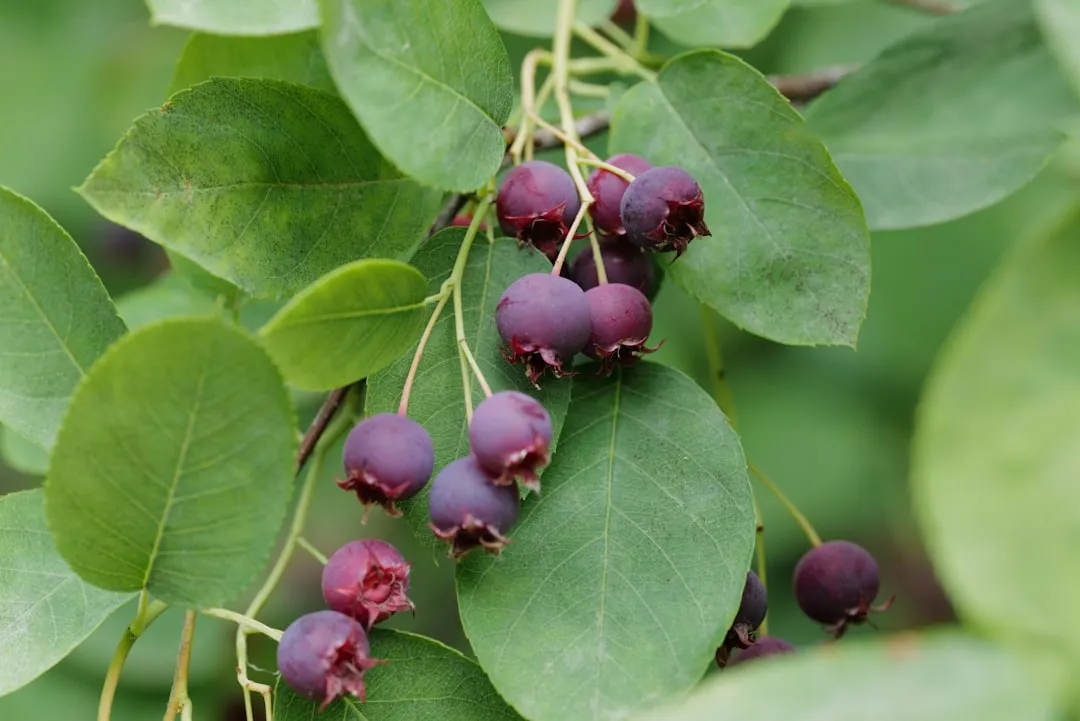
If you only plant in spring, you’re missing the single best September move available: planting native berry shrubs before the ground freezes. Birds remember yards with reliable late-season fuel and return to them on migration routes year after year.
Serviceberry, chokeberry, winterberry holly, American beautyberry, and native dogwoods all work. Planting now gives roots time to settle while the soil is still warm. Skip the trendy exotics – one properly placed native shrub does more for birds than five decorative birdhouses ever will.
#13 – Clean Feeders Deeply… or Take Them Down on Purpose
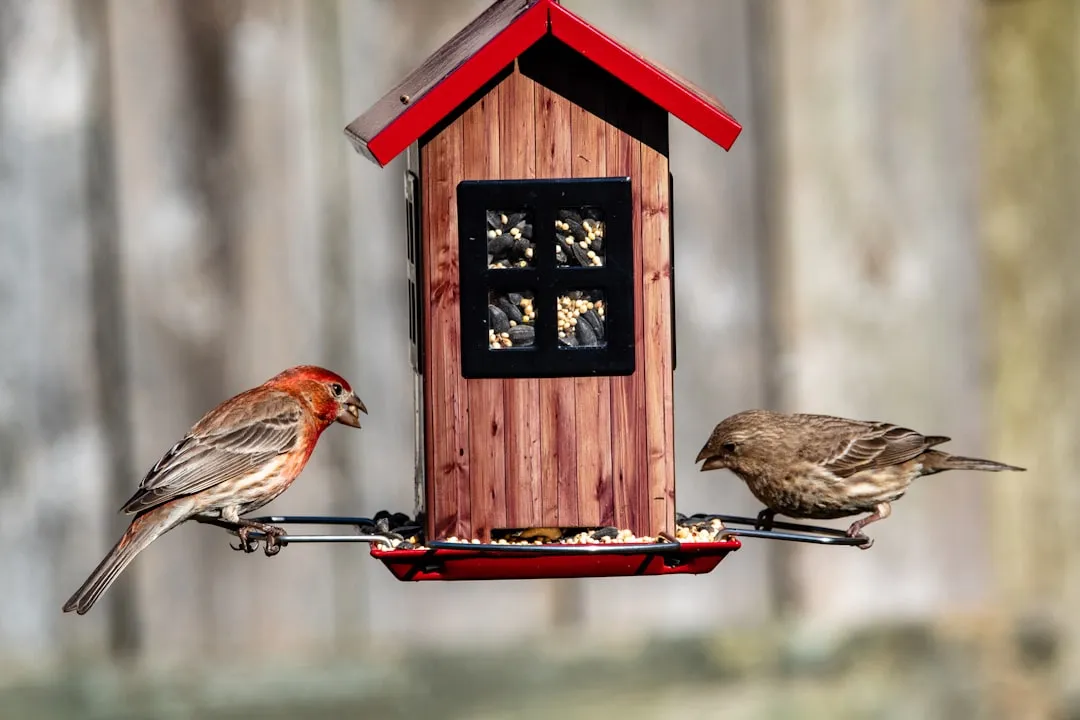
September is when people either forget about feeders entirely or suddenly remember to refill them. Both can backfire. Dirty feeders spread diseases like salmonellosis and conjunctivitis, and birds absolutely remember an unsafe feeding spot.
Do a real deep clean this month: soak in diluted bleach or vinegar, scrub every perch and port, rinse and dry completely before refilling. If you know you won’t keep up with it through winter, taking the feeder down now beats letting seed mold and rot. Birds adapt fine to natural food. They suffer when the only source available is contaminated.
#12 – Swap Cheap Seed Mixes for Species-Specific Fuel
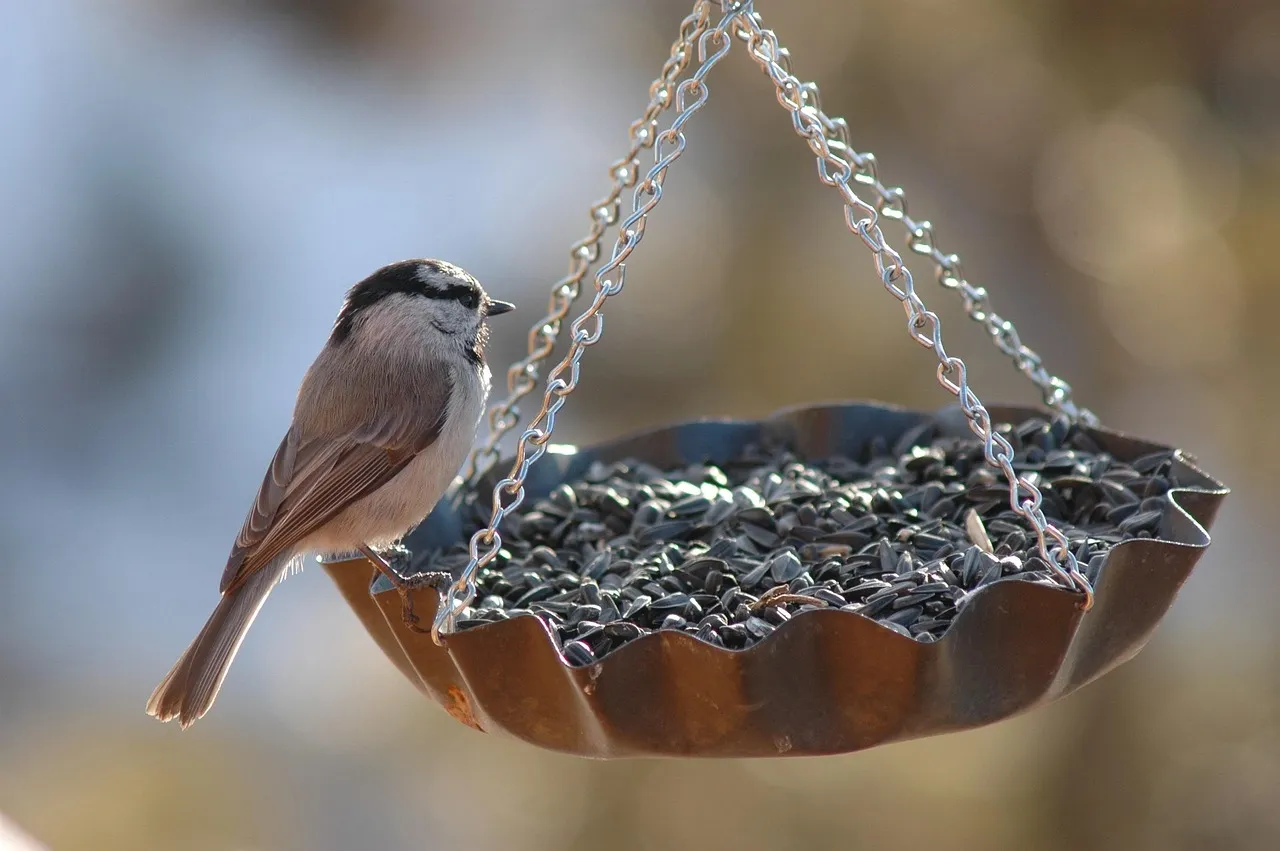
This is where a lot of well-meaning bird lovers quietly sabotage themselves. Bargain “wild bird mix” bags are often loaded with milo and cracked corn most backyard birds barely touch – it just spills, molds, and draws rats instead of colorful songbirds.
Upgrade this month: black oil sunflower for goldfinches, chickadees, nuthatches, and cardinals; nyjer for finches and siskins; safflower for cardinals and sparrows without inviting every squirrel in the zip code. Better seed means more nutrition per peck and less wasted energy. Birds remember which yards serve the good stuff, and that memory is what decides who stops by in spring.
Quick Compare
- Black oil sunflower: High-fat favorite for chickadees, nuthatches, and cardinals.
- Nyjer (thistle): Tiny, oil-rich seed that pulls in goldfinches and siskins.
- Safflower: Popular with cardinals and sparrows, mostly skipped by squirrels.
- Milo and cracked corn: Cheap filler most songbirds ignore, but it draws rodents instead.
#11 – Fix Your Water Supply Before It Freezes
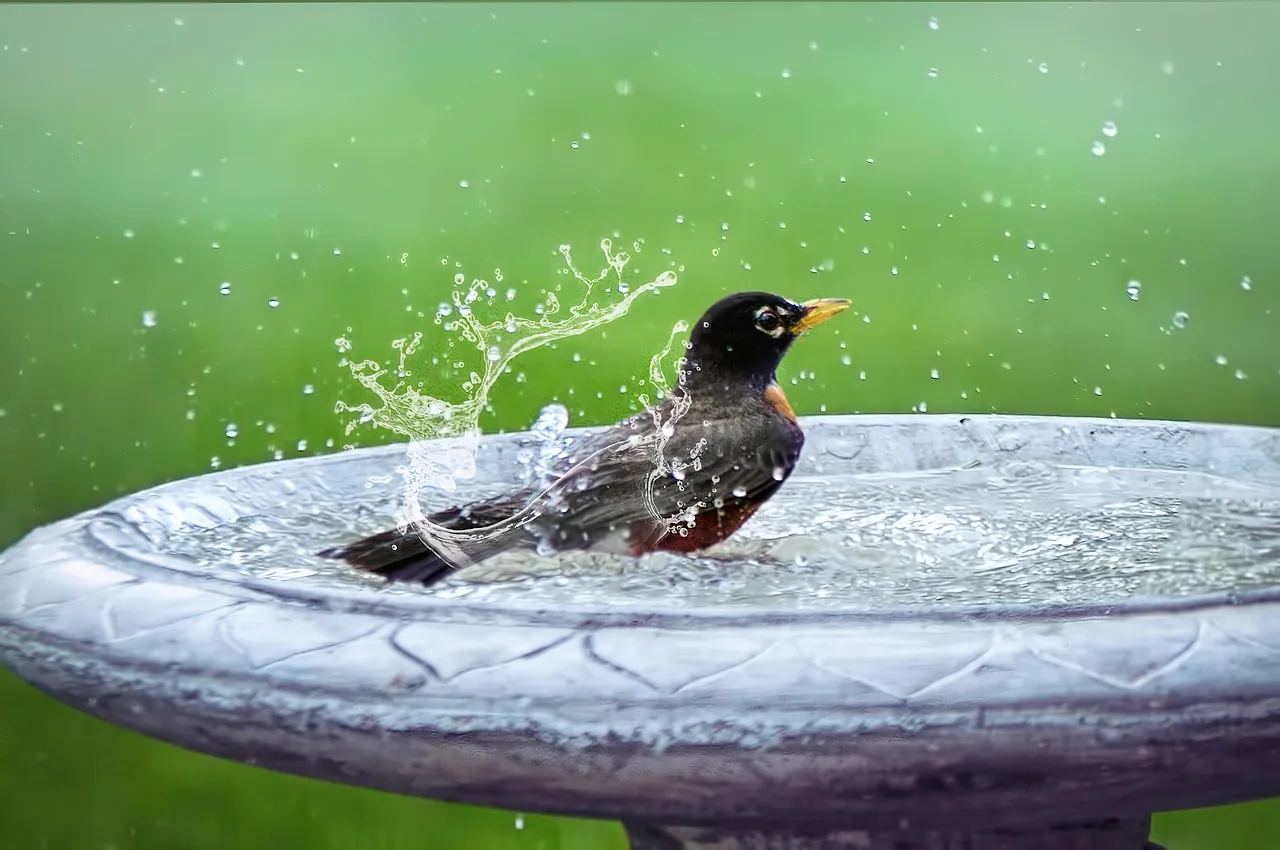
Everyone obsesses over seed. Serious bird people quietly obsess over water. Natural sources dry up or freeze first, and the yard that solves that problem becomes a migration magnet almost overnight.
Scrub and disinfect any existing birdbath, keep the depth around 1–2 inches with stones for small birds, and consider a shallow saucer near cover instead of out in the open. In cold climates, this is the month to buy or repair a heated bath or de-icer. Clean, unfrozen water is rare enough in winter that birds build a mental map of exactly where to find it – and that map decides where they bathe and court come spring.
#10 – Create Wind-Break “Safe Zones” for Roosting
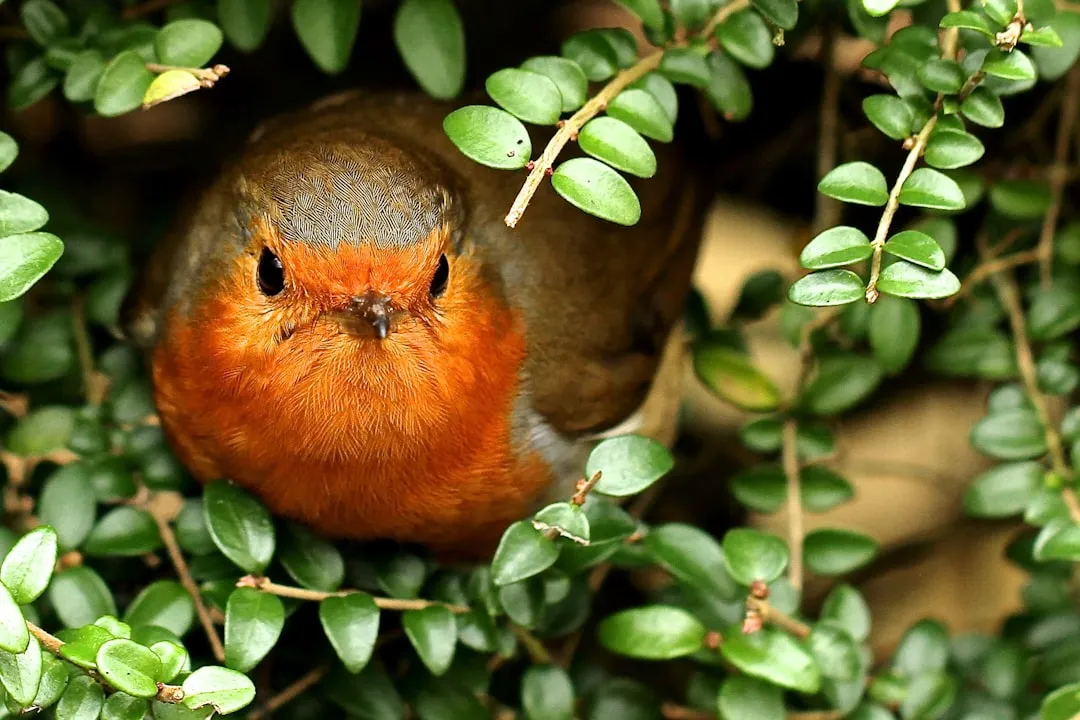
Birds don’t just need food – they need somewhere that won’t freeze them overnight. An open, exposed yard might look neat, but it offers almost no safe roosting during icy wind or sleet, forcing birds to burn calories they can’t afford just to survive the night.
Let evergreen shrubs fill out instead of trimming them constantly, plant at least one conifer if you’re missing one, and allow a hedge border to stay a little thick. Position the densest cover on the side your prevailing wind hits. A minimalist yard might look great in photos, but a layered, slightly busy edge is where the real winter survival happens.
#9 – Leave Some Dead Wood and Snags (Safely)
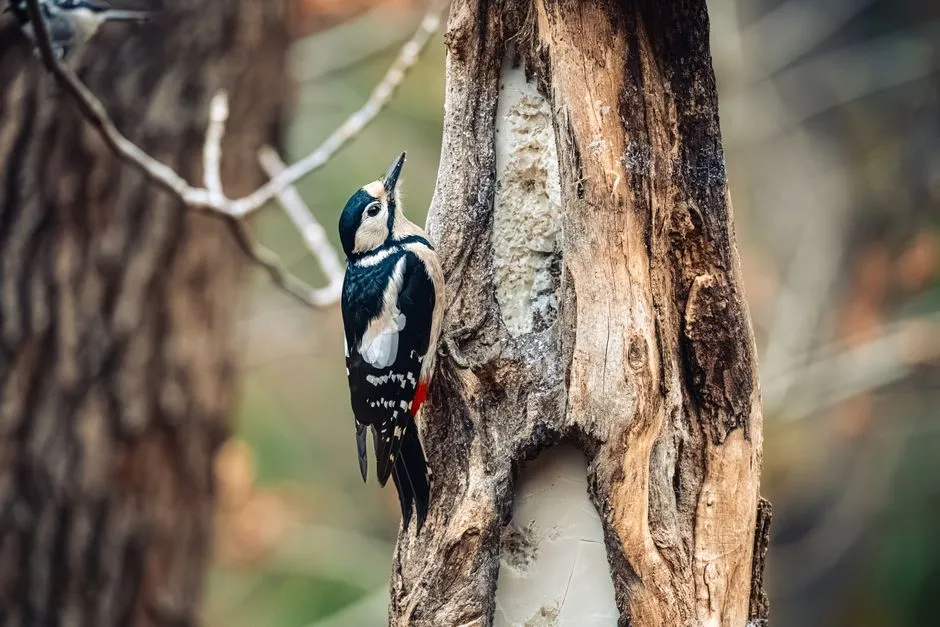
Most homeowners remove every dead branch the moment they spot one. Understandable, but biologically costly. Standing dead wood hosts insects, fungi, and cavities that woodpeckers, nuthatches, chickadees, and even owls depend on all winter.
Anything threatening a roof, power line, or path should absolutely go. But a safe, out-of-the-way trunk can often stay standing 6–10 feet tall, and trimmed branches can be piled into a low brush shelter along the back fence. Arborists tend to push for full removal; conservation groups increasingly recommend keeping a few snags on purpose.
#8 – Dial Back Night Lighting Around Key Habitat
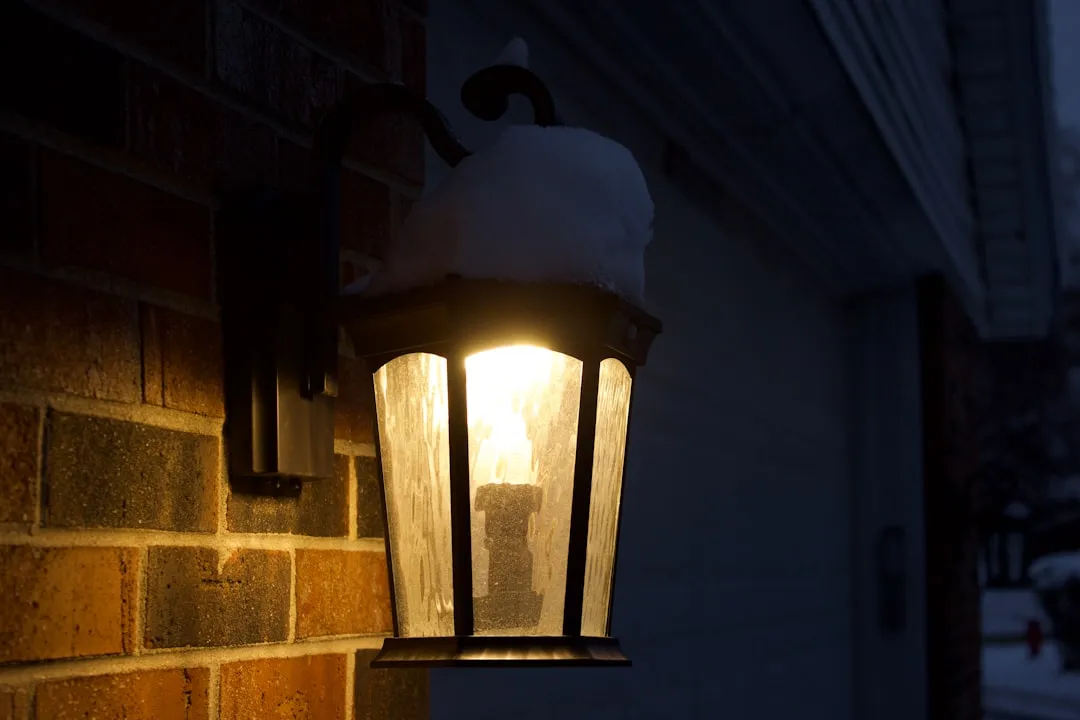
This one surprises people every time. Artificial light at night doesn’t just annoy astronomers – it disorients migrating birds and wrecks their rest, leaving them more vulnerable to predators and short on energy for long flights.
September, the peak of fall migration, is the ideal time to reset. Put porch and landscape lights on motion sensors or timers, kill the unnecessary up-lights on trees, and switch to warmer, lower-intensity bulbs near your best habitat zones. Birds learn to avoid brightly lit corridors over time – a darker, calmer yard in an otherwise lit-up neighborhood can quietly become the preferred stopover.
Worth Knowing
- In the U.S. alone, building collisions kill more than one billion birds annually.
- Skyglow is a highly influential and consistently positive predictor of bird migration stopover density across the United States.
- The majority of migratory birds in North America make their journeys at night while people are sound asleep.
- A single dark, quiet corner of a yard can become a rest stop for exhausted migrants passing through overnight.
#7 – Choose Fall Mulch That Respects Insects, Not Just Aesthetics
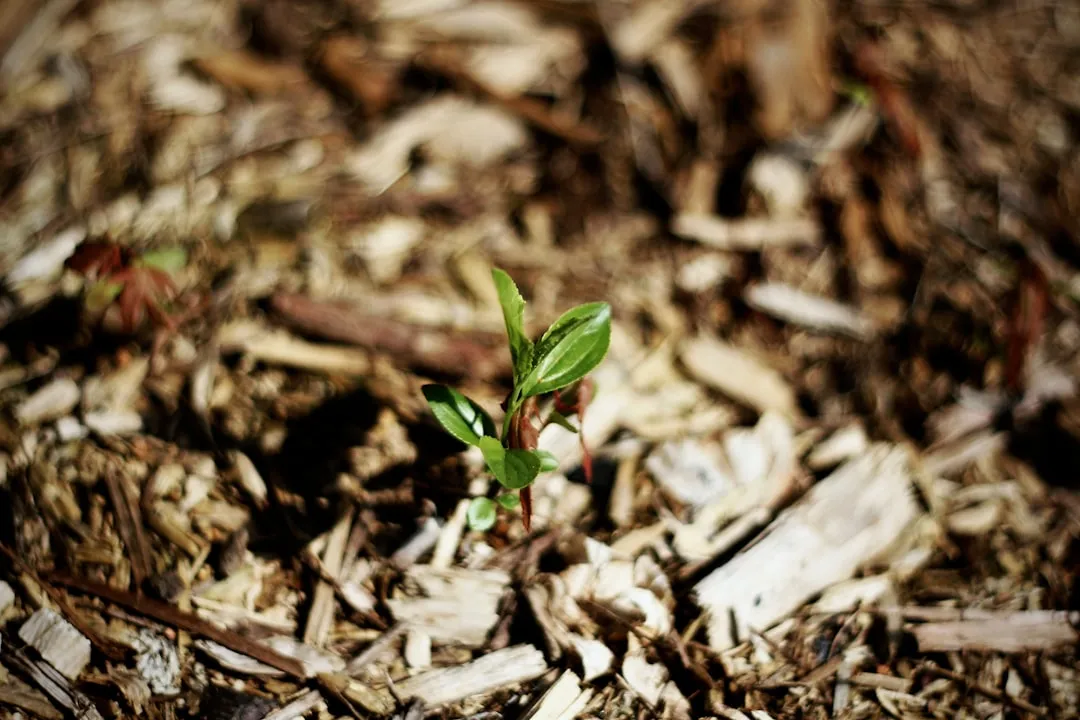
Mulch isn’t just a looks decision. Piling on thick layers of dyed wood chips in September can smother the leaf litter and soil layer where countless insects overwinter – and fewer insects now means less live protein for birds when they come back to feed hungry chicks.
Keep it light: 1–2 inches, not 4–6. Leave some bare soil and leaf pockets untouched, and shred fallen leaves for mulch instead of trucking in sterile chips. Leaf-based mulch breaks down into rich soil that feeds invertebrates, and those invertebrates are exactly what wrens, thrushes, robins, and chickadees are hunting for come spring.
#6 – Remove Invasive Plants That Trap but Don’t Truly Feed Birds
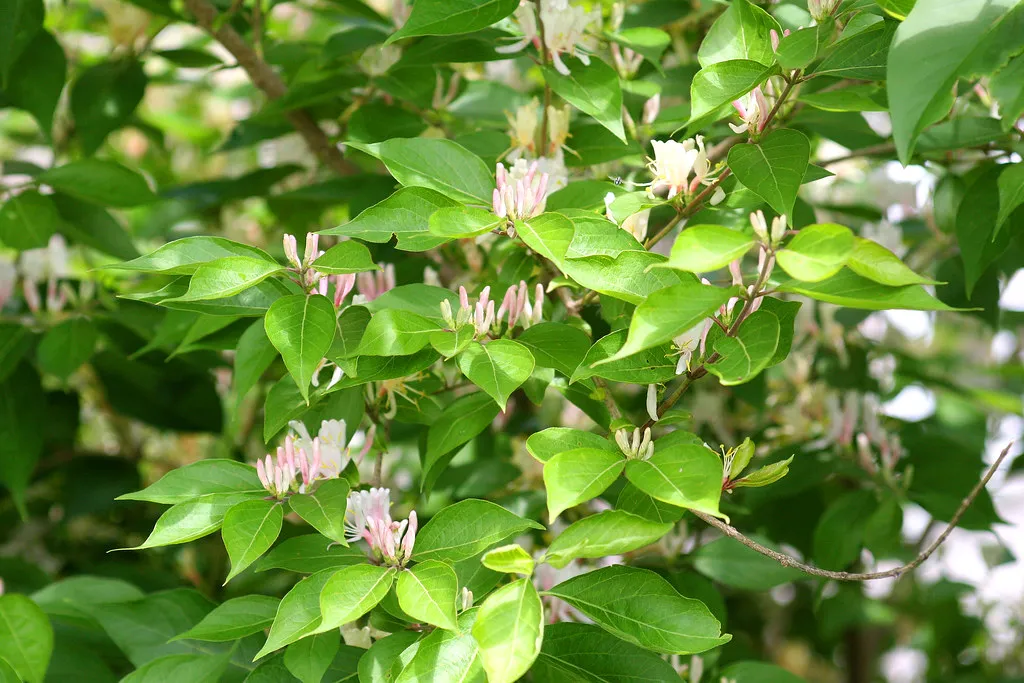
Here’s a more controversial one: cutting certain “birdy” invasives out of your yard in September can actually improve it long-term. Bush honeysuckle and autumn olive produce berries birds will eat, but they’re low in nutrition and help those plants spread further, crowding out the natives that offer real fuel.
Use early fall to identify the problem plants on your local invasive list, cut and treat the stumps, and plan native replacements. Birds eat invasives because they’re desperate, not because it’s ideal – like grabbing fast food when nothing better is around. Pull the drive-through now and you get to build the healthier menu that keeps them coming back for the right reasons.
#5 – Set Up Next Spring’s Nest Boxes Now, Not in March
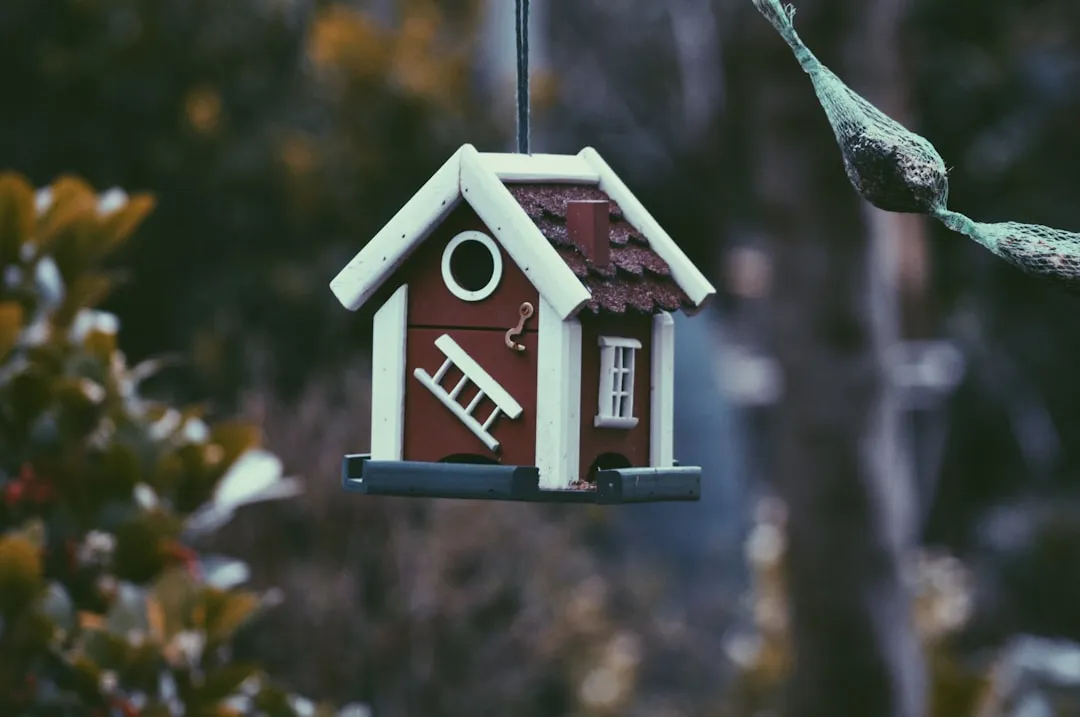
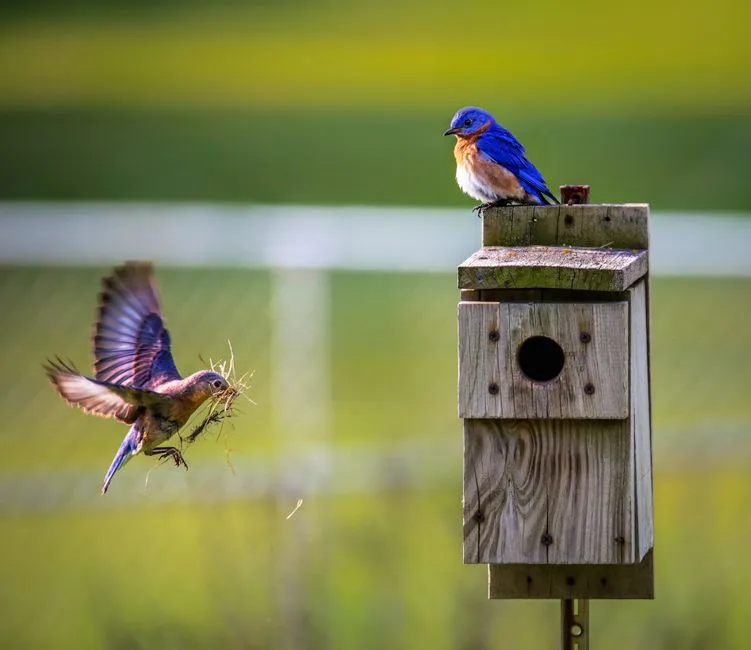
Most people put up birdhouses the first time they hear spring birdsong. By then, your most desirable tenants have often already scouted somewhere else. Cavity nesters like chickadees, bluebirds, and nuthatches start checking out potential sites months in advance, and the boxes already in place by late fall are the ones they memorize.
September is the month to install new boxes at the right height and orientation, clean out old ones so parasites don’t overwinter, and adjust locations away from harsh afternoon sun or easy predator access. Many birds even use boxes for winter roosting, essentially test-driving your housing before they commit to it in spring. A well-timed, functional box does more than a decorative one ever will.
#4 – Map and Minimize Predator Access Points
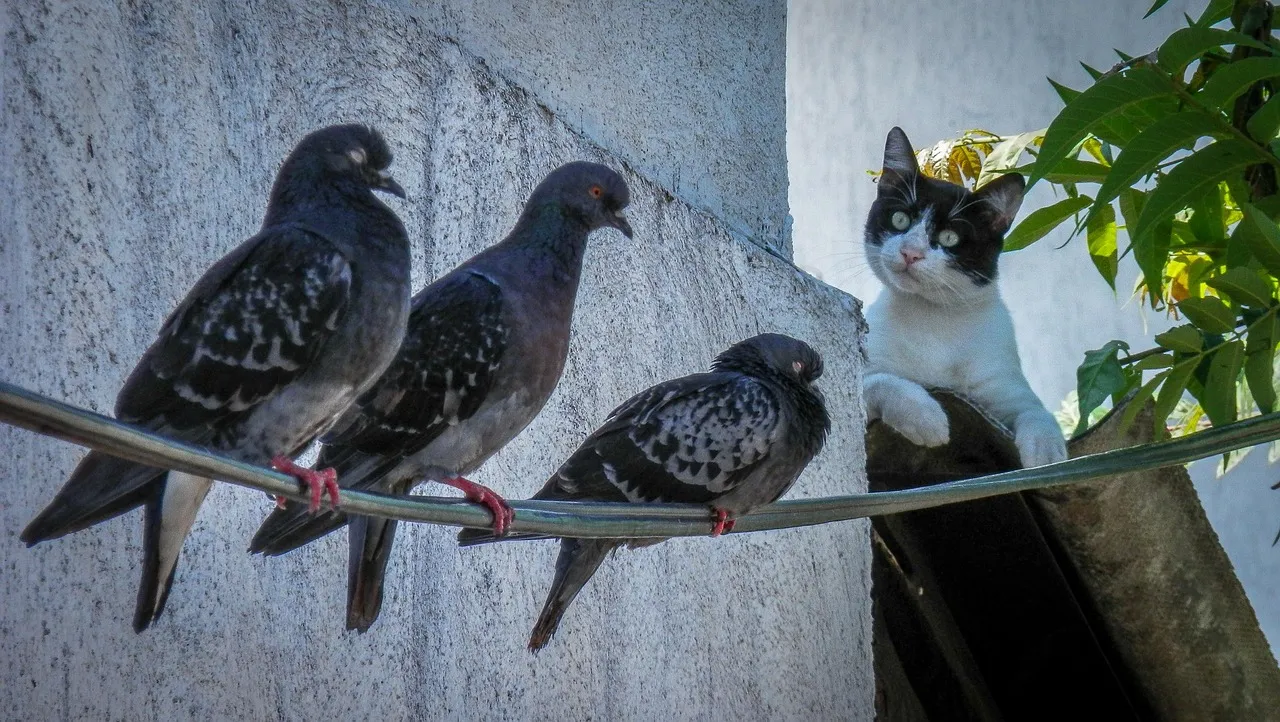
Here’s the blunt version: if your yard feels like a death trap, birds won’t raise a family there. Outdoor cats, unprotected poles, and feeders sitting out in the open turn a garden into a hunting ground, and a single roaming cat can kill dozens to hundreds of birds in a year.
Walk your yard and check whether feeders sit near cover or out where hawks can ambush freely, whether cats or raccoons can climb straight to your nest boxes, and whether any thorny or dense shrubs exist as emergency cover. Add baffles to poles, move boxes away from jump-off points, and consider keeping cats indoors during migration. The predators you control are exactly what decides which birds feel safe enough to breed on your property.
At a Glance
- Free-ranging domestic cats kill an estimated 1.3 to 4.0 billion birds annually in the U.S., and un-owned cats cause the majority of this mortality.
- Baffles on poles and feeders placed near dense cover cut down easy ambush routes for both cats and hawks.
- Nest boxes mounted away from fence lines and low branches are far harder for climbing predators to reach.
- Keeping cats indoors during spring migration protects nesting birds and tends to extend the cat’s own lifespan.
#3 – Plant a September “Insect Bank” for Spring Protein
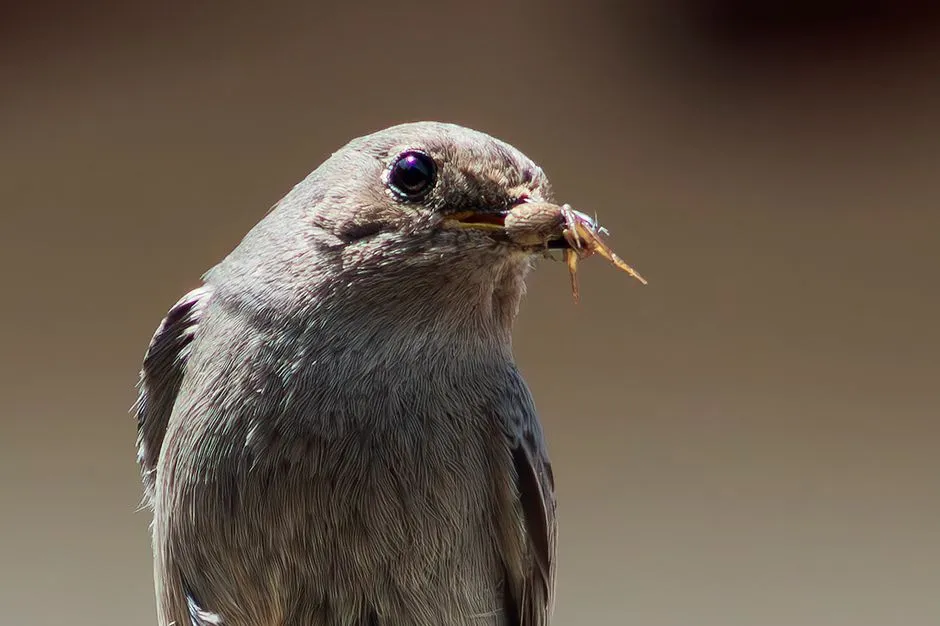
Seed is nice. Insects are non-negotiable. Over 90% of terrestrial bird species feed their young insects, even species that eat mostly seeds as adults – so a yard low on bugs is a yard low on baby birds, no matter how full the feeder stays.
September’s still-warm soil is the moment to plant host plants that will support caterpillars and larvae by the time birds need them: native oak, willow, cherry, and birch, plus perennials like goldenrod, asters, milkweed, and monarda. Showy imports decorate a yard. Host plants feed the actual food web that decides whether birds remember your property as a place worth nesting.
#2 – Design “Flight Lines” with Real Perches, Not Just Empty Space
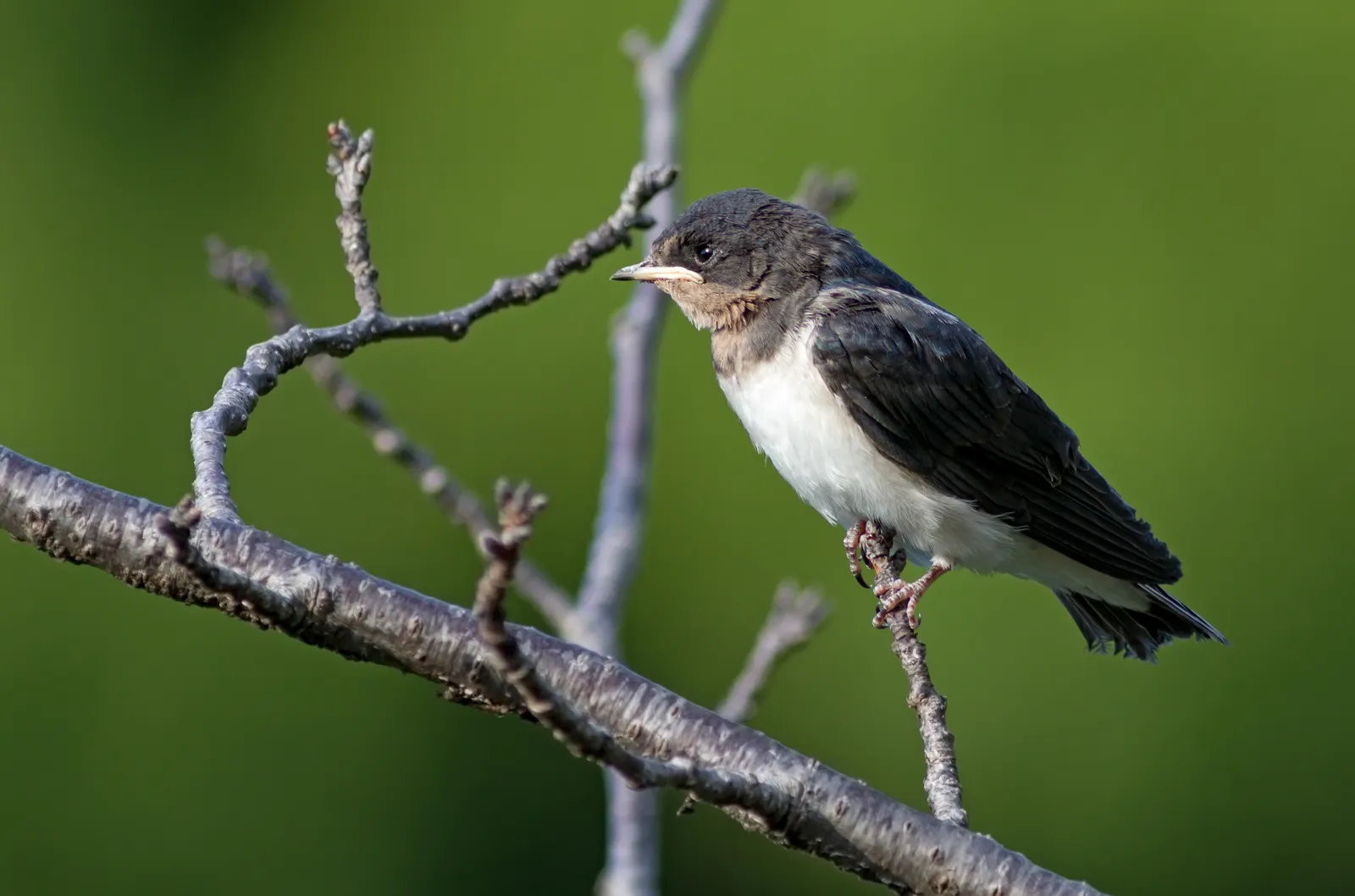
Birds don’t teleport from tree to feeder. They move across a yard using safe step-stones – perches, shrubs, mid-height branches – and a wide open lawn between the fence and the house looks like a minefield to a small songbird.
Use September to rewire the layout: add a mid-sized tree or shrub between the tall trees and the feeder, stake a natural-looking perch 6–10 feet away, and avoid hanging feeders dead-center in open space. You’re essentially building a runway – cover, perch, feeder, perch, cover. Birds that trust that circuit treat your yard as home base next spring. Without it, you’re just a fly-by.
#1 – Decide Right Now How “Wild” You’ll Allow Your Yard to Be
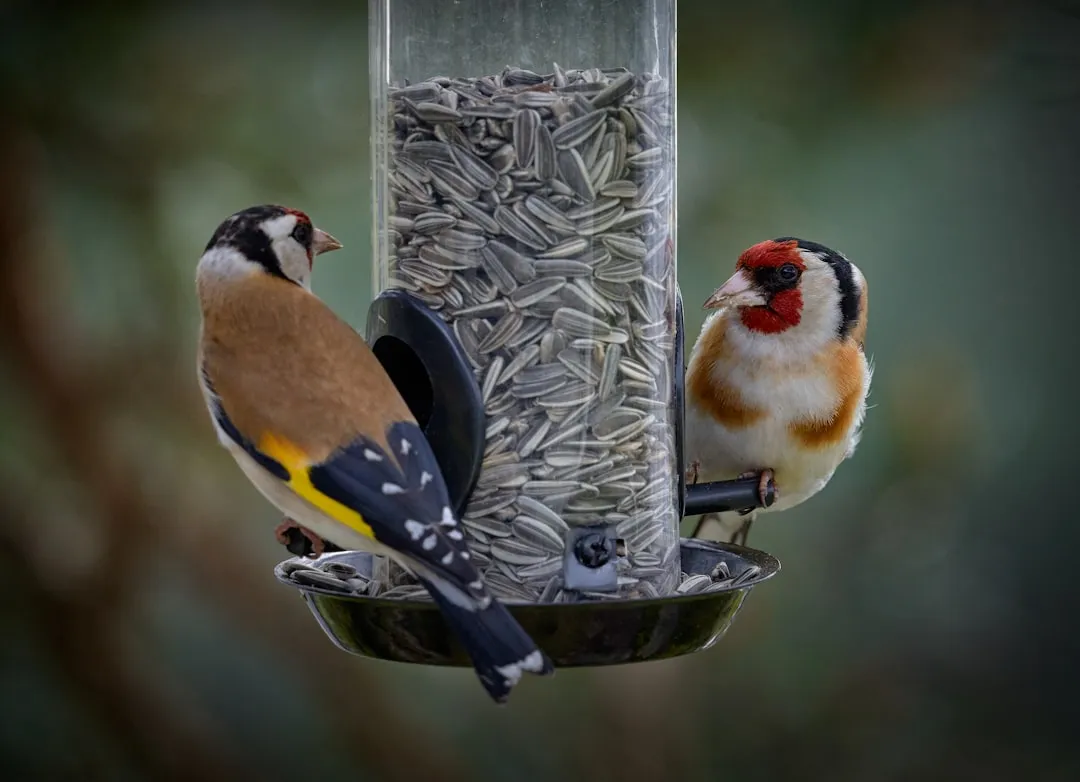
Here’s the uncomfortable final truth: the single biggest September decision isn’t one plant or one feeder – it’s your tolerance for controlled wildness. A chemically perfect lawn, razor-edged beds, zero leaves, zero dead wood, and bright lights all night is a yard that has already chosen to be quiet next spring.
Bird-rich yards share the same imperfect pattern: a bit of mess, a bit of shadow, a bit of visual risk by hardware-store standards. Leafy corners. Standing stems. Slightly shaggy shrubs. Native plants that don’t match the glossy landscaping brochure. This month you’re not just prepping for winter – you’re picking a philosophy. Birds are brutally honest judges, and they vote with their wings in March.
The Bottom Line
By the time snow hits, your yard has already told birds everything they need to know about whether to come back. September isn’t décor season – it’s contract season: food in the form of seedheads, berries, and insects; safety in the form of cover, perches, and fewer predators; and sanity in the form of dark nights and clean water.
Clean-swept, over-lit, over-mulched lawns quietly push birds away, while slightly wild, native-rich, messy corners pull them in year after year. The most loyal spring visitors were never won with a cute birdhouse in April – they were earned in September, through the unglamorous choices nobody posts photos of. Some neighbors will call it lazy. Serious bird people call it the whole game.
So ask yourself honestly: which kind of yard are you building this month, and which birds are you willing to lose if you don’t change a thing?

- 19 September Garden Changes That Decide Which Birds Return to Your Yard Next Spring - August 18, 2026
- 17 Signs an Ageing Cat Has Begun Saying Goodbye That Owners Only Understand Afterwards - August 18, 2026
- What Rescue Centre Staff See in a Dogs First Hour That Predicts Everything Afterwards - August 18, 2026