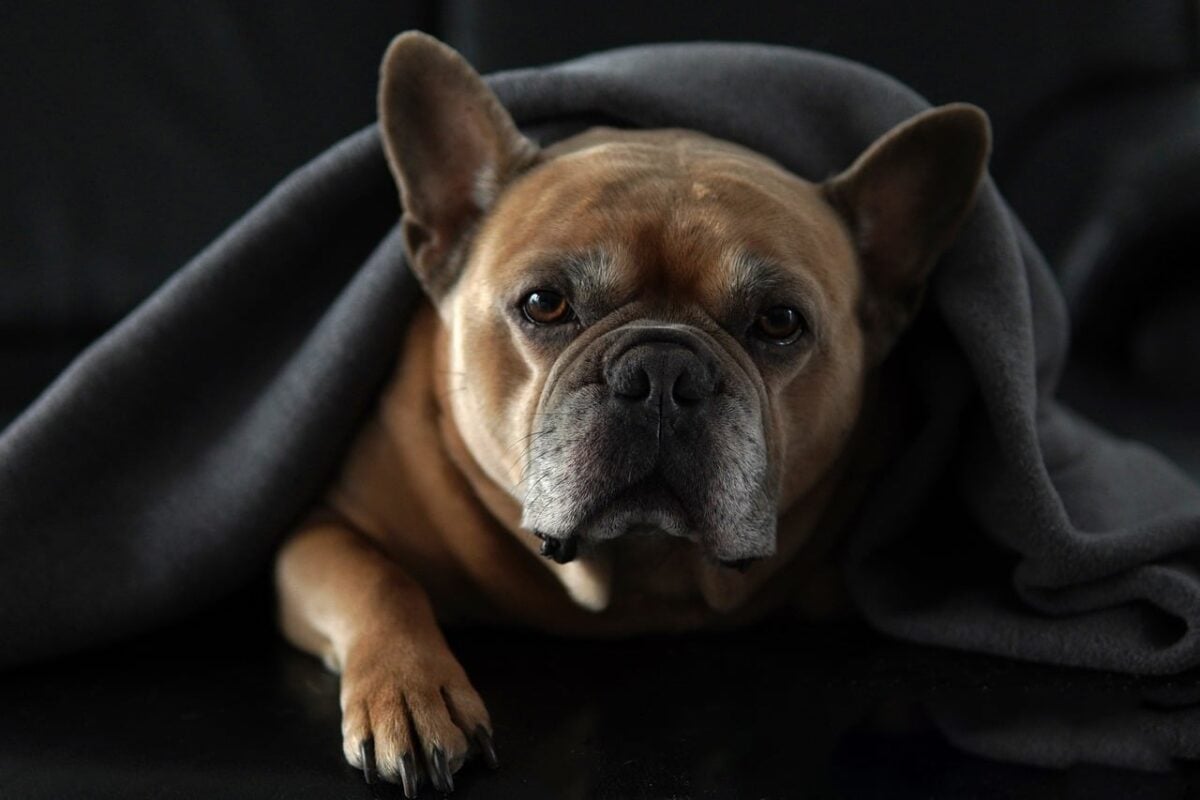
Most owners believe they’ll just “know” when the end is coming – some dramatic moment, a clear before-and-after. That’s not how it actually happens. The real signs show up months earlier, disguised as quirks: a longer sunbeam nap, a skipped trick, a stare that lingers a beat too long.
Veterinarians and behaviorists have watched the same quiet pattern play out across thousands of dogs entering their final season, yet almost no owner connects the dots while it’s happening. What follows are the 19 behaviors families almost always brush off in the moment – and only understand once that autumn has already passed.
#1 – The Sudden Love Affair With Sunbeams
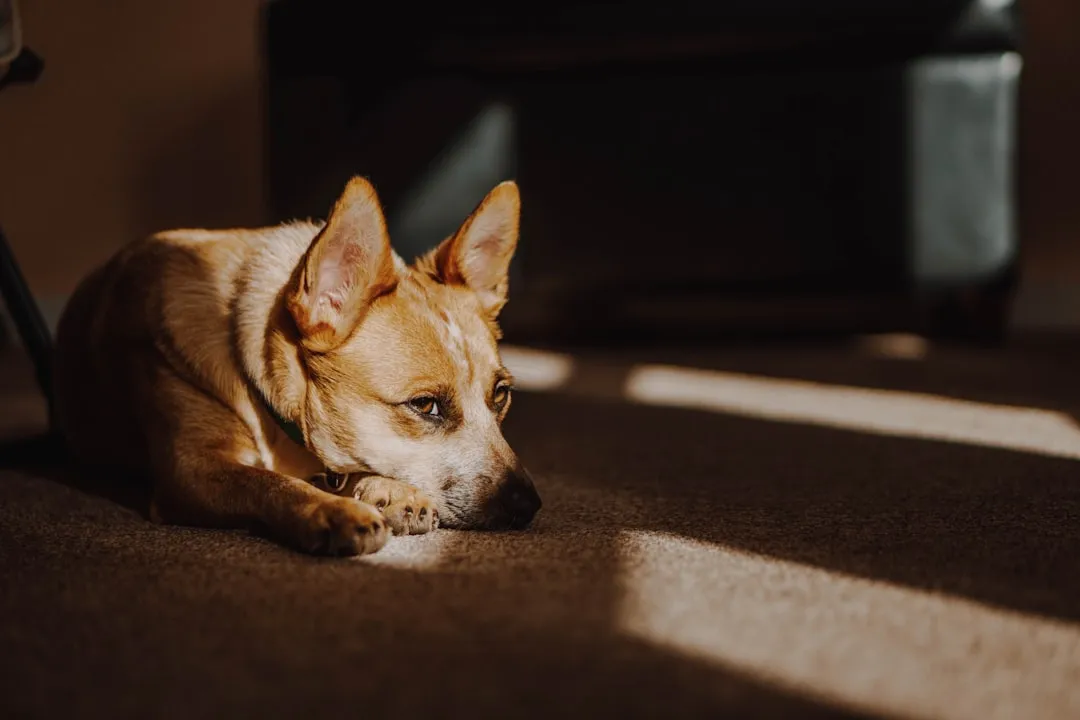
Dogs in their last autumn often start chasing warmth like it’s a mission, not just a cozy habit. You’ll catch them tracking patches of sunlight across the floor, lingering longer than they used to, almost melting into the heat.
Older dogs struggle more with joint pain and regulating body temperature, so that fall sunshine becomes their natural pain reliever. It looks adorable in photos, but vets quietly recognise it as one of the earliest late-life tells.
- Longer naps in sun patches instead of on the couch
- Getting up just to move with the shifting light
Fast Facts
- Dogs are typically classified as senior anywhere from age 6 to 12, depending mostly on breed size.
- Giant breeds often reach senior status around age six or seven, while small breeds may not get there until 10 to 12.
- Roughly one in five dogs develops arthritis at some point, a major driver of that sunbeam-seeking behavior.
- Most vets recommend moving from yearly to twice-yearly checkups once a dog crosses into its senior years.
#2 – Choosing One Room And Rarely Leaving It
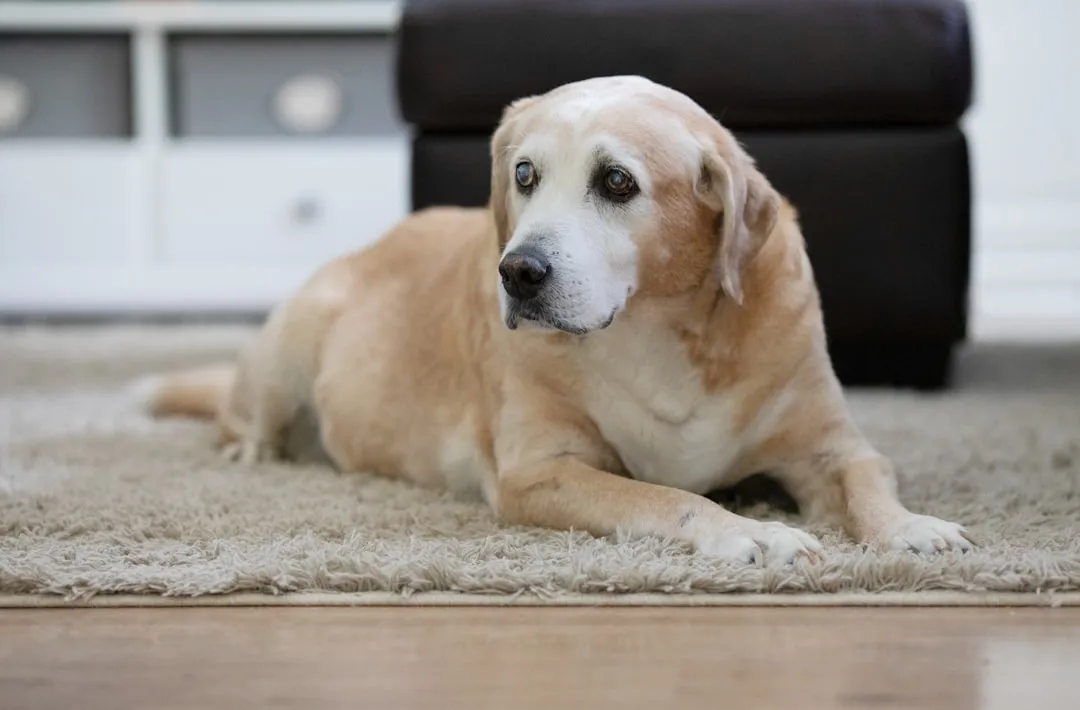
If your dog suddenly “moves in” to a single room it never used to favor, that’s not random. Many senior dogs in their final season pick a safe, quiet base camp – a bedroom, a hallway, a corner – and stop patrolling the house the way they used to.
This isn’t antisocial behavior; it’s energy conservation and anxiety management. Older dogs get overwhelmed more easily by noise, stairs, and constant movement, so they narrow their world on purpose.
- Ignoring parts of the house they once obsessively checked
- Preferring a room where their favorite human spends time, or where exits are easy to see
Owners often call it clingy or lazy. Behaviorists see a dog carefully managing its remaining strength – one of the first subtle clues that their world is shrinking.
#3 – Eating Slower… But Guarding Food More
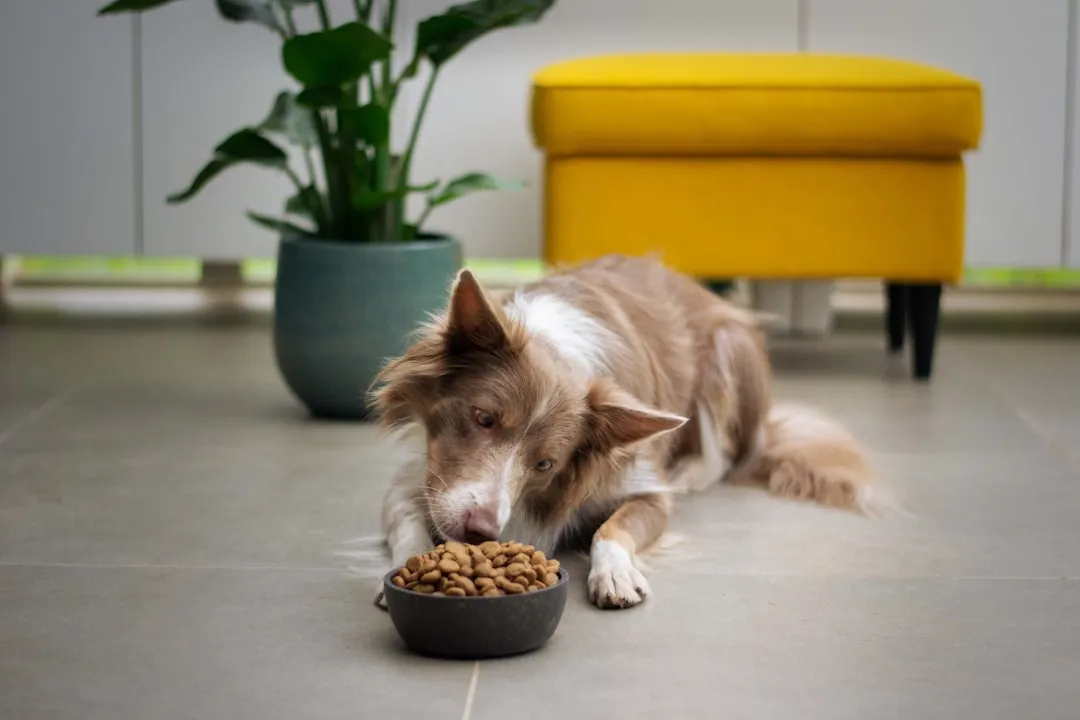
Most people panic over a dog that won’t eat, but they miss the quieter shift that usually comes first: eating gets slower, more deliberate, and strangely more guarded. In their last autumn, many dogs still want food but struggle with chewing, swallowing, or nausea from age-related disease.
So they take their time, pick at certain textures, or walk away mid-meal – then suddenly snap if another pet gets close. Owners mistake this for fussiness or being spoiled, when it’s really discomfort, dental pain, or digestive decline.
- Long pauses during meals, almost like they “forget” they’re eating
- Protectiveness over food they’re barely touching
Ironically, people get more upset by the “bad manners” than the underlying cause. Later, they realize this was an early autumn signal their dog was pushing through pain for something it used to love.
#4 – Wanting To Go Outside Just To Stand There
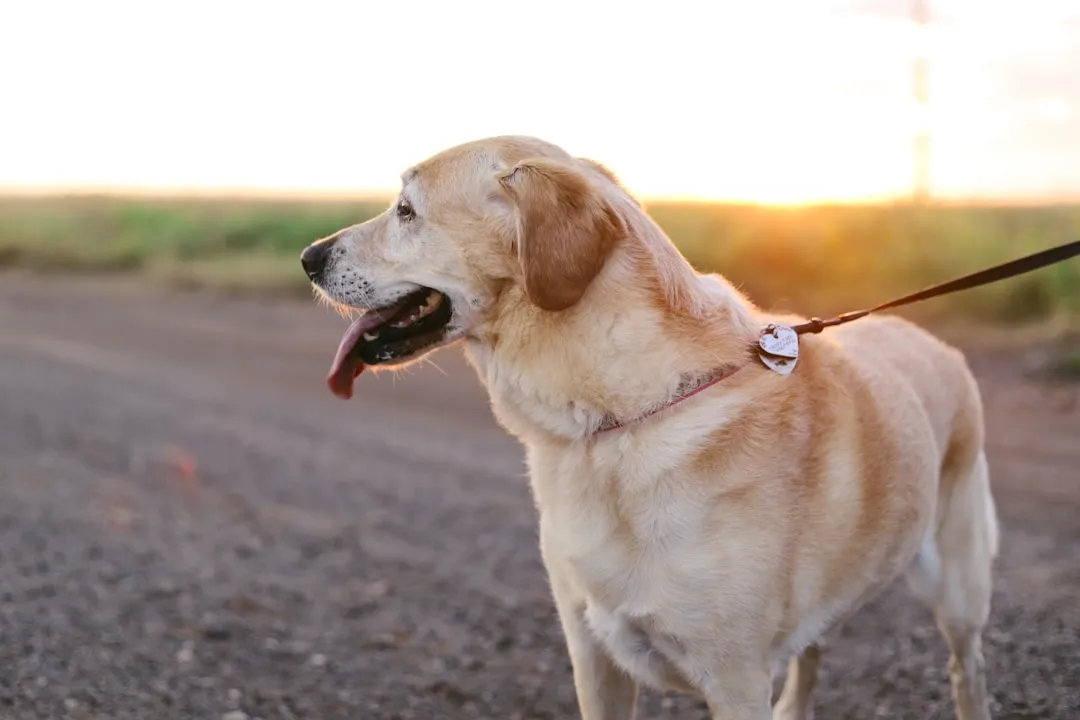
In the last autumn, many dogs ask to go out more often – but not to run, not even really to sniff. They step outside, stand in the yard or on the porch, and simply exist in the air.
This isn’t boredom; it’s a sensory farewell. Their whole life has been built on smells, sounds, and seasonal shifts, and as the body slows down, they often just want to feel the breeze and catch one more wave of information.
- Standing in one spot, staring or gently sniffing the air
- Refusing to walk far but insisting the door be open
People often get annoyed – “you begged to go out for this?” – but behaviorists believe this quiet standing is a form of emotional regulation as their body and senses change underneath them.
#5 – Strange, Restless Nights That Don’t Match Their Day
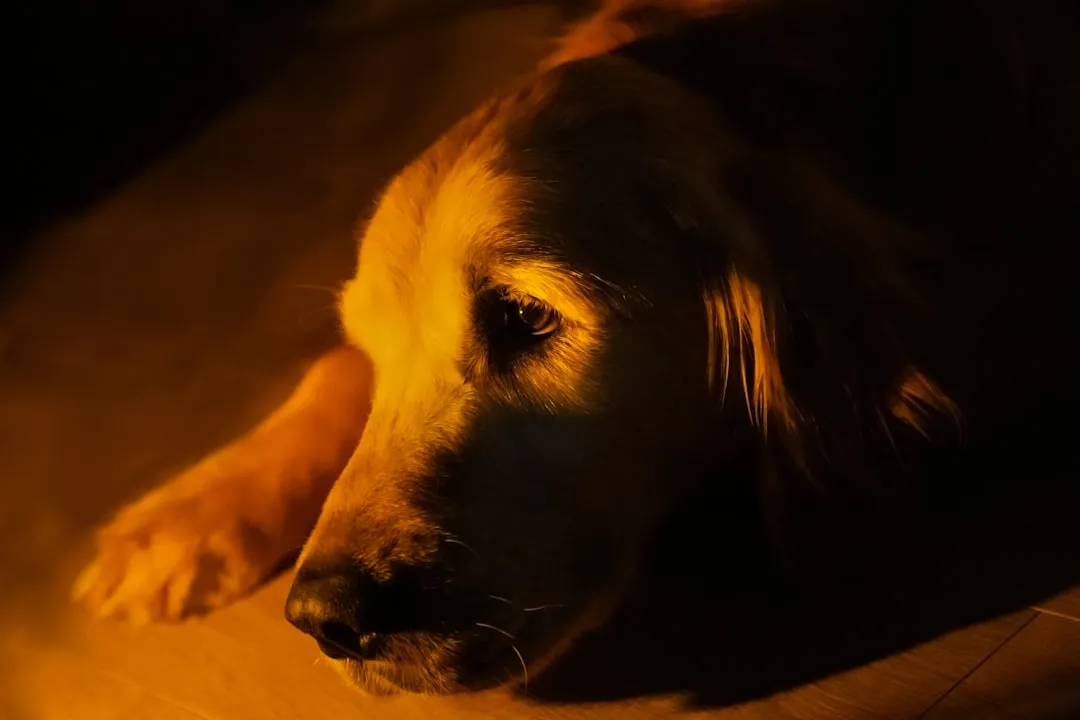
Owners often complain that “suddenly the dog won’t sleep at night,” especially once the weather cools. What they miss is the pattern: calm daytime naps, then restless pacing, repositioning, or panting after dark.
In their last autumn, older dogs frequently develop a mix of cognitive decline, pain spikes as the body cools, and disrupted circadian rhythms – something close to “sundowning” in humans.
- Wandering the house at 2 a.m., nails clicking on the floor
- Standing, lying down, and standing again within minutes
Many people chalk it up to “old dog weirdness,” but night restlessness is one of the most consistent late-life red flags vets see. It’s not misbehavior – it’s discomfort they can’t put into words.
#6 – Ignoring Toys They Once Went Insane For
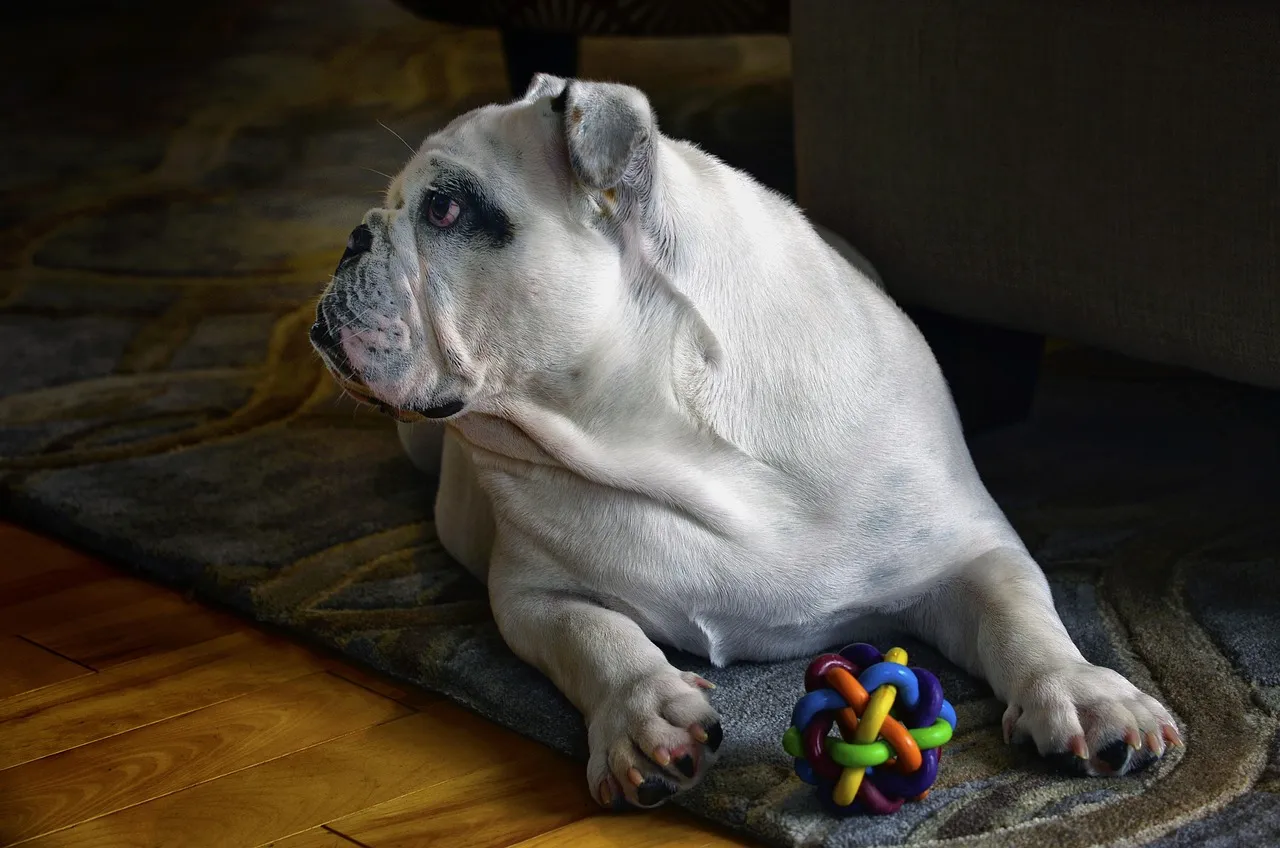
One of the quiet heartbreaks of a dog’s last autumn: the favorite toy goes untouched. Not just “less played with” – completely ignored, even when you squeak it, throw it, or offer it exactly like always.
Play requires coordination, lung capacity, and joint comfort. When those fade, the brain may still want the fun, but the body quietly vetoes it.
- Mouthing a toy for a second, then dropping it with a sigh
- Fetch stopping mid-game, not from stubbornness but because it hurts
Many owners take it personally, assuming their dog has lost interest in them. In reality, that abandoned toy is often one of the clearest markers that a dog is quietly shifting from active life into management mode.
#7 – Suddenly Wanting To Be Touched In Different Ways
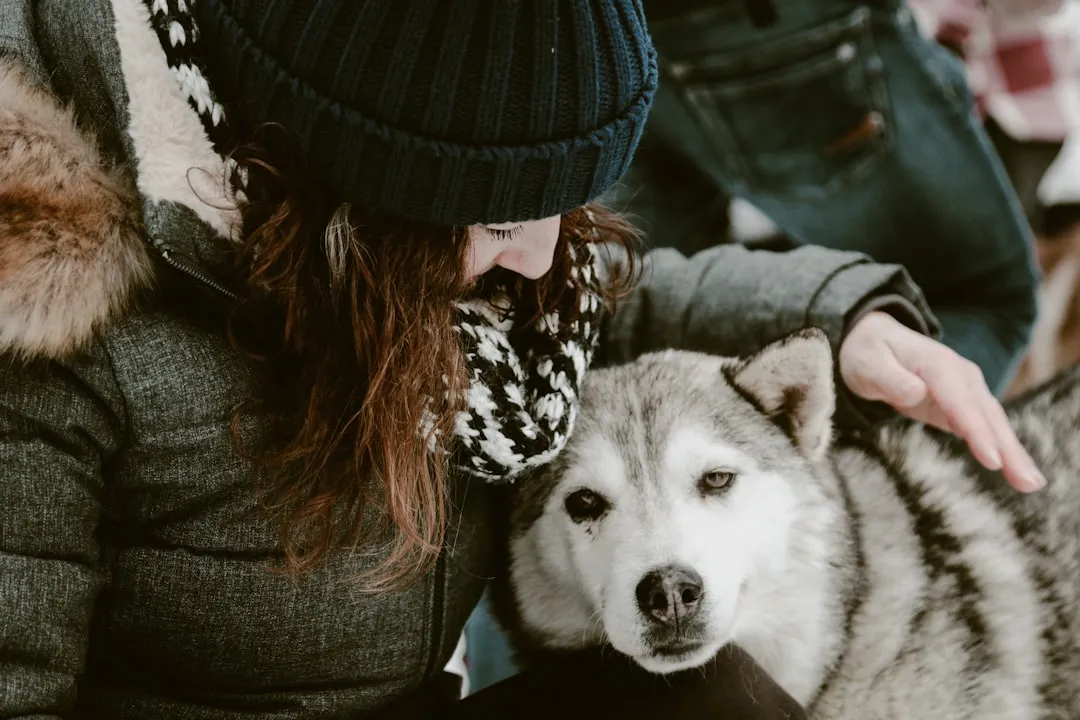
Touch changes. A dog that used to love roughhousing may start flinching at pressure on the hips or spine, yet actively seek slow, sustained contact in very specific spots – a hand resting on the chest, a gentle stroke behind the ears.
Pain alters what kind of touch feels soothing versus unbearable, and dogs in their last autumn often try to “train” their humans into these new patterns without either side realizing it.
- Moving your hand from their back to their chest or head themselves
- Sighing deeply and closing their eyes with one particular type of touch
Most people just say, “he’s so cuddly now!” without realizing it’s partly pain-avoidance and partly emotional need – your dog customising the one kind of comfort it can still fully enjoy.
#8 – More “Accidents,” But In Very Telling Places
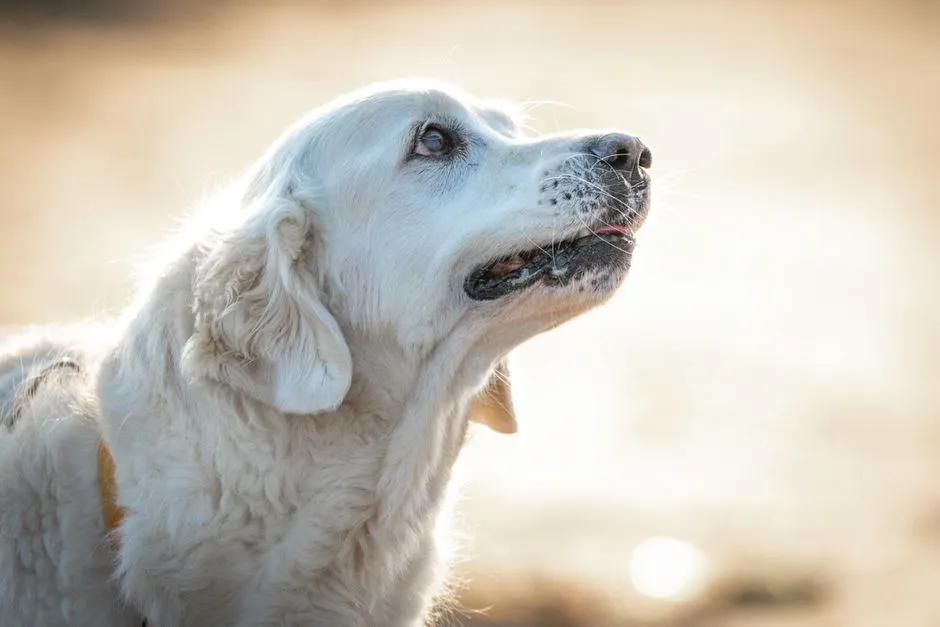
When older dogs start having accidents indoors in autumn, everyone blames age, cold weather, or stubbornness. They miss the pattern: accidents often cluster near doors, favorite resting spots, or along the exact path a dog uses to follow you.
That clustering points to urgency, weakness, or cognitive confusion – not defiance. It’s the nervous system, kidneys, or joints failing faster than habit can compensate.
- Urine spots just inside the door, as if they couldn’t quite make it
- Soiling near the bed they sleep on, or where they wait for you
Many people scold or shame the dog, then feel crushing guilt later when they learn it was medical, not behavioral. Those misplaced accidents are often one of the last big warnings the body sends before things escalate.
#9 – Zoning Out In The Middle Of Familiar Moments
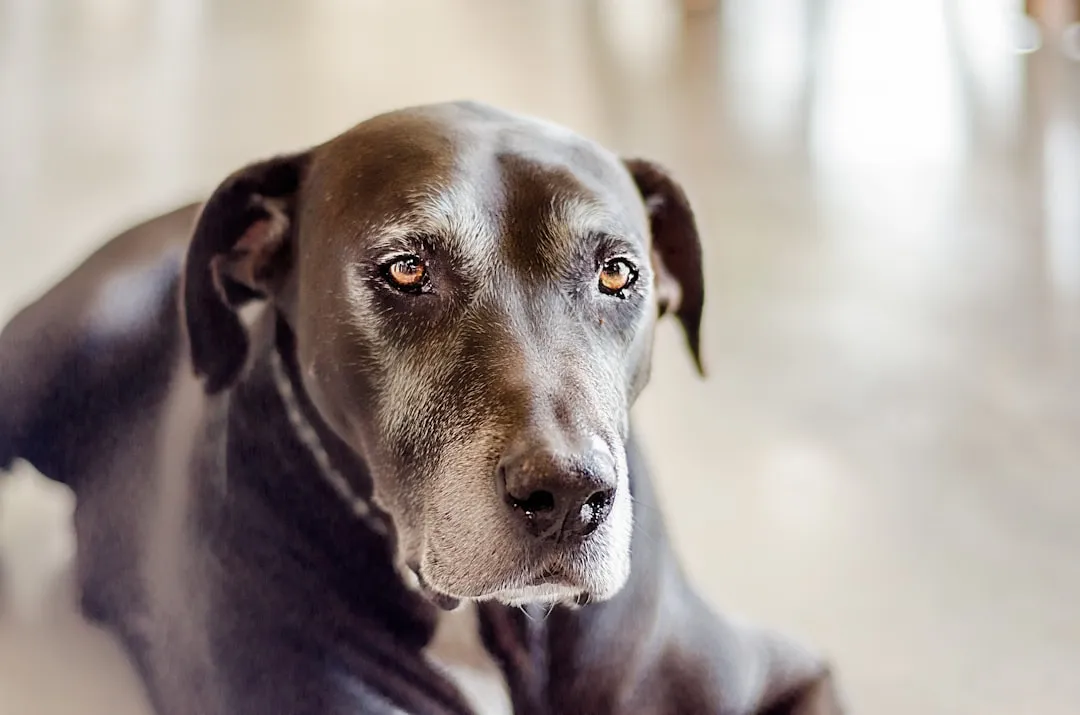
If you’ve ever watched an older dog just stop mid-room, staring at nothing, you probably laughed it off. In that final autumn, those “blank” moments tend to get more frequent and more intense.
Canine cognitive dysfunction – dog dementia – often shows up as brief freezes, confusion, or getting stuck in corners or behind furniture. It’s especially unsettling because it happens right inside your normal routine.
- Walking into a room, then seeming to forget why
- Standing facing a wall, quiet but clearly not relaxed
Worth Knowing
- Cognitive dysfunction affects an estimated 28% of dogs aged 11 to 12, a number that climbs to roughly 68% in dogs 15 to 16.
- Large-scale research suggests the odds of cognitive decline rise by about 52% with every additional year of age.
- Most owners notice at least one behavior change consistent with cognitive decline, yet only a small fraction ever mention it to a vet.
Many owners joke about their dog “getting senile,” not realizing this is real neurological decline. The dog that once knew every inch of the house can suddenly look lost in its own hallway – one of the clearest signs the brain is fading before the body follows.
#10 – Becoming Weirdly Sensitive To Temperature And Weather
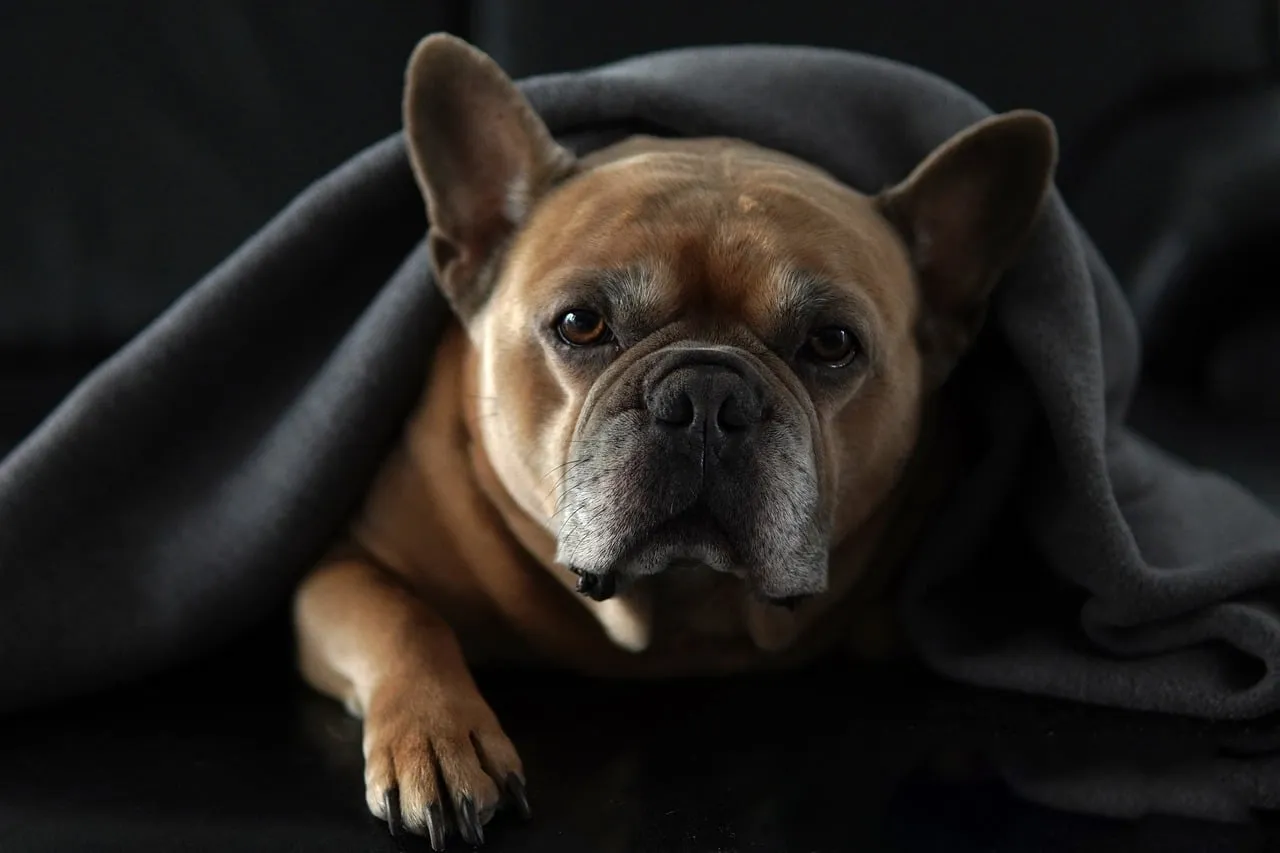
In their last autumn, a lot of dogs start acting like drama queens about the weather – shivering in mild cold, refusing to walk in light rain, or panting hard on days that shouldn’t feel hot at all.
This isn’t them going soft. Heart disease, endocrine issues, arthritis, and muscle loss all wreck the body’s ability to regulate temperature, and fall’s warm-day, cold-night swings hit much harder than they used to.
- Refusing to lie on cold floors they used to love
- Seeking blankets, vents, or your lap far more often
Owners often tease them for being spoiled, but vets know this hypersensitivity is a late-stage systems issue, not a personality change. Reluctance to go out on a chilly evening isn’t attitude – it’s pain wrapped in poor temperature control.
#11 – Sudden “Velcro Dog” Mode With One Specific Person
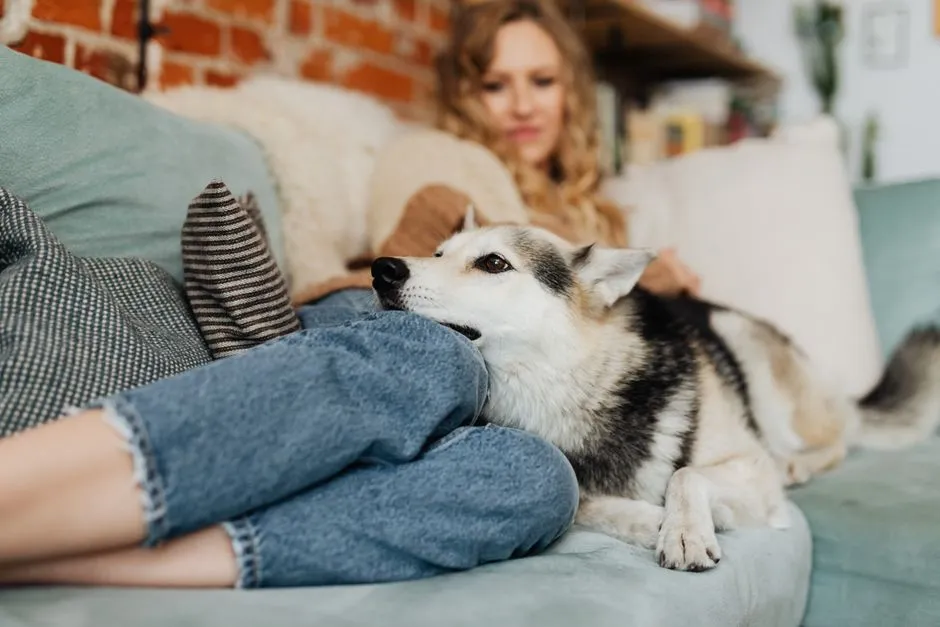
Many dogs get clingier with age, but in that last autumn, it often narrows down further: they pick one human as their absolute anchor. They follow that person from room to room and visibly unsettle when that one person leaves, even in a house full of family.
Some behaviorists caution against over-romanticising this, but the pattern is real: vulnerable, aging animals instinctively attach to the caregiver they trust most. It’s part survival, part emotional safety.
- Refusing to settle until that one person sits or lies down
- Ignoring other people’s attempts to comfort them
Families often only realize later that their dog had quietly chosen its “main human” for the end. That intense loyalty can be beautiful – but it’s also a subtle goodbye.
#12 – Shorter Walks… But Longer Pauses To Smell
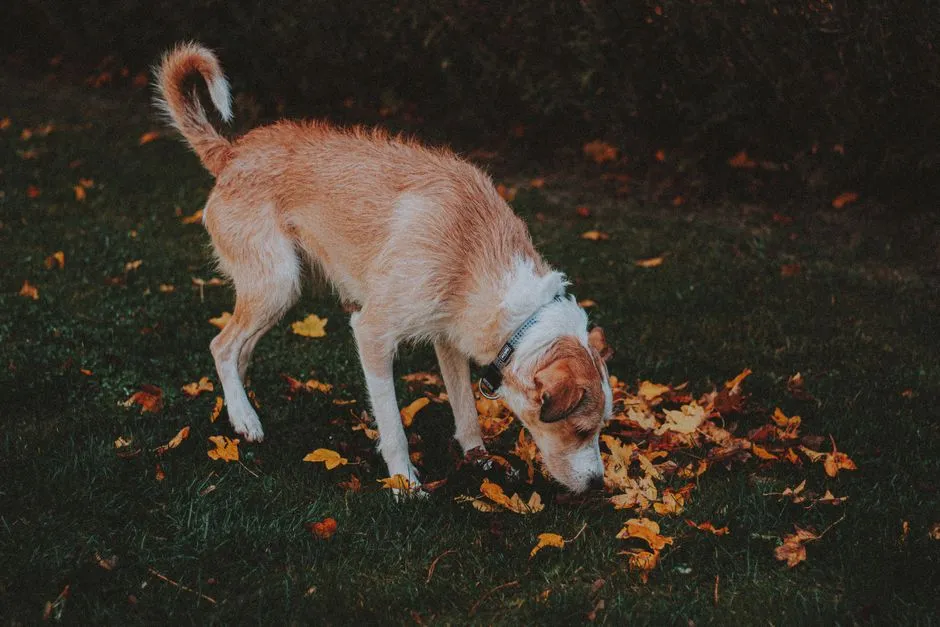
Everybody notices when walks get shorter. Fewer people notice that the sniffing gets deeper, slower, and more intent – as if the dog is reading every last line of the newsfeed.
In a dog’s last autumn, physical range shrinks, but sensory appreciation often spikes. When joints give out, they compress the experience: same amount of information, much smaller territory.
- Asking to turn back sooner, but stopping longer at each bush or post
- Closing their eyes slightly while sniffing, as if really absorbing it
Many people get impatient without realizing this may be one of their dog’s final seasons of outdoor exploration. That extended nose time is the dog wringing every last drop of meaning from the world around it.
#13 – Odd Little “Good Days” That Feel Like A Comeback
This one fools almost everyone. Right in the middle of decline, dogs in their last autumn often have sudden “miracle” days where energy spikes, appetite improves, and they act oddly like their younger selves.
They trot on walks, play with an old toy, or wolf down dinner, and families celebrate: “he’s back!” Physiologically, these bursts can be temporary drops in inflammation or adrenaline-fueled rallies as the body fights to hold onto normal.
- A day of noticeably lighter, easier movement
- A sudden return of appetite or playfulness out of nowhere
Quick Compare
- A rally day: A sudden burst of energy or appetite, often followed by a dip within a day or two.
- A true turnaround: Steady improvement that holds for a week or more, usually tied to an actual treatment change.
- The tell: Rallies tend to feel short, intense, and a little “too good” – enjoy them, but don’t mistake them for a reversal.
The brutal truth is that in both humans and animals, these “good days” sometimes arrive shortly before a sharp downturn. That doesn’t make the day less real – it just makes it more bittersweet in hindsight.
#14 – Retreating During Family Chaos, Even If They Used To Love It
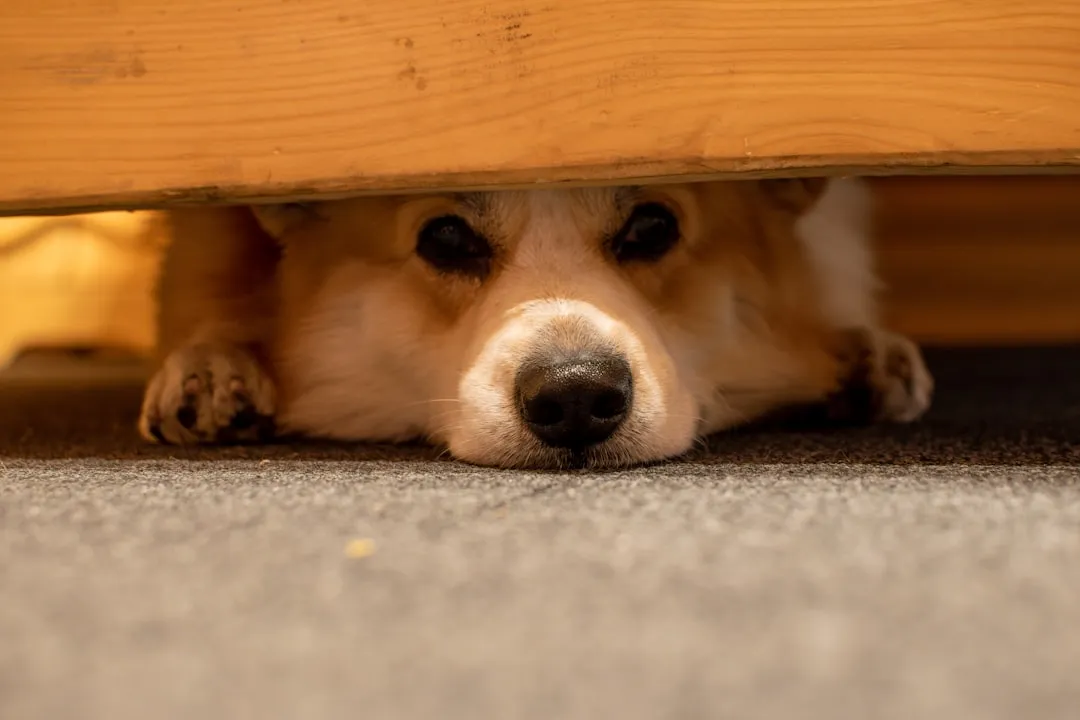
Holidays, parties, kids home from school – some dogs used to live for that chaos. In their final autumn, those same dogs slip away to bedrooms, crates, or quiet corners the moment the house gets loud.
Aging brains process noise and movement less efficiently, and physically, crowds step on sore paws and bump stiff joints. What looks like withdrawal is really self-protection.
- Leaving the room when visitors arrive instead of rushing to greet them
- Hiding under tables or behind furniture until things calm down
Families often read this as grumpy or antisocial, but it’s sensory overload, plain and simple. Your dog may still love the chaos – it just can’t physically tolerate it the way it once did.
#15 – Staring At You Longer, As If Memorising
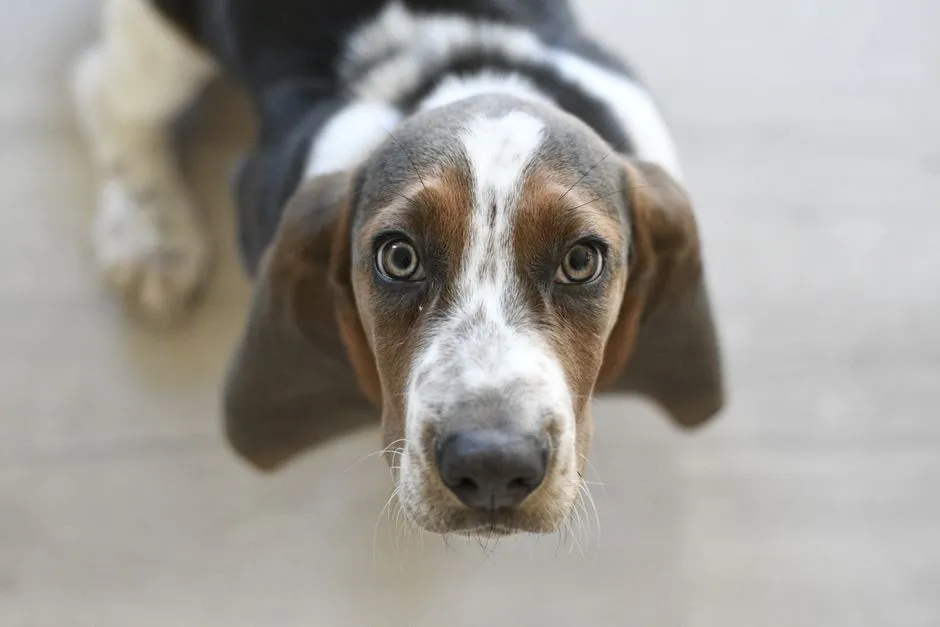
Ask any long-time dog owner: in those final months, the looks change. Your dog may lie down and just watch you – not needy, not begging, just staring with deep, unblinking attention.
Biologically, older dogs produce different hormone patterns around their favorite people, and eye contact releases oxytocin in both of you. Some experts caution against reading too much human meaning into it, but the shift is undeniable.
- Quiet, extended gazes from their bed while you work or watch TV
- Less frantic “pay attention to me” energy, more calm observation
Until one has loved an animal, a part of one’s soul remains unawakened.
Anatole France
Whether it’s memory, comfort, or pure habit, those long looks are the moments families replay the most once their dog is gone.
#16 – Losing Interest In “Performing” Their Old Tricks
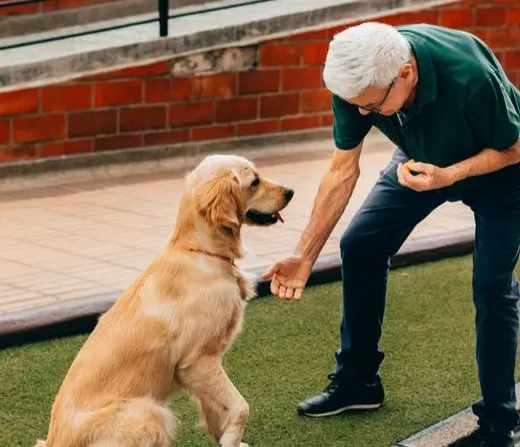
That sharp sit, the joyful paw, the excited spin for a treat – in their last autumn, a lot of dogs quietly stop offering these behaviors, even when they clearly still understand the words.
Pain, muscle loss, and slower neural response make precise movements harder, and the reward no longer outweighs the effort. It isn’t disobedience; it’s simple calculus.
- Delayed response to cues they once nailed instantly
- Half-hearted versions of tricks, or simply walking away
Owners often misread this as stubbornness and double down on training, when compassion would serve everyone better. The real tell is when the dog seems mildly embarrassed by its own slowness – proof the body can no longer keep up with the brain.
#17 – Breathing That Sounds “Off” Even When They’re Resting
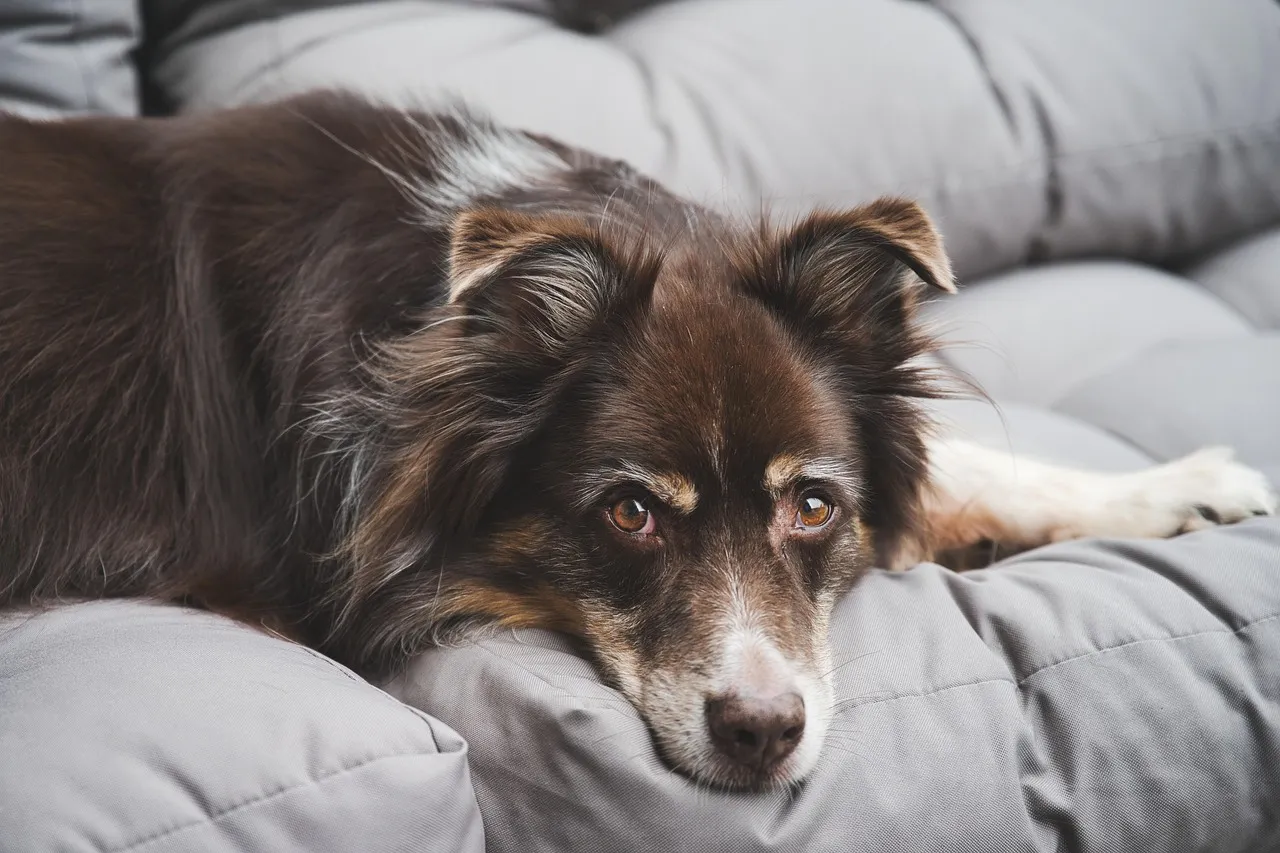
A lot of people assume heavy or noisy breathing only matters on walks. In the last autumn, though, subtle changes in resting breath are often the loudest alarm bell of all.
You might notice faster breaths while they sleep, soft grunts, or sighs that seem more like exertion than relaxation. Heart disease, lung issues, pain, and anxiety can all alter these patterns quietly, night after night.
- Belly moving more than the chest while they lie still
- Brief bouts of panting after minimal effort or emotion
At a Glance
- A healthy dog’s resting respiratory rate is typically 15 to 30 breaths per minute.
- Counting breaths for 30 seconds while your dog is sound asleep, then doubling it, is a simple at-home check.
- Belly-heavy breathing, panting at rest, or a rate that keeps creeping upward over several nights are worth a prompt vet call.
Most families shrug it off – “he’s just dreaming” – but vets treat resting respiratory changes as a serious late-life sign. Looking back, many owners realize that soundtrack was telling them more than they wanted to hear.
#18 – Seeking “Den” Spaces They Haven’t Used In Years
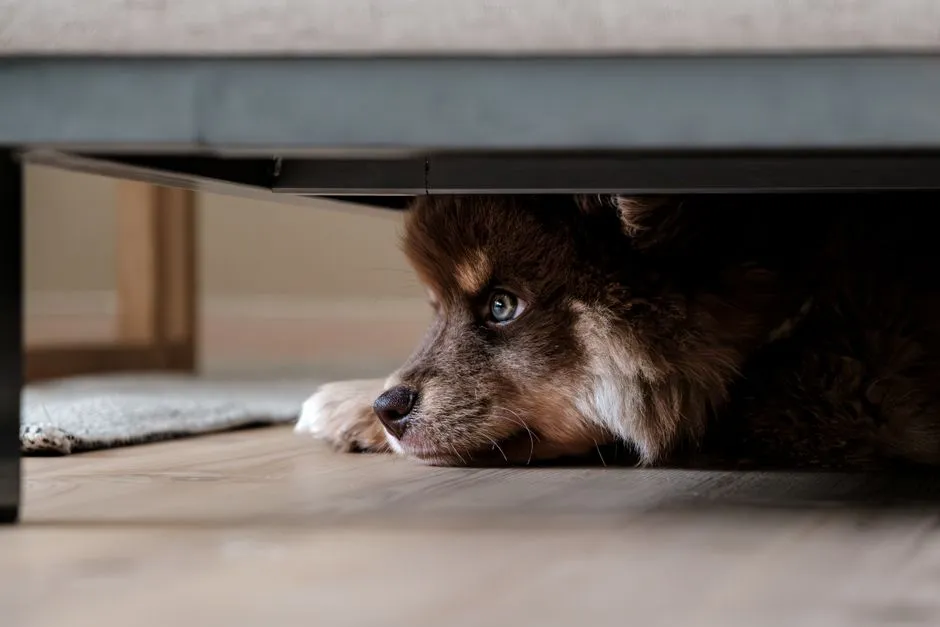
One of the eeriest patterns people only connect later: a dog in its last autumn starts crawling back into old crate spots, under desks, behind couches, or under beds – places it hasn’t touched since puppyhood.
Biologically, dogs are den animals. When they feel vulnerable, the instinct to find an enclosed, protected space kicks back in, even after years of sleeping out in the open.
- Choosing tight corners over open, soft beds
- Insisting on lying under your chair instead of beside the couch
Many humans misread this as sulking. In reality, it’s ancient wiring saying “find a den” – not a rejection of you, but a search for safety. Later, people often wish they’d simply sat on the floor with their dog there more often.
#19 – Quietly Letting Go Of Their “Job”
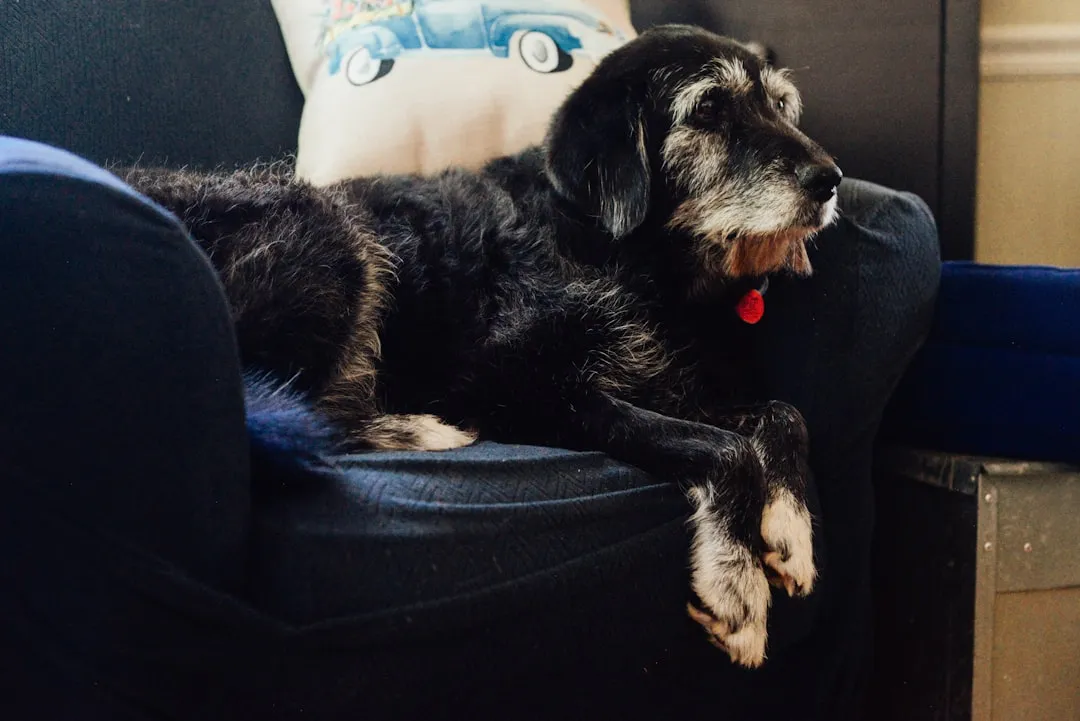
Every dog has a job, whether you gave it one or not – guarding the house, herding the kids, greeting you at the door, patrolling the yard. In their last autumn, they often resign from that self-appointed role without any big announcement.
The door-checker stops getting up for every sound. The watchdog sleeps through deliveries. The hallway escort lets you go upstairs alone, no longer trailing behind.
- Delayed or absent reactions to the triggers that once lit them up
- A strange peacefulness, sometimes tinged with guilt in their eyes, when they don’t respond
People say, “he’s getting lazy” or “she doesn’t care anymore.” The more honest truth is harsher and more beautiful: your dog trusted you enough to finally stop working. That quiet retirement is often the clearest sign their story is closing, even if you only recognise it in hindsight.
The Bottom Line
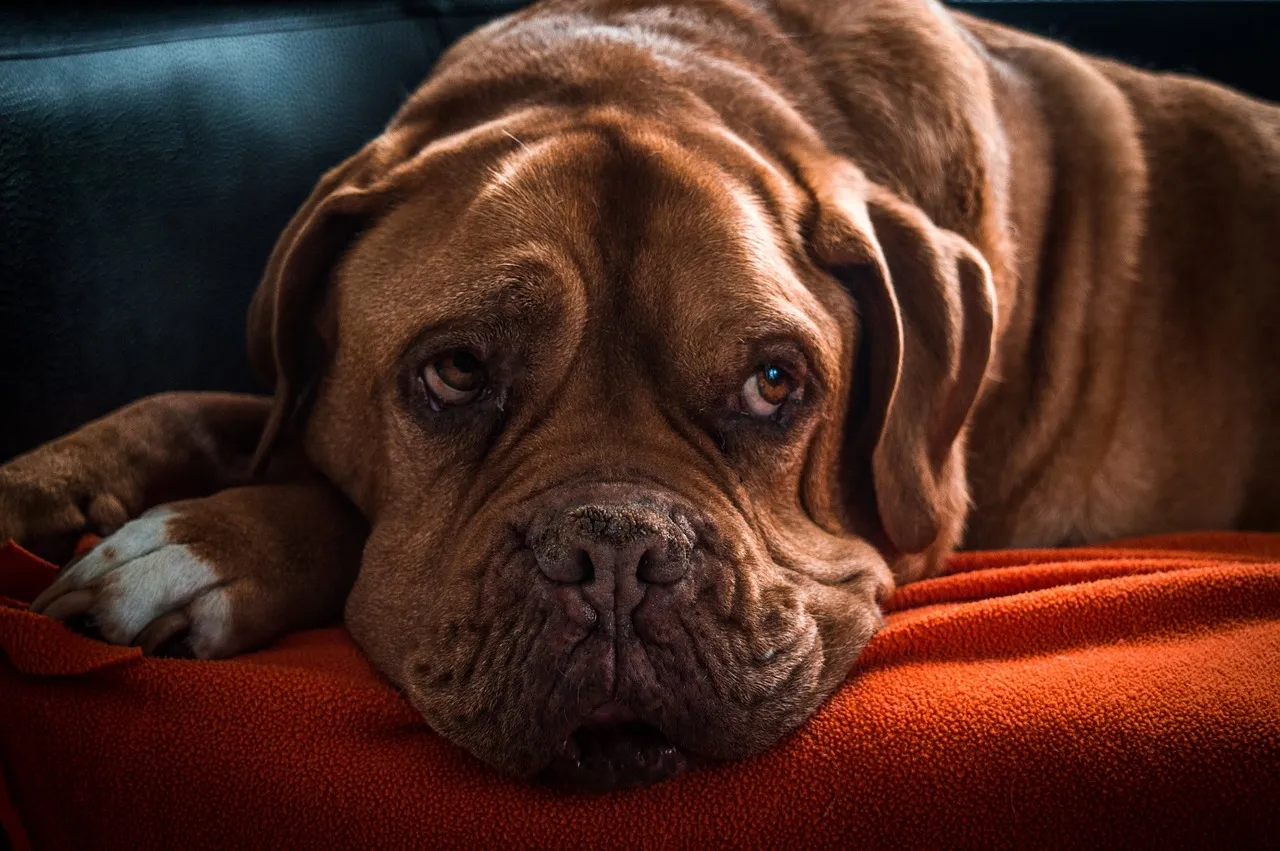
The most painful part of a dog’s last autumn is that it rarely feels like “the last” anything while you’re living it. It feels like quirks, mood swings, and annoying little changes you tell stories about later – not a countdown.
Only afterward do the patterns line up: the sun-chasing, the quiet rooms, the long stares, the slow walks packed with meaning. None of it means you failed. It means your dog was doing its best to adapt in a body that was running out of runway.
The uncomfortable truth is that most people won’t recognise these signals as end-of-life behavior until they’ve already lost a dog. So here’s the opinionated part: don’t wait for certainty before you act on love. Book the earlier vet visit, sit on the cold floor, let the tricks go, follow them outside just to stand there too. If any of these nineteen sound familiar right now, that’s not a coincidence – that’s your dog telling you exactly what it needs, in the only language it has left.