
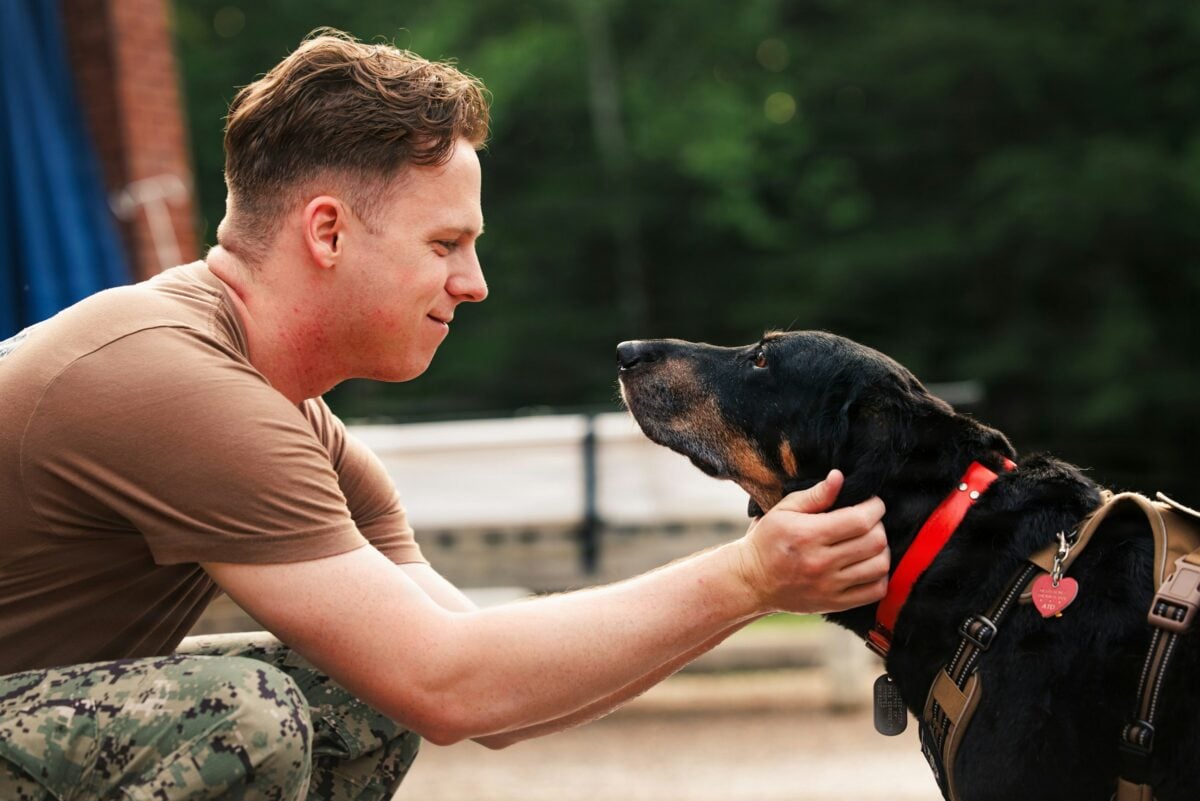
There is a strange, heavy silence that falls over a home when you know your dog is dying. The calendar keeps moving, but you start measuring time in “good mornings left” and “maybe one more weekend,” pretending you are not. It feels unbearable and yet, in the middle of that heartbreak, your dog keeps doing what dogs always do: quietly asking for simple, gentle comforts that make the time they have left feel safe, familiar, and deeply loved.
I still remember lying on the floor with my old dog in those final weeks, realizing that none of the things that mattered to him were dramatic or grand. He did not need a bucket list or a viral goodbye video; he just wanted soft places, slower walks, familiar smells, and my hand resting on his ribs. These are not loud comforts, but they are the ones that make the last stretch softer for both of you. Here are eighteen of those quiet asks, the ones your dog cannot put into words but is probably hoping you can hear.
1. A Soft, Stable Place Where It Doesn’t Hurt to Lie Down

One of the first things an aging or dying dog silently asks for is simple: somewhere to lie down that does not make their joints or belly ache. Hard floors, high couches, or slippery tiles can turn every attempt to rest into a small battle, and you might notice them hesitating before settling or circling more than they used to. A thick, low bed or folded blankets in their favorite corner suddenly become more than decor; they become relief.
Think of it like turning down the volume on constant, background pain. Adding a supportive orthopedic bed, a memory foam mat, or even just extra layers of towels where they tend to flop down can ease pressure on arthritic hips and elbows. It is such a small change that feels almost too simple, yet it can mean the difference between restless shifting all night and the deep, snoring sleep of a dog whose body is allowed to unclench for a while.
2. Shorter Walks, Slower Paces, and Permission to Stop
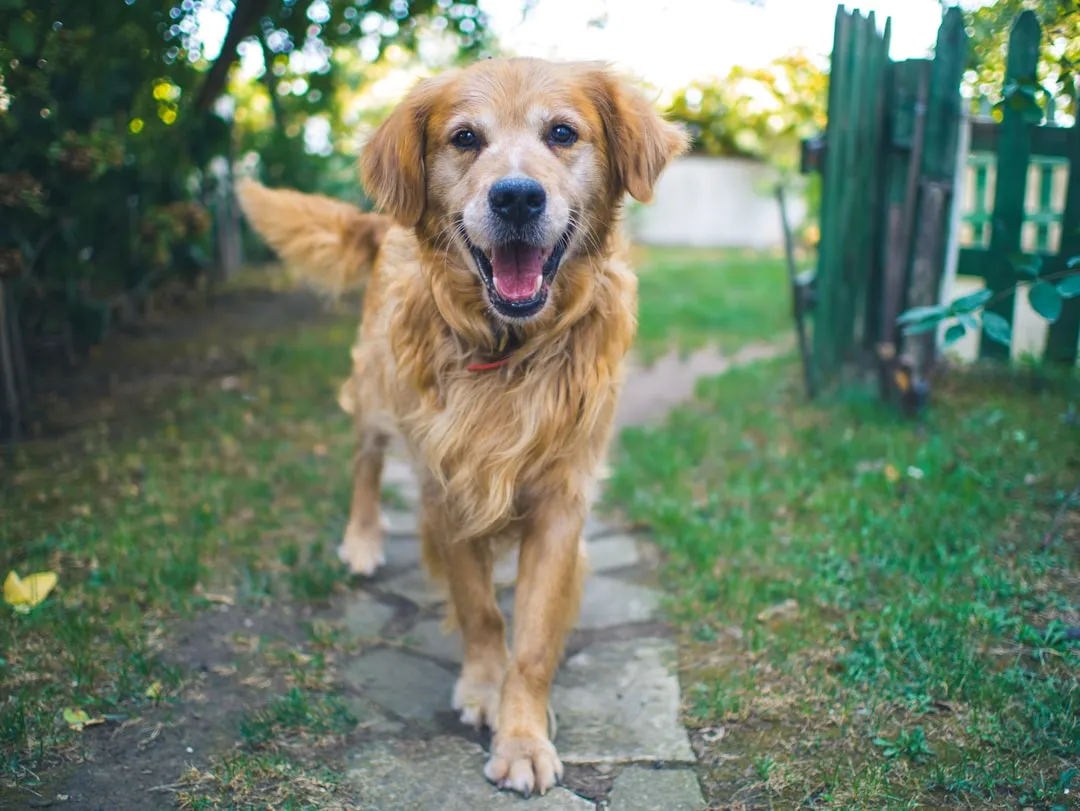
When a dog is nearing the end, walks stop being about distance and become all about dignity. They are not training sessions anymore; they are quiet little tours of the world they know, at a speed that lets their tired lungs and muscles keep up. Your dog is not being stubborn when they lag or stop more often – they are just telling you that a block feels like a mile now.
Letting your dog choose the route, set the pace, and decide when enough is enough is an act of deep respect. If that means you only make it to the mailbox and back, that is fine; it is still a “walk” in your dog’s mind. Sometimes they might just want to stand in the yard sniffing the breeze, watching the neighborhood happen. Those few minutes of outside air, in a body that is slowly shutting down, can feel like a tiny vacation.
3. Familiar Routines That Say “You’re Still You”
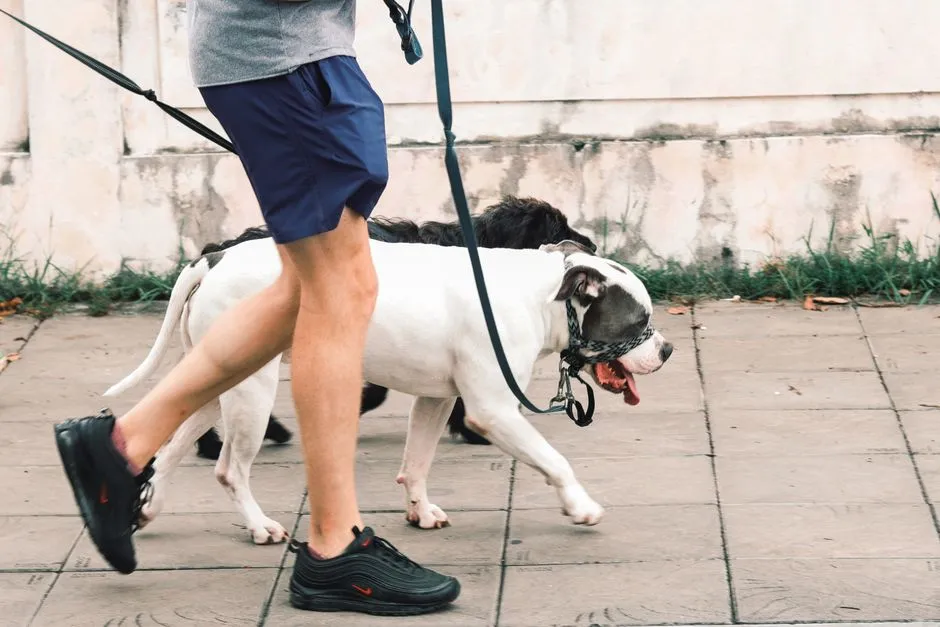
Dying tends to rearrange your schedule in all the worst ways: vet visits, medications, new feeding times. But your dog does not know what a diagnosis is; they only know how it feels when the day suddenly stops making sense. Keeping as many rituals as you reasonably can – the same good-morning greeting, the usual “bedtime snack,” the treat after you get home – reassures them that the world has not fully spun off its axis.
Routines are like emotional anchors for dogs. They cannot understand why their body feels weaker, but they absolutely understand that the jingle of your keys still means you are coming back, or that the sound of the can opener still means dinner. Holding onto these small patterns, even if you modify them gently, tells your dog that they are not just a patient now; they are still the same beloved creature that has always fit into your life’s daily rhythm.
4. Quiet, Unrushed Time Lying Right Beside You
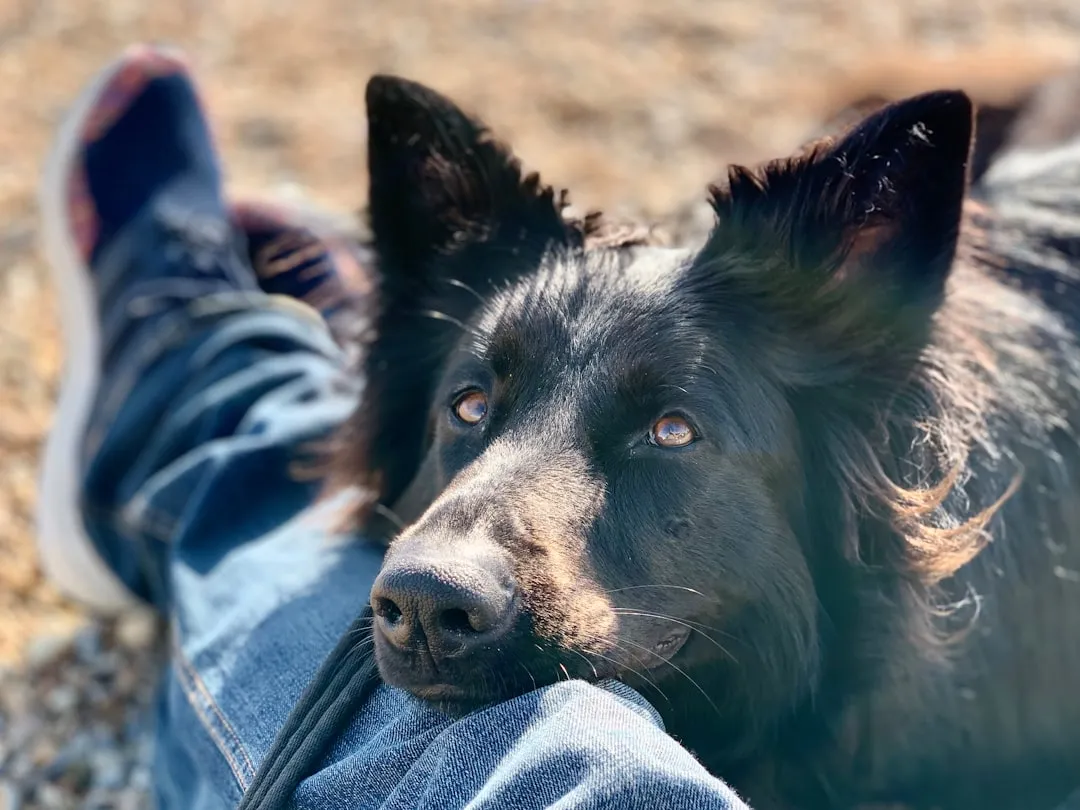
If dogs could write a will, “more time next to my person” would probably be at the top. As the end approaches, energy runs low and adventures shrink, but the need for closeness does not. Those evenings when you stretch out on the floor or invite them onto the couch with you – even if you never used to – can feel like a whole lifetime squeezed down into a few slow hours.
There is something powerful about matching your dog’s pace instead of asking them to keep up with yours. When you lie beside them, stroke their fur, and let your phone stay across the room for once, you are telling them with your body language that nothing is more important right now than this moment. To a dying dog, you are their entire world; resting quietly in that world, without distraction, might be the most generous comfort you can offer.
5. Gentle Hands and Softer Voices
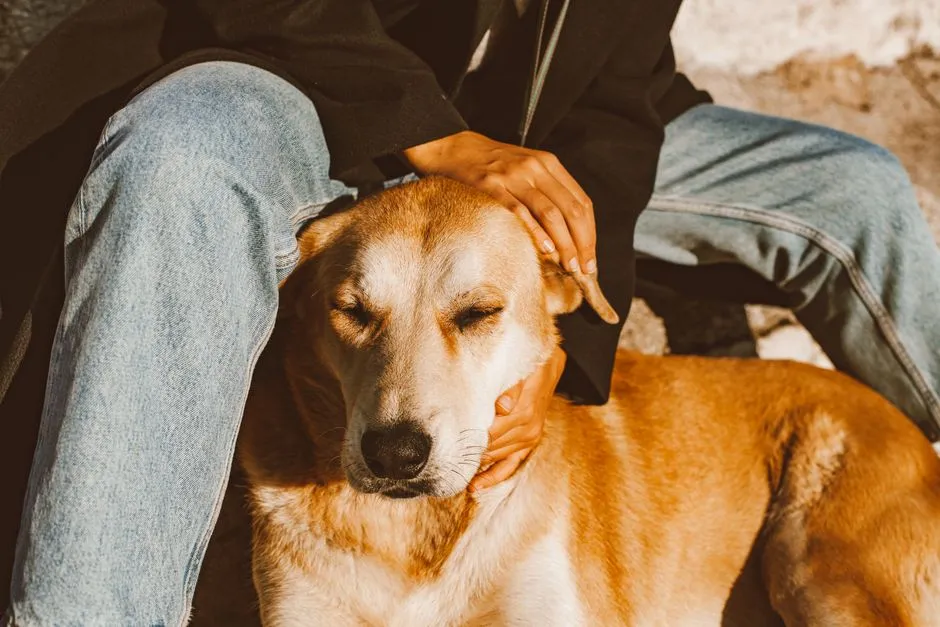
As a dog becomes frail, the way you touch them matters more than ever. What used to be a playful pat or a roughhouse belly rub can suddenly feel sharp or startling on sore ribs and thinning muscle. They might flinch a little instead of leaning in, not because they do not trust you, but because their body simply cannot absorb that kind of energy anymore.
Switching to slower strokes, lighter pressure, and calmer, lower tones of voice tells them they are safe even when they are in pain. It is like the difference between someone jostling your arm when you have a bruise and someone carefully holding your hand. Your dog reads your touch and voice as a constant background signal; when both are gentle, they can relax more deeply, even when nothing else about their situation is comfortable.
6. Help With Things They’re Too Proud to Admit Are Hard
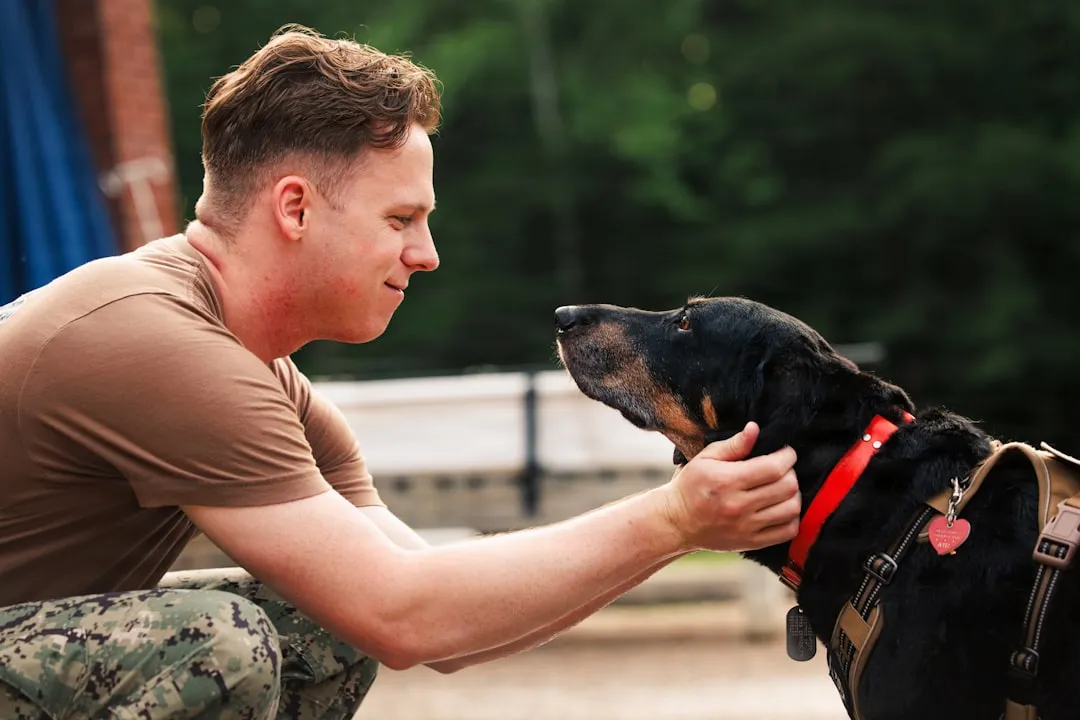
Dying often comes with clumsy, humiliating side effects: missed steps on the stairs, accidents on the carpet, trouble standing up after a nap. Dogs do not have words for embarrassment, but you can see it when they avoid eye contact after peeing inside or hesitate at the bottom of the staircase. They are not suddenly “bad”; their body just does not follow orders like it used to.
Offering help – lifting them with a harness, putting down non-slip rugs, carrying them up stairs, or calmly cleaning up accidents without scolding – is your way of protecting their pride. Instead of making a big deal out of every slip, you can treat it as just another part of life together, like wiping muddy paws. Your dog is not asking you to pretend nothing is wrong; they are asking you not to make them feel ashamed for something they cannot control.
7. Food That’s Easier to Eat, Even if It’s Not “Perfect”
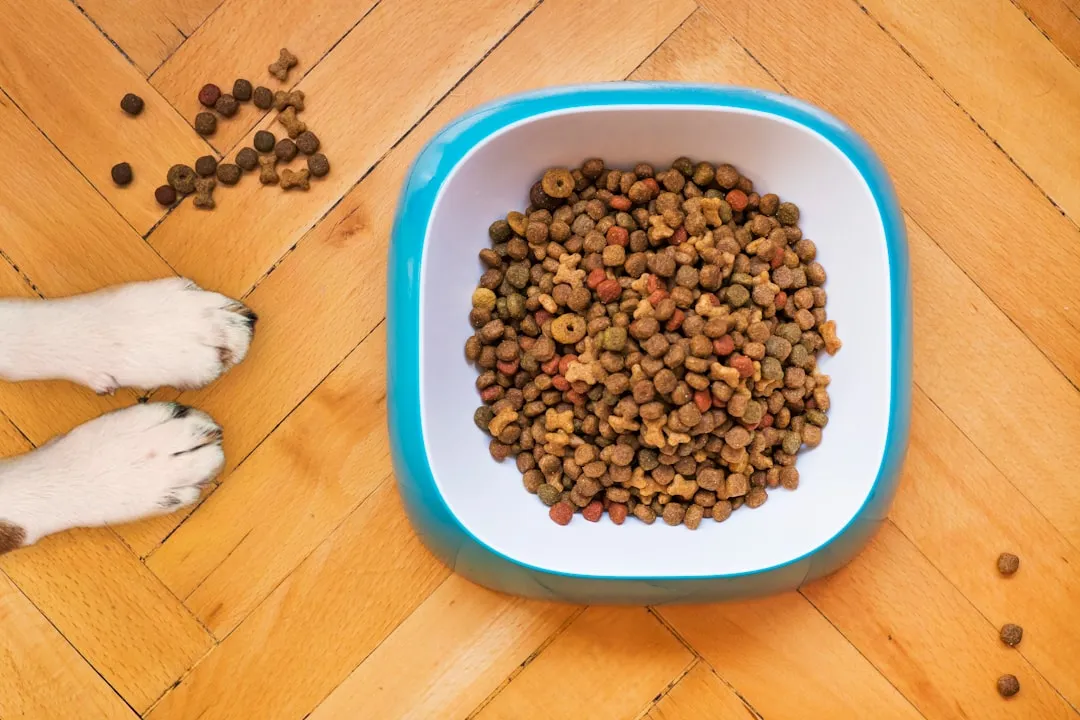
In the final weeks, appetite often becomes a moving target. Food that used to disappear in seconds suddenly sits untouched, not because your dog is stubborn, but because nausea, fatigue, or discomfort have changed the rules. At that point, the goal quietly shifts from “ideal nutrition forever” to “enough calories and joy to get through today without suffering.”
This might mean softening kibble, hand-feeding smaller portions, warming up wet food to make it smell stronger, or – with your vet’s blessing – offering more tempting “comfort foods” in moderation. Think scrambled eggs instead of a steakhouse feast. It can feel wrong to loosen the rules you have followed for years, but in this season, tiny pleasures like a favorite bite can matter more than the perfect long-term diet plan that is no longer relevant.
8. Water Nearby, and Patience When Drinking Is Messy
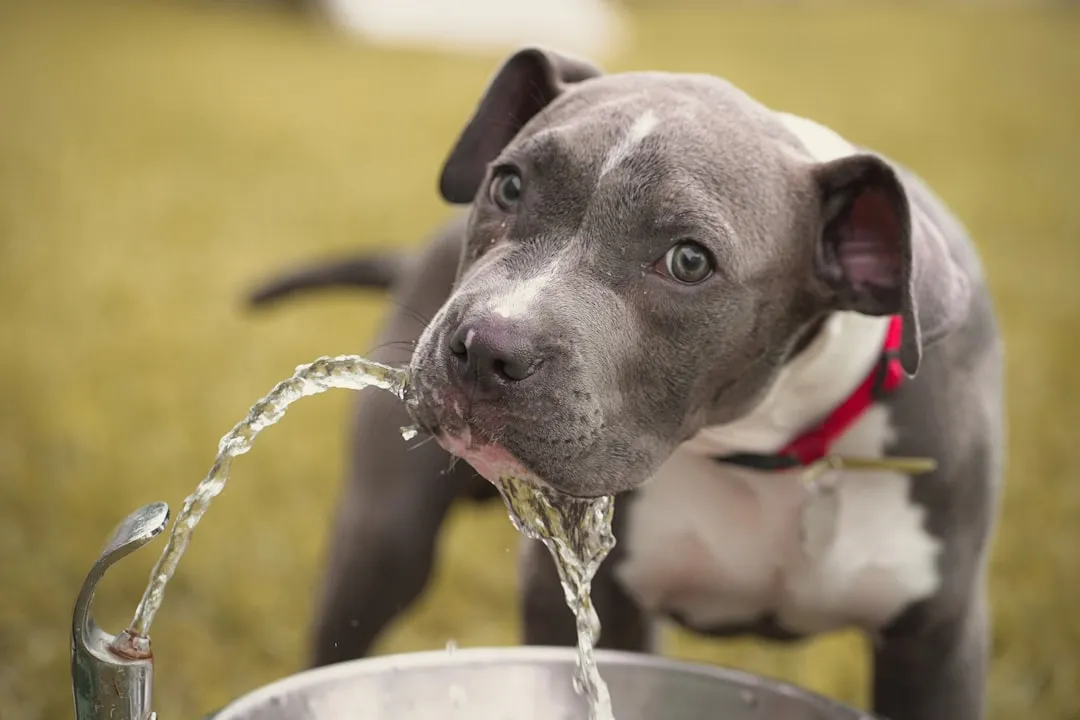
Dehydration is a quiet problem for many dying dogs; getting up and walking to the bowl can be exhausting, and some medications or illnesses make them thirstier or more finicky. Your dog is not asking for fancy gear; they are asking for water that is close, clean, and easy to reach without slipping or straining. A second bowl in the room where they sleep can feel like an unsolicited kindness they do not know how to request.
You might notice them dripping more, coughing a little, or taking longer to drink. That is where your patience comes in. Holding the bowl closer, wiping their muzzle, or adjusting the height so they do not have to bend as far is not overkill; it is care scaled down to the smallest, most practical level. Those sips of water might be one of the few things they can still do for themselves, and protecting that bit of independence is a real comfort.
9. A Calm, Predictable Environment With Fewer Sudden Shocks

Dogs dealing with pain, weakness, or cognitive decline often startle more easily. A door slamming, kids racing past, or sudden loud music can hit their nervous system harder than it did before. They cannot tell you that their stress threshold has shrunk; they just pant more, shake, or get clingier. What they are really asking for is a little bubble of calm in a world that suddenly feels too loud.
You do not have to turn your home into a monastery, but you can create a quieter zone around them: softer lighting at night, fewer sudden guests, a corner bed away from heavy foot traffic. Turn down the volume a notch and give everyone a gentle reminder that the dog is not as tough as they used to be. In those final weeks, predictability is like a security blanket, wrapping their frayed nerves in something steady.
10. Time to Sniff the World They’re Saying Goodbye To
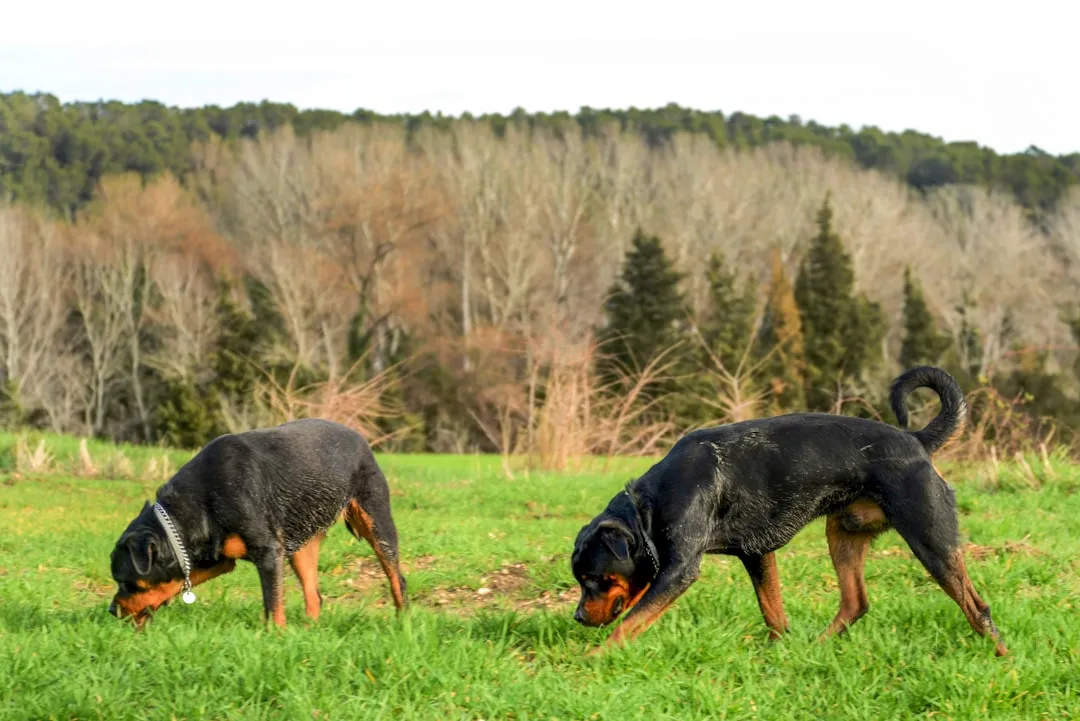
Humans stare at sunsets when we are emotional; dogs sniff. Smell is how they read the world, remember places, and make sense of what is happening. A dying dog might not care about hitting the dog park one more time, but they may savor standing beside their favorite bush, nose working, as familiar scents wash over them like an old song playing in the background.
Instead of dragging them along the usual route, you can linger when they stop, even if it feels like nothing is happening. To them, that one patch of grass might hold the story of every dog that passed by this week. Letting them take their time is like handing them a memory album they can flip through with their nose. It is small, free, and quietly profound.
11. Gentle Grooming That Feels More Like Love Than Maintenance
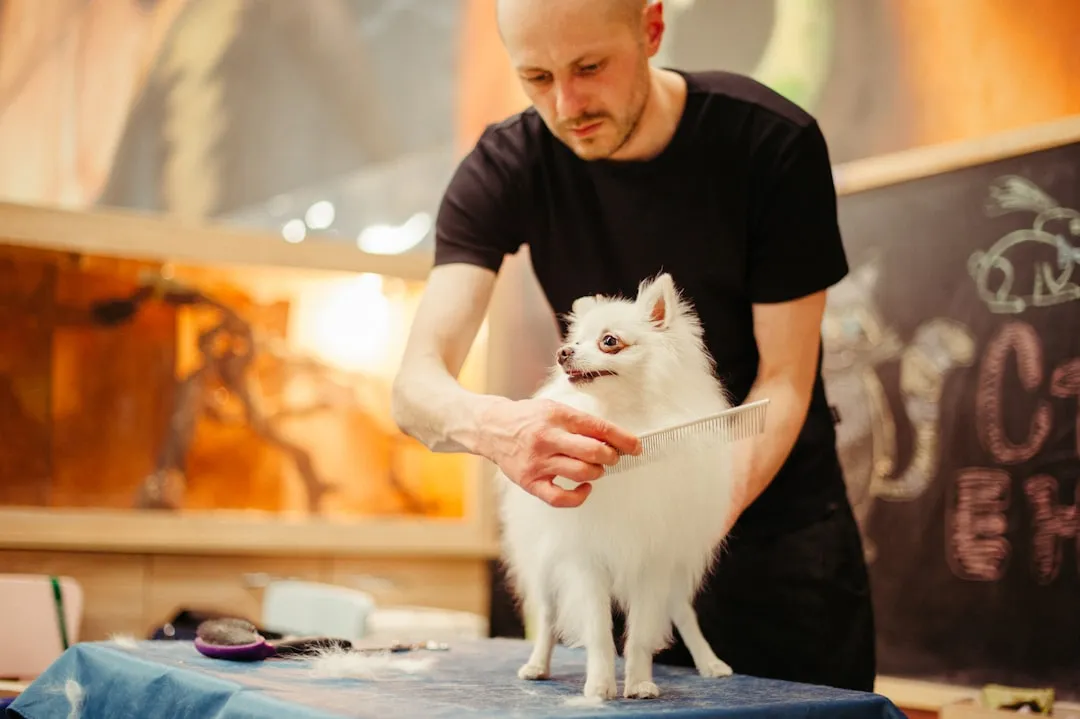
As dogs decline, grooming can slip down the priority list, especially when every vet bill and medication reminder consumes your attention. But a dying dog still feels the weight of mats pulling on their skin, overgrown nails changing the way they walk, or itchy ears they cannot scratch properly. They are not angling for a spa day; they just want their body to feel as unannoying as possible.
Brushing more slowly, trimming nails cautiously, wiping eyes and ears with a soft cloth – all of this becomes less about appearance and more about relief. Done with patience, grooming turns into a type of soothing touch. Think of it as saying with your hands, “I still care about your comfort, right down to the small details.” In a time when you cannot fix everything, fixing a tangle of fur or a too-long nail is one concrete kindness you can actually deliver.
12. Space to Be Alone Sometimes, Without Being Abandoned

One of the more surprising things many people notice is that some dogs, even the clingy ones, occasionally choose solitude near the end. They may wander into another room, curl up somewhere a bit hidden, or turn their head away when you crowd them. It can feel like a rejection, but often it is just a tired body seeking a little peace from constant stimulation.
Respecting those moments, while still keeping a gentle eye on them, is a sign of emotional maturity on your part. You can leave a doorway open, check quietly from a distance, and let them know with a soft word that you are nearby if they want you. There is a difference between leaving them alone and letting them have privacy; your dog is asking for the second, not the first.
13. Honest, Compassionate Decisions Instead of Endless Desperation
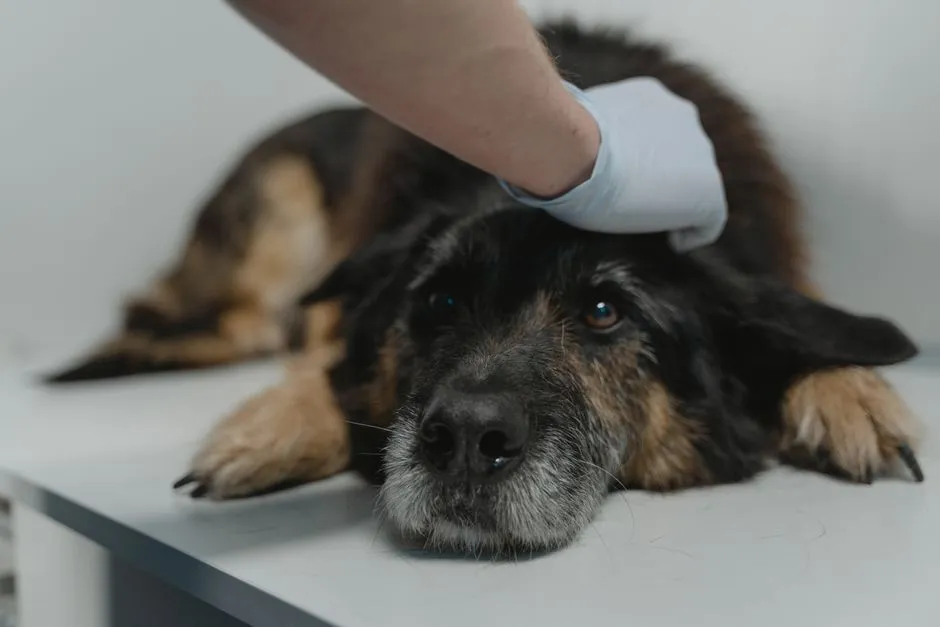
This is the comfort no dog can literally ask for but desperately needs: the choice not to be kept alive at any cost just because saying goodbye is unbearable. Modern veterinary care can sometimes extend life far beyond comfort, and the line between doing everything and doing too much gets blurry fast. Your dog does not understand medical options; they only understand how each day feels in their body.
Partnering with a trusted vet, tracking your dog’s good and bad days, and being willing to ask the hard questions about quality of life is its own form of kindness. Choosing euthanasia when suffering outweighs joy is not betrayal; it is a final, painful act of loyalty. Your dog is not hoping you will fight death forever; they are hoping you will not let them drown in pain just because you cannot imagine life without them.
14. Clear, Steady Energy From You, Even When You’re Breaking

Dogs are uncannily good at reading our emotional weather. When you are spiraling, pacing, sobbing uncontrollably in front of them day after day, they pick up on that stress and sometimes try to comfort you instead of resting. That does not mean you have to be a robot; grief is normal and healthy. But your dog is silently hoping for pockets of calm where they are not trying to manage your feelings on top of their own discomfort.
This might look like crying in the car after a vet appointment, then taking a few deep breaths before you walk back in. It might mean talking to a friend or therapist, rather than unloading every fear out loud right next to your dog. Your steady voice, soft eyes, and reassuring presence are like a lighthouse in the storm they do not understand; when you can muster that, even in small doses, it calms their world.
15. Invitations to Enjoy the Things They’ve Always Loved, Without Pressure
Sometimes well-meaning people turn the end of a dog’s life into a frantic bucket list: photoshoots, big trips, elaborate treats. The intention is sweet, but it can be overwhelming to a body that is barely hanging in there. What your dog is truly asking for is a chance to enjoy their favorite things in scaled-down, no-pressure ways – a squeak of the old toy, a car ride around the block, lying in the sunny spot by the window.
Offer these experiences gently, and accept their no as gracefully as their yes. If they sniff the toy and turn away, it is not a failure, just information about where they are today. You are not trying to squeeze meaning into every second; you are simply offering small doors of joy and letting them walk through the ones they still can. That freedom is its own quiet comfort.
16. Being Included in the Life That’s Still Happening Around Them

There is a temptation, once you know a dog is dying, to wrap them in cotton wool and isolate them from anything that feels risky or emotionally charged. But dogs are social creatures; they have spent their lives being part of your normal chaos. Suddenly exiling them to a quiet room far from family dinners, movie nights, or backyard conversations can accidentally make them feel left out of the pack they have always belonged to.
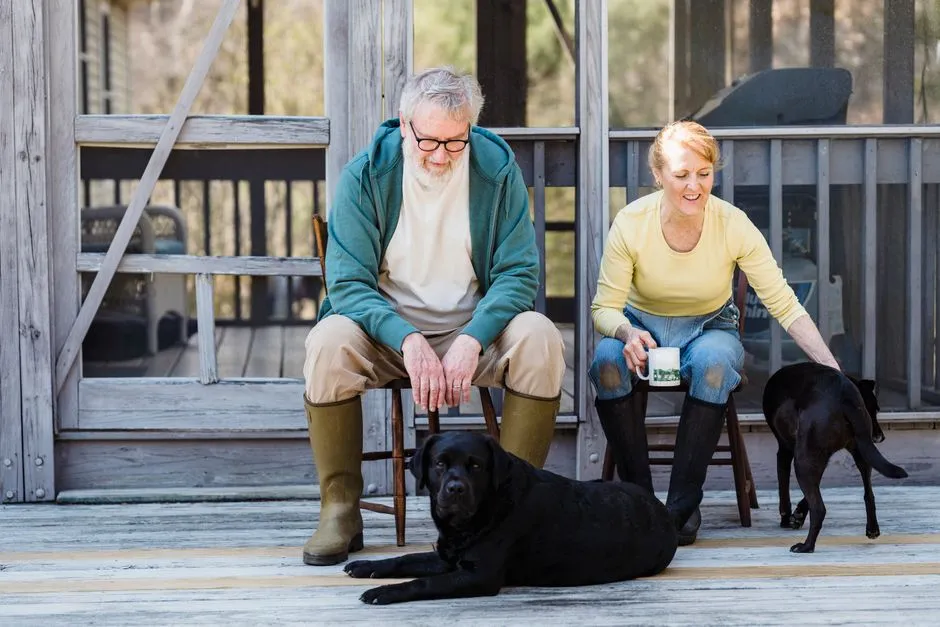
Instead, you can shift the script: bring the party closer to them. Move their bed into the living room, let them nap near the table during meals, or sit with them on the porch while you sip your coffee. They may not actively engage, but the sounds and smells of family life are familiar background music. Inclusion says, “You are still part of this story,” even when they are in the final chapter.
17. A Chance to Pass in a Place That Smells Like Home
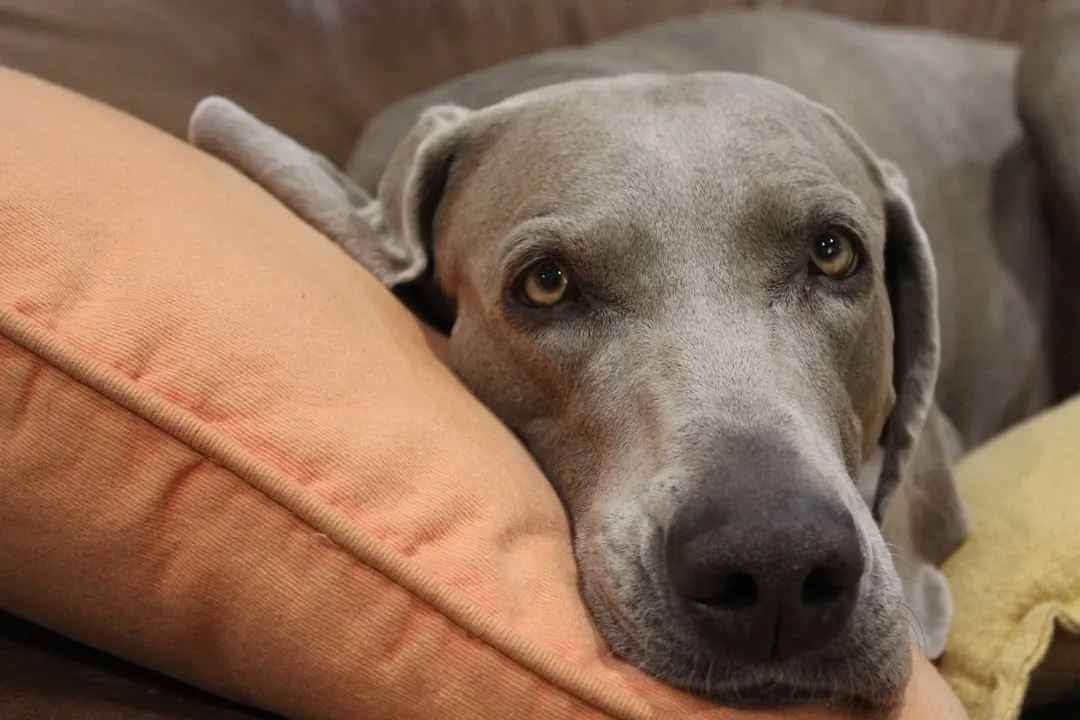
Not every family can choose this, and not every situation allows it, but many dying dogs seem more at peace when they can leave the world surrounded by the smells and textures of home. The couch cushion that holds your scent, the worn carpet where they learned to play, the backyard breeze they have sniffed a thousand times – all of this creates a sense of safety in their last moments. When possible, in-home euthanasia can make a real difference in how gentle that goodbye feels.
Even if the final moment happens at a clinic, bringing a favorite blanket, toy, or your unwashed sweatshirt can wrap them in familiarity. Your touch, your voice, and the scent of the life you shared act like a bridge between here and whatever comes next. Your dog is not thinking about medical settings or technical details; they are simply looking for signs that they are not alone, and that they are still, unmistakably, with you.
18. Your Permission to Let Go Without Guilt
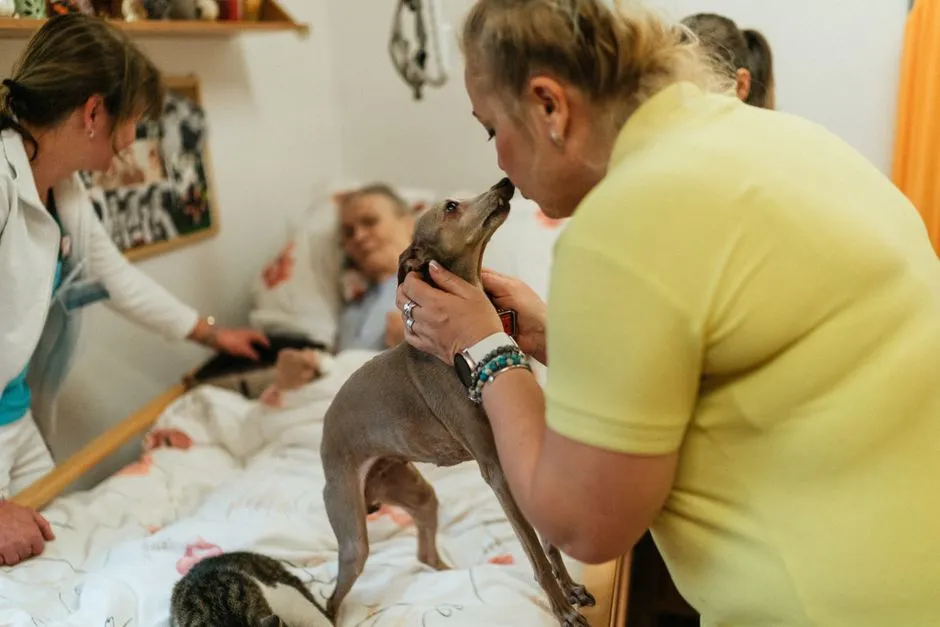
In the very end, many dogs seem to hover between worlds, having both good flashes and terribly hard hours. They may rally briefly, then crash, and you are left second-guessing every choice. It is easy to cling to each tiny improvement as proof you should hang on longer. But somewhere under all that fear, your dog is asking for something heartbreakingly simple: your blessing to stop fighting when the fight is only pain.
This might sound like a quiet promise whispered into their fur: that you will be okay eventually, that they do not have to stay in a body that hurts just to protect you from grief. Dogs are loyal to a fault; some will keep pushing on sheer love alone. When you release them from that job, you are choosing their peace over your avoidance of loss. It is one of the hardest things you will ever do, and also one of the clearest ways to show them that their comfort, right to the last breath, matters more than your fear.
Conclusion: Love in the Smallest, Bravest Acts
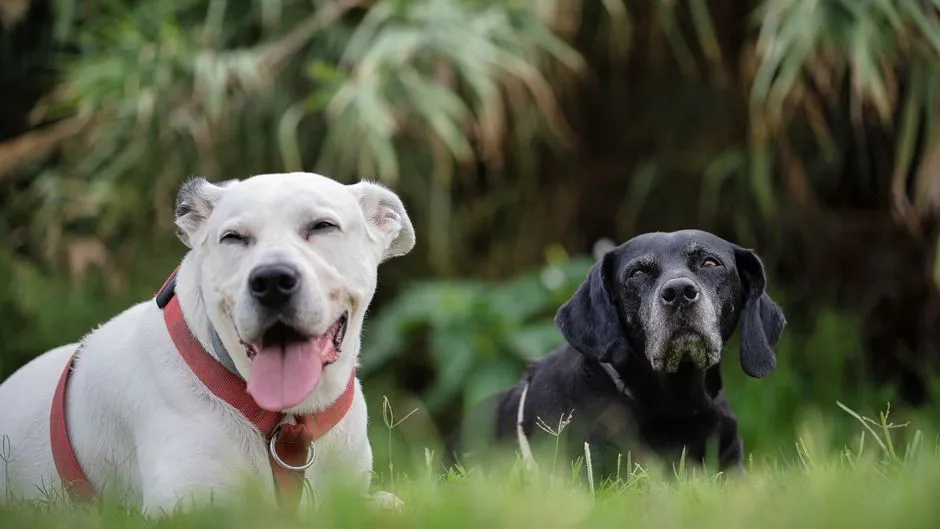
The weeks nobody wants to count are brutal, and there is no way to sugarcoat that. But love in this season does not look like grand gestures or dramatic speeches; it looks like a hundred small, quiet decisions to prioritize your dog’s comfort over your denial. Softer beds, shorter walks, gentler hands, honest choices – none of these will go viral, but they will mean everything to the one creature who has watched your life from the floor with patient eyes.
If there is any grace in this kind of goodbye, it is that dogs ask for so little and give so much. Meeting their quiet requests is not about being perfect; it is about being present, humane, and brave enough to choose mercy over fear when the time comes. One day, you will look back and realize that in those unbearable weeks, you loved your dog in the clearest way possible: by listening to what their body and behavior were trying to tell you, and responding with tenderness instead of panic. When your own last days come, would you not want someone to do the same for you?

- Why Budgies Are Still America’s Favorite Starter Bird - August 20, 2026
- 18 Quiet Comforts a Dying Dog Asks For in the Weeks Nobody Wants to Count - August 20, 2026
- What an Ageing Cat Starts Doing at Night 18 Signs Owners Almost Always Explain Away - August 20, 2026