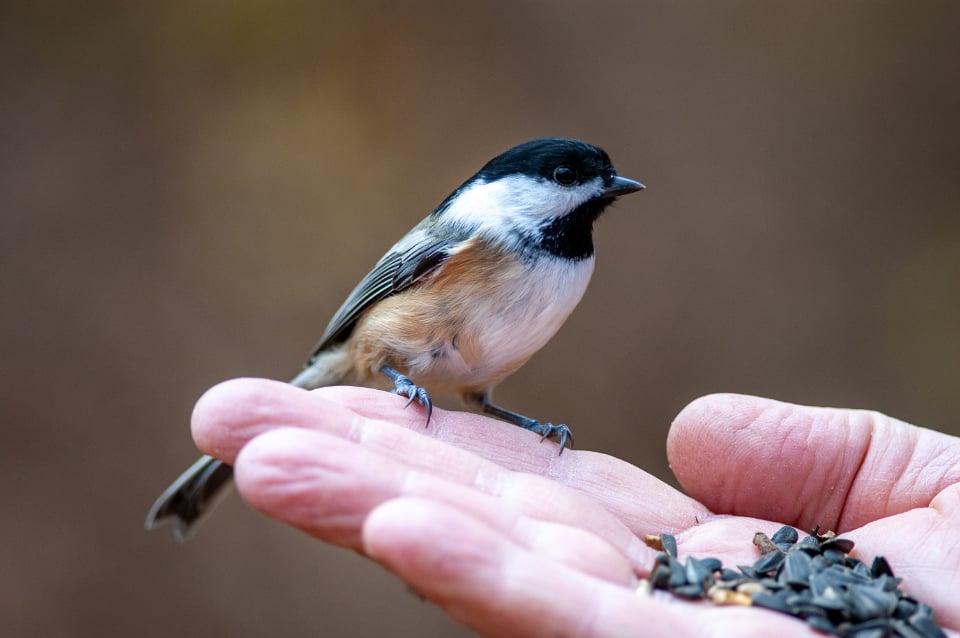
That sparrow in your garden used to bolt the second you opened the back door. Now it barely looks up. Something has shifted in the way it sees you, and it happened so gradually you probably never noticed the exact moment it stopped being afraid.
Bird behavior researchers say this shift isn’t random affection or a fluke of one friendly robin – it’s a measurable, step-by-step process with specific, repeatable signals. There are 18 of them, and once you know what to look for, you’ll never watch your backyard birds the same way again.
#18 – Landing Closer Than an Arm’s Length
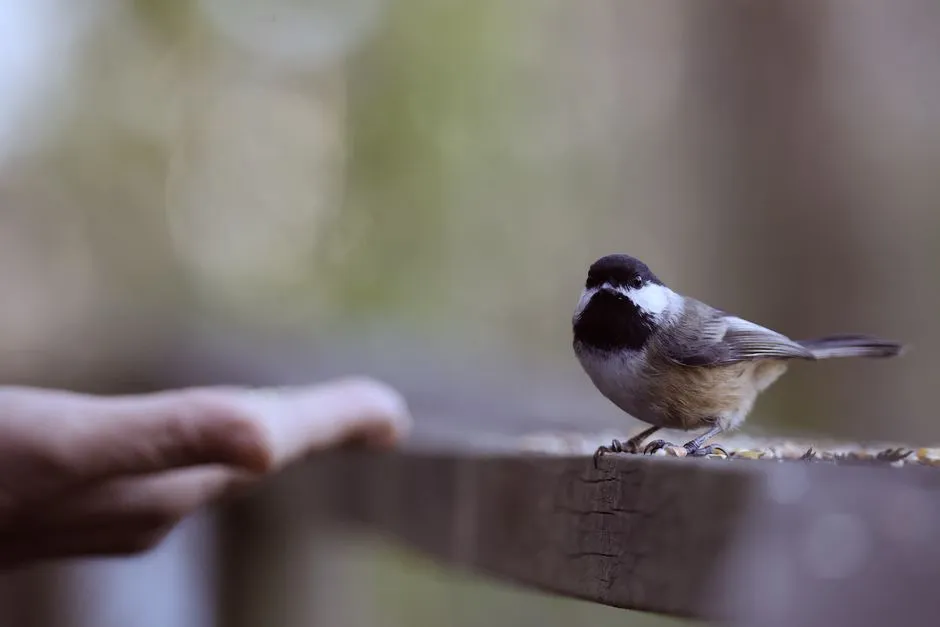
When a wild bird starts landing within a few feet of you, something big has changed in its risk calculation. Healthy, uninjured birds usually keep what scientists call a “flight initiation distance” from humans – often several yards or more.
If a bird calmly hops down near your chair, grill, or garden bed while you’re still moving around, it’s quietly telling you it doesn’t classify you as dangerous anymore. You’ll notice this especially with repeat visitors like chickadees, sparrows, or robins. They test the distance over days or weeks, shaving off a foot at a time, until one day it’s pecking the soil practically at your shoes.
Fast Facts
- Flight initiation distance (FID) is the standard measurement used to gauge how “wild” a bird’s fear response really is.
- Urban and suburban birds typically settle into shorter FIDs than birds living in untouched wilderness.
- FID tends to shrink gradually, shaped by weeks of consistent, non-threatening contact with the same person.
- Sparrows, robins, and chickadees are known for adjusting their comfort distance quickly around backyard feeders.
#17 – Turning Its Back on You While Foraging
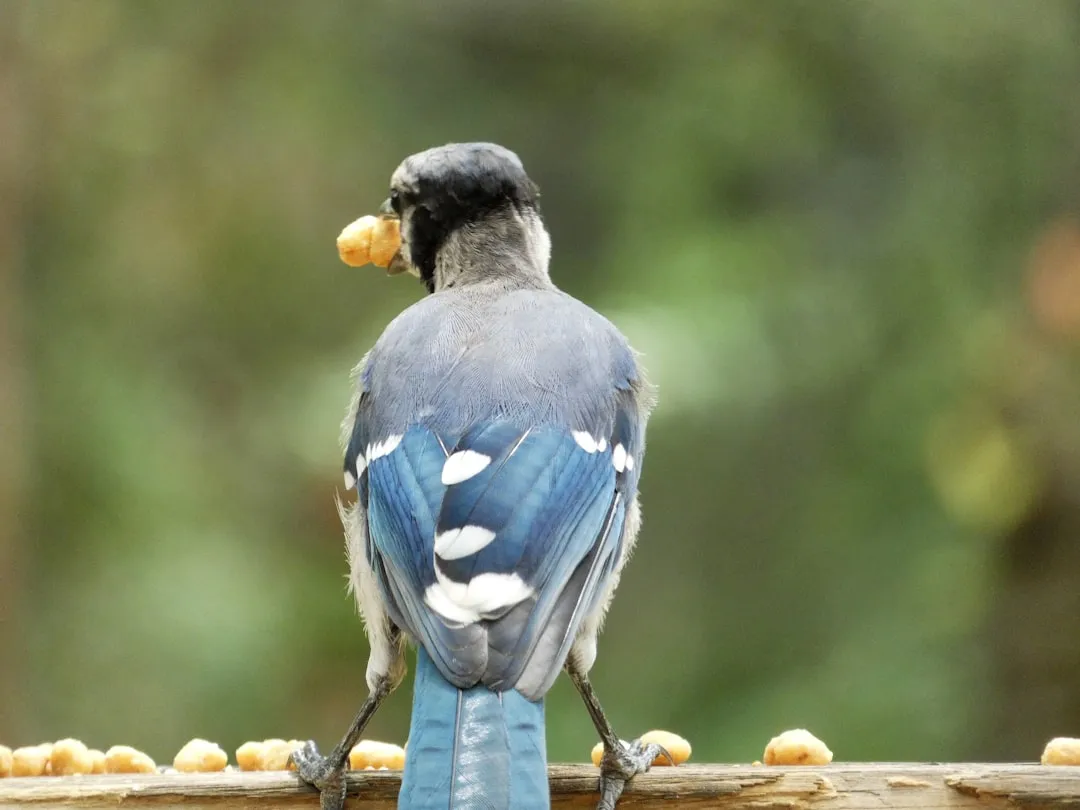
For a prey animal, exposing its back is a massive vote of confidence. In the wild, birds usually keep potential predators in sight, even while feeding. If a bird in your garden repeatedly faces away from you, head-down in the soil or leaf litter, it’s doing something most skittish birds would never risk.
Pay attention to the head and eye movements. A bird that still fears you will constantly glance sideways, ready to bolt. One that trusts you will spend long stretches with its back or side turned, barely checking your position – sometimes even shuffling closer while still facing away, as if you’re just part of the scenery.
#16 – Preening Calmly in Your Presence
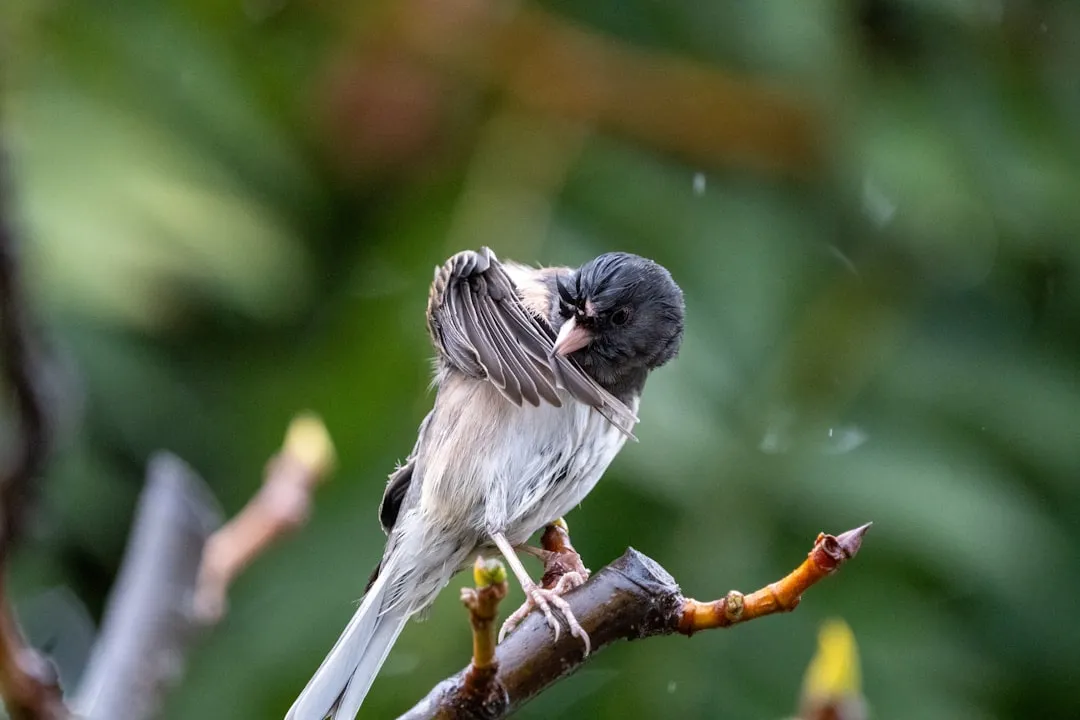
Preening is self-care, and in the animal world, self-care is only safe when you feel secure. When a bird starts fluffing, cleaning, and rearranging its feathers while you’re in the garden, it’s dropping its guard in a very real way. Preening reduces a bird’s ability to react instantly to danger, so they don’t do it near “threats” unless those threats have been quietly downgraded.
You might see it sit on a low branch or fence, ruffle its plumage, then run its beak through each feather methodically. If it pauses, glances at you, and continues without taking off, that’s trust in action. Even more telling is when it closes one eye or briefly both while you’re nearby – that’s not just comfort, that’s confidence.
#15 – Ignoring Sudden but Non-Threatening Movements
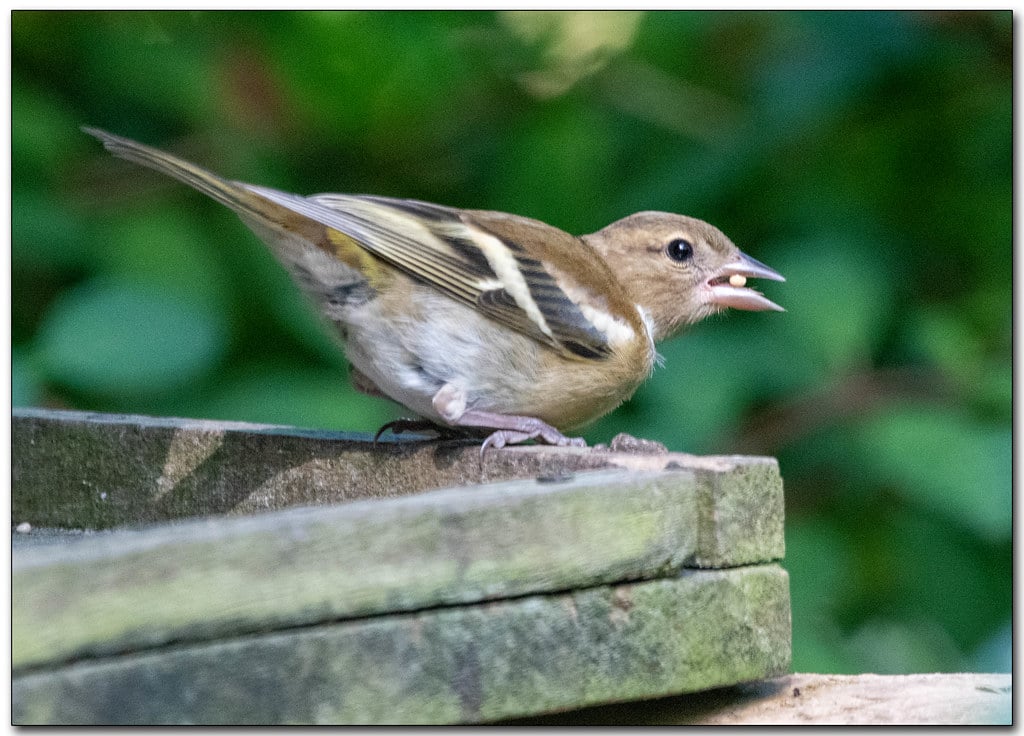
Most people assume birds are scared of any movement. Not true. They’re scared of unpredictable, fast movement from things they haven’t learned to classify yet. Once a bird stops fearing you, it barely flinches when you shift in your chair, stand up slowly, or turn a page in a book.
Watch how it reacts when you reach for your coffee or adjust a plant pot. A fearful bird will freeze, then explode into flight. A habituated one might pause for half a second, then resume pecking or preening like nothing happened. The real giveaway is when you accidentally bump something or cough, and it only hops a few inches instead of fleeing outright.
#14 – Vocalizing Freely Even When You’re Close
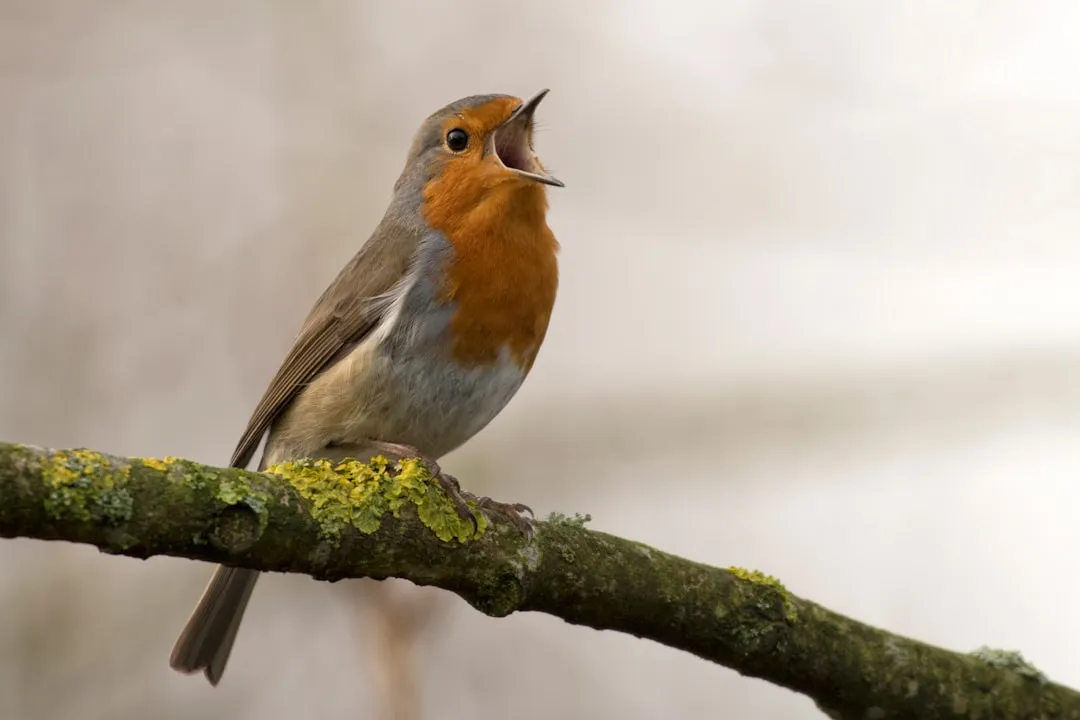
Birds don’t sing “for you.” They sing for territory, mates, and communication. But they do choose when and where to sing based on safety. If a bird is belting out a song, contact calls, or soft chatter just a few feet from where you’re working, it’s treating your presence as neutral or even reassuring.
Listen for soft “mutter” calls while it forages near your feet, or full song from low branches close to your usual sitting spot. Some species will even call to flock-mates while you’re present, essentially saying, “Food’s here, and the big mammal is fine.” You’ve become part of the safe backdrop of the territory.
#13 – Bringing Other Birds Into Your Space
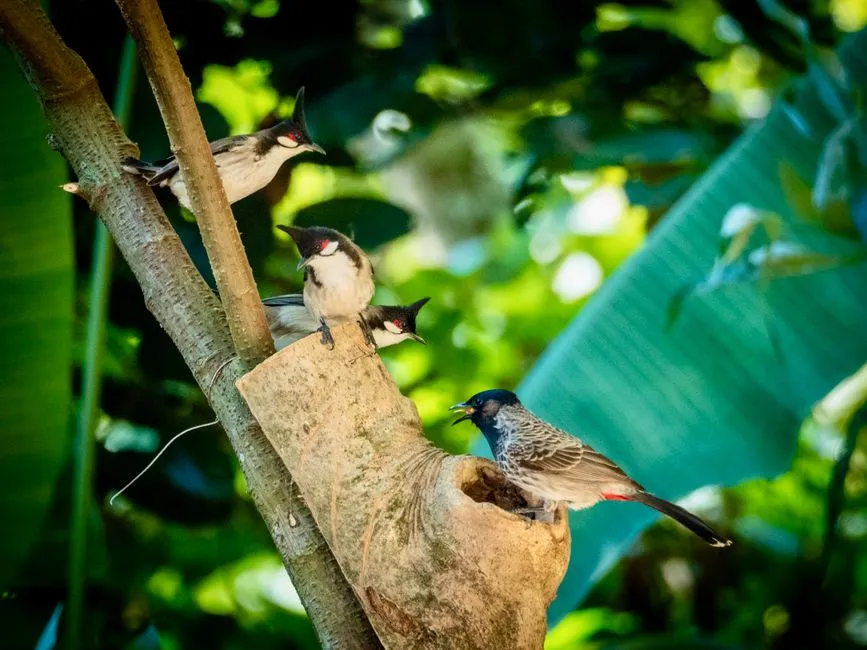
This one shocks a lot of people. When a bird clearly comfortable with you starts showing up with a mate, fledglings, or flock-mates – and they all drop right into the same area – that’s a social stamp of approval. Your garden has gone from “cautious stop” to shared safe zone, and you’re included in that safety calculation.
Maybe it’s a pair of robins feeding side by side near your boots, or a chickadee you’ve watched for weeks suddenly appearing with two scruffy juveniles. Wild animals don’t invite their vulnerable young or allies into risky spaces. If one bird has “vouched” for your garden, your reputation in bird society is better than you think.
#12 – Eating While You’re Still Actively Gardening
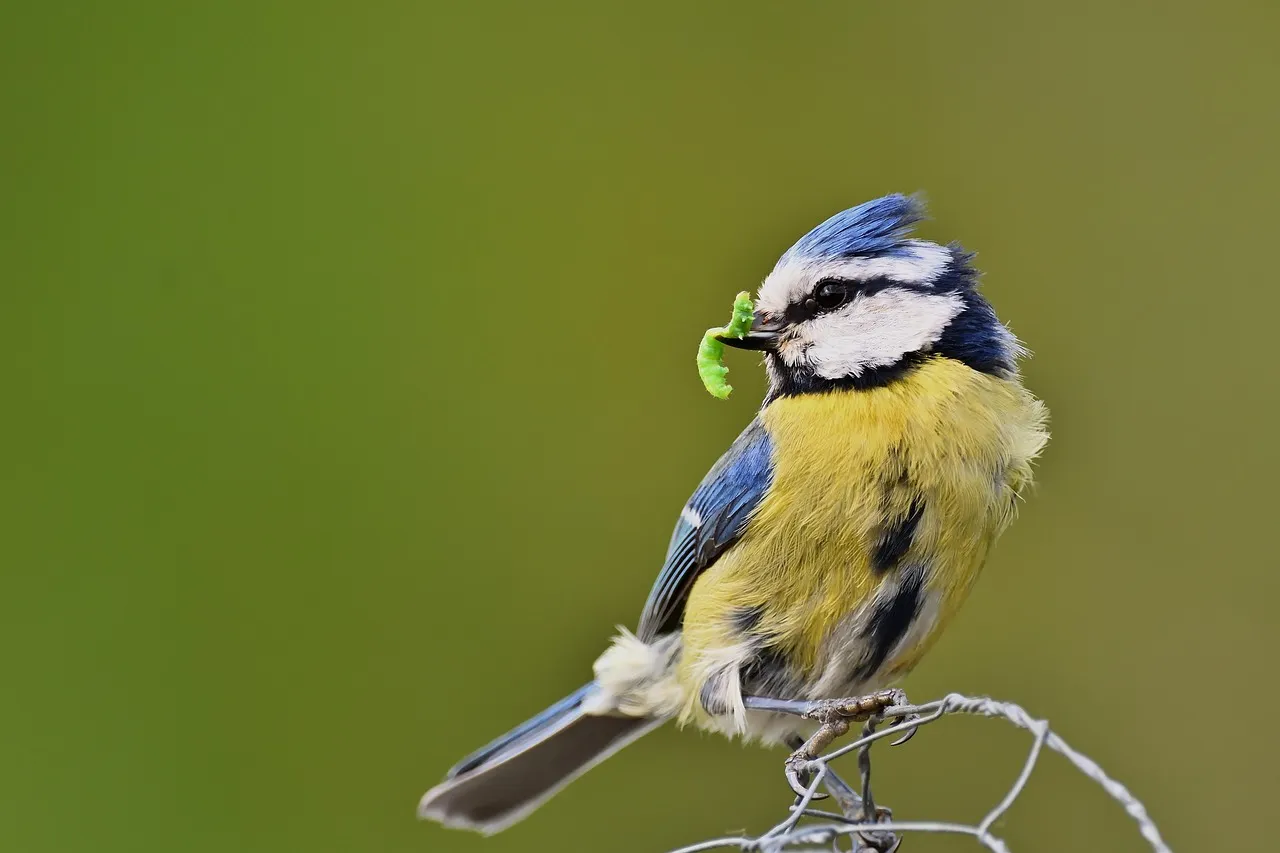
There’s a big difference between birds visiting an empty yard and birds foraging while you’re doing noisy, clumsy human things. When a bird pecks for insects right beside your shovel, lawn chair, or watering can, it’s making a bet: your activity equals opportunity, not danger.
Garden work often exposes worms and bugs, and smart birds quickly link human movement with free food. The bird might even track your progress, following the patch you’ve just disturbed. A fearful animal would wait for you to leave, then move in; a habituated one skips the waiting and cashes in while you’re still standing right there.
#11 – Hovering or Perching Near Your Hands
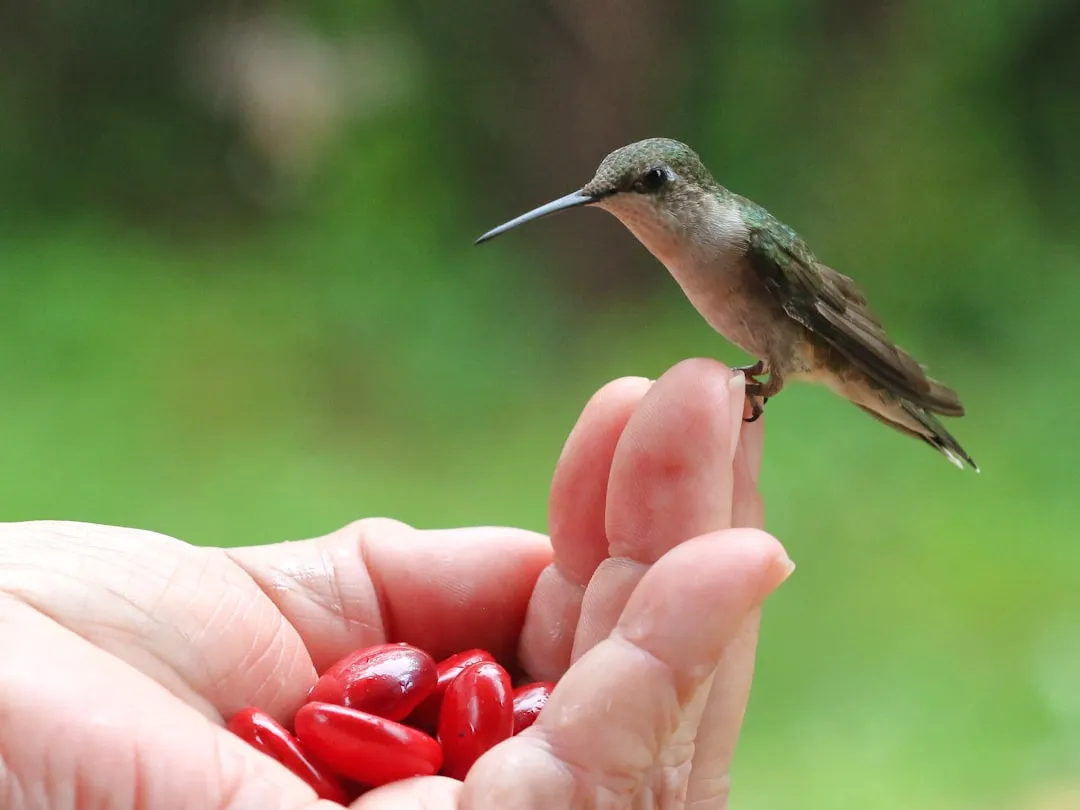
When a bird starts hovering briefly near your hands, landing on tools, or perching just inches from where you’re working, the fear barrier is basically gone. This is especially common with hummingbirds, chickadees, and wrens in gardens they know well.
You might see a hummingbird hanging in the air at eye level as you fill a feeder, or a small songbird perching on your trowel handle. That proximity is not normal “wild” distance – it’s learned comfort plus curiosity. Some people misread it as taming, but it’s really advanced habituation to you specifically.
#10 – Deliberately Choosing Low Perches Near You
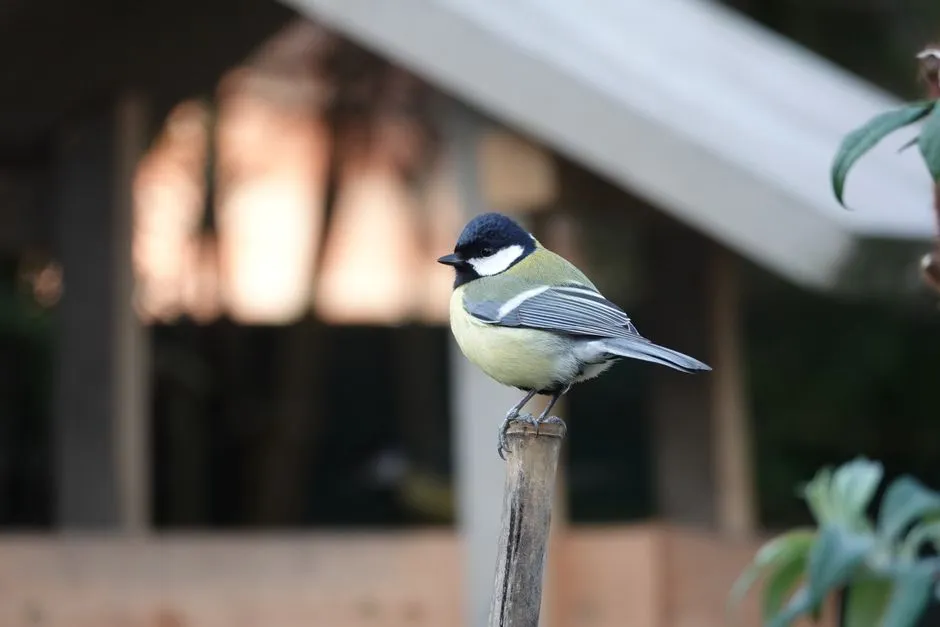
High branches equal safety. Low branches, chair backs, fence posts, and tomato cages right next to humans are a calculated risk birds usually avoid – unless you’ve been consistently harmless. When they pick those exposed spots while you’re present, they’re valuing the vantage point or convenience over fear.
Look for patterns: a bird routinely choosing the same low branch beside your favorite chair, or repeated perching on a nearby trellis while you read. A one-off could be desperation. Persistent low-perch behavior beside you screams, “This giant is predictable and safe enough.”
Quick Compare
- Fearful bird: Freezes, then bolts at sudden movement; sticks to high, hidden perches.
- Habituated bird: Barely flinches, chooses low perches near people, forages with its head down.
- Fearful bird: Waits until humans leave before feeding or bathing.
- Habituated bird: Eats, bathes, and preens while people are actively moving nearby.
#9 – Bathing in Puddles or Birdbaths While You Watch
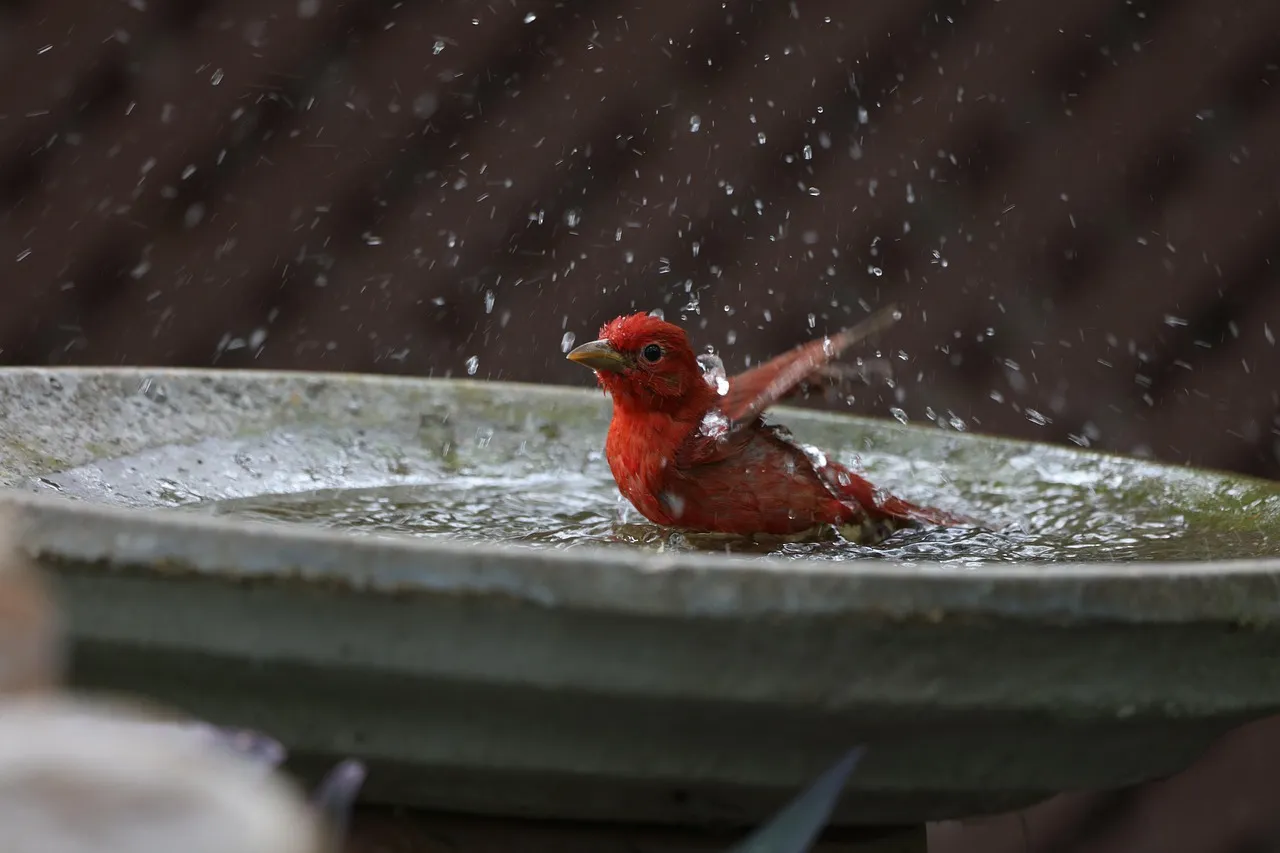
Bathing makes birds temporarily vulnerable – wings are busy, feathers are heavy with water, and escape takes a split second longer. So when a bird dives into a birdbath or hose puddle in your garden while you’re right there, it’s an unusually strong sign of trust. A frightened bird would wait until the area was empty before soaking itself.
You may see it splashing wildly just a few feet away, taking long, relaxed baths instead of fast in-and-out dips, then shaking off and staying to preen nearby rather than fleeing. Water sources are high-value spots, and birds won’t risk them if predators loom. If your presence doesn’t cancel bath time, you’re not on their predator list anymore.
#8 – Dropping Food or Shells Near You Without Fleeing
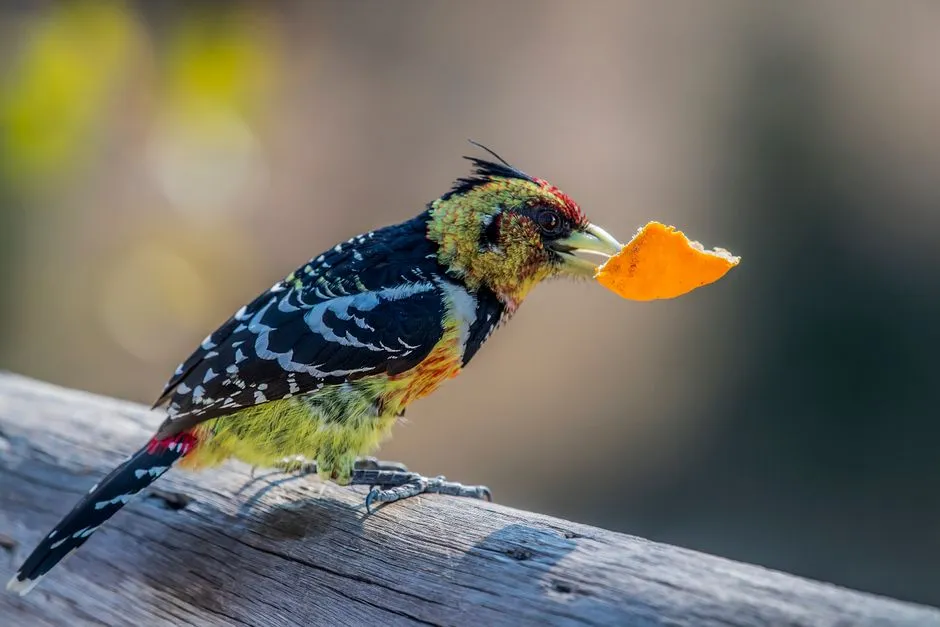
A fearful bird that fumbles food will usually grab what it can and bolt. A bird that has stopped fearing you will casually drop bits, crack shells, or even leave half-eaten items close to your feet or chair – and keep eating. Staying to finish a meal beside a large animal says everything about how it currently rates that animal.
Watch the body language: relaxed posture, no constant scanning, and a willingness to hop just a few inches away from you to retrieve fallen pieces. If it briefly startles at a sound but returns to the same spot by you seconds later, that’s the clincher. You’re not the scary part of the environment anymore; random noises are.
#7 – Nesting on Structures You Use Regularly
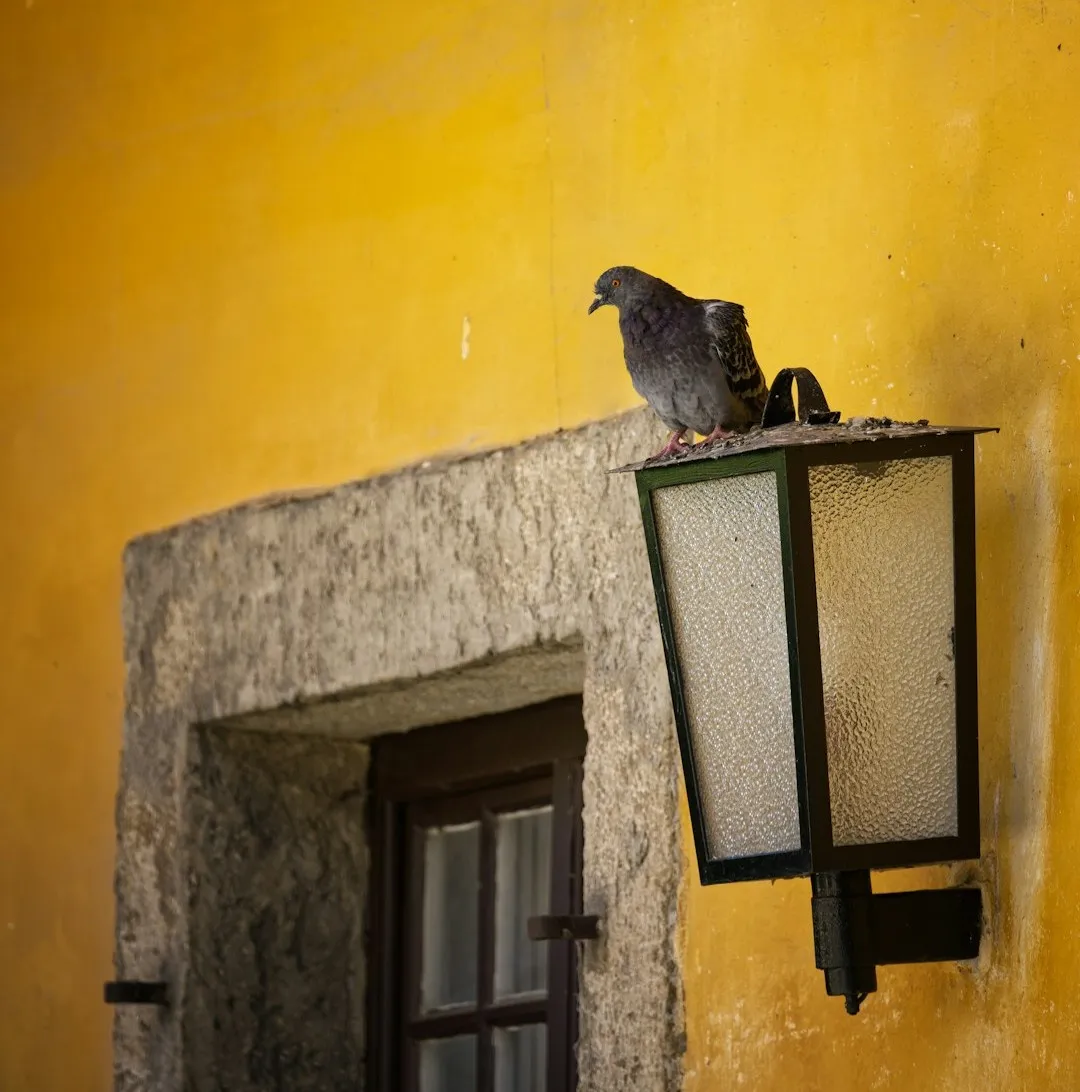
Birds don’t place nests randomly. They weigh cover, predator access, and disturbance. So when a bird chooses to nest on a porch light, gutter, hanging basket, or trellis you walk past daily, it’s betting your routine won’t turn deadly. Nesting is the highest-stakes decision a bird makes, so doing it in your traffic zone means you’ve been “studied” and passed the test.
Watch for a nest going up in a hanging plant you water often, or repeated trips with nesting material while you’re in view. Yes, parents may scold you if you get too close to eggs or chicks – that’s instinct. But if they stay put instead of abandoning the nest every time you appear, it’s because your past behavior convinced them you’re noisy, not lethal.
#6 – Sleeping or Roosting in View of You
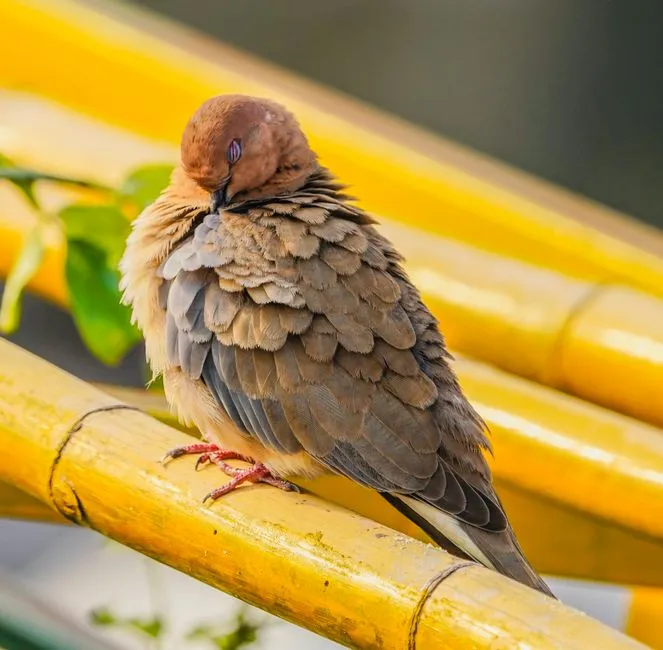
Roosting is when the lights really go out. Birds tuck their heads, fluff up, and dramatically lower their awareness. Doing that where you can easily see them, especially at dusk when predators are active, is a huge trust badge. If a bird settles in to sleep in a shrub or under an eave near your usual sitting area, it’s treating you as part of its safe nighttime environment.
Key giveaways are eyes fully closed instead of half-open “fake sleep,” a minimal startle response if you quietly shift position, and returning to the same roost spot night after night despite your presence. A truly fearful bird would pick a harder-to-reach, more hidden roost far from large mammals. Choosing the bush by your patio says a lot about what it thinks you won’t do.
#5 – Approaching You the Instant You Refill Feeders or Water
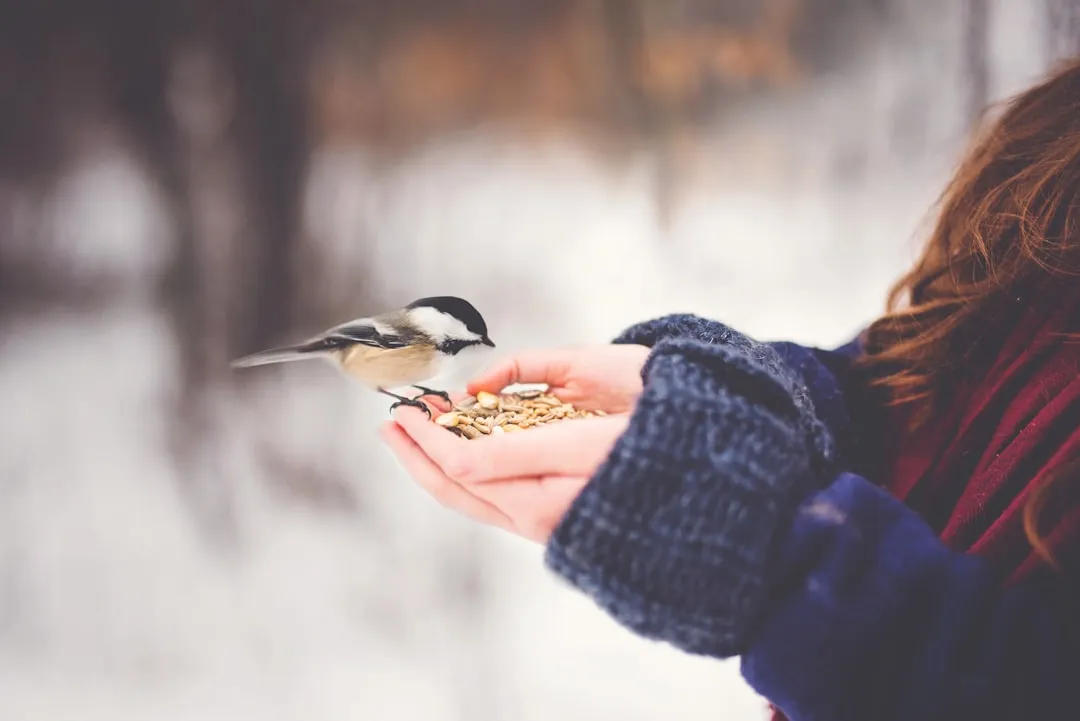
At this point, the relationship is transactional, and birds are completely fine with that. When you step outside with seed, suet, or a water jug and a bird immediately appears or moves closer, it has linked your body, your routine, and its resources. It’s no longer just tolerating you; it’s actively using you as a delivery system.
You might notice a bird waiting on a branch near the feeder as you walk up, or diving in to eat within seconds of you stepping back just a foot or two. Some people insist this means the bird “likes” them. Realistically, it means the bird finds you reliable and non-threatening – which, in wild-animal terms, is even more impressive.
Worth Knowing
- Consistency matters more than kindness alone – birds trust predictable routines, not just gentle gestures.
- Sudden changes, like moving a feeder or hosting unfamiliar guests, can temporarily reset a bird’s comfort level.
- Younger birds often habituate faster than older, more cautious adults with longer memories of danger.
- Loud pets or unpredictable kids can slow trust-building even when the humans involved are calm and consistent.
#4 – Showing Curiosity Instead of Startle at New Objects You Handle
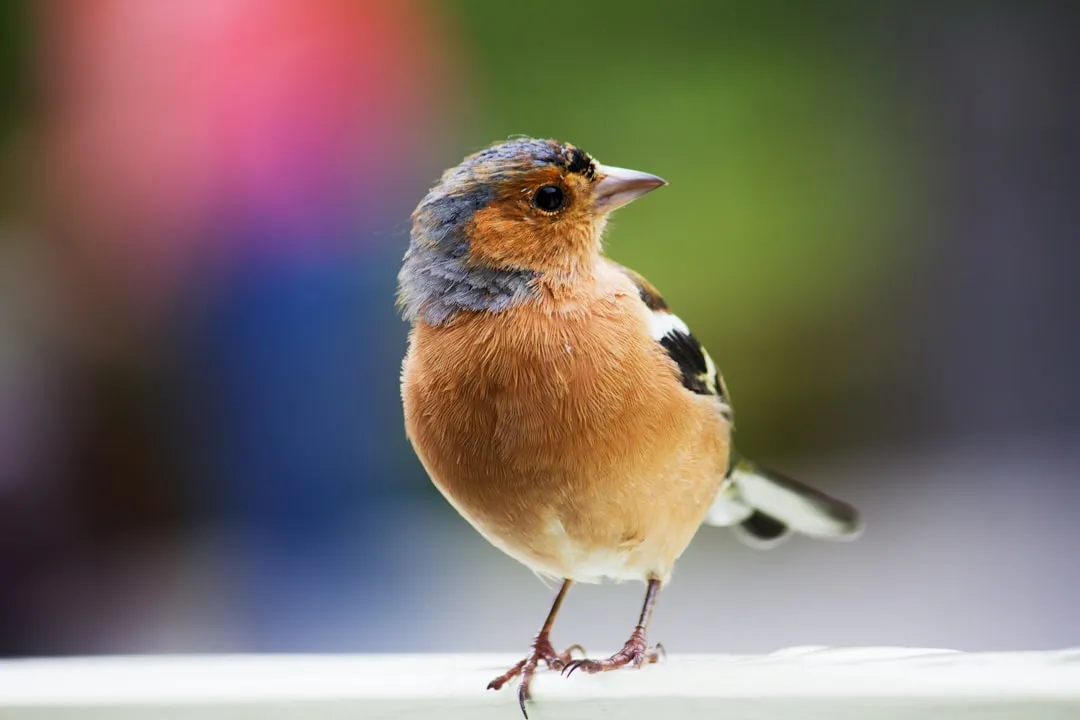
Fearful birds treat any new object in your hand – a rake, camera, hose, or even a phone – as an extra reason to flee. Birds that have stopped fearing you will often inspect those objects from a surprisingly close distance instead. They’re separating “the human I know” from “random new things,” and trusting the combination isn’t automatically dangerous.
You might catch a bird tilting its head and edging closer as you water plants with a hose, or a hummingbird buzzing near a brightly colored hat while you wear it. They may keep a slight buffer, but the direction of movement – toward, not away – is what matters. That shift from startle to curiosity is a hallmark of a nervous system that no longer files you under “immediate threat.”
#3 – Allowing Kids or Pets Nearby Without Fleeing Completely
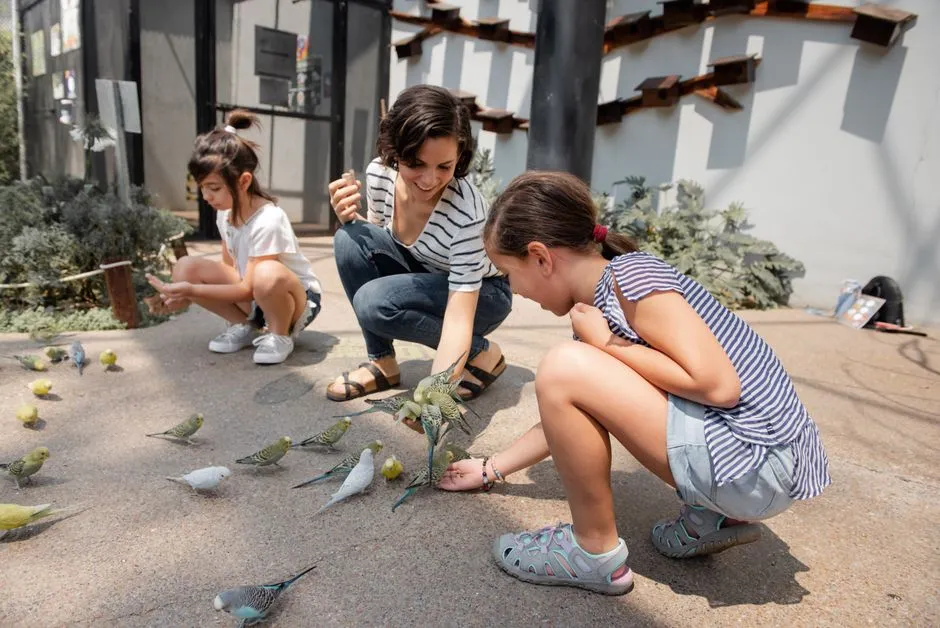
This is the line many birds never cross, so when they do, you know fear levels have seriously dropped. Children and dogs move unpredictably, make noise, and generally act like chaos machines. If a bird in your garden stays put – or only hops higher – when the kids run past or the dog trots through, it has normalized your entire household.
Look for birds staying on a feeder when a calm dog walks by on a leash, or mild hopping away rather than full flight when kids burst onto the patio. To be clear, this doesn’t mean birds “like” your dog. It means your consistent lack of harm has overridden their instinct to vacate the area entirely, and many backyard birders never see this level of tolerance.
#2 – Letting You Close Enough to Notice Individual Markings
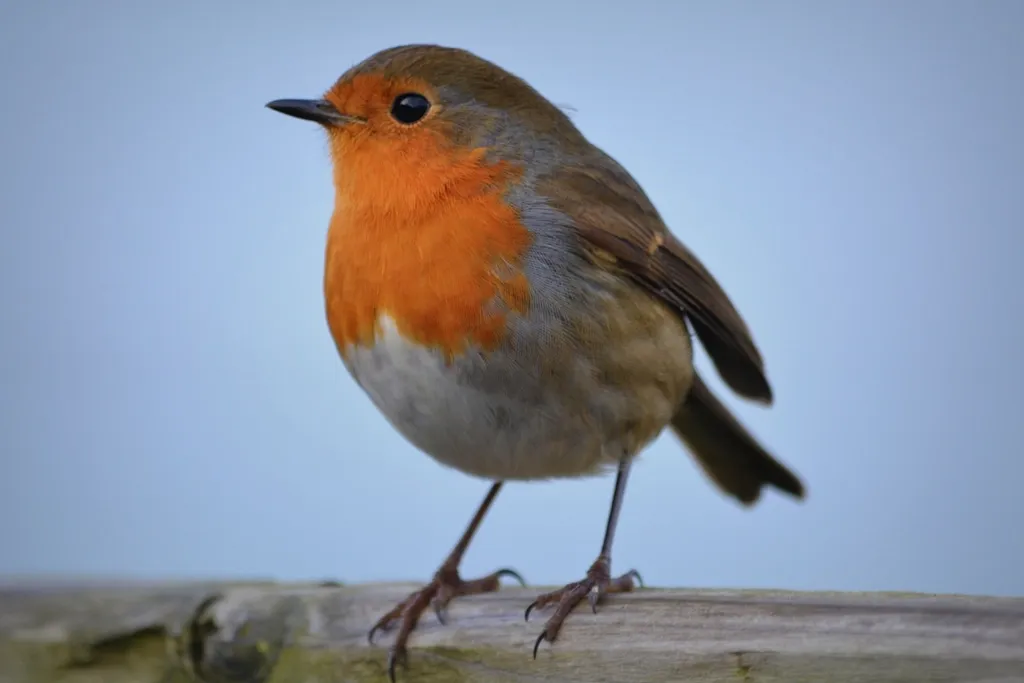
If you can reliably see tiny details – a unique feather pattern, a slight limp, a small scar – without the bird fleeing, that’s not an accident. The bird has calibrated a personal “bubble” for you that’s dramatically smaller than its bubble for strangers. You’re close enough to identify it as an individual because, in a sense, it already did that with you first.
Typical signs include reading a band or seeing clear color nuances from just a few feet away, or the bird letting you slowly edge closer before it finally moves, only after you cross a small, clear boundary. Scientists call this individual recognition. In practice, it looks a lot like mutual familiarity: you know “your” robin, and your robin definitely knows you.
#1 – Hand-Feeding or Landing Directly on You
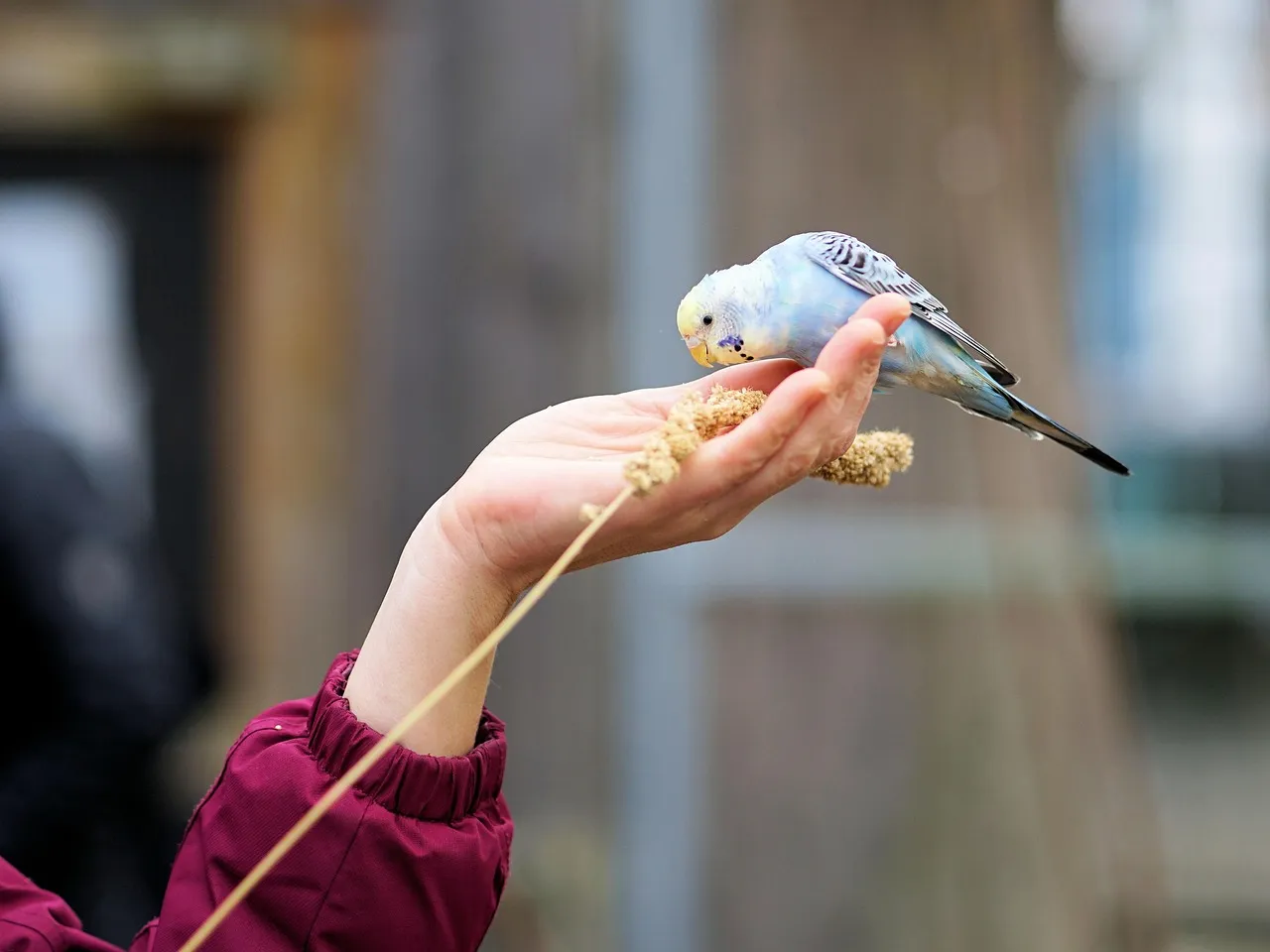
This is the point where the wild-animal alarm bells are almost fully dialed down. When a bird takes food from your hand, lands on your shoulder, or perches on your outstretched fingers, it has effectively erased you from its predator map and replaced you with “mobile resource.” In the wild, approaching a large animal that closely is an extreme behavior reserved for situations where the risk feels almost zero.
You’ll usually get here gradually – weeks or months of close feeding at a table, then from a nearby post, then finally from your hand. Some people romanticize this as friendship. Real talk: it’s learned trust based on your track record, and it’s the clearest sign that, in your garden, fear has been fully replaced by familiarity.
Birds do not sing because they are happy; they sing because they are birds. But which humans they sing near, feed beside, and nest above – that they choose deliberately.
Common ornithological observation on habituation
The Bottom Line
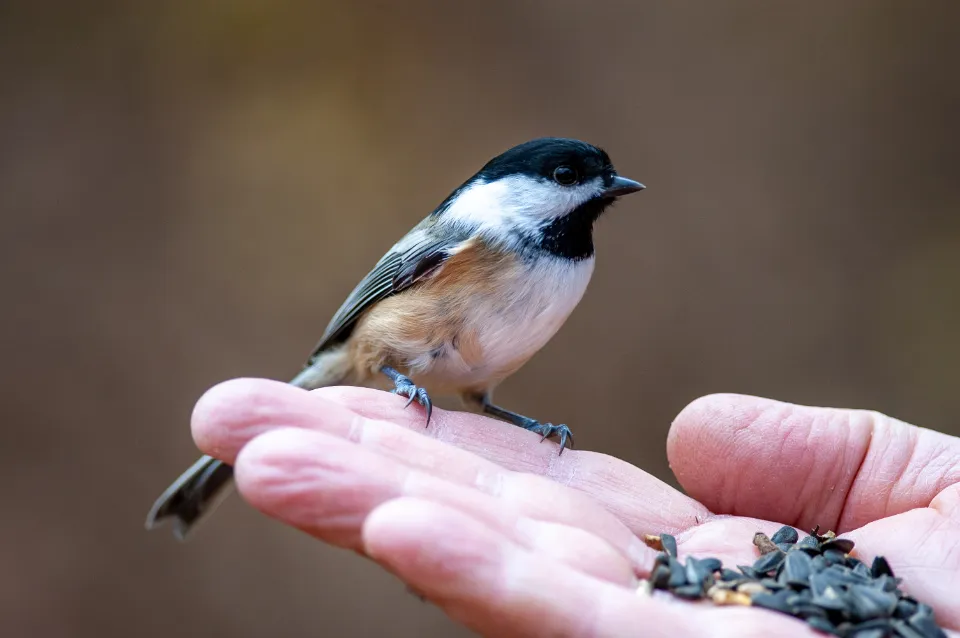
Once you start watching closely, it’s almost unsettling how fast birds can move from “nervous wild creature” to “neighbor who raids your salad bed while you’re standing there.” The common thread in all 18 behaviors isn’t magic or Disney energy – it’s repetition, predictability, and the plain fact that you haven’t hurt them, chased them, or turned their space into chaos.
At a Glance
- Early trust: Landing closer, ignoring small movements, calm preening nearby.
- Growing trust: Feeding beside you, choosing low perches, bathing while watched.
- Deep trust: Nesting near your routine, roosting in view, rushing over at feeder refills.
- Full trust: Curiosity over startle, tolerating kids and pets, hand-feeding or landing on you.
Over time, their brains quietly update you from “potential predator” to “large, predictable background object with food benefits.” Some people love that shift. Others argue we’re making wildlife too comfortable around humans, and honestly, that concern isn’t crazy – a bird that trusts every backyard equally trusts the wrong ones eventually.
Still, if a bird is preening, bathing, singing, and raising young right under your nose, one thing is certain: in your little patch of the world, you’ve stopped being the scary part. That’s not something most people ever earn from a wild animal, and it’s worth noticing while it lasts.