
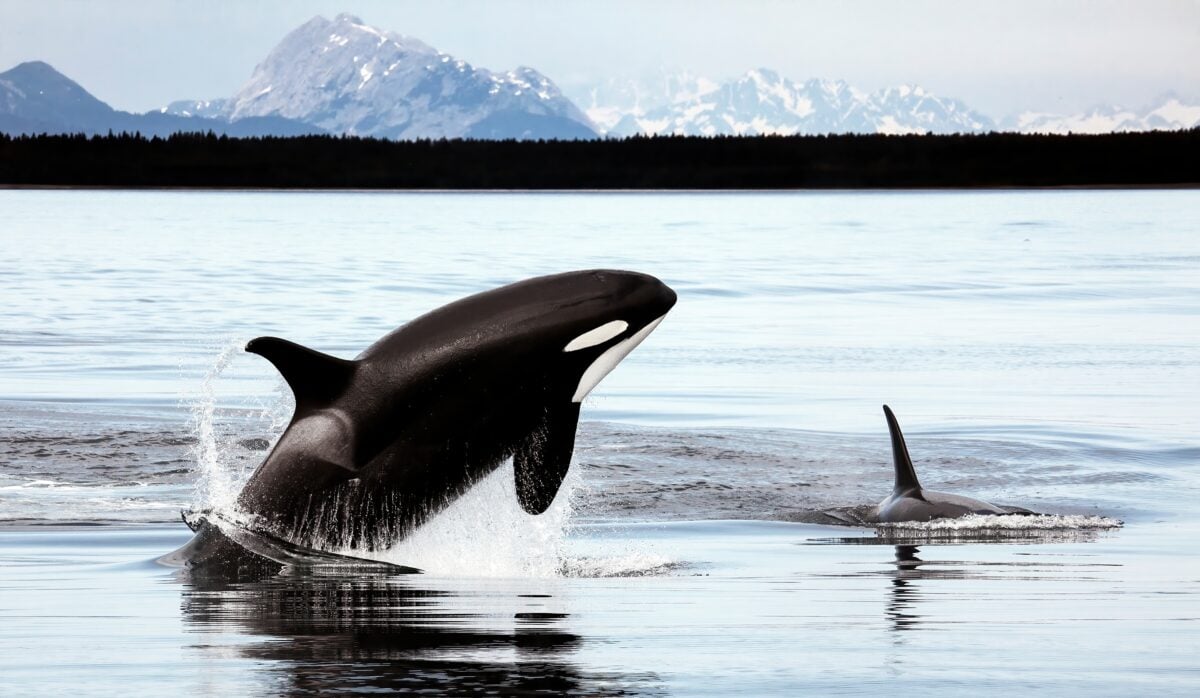
There’s a particular image that keeps showing up in orca research, an elderly female leading her family through open water toward a feeding ground that only she remembers from decades earlier. It sounds almost like folklore, the kind of story passed around a campfire rather than a peer reviewed journal. Yet scientists who spend their careers following these animals keep arriving at the same conclusion, and it has quietly reshaped how we think about intelligence, family, and what culture actually requires.
#1 Orca families are built around mothers, not mates
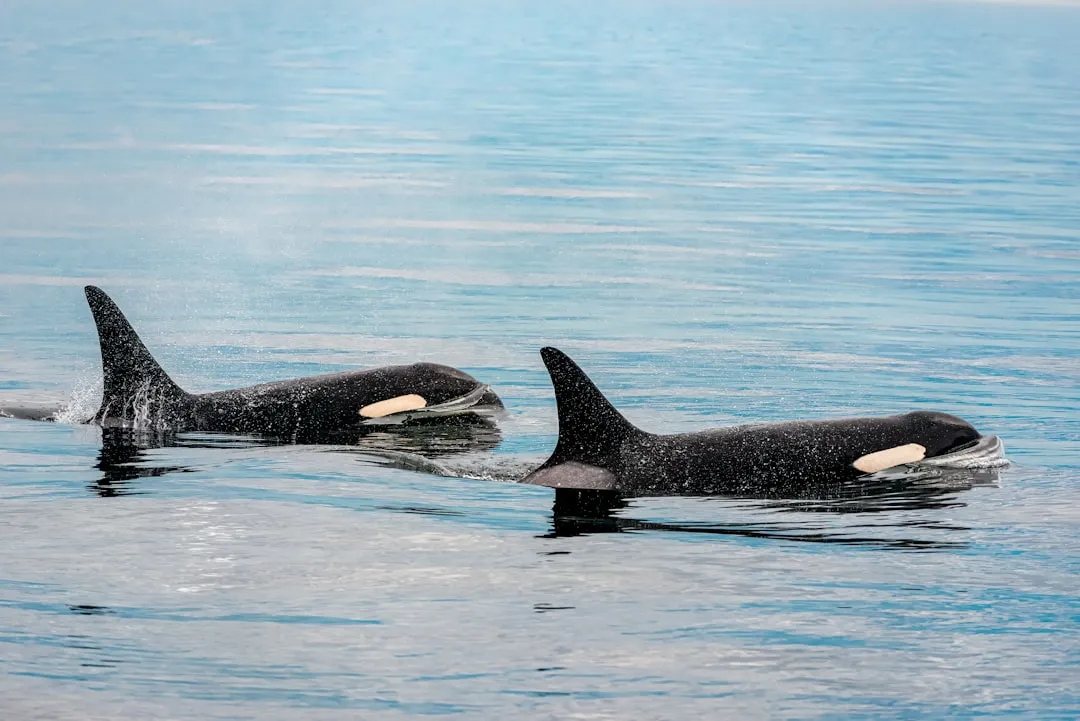
Killer whales organize their lives around something biologists call a matriline. Orcas have a matrilineal family structure, which consists of a female, her offspring, and her daughters’ offspring. That’s a fairly unusual setup in the mammal world, where offspring typically strike out on their own once they’re grown.
In orca society, that separation rarely happens. Most orcas, particularly in resident populations, stay with their birth family for their entire lives, maintaining familial connections across a whole lifespan that can exceed 80 years. That permanence turns out to matter a great deal, because it creates the exact conditions needed for knowledge to accumulate rather than scatter.
#2 Grandmothers are the keepers of the family playbook
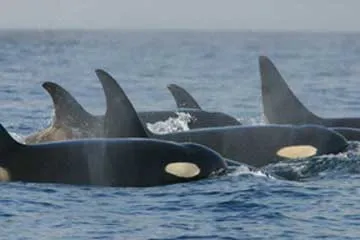
Female orcas do something almost no other animal does: they stop reproducing decades before they die. Female orcas stop reproducing in their 30s or 40s but can live up to 100 years, and living long after reproduction ceases is very unusual, with only three species, humans, pilot whales, and orcas, living for any significant length of time after their eggs run out. That long stretch of post-reproductive life isn’t wasted time.
Researchers describe these older females as walking archives. Grandmother orcas serve as living libraries of ecological knowledge for their pods, having lived through decades of changing ocean conditions, they remember productive feeding grounds, migration routes, and hunting techniques that younger whales haven’t experienced. When conditions get tough, that memory bank stops being sentimental and starts being survival equipment.
#3 Losing a matriarch has real, measurable consequences
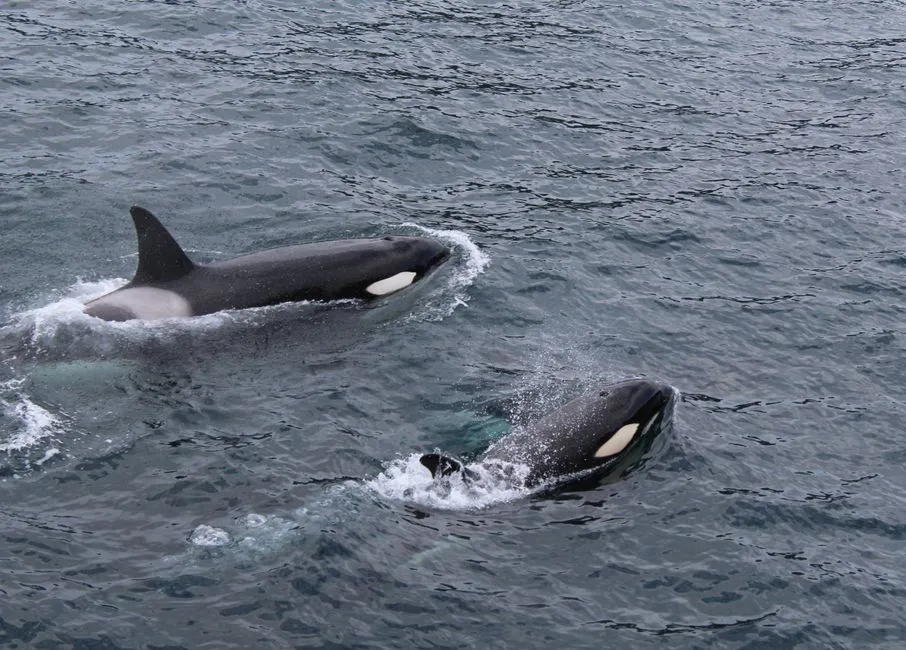
This isn’t just a poetic way of describing orca family life. The importance of orca grandmothers is highlighted by the negative consequences observed when they are absent, with studies showing that the death of a grandmother can have a significant impact on the survival of her grandchildren, particularly male calves, who are more likely to die in the years following her death. That’s a striking finding, because it means the knowledge itself, not just the animal carrying it, has survival value.
Scientists have also looked at what happens during lean years specifically. A study published in Current Biology found that pods led by older females were more successful at locating salmon during years when these fish were scarce, with grandmother orcas leading their families to historically productive hunting areas that younger whales had no knowledge of. In other words, experience beats instinct when the usual food sources dry up.
#4 Hunting techniques vary wildly from one family to the next
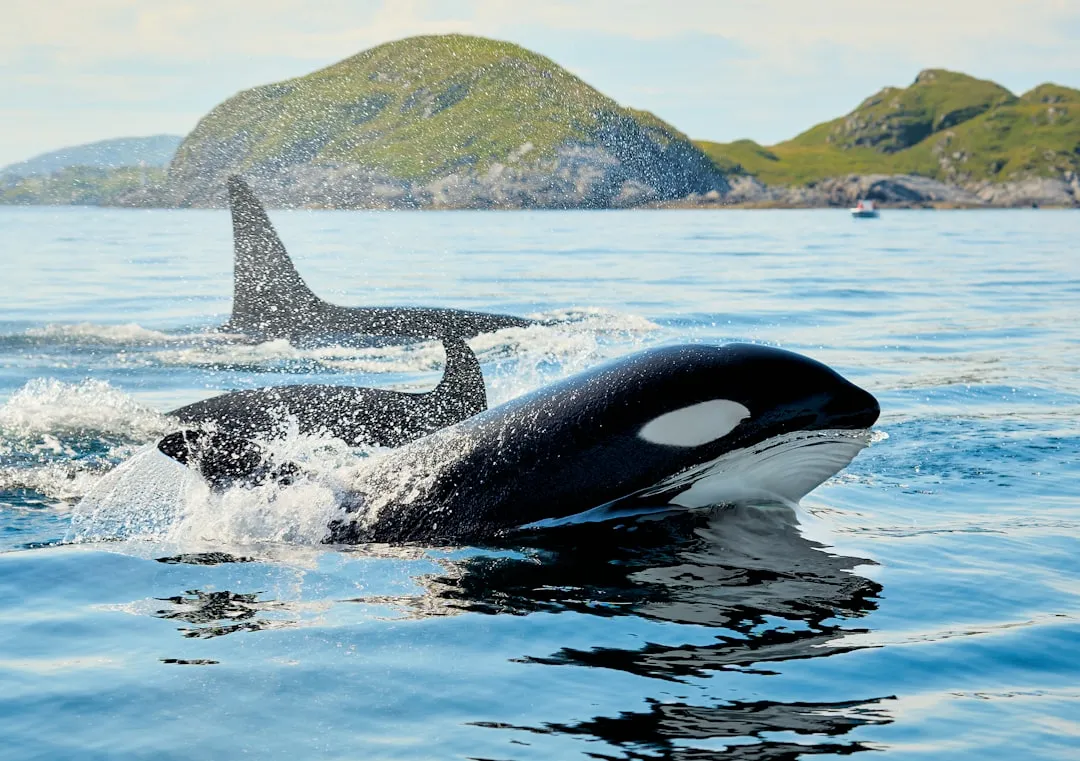
Perhaps the clearest evidence of orca culture is that killer whales in different parts of the world hunt in completely different ways, despite being the same species. Orca populations are divided into distinct groups known as ecotypes, characterized by specific diets, behaviors, and hunting strategies, with resident orcas in the North Pacific primarily consuming fish like Chinook salmon while transient orcas specialize in hunting marine mammals, and these ecotypes rarely interbreed and have developed unique, culturally transmitted hunting methods tailored to their specific prey. These aren’t genetic differences either. They’re learned habits, refined and repeated across generations within a single family line.
#5 The specific techniques read like family recipes
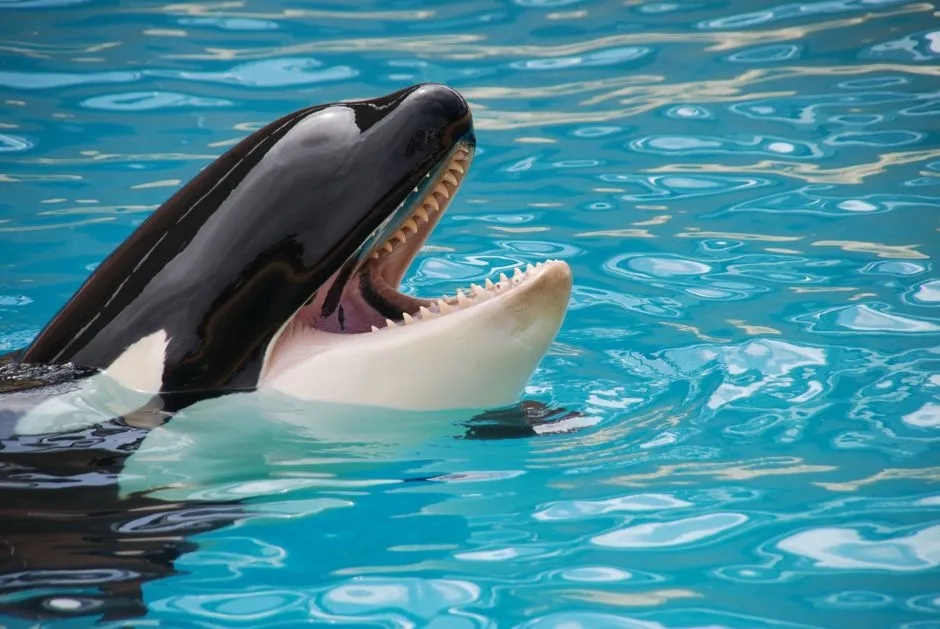
Some of the documented hunting methods sound almost too elaborate to be instinctive. Certain Norwegian orca pods have perfected a technique called “carousel feeding,” where they herd herring into tight balls before slapping them with their tails to stun them. Meanwhile, on the other side of the planet, a completely different skill set has developed.
In the waters surrounding New Zealand, some orca groups specialize in hunting rays, carefully flipping them over to induce tonic immobility before precisely removing the most nutritious parts while avoiding the venomous barbs. Antarctic pods have their own signature move entirely. Antarctic orcas have developed sophisticated wave-washing techniques to knock seals off ice floes, a coordinated group behavior that researchers say is taught rather than instinctive. These hunting methods aren’t instinctual, they’re learned behaviors passed down through family lines like treasured recipes.
#6 Teaching looks surprisingly deliberate
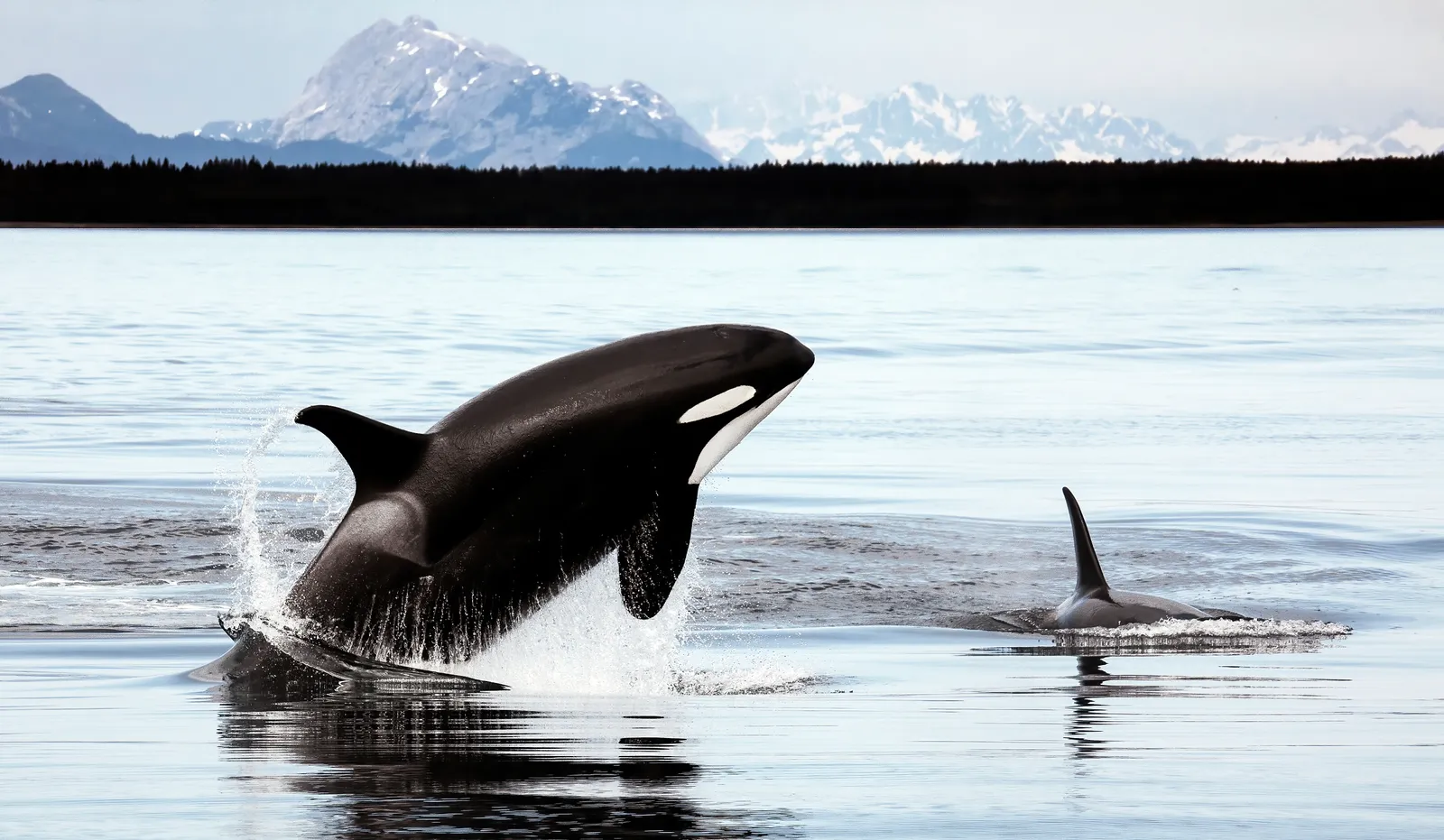
This isn’t a case of young orcas simply picking things up by accident. Researchers have watched something that looks a lot like actual instruction. Researchers have observed mothers deliberately slowing down their hunting efforts or repeating actions when calves are present, suggesting intentional teaching. That kind of patience, adjusting your own behavior specifically so a younger animal can follow along, is not something scientists expected to find outside of primates.
The learning process also takes a long time, which itself says something about the complexity involved. This extended learning period, which may last up to a decade, allows calves to master complex hunting strategies through imitation, repetition, and social reinforcement. A skill that takes ten years to master isn’t a simple reflex. It’s closer to an apprenticeship.
#7 The family extends well beyond mom, and that matters for conservation
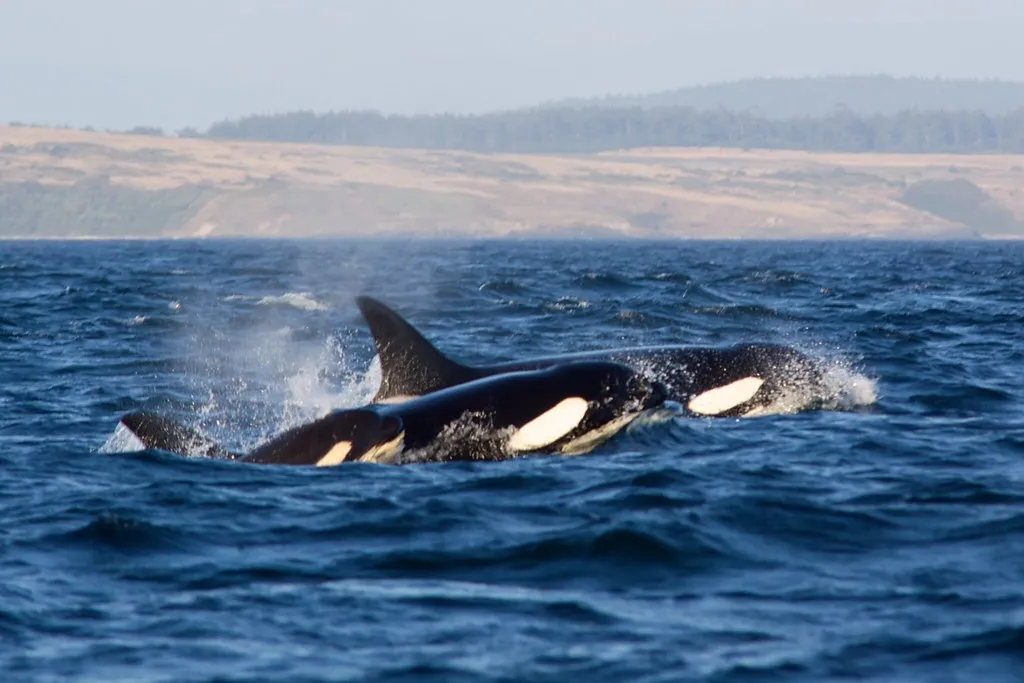
Teaching duties in orca society don’t fall on mothers alone. Orca families extend far beyond the nuclear unit, with aunts, uncles, and cousins all playing crucial roles in cultural transmission, and adult siblings often remain with their maternal family for life, creating multi-generational support networks that rival human extended families, serving as additional teachers, babysitters, and cultural preservers. That web of relationships is part of what makes orca pods so resilient, and also part of what makes them so vulnerable when disrupted.
Conservationists have started to take this seriously in a way that goes beyond simple population counts. Traditional conservation approaches often focus primarily on genetic diversity and population numbers, but for culturally rich species like orcas this approach is insufficient, because when a knowledgeable matriarch dies, her pod loses not just a member but potentially decades of accumulated ecological knowledge about feeding grounds, migration routes, and specialized hunting techniques. Protecting orcas, in other words, means protecting their libraries, not just their numbers.
Final thoughts
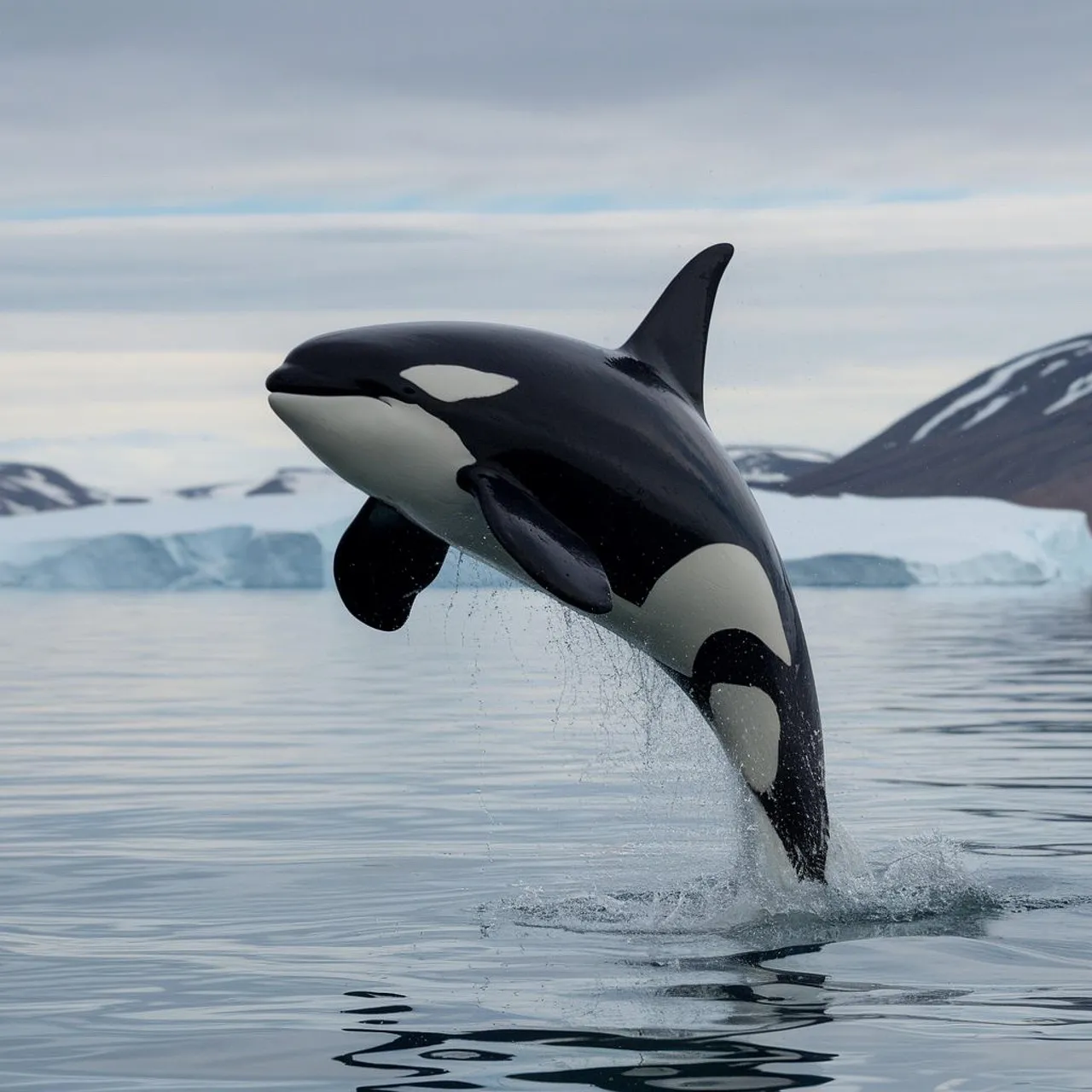
What strikes me most about this research isn’t that orcas are smart, we’ve known that for a while. It’s that intelligence alone doesn’t explain what’s happening in these pods. What explains it is patience, memory, and a social structure that refuses to let old knowledge disappear just because an individual stops being able to reproduce.
That’s worth sitting with for a moment. We tend to measure animal success by numbers, how many individuals, how much habitat, how stable the population trend looks on a graph. Orcas make a decent case that something less countable, the accumulated wisdom held inside a handful of aging females, might matter just as much. Lose enough of those grandmothers fast enough, and you’re not just losing whales. You’re losing generations of accumulated know-how that no amount of breeding can replace overnight.

- Animal Science Says Orcas Pass Hunting Traditions Down Through Families Like Cultural Knowledge - August 21, 2026
- Is Your Ageing Horse Still Genuinely Comfortable? 18 Signs Worth Checking Before Winter - August 21, 2026
- What Hummingbirds Do in the Days Before They Leave 18 Behaviours Gardeners Always Miss - August 21, 2026