
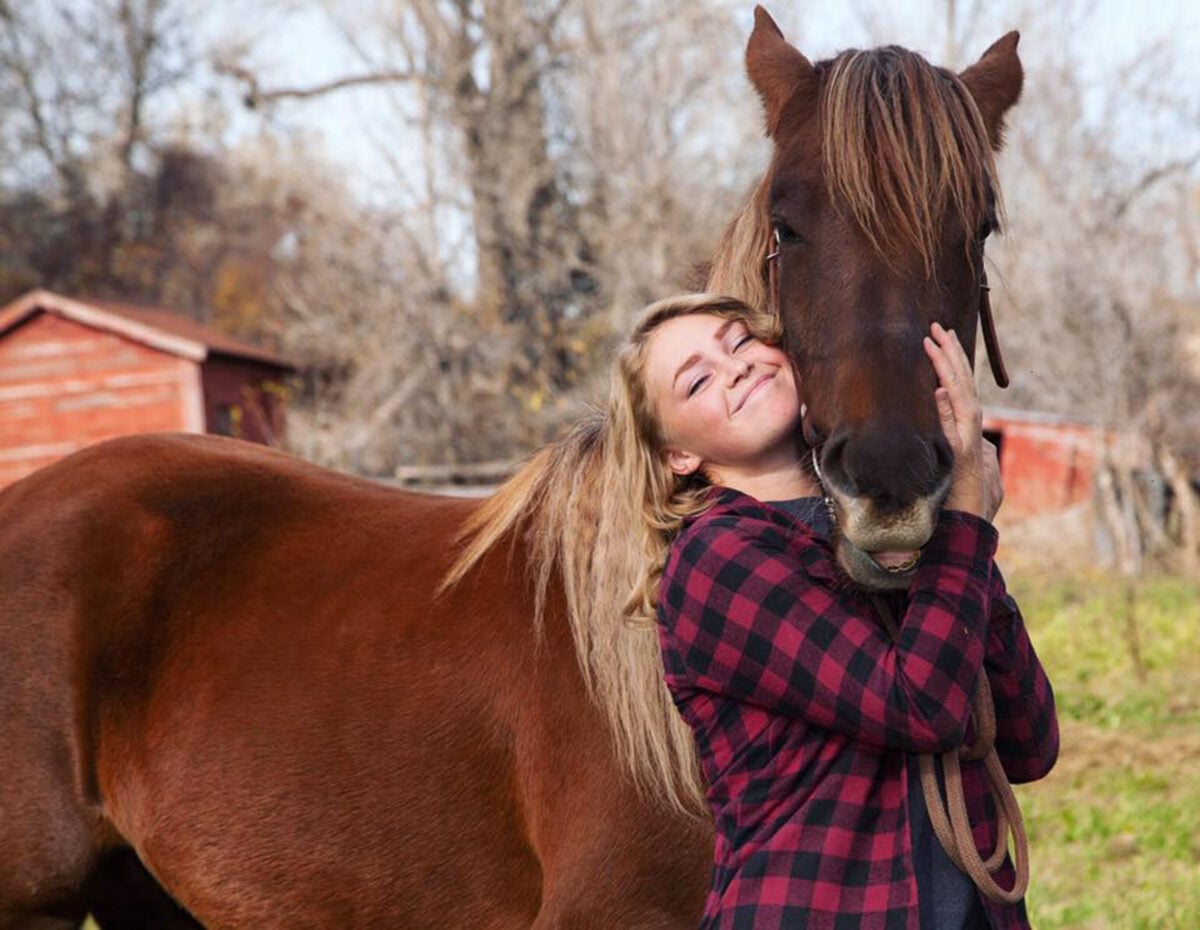
Most owners assume that if their old horse is still eating hay and pottering around the field, he must be “fine.” Ageing horses are actually masters at hiding pain – right up until winter turns up the volume on every stiff joint, worn tooth, and quietly vanishing pound. What looks like harmless personality is often ignored suffering wearing a disguise.
Before the frost really sets in, it’s worth asking the question most owners avoid: is your golden oldie truly comfortable, or just getting very good at coping? Vets and lifelong horse people watch for eighteen very specific clues – and some of them have nothing to do with limping at all.
#1 – Subtle Weight Loss That Appears “Out Of Nowhere”
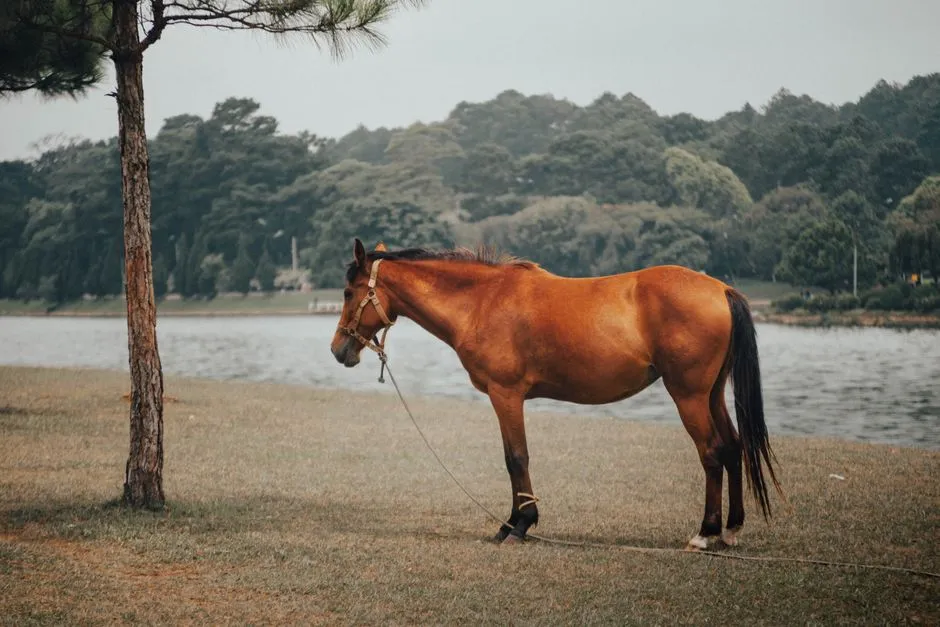
A horse can look perfectly fine under a glossy summer coat, then suddenly seem bony the moment the winter fuzz grows in. That’s not “just age.” Most senior horses start losing topline and rib cover months before anyone notices – shorter days, colder nights and poorer grass just make it obvious all at once.
If your gelding’s withers and spine feel sharper, or his rug hangs looser across the hips, that’s a comfort warning, not a cosmetic one. Owners love to say “he’s always been a hard keeper,” but metabolism, dental wear and low-grade pain all quietly ramp up calorie needs in older horses. If you’re seeing slow, steady loss instead of the usual autumn fluff-up, it’s time for a body condition score, a weigh tape, and an honest conversation about feed and teeth.
Fast Facts
- Vets typically score body condition on a 1-9 Henneke scale, with 4-6 considered ideal for most seniors.
- Horses are generally classed as “senior” from around age 15, when calorie and dental needs start shifting.
- Cold weather alone can raise a horse’s calorie needs, since digesting forage helps generate body heat.
- A rug hiding weight loss is one of the most common reasons condition changes go unnoticed until spring.
Weight isn’t the only thing quietly slipping – what’s happening inside his mouth might be worse.
#2 – Changes In Chewing, Dropping Feed Or Slow Eating
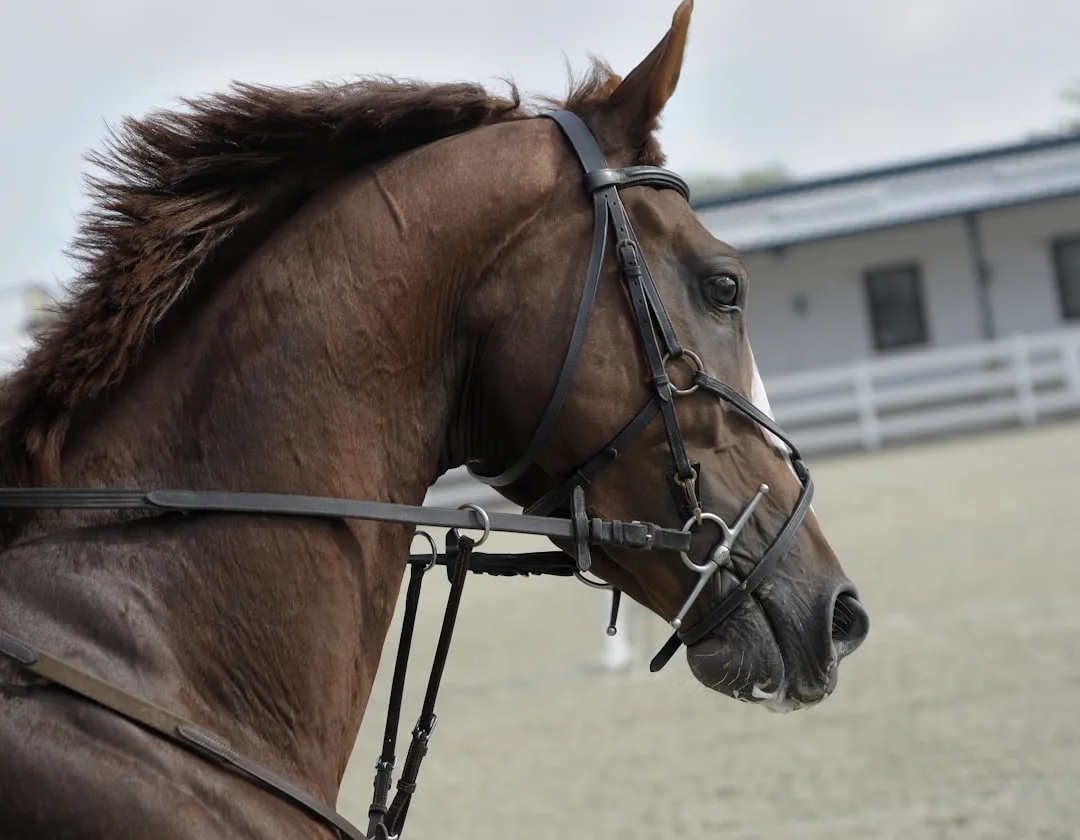
If your horse is suddenly the last one standing at an empty haynet, don’t blame “daydreaming.” Older horses commonly develop sharp points, wave mouth and loose teeth. One of the clearest signs they’re not comfortable is quidding – spitting out half-chewed wads of hay because grinding it simply hurts too much.
Watch their jaw while they eat. Does your mare chew on one side, pause constantly, or dunk hay obsessively in water before swallowing it? Soaking feed isn’t a “spoiling” tactic – for a dental-sore senior, it can be the difference between holding condition and slow starvation. Some owners insist a once-a-year float is enough; most equine dentists will tell you that’s wishful thinking for a horse in their twenties.
Chewing pain is bad enough on its own. But some seniors are already stiff before they’ve even reached the feed bucket.
#3 – Stiffness On Cold Mornings That “Warms Out Of It”
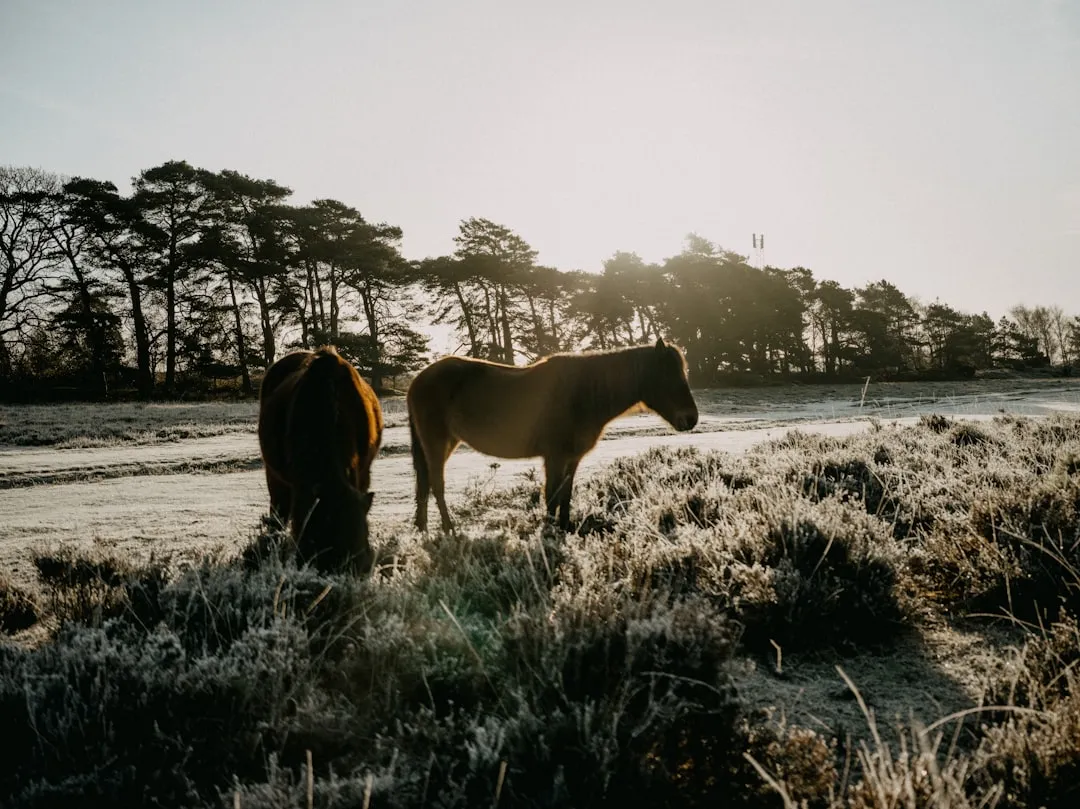
You know the line: “He’s a bit stiff at first, but he walks out of it.” That’s actually one of the most common excuses people make for low-grade arthritis pain. If your horse hobbles out of the stable on a frosty morning, they are not comfortable – even if they loosen up an hour later.
Cold weather thickens joint fluid and increases stiffness, especially through hocks, knees and fetlocks. Watch the first ten steps closely: a short stride behind, hesitation turning sharply in the yard, or a preference to stand rather than lie down in deep bedding are all signs winter is about to magnify a problem that’s already there. Some stiffness is expected with age – but “expected” doesn’t mean acceptable.
Stiffness explains a lot. But what if the “grumpy old man” act is really a cry for help?
#4 – Reluctance To Be Caught, Groomed Or Rugged
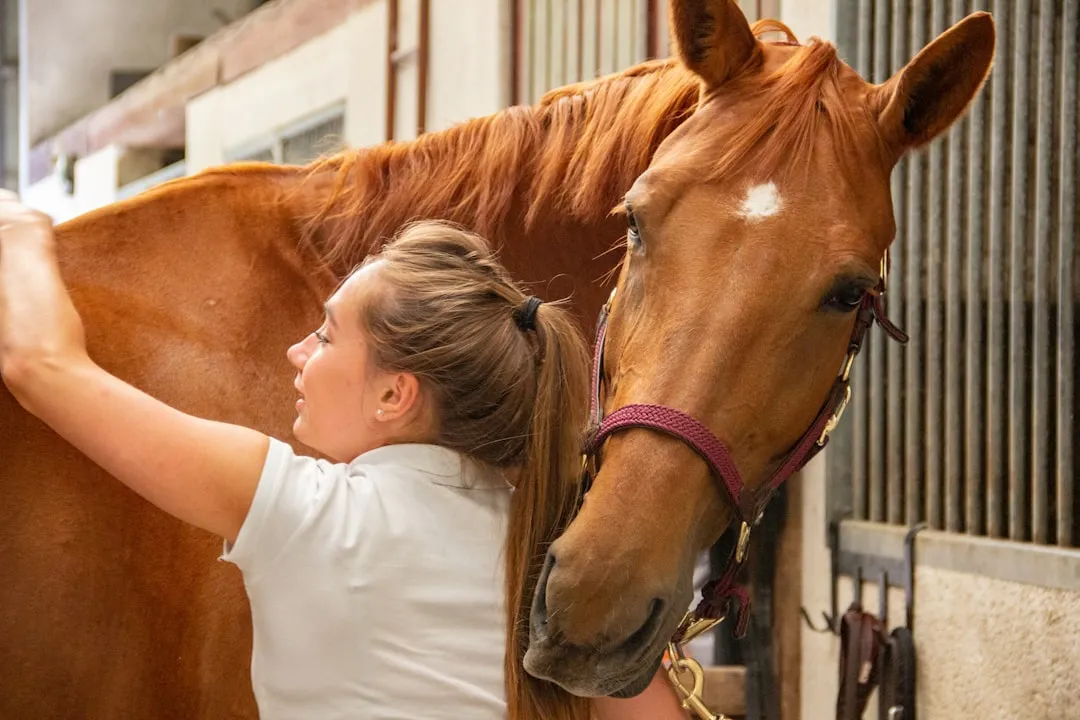
Most people frame this as “he’s gone grumpy in his old age.” Behaviour rarely changes for no reason at all. A senior horse who suddenly walks away when you approach with a headcollar, swings their quarters, or pins their ears at grooming is often telling you something hurts.
- Does he hate rugs going over his head?
- Does she flinch when you curry-comb one side only?
Stiff necks, sore backs and arthritic shoulders all make haltering and rugging genuinely uncomfortable. Winter layers can rub bony withers and sore hips raw, and rough grooming on a cold day can feel like sandpaper on tight muscles. Some horses just have strong opinions – but pain should be ruled out before you file him under “moody.”
Grumpiness might be pain talking. But watch what happens when he’s out with the herd, away from you entirely.
#5 – Changes In Herd Position Or Movement In The Field
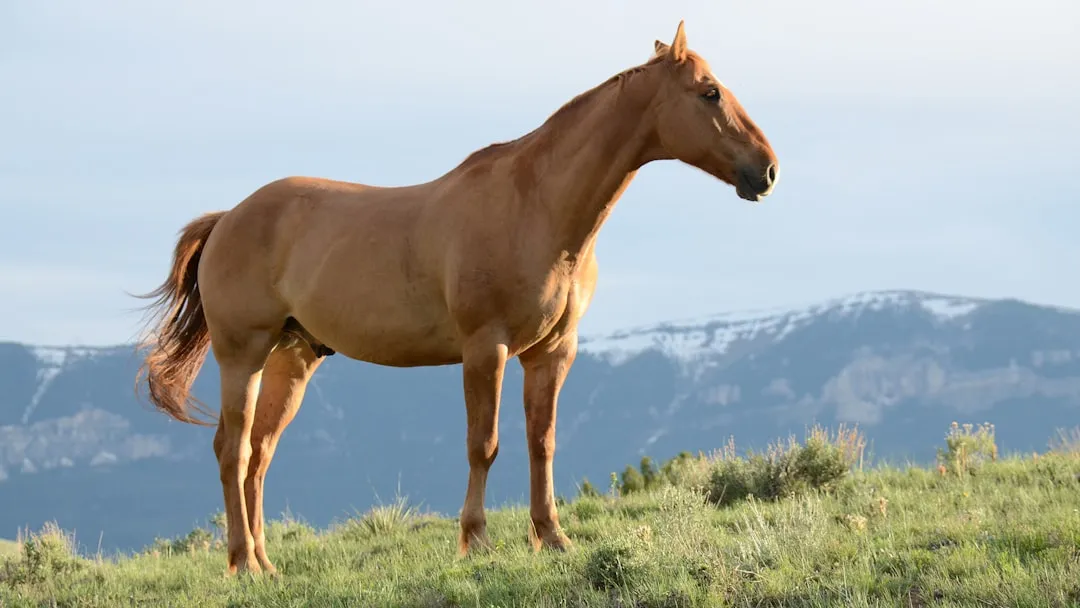
Comfortable older horses still move through their herd with quiet authority. When a once-confident horse starts drifting to the edge of the group or hanging by the gate, something’s up. A senior who stops playing, stops trotting to the hay, or is always last to the pile may be conserving sore joints or avoiding herd mates he can no longer outrun.
Watch how he moves between hay stations, and how carefully he lies down and gets up on frozen or muddy ground. If your horse hesitates crossing rutted patches, avoids hills he used to march up, or spends more time standing alone, don’t shrug it off as “old and wise.” He could be quietly miserable navigating winter footing that used to mean nothing to him.
Herd behaviour tells one story. What happens when he tries to lie down tells a much scarier one.
#6 – Difficulty Lying Down, Getting Up Or Rolling Evenly
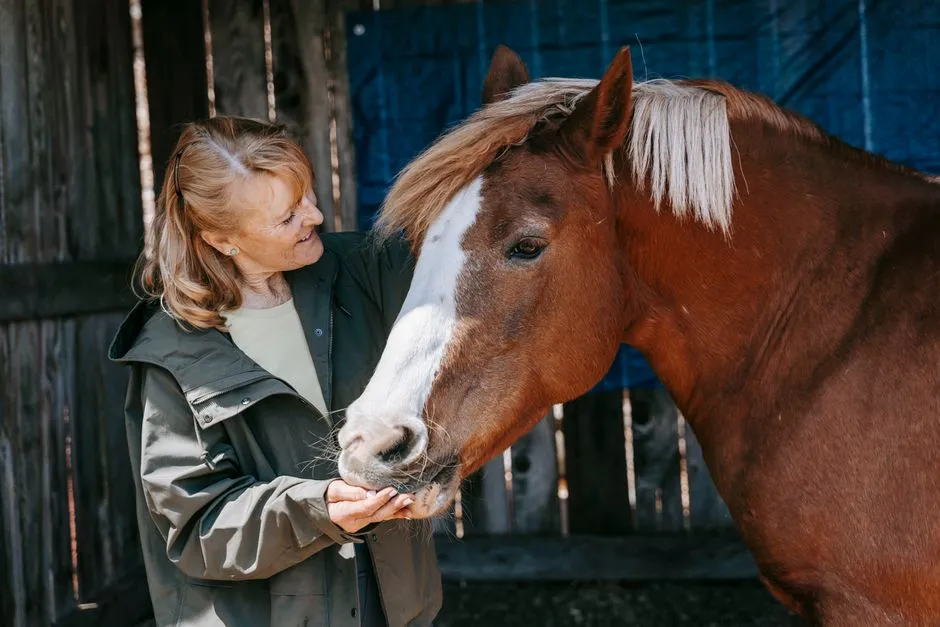
An ageing horse who no longer rolls, or only rolls to one side, is waving a giant red flag. Struggling to lie down or stand up is one of the most serious comfort issues in seniors, especially heading into wet, frozen ground.
- Hesitation before lying down, circling repeatedly, then giving up.
- Half-rolls where he never quite makes it all the way over.
- Long stretches of standing, even when he’s clearly sleepy.
People often say, “he just prefers to stand these days.” No – he might genuinely fear he can’t get back up. That’s a quality-of-life warning, particularly on thin bedding or rock-hard, rutted winter turnout. A horse who can’t safely lie down and rest is not truly comfortable, full stop.
If he can’t rest safely, that’s already a crisis. But there’s a quieter warning sign hiding in his manure pile.
#7 – Changes In Manure, Drinking Or Urination Habits
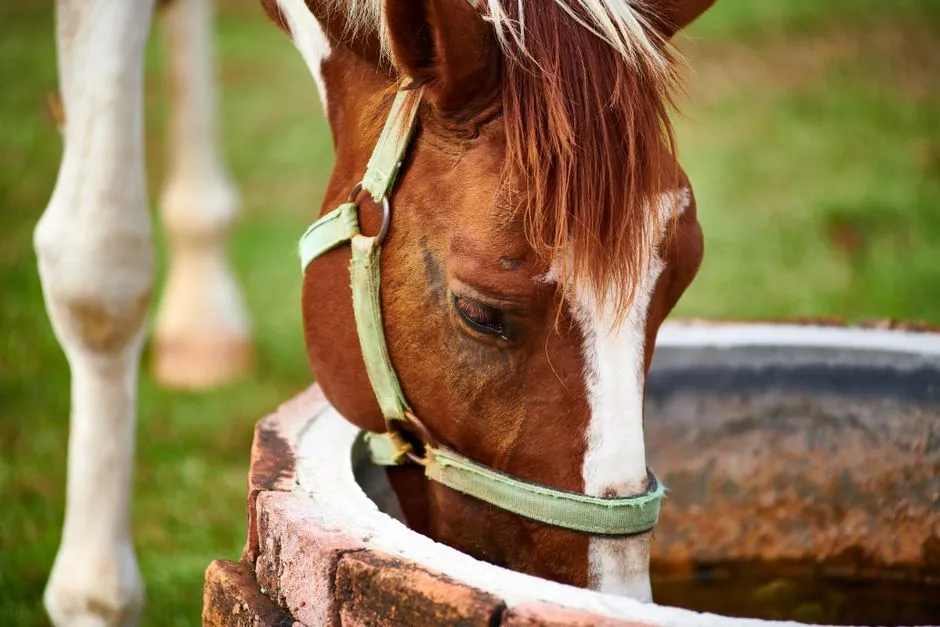
Gastrointestinal and kidney issues creep up in senior horses and get worse in winter, when water intake naturally drops. Dry, small or hard manure balls – or sudden loose stools when hay changes – can be early signs your old horse is struggling to process forage comfortably.
- Standing at the water trough but not really drinking.
- Manure that’s drier, smaller, or smeared with mucus.
- Straining to pee, or urine scald building up on hind legs.
Dehydration raises colic risk, particularly impaction colic, once the weather turns cold. These aren’t just “old-horse quirks” – they’re comfort issues that affect how he feels all day, every day. Warm water, soaked feeds and salt can be lifesavers, but only if you notice the subtle signs now, before a Christmas-morning colic call.
Gut trouble is only half the picture. His coat and hooves are quietly telling on him too.
#8 – Dull Coat, Poor Hooves Or Odd Sweating Patterns
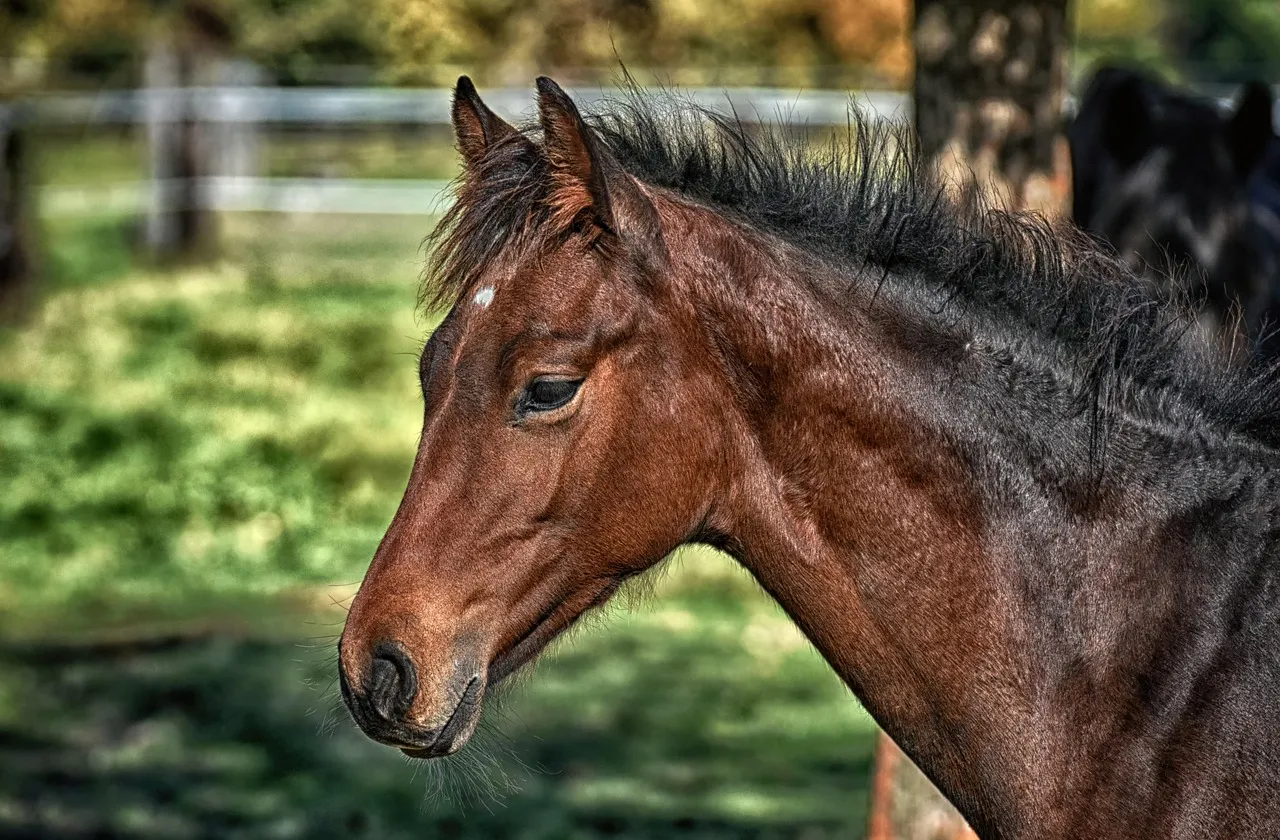
Comfort isn’t just about movement – it’s about metabolism. A dry, dull coat that won’t shed smoothly, brittle hooves chipping for no obvious reason, or weird patchy sweating can all signal that your senior’s internal systems are under real stress. Conditions like PPID (Cushing’s) often show up on the outside first.
Heading into winter, watch for a coat that grows excessively long or curly and mats under rugs, hooves that crack along the freeze-thaw cycle, or sweating on the neck and flanks from almost no effort at all. These horses often feel constantly “off” – too hot in a rug, too cold without one, easily fatigued and uncomfortable in their own skin. Many owners still dismiss it as “just ageing,” which delays treatment that could dramatically improve comfort.
Worth Knowing
- PPID (Cushing’s) becomes far more common in horses over 15, and often shows up as coat and skin changes before anything else.
- A curly, excessively long coat that’s slow to shed is one of the most classic early warning signs vets look for.
- Blood testing for PPID is quick and widely available, and starting treatment early can meaningfully improve comfort.
- Left untreated, PPID raises the risk of laminitis, muscle wasting and repeated infections.
A dull coat is one thing. A spooked, anxious veteran under saddle is something else entirely.
#9 – Increased Spookiness, Anxiety Or “Napping” Under Saddle
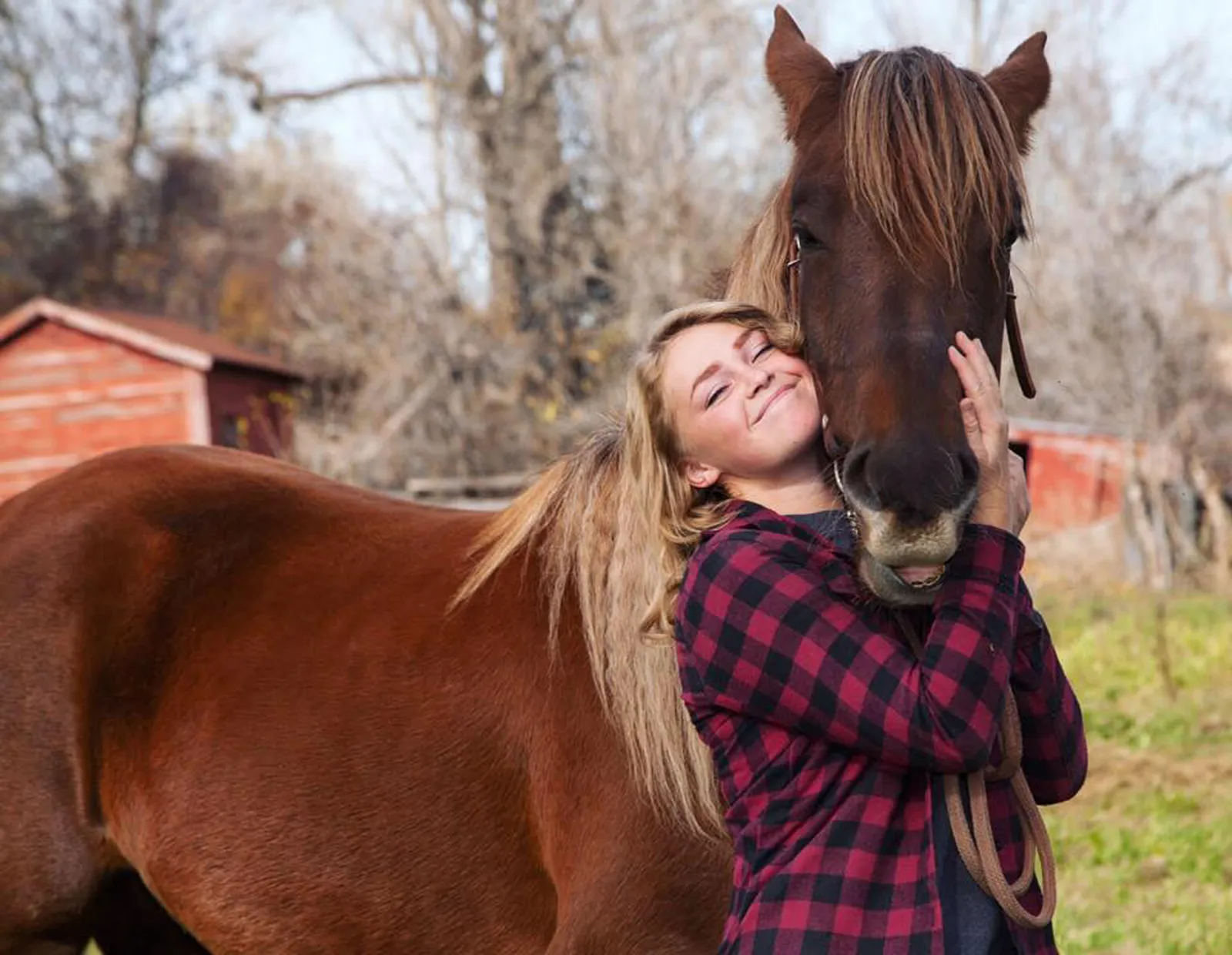
People love to say old horses are bombproof. Many are – until pain quietly creeps in. A previously steady veteran who suddenly starts spooking, planting, whipping around or refusing to leave the yard is often not being naughty; he’s trying to avoid discomfort.
Cold weather tightens backs, old saddles stop fitting bony toplines, and arthritic hocks make downhill work or deep arenas miserable. Notice if he naps at the same gate every time, pins his ears or swishes his tail when asked to canter, or resists going forward in cold, windy weather. Punishing what’s really a pain response is a fast way to destroy the trust you spent twenty years building.
The horse is a mirror. He never lies, and he never flatters.
Old horsemanship saying
Behaviour under saddle is one clue. Watch what he does the moment the farrier picks up his foot.
#10 – Reluctance To Pick Up Feet Or Stand For The Farrier
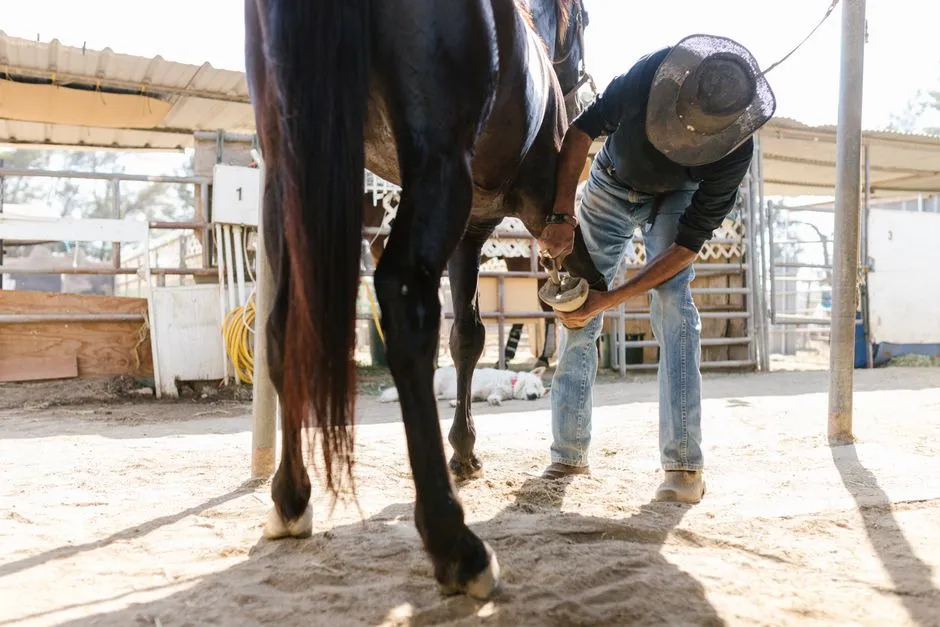
If your old horse used to be a farrier’s favourite and now snatches back a hind leg, something has changed. Holding up a limb for trimming or shoeing is genuinely hard work for an arthritic senior, especially standing on cold concrete. He’s balancing on three legs with sore joints and possibly a stiff back too.
- Leaning heavily on the farrier for support.
- Rapidly putting the foot down halfway through.
- Struggling more with hinds than fronts, or only on one side.
Writing this off as “he’s just being rude” is unfair and honestly a little dangerous. Rubber mats, shorter appointments, pain management before shoeing and supportive trims can transform the experience. If your farrier dreads your horse, your horse is probably dreading every single visit too.
Farrier visits reveal a lot. So does the way he simply stands in his stable when nobody’s watching.
#11 – Constant Shifting Of Weight Or Pointing A Front Foot
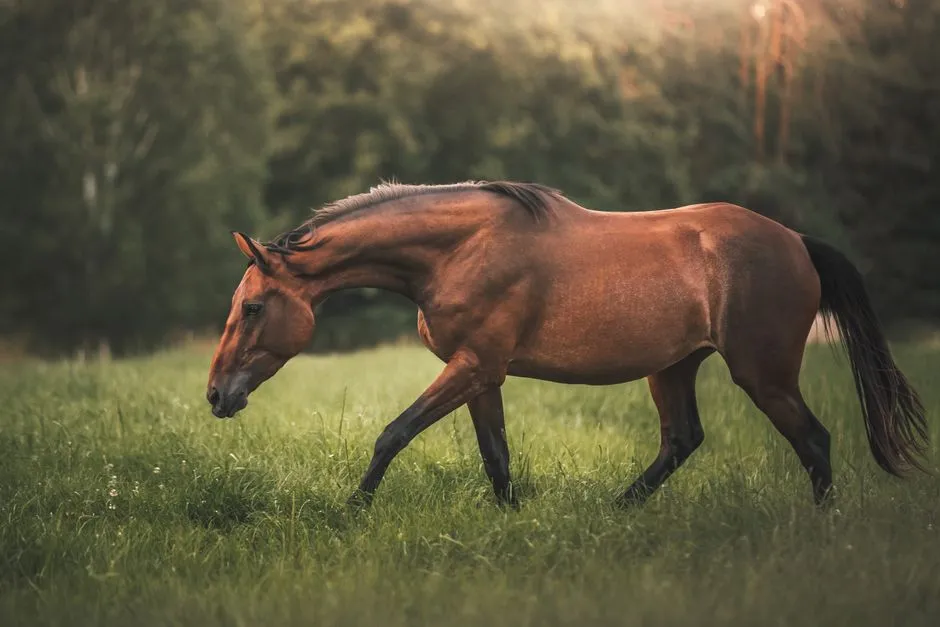
Many owners overlook one of the classic low-grade lameness signs: a horse who never seems to stand square. A senior who continually shifts weight from limb to limb, or “points” a front foot out ahead of him, is trying to unload pain – it might be arthritic joints, old laminitis damage, or sore soles on frozen, uneven ground.
Watch him in the stable on cold mornings, and again at the hay when he’s relaxed and not distracted. Does he rest the same foot constantly? Does he hesitate before stepping off after standing a while? That’s not laziness – that’s discomfort. Left unchecked, these small postural changes often precede real lameness, or a catastrophic slip on winter ice.
Standing oddly is subtle. Refusing hay is not – and it’s far more dangerous than most owners realise.
#12 – Changes In Appetite, But Especially For Hay
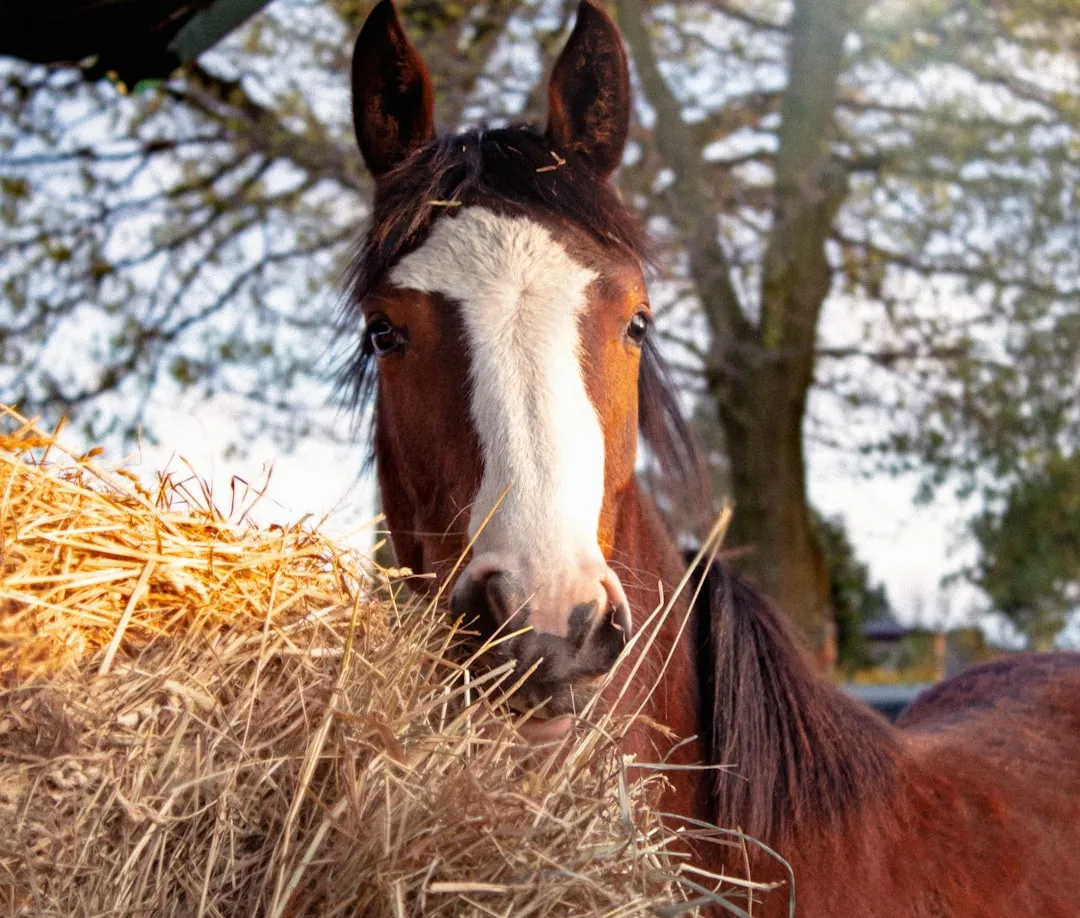
Owners panic when a horse stops eating bucket feed, but shrug when the same horse slowly backs off hay. For an ageing horse, reduced hay intake is a huge comfort red flag, because hay is their main winter fuel and heat source. If it hurts to chew, if breathing feels laboured, or the stomach feels off, they’ll quietly eat less and less.
Watch for picking through hay and leaving the coarser stems, seeming “bored” at the haynet while still interested in softer feeds, or standing by the pile without eating much at all. This isn’t him watching his figure – it’s him failing to meet basic winter needs. That’s how a horse slides from “a bit tucked up” to dangerously thin by February.
Appetite loss is scary enough on its own. Breathing trouble can be just as sneaky.
#13 – Laboured Breathing Or Coughing In Dust And Cold
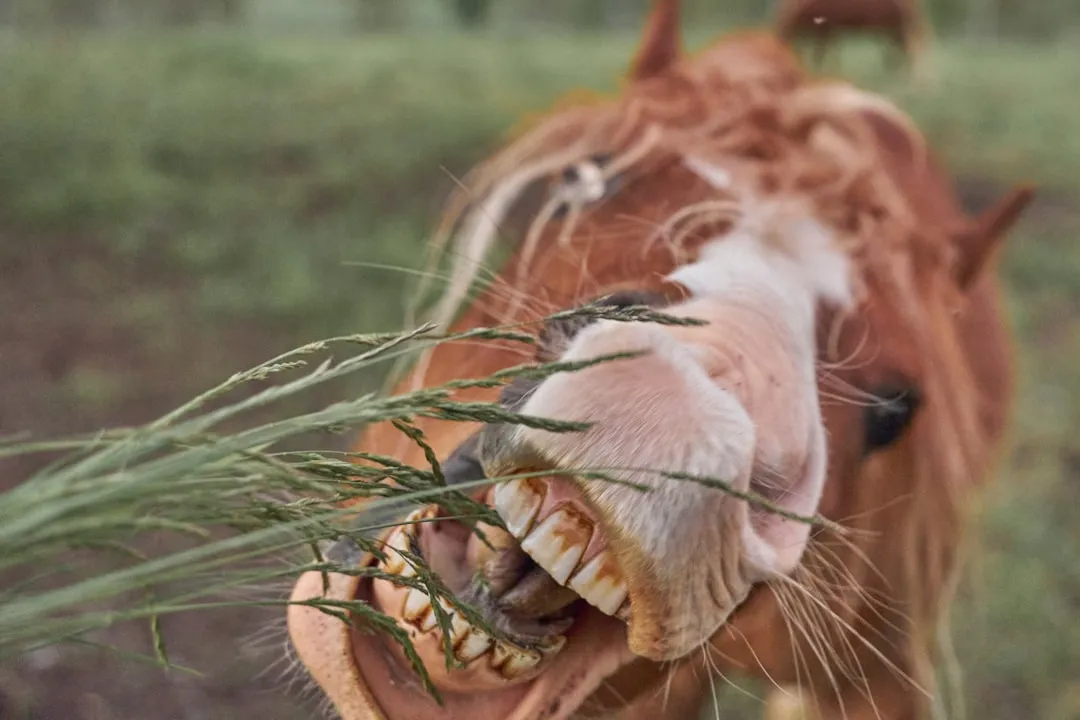
Senior lungs don’t love winter. Dusty bedding, dry hay, cold air and closed barn doors can turn a manageable respiratory issue into a serious daily discomfort. A horse who coughs at the start of exercise, flares nostrils climbing a small hill, or takes longer to recover from light work is not breathing comfortably.
- Breathing that looks effortful in the stable, ribs visibly moving.
- Standing with head and neck stretched further out than usual.
- Increased coughing whenever you sweep or pull hay down.
Many older horses develop conditions like equine asthma that get waved off as “a little hay cough.” If you wouldn’t feel okay breathing that air all night, your horse certainly doesn’t either. Soaked hay, dust-free bedding and better ventilation aren’t overkill – they’re basic comfort in a winter barn shut up tight.
Breathing struggles are serious. But temperature struggles can be just as exhausting, and just as invisible.
#14 – Trouble Regulating Temperature: Too Cold Or Too Hot
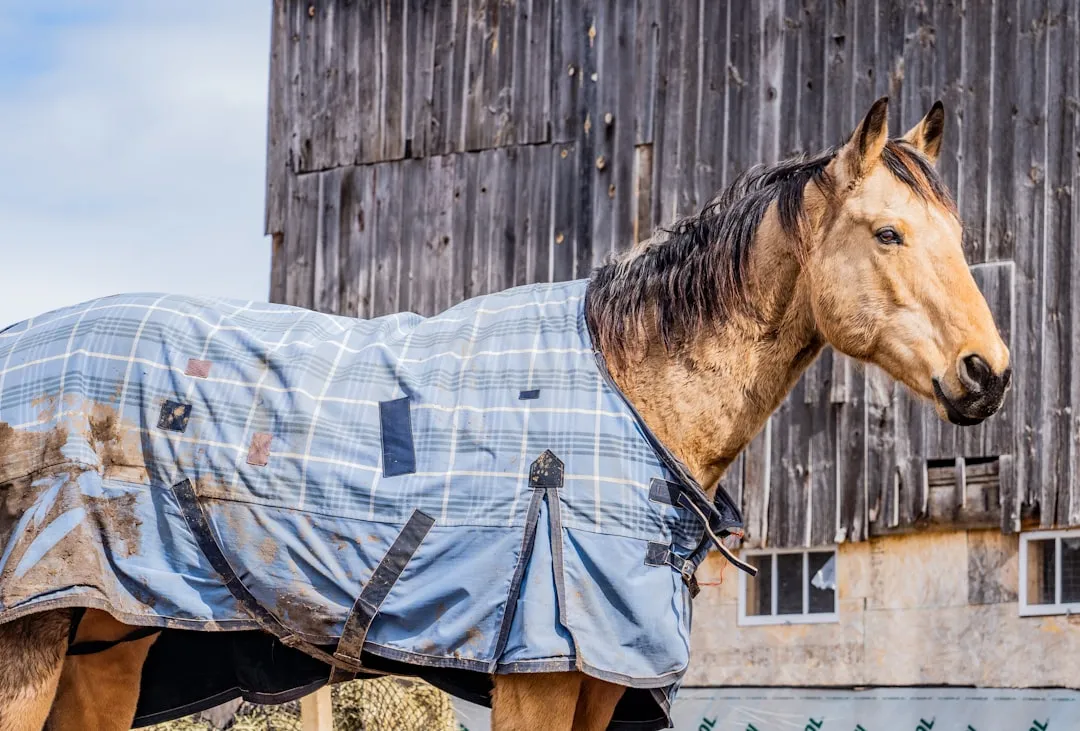
Many owners either under-rug or over-rug their seniors, and both can make an old horse miserable. Ageing horses often struggle to thermoregulate – they lose heat faster, then overheat under heavy rugs because they can no longer move enough to cool themselves.
Feel the ears, armpits and inside upper legs for real warmth, not just a toasty rug, and check the skin underneath for dampness or sweat scald. A thin senior with little muscle probably needs more, better-fitting rugs and a windbreak; a chunky, metabolic gelding may need less. “One-rug-fits-all” barn policies are almost always wrong for older horses, and being constantly a little too cold or too hot is quietly exhausting.
Quick Compare
- Under-rugged: cold ears, tucked-up stance, shivering, tight quarters muscles.
- Over-rugged: damp coat under the rug, sweat marks, reluctance to move, patchy heat over the back.
- Just right: warm (not hot) ears and chest, dry coat underneath, relaxed stance at rest.
Rugs and warmth matter enormously. But nothing hits harder than watching the spark disappear from his eyes.
#15 – Loss Of Spark: Less Interaction, Less Curiosity
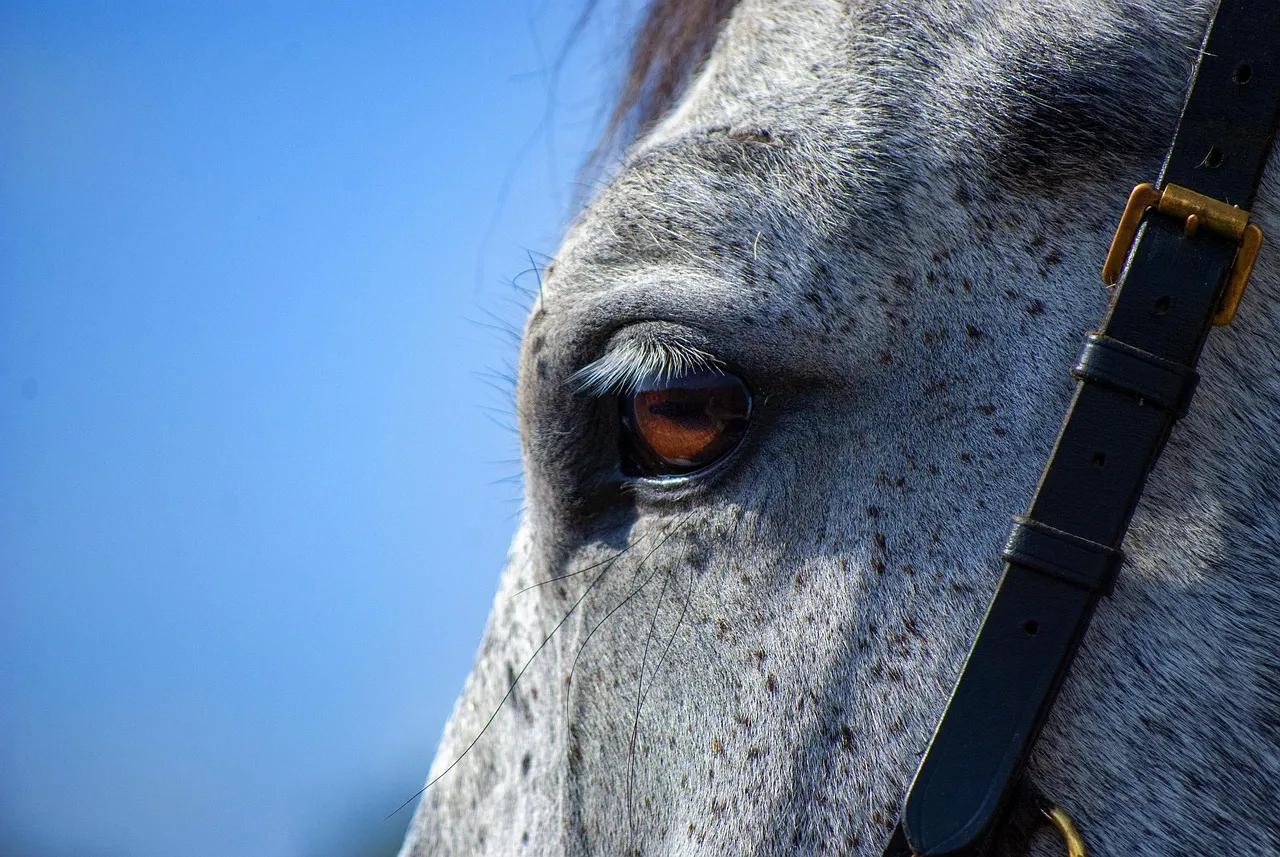
You know your horse’s eye. When it goes from bright and cheeky to flat and withdrawn, something isn’t right. A senior who stops greeting you at the gate, stops nickering at the feed room, or simply seems “checked out” is very often living with chronic discomfort. Pain is draining – it erodes personality long before it ever shows up as a limp.
Watch the little moments: does he still prick his ears when you arrive, still watch the yard with interest, still play with rugs or buckets or neighbours? Some people romanticise this fading as “growing wise and calm.” Sometimes it is. Often it isn’t. Winter magnifies it, since cold and damp worsen aches and sap energy fast.
A dimmed personality is heartbreaking. So is skin that never gets the chance to properly heal.
#16 – Wounds, Rain Scald Or Mud Fever That Never Quite Clear
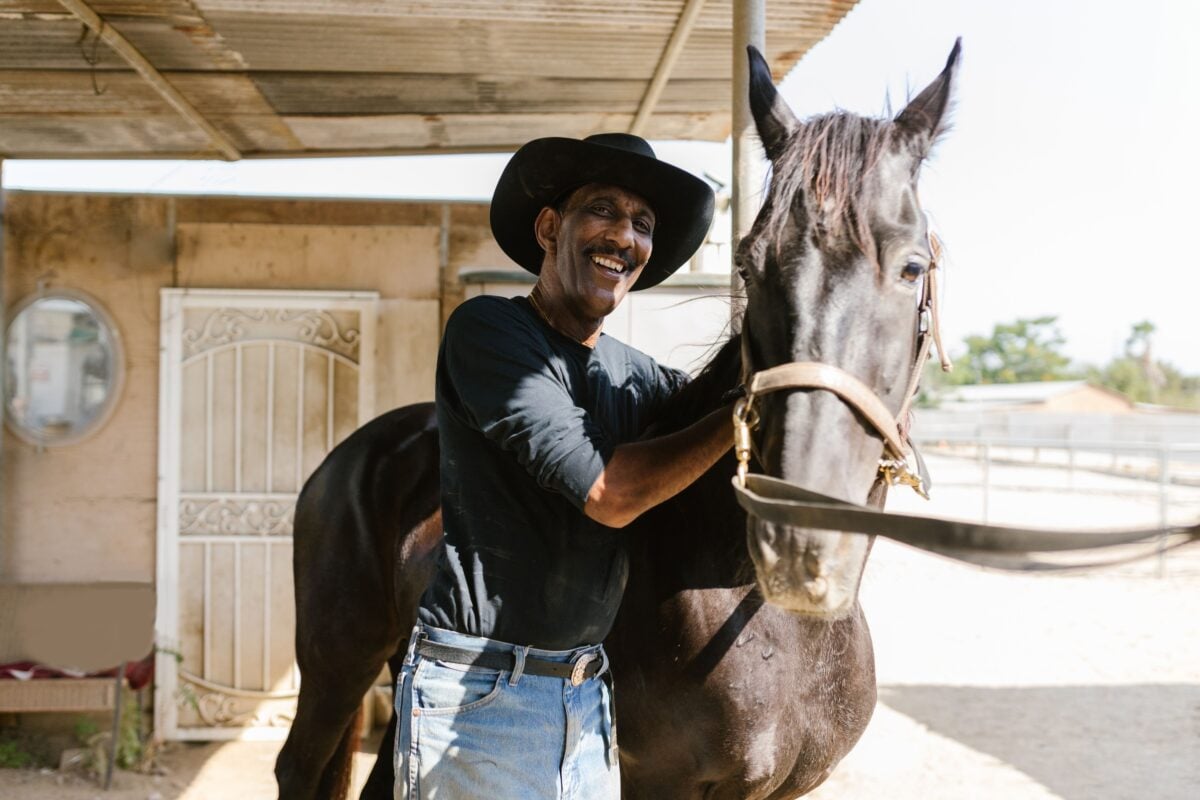
Skin problems aren’t just cosmetic. Persistent rain scald, mud fever, or small wounds that heal slowly can keep an older horse in constant low-level discomfort all winter long. Thinner skin, weaker immune systems and more time standing in wet, muddy fields put seniors at much higher risk.
Check heels and pasterns for cracking, swelling or heat, backs and loins under rugs for scabby patches, and girth or elbow areas for rubs from winter tack. Every step on sore heels stings; every rug rubbing an open patch of rain scald hurts. Some owners shrug this off as “a bit of mud rash” and keep riding through it – that’s not toughing it out, that’s knowingly riding a horse with raw skin.
Skin pain is relentless. But recovery time after exercise reveals something rugs and ointments can’t fix.
#17 – Needing Longer Recovery After Even Light Effort
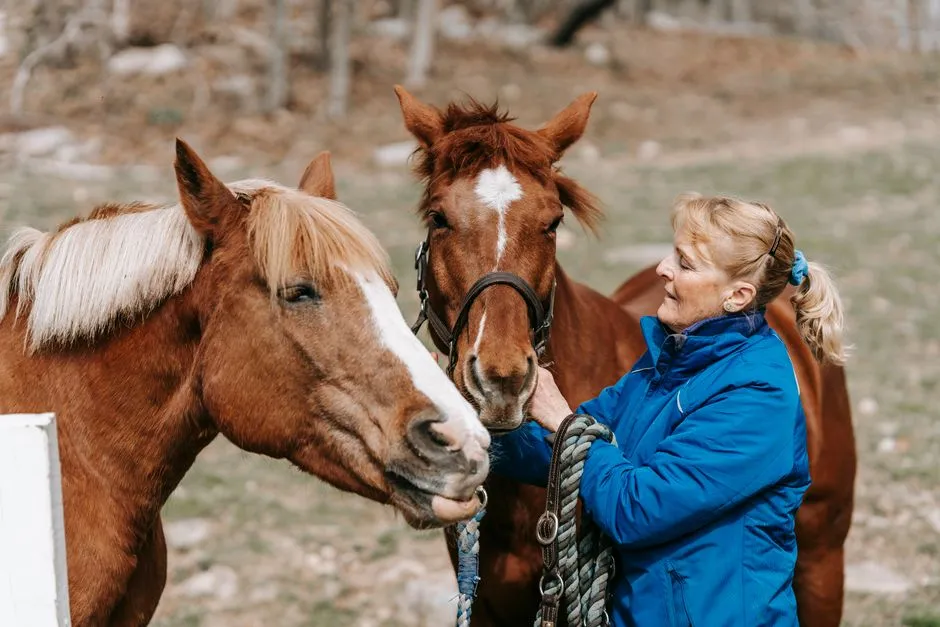
An older horse doesn’t have to gallop to be pushed past comfort. If your senior takes much longer to get his breathing, heart rate and attitude back to normal after a light hack or short schooling session, that’s a genuine red flag. Cold weather amplifies it, as tight muscles and sore joints make every stride more work than it used to be.
Watch how quickly he goes from puffed to normal, whether he seems stiffer the day after a ride, and whether he lies down more or less afterward. If a thirty-minute walk leaves your horse moving like he did after a cross-country round ten years ago, your expectations are out of touch with his body. Some owners keep riding at a level that suits their own ego, not their horse’s age.
And then there’s the sign no vet chart will ever measure – the one only you can feel.
#18 – Your Gut Says “Something’s Off,” Even If You Can’t Name It
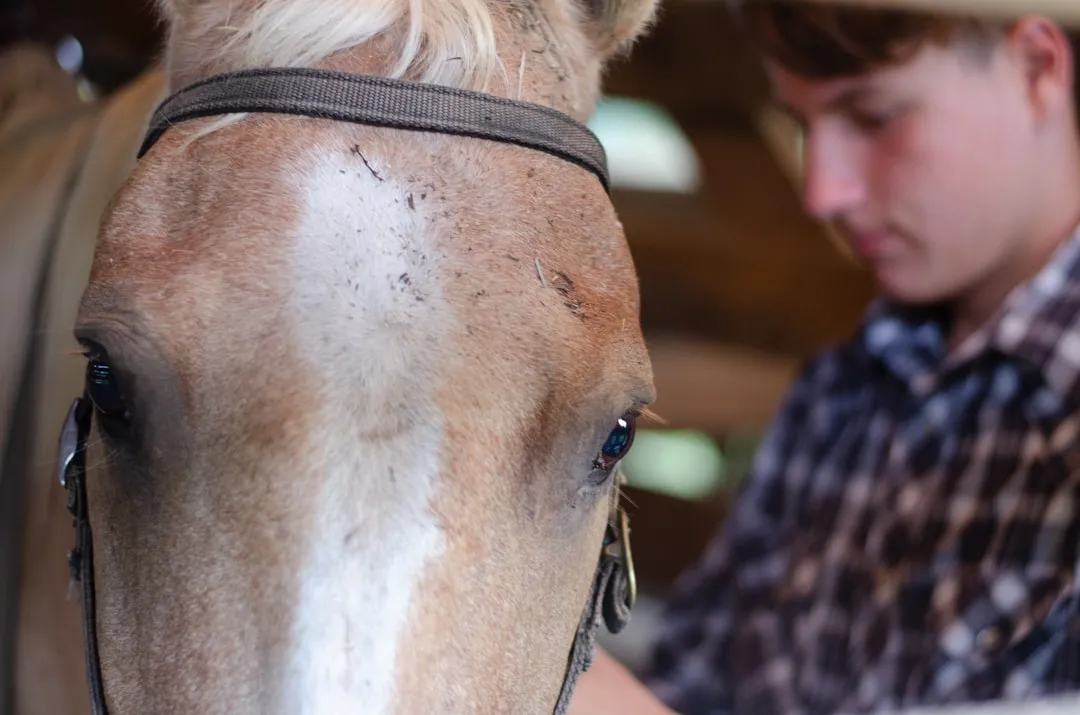
Here’s the sign nobody likes to admit matters most: you already feel something isn’t right. Most long-time owners sense subtle changes in their ageing horse long before there’s a textbook symptom. A different look in the eye, a new way of standing, a quietness you can’t quite explain – your brain files it under “just ageing” because that’s easier than wondering if he’s uncomfortable.
This is where most people make their biggest mistake: waiting for an obvious crisis – lameness, colic, a fall – before finally acting. In reality, winter comfort for seniors is won or lost on these grey-area observations. Getting a vet check, adjusting feed, tweaking turnout, or trialling pain relief based purely on your gut isn’t overreacting. It’s exactly what a good guardian does.
At A Glance
- Struggling to lie down, roll or get up safely.
- Ongoing weight loss despite a full haynet.
- Quidding, dropped feed or slow, painful chewing.
- A flat, withdrawn look where there used to be sparkle.
The Bottom Line
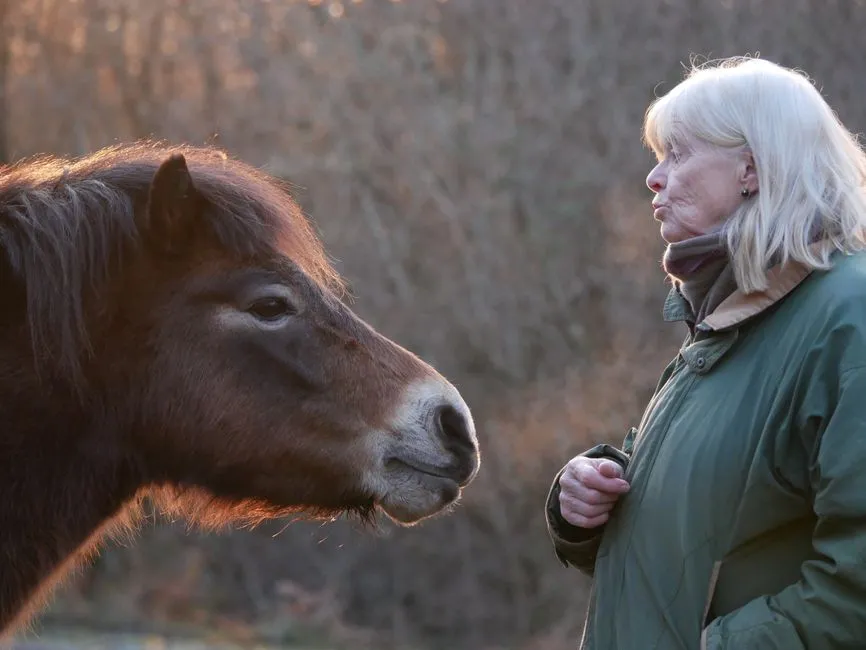
The uncomfortable truth is that many “well-loved” older horses spend their winters quietly coping, not genuinely comfortable. Weight loss, stiffness, subtle behaviour changes and the “quirks” we joke about are usually pain wearing a costume, not personality.
Ageing is inevitable; suffering is not. The horses who stay bright, engaged and content into their late twenties and thirties are almost always the ones whose owners refused to accept “he’s just old” as a diagnosis.
Winter will always test an ageing body, but it doesn’t have to break it. Honest observation, timely vet and dental checks, better footing, thoughtful rugging and realistic work expectations can turn these years from a slow decline into a genuinely soft landing.
So be blunt with yourself: looking back through these eighteen signs, is your senior genuinely comfortable – or just very good at pretending? Did we miss a red flag you’ve seen in your own golden oldie? Share it in the comments and challenge the “it’s just age” myth.

- Animal Science Says Orcas Pass Hunting Traditions Down Through Families Like Cultural Knowledge - August 21, 2026
- Is Your Ageing Horse Still Genuinely Comfortable? 18 Signs Worth Checking Before Winter - August 21, 2026
- What Hummingbirds Do in the Days Before They Leave 18 Behaviours Gardeners Always Miss - August 21, 2026