
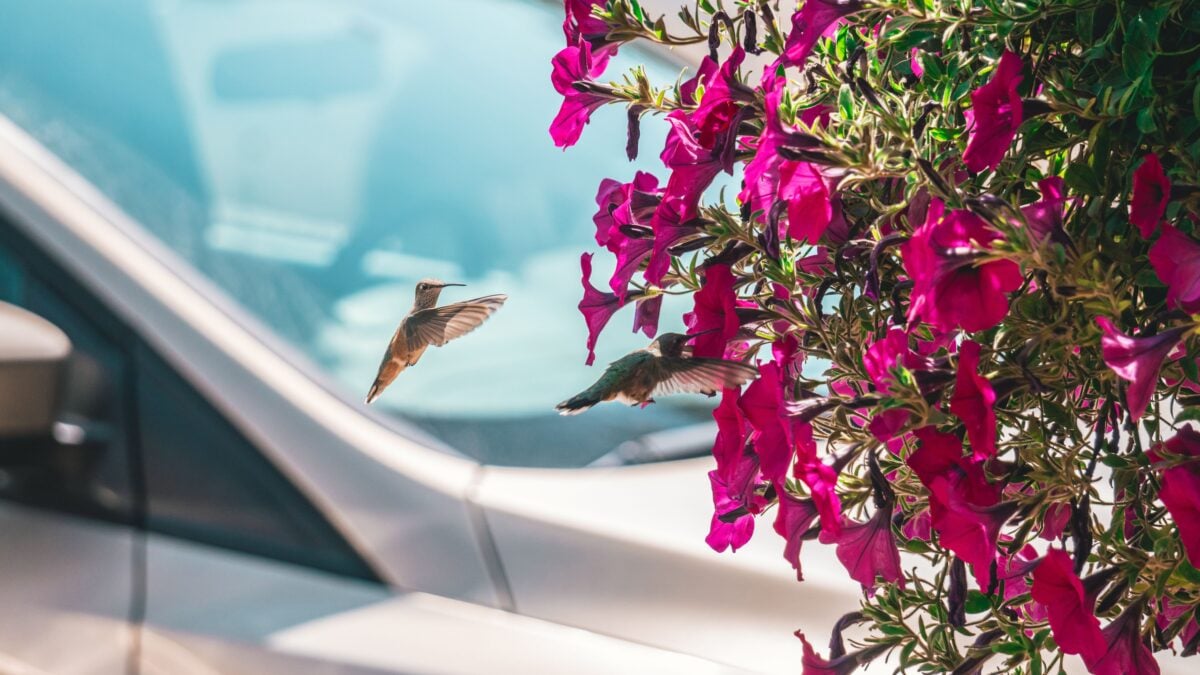
You probably think hummingbird migration looks like this: one day they’re at your feeder, the next day they’re gone. Quiet. Simple. Almost boring.
It isn’t boring at all. In the week or so before departure, your backyard quietly turns into a gym, a battlefield, and a fueling station, all running at once, and almost none of it looks like what you’d expect from a bird about to fly thousands of miles. By the time the feeder finally goes still, the real story already happened right in front of you, and you missed it. Here’s what actually goes on in those final days, one behavior at a time.
#18 – Sudden “Feeding Frenzy” That Isn’t Random At All
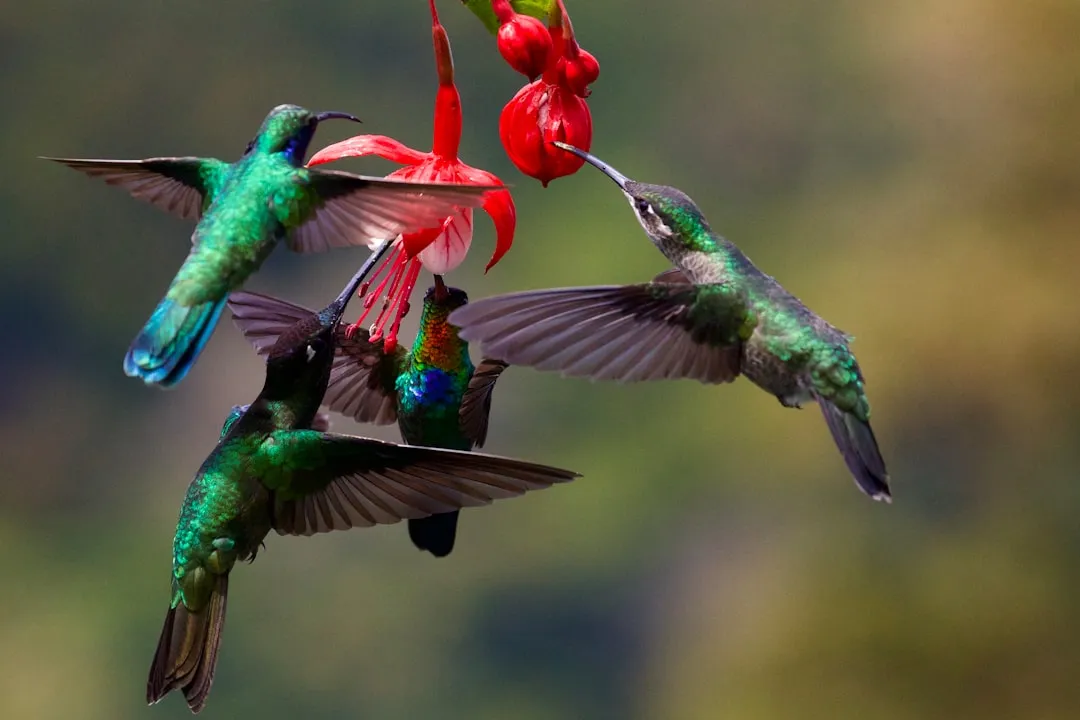
Most people assume a late-season hummingbird hitting the feeder nonstop is just being greedy before it leaves. It’s not greed. It’s math. In the last 7 to 10 days before migration, many birds double or even triple their normal nectar intake, and that’s why a feeder that used to last three days can drain in one.
Watch closely and you’ll notice a pattern: not lazy sipping all day, but sharp, urgent bursts right at dawn and again in late afternoon. That’s not a mood swing, that’s a countdown. Every one of those visits is packing on fat in amounts so small you’d need a scale to see it, yet for a bird this light, those fractions of a gram are the difference between making it and not.
#17 – Bulking Up: The “Fat Hummingbird” Phase Gardeners Misread
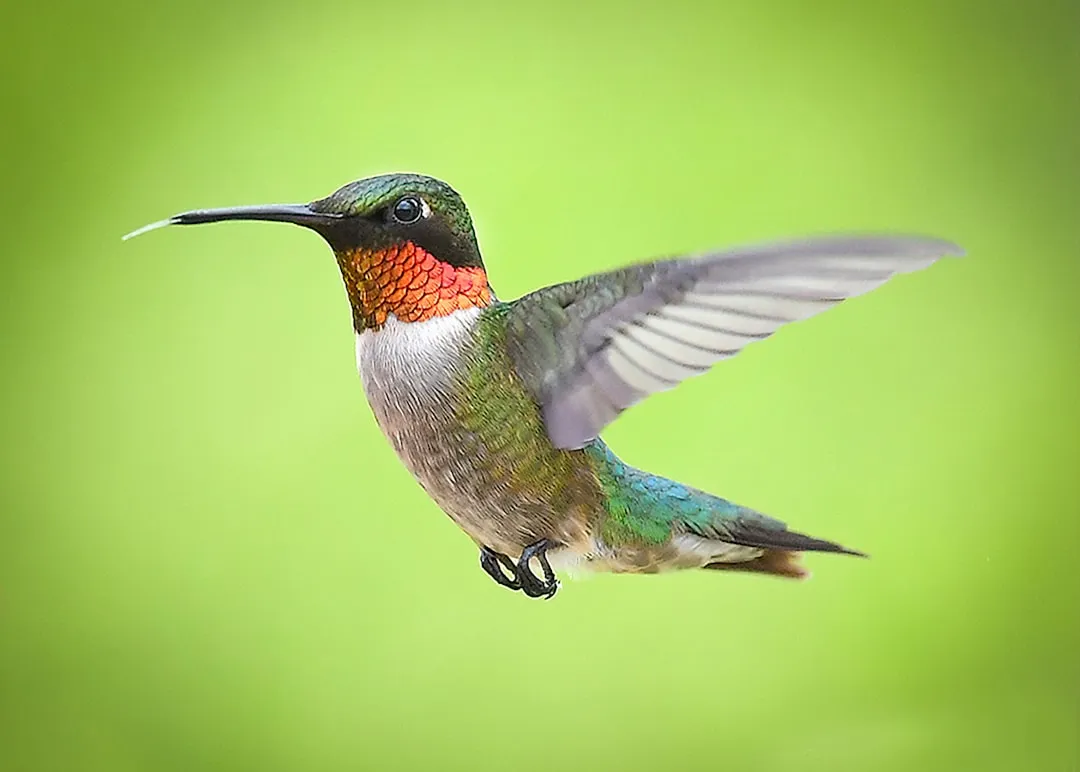
Here’s where a lot of well-meaning gardeners panic. Your favorite hummer starts looking round, almost puffy, and the first thought is “something’s wrong with it.” Nothing is wrong. That chunky look is exactly the sign you want to see, because it means the bird is winning the race against its own migration clock.
Some individuals pack on 25 to 40 percent of their body weight in pure fat before they go. Scale that up and it’s like a 150-pound person suddenly strapping on an extra 40 to 60 pounds of fuel. Look at the sides and lower belly, not just the chest: a hummingbird that looked sleek and needle-shaped in June can look noticeably wider by September, and it may even sit heavier on a perch between feedings. That weight isn’t sickness. It’s the entire flight plan.
Fast Facts
- Fat gain: 25 to 40 percent of total body weight in the final days
- Human equivalent: a 150-lb person adding roughly 40 to 60 lbs of fuel
- Where to look: sides and lower belly widen before the chest changes shape
- Timeframe: most visible bulking happens in the last 7 to 10 days
#16 – Hyper-Aggressive Defending Of “Their” Feeder
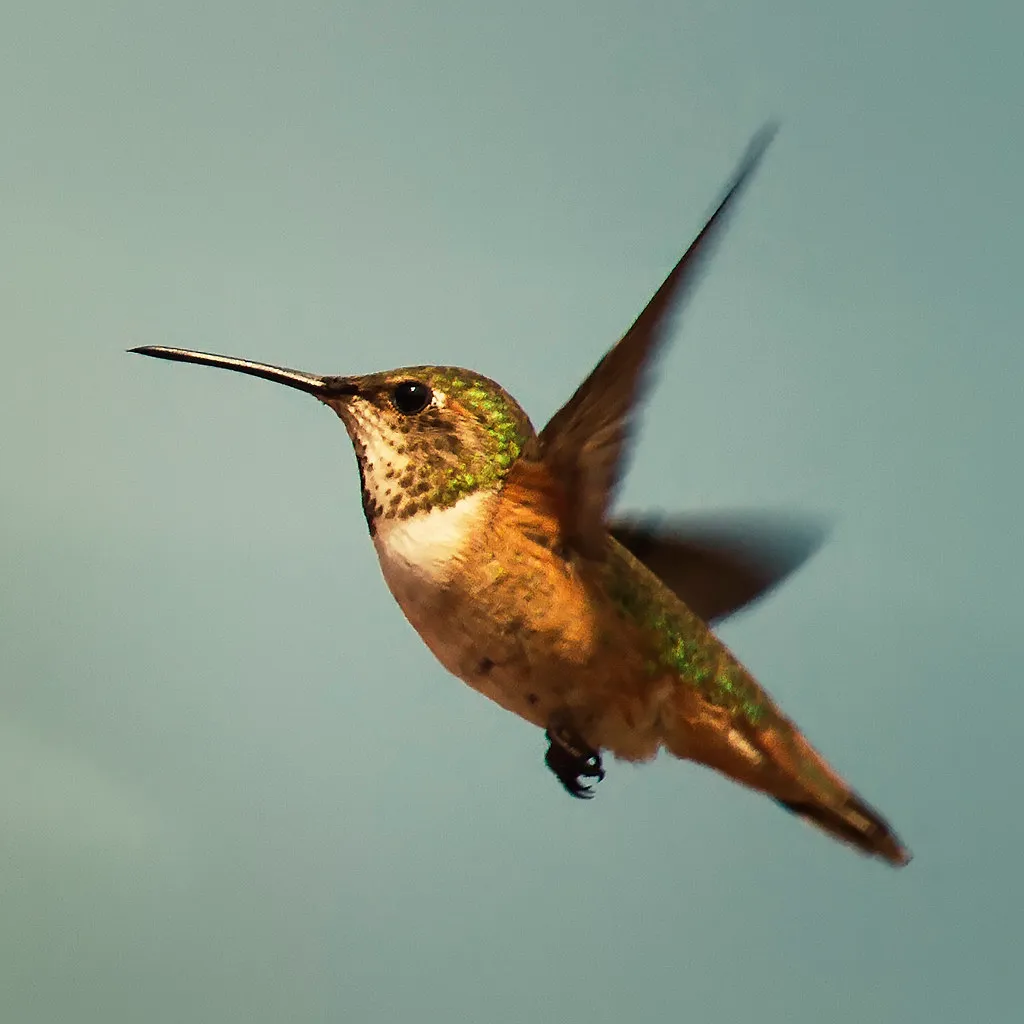
Feeder squabbles are normal all summer, but right before migration, the tone shifts from playful to ruthless. One bird often turns into an outright tyrant, chasing off anything that dares get near “its” nectar. That’s not attitude for the sake of it, that’s a survival calculation.
A dominant bird understands something simple: locking down the richest food source in the area means faster, safer fattening before a brutal flight. You’ll notice longer chases, louder confrontations, and birds patrolling a much wider radius than usual, sometimes guarding from a high, exposed branch that gives them a full view of the yard. Gardeners often grumble that “one bully scared everyone off.” From the hummingbird’s side, that’s exactly the plan: cash in the whole summer’s territory for one last massive fuel-up.
#15 – Quiet Arrivals Of “Strangers” Passing Through
While your regulars are busy bulking up like tiny bodybuilders, something else is happening that almost nobody notices: total strangers are slipping into the yard. Banding studies show a surprising share of late-season visitors aren’t your birds at all. They’re migrants from hundreds, sometimes thousands, of miles north, just passing through.
These travelers feed hard for a day or two and then vanish, and they usually skip the aggressive posturing because they’re not defending territory, they’re just refueling and moving on. If you notice a bird with slightly different markings, or one that feeds intensely but never seems to fight for the perch, you may be watching a long-distance traveler on a pit stop. Blink and you’ll miss one of the most genuinely impressive parts of the whole migration.
#14 – Targeting “Backup” Flowers They Ignored All Summer
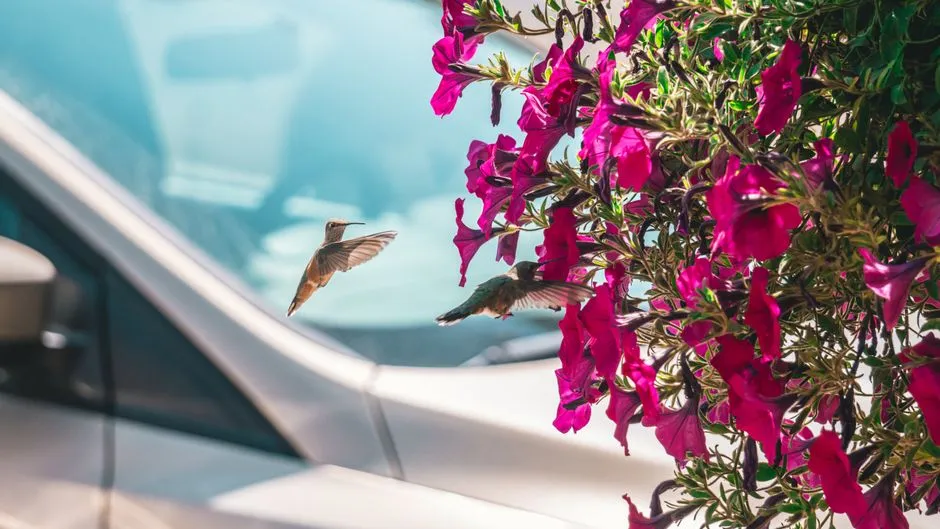
Most people assume hummingbirds have their favorite blooms and stick to them like loyal customers. Right before they leave, that loyalty disappears fast. As the usual nectar sources start drying up, birds suddenly start probing flowers they ignored for months.
Late-blooming salvias, pineapple sage, autumn honeysuckle, even scrappy roadside wildflowers, suddenly become worth a visit. This isn’t pickiness fading, it’s risk management kicking in. A bird can’t afford to bet everything on one or two nectar spots anymore, so it widens the search. Gardeners who tidy up and deadhead everything at the end of summer often erase this emergency buffet without realizing it, forcing the birds into even more desperate, exploratory foraging in their last days.
#13 – Longer Commutes: Expanding Their Foraging Radius
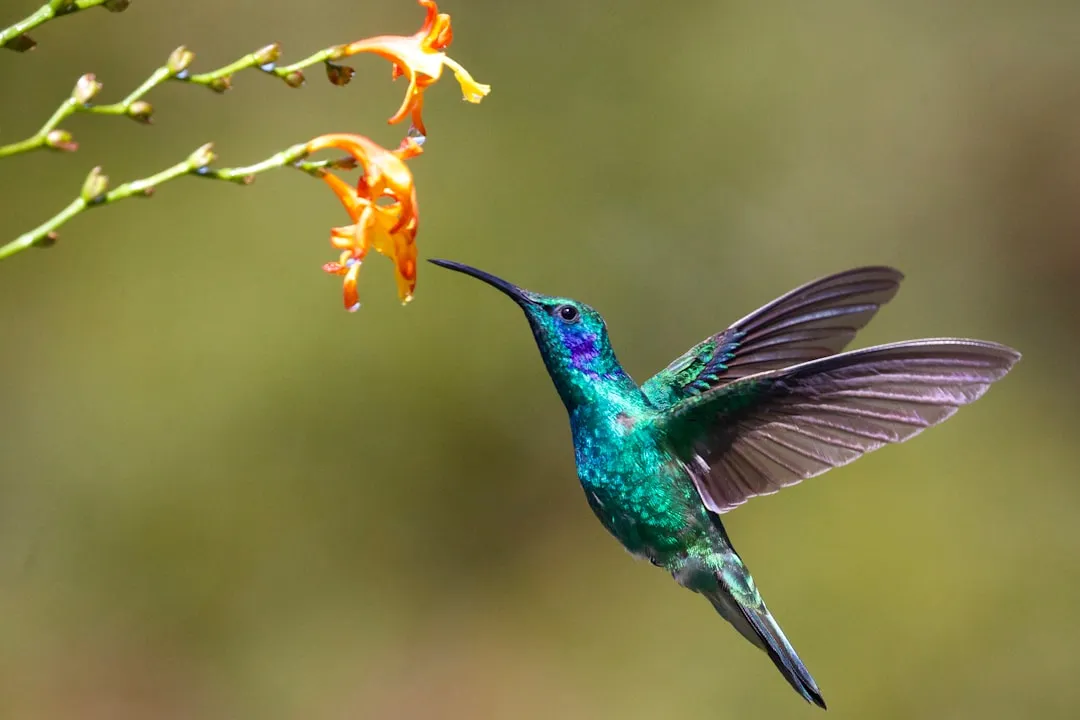
In mid-summer, a hummingbird can live its entire life inside your yard and your neighbor’s. As migration approaches, that little bubble stretches wide open. Birds start running longer, looping circuits between multiple feeders and nectar patches spread across a much bigger area.
That’s why your yard can go from buzzing with activity to eerily quiet, then buzzing again, all within 24 hours. The bird hasn’t left, it’s just working a bigger route, constantly recalculating where it can get the most energy for the least effort. If one feeder runs dry or the blooms nearby thin out, the whole circuit shifts overnight. It’s an invisible remapping of the entire neighborhood, and almost nobody is watching closely enough to catch it happening.
#12 – Resting More… But In Places You Never Notice
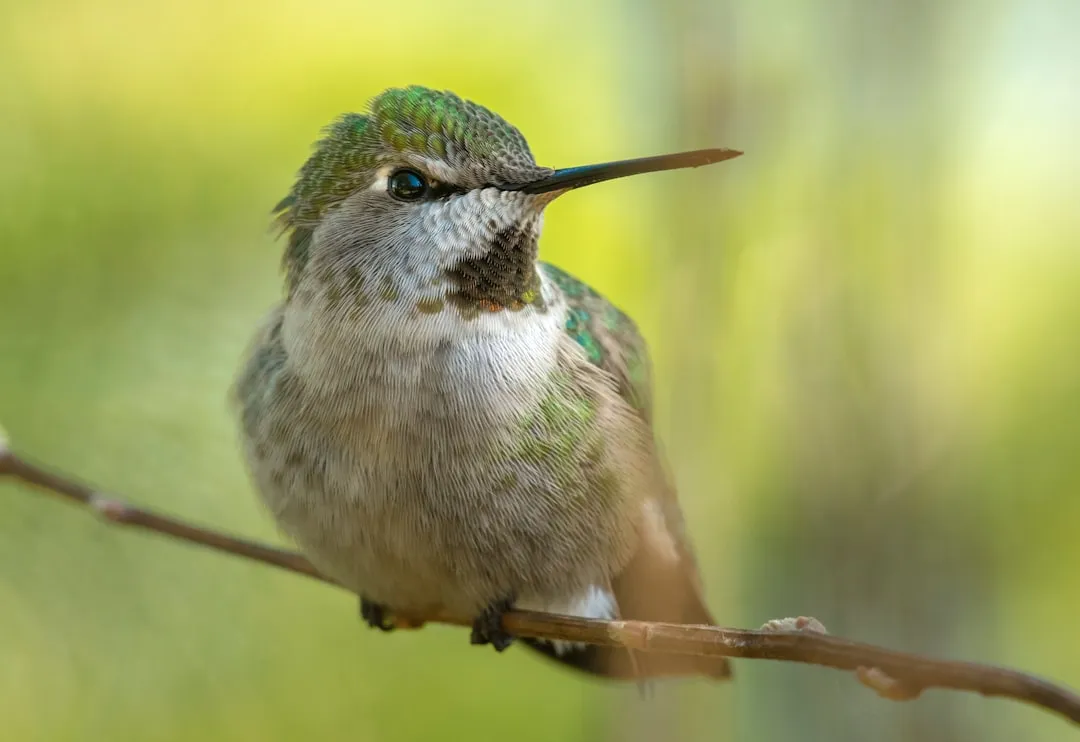
Most gardeners only clock a hummingbird when it’s a blur of motion. In these final days, there’s a quieter side that almost never gets credit: stillness. To turn nectar into fat efficiently, birds start spending long stretches perched quietly, tucked deep inside shrubs, on the shady side of a tree, or under an eave.
If the feeder sits untouched for an hour, it’s easy to assume the bird has already left. More likely, it’s a few feet away, digesting and conserving every calorie instead of burning it on flashy flying. This invisible resting phase is where a huge amount of the real preparation happens. Dense, twiggy shrubs and small trees in your yard aren’t just decoration at this point, they’re safe houses.
#11 – Subtle Song Changes And Extra Chatter
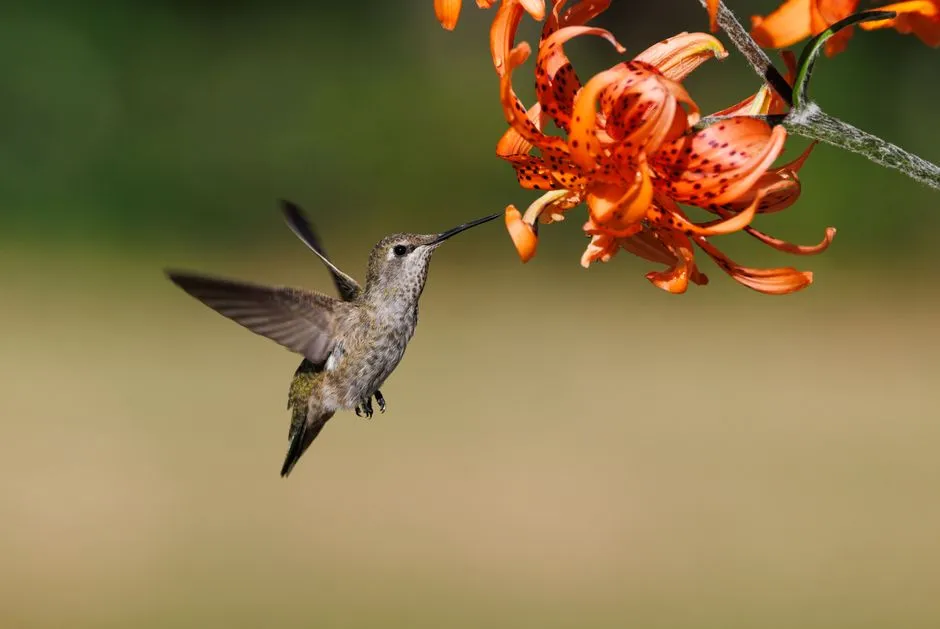
Most people assume hummingbirds are basically silent apart from that signature wing buzz. That assumption falls apart in the final stretch before migration. Many species get noticeably chattier, with more chitters, squeaks, and sharp chase calls echoing around feeders and favorite perches.
Some experts think this extra noise helps settle last-minute pecking orders around the best food sources. Others suspect it’s a way to signal “I’m here” and avoid mid-air collisions when several birds are crowding the same feeder. Either way, if the trees around your yard suddenly sound busier with ticking and buzzing calls, that’s often proof the birds are still very much around, even if you’re not spotting them every minute.
#10 – Tanking Up Right Before Storm Fronts
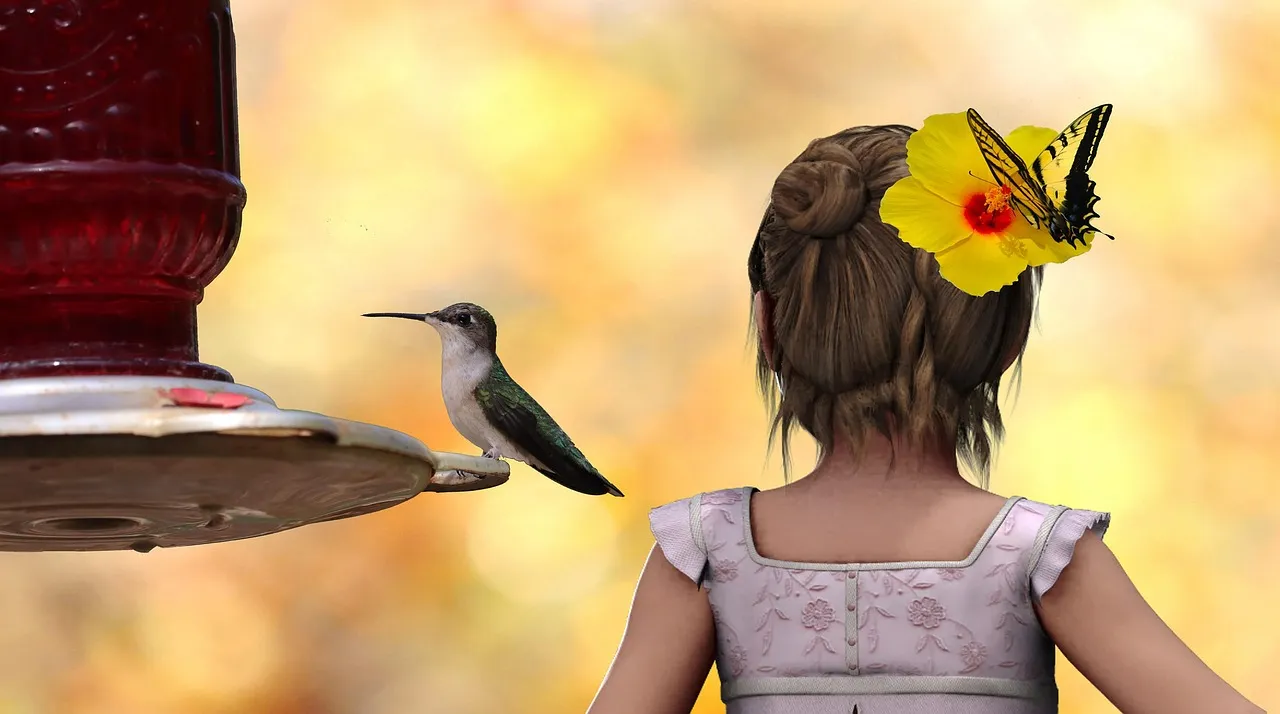
This is the one that splits birders into two camps. Some swear hummingbirds can sense a storm coming; others roll their eyes at the idea. But plenty of careful observers report the same pattern: in the days before a strong cold front or big storm system, feeder activity spikes hard, almost out of nowhere.
The theory is that dropping barometric pressure triggers heavier feeding, as if the birds are hedging their bets, either to catch a tailwind and leave early, or to sit tight with a full tank if flying turns dangerous. A feeder that’s been quiet for days can suddenly become chaotic for 24 hours, then go strangely calm right as the weather turns. Anyone who packs up their feeder at the first chill in the air misses this entire piece of drama.
Worth Knowing
- Feeder traffic can spike sharply 24 to 48 hours ahead of a storm front
- Many birders link the surge to dropping barometric pressure
- Activity often falls off almost completely right as the weather turns
- Packing up feeders too early at the first cold snap can hide this pattern entirely
#9 – Shifting Their Schedule: More Dawn And Dusk Activity
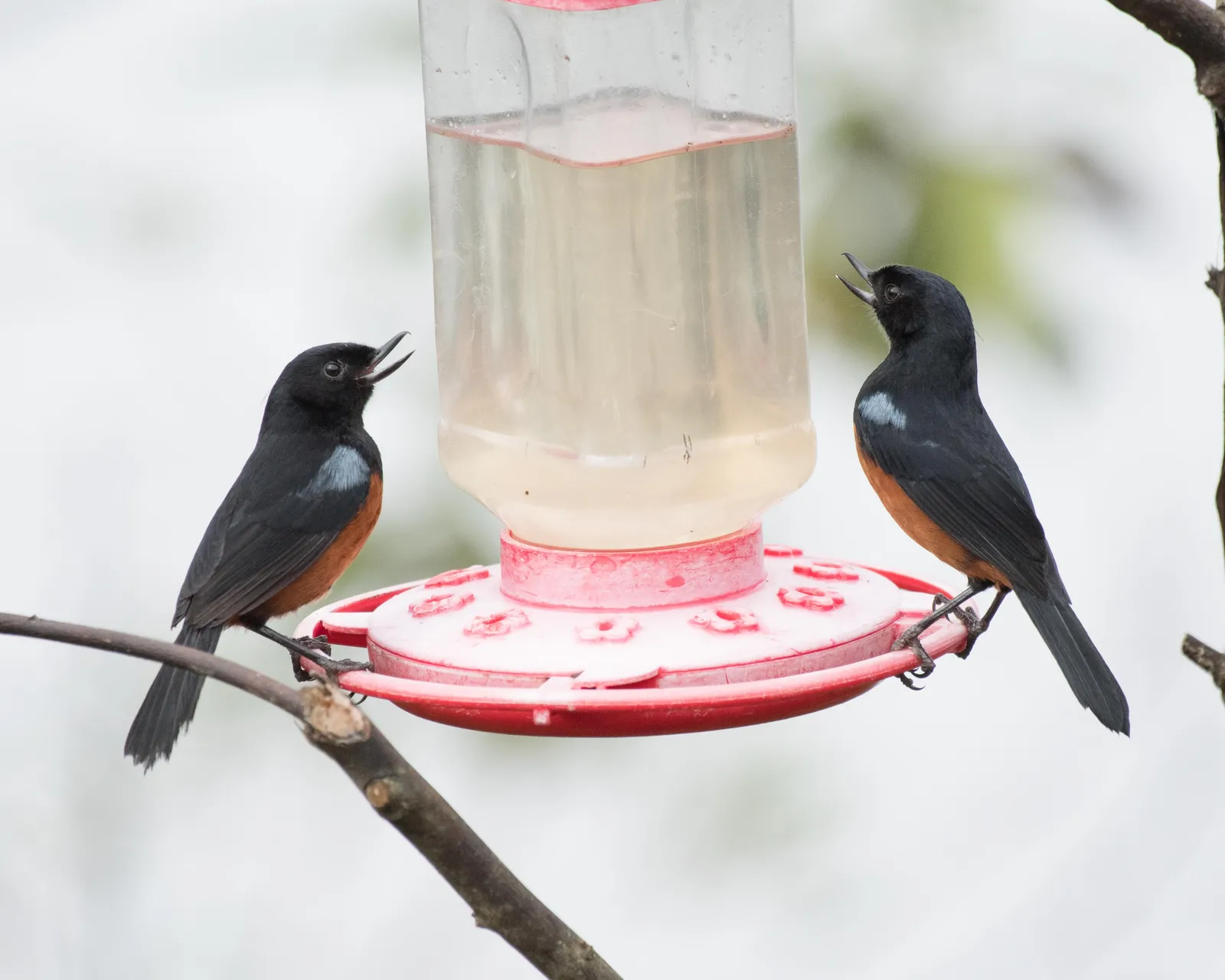
Casual observers assume hummingbirds are equally active from morning to night. Right before departure, that assumption stops holding up. Activity tilts hard toward the edges of the day, with longer, more intense feeding sessions at dawn and dusk and shorter breaks in between.
There’s a reason: cooler temperatures mean nectar doesn’t spoil as fast, and flying costs less energy when the air is calm. Feeding during the quietest, least windy hours also means fewer interruptions and less wasted effort. Gardeners who only check the feeder at midday often assume the birds are already gone, when really they’ve just switched to a smarter schedule. Catch first light with a cup of coffee and you’ll likely see exactly what you thought you’d missed.
#8 – Brief “Test Flights” Higher And Farther
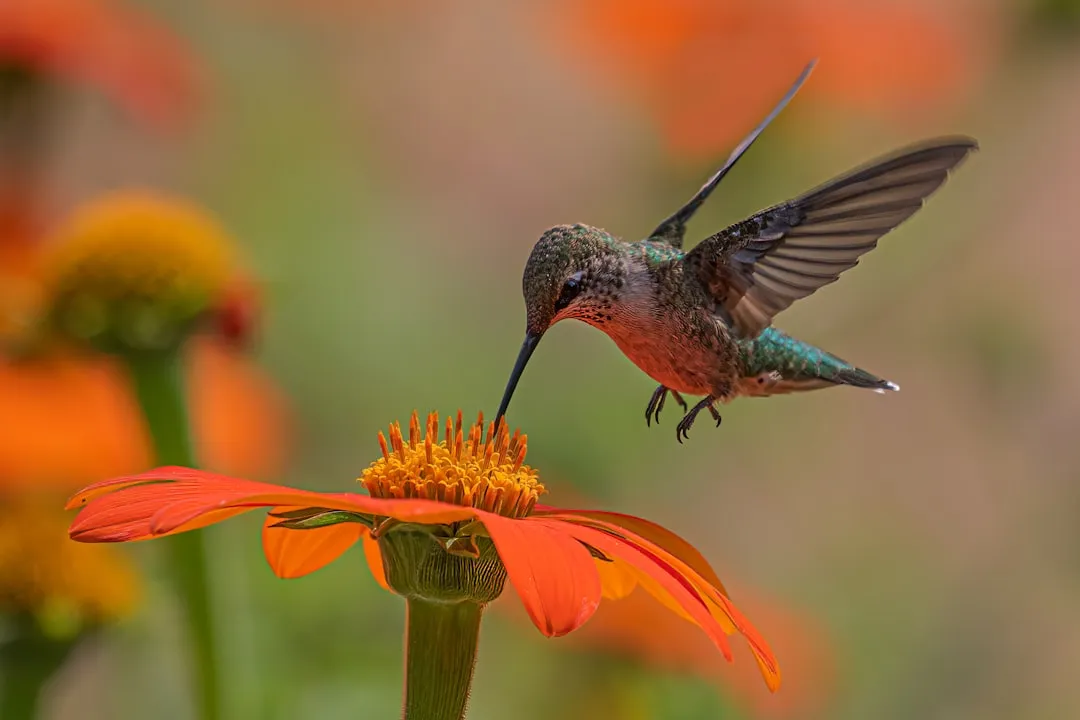
Watch long enough and you’ll eventually catch this one: a hummingbird suddenly rockets straight up, far above the yard, hovers for a beat, then shoots off in a long, fast line, only to come back a short while later. It looks random. It isn’t.
These short, high-altitude flights seem to mimic real migration conditions, letting the bird test wind, orientation, and stamina before the real thing. Think of it as a runner doing a hard tempo workout a few days before race day. If you catch a hummingbird abandoning its usual low, garden-level flight path to blast toward the horizon and vanish, you may be watching a dress rehearsal for the actual journey.
#7 – Choosing “Departure Perches” With A View
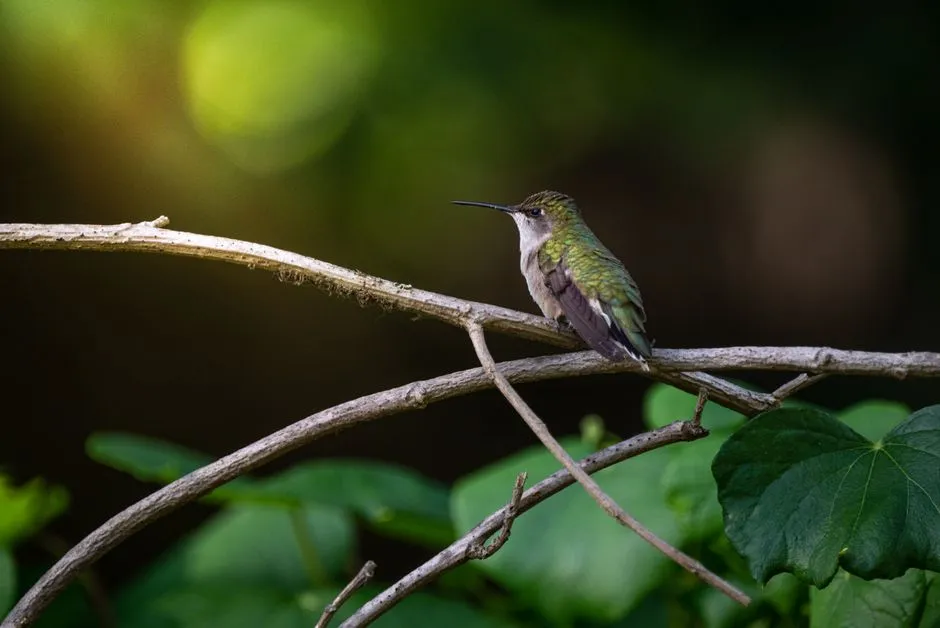
In the final days, you may notice one bird obsessively returning to the same one or two perches, and they’re never random. These spots tend to be higher, more exposed, and give a wide view of the surroundings, less like a resting spot and more like a launchpad.
From up there, the bird can watch for predators, scan for food, and eventually take off on the long haul south. Gardeners often trim back tall, “ugly” branches and dead snags without realizing how valuable that bare top twig is to a bird about to leave. If you keep seeing the same hummingbird return to the same high perch at dawn or dusk, you’re probably looking at its chosen departure point, its version of packing the car the night before a road trip.
Why It Stands Out
- Departure perches sit higher and more exposed than everyday resting spots
- They offer a wide sightline for spotting predators and food alike
- The same bird tends to return to the exact same perch at dawn or dusk
- Trimming tall, bare branches can remove a bird’s chosen launch point
#6 – Ignoring Some Flowers To Focus On “High-Octane” Sources
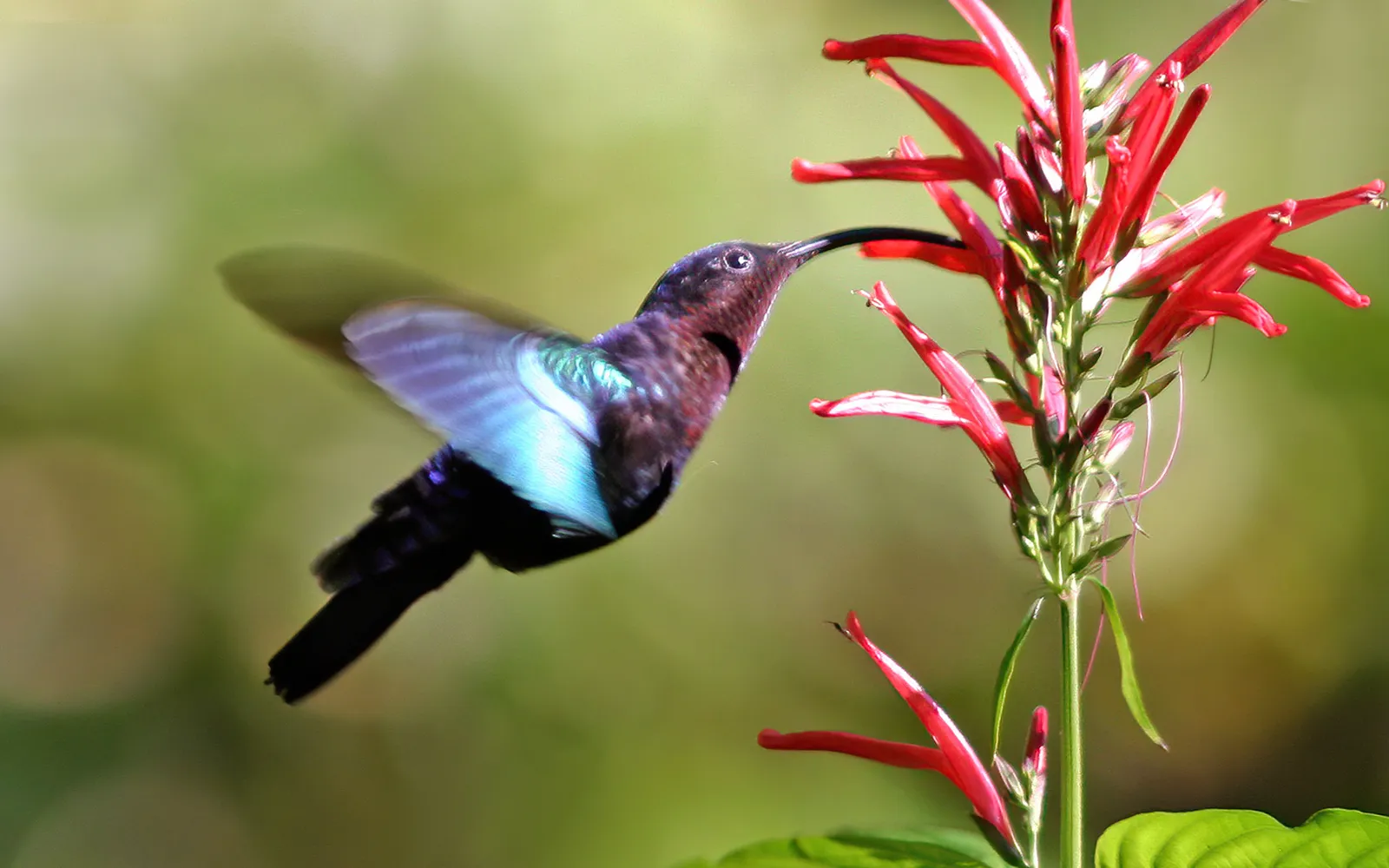
Not all nectar pays the same, and in these final days, hummingbirds get pickier, not lazier. You might see a bird completely skip lower-sugar blooms it happily visited all summer, and instead hammer just a handful of plants or feeders that offer the biggest payoff per sip.
Every hover, every dart, every chase costs energy, and the bird is running the numbers constantly. As the pressure to fatten up increases, it zeroes in on the richest, most reliable stations it can find. That might mean your homemade 4:1 sugar-water feeder suddenly becomes the main event while decorative, low-nectar flowers get ignored entirely. Gardeners who read that as “not liking” a plant are missing the real story: the bird has turned into a ruthless little accountant.
#5 – Sudden “Disappearances” That Are Actually Short Layovers
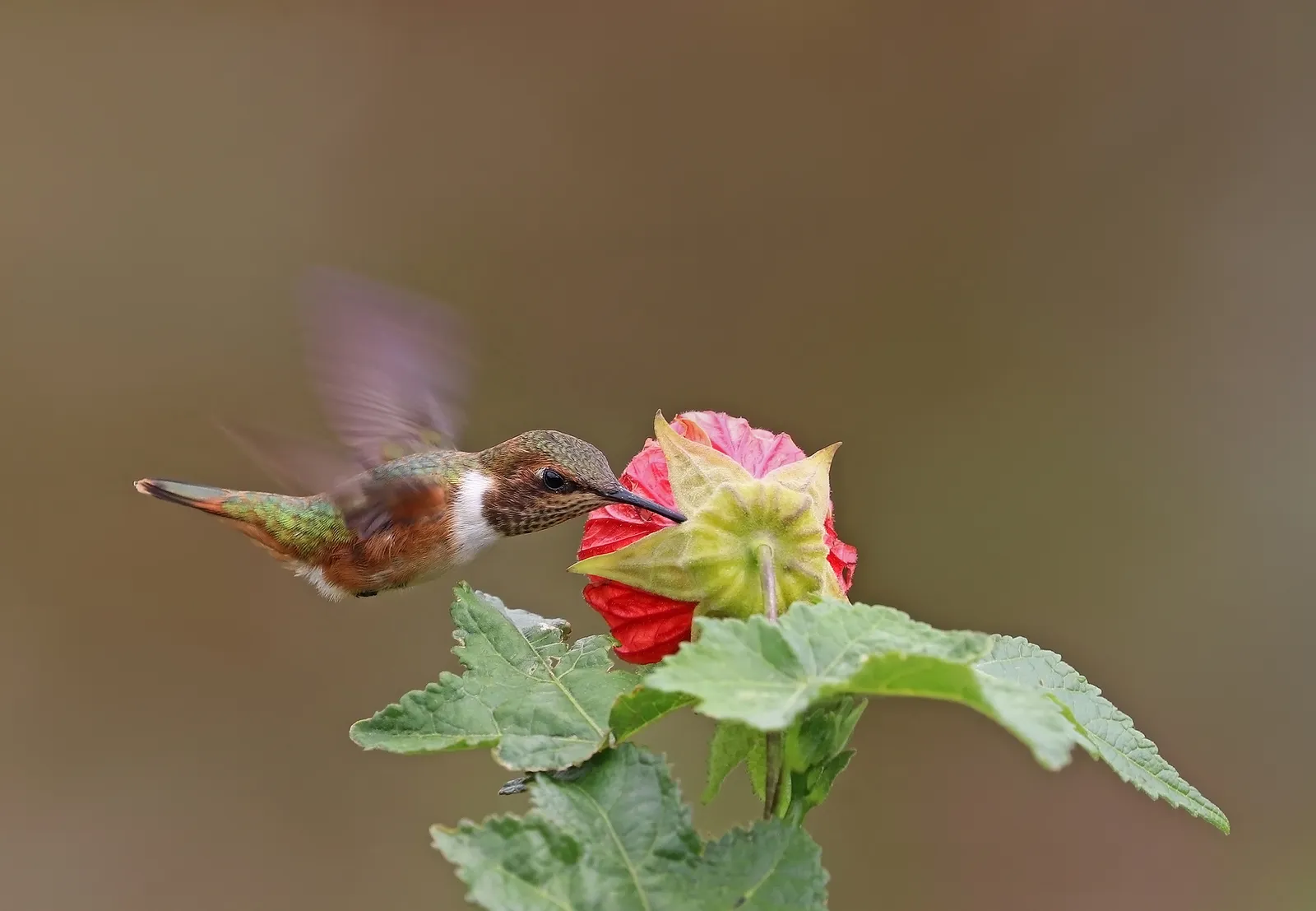
Plenty of people are convinced their hummingbirds “left for good” days before they actually did. What’s usually happening is far less final: the bird takes a brief layover nearby, then circles back if a rich food source, like your feeder, is still sitting there waiting.
A bird can vanish for 24 to 48 hours, then reappear slightly bulkier for one more top-off before the real departure. During that gap, it may be exploring other yards, wildflower patches, or natural corridors while slowly working its way south. So when someone says, “they were gone, but one showed up again this weekend,” they’re often right, it’s the same bird finishing its migration in stages instead of one dramatic goodbye.
#4 – Using Torpor More Often On Cool Nights
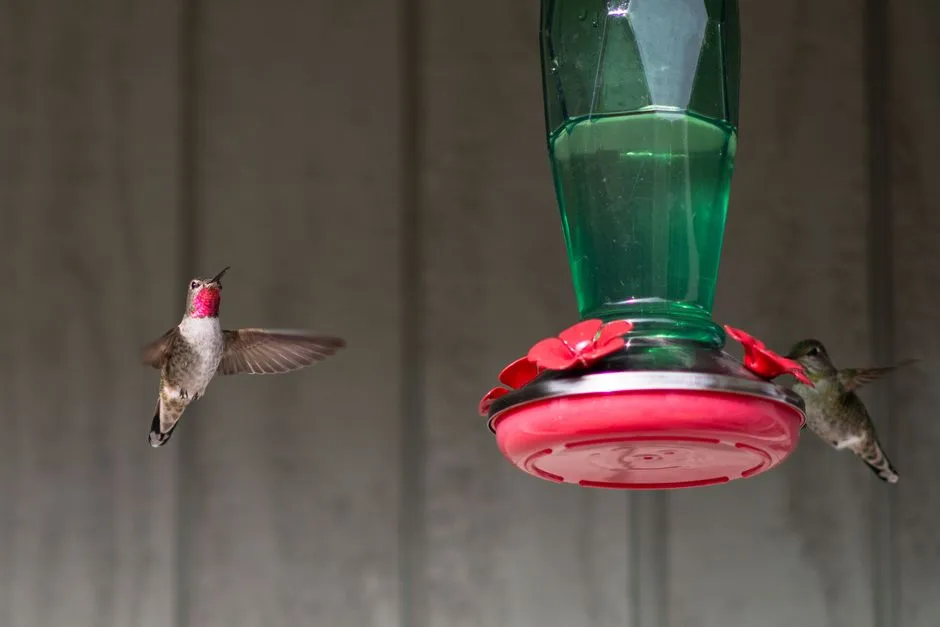
Hummingbirds are already famous for torpor, a kind of mini-hibernation where body temperature and metabolism drop dramatically overnight. In the final days before leaving, this trick becomes even more essential, especially on cooler late-season nights when stretching fat reserves matters most.
You won’t see torpor directly since it happens in hidden roosting spots, but you might notice the aftermath: a bird arriving at the feeder looking sluggish and unusually quiet at first light, then visibly “waking up” after a few solid drinks. That grogginess is often a leftover sign of torpor use overnight. Without this energy-saving trick, plenty of individuals simply wouldn’t have enough fuel banked for the first big leg of the trip.
At a Glance
- Torpor: an overnight drop in body temperature and metabolism to save energy
- Trigger: more common on cooler, late-season nights right before migration
- Morning tell: sluggish, quiet behavior that fades after a few feedings
- Why it matters: without it, some birds wouldn’t bank enough fuel for the first leg
#3 – Young Birds Practicing Routes While Adults Focus On Fuel
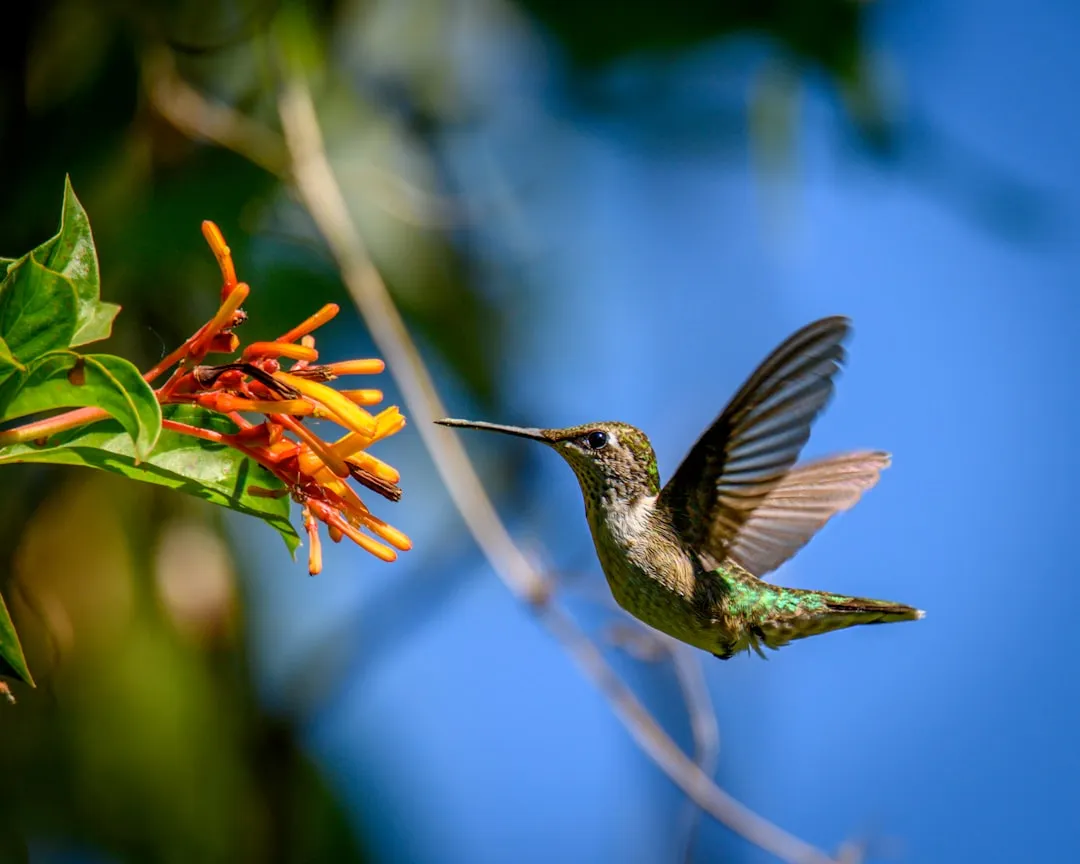
This is where things get a little controversial among backyard birders. Some swear juvenile hummingbirds look “clueless” right before migration, bumping around awkwardly while adults seem laser-focused. In reality, the young birds are just running a completely different program.
While adults are locking down a single feeder and maximizing calories, juveniles tend to explore more widely, sampling multiple food sources and loosely following instinctive routes they’ve never flown before. A streaky-chested youngster might hover too long, get chased off, then reappear from a totally different direction. It looks chaotic, but these clumsy detours are actually imprinting safe corridors and feeding spots the bird may rely on in future years. Both strategies, the ruthless adult and the wandering juvenile, are essential parts of the same migration story.
#2 – Syncing Their Exit With Subtle Seasonal Cues
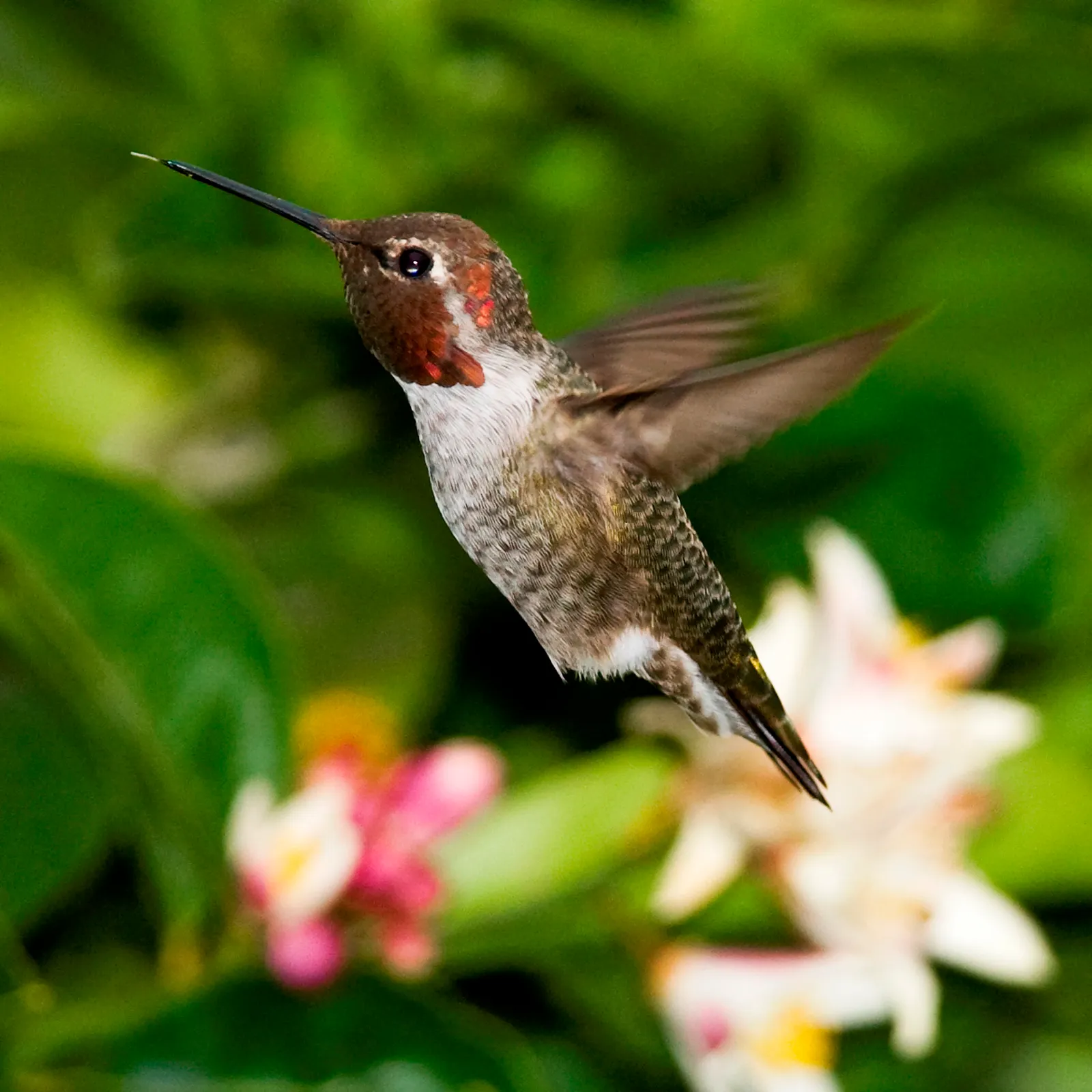
People love a simple explanation: “they leave when it gets cold,” or “they go when the flowers die.” The real answer is smarter, and a little humbling. Hummingbirds time their departure using a tangled mix of day length, hormonal shifts, food availability, and weather patterns, most of which is completely invisible to us.
You can still have warm afternoons and blooming flowers when your birds vanish, and that doesn’t mean they left “too early.” It means their internal calendar, tuned by the slow shortening of daylight, told them it was time to go. Waiting for your zip code to feel like fall is a human habit, not a bird strategy. If anything, those apparently early departures are proof their instincts are doing exactly what millions of years of evolution built them to do.
#1 – Leaving Quietly While You’re Not Looking
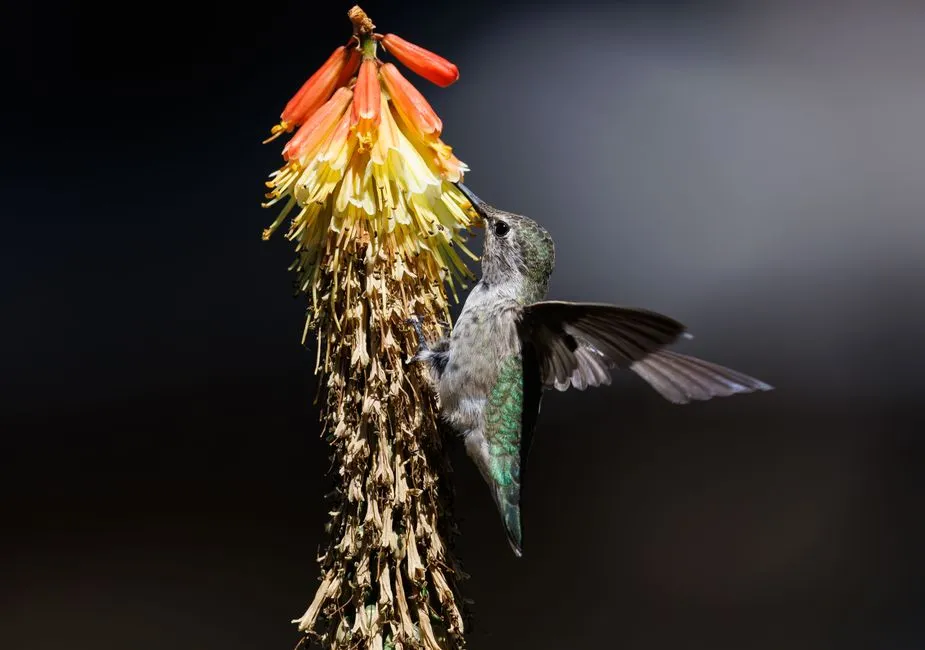
Here’s the most dramatic behavior of all, and it’s the one nobody actually witnesses. Most people picture some kind of send-off, but hummingbirds typically leave in the calm, dim hours around dawn, slipping out of the yard on a fast, direct line toward the horizon. No ceremony. No warning. Just gone.
That’s why you wake up one morning to a silent feeder and think, “that was sudden.” It wasn’t. Everything you just read, the bulking up, the fights, the test flights, the shifting schedule, was the real countdown, and this quiet exit is simply the last, least dramatic step of it. By the time you notice the emptiness, the bird is already miles away, running entirely on fuel it built quietly in your yard.
The Bottom Line
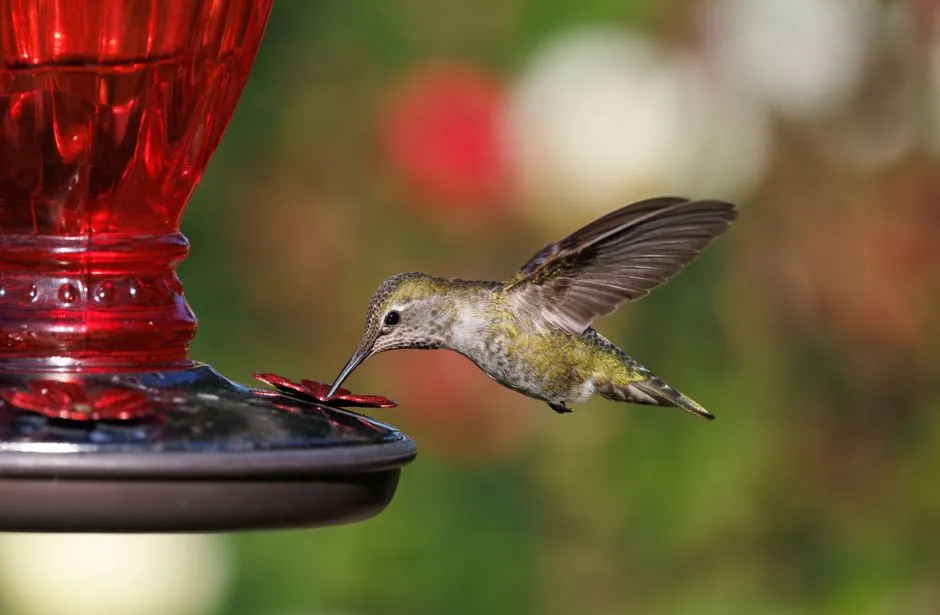
Most gardeners register exactly one fact about hummingbird migration: they’re gone. But in the days leading up to that moment, your yard quietly turns into a training camp for one of the most extreme athletic feats in the animal world. Birds pack on fat far beyond their normal size, fight harder over food than they ever did in July, fine-tune their entire daily schedule, and even change how deeply they sleep, all while someone’s just refilling a feeder without a second thought.
Here’s the uncomfortable part: if you missed these 18 behaviors, you weren’t really watching your hummingbirds, you were just noticing they existed. Once you know what to look for, those last days stop feeling like an ending and start feeling like being let in on a secret nobody else in the neighborhood is paying attention to. So which of these have you actually caught happening in your own yard, and which ones do you still think the experts have wrong?
