
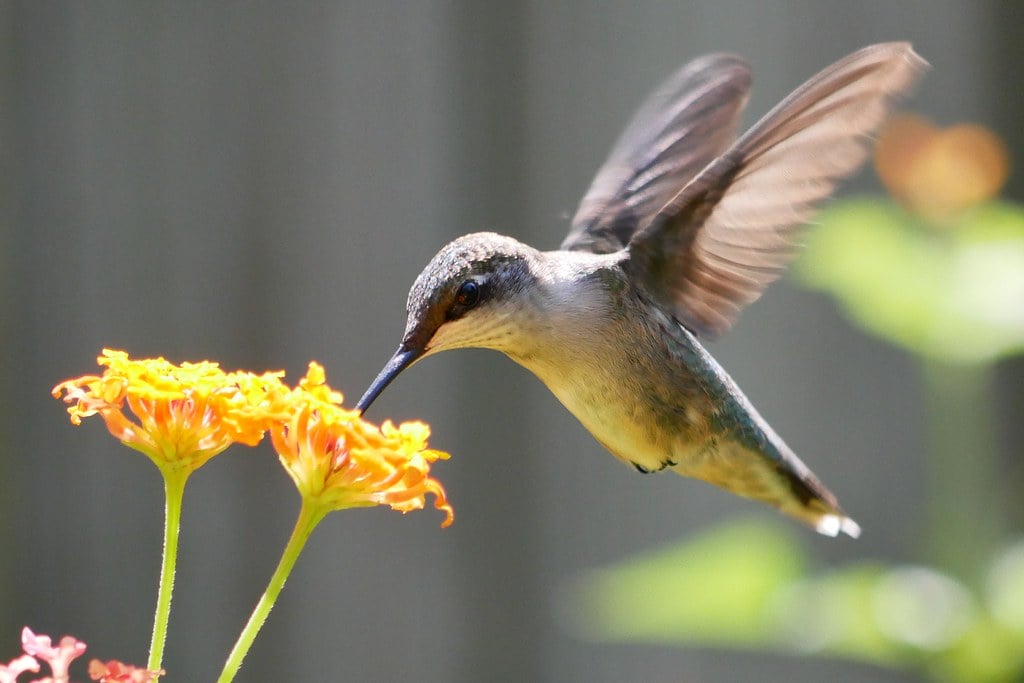
Most people assume any pretty flower will pull hummingbirds into the yard – which is exactly why so many carefully planted “pollinator gardens” stay strangely quiet all summer long.
The truth, backed by long-time birders and years of backyard observation, is that hummingbirds are far pickier than we give them credit for. They snub some of the most popular garden-center darlings completely, while returning – same corner of the yard, same week every year – to a short, specific list of plants that never let them down. Here’s exactly which ones make the cut, and which ones are quietly wasting your money.
#19 – Bee Balm (Magnet) vs. Petunias (Mostly Ignored)
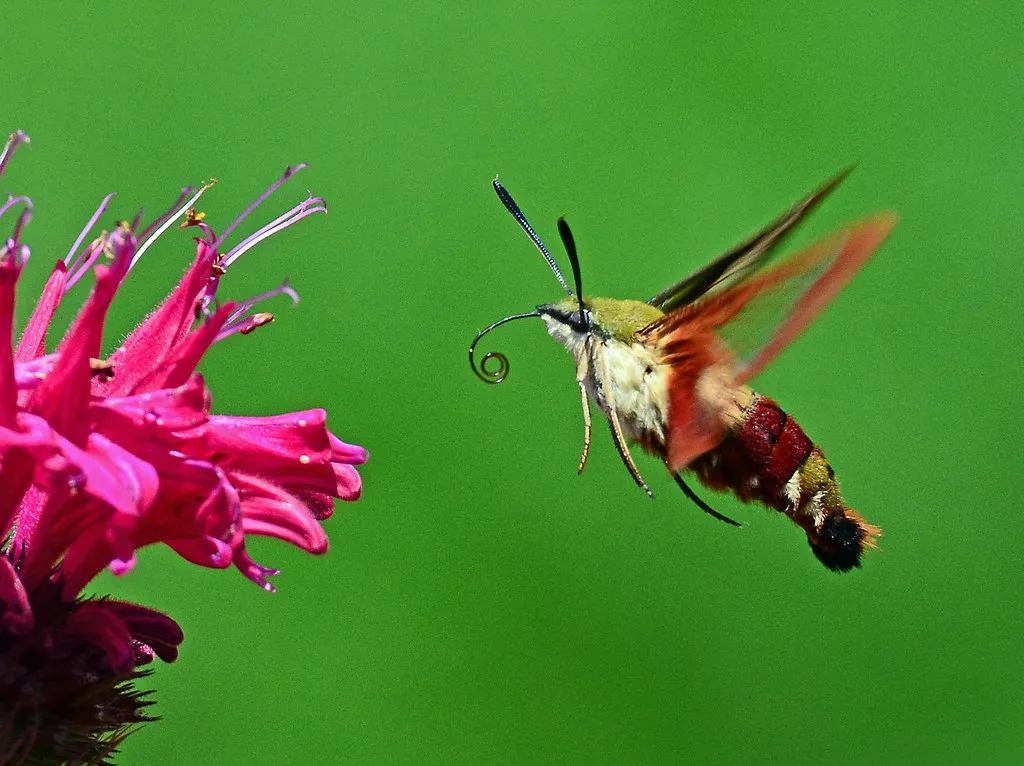
Bee balm (Monarda) is one of those “plant it once, they remember forever” flowers. Its tubular blooms are perfectly shaped for hummingbird beaks, and the red and hot-pink varieties act like flares. The nectar is rich, easy to access, and blooms for weeks, so birds learn your yard is a dependable fuel stop.
Plant it in clumps, not single stems, to create a visual target they can spot from the air. Petunias, meanwhile, fool people constantly – they’re cheap, everywhere, and colorful, but most modern varieties are bred for looks, not nectar. Their shallow, open flowers often provide almost nothing of value, so a bird may check once and never bother again. If your hanging baskets are all petunia and zero hummingbirds, now you know why.
Fast Facts
- Hummingbirds weigh 1/10th of an ounce, about the weight of a penny.
- An average hummingbird’s heart rate is more than 1,200 beats per minute.
- They feed every 10-15 minutes and visit 1,000-2,000 flowers throughout the day.
- Hummingbirds can remember where every flower in their territory is and how long it takes to refill with nectar.
Petunias aren’t even the biggest letdown on this list – wait until you see #18.
#18 – Trumpet Honeysuckle (Magnet) vs. Geraniums (Ignored More Than You Think)
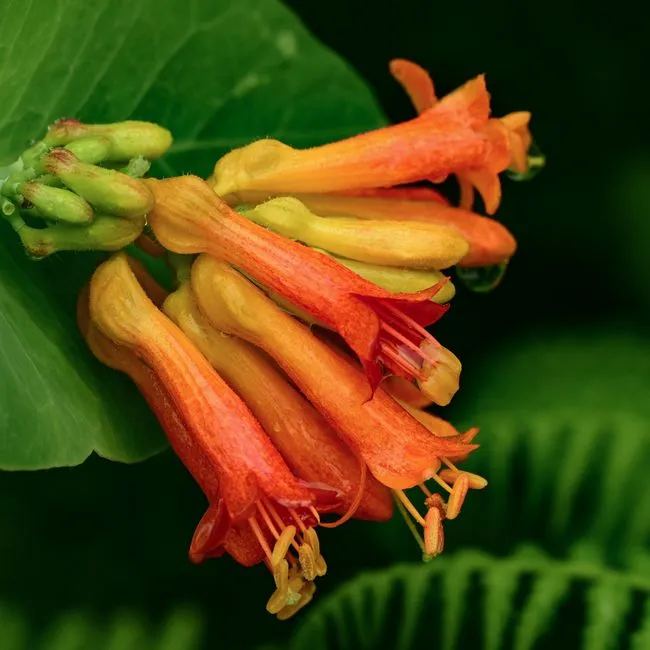
Trumpet honeysuckle (Lonicera sempervirens) is a climbing, repeat-blooming powerhouse. Its clusters of long, red-orange tubes practically scream “buffet.” Unlike invasive Japanese honeysuckle, this native-type vine offers real ecological value. Hummingbirds quickly learn to work every tube in a cluster, then circle back all day as more nectar refills.
Put it on an arbor, mailbox post, or fence where it’s visible from a distance. Geraniums, meanwhile, are a classic porch favorite that for hummingbirds is basically plastic – the blooms are showy for us, but most produce very little nectar and their shape doesn’t favor hummingbird feeding. Birds may hover for a second out of curiosity, then dart away to something worth their time.
Geraniums are bad, but they’re not the worst impostor on this list. #17 might surprise you.
#17 – Salvia “Black & Blue” (Magnet) vs. Marigolds (Bright but Pointless)
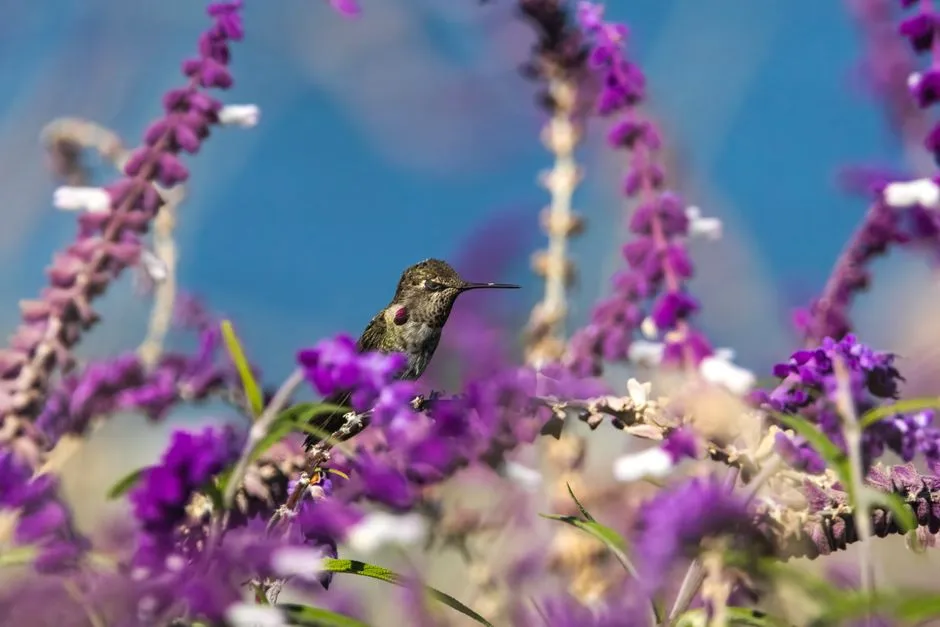
Perennial and tender salvias are borderline addictive to hummingbirds. Varieties like ‘Black & Blue’ and ‘Amistad’ act like neon signs, with dozens of blossoms per spike. Each flower is a tiny nectar tube perfectly sized for a hummer’s bill, and the bloom season stretches from early summer into fall in many regions.
Once a bird finds a good salvia patch, it’ll do loops over your yard all day. Marigolds, on the other hand, are the definition of “for people, not birds” – we love them for pest control and bright borders, but the nectar reward is tiny compared to the effort of probing all those dense petals. Hummingbirds will fly right past a marigold border on their way to something better.
Marigolds are pretty, and pretty pointless to a hummingbird. #16 makes them look even worse.
#16 – Cardinal Flower (Magnet) vs. Hydrangeas (Big Blooms, Zero Payoff)
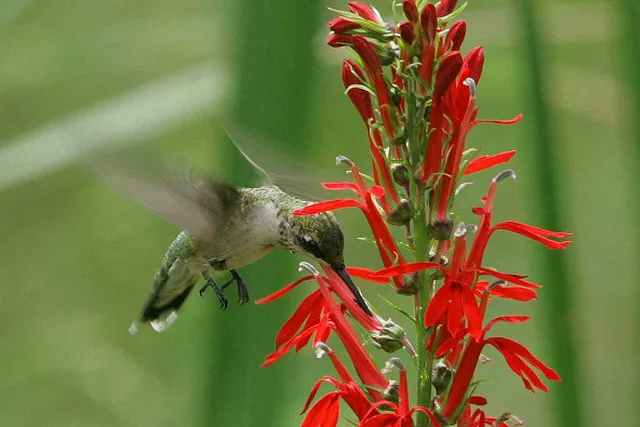
Cardinal flower (Lobelia cardinalis) is basically hummingbird catnip. It packs tall spikes of blazing red, tubular flowers that bloom in late summer, exactly when migratory birds are trying to bulk up for the trip south. Hummingbirds are the primary pollinators of this plant in many regions, and a mature stand gets guarded like a personal gas station.
Hydrangeas, by contrast, are the classic “big show, little reward” shrub. Those massive mophead clusters are mostly sterile florets bred purely for visual impact. To a hummingbird, a hydrangea is a giant, time-wasting balloon of petals with almost no nectar access. They might land on it for a rest, but they’re not eating there – size means nothing without the right shape.
If you thought hydrangeas were disappointing, brace yourself for #15.
#15 – Red Hot Poker (Magnet) vs. Impatiens (Shady but Skippable)
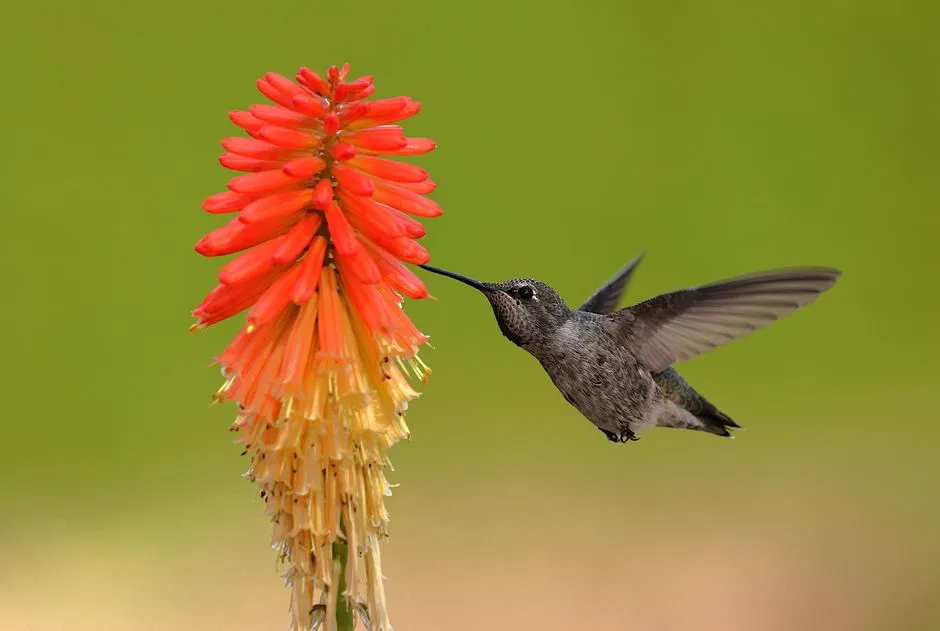
Red hot poker (Kniphofia) looks a little alien, and hummingbirds love it for exactly that reason. The tall torches of red, orange, and yellow tubes are like vertical nectar buffets. Each spike can feed multiple hummingbirds at once, which is why you’ll often see full-speed aerial chases breaking out around a single plant.
Impatiens, the go-to for shady beds, seem like they should be hummingbird favorites – but usually they’re not. Breeding for double flowers and longer bloom has often come at the cost of nectar production, and the shallow, wide blooms are less efficient than true tubular flowers. If you’re banking on impatiens under the trees to feed birds, you’ll probably be let down.
Impatiens aren’t the only shade-lover that falls flat. Keep scrolling for #14.
#14 – Penstemon (Beardtongue) vs. Roses (All Show, Little Flow)
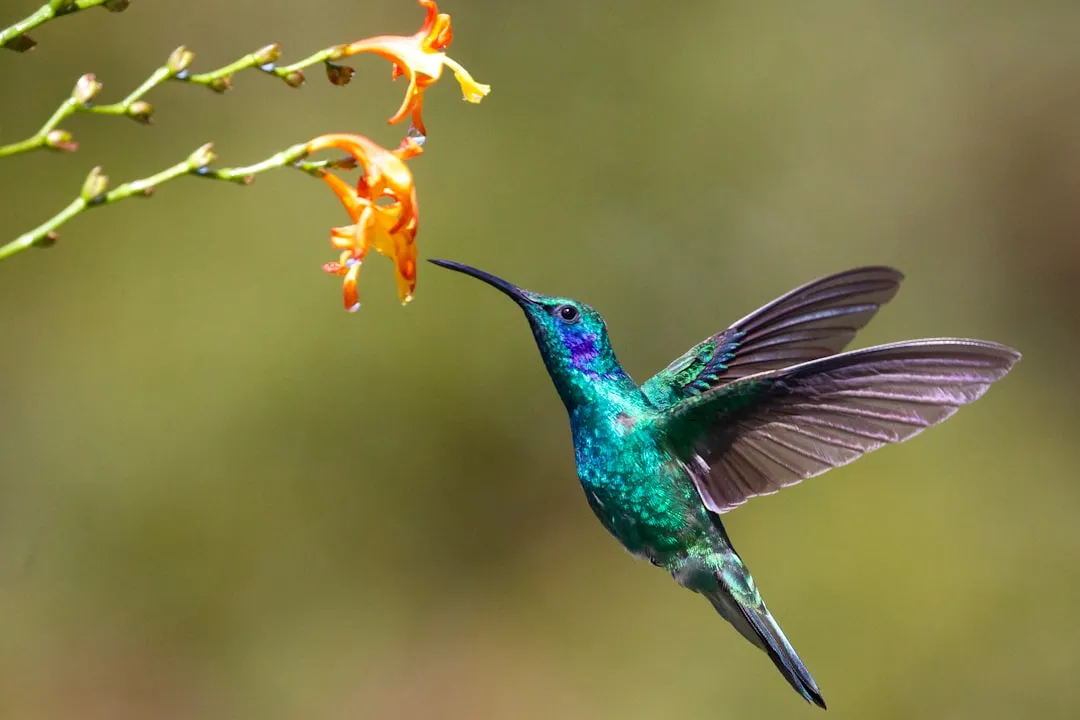
Penstemons, especially native species, are hugely underrated hummingbird plants. Their upright stalks are loaded with narrow, tubular blossoms in reds, pinks, and purples. Each stem works like a staircase of nectar, and hummingbirds will methodically feed their way from bottom to top.
Because many penstemons are drought-tolerant, they keep producing right through heat waves when birds need extra fuel most. Roses, on the other hand, are a human obsession birds largely don’t share – especially modern hybrid teas and double roses, where the densely layered petals often bury what little nectar exists. People spend hundreds on rose gardens and then wonder why the only bird visiting is a bored robin.
Roses aren’t even the biggest waste of a garden budget on this list – that’s #13.
#13 – Zinnias (Surprise Annual Magnet) vs. Begonias (Pretty, But Not for Hummers)
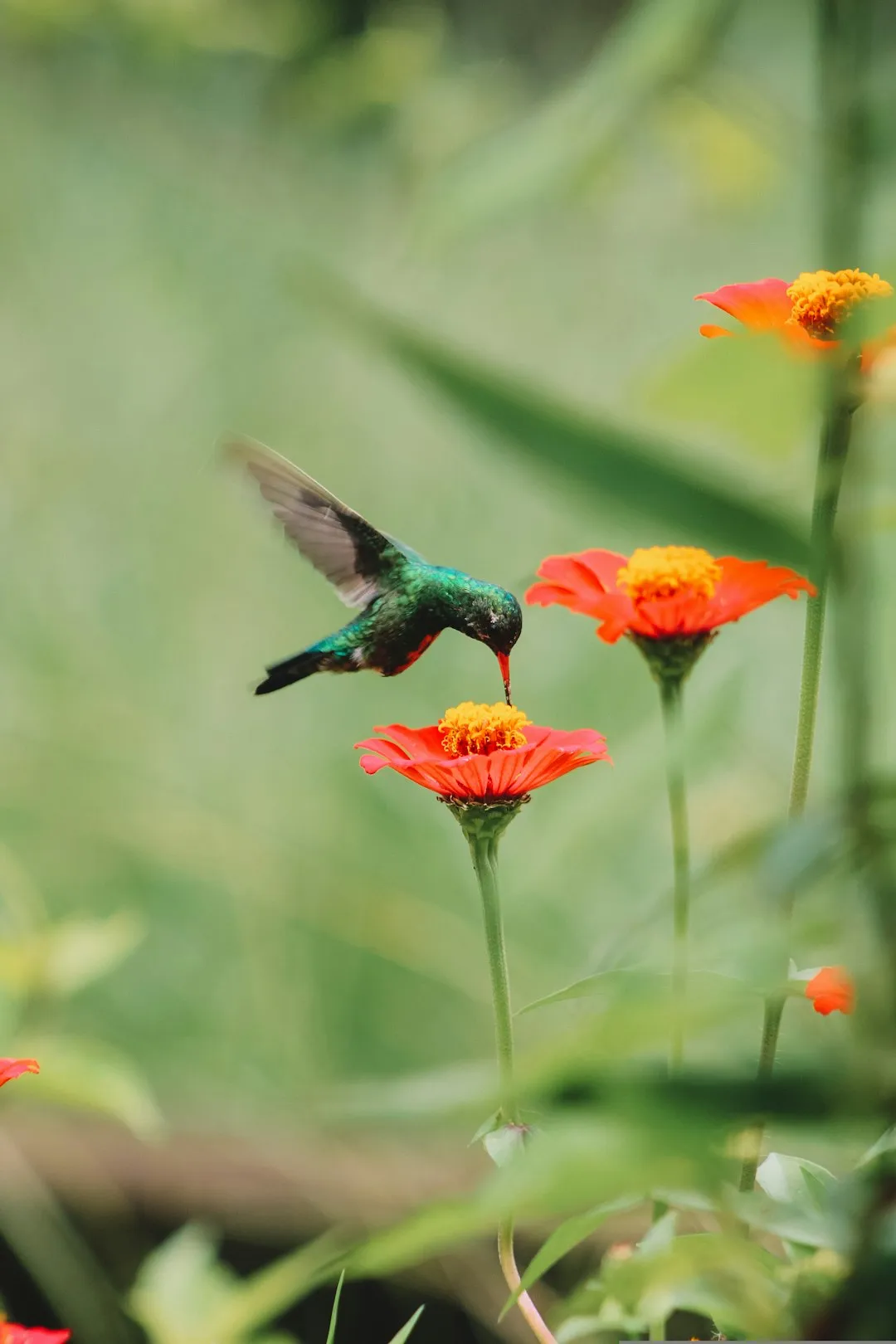
Zinnias don’t look like classic hummingbird plants, but taller, single or semi-double varieties in bright reds, oranges, and magentas absolutely earn their keep. Hummers will zip in for quick sips from the central disk florets, especially when tubular options nearby are sparse. They’re also cheap and easy to grow from seed.
Begonias, especially wax begonias in mass plantings, tell almost the opposite story. They’re beloved for nonstop bloom in shade, but most common begonias offer minimal nectar rewards and awkward flower access. Garden centers push them hard because they’re foolproof for humans, not because wildlife is fighting over them.
Begonias are everywhere, and hummingbirds barely notice them. #12 is an even sneakier letdown.
#12 – Fuchsia (Hanging Basket Hero) vs. Calibrachoa (Mini Petunias, Mini Interest)
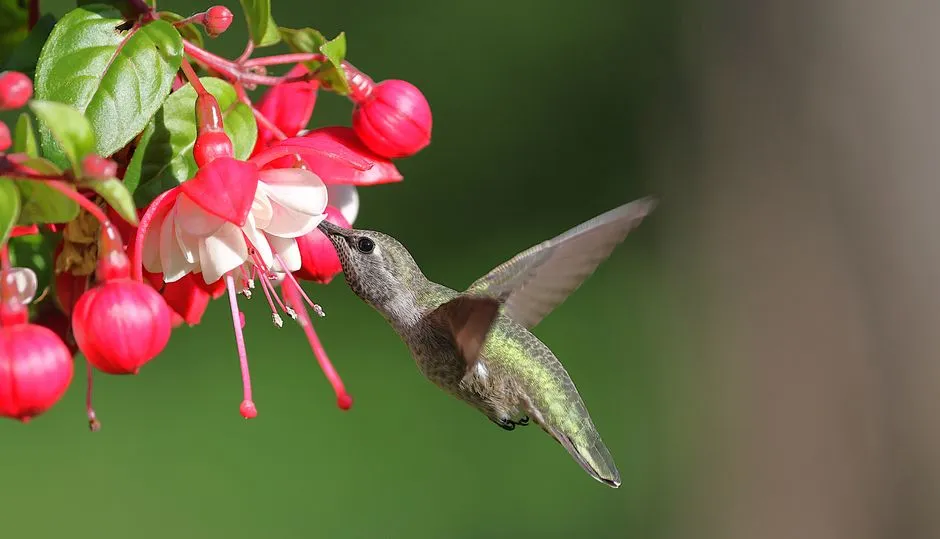
True fuchsias, especially the classic dangling varieties in red and purple, are almost custom-built for hummingbirds. The pendant, tubular flowers hang at perfect feeding height from baskets and pots. Hummingbirds will visit the same fuchsia dozens of times a day, memorizing exactly where it hangs on your porch.
Calibrachoa (“million bells”) looks like a hummingbird’s dream, with tiny trumpet-shaped flowers spilling over containers. But many modern calibrachoa have been bred so heavily for nonstop color that nectar production is often minimal. Birds may test them early in the season, then quietly move on to something more rewarding.
Worth Knowing
- Their long, slender beaks and tongues allow them to access nectar deep within flowers other pollinators can’t reach.
- Research on feeding behavior shows consistently demonstrated preferences aligned with 15-25% natural flower nectar concentrations, which most true tubular blooms hit naturally.
- They like red or orange flowers because of their high sugar content, which is why bred-for-color annuals with the “right” hue still get ignored if the nectar isn’t there.
- Hummingbirds remember where every flower in their territory is and how long it takes to refill, so they avoid revisiting recently sampled, low-reward blooms.
Calibrachoa looked like a sure thing on paper. #11 is an even bigger surprise.
#11 – Agastache (Hummingbird Mint) vs. Double Dahlias (Petal Overload)
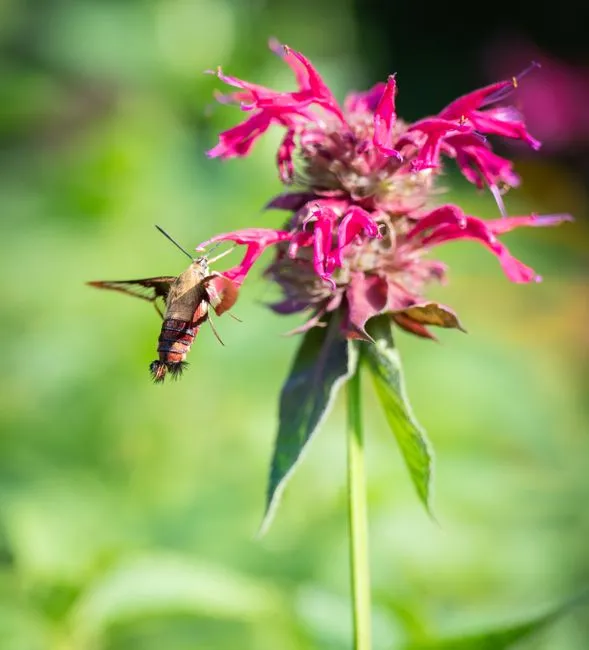
Agastache, often called hummingbird mint, is a top-tier nectar plant. Tall spikes of tubular flowers in orange, coral, purple, or pink provide a concentrated food source from midsummer into fall. The fragrant, deer-resistant foliage makes it a rare win-win for gardeners and birds alike, and many birders quietly rank it higher than famous names like butterfly bush.
Double dahlias, on the other hand, are what happens when humans breed flowers for Instagram instead of ecosystems. Those fluffy, globe-like blooms are gorgeous to us, but they often bury or completely eliminate access to nectar and pollen. Hummingbirds waste energy probing petals and get almost nothing back, so they learn to skip them fast.
Double dahlias are gorgeous and useless at the same time – but #10 might be worse.
#10 – Coral Honeysuckle & Crossvine vs. Boxwood (Evergreen Desert)
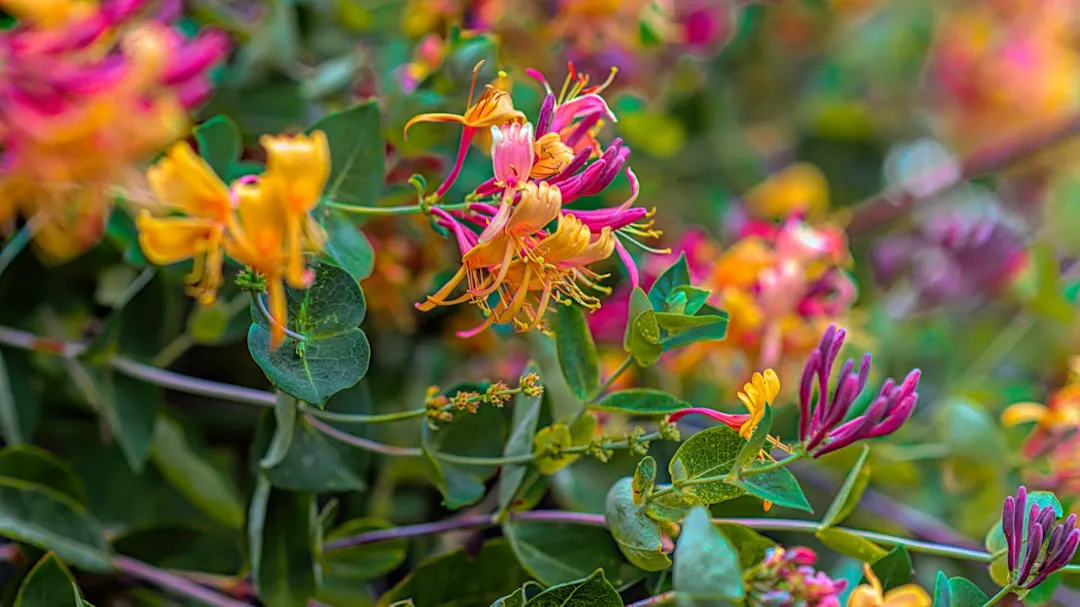
Coral honeysuckle and crossvine are two woody climbers that hummingbirds remember like favorite gas stations. Both produce long, tubular, reddish-orange blossoms right when returning birds are scouting territory. A vine covering a fence or arbor becomes a dense wall of nectar, and that visual mass alone can pull in more hummingbirds than a dozen scattered annuals.
Boxwood, in contrast, is the suburban default that might as well be fake to a hummingbird. It technically flowers in spring, but the blooms are tiny, inconspicuous, and offer virtually no accessible nectar. People line entire foundations with it and then wonder why the yard feels dead – as structure, fine; as food, it’s a green plastic fence.
Boxwood is basically invisible to hummingbirds. So is #9’s biggest letdown.
#9 – Native Columbine vs. Daylilies (Overrated for Hummers)
Native columbine (Aquilegia canadensis) is an early-season lifesaver. Its nodding red-and-yellow flowers have long spurs filled with nectar, reachable with the kind of precision only a hummingbird’s bill can manage. In many regions, this is one of the first real food sources available after birds return from migration, and finding it early gets your yard “bookmarked” for the rest of the season.
Daylilies get hyped as hummingbird plants, but the reality is messier. Most fancy daylilies are bred for frills and size, not nectar volume or tubular shape, and many birders say hummingbirds treat them more as perches than food. Calling a daylily bed a “hummingbird garden” is wishful thinking unless you’ve layered in better nectar sources.
Daylilies get way more credit than they deserve. So does #8.
#8 – Flowering Tobacco (Nicotiana) vs. Ornamental Cabbage & Kale
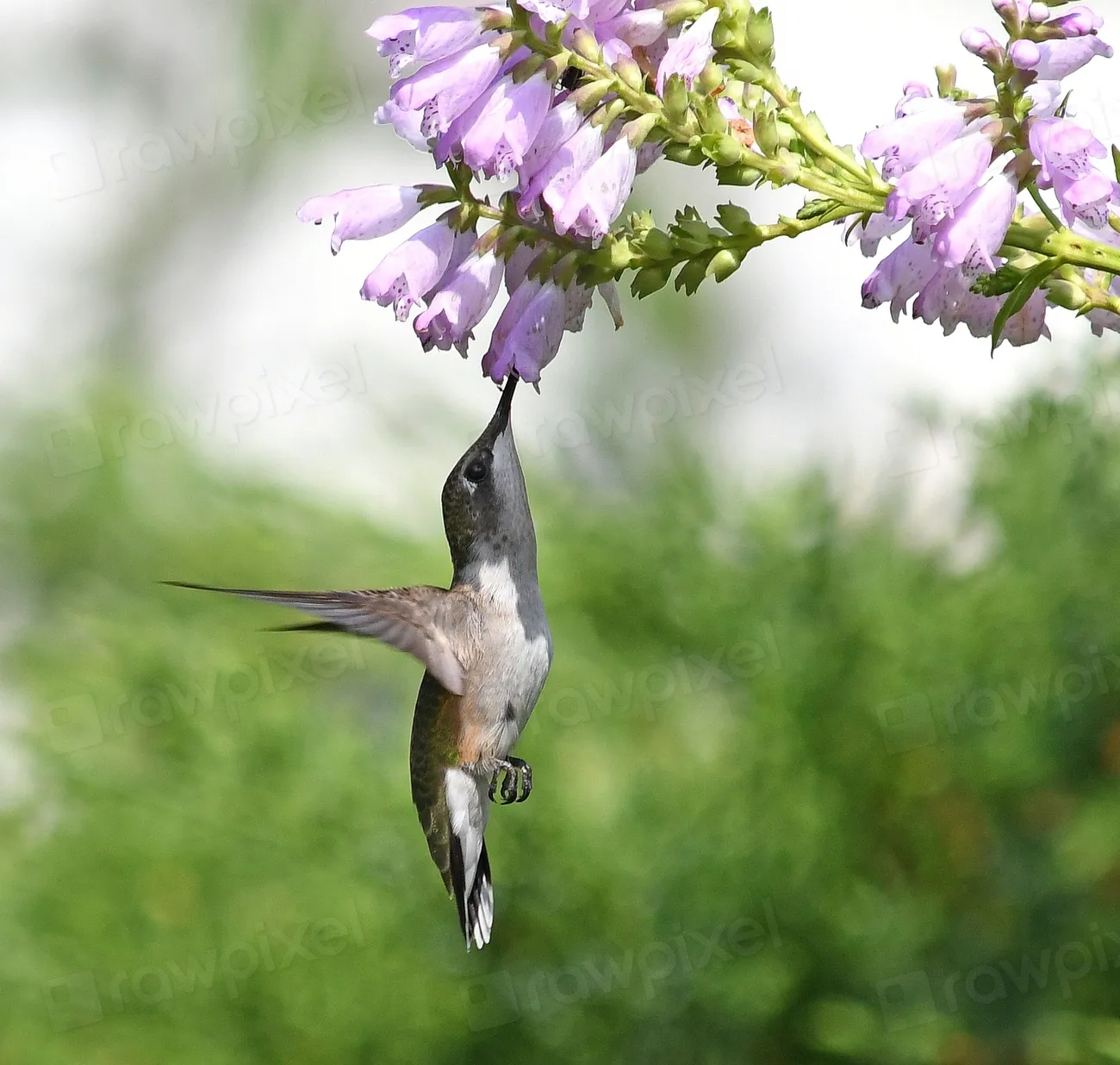
Certain Nicotiana species, like N. alata and N. mutabilis, are genuine hummingbird draws. Their tubular, dangling blooms in white, pink, or lime open in the evening with strong fragrance. Hummingbirds often feed morning and late afternoon, when the tubes are still loaded, and taller varieties give hovering birds room to maneuver.
Ornamental cabbage and kale, meanwhile, are a pure vanity project for fall color. Their “flowers” in beds are just colorful leaves, offering nothing to hummingbirds at all. By the time real flower stalks appear in spring, the birds have already moved on to better options.
Ornamental cabbage isn’t even the strangest non-food on this list. Wait for #7.
#7 – Bush Sage & Anise Sage vs. Tulips (Spring Eye Candy Only)
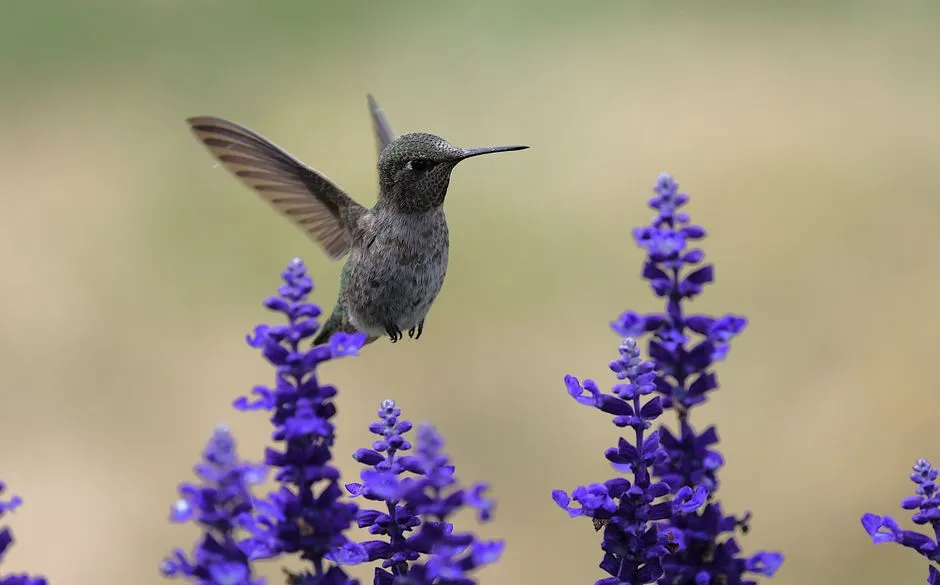
Shrubby salvias like autumn sage and anise sage are repeat performers hummingbirds memorize fast, offering waves of tubular flowers from late spring to frost. Because the blooms keep renewing on woody stems, birds can rely on the same plant for months instead of weeks – almost mandatory in hot zones if you want hummers hanging around instead of passing through.
Tulips, meanwhile, are the ultimate flower-for-humans example. Their cup-shaped blooms are beautiful but short-lived, and they generally provide little accessible nectar to hummingbirds. People proudly plant hundreds of them and then complain they “never see hummingbirds,” not realizing they’ve basically planted a wax museum.
Quick Compare
- Magnet traits: tubular shape, red/orange/pink color, months-long bloom, high nectar volume
- Skip traits: double or ruffled petals, shallow open blooms, short bloom windows, bred for looks over nectar
Tulips are gorgeous for about two weeks, then irrelevant. #6 is a repeat offender.
#6 – Hummingbird Bush (Hamelia patens) vs. Coleus (All Foliage, No Fuel)
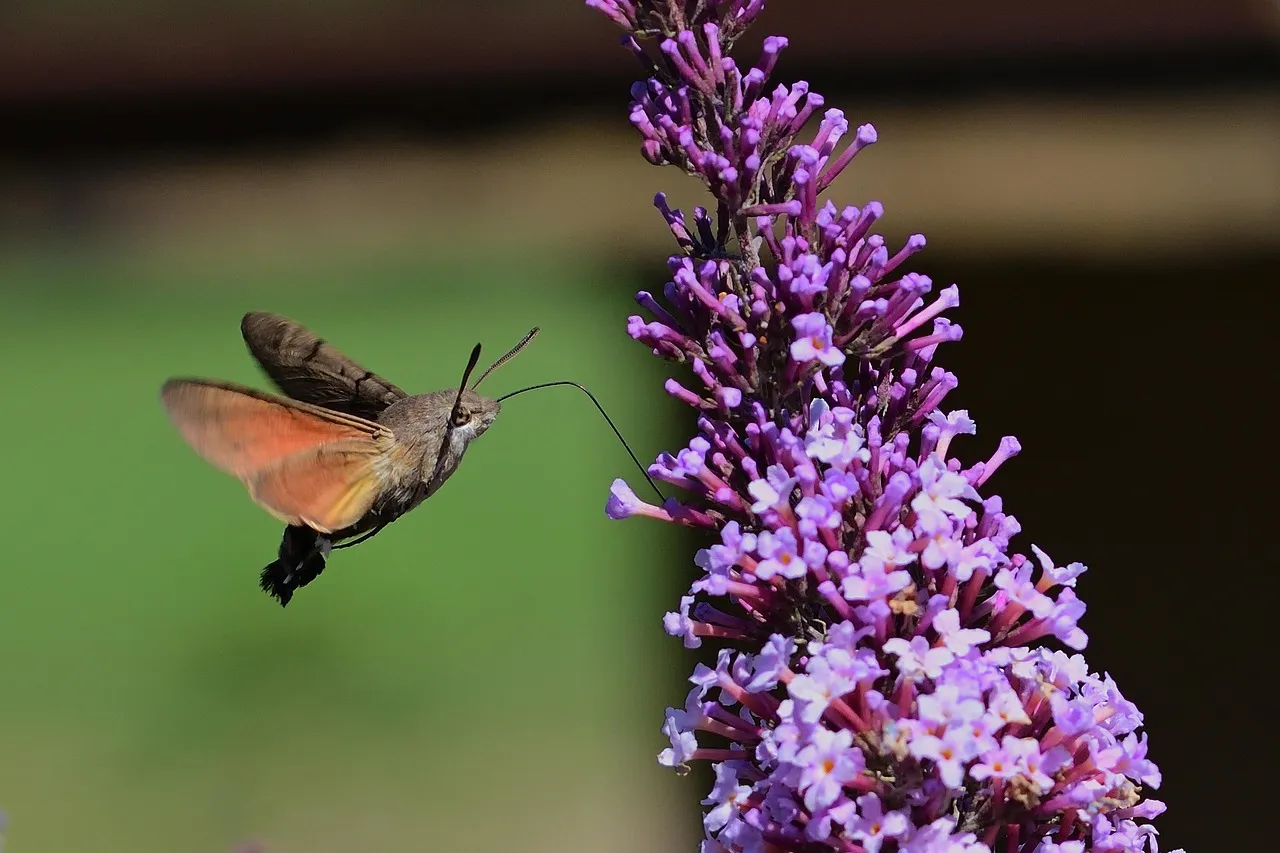
Hamelia patens, often sold as hummingbird bush or firebush, fully earns its name in warm climates. It churns out clusters of slim, tubular orange-red flowers for months in heat that wilts other plants. In the Southeast and parts of the Southwest, it can be the single most visited shrub in the yard, with hummers returning year after year and defending mature plants aggressively.
Coleus, by contrast, is grown almost entirely for wild foliage colors. The small, often pinched-off flower spikes are a minor, inconsistent nectar source at best, and most gardeners even remove the blooms to keep leaves fuller. You might get a curious fly-by, but never a loyal visitor.
Coleus fools a lot of gardeners. #5 fools even more.
#5 – Native Trumpet Creeper (With Caution) vs. Hostas (Overhyped)
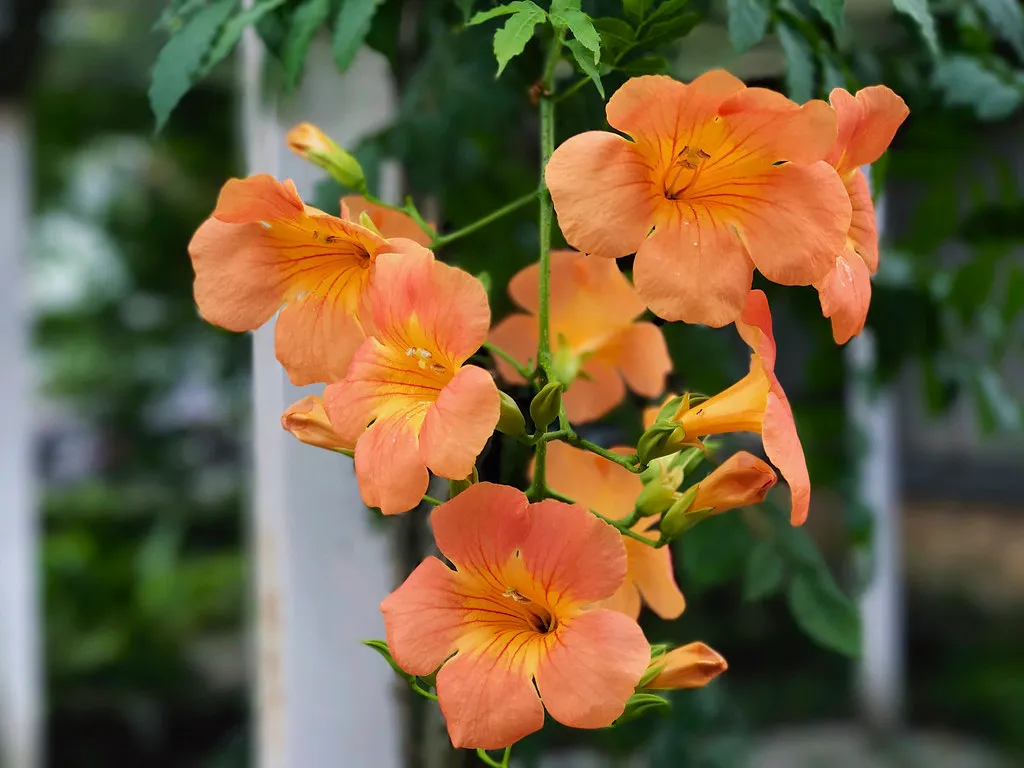
Trumpet creeper (Campsis radicans) is controversial among gardeners, but hummingbirds don’t care about your opinion – they love it. Huge orange-red trumpets literally drip nectar in midsummer, making it one of the most important wild nectar sources in some regions. Used carefully on a sturdy arbor or back fence, it’s a supercharger; planted next to your foundation, it’s a nightmare of suckers.
Hostas, meanwhile, get constant “hummingbird plant” hype that’s mostly marketing. Some do send up tall spikes with tubular flowers birds will visit, but for most of the season, hostas are just leaves, and many modern varieties bloom less and shorter. Calling a hosta bed a hummingbird magnet is generous at best.
Why It Stands Out
- The ruby-throated hummingbird returns each year between late April and mid-May in much of its range.
- That’s often before most plants have bloomed, which is why some birds lean on natural sap wells until real flowers catch up.
- Native vines and perennials evolved on the same clock as local hummingbirds, so their bloom timing already lines up with migration and nesting needs.
- Heavily hybridized ornamentals rarely sync up the same way, no matter how many blooms they push out.
Hostas get way more hype than they earn. #4 proves it again.
#4 – Lantana (Heat-Loving Feeder) vs. Poinsettias (Holiday Illusion)
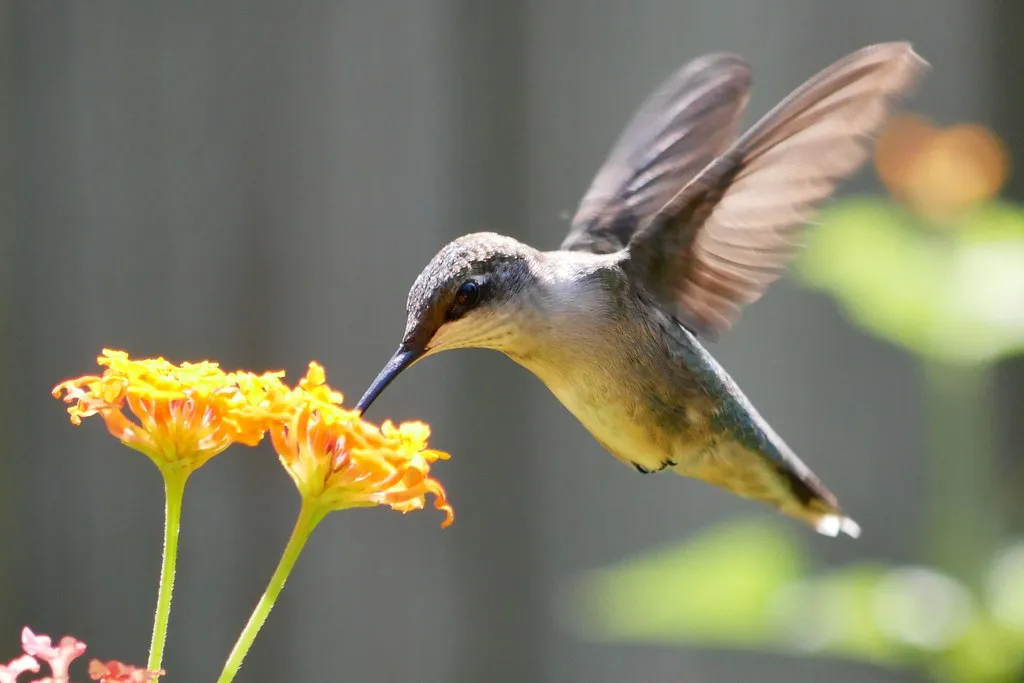
Lantana is famous for butterflies, but hummingbirds use it too, especially in hot, sunny spots where other plants struggle. Its clustered flower heads are made of many tiny tubes, each holding a sip of nectar. Planted in big, dense drifts, hummingbirds will happily work lantana all summer, exactly when they’re burning the most energy.
Poinsettias, the holiday staple, might be the single most misunderstood “flower” out there. Those big red “petals” are actually colored leaves, not blossoms, and the real flowers are tiny and nearly nectarless. No matter how red it is in December, a poinsettia has never once made a hummingbird’s return list.
Poinsettias are the ultimate holiday illusion. #3 is a year-round one.
#3 – Trumpet Salvia & Cuphea vs. Ornamental Grasses (Zero Nectar, Nice Photos)
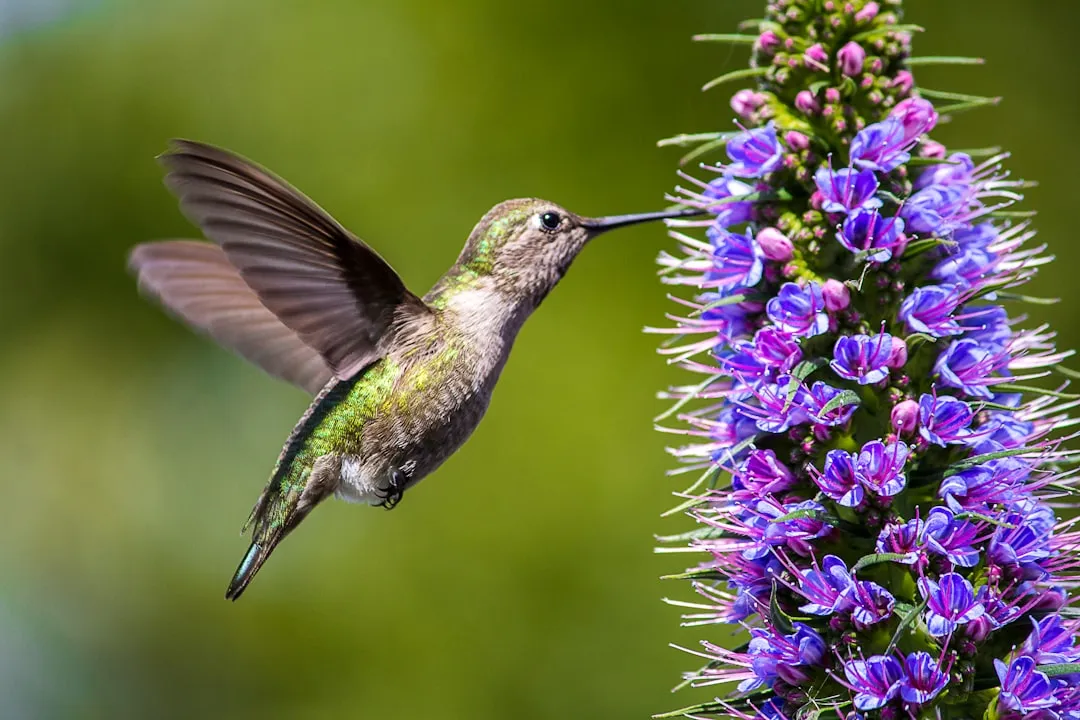
Trumpet-flowered salvias and cuphea (“cigar plant”) are absolute magnets in pots and beds. Cuphea produces hundreds of tiny red or orange “cigars,” each a quick-shot nectar tube. Hummingbirds develop a circuit, zipping from plant to plant like they’re working a row of vending machines – a couple of big containers on a balcony can create shockingly high traffic.
Ornamental grasses, though dramatic and good for some wildlife, offer essentially no nectar value to hummingbirds. They might provide nesting material or a perch, but that’s it. If your “landscape makeover” is mostly grass and low-nectar shrubs, you’ve quietly told hummingbirds to shop elsewhere.
Ornamental grasses look incredible in photos and do nothing for hummingbirds. #2 is just as deceiving.
#2 – Scarlet Runner Beans & Vining Annuals vs. Lilacs (Fragrant, But Not Favorites)
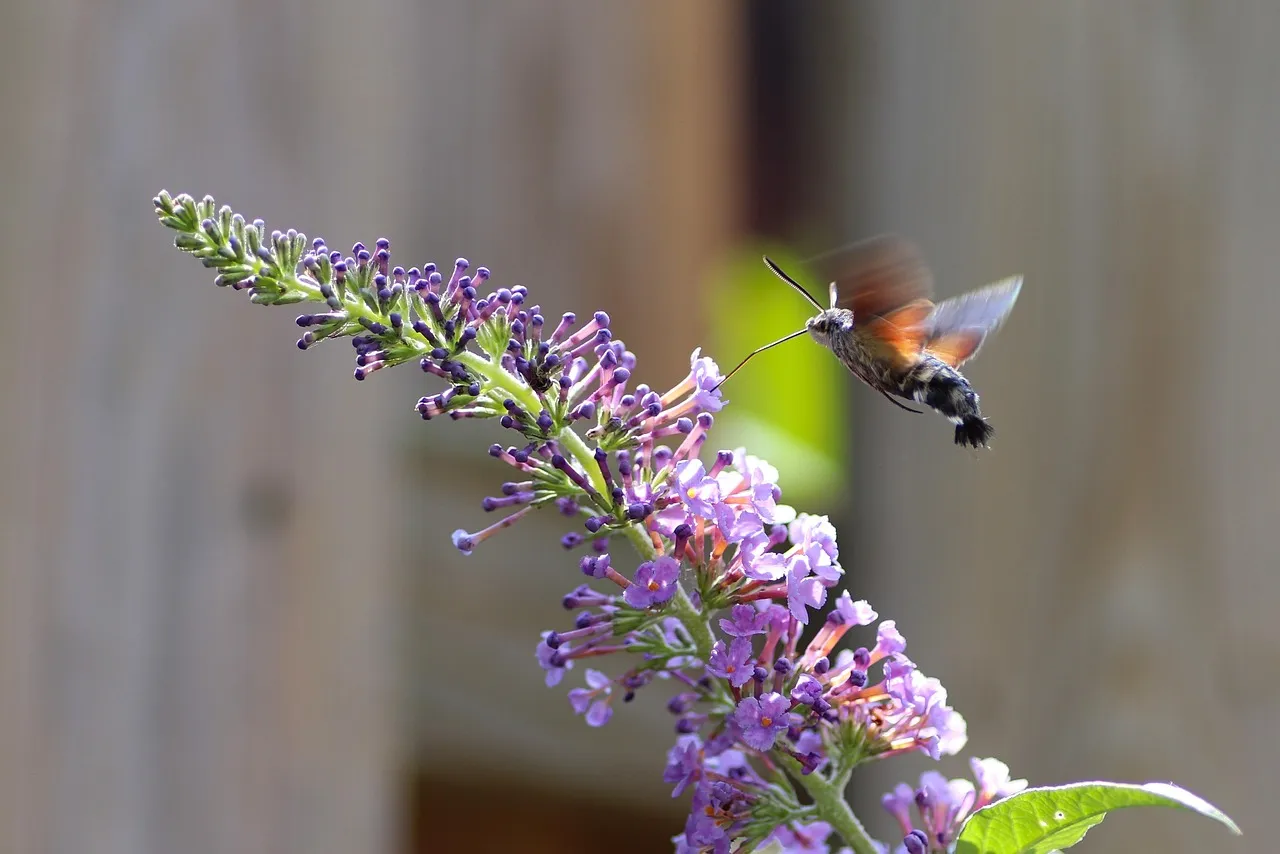
Scarlet runner beans are the ultimate multitasker: food for you, and food for hummingbirds. Their bright red flowers are loaded with nectar, and the vining growth means more bloom surface area. Many gardeners notice hummingbirds visiting the beans before they even set pods. Cypress vine and some morning glories work the same trick along fences and trellises.
Lilacs, meanwhile, are planted overwhelmingly for scent, and that pleases us, not hummingbirds. The individual florets are tiny, shallow, and optimized more for bees than long-billed nectar feeders. People assume “fragrant plus lots of flowers” equals a hummingbird magnet – the birds strongly disagree.
Lilacs smell like heaven and mean almost nothing to a hummingbird. And #1 ties this entire list together.
#1 – Native Salvias, Trumpets & Lobelias (Return Every Year) vs. High-Bred “Designer” Hybrids (Pretty but Empty)
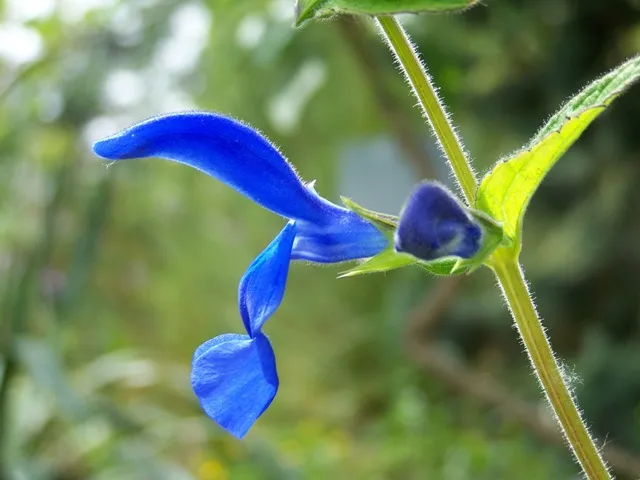
The single strongest pattern across real hummingbird gardens is this: native or wildlife-bred salvias, trumpet-shaped vines, and lobelias bring birds back every single year. Native salvia species, cardinal flower, coral honeysuckle, and carefully managed trumpet creeper match a hummingbird’s bill length, nectar needs, and migration timing almost perfectly. Gardeners who anchor their yards with these workhorse plants report generations of hummingbirds using the same patches, often to the exact day, year after year.
On the flip side, many high-bred “designer” hybrids – double blooms, ruffled petals, neon colors bred purely for shelf appeal – are secretly terrible for hummingbirds. Breeders often trade nectar and accessible flower structure for human-pleasing looks. The result is a yard that photographs beautifully but functions like a showroom with nothing behind the glass. If you want real hummingbird traffic, function has to beat fluff.
If you plant it, and it feeds them, they will come back. Not because it’s beautiful to us – because it works for them.
Common wisdom among native-plant gardeners
The Bottom Line
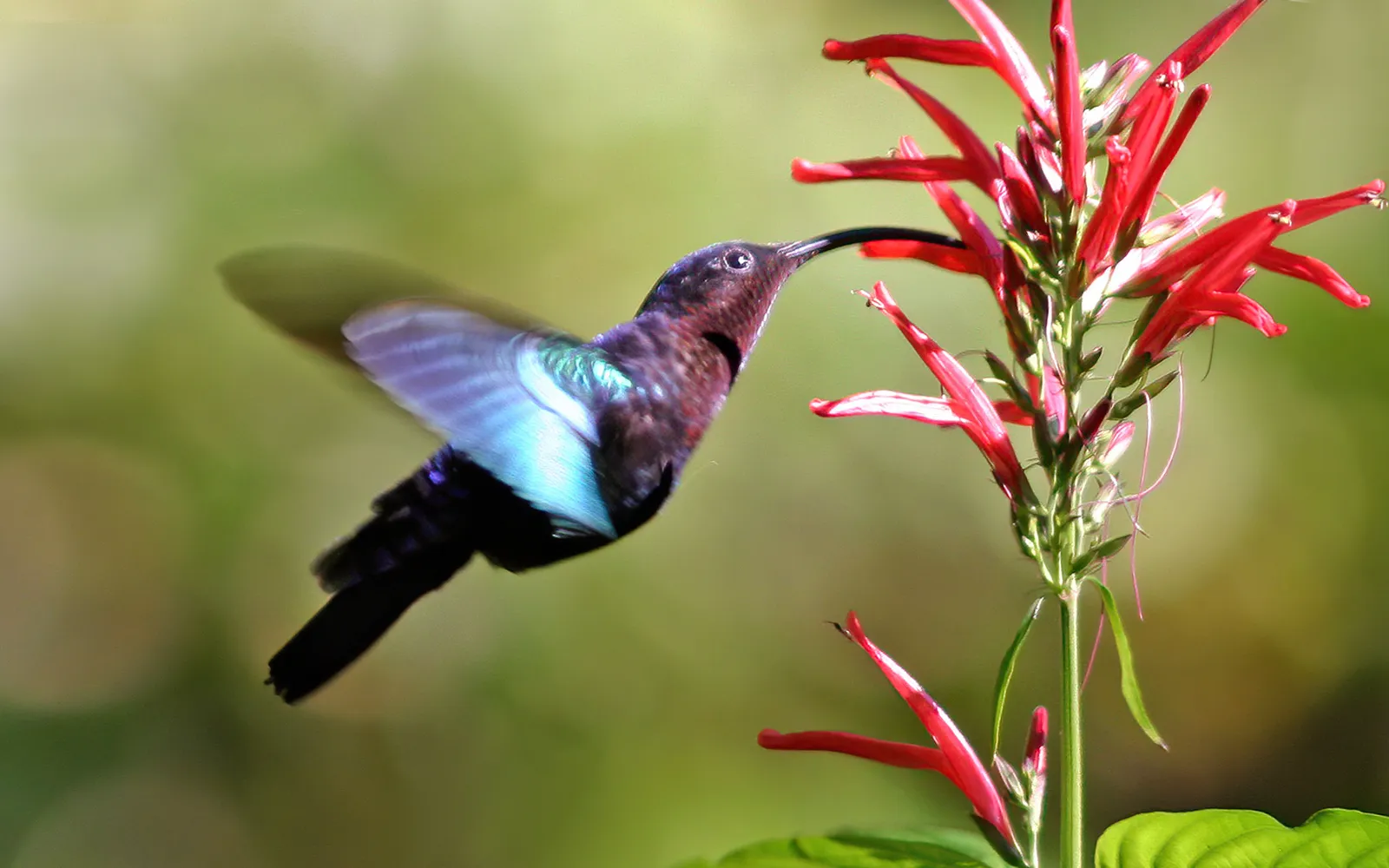
Strip away the marketing tags and the pretty plant labels, and hummingbirds turn out to be brutally honest critics. They return every year to the same narrow group of plants that reliably feed them, and they completely ignore the darlings of big-box garden centers that give them nothing but a wasted flight.
Tubular, nectar-heavy natives and workhorse salvias, honeysuckles, lobelias, and mints win. Fluffy doubles, oversized bouquets, and foliage-only “statement plants” lose. It’s that simple, and that uncomfortable for anyone who’s spent years buying the wrong things because they looked good at the nursery.
So here’s the question worth sitting with: are you planting for your own eyes, or for the birds you say you want to help? Which plants in your yard do hummingbirds actually use, and which ones do you secretly suspect are just for show? Tell us the one you swear by, or the one they always ignore, in the comments.
