
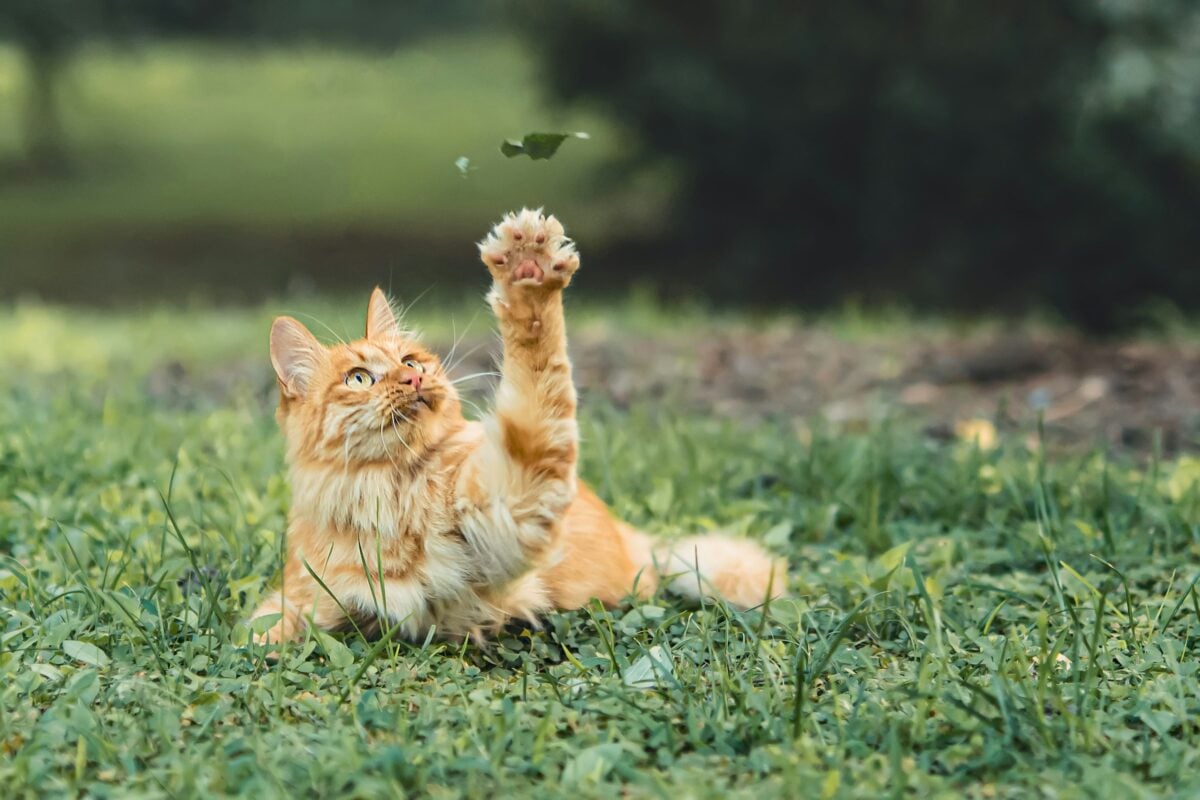
If you live with a cat, you already know this: one minute they’re fluffy angels, the next they’re knocking a full glass of water onto your laptop. And yet, right after the crime, they look at you with those huge eyes, tail twitching, like they’re trying to say something. Do cats actually apologize, or are we just reading our own guilt into their furry little faces?
From what we know about feline behavior, cats do not understand “sorry” the way humans do, but they absolutely have ways of smoothing things over and reducing tension. They rely on body language, scent, and routines to rebuild peace after they’ve turned your kitchen into a crime scene. Let’s break down the subtle, strangely charming, and sometimes downright manipulative ways cats say “my bad” .
#1 The Slow Blink: The Feline Olive Branch
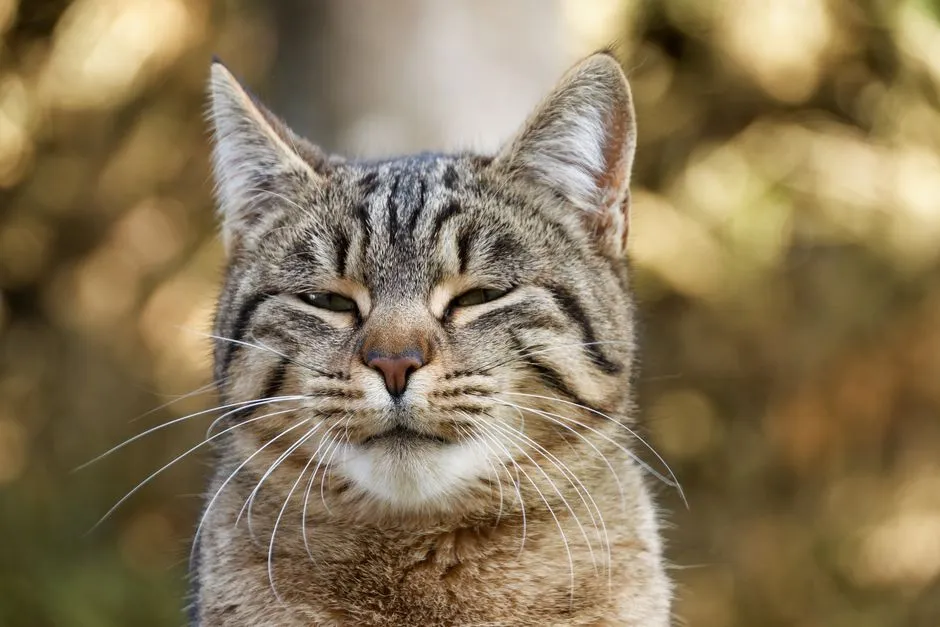
The slow blink is one of the most disarming things a cat can do, especially right after shredding your favorite plant. When a cat looks at you, relaxes their face, and gently closes and opens their eyes, it’s a sign of trust and calm, a bit like a human soft smile after an argument. Behavior researchers generally interpret slow blinking as a signal that the cat feels safe and is trying to show peaceful intent.
After chaos, that soft gaze can function as a kind of truce offering. The cat is not confessing to any wrongdoing, but it is essentially saying it does not see you as a threat and wants the tension to drop. Many people notice their cats offering slow blinks from a distance after being scolded, as if they are apologizing but also keeping a safe buffer, just in case you’re still mad.
#2 The Head Bump And Cheek Rub Apology
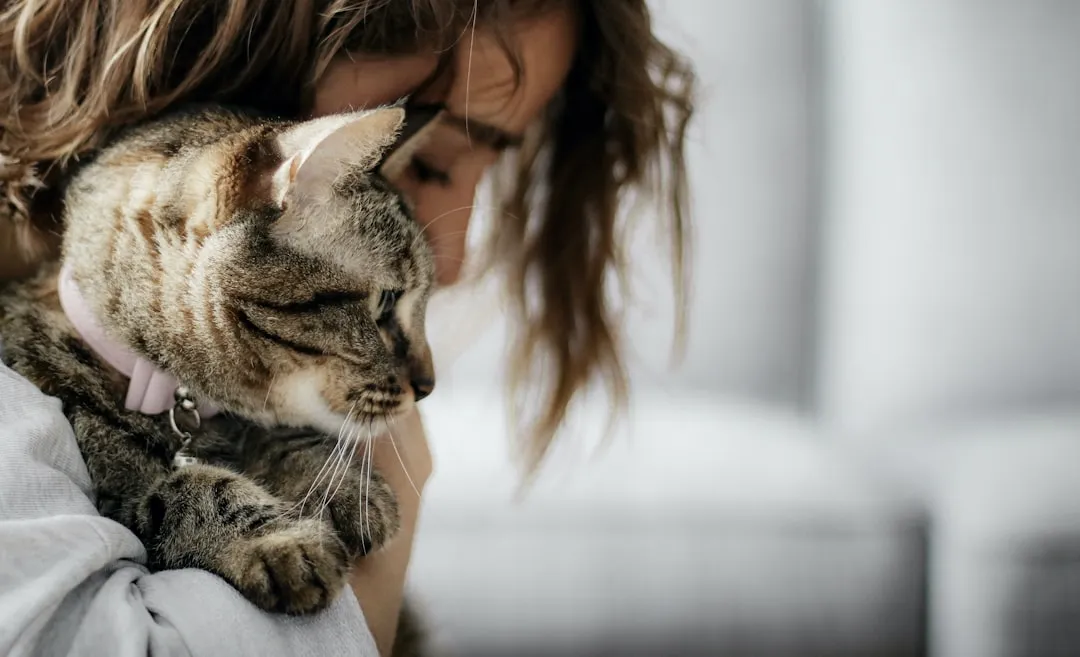
When a cat walks up and bonks its head into your leg, your face, or your hand after it has knocked something off the counter, that’s not an accident. Head bunting and cheek rubbing are scent-marking behaviors; cats have glands on their heads and faces that deposit familiar scent. By rubbing against you after chaos, your cat is literally re-tagging you as “safe” and “mine,” reaffirming the relationship.
This can absolutely feel like an apology in practice. You’re fuming over the shattered mug, and here comes your cat, gently pressing its head into your hand, purring softly. From a scientific perspective, the cat is restoring social bonds and lowering tension. From a human perspective, it’s very hard to stay angry at a tiny creature actively choosing to nuzzle your face like you’re the most important thing in the world.
#3 The Sudden Lap Magnet Routine
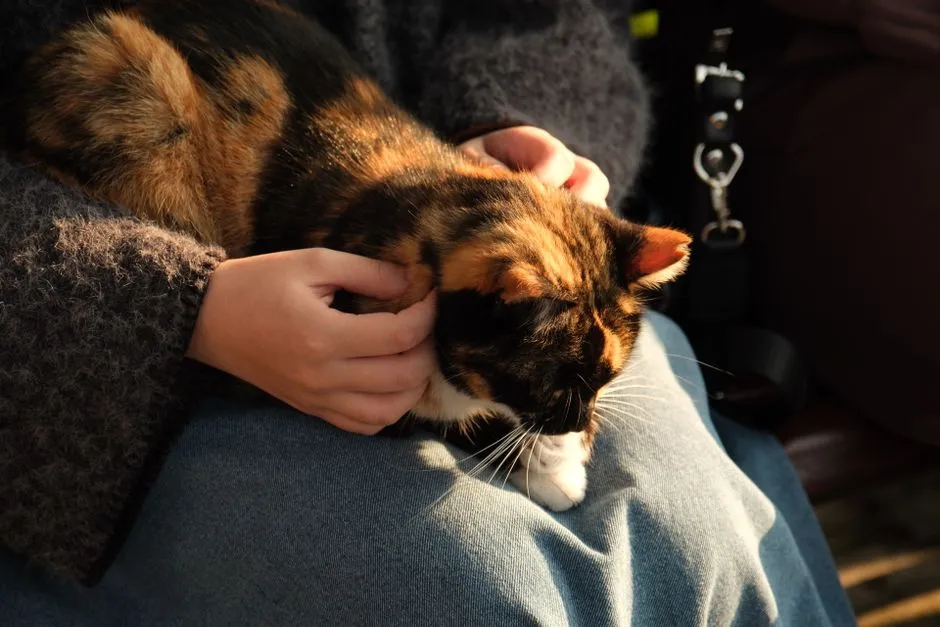
Some cats act like your lap is covered in lava – until the moment they know they’ve messed up. Then, suddenly, they become velcro. If your usually independent cat climbs into your lap right after a chaotic zoomies session that ended with broken decor, that timing is meaningful. Seeking close contact is one of the strongest ways a social animal can show affiliation and reassurance.
There is also a practical angle: cats are masters at reading body language and tone. If you’re tense, pacing, or speaking sharply, some cats respond by moving closer and settling on you, like a furry emotional weight that pins everything down. It is not guilt in the human moral sense, but it is a way of saying, “We’re still a team, right?” And yes, it works – almost no one can resist a warm, purring “apology blanket” in their lap.
#4 The Follow-You-Everywhere Shadow Act
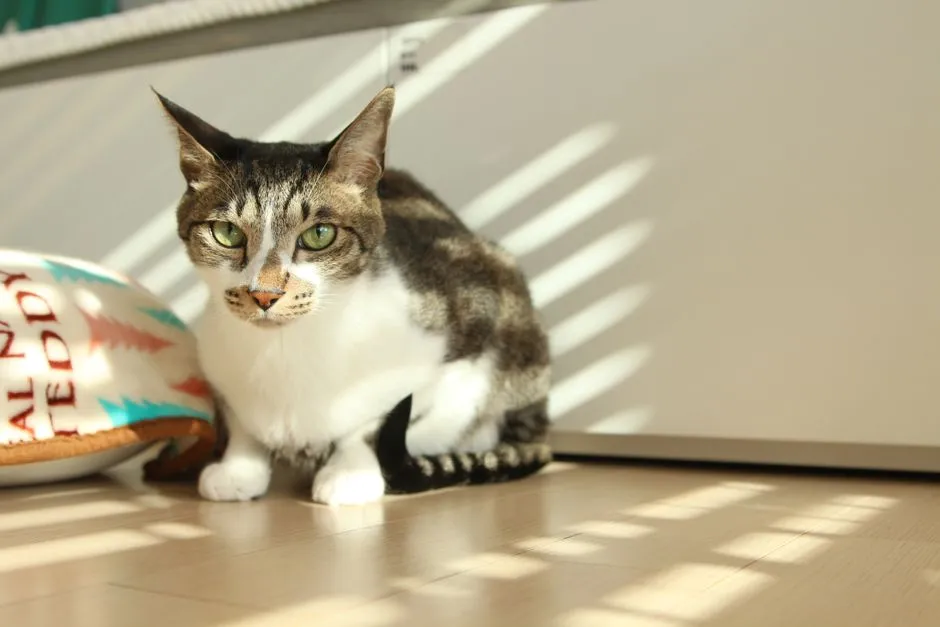
Another classic “sorry” behavior is the sudden shadowing: wherever you go, there is the cat, trotting behind you like a tiny, silent bodyguard. Maybe they just sprinted across your keyboard in the middle of a meeting, or sent a glass flying, and now they are quietly trailing you into every room. For a species that carefully chooses when to interact, that extra effort is significant.
Following you around is a mix of curiosity, social bonding, and sometimes mild anxiety about your reaction. Cats are highly sensitive to changes in routine and emotional climate. If they sense you are upset or the atmosphere has shifted, sticking close is a way of monitoring you and smoothing things over. It is as if they are checking, repeatedly, that the social connection has not broken – “You’re okay? We’re okay?”
#5 The Playful Distraction Tactic
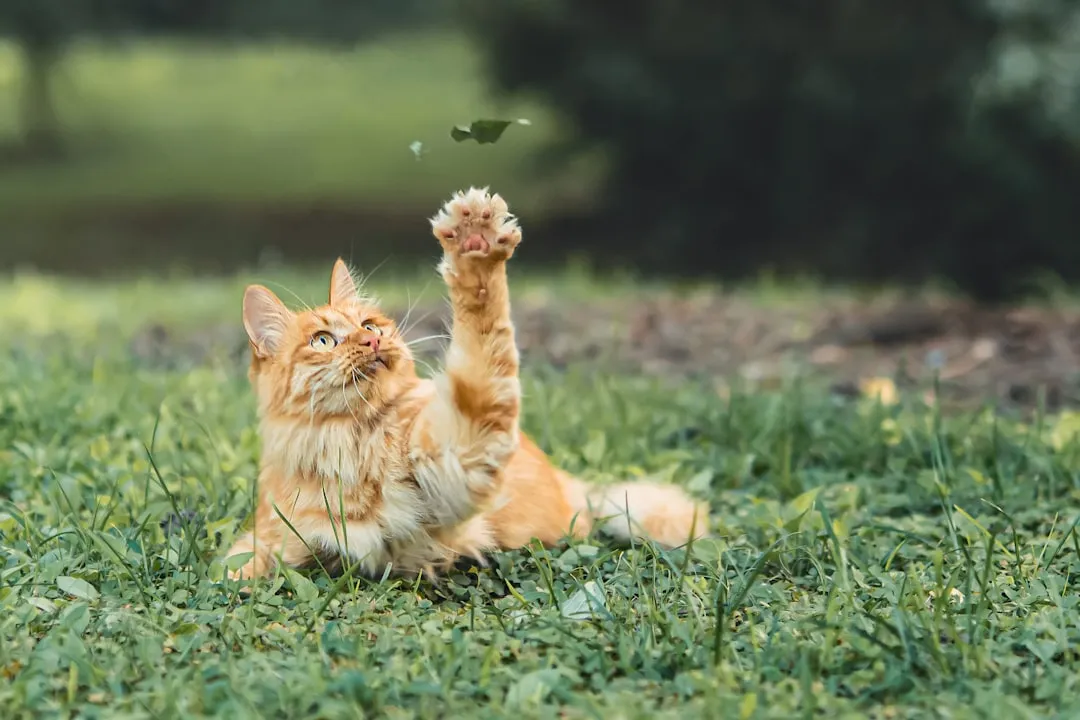
Sometimes, instead of sweet affection, you get the clown routine. Your cat knocks a water glass over, stares for a second, then immediately darts off to chase a toy, zoom through a paper bag, or flip onto its back in an attack on invisible enemies. At first glance, it looks like they are ignoring the mess; in reality, this sudden burst of play can be a form of tension relief for both of you.
Play behavior in cats is closely tied to stress management and emotional regulation. After something disruptive happens – loud noises, raised voices, sudden movement – some cats launch into goofy antics that break the emotional intensity of the moment. It is less an apology and more a comedic diversion: “Don’t look at the broken glass, look at me being ridiculous!” And honestly, half the time, it does pull your attention away from anger and back toward amusement.
#6 The “I’ll Be Good Now” Calm And Stillness
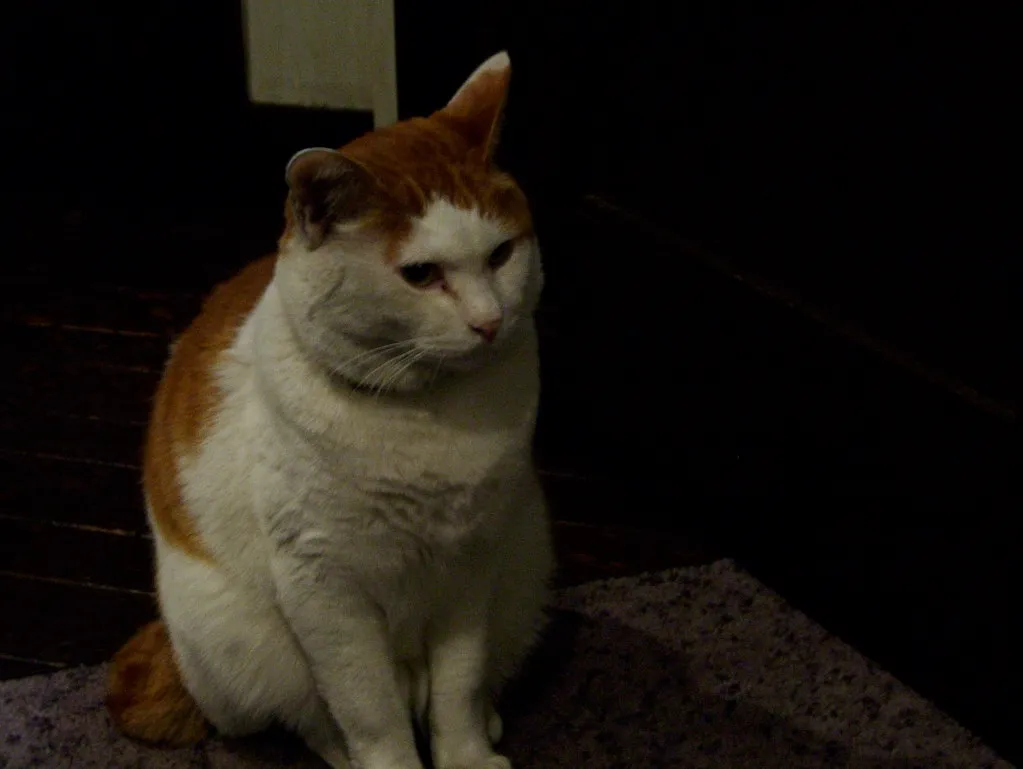
Not every cat apologizes with cuddles and antics; some switch into a strangely angelic calm after creating chaos. A cat that just tore through the house, sending items flying, might suddenly settle in a visible spot, lying quietly with paws tucked and eyes half-closed. This loafed, composed posture signals that the cat is not planning any more wild moves for the moment.
Cats use stillness as a social signal that the situation is safe and no threat is present. After they sense your frustration, dialing down their energy and becoming peacefully predictable is their version of de-escalation. It might look like they are sulking or pretending nothing happened, but in practice, they are offering you exactly what you want in that moment: a temporary ceasefire and a pause from chaos.
#7 The Peace Offering Grooming Session
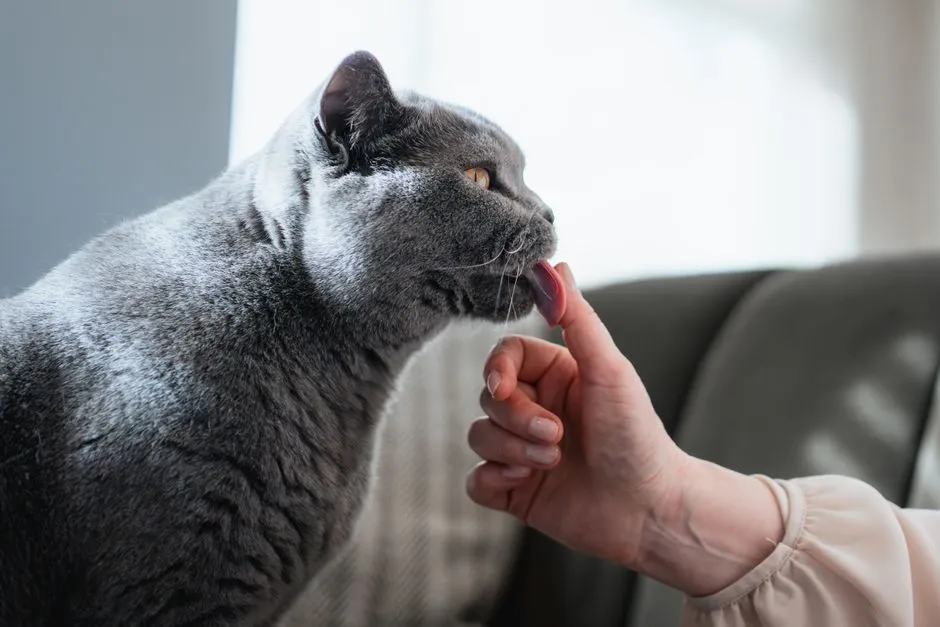
Have you ever noticed your cat suddenly start licking your hand, your arm, or even your hair after they have done something outrageous? Licking in cats is often linked to social grooming, something they reserve for family or close allies. When your cat grooms you, they are treating you like part of their inner circle, reinforcing that bond right when it might feel a little shaky.
This “apology by grooming” can also show up as them carefully grooming themselves right next to you, almost like a ritual reset. Grooming helps cats calm down their own nervous systems, so sharing that behavior in your presence is both self-soothing and relationship-soothing. It is as if they are saying, “We’re okay, see? Everything is normal, I’m even fixing my fur. You’re still mine; I’m still yours.”
#8 The Strategic Gift Or Toy Drop
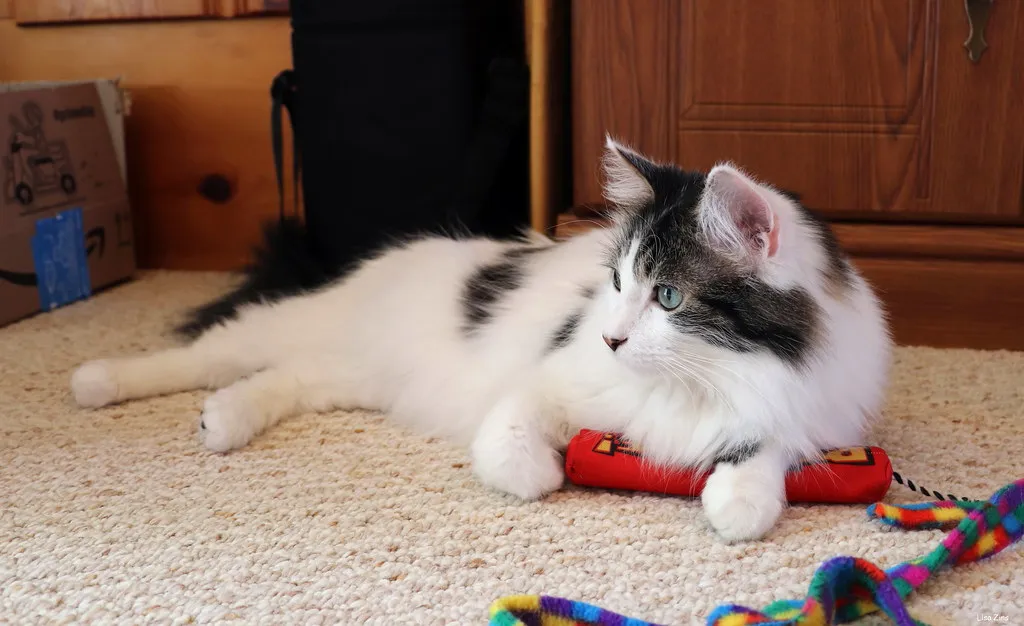
While not every cat is a “gift giver,” some will trot over with a toy in their mouth, drop it by your feet, and stare right after they have caused trouble. In multi-cat households, shared toys and gentle play invitations help mend social rifts. When your cat rolls a favorite ball toward you or deposits a stuffed mouse in your lap post-mayhem, it can function as a peace offering: a small, fuzzy reset button.
It is important not to over-romanticize this as a conscious apology in the human sense, but it is clearly a prosocial gesture. The cat is choosing to share a resource or initiate a positive interaction right after a negative one. In everyday life, it lands like, “Look, I brought you something fun; let’s do this instead of being upset.” And in that way, it absolutely works as an apology ritual between species that have learned to read each other, however imperfectly.
#9 The Careful, Extra-Polite Behavior Around The Scene Of The Crime
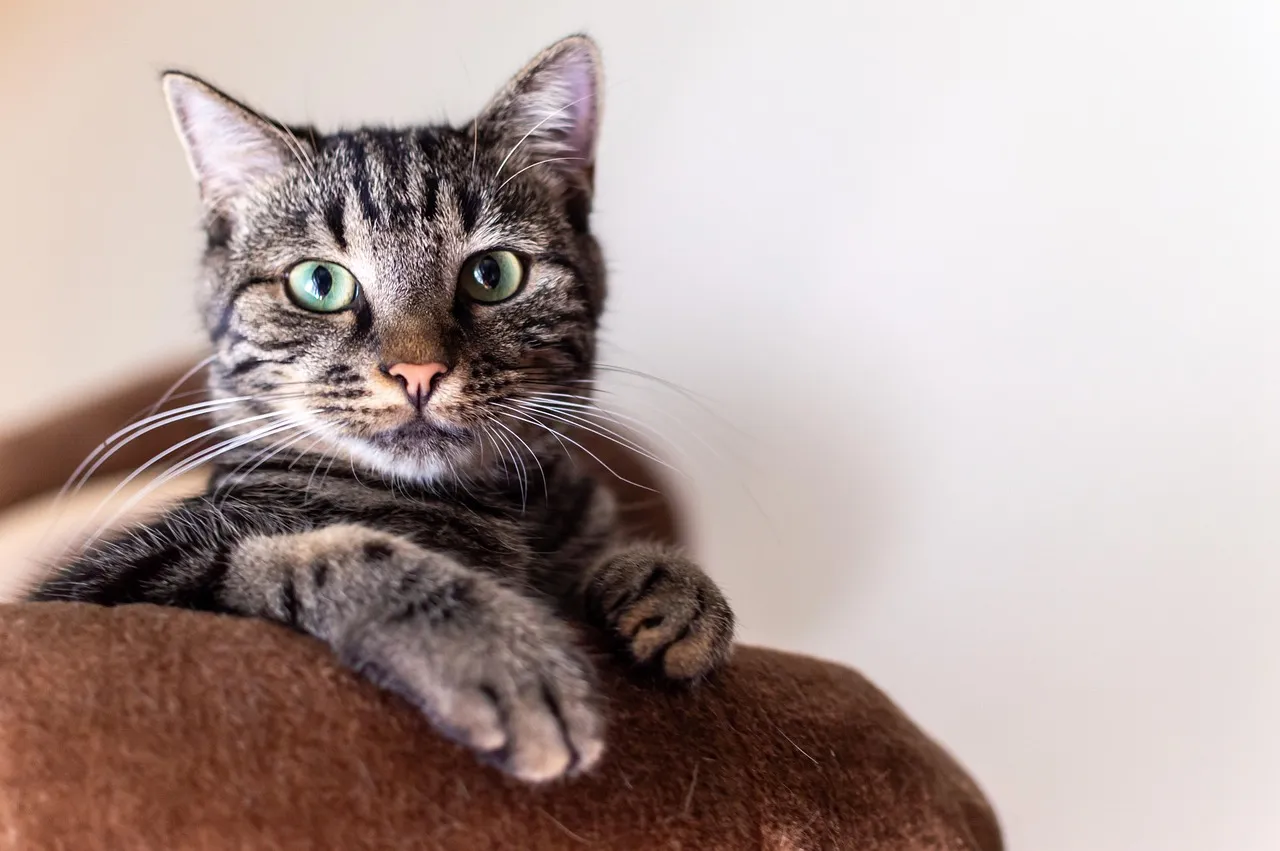
One of the most fascinating patterns is how some cats behave around the exact spot where chaos happened. After knocking an object off a shelf or shredding a paper bag, they may return later and move with exaggerated care, sniffing delicately and stepping around the area as if the floor might explode. It can look hilariously like they know they messed up and are trying very hard not to “do it again” while you are watching.
What is likely going on is that the cat has associated that area or object with a startling event – your reaction, the loud crash, the sudden movement. In response, they temporarily adopt extra-cautious body language there: slower steps, lower tail, more glances at you. For humans, this reads strongly as contrition. Technically, it is more about risk management and avoiding another scary reaction, but functionally, it still feels like an apology wrapped in tiptoes.
Conclusion: Cats May Not Say “Sorry,” But They Still Make Amends
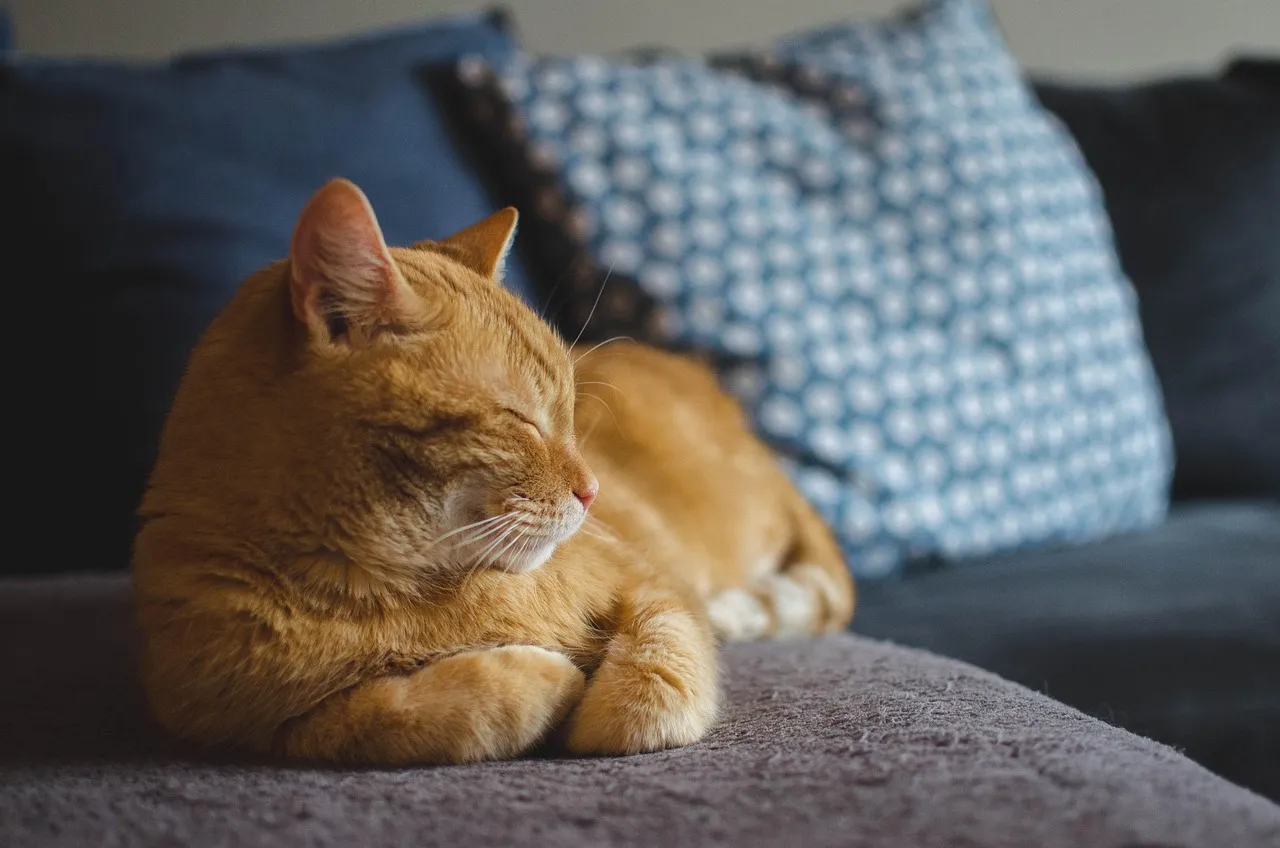
From a strict scientific standpoint, cats are not wrestling with moral guilt the way humans do; they are not lying awake at night replaying the moment they launched your glass off the table. But they are astonishingly good at reading our reactions and tweaking their behavior to restore comfort, safety, and routine. All these so-called apologies – slow blinks, head bumps, lap invasions, careful tiptoeing – are their way of pulling your relationship back into balance after they have stirred it up.
Personally, I think that is even more interesting than a simple human-style apology. Your cat is not following a moral rulebook; it is navigating a complex, cross-species friendship using scent, body language, and learned patterns. When your cat walks up after total chaos, blinks slowly, bunts your hand, and curls up next to you, it is doing the feline version of saying, “You matter to me; let’s be okay again.” And really, when you feel that little body relax against you, does any formal apology phrase even come close?

- 9 Ways Cats Apologize After Causing Chaos - August 25, 2026
- What Hummingbirds Do in the Final Weeks Before Migration 17 Behaviours Families Miss - August 25, 2026
- What Dogs Pick Up From a Household Long Before Anyone Speaks: 19 Signals - August 25, 2026