
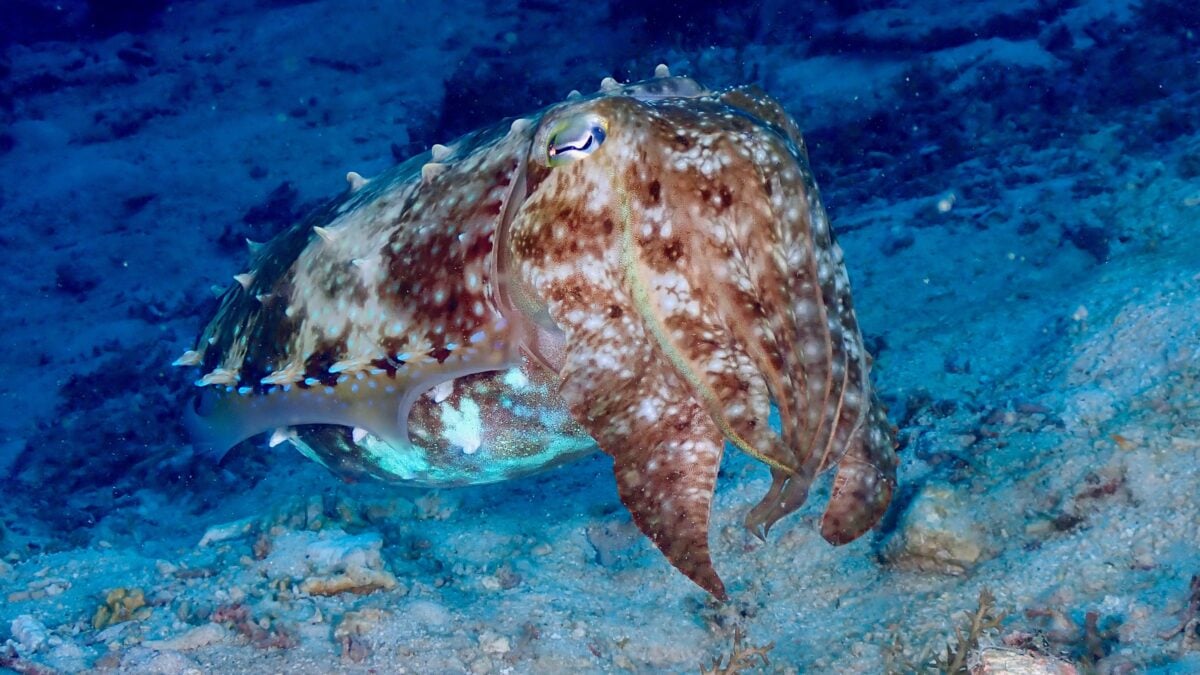
If you’ve ever assumed that a cuttlefish is just a drifting, color-changing blob with no real inner life, brace yourself. These shy, alien-looking animals are quietly breaking the rules of what we thought “simple” creatures can do. Behind those W-shaped pupils is a memory system that starts to look uncomfortably familiar.
Scientists have found that cuttlefish do not just react to the moment. They remember what they ate, where they found it, and roughly when it happened – and then use that information to plan their next moves. In other words, they are playing a mental game of “yesterday’s menu,” and the implications are surprisingly deep, not only for how we see animals, but for what we think minds are in the first place.
Meet the Cuttlefish: The Weird Genius of the Sea
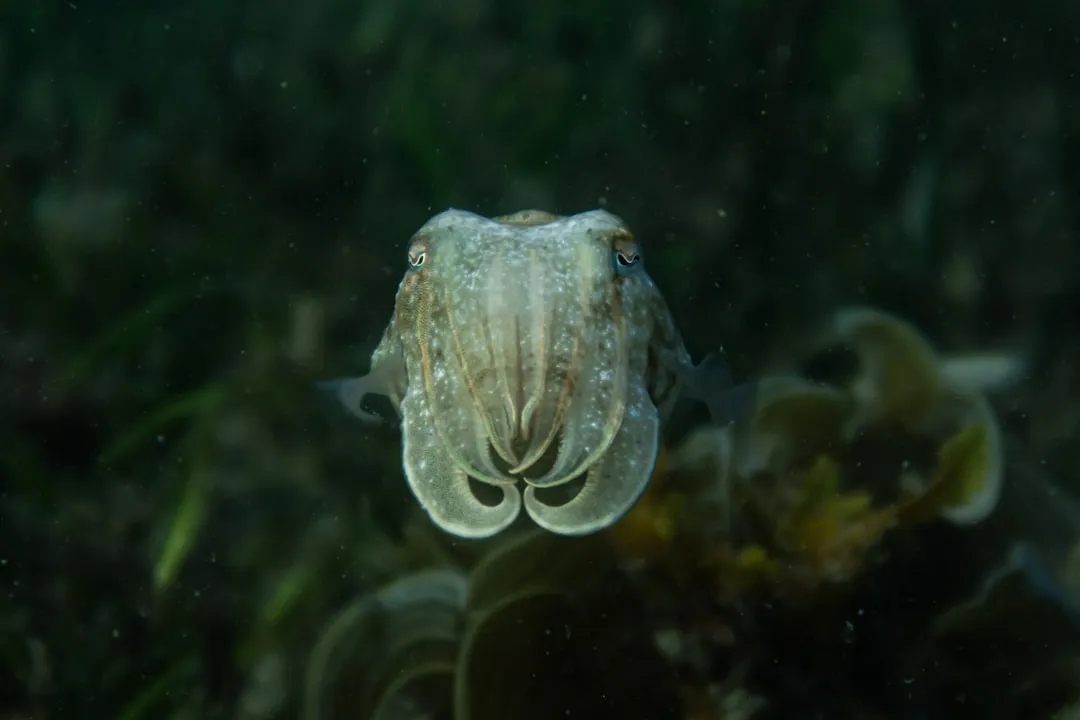
Cuttlefish look like a mash-up designed by a bored sci‑fi artist: part squid, part octopus, with a floating internal shell and skin that ripples with color. They are cephalopods, the same group as octopuses and squids, which are already famous for solving puzzles, escaping tanks, and untying knots like tiny underwater escape artists. But cuttlefish have flown under the radar, often treated like the less glamorous cousins in this clever family.
Spend a moment watching one, though, and that reputation feels unfair. They track movement with eerie precision, shift their skin patterns in fractions of a second, and stalk prey with a slow-motion confidence that feels almost calculating. When you learn that they are also keeping track of past meals and locations, the whole scene starts to look less like instinct and more like strategy.
What It Means to Remember “What, Where, and When”
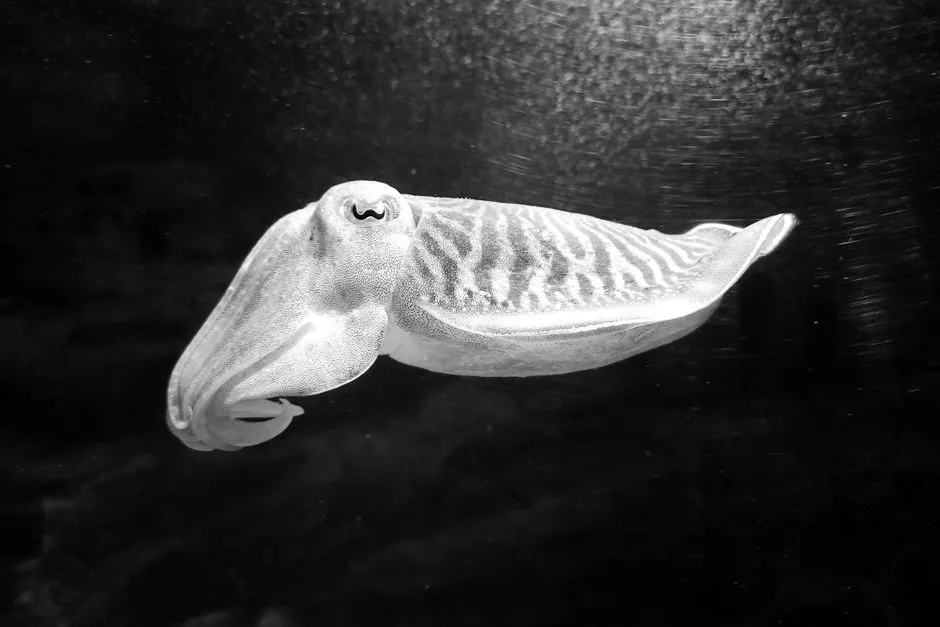
In human psychology, there is a concept called episodic-like memory: remembering not just facts, but the context of an event – what happened, where it happened, and when it happened. For a long time, this kind of memory was thought to be the domain of humans and maybe a few other large-brained animals like some birds and mammals. The idea that a short-lived, boneless sea animal could show anything like this was once considered far-fetched.
Yet that is exactly what cuttlefish appear to be doing. In carefully designed experiments, they learn which foods appear in which locations and how long it takes for those foods to “come back.” Then, later on, they change where they search depending on how much time has passed since they last ate a certain prey type in a certain place. They are not just remembering a single detail; they are recalling a mini-story, the kind of multi-part memory that we once thought required a big brain and a long lifespan.
How Scientists Actually Test a Cuttlefish’s Memory
This is the part that always fascinates me, because it is where the science gets almost playful. Researchers give cuttlefish access to different kinds of food in specific spots: imagine prawns in one location and less-preferred prey in another. The trick is that the tastier food only becomes available again after a longer delay, while the less desirable option is replenished sooner. Over days of training, the animals learn these “rules of the buffet.”
Later, depending on how much time has passed since their last meal, cuttlefish swim to one feeding station or the other. If only a short while has gone by, they choose the place that reliably refills quickly with the so‑so food. If a longer time has passed, they head straight for the spot where the high-value prey returns on a slower schedule. That choice tells us they are not simply reacting to smell or habit; they are using a memory of what they ate, where they ate it, and roughly when it happened to make a smarter decision in the present.
Planning Dinner Like a Tiny Underwater Strategist
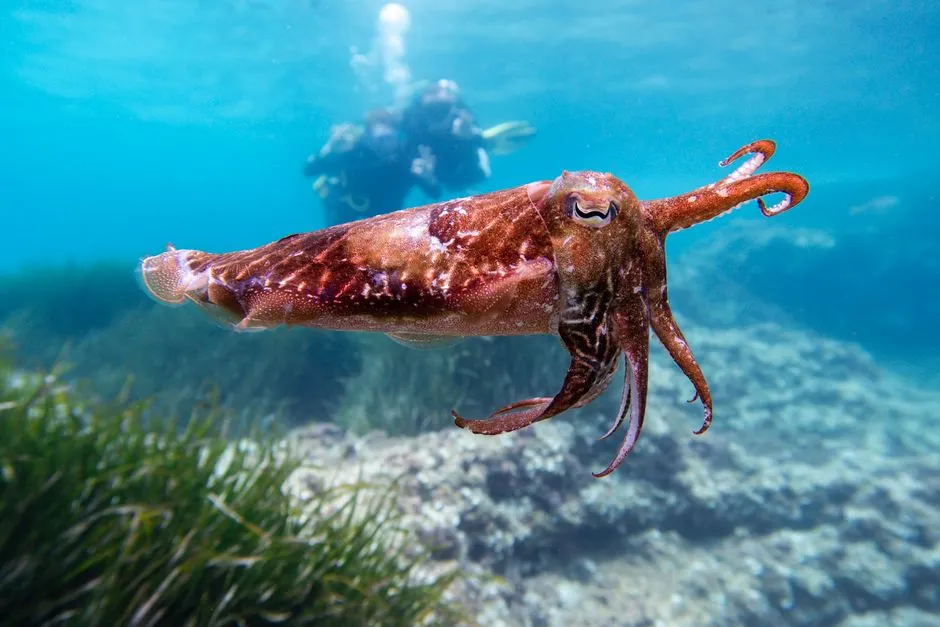
Think about the last time you chose a restaurant based on when you last went there and what you had. Maybe you skipped your favorite burger place because you had a heavy meal there a few days ago, and instead picked a lighter option. Cuttlefish are doing a stripped-down version of that same mental juggling. When they decide where to search for food, they are weighing time, location, and food quality, all at once.
What makes this so striking is that cuttlefish do not live very long. Many species have lives measured in a year or two. Yet in that short window, they have evolved the ability to manage these surprisingly rich memories. It suggests that, for an animal that must grow fast, avoid predators, and efficiently find patchy food in a complex environment, remembering the specifics of past meals is not a luxury – it is a survival tool, like having a mental map of the best food trucks and their schedules in a constantly shifting city.
Old Brains, New Tricks: Memory in Aging Cuttlefish
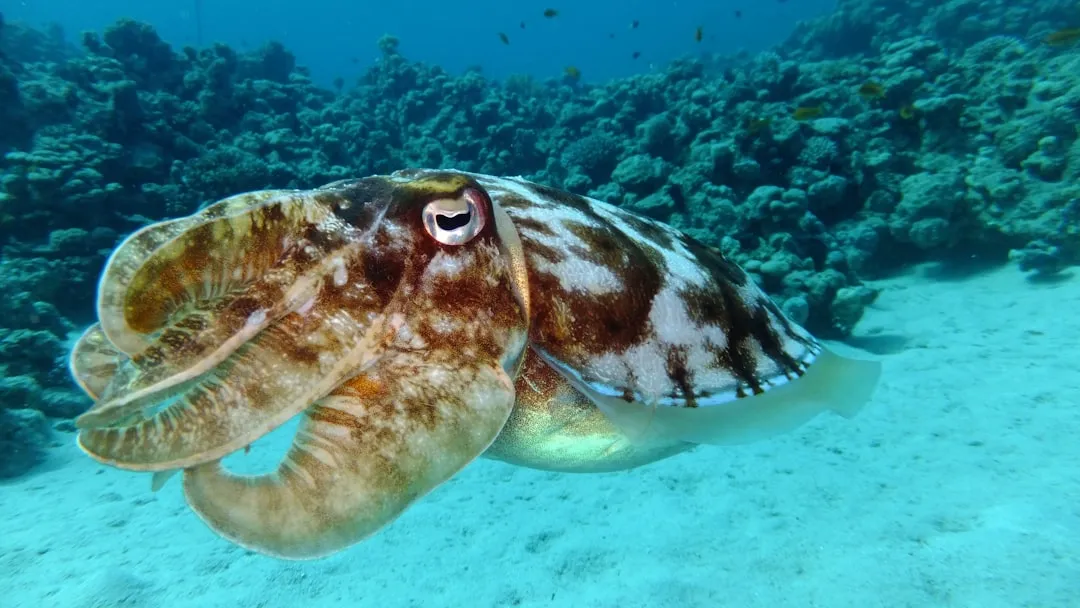
One of the most unexpected findings from recent studies is that older cuttlefish do not show the same kind of memory decline that aging humans often do, at least when it comes to these episodic-like tasks. Even late in their short lives, they can still remember what they ate, where, and how long ago, and use that to guide their choices. In a world where we are used to thinking of memory as something that inevitably erodes, this is quietly radical.
Personally, I find this oddly comforting and a bit humbling. Here we are, with our books, calendars, and phone reminders, forgetting where we put our keys, while a small sea creature with no skeleton and a brain arranged in rings keeps track of meal histories like a pro. It does not mean cuttlefish are “smarter” than us in any general way, but it does hint that some memory systems can stay robust without the same kind of age-related breakdown we see in humans – and that is a clue scientists are very interested in.
Why This Changes How We Think About Animal Minds
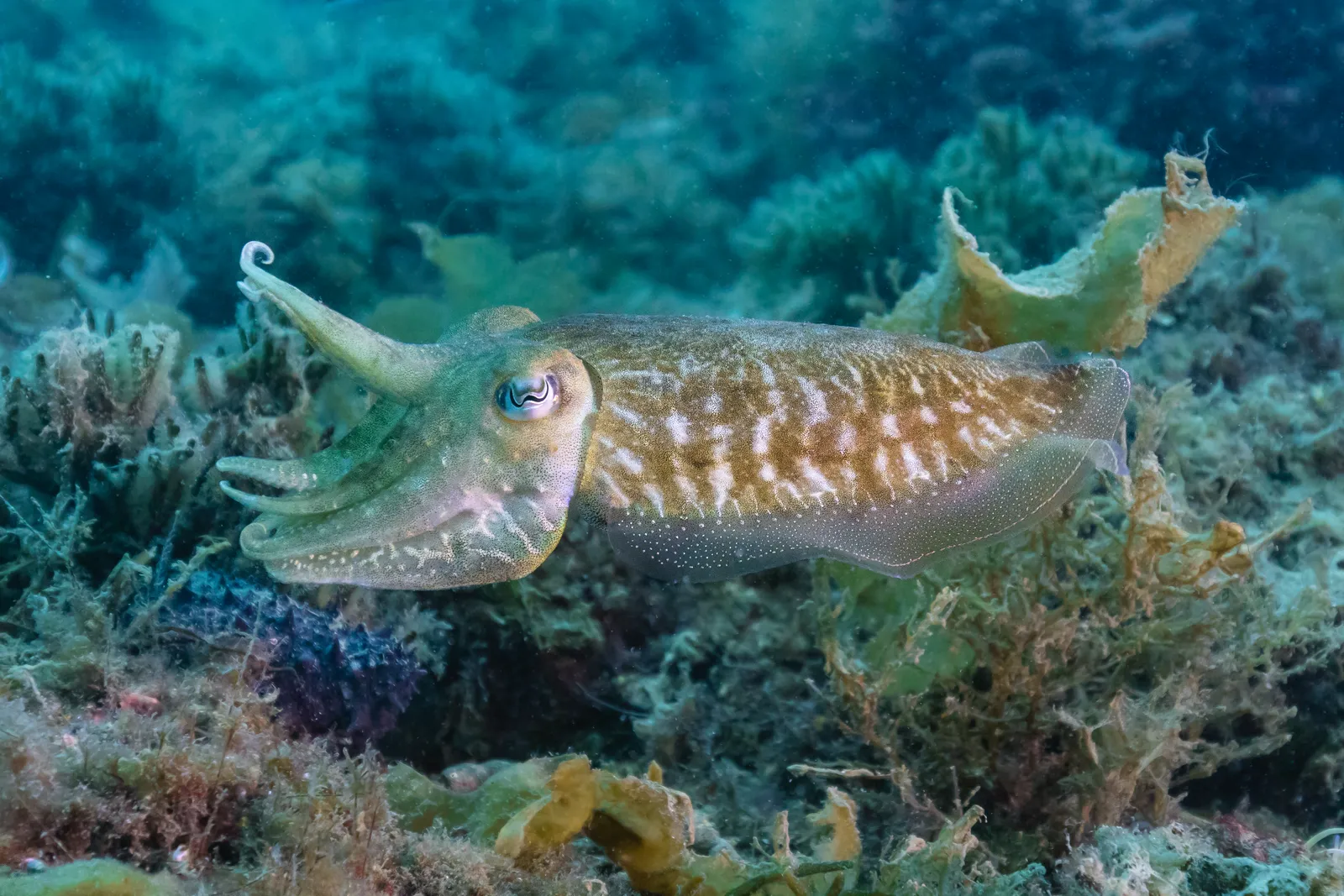
For decades, a quiet assumption ran through a lot of animal research: real, rich memory – the kind that feels close to human experience – belonged mainly to animals that look more like us or at least have big, complex brains. Octopuses and corvids started to crack that belief, and now cuttlefish are taking another swing at it from an entirely different angle. When such distant relatives show similar cognitive tricks, it suggests that flexible memory is not a rare luxury but a useful solution evolution discovers again and again.
That should probably make us a bit uneasy about how quickly we dismiss “lower” animals as simple or unfeeling. If a cuttlefish can remember specific past experiences and use them to shape future choices, it is hard not to wonder what it feels like to be one. Do they have a sense of a “yesterday” and a “later,” however faint? We do not know, and we should be honest about that. But the safer stance now is to assume there is more going on in those alien heads than reflex and color show – and to treat them with more moral seriousness because of it.
What Cuttlefish Memory Might Teach Us About Our Own
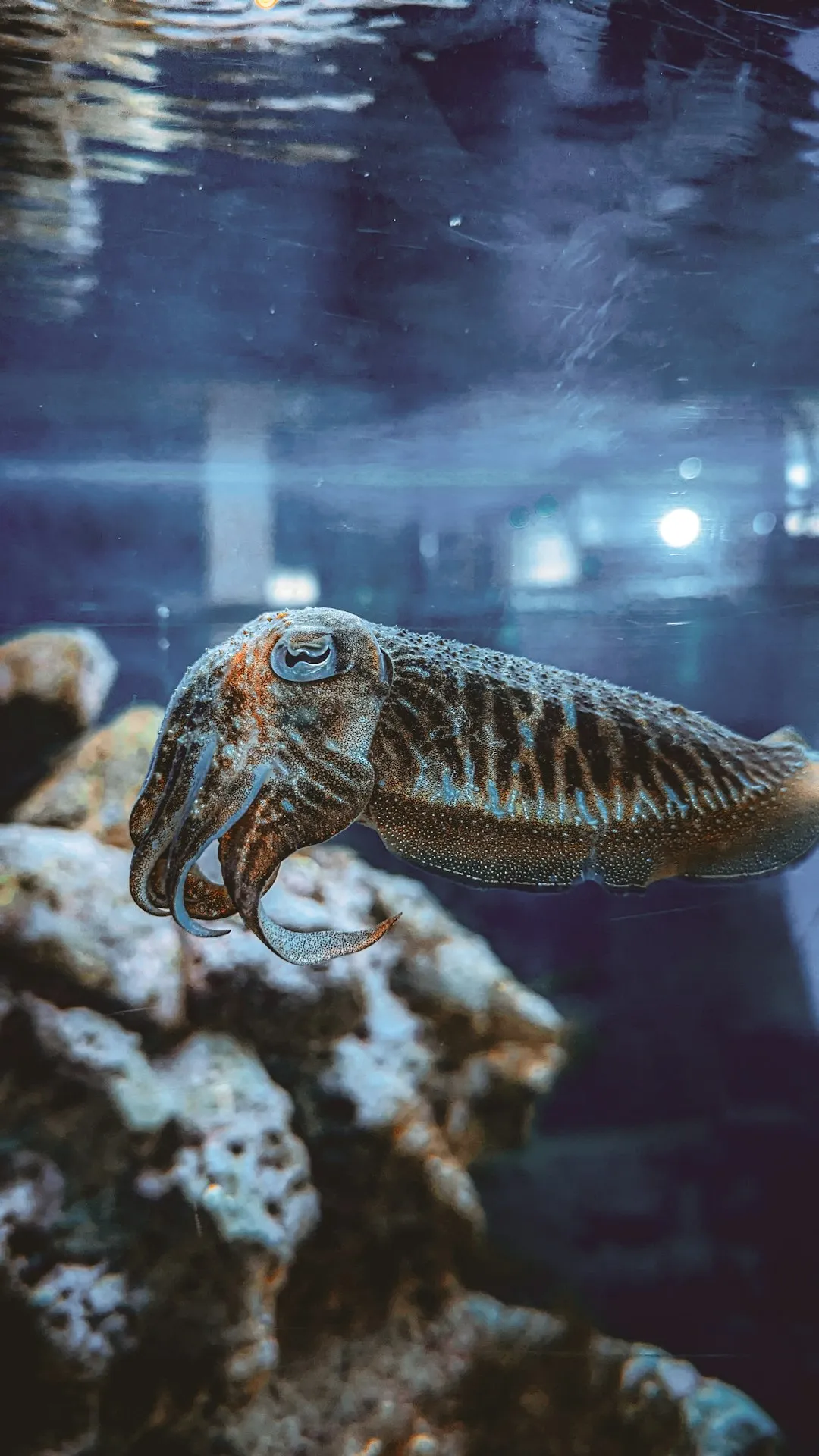
There is a tempting sci‑fi angle here: maybe one day, by understanding how simple-looking brains maintain strong episodic-like memories into old age, we might borrow some lessons for treating human memory disorders. That is still speculative, and it is important not to oversell it. But every time we discover another way nature has solved a cognitive problem, we add another blueprint to the stack researchers can study and learn from.
On a more personal level, cuttlefish force us to notice how casually we draw the line between “creatures that remember in rich ways” and “creatures that just react.” When an animal we once saw mainly as food or fishing bait turns out to track time, place, and prior outcomes, it chips away at the idea that human-like thinking has a narrow, obvious border. Maybe the real lesson is this: minds are not a single ladder with us at the top, but a reef – messy, branching, full of strange side paths – and on one of those paths, a small, striped hunter is quietly planning its next meal.
Conclusion: The Quiet Shock of a Remembering Cephalopod
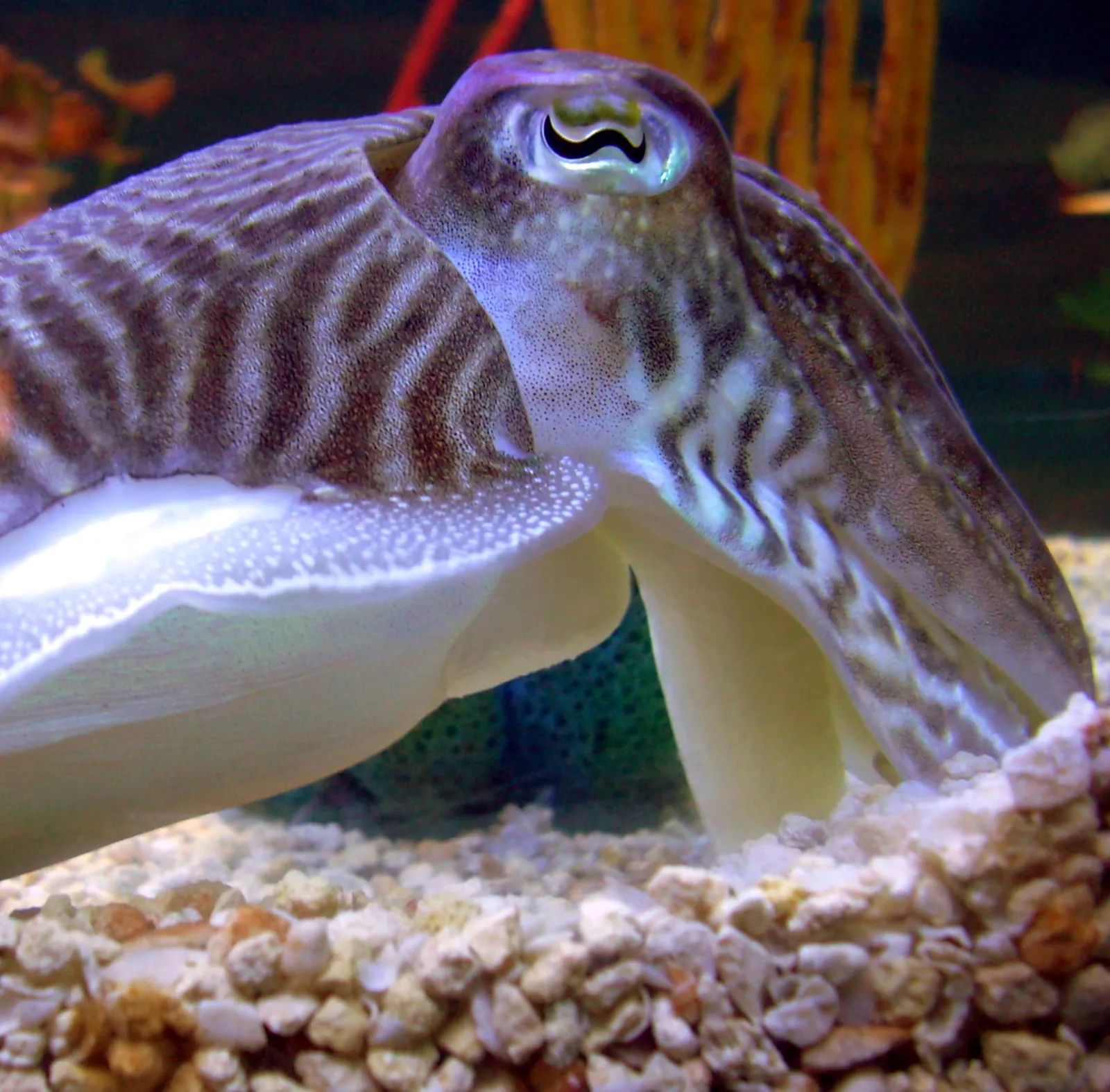
To me, the most unsettling and beautiful thing about cuttlefish memory is how low-key it is. There is no grand gesture, no cinematic moment that screams intelligence. There is just a small animal, waiting a little longer before visiting one spot instead of another because, in its own way, it remembers what happened there before. That quiet, almost invisible calculation says more about the richness of animal minds than a hundred viral videos of clever pets.
We can keep pretending that our way of thinking is a sharp break from everything else on Earth, or we can accept the mounting evidence that intelligence and memory are more like a spectrum of strange, overlapping solutions. I think the cuttlefish make a pretty strong case for the second view. If even they can remember what they ate, where they ate it, and roughly when it happened, maybe the ocean is full of stories we have not yet learned how to recognize. The real question is: knowing this now, will you ever look at a plate of seafood the same way again?

- Animal Cognition Says Cuttlefish Remember What They Ate, Where They Ate It, and Roughly When It Happened - August 23, 2026
- Animal Cognition Says Scrub Jays Re-Hide Food When They Know Another Bird Watched the First Cache - August 23, 2026
- Animal Cognition Says Kea Parrots Can Solve Multi-Step Problems Without Being Shown the Answer - August 23, 2026