
When most people picture birds of prey, they think of a falcon dropping out of the sky like a feathered missile or an eagle blasting across a lake after a fish. But some of the most successful hunters in the bird world take a very different route. They win not by being the fastest, but by being the smartest, sneakiest, or most brutally persistent.
Once you start looking at these slower, strategy‑driven predators, the whole idea of what it means to be “powerful” in nature flips on its head. Instead of raw speed, you see patience, ambush tactics, and eerie night vision. You see birds that sit motionless for hours, or move almost comically slowly, and yet dominate their ecosystems. Here are eight predatory birds that prove you do not have to be fast to be deadly.
1. Great Horned Owl – The Silent Phantom of the Suburbs
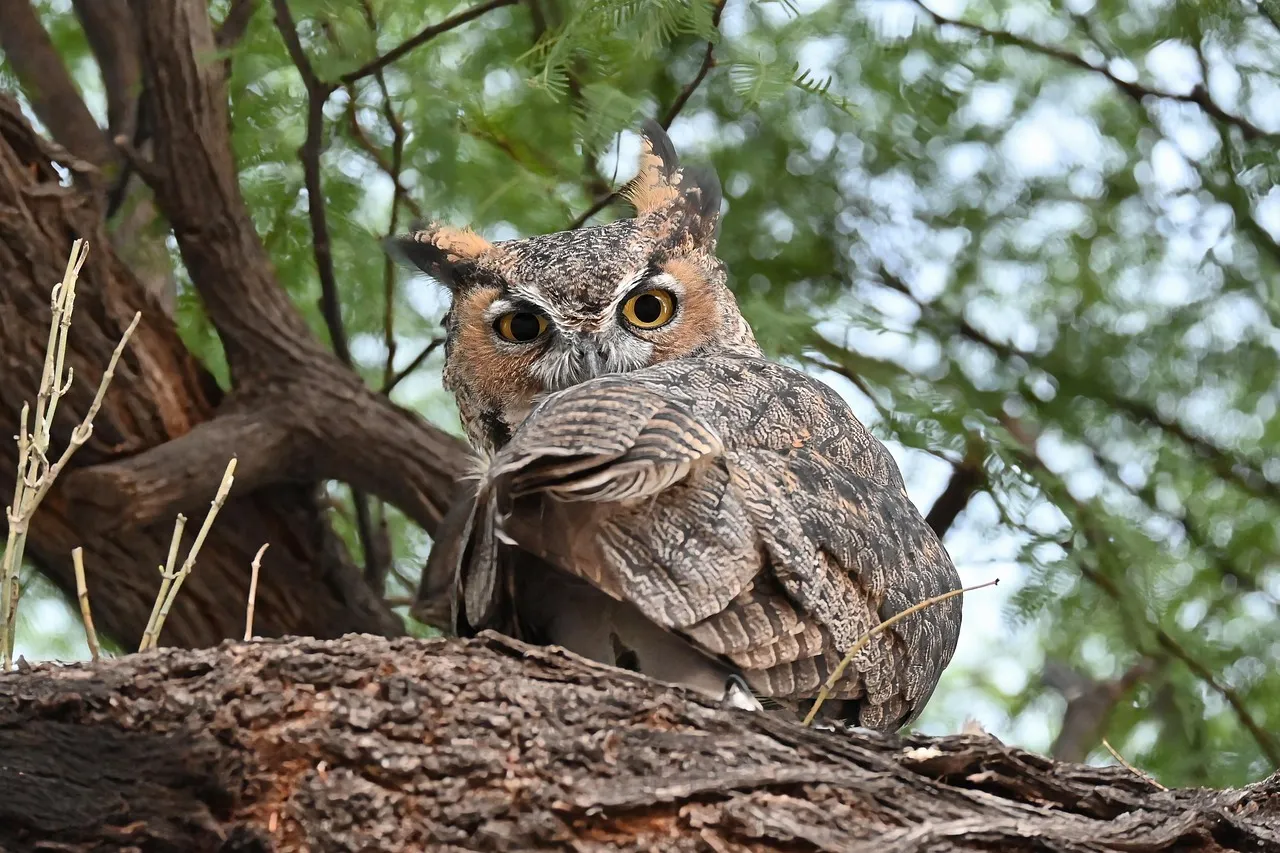
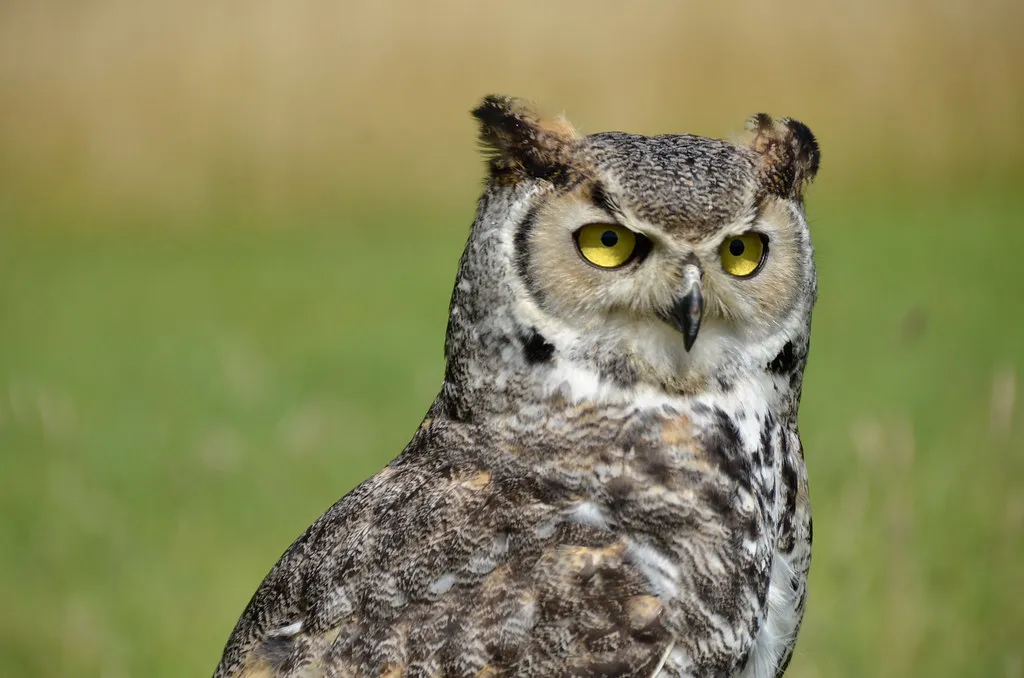
The great horned owl is not built like a sprinter, and it does not need to be. Its whole hunting game is based on stealth, not speed. This owl uses broad wings, a relatively slow but powerful wingbeat, and special feather structures that muffle sound, allowing it to float through the night almost completely silently. Small mammals never hear it coming; by the time they realize anything is wrong, there are talons on their back.
Instead of chasing prey over distance, great horned owls rely on perching, listening, and short surprise strikes. They sit on a tree branch, fence post, or rooftop, scanning with insanely sensitive night vision and laser‑sharp hearing. When a rabbit moves or a mouse rustles grass below, the owl drops in a short, controlled glide. It is less like a high‑speed chase and more like a jump scare out of a horror movie, which is exactly why it is so effective.
2. Bald Eagle – Power Dives, Not Endurance Sprints
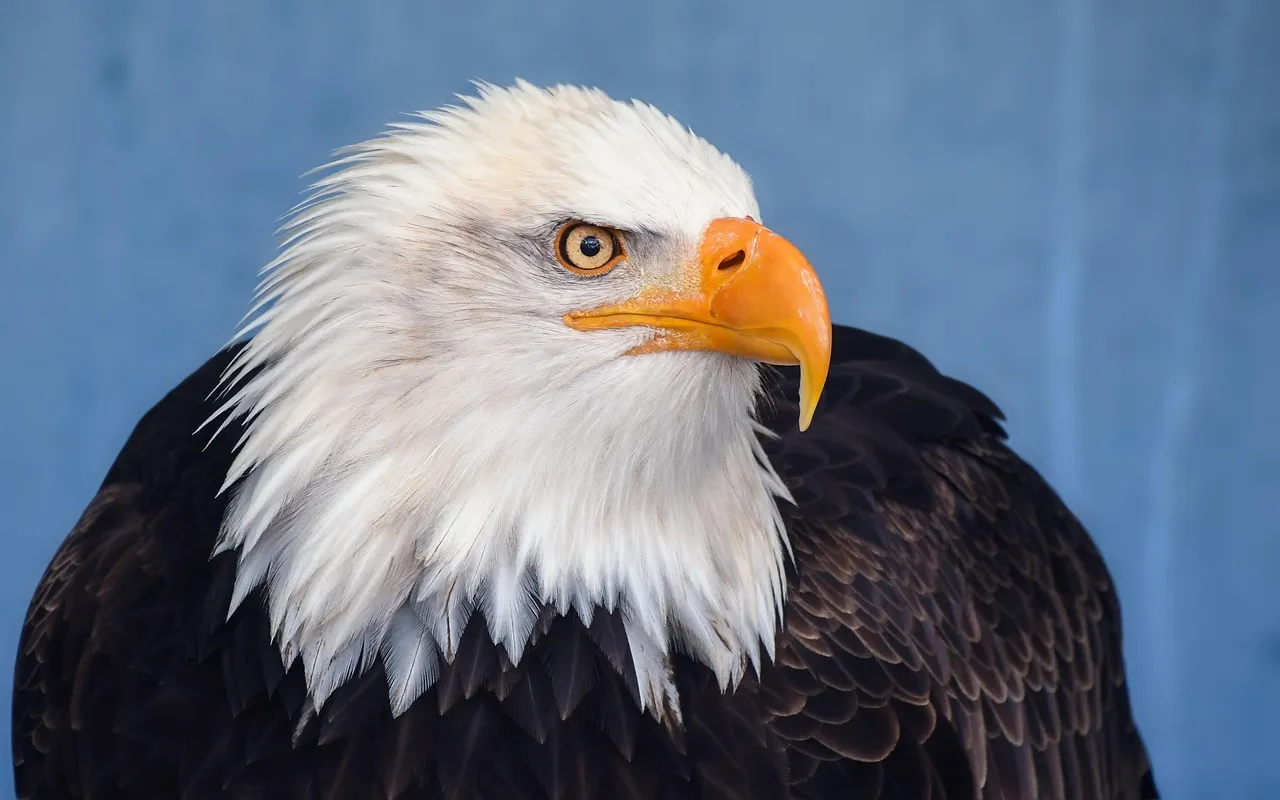
The bald eagle looks like it should be one of the fastest things in the sky, but it actually hunts in a very targeted, energy‑saving way. It spends a lot of time soaring or perched near lakes and rivers, watching for fish to come near the surface. When it spots an opportunity, the eagle does not engage in a long chase; it commits to a short, decisive swoop, snatching the fish with those huge talons and heading straight to a nearby perch.
Its strength is less about sustained speed and more about explosive power in a very short window of time. Bald eagles can also steal food from other birds, like ospreys, using intimidation and aerial harassment rather than outrunning them. That is a very different kind of hunting success: not the fastest, but the most dominant and opportunistic, using size, strength, and sharp timing instead of raw speed.
3. Red‑Tailed Hawk – The Patient Highway Hunter
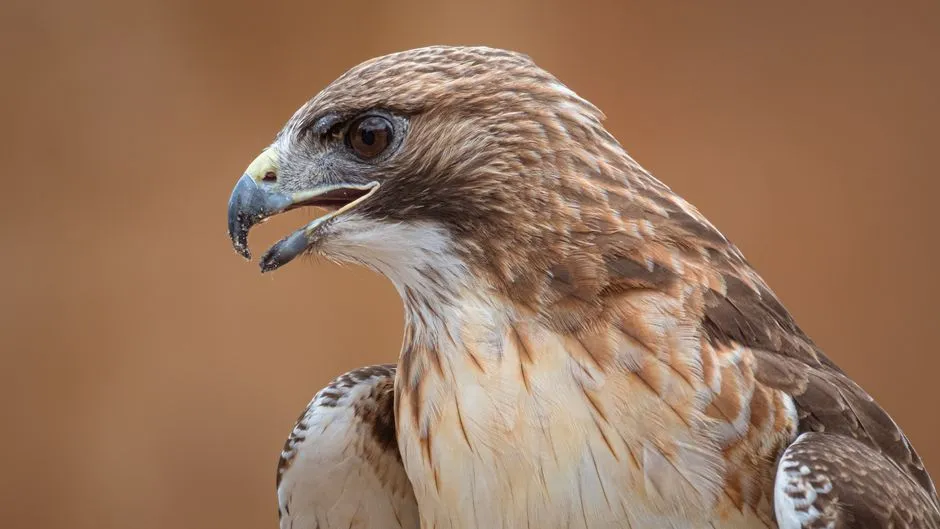
Red‑tailed hawks are one of the most familiar raptors in North America, often seen sitting on telephone poles along highways. That alone tells you a lot about their hunting style. They are not racing through the air chasing their prey; they are waiting for a rodent to make a mistake in an open field below. When the moment comes, they launch in a controlled, often fairly short flight, dropping down on the target with precision.
These hawks specialize in patience, using elevated vantage points and efficient glides instead of big bursts of speed. Their broad wings and relatively chunky build are more about soaring and maneuvering in tight spaces than outrunning anything. In a way, they hunt more like a sniper than a sprinter: slow scanning, careful positioning, and then one focused strike that ends the story in a second.
4. Barred Owl – The Deep‑Forest Ambusher
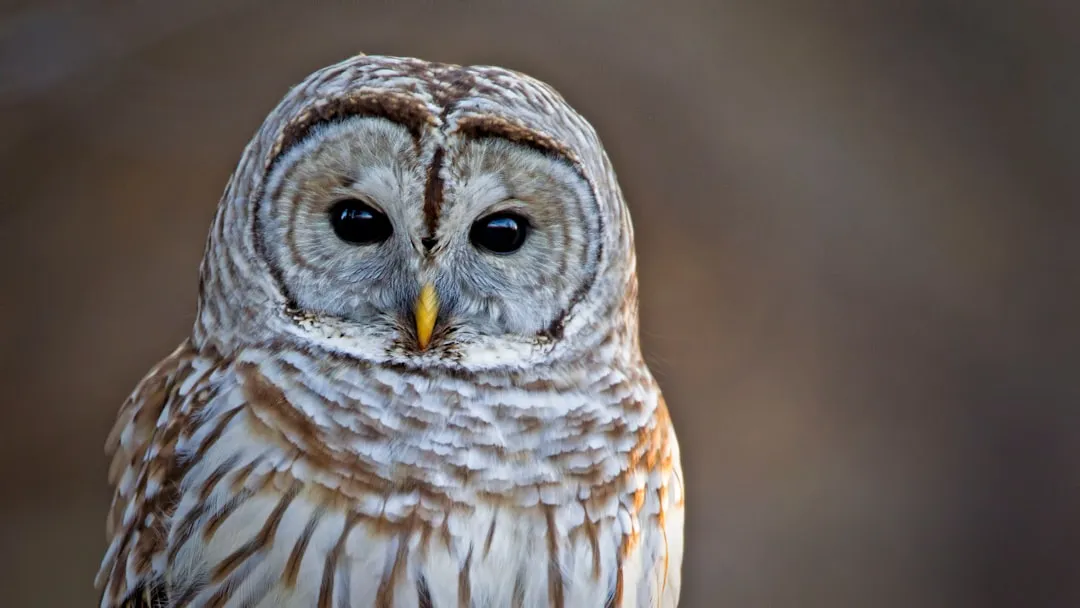
The barred owl lives in thick forests where high speed is actually a liability. You cannot race through dense trees without hitting something, so this bird evolved a different toolkit: extreme stealth, great low‑light vision, and the ability to maneuver quietly between branches. It usually hunts from a perch, dropping down in short hops or glides to grab mice, squirrels, frogs, or even small birds.
Its feathers, like those of many owls, are built to reduce the sound of air rushing over the wings, letting it approach prey with almost ghostlike silence. Instead of sprinting after victims, the barred owl plays the long game: listening, watching, and then committing to a quick, tight ambush. You could think of it as the forest’s slow‑moving assassin, using the cover of trees and darkness rather than the open‑sky speed favored by falcons.
5. Secretary Bird – The Ground Striker With Deadly Kicks
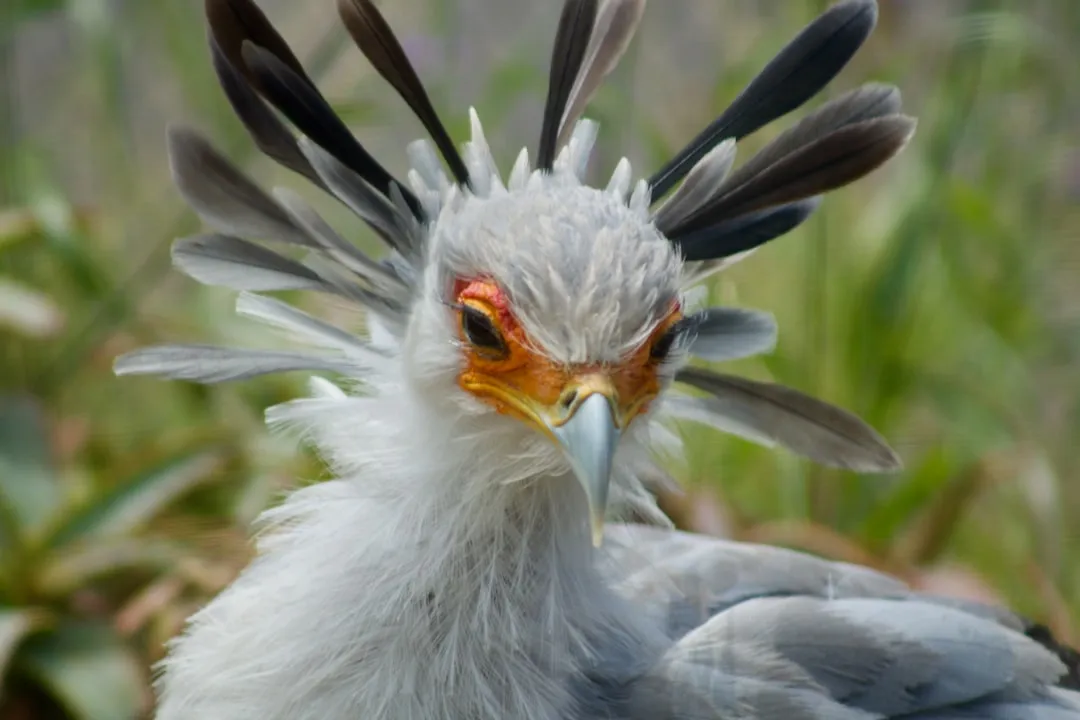
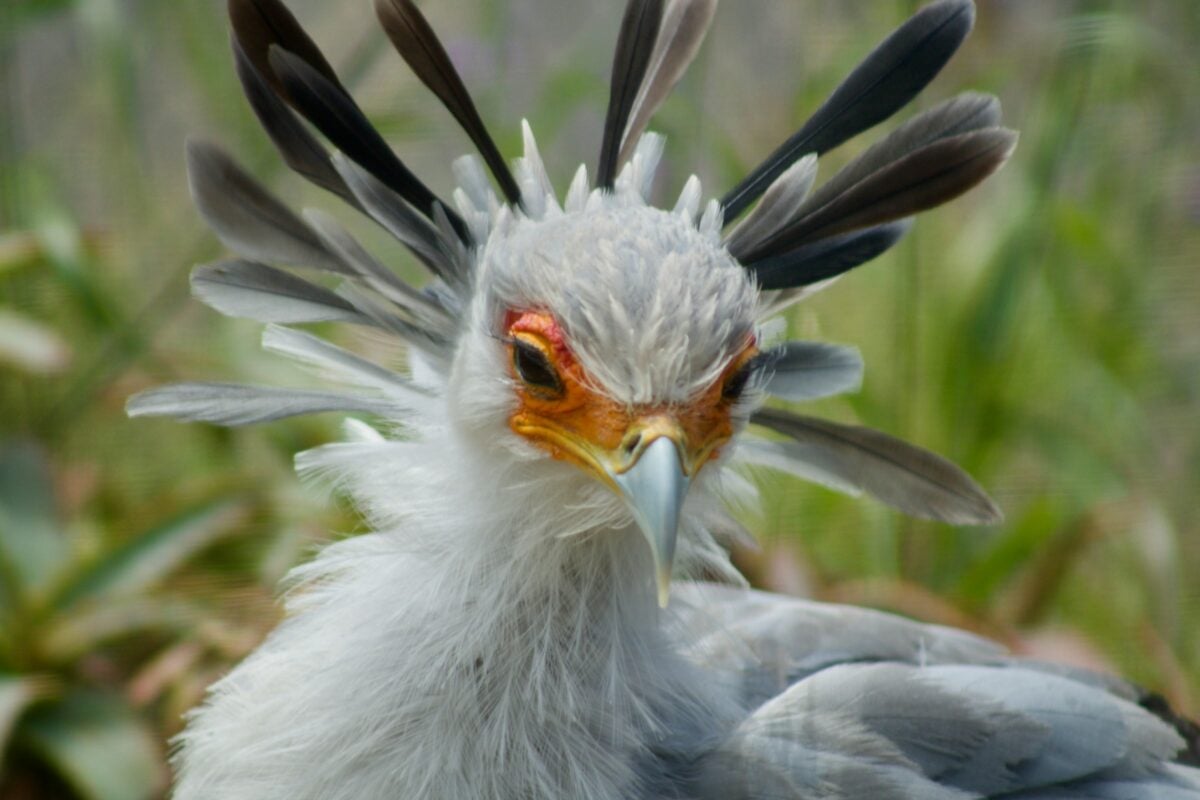
If there is one bird on this list that proves speed is overrated, it is the secretary bird of African grasslands. This tall, crane‑like raptor spends most of its life on the ground, striding slowly through savanna instead of zipping through the air. It hunts snakes, lizards, and small mammals not by outrunning them, but by cornering or surprising them and then delivering brutal, rapid‑fire kicks with its long legs.
Tests have shown that a secretary bird’s stomp can hit with serious force, enough to stun or kill a venomous snake in a split second. The bird’s advantage is not that it is fast over long distances, but that it can control space and strike downward with precision. If a cheetah is like a racing car, the secretary bird is more like a heavyweight martial artist: slow approach, perfect timing, and one devastating blow when the opponent moves in the wrong direction.
6. Northern Goshawk – The Forest Fighter Jet (But Not a Speed Addict)
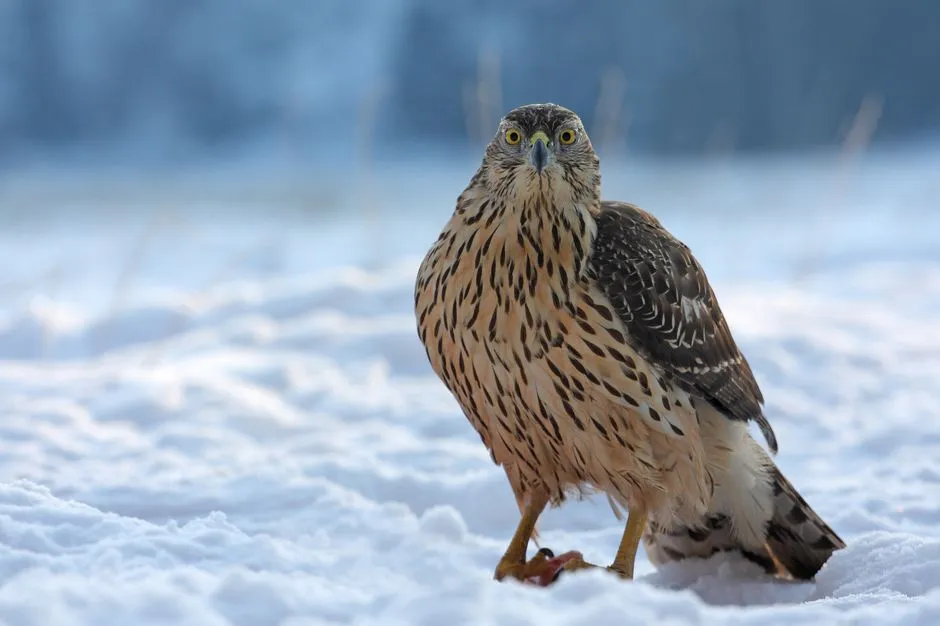
The northern goshawk is often described as a fighter jet of the forest, but not because it is the outright fastest bird in the sky. Its magic trick is agility and ambush in cluttered environments, not open‑air drag racing. Goshawks use bursts of speed over very short distances, weaving through branches, dodging trunks, and surprising forest birds or squirrels that think the woods will protect them.
What makes the goshawk so deadly is how it uses cover, angles, and surprise. It might sit quietly inside the forest, then shoot out across a gap to nail an unsuspecting pigeon, or twist through trees in a tight chase that lasts only a few seconds. The point is not to stay fast for long, but to be fast enough at the exact right moment. That is a very different mental picture from a long, straight‑line pursuit; it is more like a street fight in an alley than a track race.
7. Turkey Vulture – The Slow Soarer With a Scavenger’s Edge
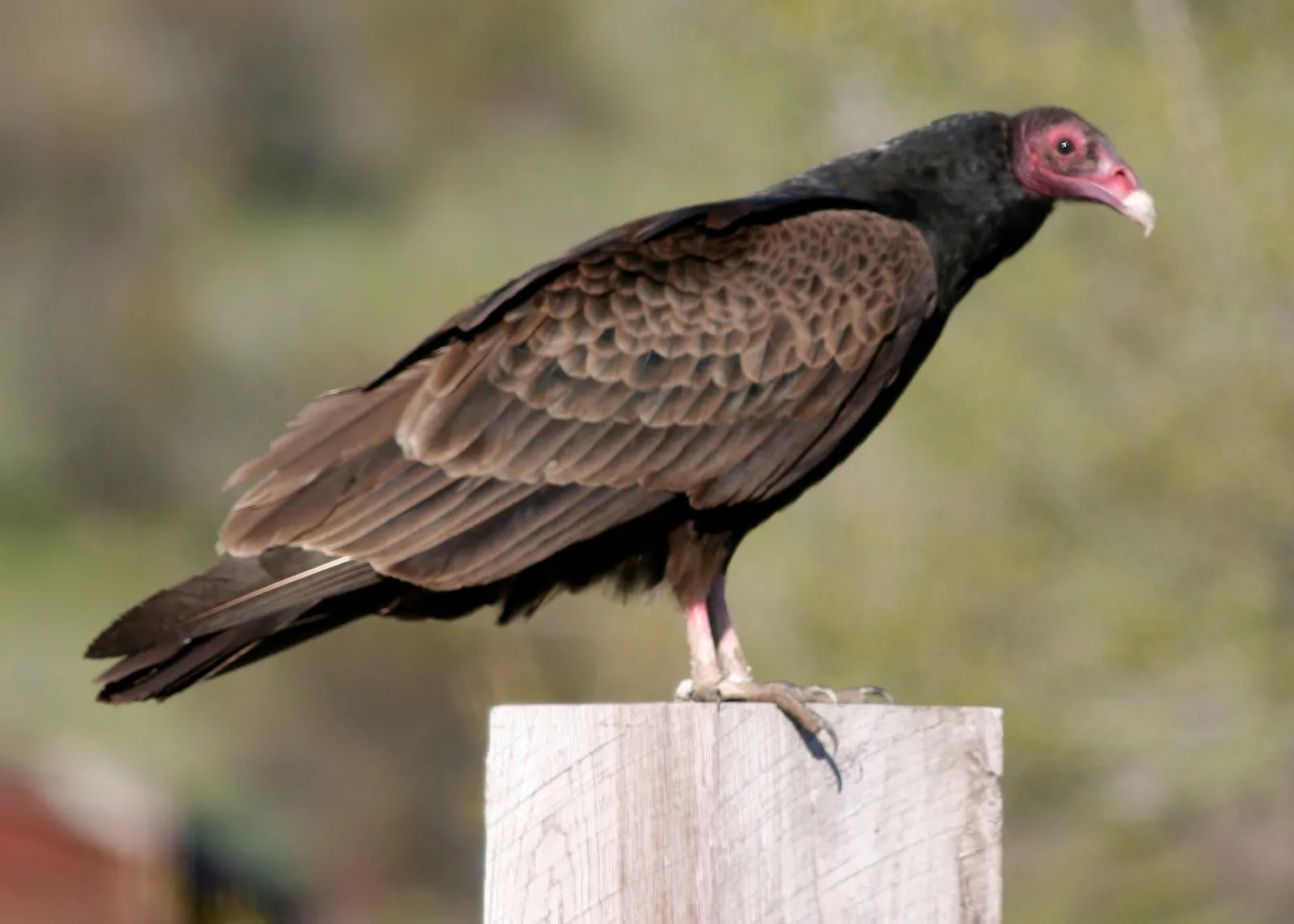
Turkey vultures rarely hunt live prey, but they are absolutely predatory in the sense that they rely on dead animals and play a crucial role in cleaning ecosystems. They are also a perfect example of a bird that thrives without speed. These vultures are almost comically slow and wobbly in the air, riding thermal updrafts and barely flapping as they drift over huge areas of land searching for the smell of carrion.
Their real asset is not muscle but senses and efficiency. With an unusually strong sense of smell for a bird, they can detect decomposing animals from impressive distances while using minimal energy. There is no chasing, no sprinting, no dramatic pursuit. Instead, the turkey vulture shows that in nature, just finding something first and getting there cheaply can be more important than moving fast. It is the ultimate slow, ugly, but undeniably effective cleanup crew.
8. Osprey – The Specialist Fisher That Wins With Accuracy
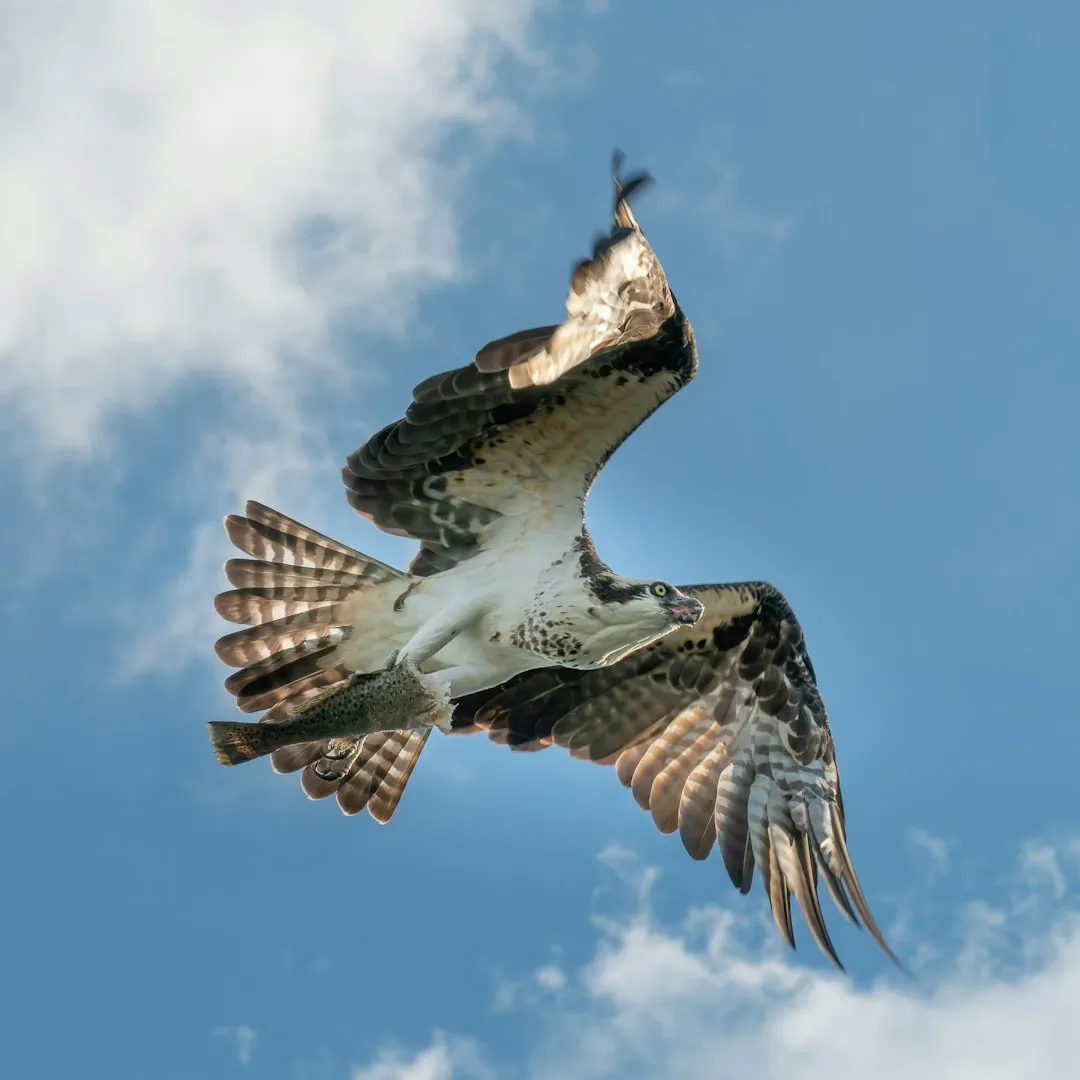
The osprey, sometimes called the fish hawk, is another raptor that succeeds more through skill and technique than sheer speed. It often hunts by slowly circling over water or hovering briefly, watching below for the right size fish near the surface. When it commits to an attack, it dives, but compared to the insane speeds of true falcons, an osprey’s strike is more about angle, timing, and grip than velocity.
It hits the water feet‑first, with specialized, reversible outer toes and spiny pads that help lock onto slippery prey. Then it lifts off, sometimes beating hard to get airborne again, but the actual “hunt” is almost always a short, focused event. You do not see ospreys chasing fish up and down rivers; you see them reading the water, picking their moment, and letting precision do what speed alone never could.
Conclusion – Power in the Pause, Not the Sprint
When you look at these eight birds together, a pattern jumps out: in the wild, speed is impressive, but strategy is what quietly wins most of the time. Owls listen more than they move, hawks and eagles spend ages just watching from perches, secretary birds walk instead of fly, and vultures simply wait for nature to deliver the meal. As someone who has always felt more like a watcher than a sprinter myself, I find that oddly comforting; it is a reminder that there is more than one way to be effective, and that patience can be as lethal as any race.
It is easy to glorify the fastest animals and forget the hunters that kill with silence, precision, and timing, but those are the ones that really reshape how we think about power. In a world obsessed with going faster, these birds make a strong counterargument: sometimes the smartest move is to slow down, conserve energy, and strike only when the odds are stacked in your favor. Next time you see a hawk on a power line or hear an owl hooting at night, it might be worth asking yourself: in your own life, are you chasing like a falcon, or hunting like an owl?
