
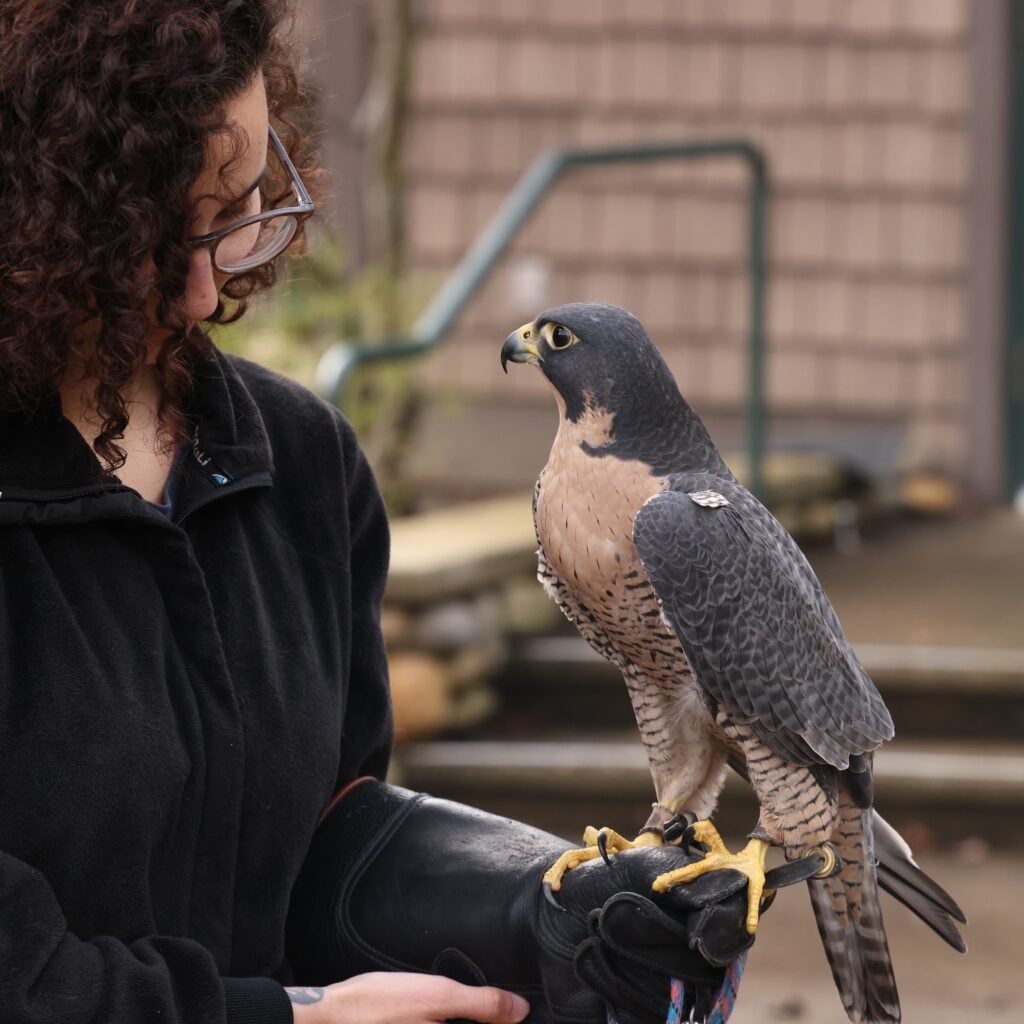
Peregrine falcons have a reputation as the fighter jets of the bird world, but that image is a little too simple. They are not just hitting a “dive” button and rocketing straight down; they are constantly thinking with their wings, fine‑tuning their path in real time. Once you know that, watching a falcon hunt stops being just impressive and starts to feel almost unreal, like seeing physics and instinct have a conversation in the sky. This article dives into how scientists figured out what is really going on during those famous stoops, why the birds change their angle midair, and what it says about animal intelligence and design in nature. By the end, you might never look at a falcon, a fighter jet, or even a thrown ball in quite the same way.
The Myth of the Straight-Down Death Dive
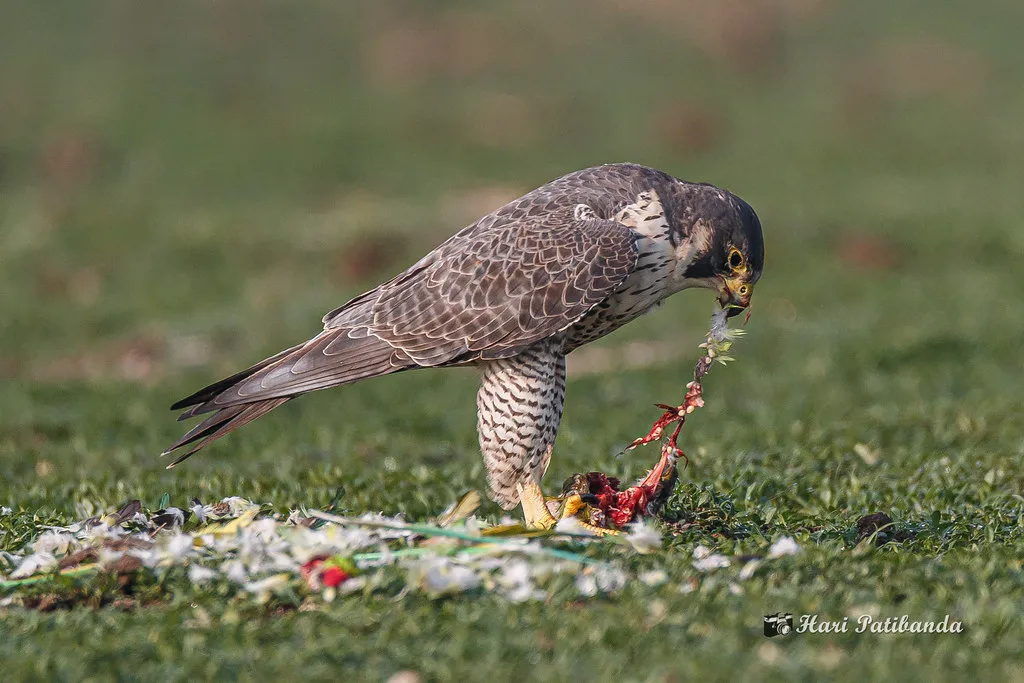
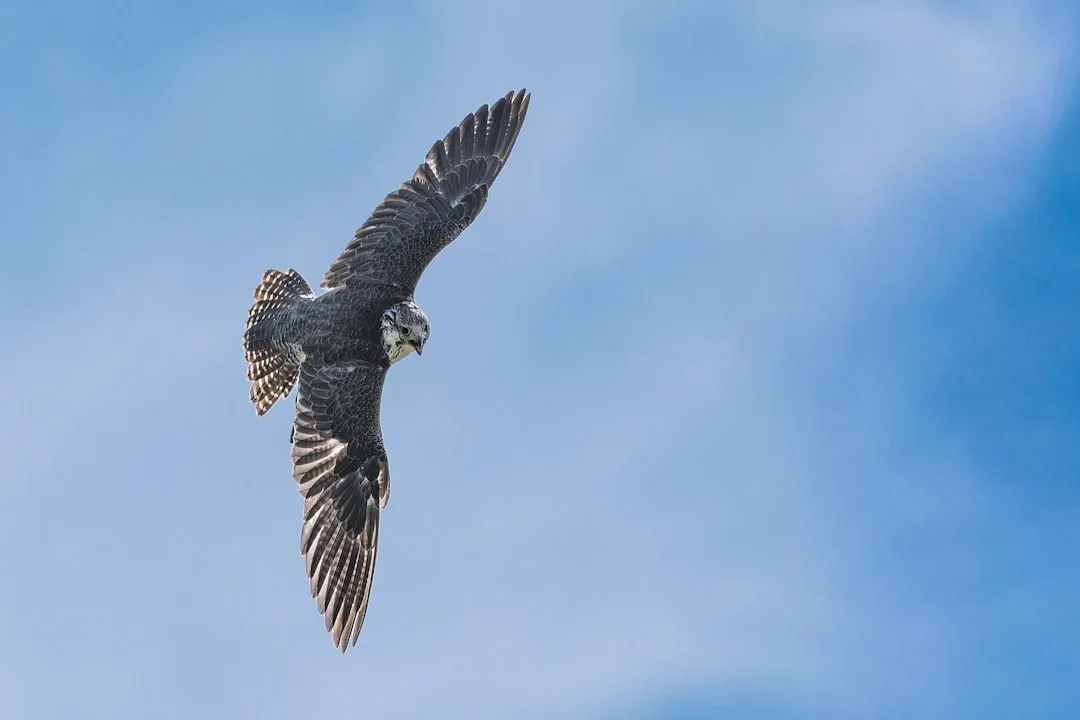
For years, the popular picture of a peregrine falcon hunting was very simple: it soars high, tucks its wings, then drops like a feathered missile straight down onto its prey. That idea is dramatic and easy to visualize, so it stuck in documentaries, school posters, and our heads. The raw speed alone, often clocked at well over two hundred miles an hour in a stoop, seemed like the whole story. But when researchers started carefully tracking actual hunts with high‑speed cameras and GPS loggers, the neat cartoon of a straight dive began to fall apart. The birds were not just plummeting; they were bending their path, twisting slightly, and subtly reshaping their trajectory as they closed in. What looked like a simple dive from the ground was actually an intricate, constantly updated flight plan unfolding in fractions of a second.
How Scientists Watched Falcons in 3D
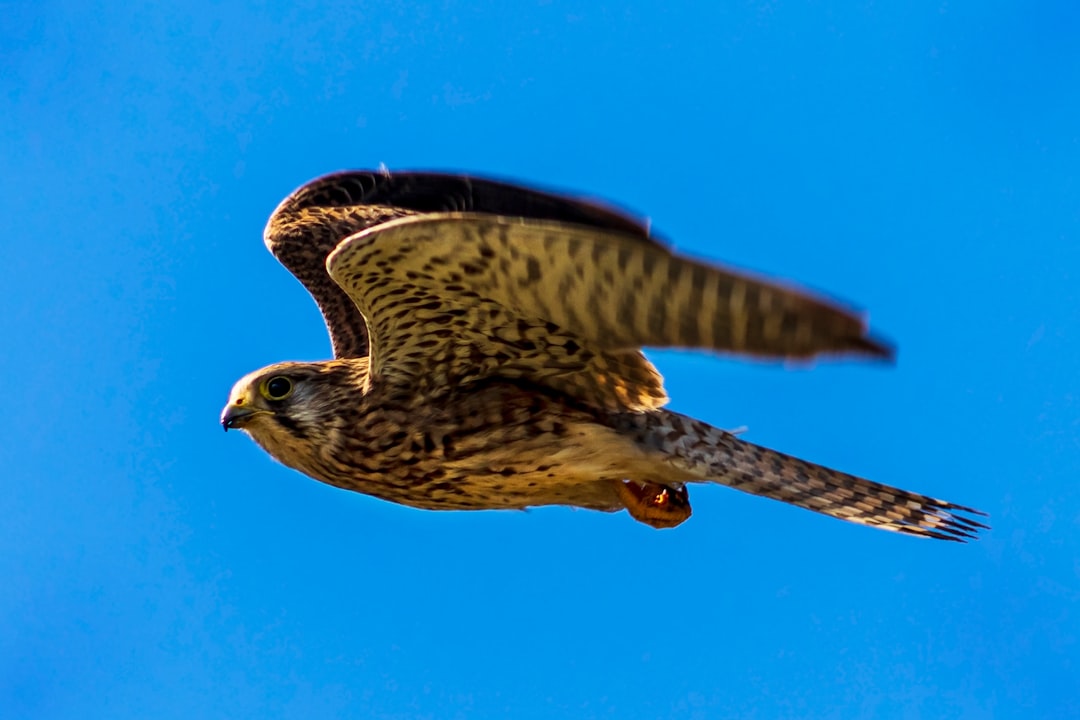
So how do you study a bird moving faster than a sports car, hundreds of feet in the air, often against a messy backdrop of clouds and terrain? The answer is: you throw a lot of tech at it. Researchers used a mix of tiny GPS units mounted on the birds, synchronized high‑speed video from multiple angles, and detailed computer models to reconstruct hunts in three dimensions. This let them play back a falcon’s entire attack path as if it were a flight simulator track. From those tracks, something striking emerged: peregrines weren’t making one big decision at the start of the dive and then riding it out. Instead, the attack angle kept changing as the distance to the prey shrank. Think of the falcon’s path as a constantly rewoven thread, tightened and redirected several times before the final strike. The result is not a plunge along a fixed line, but a flowing, dynamic pursuit.
The Secret Geometry: Why Attack Angle Matters
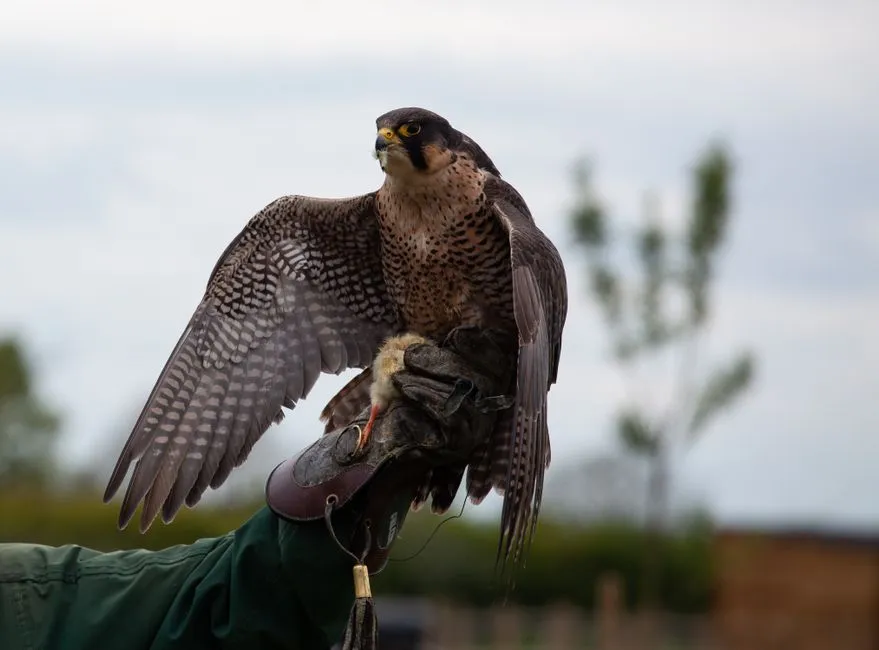
If you have ever tried to catch a fast‑moving ball, you already understand, in a small way, why attack angle matters. Do you run to where the ball is now, or where it will be when it gets to you? If you run straight at its current position, you miss; if you constantly adjust your running line to keep the ball on a steady angle in your vision, you tend to meet it. Peregrine falcons are facing a version of that same geometry problem in three‑dimensional air. By changing their attack angle in midair, falcons can keep their prey in a particular part of their visual field, where their vision is sharpest. This also lets them manage closing speed, avoiding arriving too early or overshooting the target. In simple terms, the falcon is not just trying to go fastest; it is trying to go smartest, trading off raw speed against control and hit probability in a way that looks suspiciously like advanced guidance theory.
More Than Instinct: A Natural Guidance System
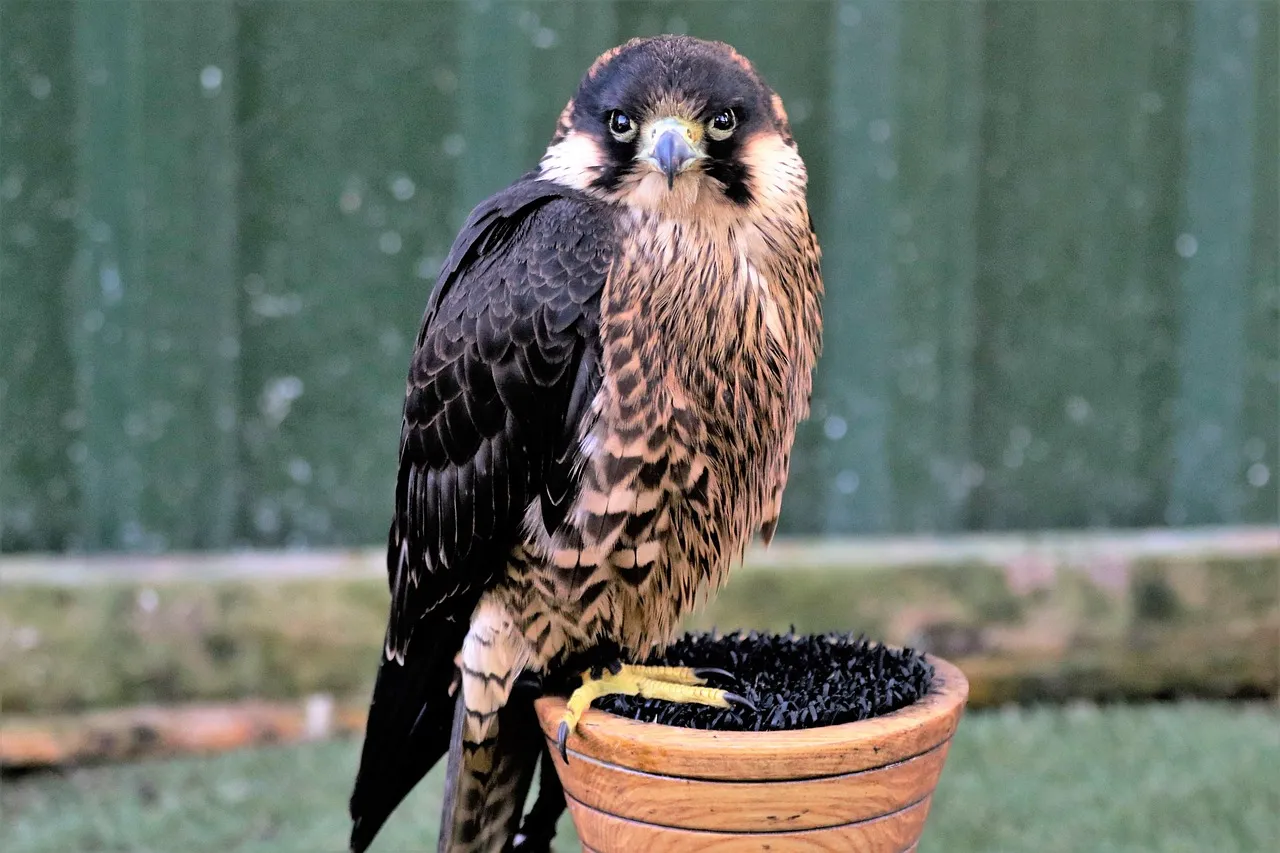
What stunned many scientists is how closely peregrine attack paths resemble guidance laws that engineers use for missiles. One idea in engineering is to adjust your direction so that the angle between you and your target changes in a precise way over time. When researchers mapped falcon movements onto these equations, the matches were not perfect, but they were good enough to be a little eerie. These birds seemed to be following rules very similar to those designed by human mathematicians. Now, that does not mean a falcon is doing calculus in its head. What it suggests is that natural selection has shaped a brain‑body system that behaves as if it were solving those equations automatically. The eyes feed information about the prey’s movement, the nervous system interprets it, and the wings and tail make minuscule adjustments that change the attack angle again and again. What we call “instinct” here is not mindless; it is an astonishingly efficient built‑in guidance algorithm.
Why Falcons Don’t Always Choose the Fastest Path
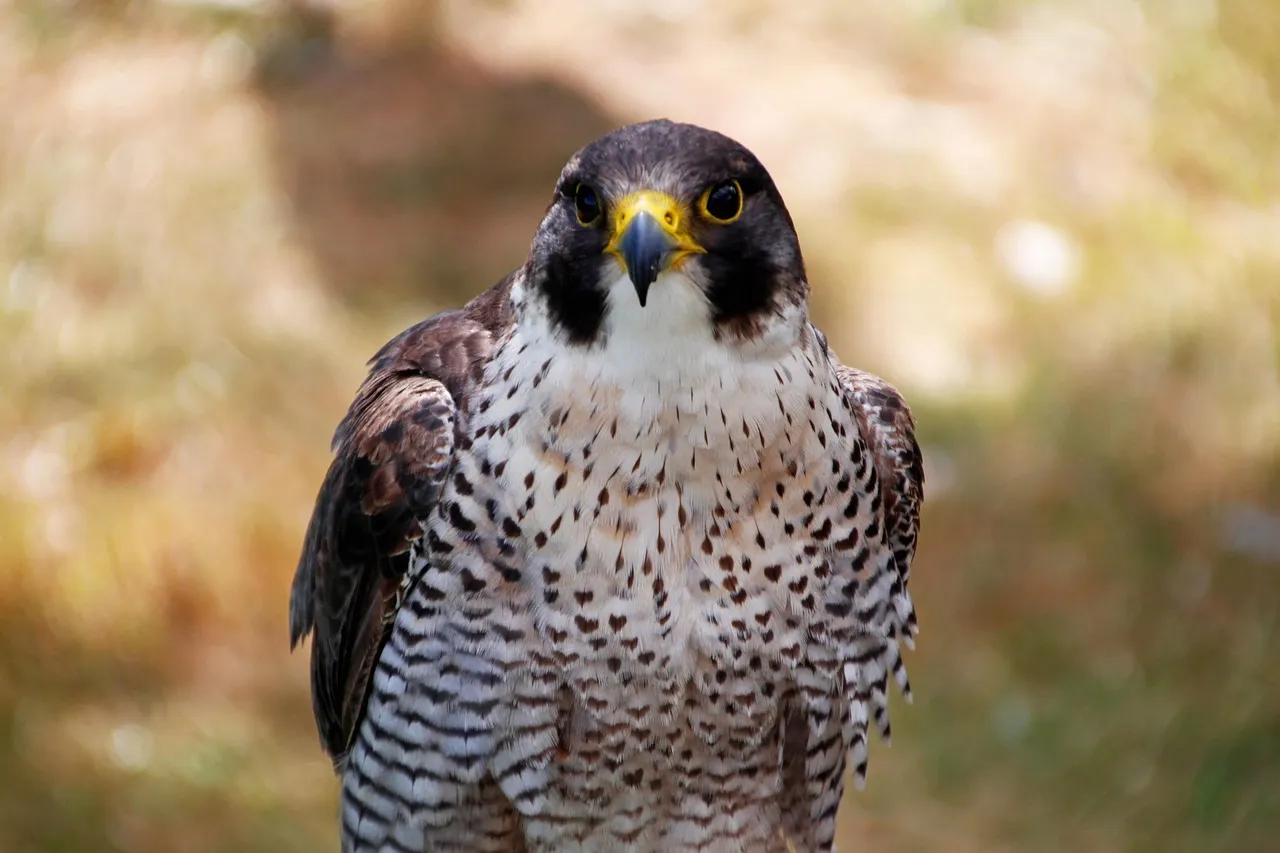
At first glance, it would make sense to think the best hunter is the one that gets there the quickest. The fastest route to the prey would be to aim directly along the shortest line and go all‑in on speed. But peregrines often choose a path that is not the mathematically shortest. They arc, curve, and swing around in ways that look dramatic but not strictly minimal in terms of distance traveled. The reason is that a perfect straight‑line or purely vertical dive is not always the best in a real, messy world. Prey birds are also moving, reacting, and sometimes dodging. By adjusting their attack angle, peregrines can strike from a direction that gives them the best element of surprise or the most effective impact point, often hitting from behind or from the side. They give up a little theoretical efficiency to gain a much higher chance of a clean, decisive hit, and that is the kind of trade-off evolution tends to reward.
The Role of Vision, Wind, and Tiny Wing Tweaks
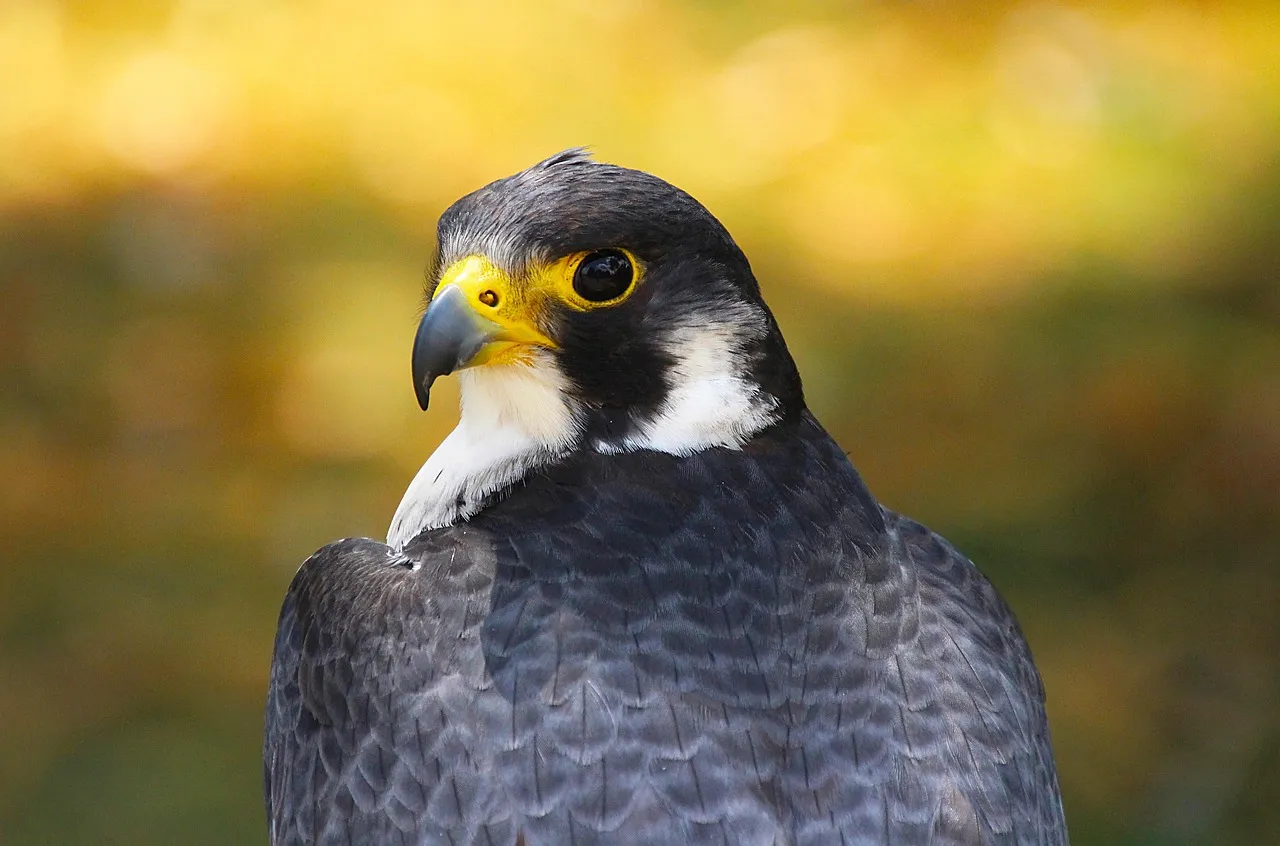
The attack angle story is not just about abstract geometry; it is about the physical reality of a bird slicing through turbulent air at extreme speeds. Peregrines have incredibly sharp vision, with parts of the eye specialized for spotting movement at a distance. As they close in, they keep the target locked in that sweet spot, and that takes constant tiny course corrections. Every change in attack angle reflects a new visual update: where is the prey now, how fast is it moving, and what is the best line to intersect it? On top of that, there is the wind. Air is not a smooth, invisible road; it is full of gusts, swirls, and shifting layers. By tweaking their wings, tail, and body posture, peregrines can fight off destabilizing forces and still maintain their chosen angle of attack. The flight you see as a flowing dive is actually a cascading series of micro‑adjustments, each one nudging the bird back toward the desired path, like a driver subtly correcting the steering wheel without even thinking about it.
What Peregrine Falcons Can Teach Engineers
Here is the fun twist: while engineers have long inspired bird analogies, in this case, the birds are actually teaching the engineers. When scientists realized how closely peregrine attack strategies resembled certain guidance rules, it opened up possibilities for improving small drones and autonomous flying systems. Nature, with its millions of years of trial and error, has stress‑tested solutions that work under conditions of uncertainty, changing targets, and limited information. As someone who geeks out over both nature and tech, I find it oddly humbling that a falcon streaking through the sky is essentially running a guidance strategy that would not look out of place in a control systems textbook. It challenges the idea that animals are “just” following blind instinct. Instead, they become living examples of high‑performance problem‑solving, where body, brain, and environment are tightly woven into one fluid system.
Conclusion: The Falcon’s Dive Is Smarter Than It Looks
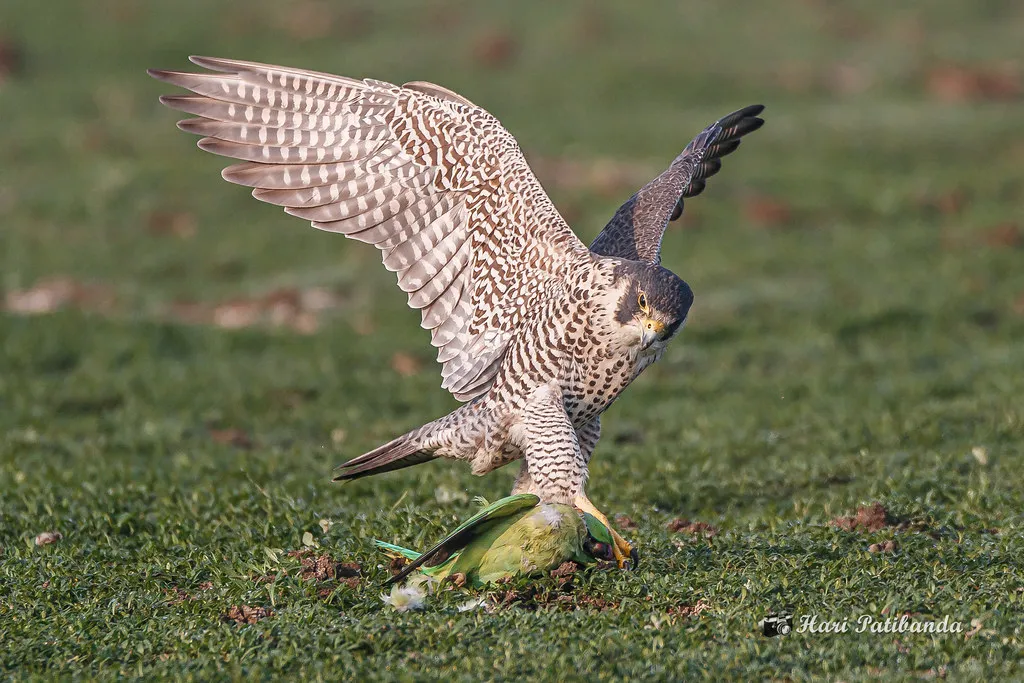
When you strip away the old myth of a mindless straight‑down plunge, the peregrine falcon’s hunt turns into something even more awe‑inspiring. This bird is not a simple speed addict; it is a strategist, constantly updating its attack angle, reconciling what its eyes see with what its wings can do, and weaving through the air along a path that balances speed, control, and surprise. The fact that this behavior fits so neatly with sophisticated human guidance theories is, in my view, one of the clearest signs that nature and math are quietly in sync. To me, that makes the falcon’s stoop one of the most honest forms of beauty: it is not just visually stunning, it is intellectually sharp. The bird is solving a real‑time geometry problem while hurtling toward a moving target, and it does it so smoothly that we usually just gasp at the blur. Next time you see footage of a peregrine dive, it might be worth asking: underneath that streak of feathers, how much invisible calculating is going on – and how much of it did you ever expect from a bird?

- Animal Science Says Peregrine Falcons Adjust Their Attack Angle in Midair Instead of Simply Diving at Prey - August 23, 2026
- Animal Cognition Says Cuttlefish Remember What They Ate, Where They Ate It, and Roughly When It Happened - August 23, 2026
- Animal Cognition Says Scrub Jays Re-Hide Food When They Know Another Bird Watched the First Cache - August 23, 2026