
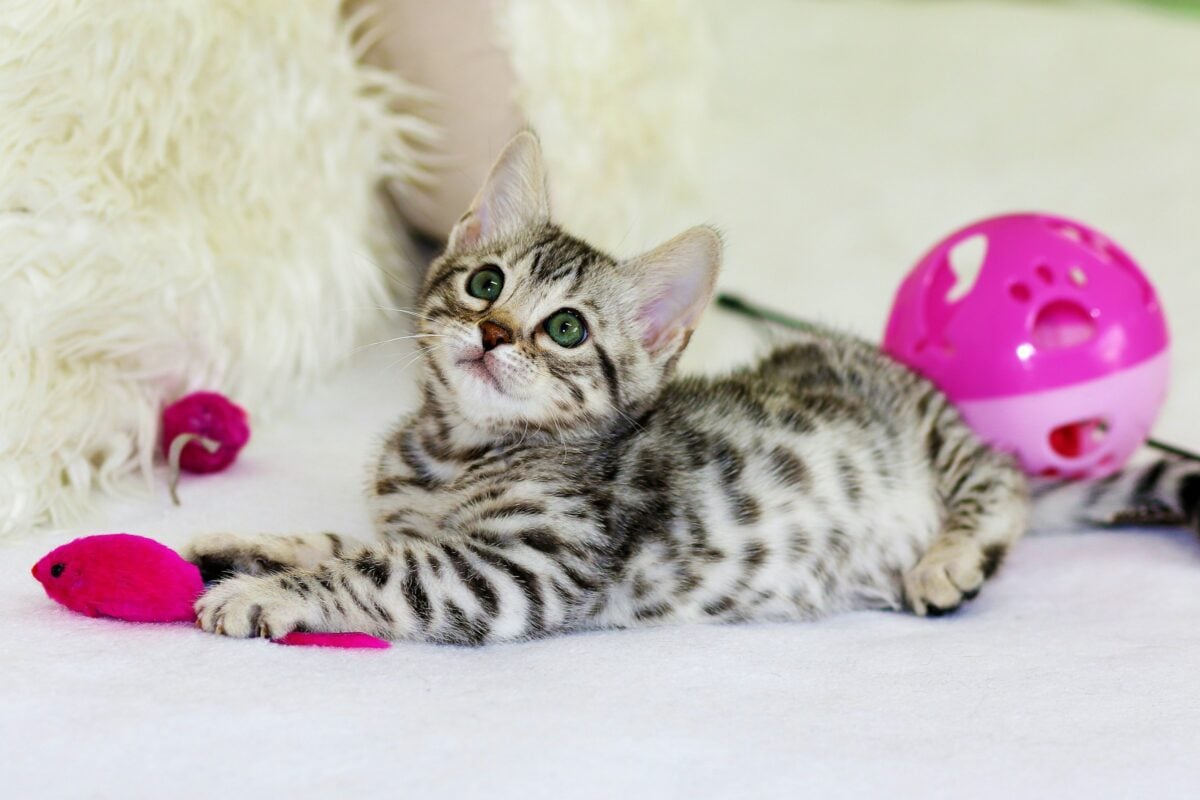
Cats have a reputation for being cool, distant little roommates who tolerate us at best. Anyone who has ever been ignored by a cat while desperately trying to win it over knows exactly how humbling that can feel. But here’s the twist: a lot of the things that look like indifference are actually your cat’s way of saying, “I feel safe with you.” Once you understand what those “whatever” behaviors really mean, you start to see your cat differently. The slow blinks, the casual flop onto its side, the way it chooses to sleep in the weirdest, most exposed places near you – none of that is random. It’s quiet, careful trust. Let’s break down nine common cat behaviors that seem aloof on the surface but are actually huge compliments in cat language.
1. Turning Their Back on You
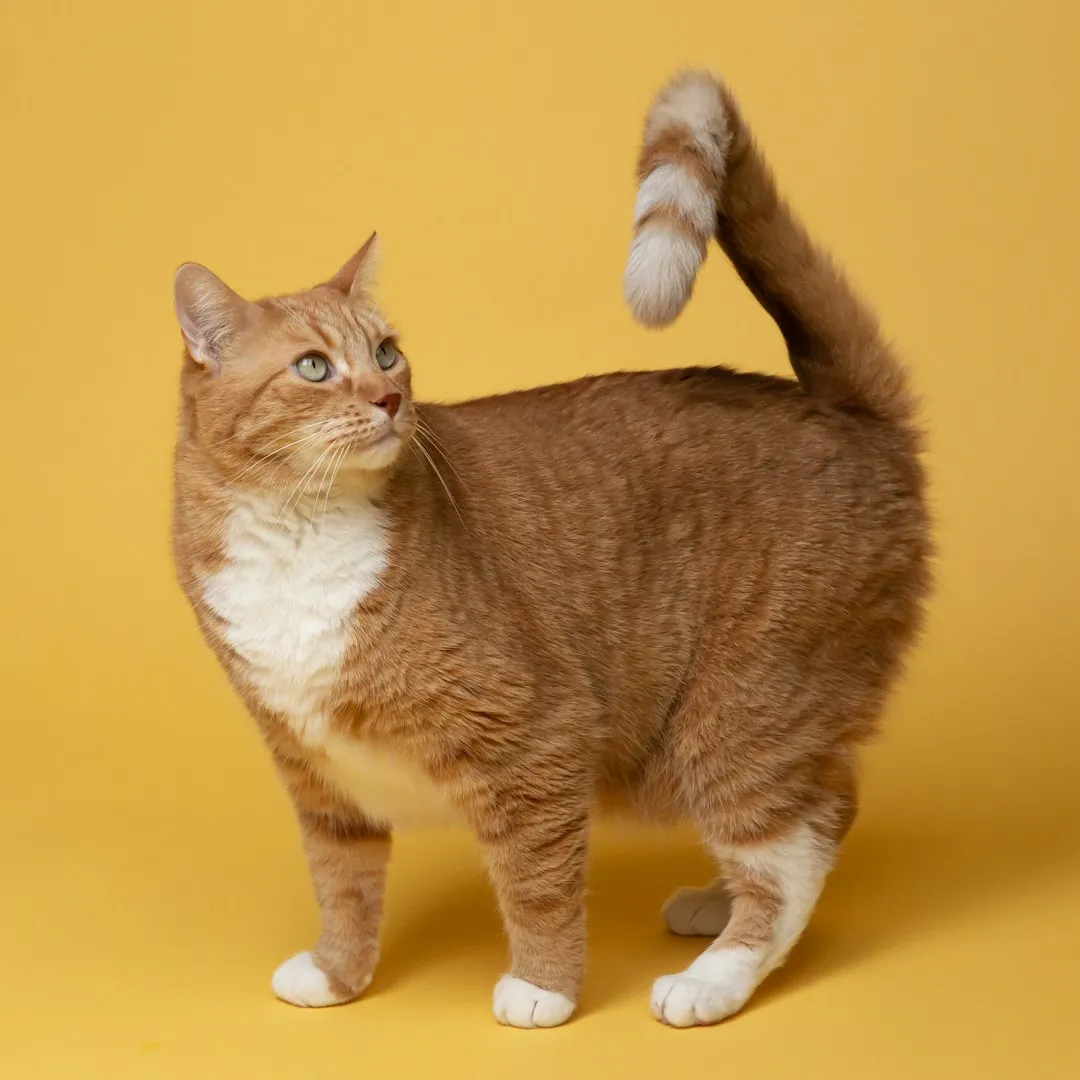
It can feel a bit insulting when your cat sits down in front of you and literally turns its back, almost like it has better things to look at than your face. From a human perspective, that looks like a snub, the emotional equivalent of someone scrolling their phone while you talk. But for a cat, exposing their back is a vulnerability. They are putting their most defenseless side where they cannot directly see danger – and they are putting it facing you. In the animal world, you do not turn your back on someone you don’t trust. A cat that plants itself with its tail toward you is quietly signaling that it does not expect you to hurt or startle it. Some will even sit between you and a doorway, watching the environment while their back is open to you. It is less “I’m ignoring you” and more “I’ve assigned you to the ‘safe’ category in my world.”
2. Sleeping Deeply in Your Presence
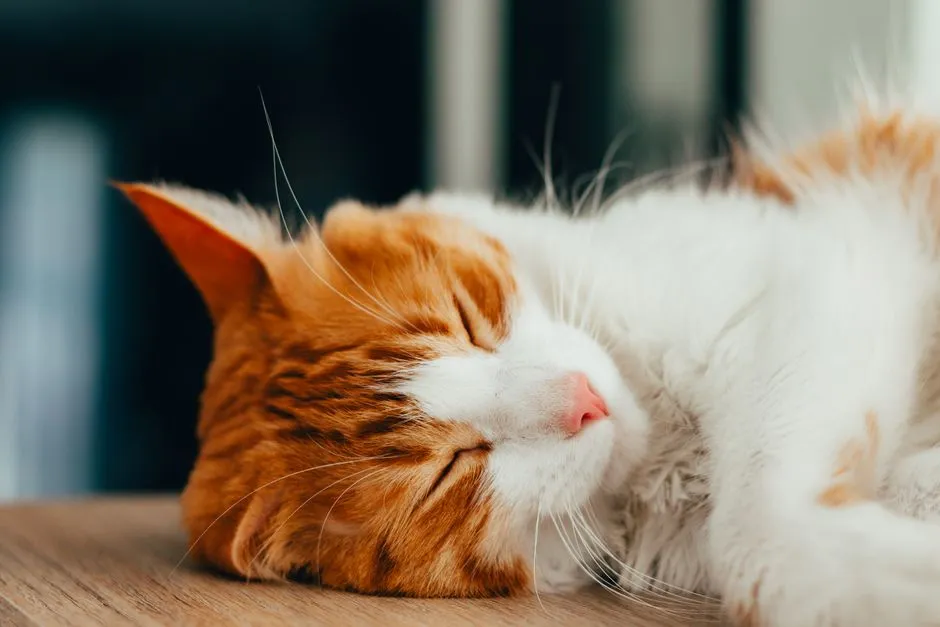
Cats in the wild spend a lot of their rest time half-alert, ready to bolt if something feels off. When your cat zonks out so hard on the couch that you can see its whiskers twitching and its paws kneading in a dream, that is not a careless mistake. That is a statement: this place and this person feel secure enough that I can let my guard down. Deep, floppy sleep around you is about as big a trust fall as a cat can give. You might notice your cat choosing to nap near you rather than on some perfectly quiet, hidden shelf. Maybe it curls at your feet while you work or sleeps on the back of the sofa right behind your head. That choice is not random. It is balancing two needs: safety and social connection. If your cat is comfortable entering that vulnerable, dream-heavy sleep phase while you move, talk, and live your life nearby, you are not just a food dispenser – you are home base.
3. Showing Their Belly (Without Always Wanting Pets)
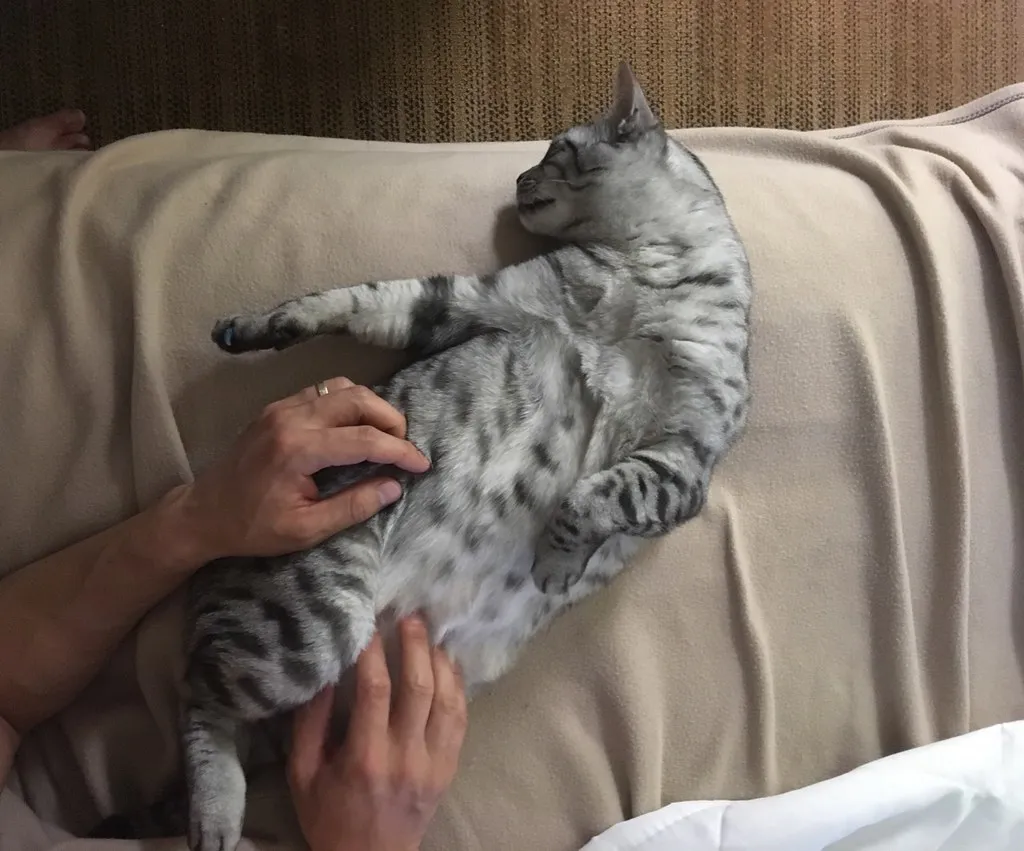
The classic “cat trap” is the fluffy belly on full display, four paws to the sky. You reach in, enchanted by the softness, and suddenly the bear trap snaps shut – claws, teeth, chaos. It is easy to misread this as your cat just messing with you or being moody. In reality, the belly exposure itself is the trust gesture, whether they want you to touch it or not. That soft underside is where all the important organs are. No sane prey animal flashes it for fun. When a cat sprawls on its side or back near you, especially in the middle of a room instead of a hidden corner, it is signaling comfort in its environment and with you. Think of it like a human sleeping with the door unlocked in a safe neighborhood. Your cat might not appreciate hands-on belly worship every time, but the fact that it offers that posture in your presence means it does not expect danger to come from you. Respecting that boundary – admiring the belly without always grabbing – often deepens that trust even more.
4. Slow Blinking and Looking Away
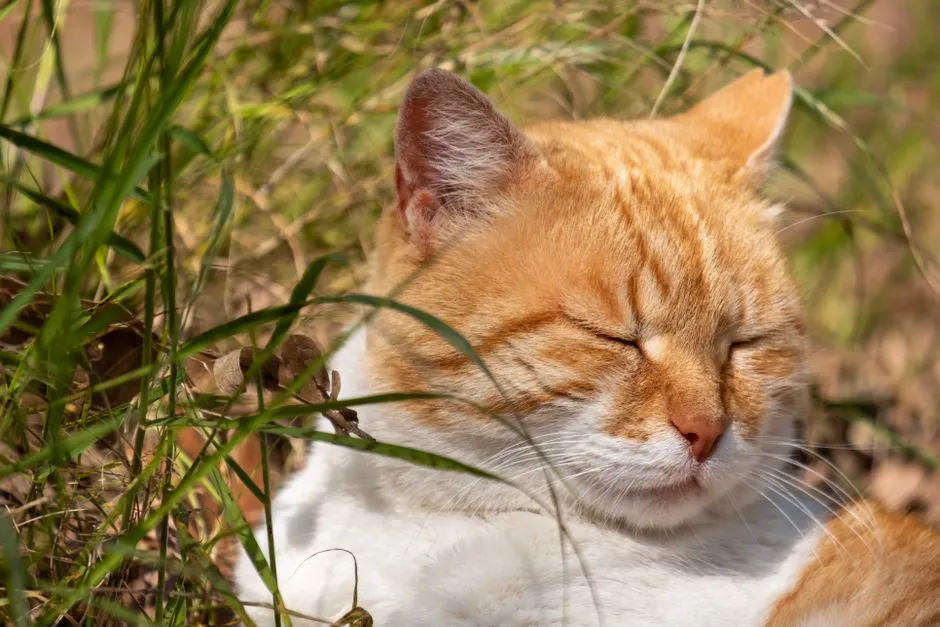
At first glance, a cat that looks at you briefly and then blinks slowly or glances away can seem unimpressed or bored. In human terms, prolonged eye contact is often a sign of connection, and breaking eye contact can feel like rejection. In cat language, it is the opposite. A long, hard stare is a threat or a challenge. Softening the gaze, blinking slowly, and even looking to the side are how cats say, “I am relaxed and not here to fight.” When your cat meets your eyes, blinks lazily, and then looks away, it is actively de-escalating any tension. This is a social tool cats use with each other too. Many people find that mimicking that slow blink back at their cat leads to even more relaxed behavior. It becomes a tiny conversation: I see you, I’m calm, I trust you. It might look aloof, like your cat can’t even be bothered to maintain eye contact, but it is actually one of the sweetest quiet gestures they have.
5. Sitting Just Out of Reach but Always Nearby
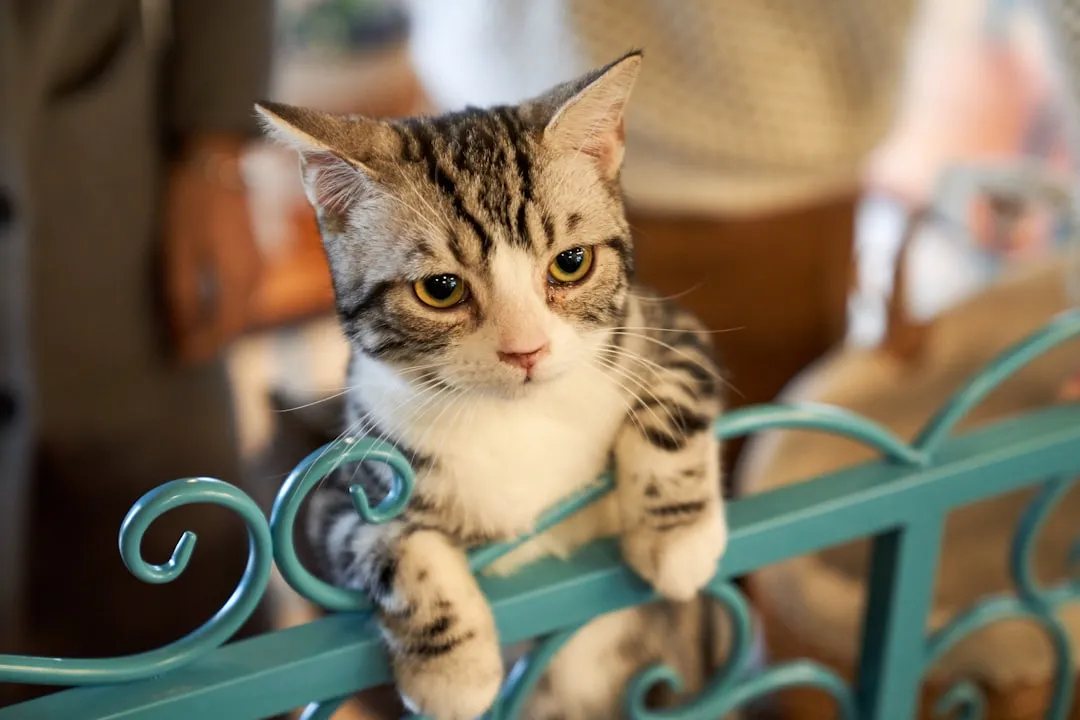
You know that move where your cat chooses a spot on the other end of the room – close enough to watch you, but far enough that you can’t easily touch them? It can sting a little, like they are keeping you at arm’s length. However, cats are both social and cautious by nature. For many of them, closeness does not mean full contact; it means being within a safe radius of the people they trust. They want to be in your orbit, not necessarily in your lap, and that is their comfort zone. If your cat consistently chooses to be in the same room as you, that is not coincidence. They could easily go to another room, a high shelf, a closet, or under the bed if they wanted real distance. The fact that they plant themselves where they can see and hear you is a sign they like your presence. Think of it like a friend who always chooses to sit at your table, even if they don’t feel like talking much. That “polite distance” is still relationship, just in a more reserved cat style.
6. Grooming Themselves Calmly Around You
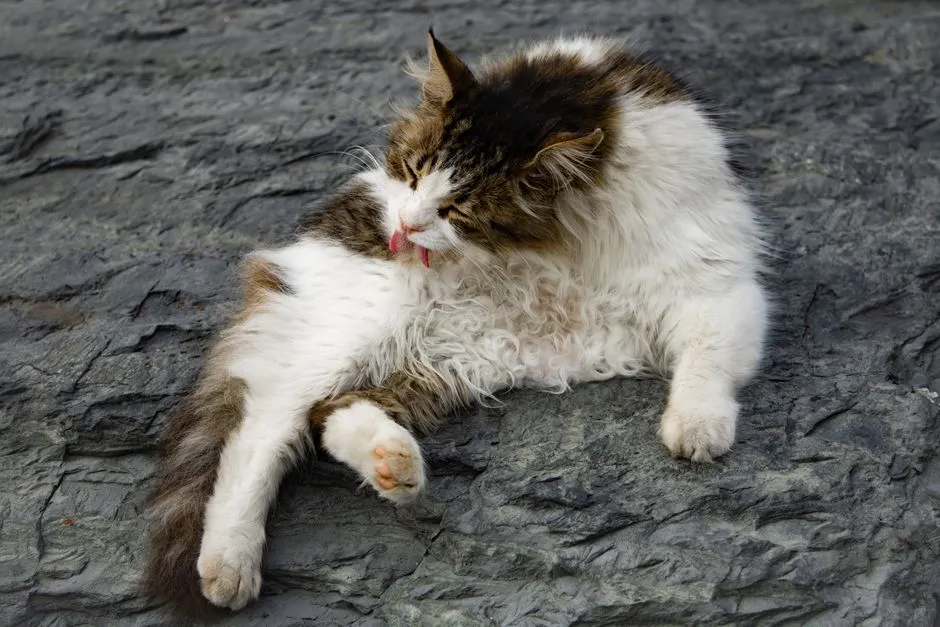
Cats groom for lots of reasons: hygiene, cooling down, scent marking, and self-soothing. When a cat starts a full grooming session near you – washing paws, face, sides, even those slightly comical stretchy leg-licking moves – it is choosing to shift into a calm, vulnerable routine right where you are. They are not on high alert, scanning every sound. They are investing time and attention in maintenance that they would not risk if they were worried you might suddenly become a threat. You might even notice “social grooming spillover,” where a cat grooms itself and then briefly licks your hand or arm. Even if that does not happen, the relaxed, methodical grooming nearby is a strong signal. Imagine brushing your teeth or fixing your hair in front of someone new – you only do that if you are comfortable being yourself around them. For a cat, grooming in your space is the same idea: I can be my normal, vulnerable self with you in the room.
7. Walking Away When You Call… but Staying in the Same Space
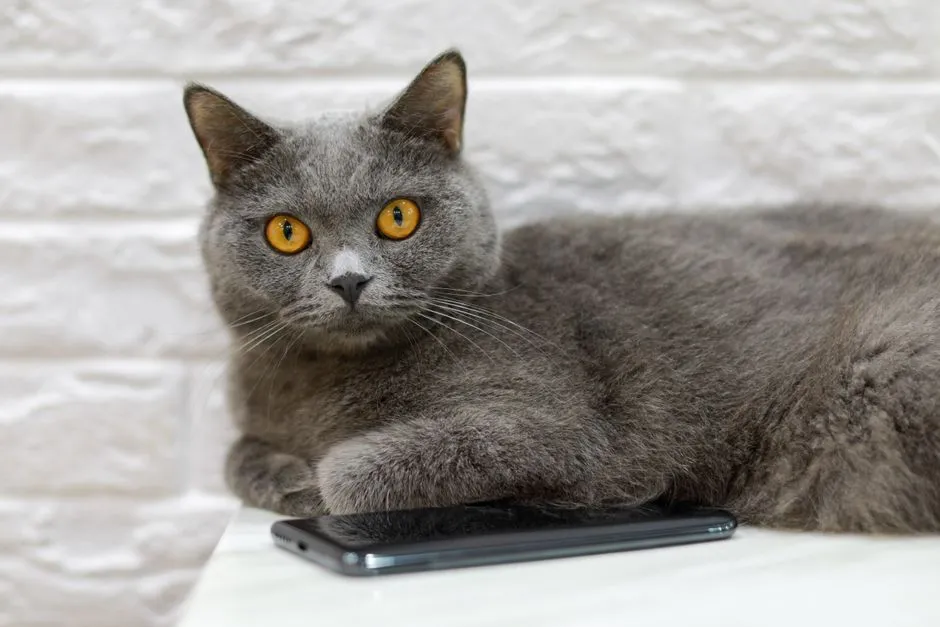
Every cat parent knows that feeling: you call your cat’s name, it glances at you, then casually walks the other direction. It is so easy to read that as classic feline attitude. But what often gets overlooked is that many cats do not leave the area entirely. They might hop onto a chair, settle by a window, or just reposition themselves rather than disappearing. They hear you, they acknowledge you, and then they act like it was fully their decision. That mix of independence and proximity is still a form of trust. Cats value choice and control over their own bodies. Coming when called every time is not really a cat thing; it is a dog thing humans are used to. When a cat chooses to stay in your space after ignoring your request, it is basically saying, “I’m not in the mood for that specific interaction, but I still feel good hanging out around you.” That subtle distinction matters. A cat that truly did not trust you would not just refuse your invitation; it would also leave.
8. Perching High Up and Casually Watching You
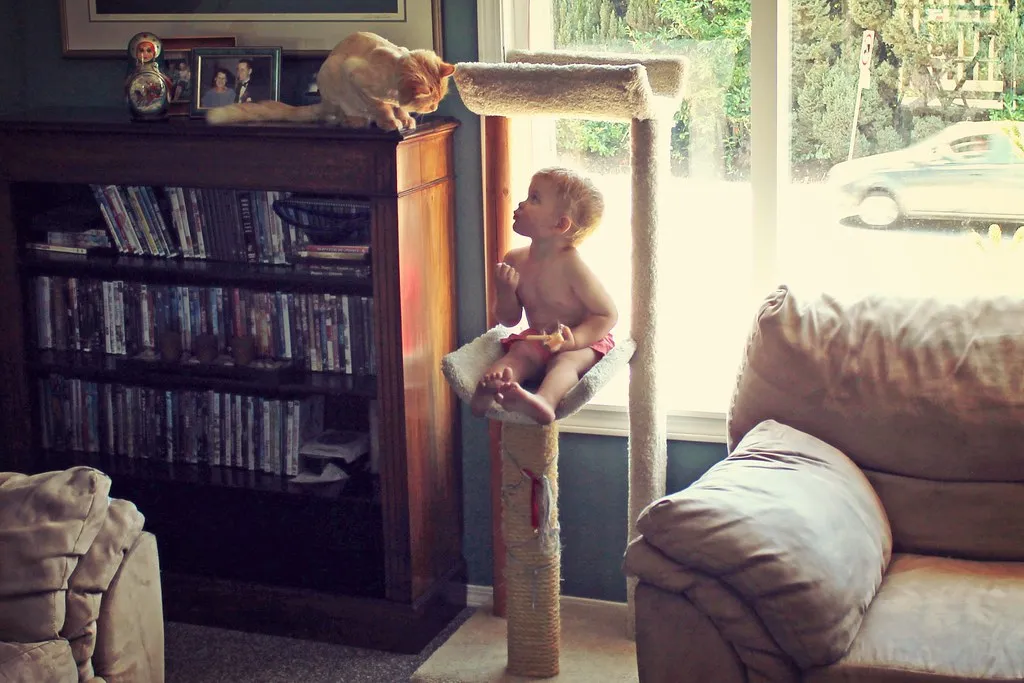
At first glance, the cat that always chooses the top of the bookshelf or a high cabinet looks like it wants nothing to do with you. It is literally above everything, surveying the world from a distance like some tiny, furry overlord. But high vantage points are safety spots for cats; they can see everything and avoid surprises. Choosing a perch with a clear view of you, rather than one that hides you from their sight, is actually a sign they want you in their visual field. From up there, your cat can doze, groom, and watch you without feeling cornered. It is a perfect balance of security and social closeness. Many cats from uncertain or stressful backgrounds will use high spots as their first way to be near new people. It is like sitting at the back of a classroom at first – you are there, you are paying attention, but you need space to feel safe. Over time, as that trust solidifies, those same cats often start coming down more, but the high perch watching never stops being a quiet vote of confidence.
9. Ignoring You During Play or Exploration
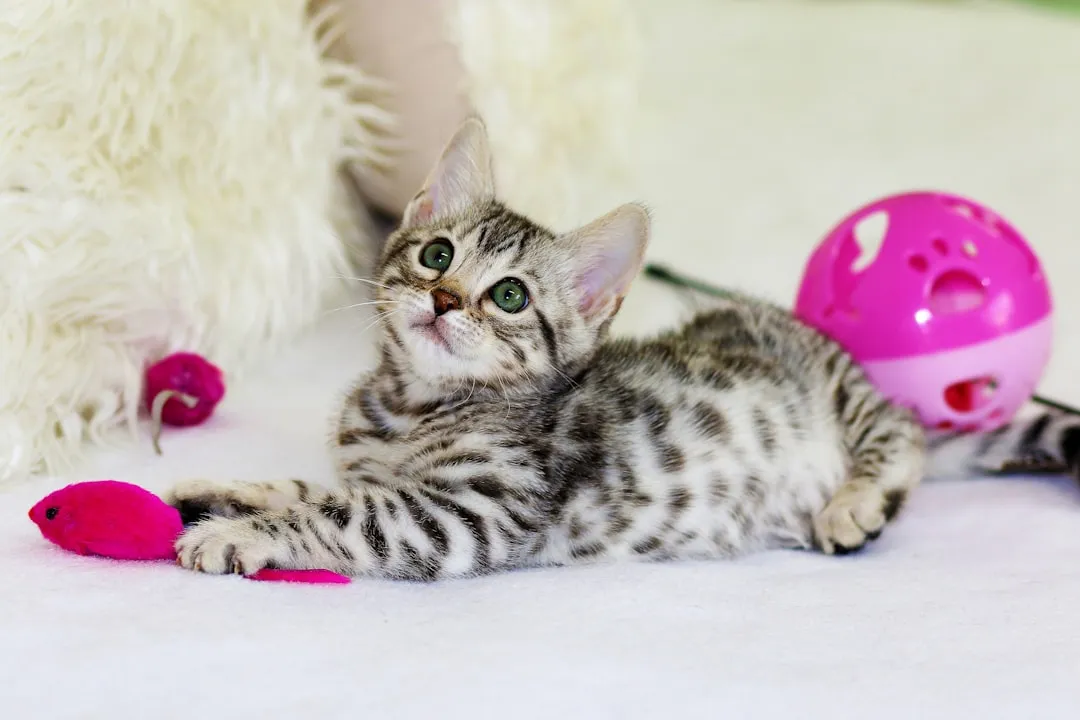
There is something oddly heartbreaking about a cat totally engrossed in chasing invisible dust, exploring behind furniture, or stalking a toy, barely glancing your way. You set up the toys, you bought the cute tunnel, and they act like you do not exist. Underneath that apparent snub is something more important: your cat feels comfortable enough in this environment, with you in it, to focus fully on being a cat. They are not splitting their attention between “fun” and “is it safe?” They are just living. When an animal can play freely, it is a health and safety signal. A cat that is fearful or mistrustful will be jumpy, easily startled, and quick to hide. If instead your cat goes into full hunter mode around you, tail swishing, pupils wide, body relaxed between pounces, that is trust in action. They are confident that if something unexpected happens – noise, movement, a door opening – you are not the threat. You are simply part of the backdrop of their safe little world, and that is a deep compliment.
Conclusion: The Quiet Ways Cats Say “I Trust You”
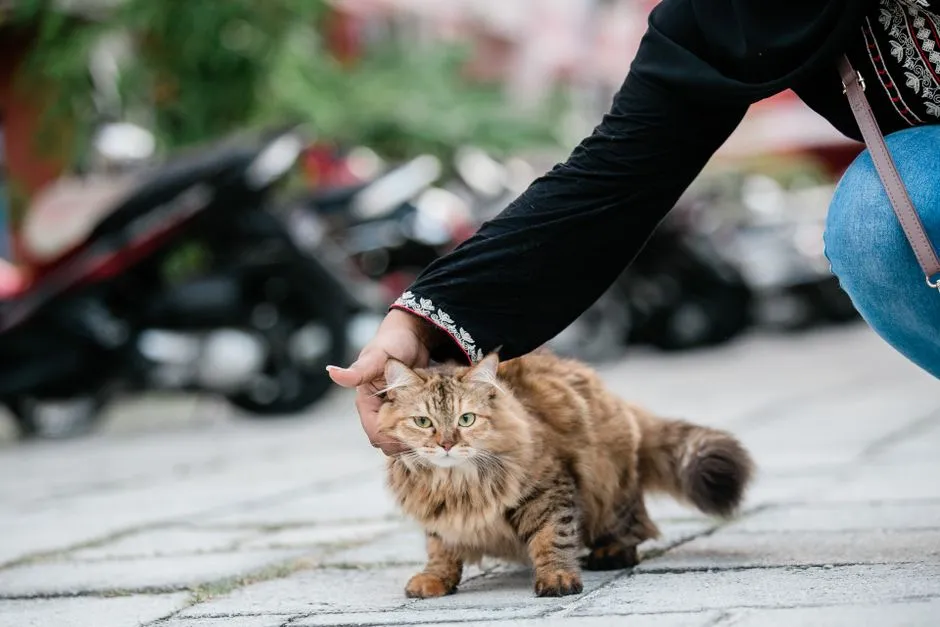
Living with cats has taught me that trust with them is rarely loud or obvious. It is not big displays of affection on command; it is the quiet choices they make day after day – where they sleep, where they turn their back, how deeply they relax when you are in the room. Those little “aloof” behaviors are often the most honest ones, because they are not performance; they are instinct. A cat that feels safe does not have to try to impress you. It just has to be itself. In my opinion, that makes feline trust more powerful than the easy, eager affection we sometimes get from other pets. You cannot bully, bribe, or rush a cat into feeling safe. You earn it over time, by respecting boundaries, reading their signals, and letting them choose how close to come. Once you realize that the supposed coldness is actually cautious confidence, it changes the whole relationship. The real question then becomes: how many of these quiet trust signals have you been underestimating in your own cat?

- 9 Cat Behaviors That Look Aloof but Actually Require a Great Deal of Trust - August 23, 2026
- 8 Things Cats Do Before Choosing a New Favorite Sleeping Spot - August 23, 2026
- Animal Science Says Polar Bears Can Follow a Scent Trail Across Sea Ice for Distances Humans Would Struggle to Imagine - August 23, 2026