
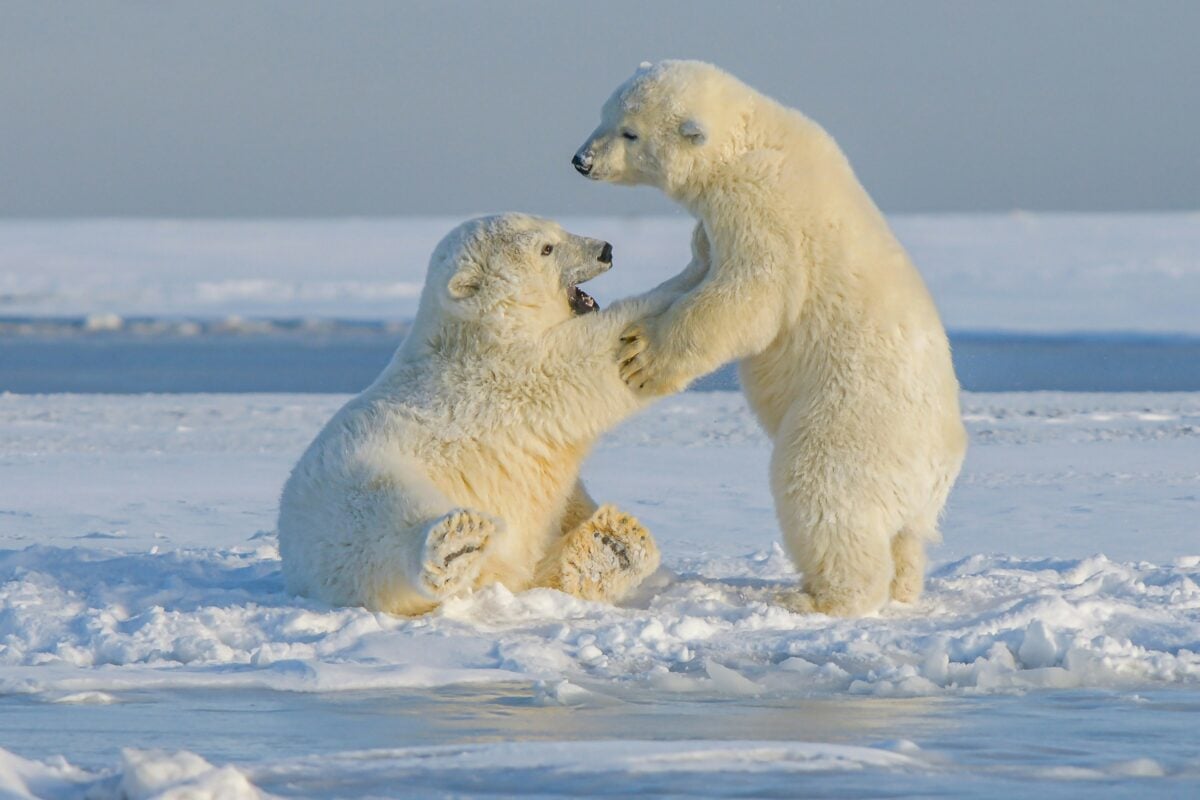
Imagine standing on a frozen shoreline, wind cutting into your face, eyes watering from the cold. You can barely see your own breath, let alone smell anything beyond the diesel of the boat you came in on. Somewhere out there, a polar bear is doing the exact opposite: quietly reading the air like a book, decoding scents that blew past hours ago and drifted over miles of empty ice. It sounds almost supernatural, but it’s just biology taken to an extreme we’re not built to understand.
Animal science has been slowly piecing together how polar bears manage this sensory magic, and the more we learn, the more humbling it gets. These massive predators are not just big white carnivores lumbering around the Arctic; they’re highly tuned scent-hunting machines operating in one of the harshest environments on Earth. When researchers say , it’s not a poetic exaggeration. It’s a reminder of how limited our own senses are – and how incredible theirs have to be just to survive.
The Arctic Is Basically a Blank Page… Until a Polar Bear Smells It
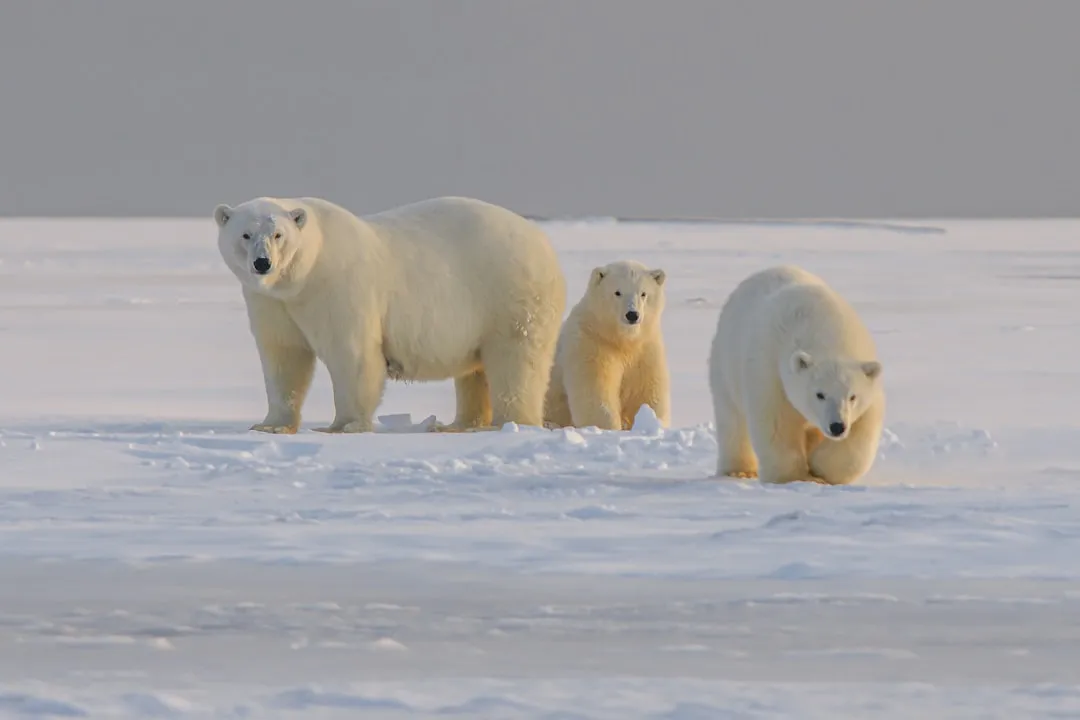
Here’s the wild part: from a human perspective, sea ice looks and feels like a blank, endless, mostly odorless landscape. It’s just snow, wind, and more white in every direction. But to a polar bear, that same surface is closer to a social and ecological map. Every seal breathing hole, every resting spot, every trace of another bear or carcass leaves behind chemical hints that can linger in the air and in the snow.
Think about how you might walk into a kitchen and faintly smell coffee or garlic, even if nobody is cooking at that moment. Now stretch that ability across distances measured not in meters, but in kilometers, and across time scales of hours. That’s closer to what a polar bear is doing when it moves across sea ice. It’s not just reacting to what’s in front of its nose in the moment – it’s reading a history of where life has passed by in an environment that looks completely empty to us.
A Nose Built Like High-End Scientific Equipment
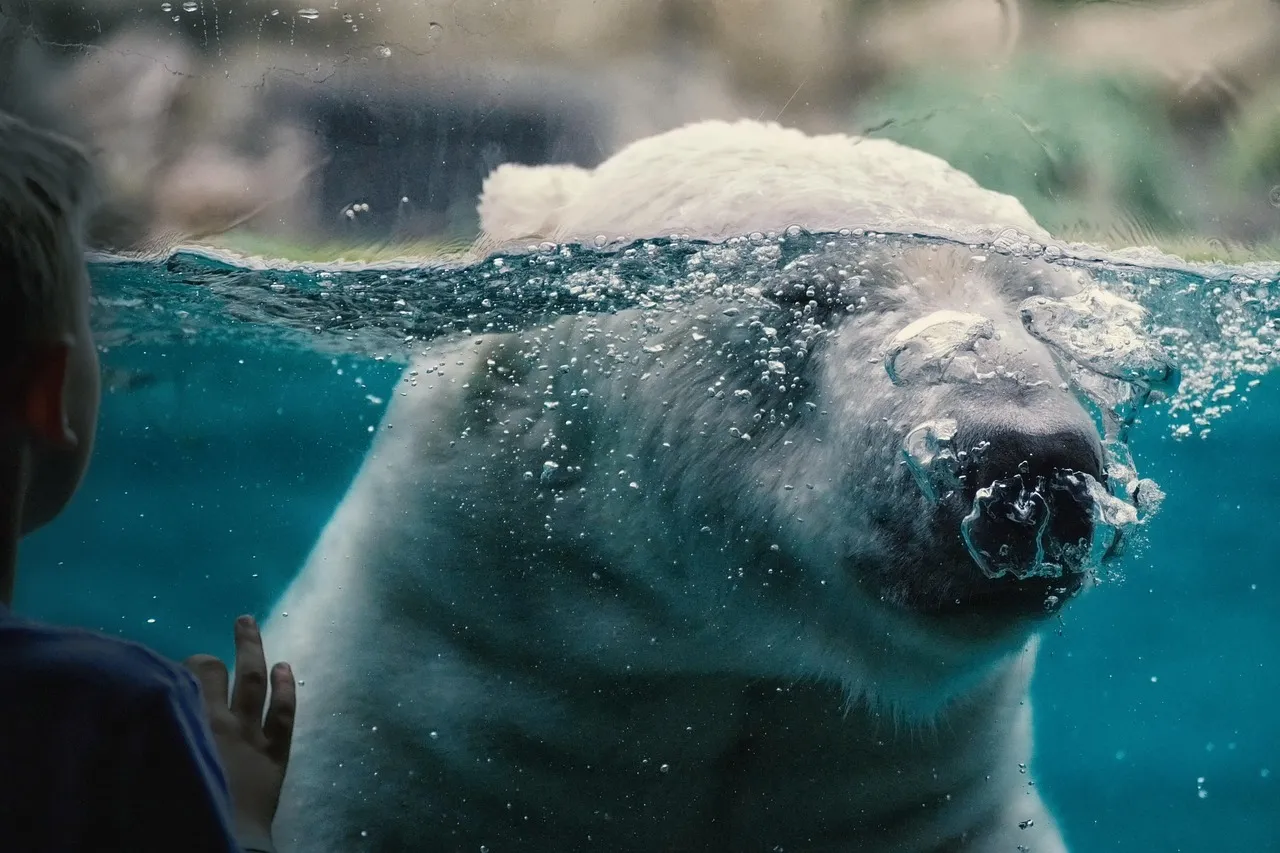
Polar bears are basically walking around with lab-grade sensory gear on their faces. Their nasal cavity is large and packed with olfactory tissue, giving them far more scent receptors than humans could ever dream of. Where we might catch a faint whiff of something and shrug, a polar bear is picking apart the different layers of that smell like a sommelier pulling flavors from a glass of wine – only the “wine” is seal breath filtered through ice and snow.
Scientists have long known that dogs are exceptional at scent detection, and polar bears push that kind of sensitivity into a different league. They can detect prey like seals even when those animals are hidden under thick ice or snow, using the tiny scent cues that leak through cracks, breathing holes, or old tracks. When you pair this kind of sensory hardware with a body designed to travel huge distances, you get an animal capable of following scent trails across sea ice in ways that feel almost unreal to us.
How Far Is “Far” When You’re Following a Scent on Ice?
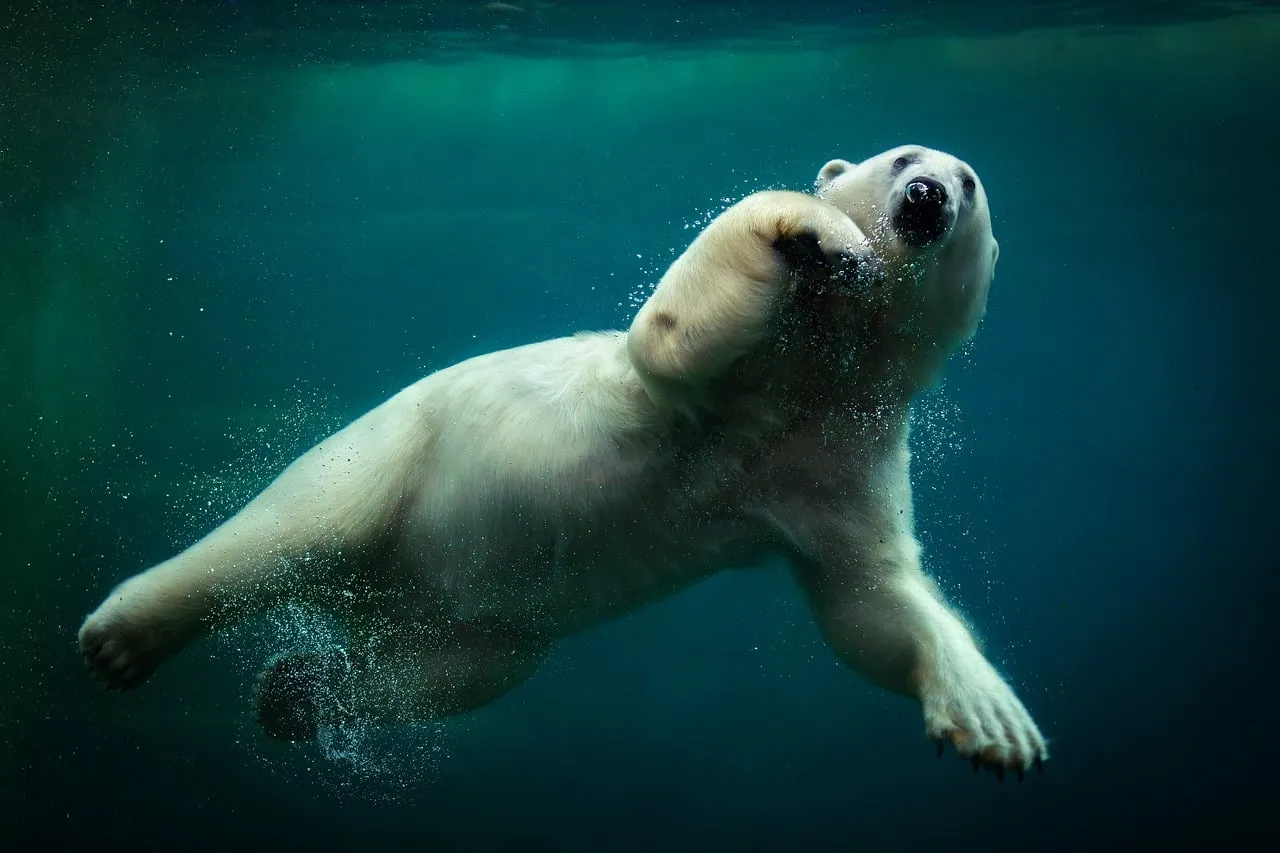
When we talk about polar bears tracking scent over long distances, we’re not just talking about a few hundred meters downwind. We are talking about multiple kilometers across a shifting, frozen ocean that may have no obvious visual markers at all. For a person, even walking a couple of kilometers over sea ice in brutal wind and cold is a serious physical challenge, never mind trying to maintain a delicate, invisible trail of smell while you do it.
For polar bears, covering that kind of ground in search of a barely-there scent is part of daily life. They patrol huge home ranges and need to find relatively sparse patches of prey in a huge, frozen desert. Following an odor plume might mean trudging hour after hour in one direction because the scent, however faint, still whispers “food this way.” Where we’d quickly lose the trail – if we even sensed it at all – their noses keep working, adjusting to tiny changes in wind direction and intensity, like a living, moving antenna tuned only to the smell of survival.
Wind, Temperature, and Moving Ice: The Weird Physics of Smell in the Arctic
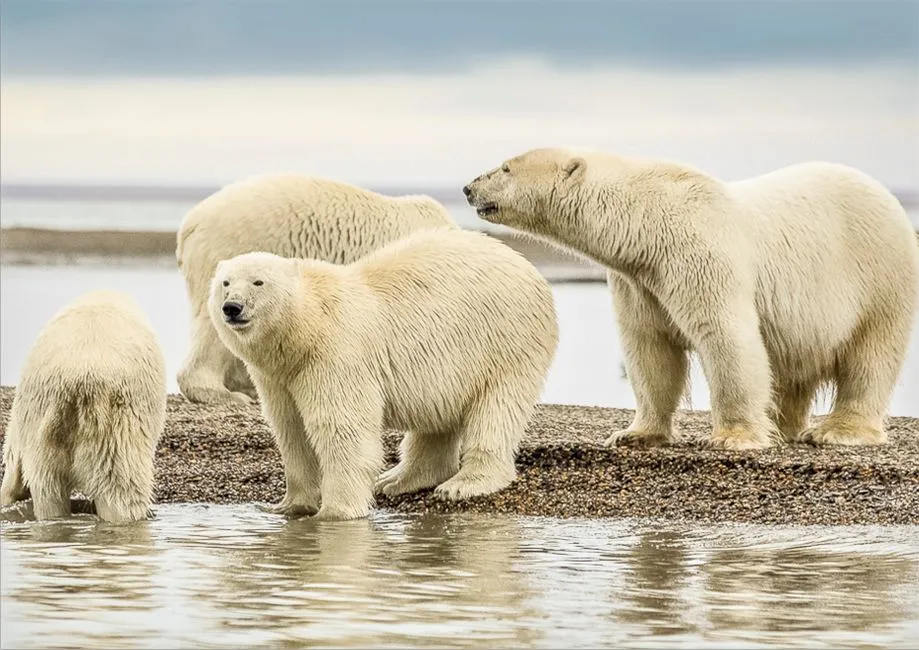
One of the reasons polar bears’ tracking abilities seem so mind-blowing is that the Arctic is not a friendly place for scent to behave in predictable ways. Wind can shift suddenly, temperatures plunge, and surfaces constantly change as ice cracks, drifts, and refreezes. In that chaos, a scent trail can get twisted, broken, stretched, or diluted beyond what a human nose could ever handle. Yet polar bears still manage to snag meaningful information from that swirling mess.
Cold, dense air tends to keep smells closer to the surface, which can help an animal that keeps its nose low to the ground and sweeps from side to side as it walks. Polar bears have learned – through evolution and experience – how to interpret tiny differences in air movement and odor strength, zigzagging or pausing to re-sample the air when needed. Where we might feel only a gust of icy wind, the bear is effectively analyzing a constantly updating scent map. It’s not magic; it’s physics plus biology, refined over thousands of years.
Hunting Seals by Smell: The Life-or-Death Application
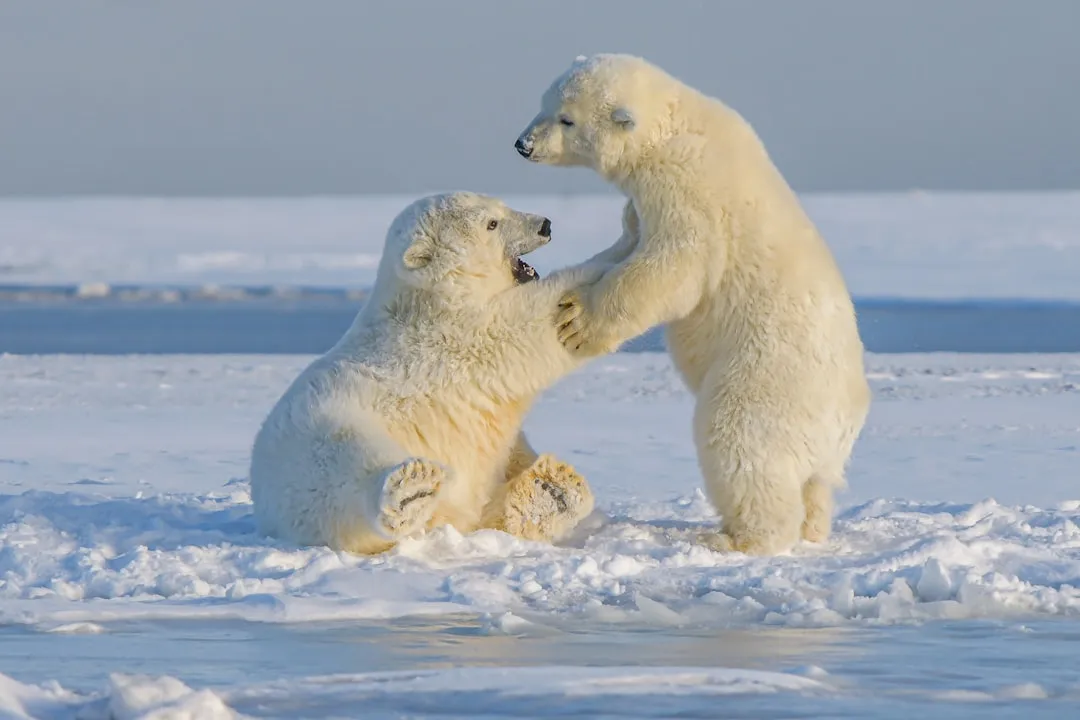
All this sensory brilliance is not some quirky party trick of evolution; it is central to how polar bears stay alive. Their main prey, seals, spend most of their time either underwater or hidden beneath snow and ice, coming up to breathe through small holes or resting in snow dens. Visual hunting alone would be a losing strategy in such conditions. Smell, on the other hand, can betray a seal’s presence even when the animal itself is completely out of sight.
Researchers and Arctic hunters alike have watched polar bears wander seemingly aimless across ice, then suddenly lock into a more focused path, nose lifting and swinging, as if they’ve “caught” something in the air. That subtle shift often means they’ve picked up the scent of a breathing hole or a hidden seal den. From there, they might follow that trace over long distances, patiently committing energy in the hope that the invisible trail leads to a meal. When food is scarce, that ability to stretch a faint scent into an actual hunting opportunity can mean the difference between life and starvation.
Why Humans Struggle to Even Imagine What a Bear Can Smell
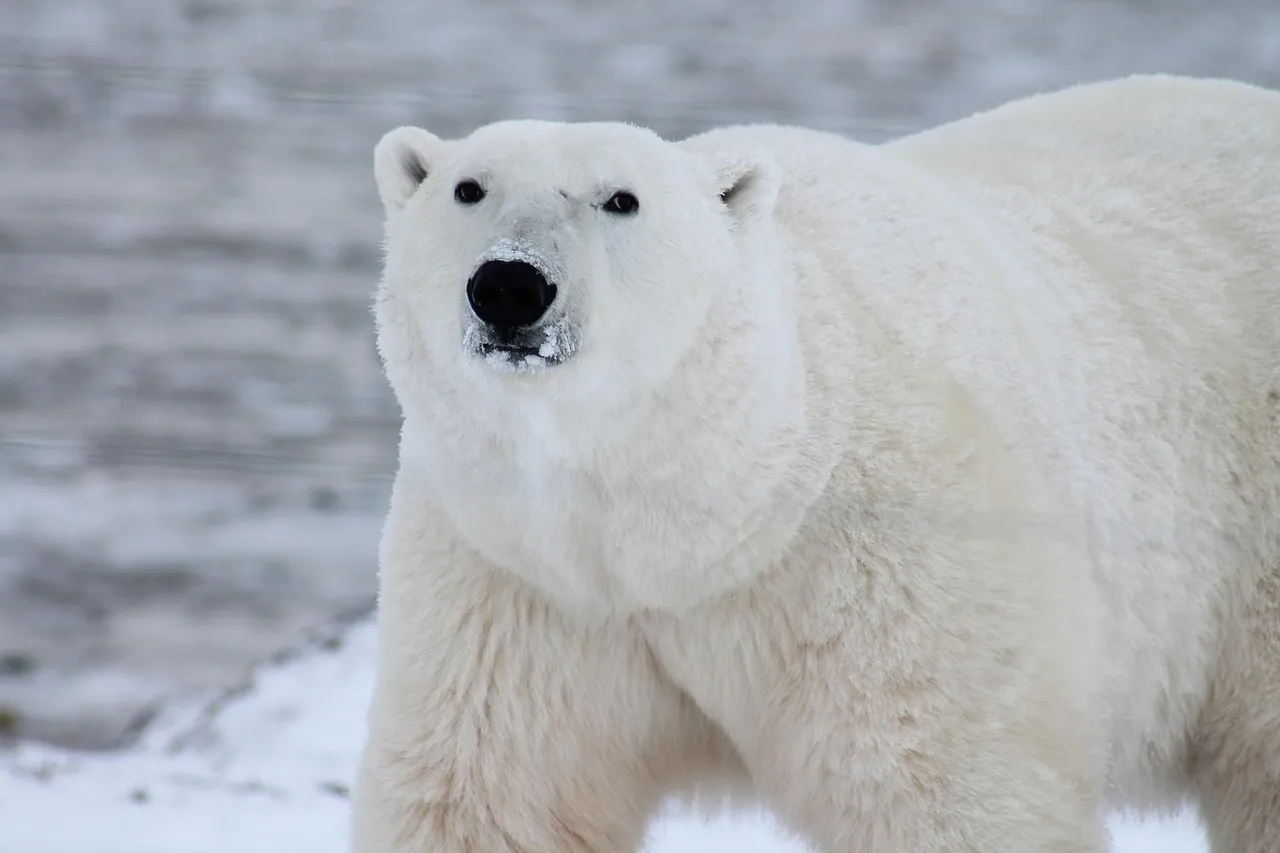
If all this feels almost impossible to wrap your head around, that’s because our sense of smell is embarrassingly weak by comparison. We live in a world dominated by sight and sound: screens, headlights, voices, music. Smell is usually an afterthought, something we notice only when it’s very strong or very pleasant or very gross. Trying to imagine life as a polar bear is like trying to imagine the world in a color you’ve never seen before. You know it exists in theory, but your brain doesn’t truly know how to picture it.
On top of that, we simply don’t depend on smell to survive in the way polar bears do. Most of us do not need to track our dinner across kilometers of ice, or detect subtle changes in odor to find shelter. So our minds default to measuring things in human terms, and that makes polar bear abilities feel exaggerated or mythical. In reality, we’re the outliers: we are the ones walking around with underpowered noses, while polar bears are just doing what their environment demanded they evolve to do.
As a result, when scientists talk about polar bears following scent trails over distances that stretch across what looks like endless nothing, the claim can sound like hype. Yet once you recognize how specialized their noses are, and how desperate the Arctic makes the search for food, that claim stops being unbelievable and starts to feel almost inevitable. Of course an animal that survives out there has to be doing something far beyond human capacity.
Climate Change, Thinning Ice, and a Future That Smells Different
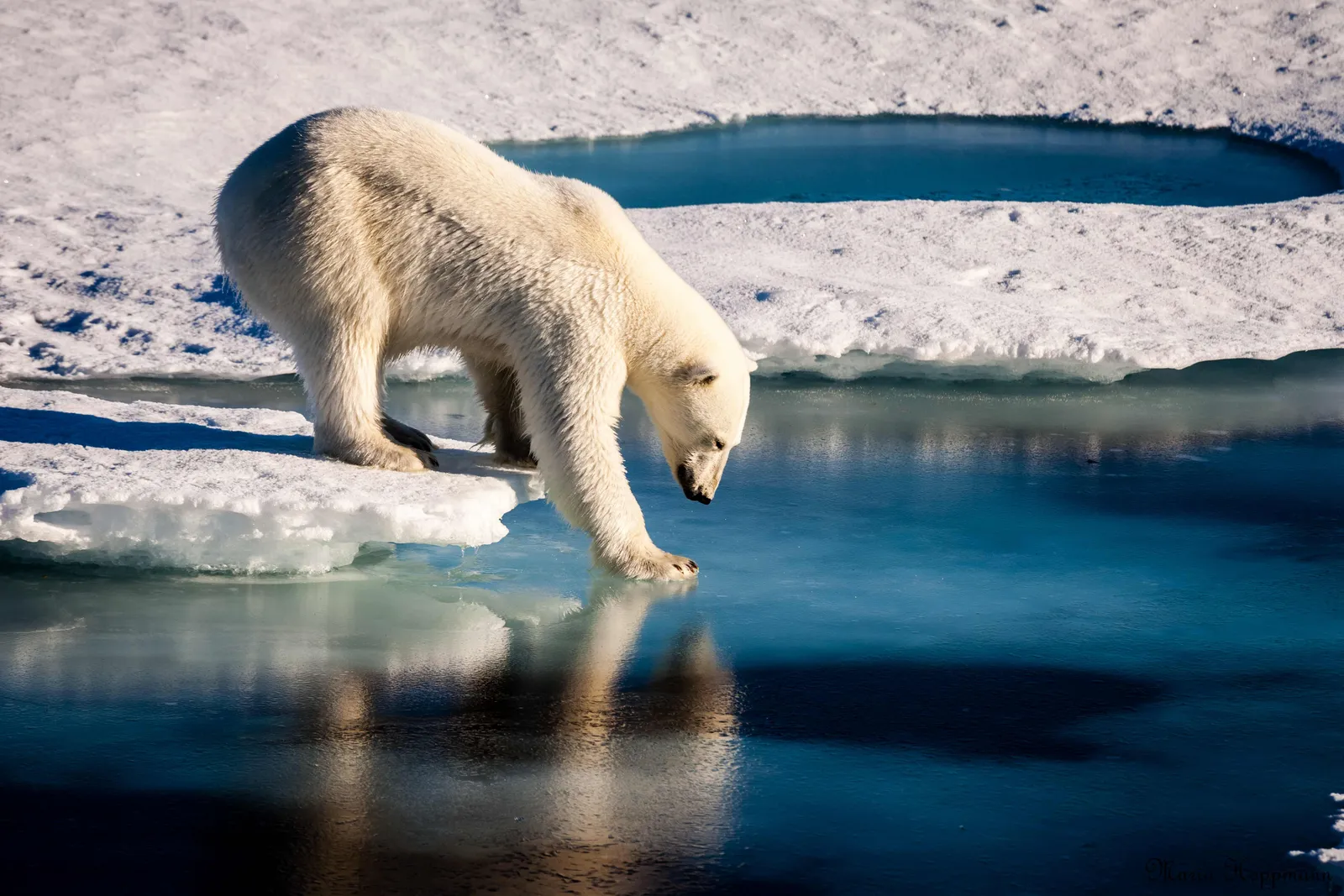
Here’s the uncomfortable twist: the very environment that shaped these extreme scent-tracking abilities is changing faster than the bears can adapt. Sea ice is thinning, retreating, and breaking up sooner in the year, forcing polar bears to travel even farther to find the same prey. That might sound like a simple extension of what they already do, but it puts immense pressure on their bodies. Walking long distances on ice is exhausting and costly, and there is a hard limit to how far an animal, even with a super nose, can go before it runs out of energy.
As ice patterns shift, the way scents move and linger across that ice will also change. Breathing holes open and close in different places, prey distribution changes, and previously reliable scent cues might become less predictable. To me, that is one of the saddest parts of polar bear science today: we’re watching animals equipped with unbelievably advanced tools for a specific world, while that world is being dismantled piece by piece. Their noses are still incredible, but the game board they were built to win on is being flipped over in real time.
Why Polar Bears’ Super Noses Should Change How We See Them
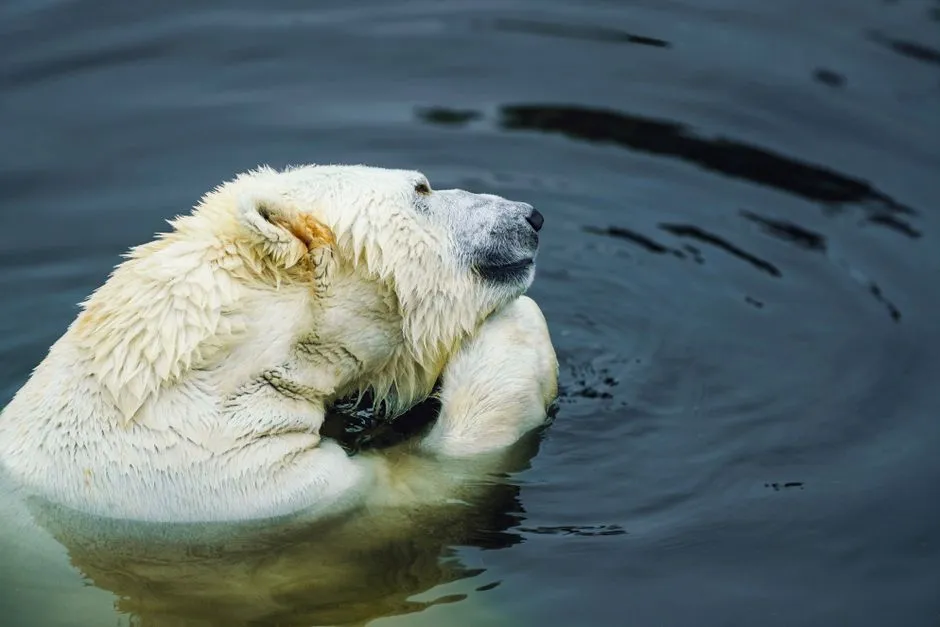
I think we often reduce polar bears to two simplified images: the majestic wildlife poster animal and the tragic symbol of melting ice. Both are true in their own way, but they miss this subtler, more awe-inducing reality: these are sensory specialists operating at a level we can barely conceptualize. When you really let that sink in, the idea of a polar bear silently following a ghost of a scent across empty sea ice stops being just a neat fact and becomes something almost haunting.
In my opinion, recognizing this does more than just increase our respect for polar bears. It underlines how arrogant it is when we assume we’ve already understood everything that matters about an ecosystem or a species. If there is a creature out there turning invisible chemical traces into a reliable guide across a blank white ocean, what else are we missing because our own senses are too blunt to notice? The reality that polar bears can follow scent trails over distances humans struggle to imagine is not just a cool trick of nature – it’s a quiet argument for humility. The Arctic may look empty to us, but to a polar bear, it is full of stories written in scents we will never read. Did you expect that?

- Animal Science Says Polar Bears Can Follow a Scent Trail Across Sea Ice for Distances Humans Would Struggle to Imagine - August 23, 2026
- Animal Science Says Peregrine Falcons Adjust Their Attack Angle in Midair Instead of Simply Diving at Prey - August 23, 2026
- Animal Cognition Says Cuttlefish Remember What They Ate, Where They Ate It, and Roughly When It Happened - August 23, 2026