

If you’ve ever bought your cat an expensive, plush bed only to watch them curl up in an old shoebox instead, you’re not alone. Cats treat sleep like an art form, and picking a new favorite spot is a whole mysterious ritual most humans completely miss. It looks random from the outside, but to them, it’s a carefully calculated decision about comfort, safety, temperature, and territory.
Once you start noticing the tiny clues, it’s like you’ve unlocked a secret level of cat behavior. Those slow sniffs, the bizarre mid-room pauses, the sudden obsession with the laundry basket – it all means something. Let’s pull back the curtain on what your cat is actually doing in the hours (or days) before they crown a new spot as their official throne of naps.
1. The Slow, Serious Sniff Test

Before a cat ever commits to a new sleeping spot, you’ll usually see a quiet investigation that starts with the nose. They’ll walk around the area, gently sniffing the floor, the furniture, even the air, like a tiny crime-scene investigator gathering evidence. They’re not just being fussy; they’re checking for familiar scents, any trace of other animals, and whether the space “smells like home” or like a potential threat.
Smell is a huge part of how cats feel safe. If a place smells too new, too strongly of cleaning products, or like another animal, your cat is going to hesitate or reject it altogether. That’s why they’re often more attracted to a pile of worn clothes or your unmade bed: it smells like you, their main source of security. To us, it’s just a shirt on the floor. To them, it’s a pre-scented comfort zone waiting to be claimed.
2. Careful Temperature Scouting

Cats are absolute pros at micro-managing temperature, and they fine-tune their sleeping choices with almost ridiculous precision. Before committing to a spot, they’ll often sit or lie there briefly, then move away, then come back, almost as if they’re “sampling” how warm or cool it feels at different times of day. A patch of sunlight that’s perfect at 10 a.m. might be too hot by afternoon, while a seemingly boring corner becomes prime real estate once the evening chill sets in.
They’re also paying attention to airflow and drafts in a way we often don’t. A spot under a window might feel cozy until a slight breeze makes it uncomfortable, so your cat might sit there for a few minutes, flick their tail, then wander off like they’re unimpressed. Over a few days, this testing adds up, and the winning spot is usually the one that hits that sweet balance of warm, but not stuffy; private, but not cut off from the action.
3. Quiet Safety Checks for Hidden Threats
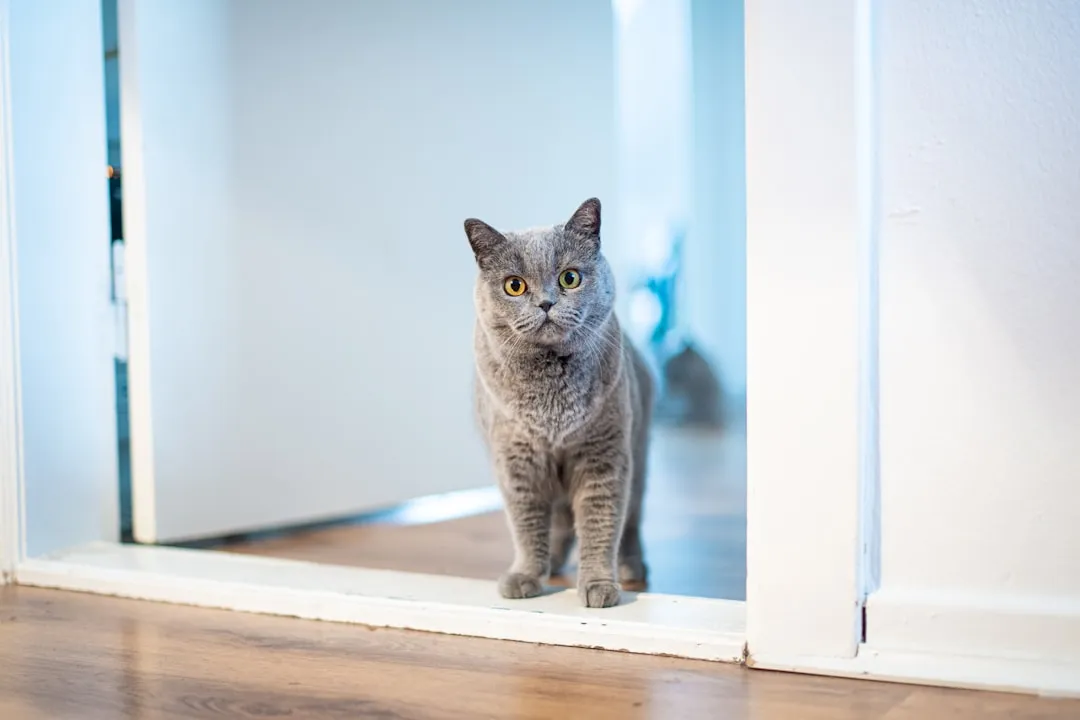
Even the most pampered indoor cat still has a survival brain running in the background. Before turning a spot into a regular sleeping zone, they’re subconsciously asking: “Can anything sneak up on me here?” You’ll see them pause, look around, angle their body toward the room instead of the wall, and sometimes even do a quick, casual lap around the area for no obvious reason. That’s their inner security guard talking.
They’re checking escape routes, blind spots, and whether they can see the room well enough from that position. A cat that doesn’t feel fully secure won’t go into deep sleep there, and that’s a dealbreaker for a favorite spot. That’s why they gravitate toward corners where their back is protected, high perches where they can see everything, or tucked spaces like under a chair where only the front is exposed. It’s not paranoia; it’s instinct doing its job.
4. Watching the “Traffic Flow” of the Household

Cats are surprisingly strategic about how close they sleep to the chaos of daily life. Before settling on a new spot, they’ll often spend days just hanging out nearby, observing how people (and other pets) move through that space. They’re asking: Is this a highway of stomping feet, or a peaceful side street? They want comfort, but they also want to avoid being constantly bumped, grabbed, or startled.
You might notice your cat lying just off to the side of your usual walking path, or choosing the edge of the couch instead of the middle, where people are always sitting down and shifting around. Over time, if they see that a certain corner of the room stays relatively calm, they’ll slowly stretch out there more often, nap a bit longer, and eventually decide it’s safe enough to be their go-to sleeping zone. It’s basically traffic analysis, cat-style.
5. Testing the Surface with “Trial Naps”
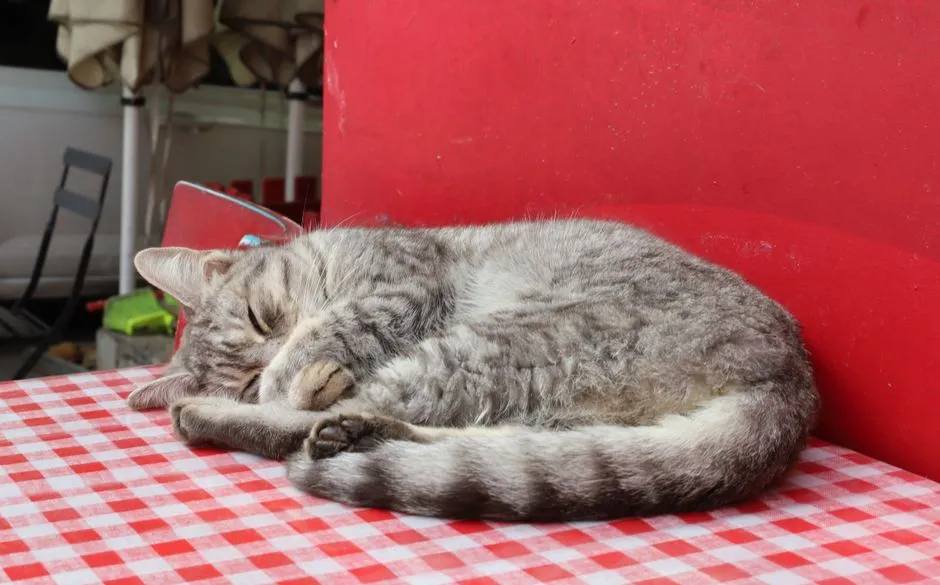
When cats try out a new potential favorite, they rarely dive straight into a long, curled-up sleep. Instead, they do what I like to think of as trial naps. They’ll lie down for a short rest, half-alert with ears still twitching, then get up and leave after a few minutes or a light doze. It’s their way of checking how the surface treats their body: too hard, too lumpy, too wobbly, or just right.
They notice things we’d miss, like a tiny ridge in a blanket, an uneven couch cushion, or a surface that shifts a bit every time someone sits down. If the spot passes the test, those trial naps gradually get longer and more relaxed. One day you realize they’ve gone from a five-minute flop to a full-on, belly-up, dead-to-the-world nap in the exact same space. That’s your sign: the spot officially made the cut.
6. Subtle Scent-Marking and “Ownership” Rituals

Before a spot becomes a favorite, your cat often has to make it truly theirs, and scent-marking is a big part of that. You’ll see cheek rubbing on the furniture edge, slow body brushes along the side of a chair, or them kneading a blanket with their paws like they’re making tiny biscuits. Those behaviors are not just cute; they’re spreading their scent and turning that spot into personal territory.
Once a place smells like them, it feels safer and more comforting, almost like they’ve installed a little emotional security system. This is one reason cats are so drawn to areas they’ve already rubbed on or kneaded repeatedly. To us, it’s just the same chair or bed. To them, it’s a place where their own scent signals “you belong here, you’re safe here,” which makes it a prime candidate for deeper, longer sleep.
7. Checking Proximity to Their Favorite Human
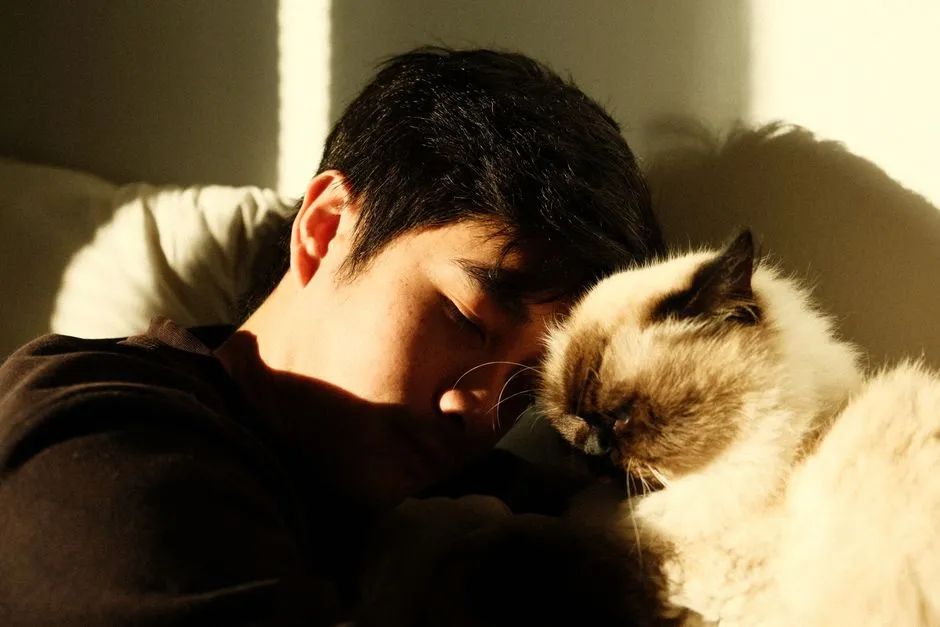
Even independent cats that act like they barely tolerate you often want to sleep in your general orbit. Before choosing a regular sleeping spot, they’ll test how close they can be to you without being constantly disturbed. Maybe they start on your lap, decide that’s a bit too much movement, then shift to the back of the couch or the foot of the bed. It’s a balancing act between affection and personal space.
Over time, many cats land on what feels like the “perfect distance” from their human. Close enough to smell you, hear you breathe, or keep an eye on you, but not so close that they get jostled every time you roll over or reach for your phone. If you notice your cat repeatedly napping in a spot that has a clear view of where you usually sit or sleep, that’s not an accident. That’s them quietly choosing you as part of their comfort zone.
8. Rotating Through Old Spots Before Committing
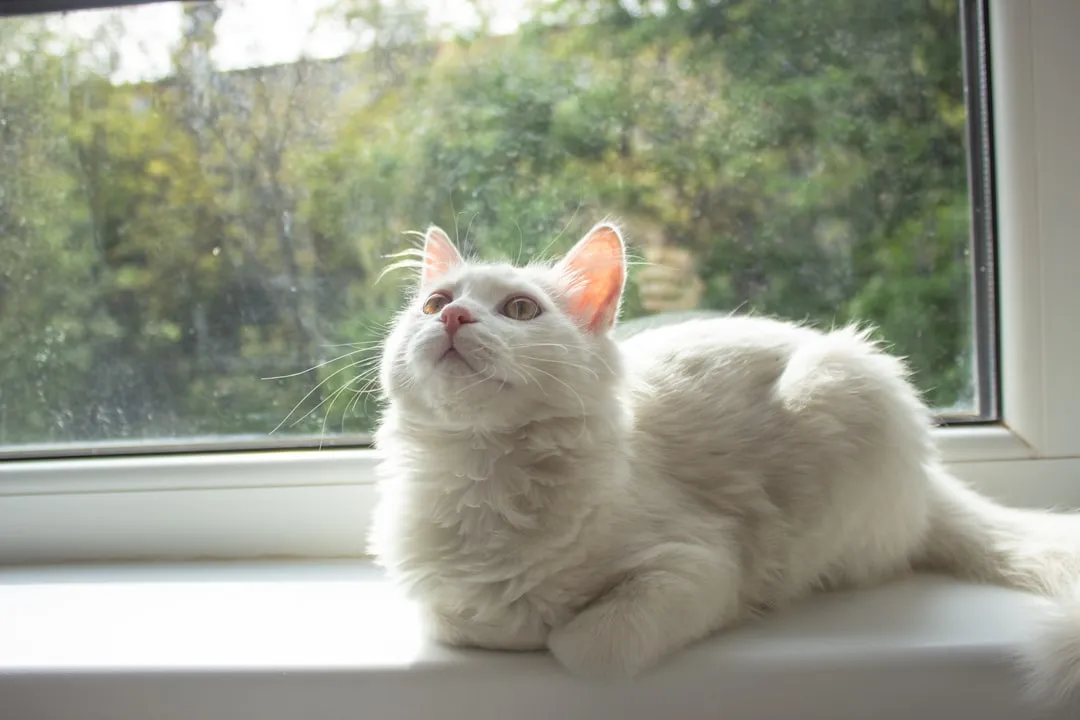
One of the most confusing things cats do is suddenly ditch a beloved sleeping spot and act like it never existed, then months later return to it like it’s brand new. Before they settle on a new “favorite,” they often cycle through a few past favorites, revisiting old shelves, windowsills, or blankets. It’s like they’re mentally comparing their options: this one has the best sun, that one is quieter, the other is close to the heater.
This rotation is actually pretty smart. It lets them adapt to seasonal changes, shifting light, new furniture, or even subtle changes in household mood. A place that felt perfect in winter might feel wrong in summer, so they explore until they find a better fit. When they finally start choosing one particular spot over and over, that’s the moment the rotation ends and a new reigning favorite is crowned – at least until their mysterious internal algorithm changes again.
Conclusion: Your Cat’s “Random” Choices Are Anything But

Once you see all the tiny decisions your cat makes before choosing a new favorite sleeping spot, it becomes a lot harder to write their behavior off as random weirdness. There’s a whole blend of instinct, comfort, emotional attachment, and practical testing behind where they finally curl up and let their guard down. Honestly, I think cats put more thought into a nap location than many humans put into picking a couch.
If anything, their sleeping habits are a quiet reminder that comfort is personal and deeply tied to feeling safe and understood. The next time your cat abandons the fancy bed you bought for a sun-warmed cardboard box, it might be less about defiance and more about a careful, thoughtful choice that makes perfect sense in their world. Maybe the real question is not why your cat picked that spot, but what they’re noticing that you haven’t seen yet.

- 8 Things Cats Do Before Choosing a New Favorite Sleeping Spot - August 23, 2026
- Animal Science Says Polar Bears Can Follow a Scent Trail Across Sea Ice for Distances Humans Would Struggle to Imagine - August 23, 2026
- Animal Science Says Peregrine Falcons Adjust Their Attack Angle in Midair Instead of Simply Diving at Prey - August 23, 2026