
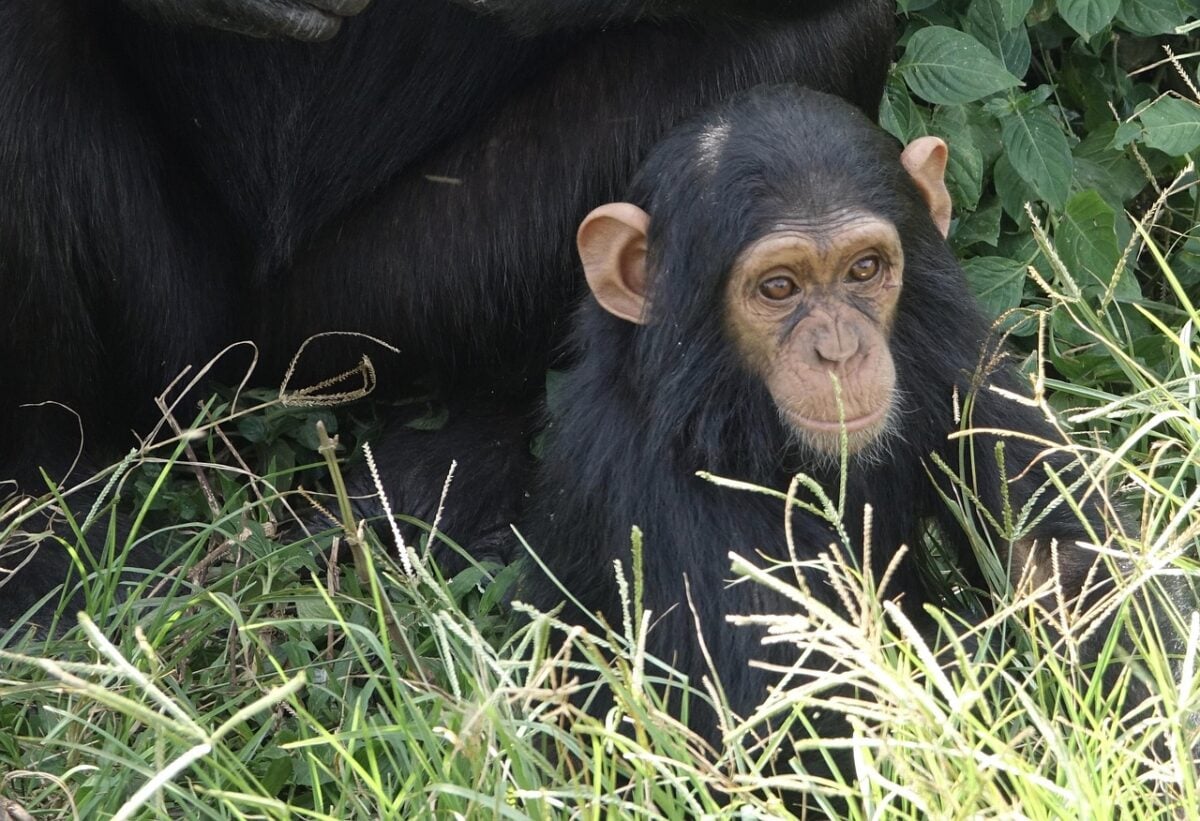
Imagine walking into your kitchen, having someone hide ten tiny objects in total silence, then being led away for hours. No hints, no labels, no “it’s under the blue cup” clues. Later, you come back – and you just know where everything is. That kind of mental magic feels almost superhuman, yet research on chimpanzees suggests they can pull off something astonishingly similar.
In the last couple of decades, scientists have been quietly collecting evidence that chimpanzee memory is far more powerful, precise, and long-lasting than most people realize. These are not just cute party tricks with bananas and boxes; they are carefully designed studies showing that chimps can remember the locations of hidden objects after surprisingly long gaps in time. Once you see how good they are, it becomes very hard to cling to the idea that “real” memory belongs only to us.
When Chimps Play Hide-and-Seek With Science
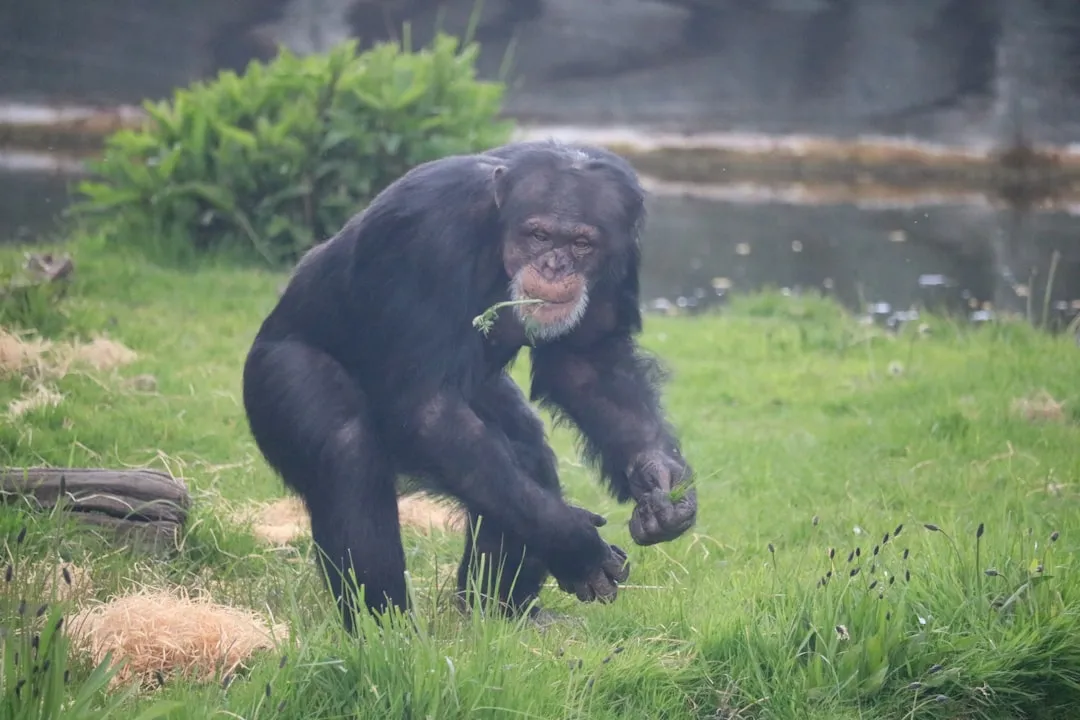
One of the most striking things about animal cognition research is how playful it looks on the surface. In many chimpanzee studies, a researcher hides food or tokens in different spots – under cups, inside boxes, behind panels – then distracts the chimps and brings them back later. It sounds like a game a bored babysitter might invent, but the results tell us something deep and unsettling about where the line between “human” and “animal” really is.
Across different experiments, chimps do more than just stumble on rewards by accident. They walk straight to the right hiding place far more often than random chance could explain, even when plenty of time has passed. That means they are building and keeping a mental map, not just relying on smell or habit. When you watch footage of a chimp calmly heading to the exact correct location without hesitation, it stops feeling like a game and starts feeling like meeting another mind.
Long Delays, Sharp Memories: What the Experiments Show
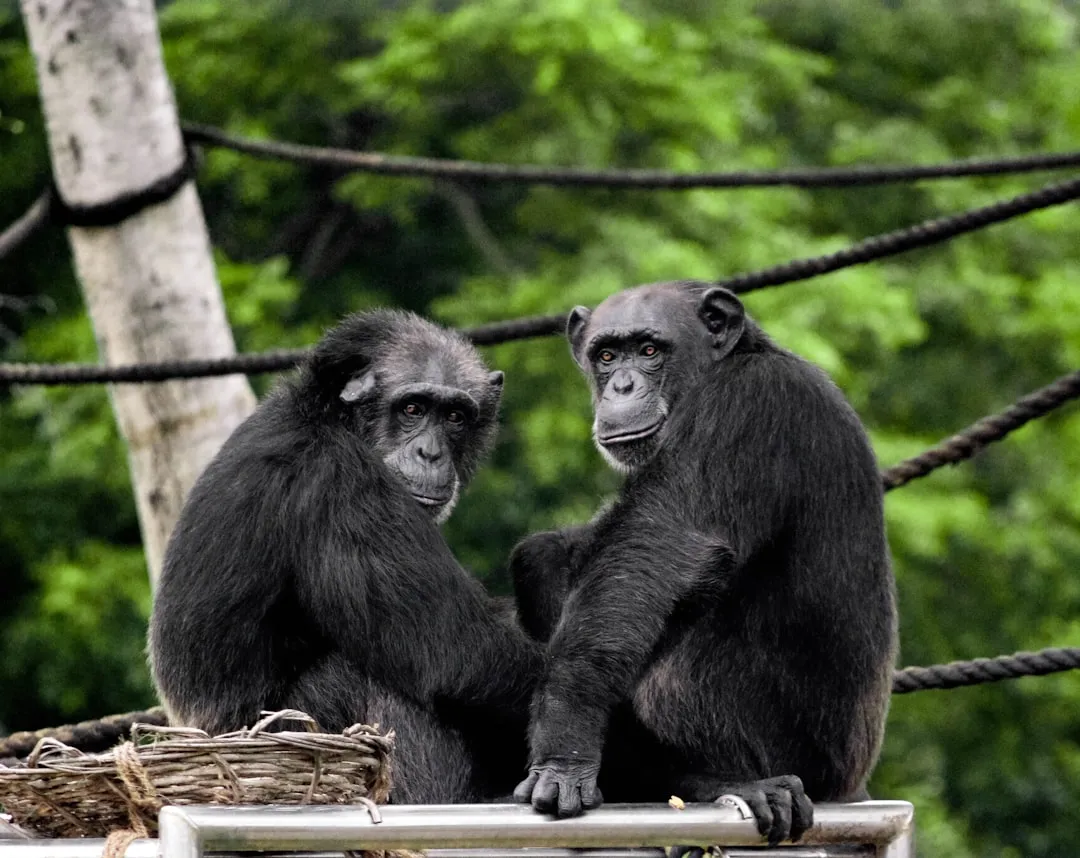
The “long delay” part is where things get really interesting. It is one thing for a chimpanzee to remember where something was hidden after a few seconds or a minute, but some studies have shown accurate retrieval after gaps that stretch into many minutes, hours, or even longer. For an animal living in a complex forest, the ability to remember that “this tree hides fruit weeks from now” or “that spot has a buried stash” can be the difference between thriving and struggling.
What impressed researchers is not just that chimps remember, but how precisely they do it. They do not merely drift back to the general area; they target the actual spot, like a person remembering the specific shelf and exact corner where they left their favorite mug. This level of recall lines up with other work showing that chimps can remember social relationships, past interactions, and even the faces and calls of individuals they have not seen in a long time. Their memory for hidden objects fits into a larger pattern: these animals hold onto detailed knowledge about their world over serious stretches of time.
Spatial Maps in a Primate Brain
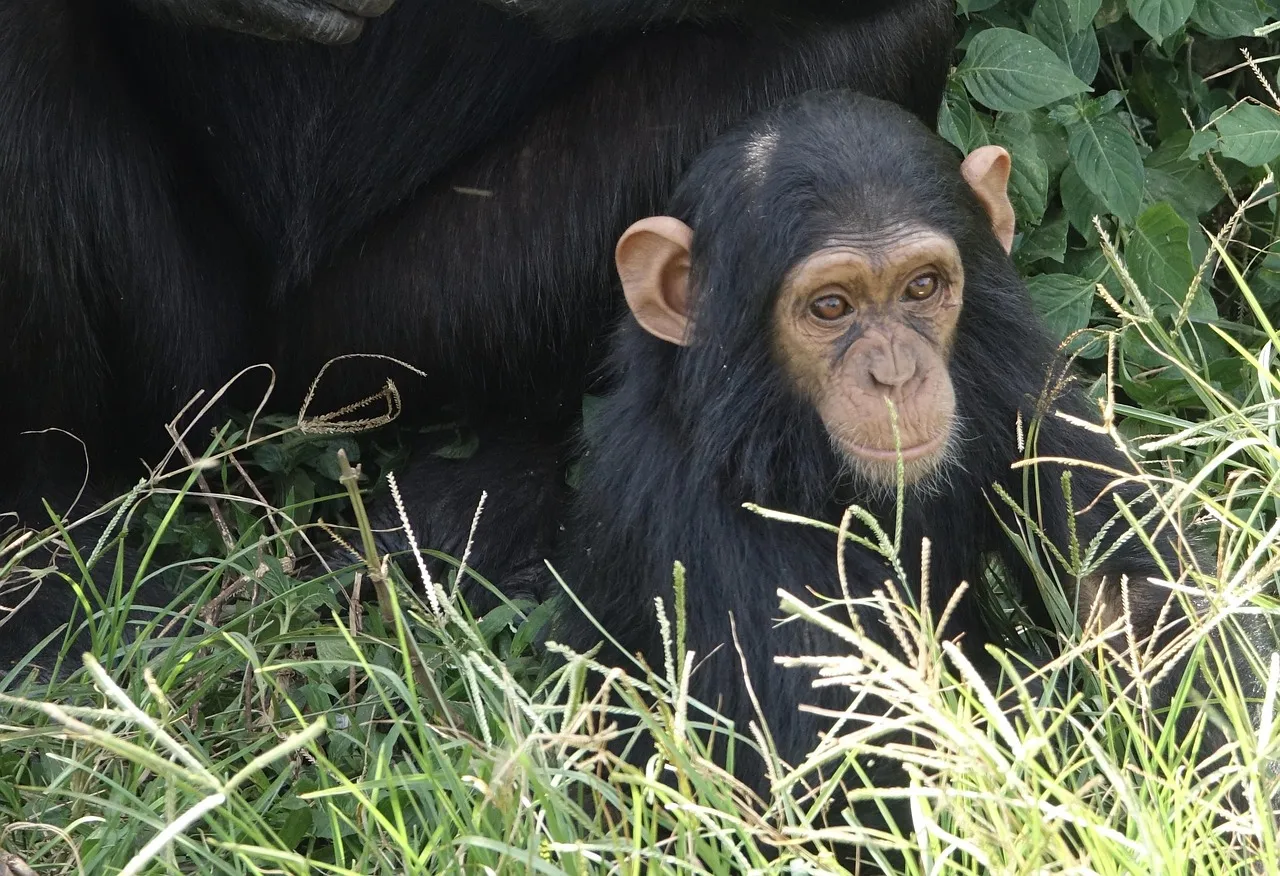
So how are they doing this? Underneath all those behaviors is a brain architecture that is more like ours than many people are comfortable admitting. Regions that are crucial for human memory – especially those involved in mapping locations and forming what scientists call cognitive maps – have close analogues in chimpanzee brains. When a chimp tracks where an object was hidden, it is not just reacting; it is likely engaging similar types of neural machinery that help you remember your favorite café in a new city.
Think of it like a living, three-dimensional map woven into their nervous system. Chimps do not just remember “food”; they remember “food behind the third log, by the big rock, next to the twisted tree.” In the wild, they navigate enormous territories, returning to specific fruit trees that only ripen at certain times. The lab task of remembering hidden objects is like a tiny, simplified window into that sophisticated everyday life. In a sense, the experiments are not teaching chimps a new skill – they are simply translating what chimps already do in the forest into a cleaner, measurable test.
Beyond Bananas: Why This Memory Matters in the Wild
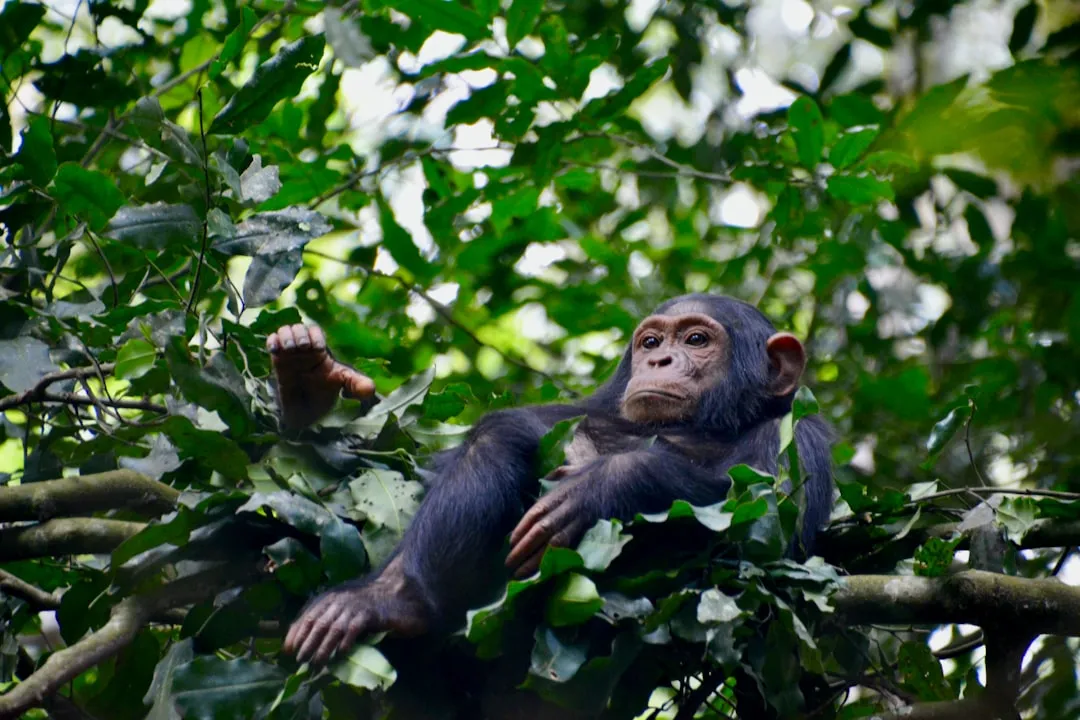
It is tempting to treat these studies as little circus acts – “Look, the chimp found the treat!” – but in the wild, memory for hidden objects is serious business. Chimpanzees crack nuts with stones, fish for termites with carefully selected tools, and visit trees that only fruit at specific times of the year. Many of those activities depend on remembering where valuable things are, how to get to them, and when it is worth the trip.
Picture a chimp who hid a cache of tools or discovered a rich source of food that only appears rarely. Being able to come back later, after a long delay, and head straight to the exact spot is an enormous advantage. Humans are proud of our ability to plan ahead and stock up, but chimpanzees are playing a similar game, just on their own ecological stage. When you realize that, the lab result about hidden objects stops being a fun fact and starts looking like a natural extension of a survival skill they have probably used for hundreds of thousands of years.
Are Chimps Remembering Like We Do?
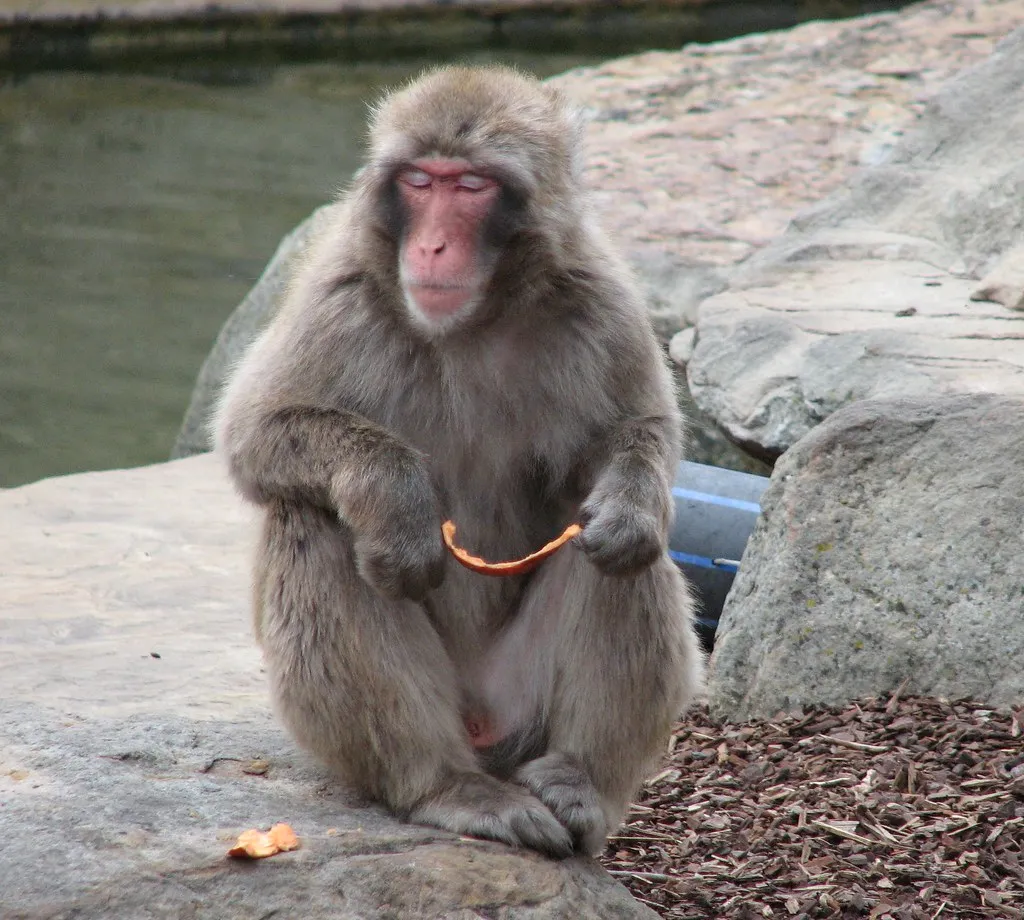
This is where the conversation gets a bit uncomfortable. If chimpanzees can remember the location of hidden objects after long delays, it raises a blunt question: are they just doing a neat trick, or are they using something that genuinely resembles human episodic memory – remembering specific events in specific places at specific times? Some researchers argue that chimps show at least fragments of this kind of memory, even if it is not identical to the rich, story-like inner world humans describe.
From my point of view, clinging to a hard boundary here feels more emotional than scientific. Of course there are differences between human and chimp minds; we tell stories, build cities, write novels about our memories. But when a chimp calmly walks to the exact stone where it left a tool, or the exact box where a reward was hidden long ago, the honest reaction is that we are looking at a mind that remembers in a way we can relate to. Maybe their memories do not come with the same narrative sparkle we attach to ours, but dismissing them as “just instinct” feels like wishful thinking aimed at keeping humans on a lonely pedestal.
Ethics, Empathy, and What We Owe a Remembering Mind
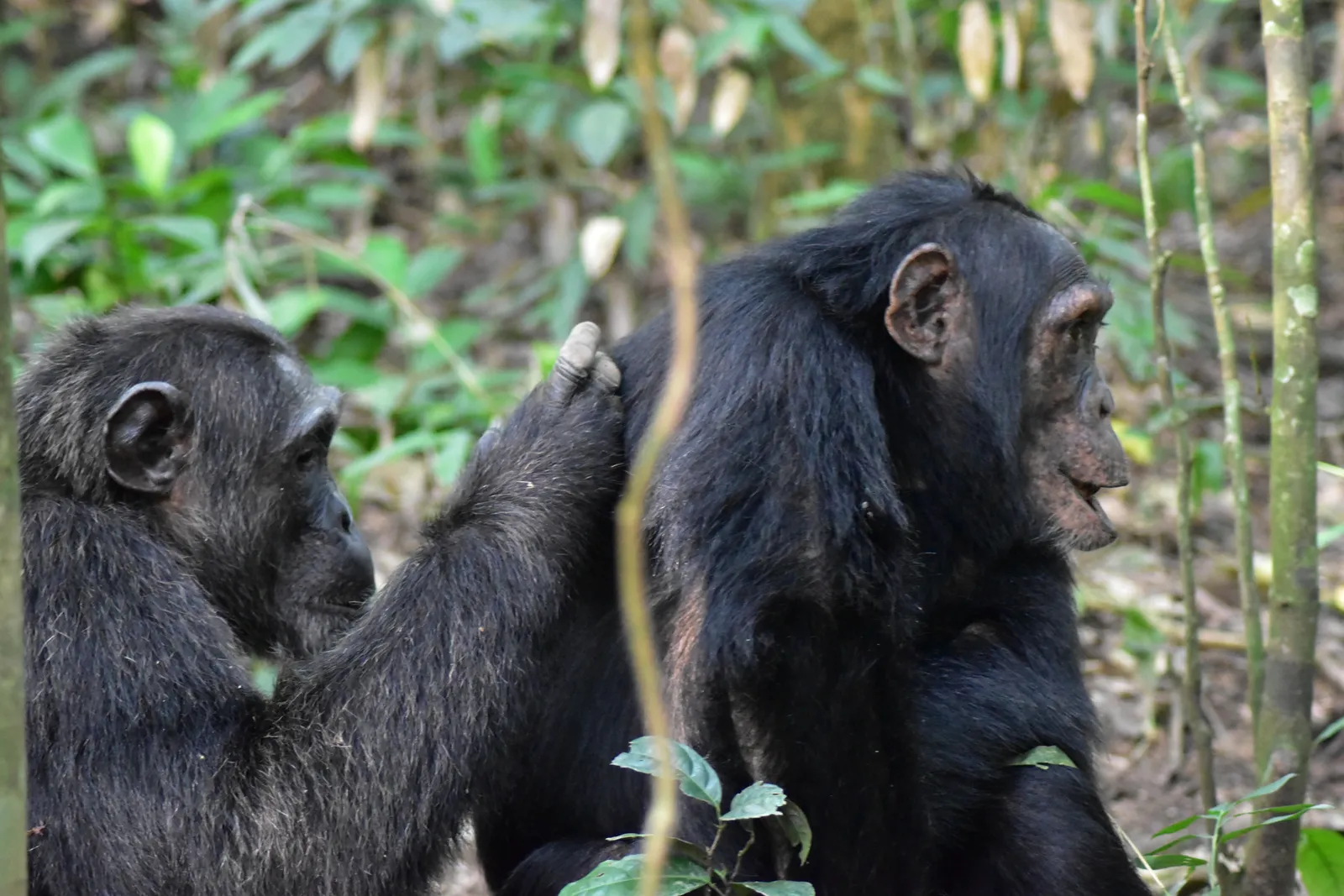
Once you accept that chimps have strong, long-lasting memories, it becomes hard not to ask some uncomfortable ethical questions. If a chimp can remember the location of a hidden object after a long delay, it can almost certainly remember a painful event, a frightening environment, or a trusted caretaker who disappeared. Their memories are not just tools for finding food; they are also containers for emotions and experiences that matter to them.
That should change how we think about captivity, experimentation, and entertainment. An animal that forgets instantly is one thing; an animal that carries detailed memories for years is another. Personally, I find it impossible to watch a chimp in a bare enclosure, knowing it may recall richer forests, complex social lives, and even specific individuals it once lived with. The same memory systems that impress us in the lab are likely at work when chimps remember loss, separation, or boredom – and that ought to weigh heavily on our conscience.
What Chimp Memory Tells Us About Being Human
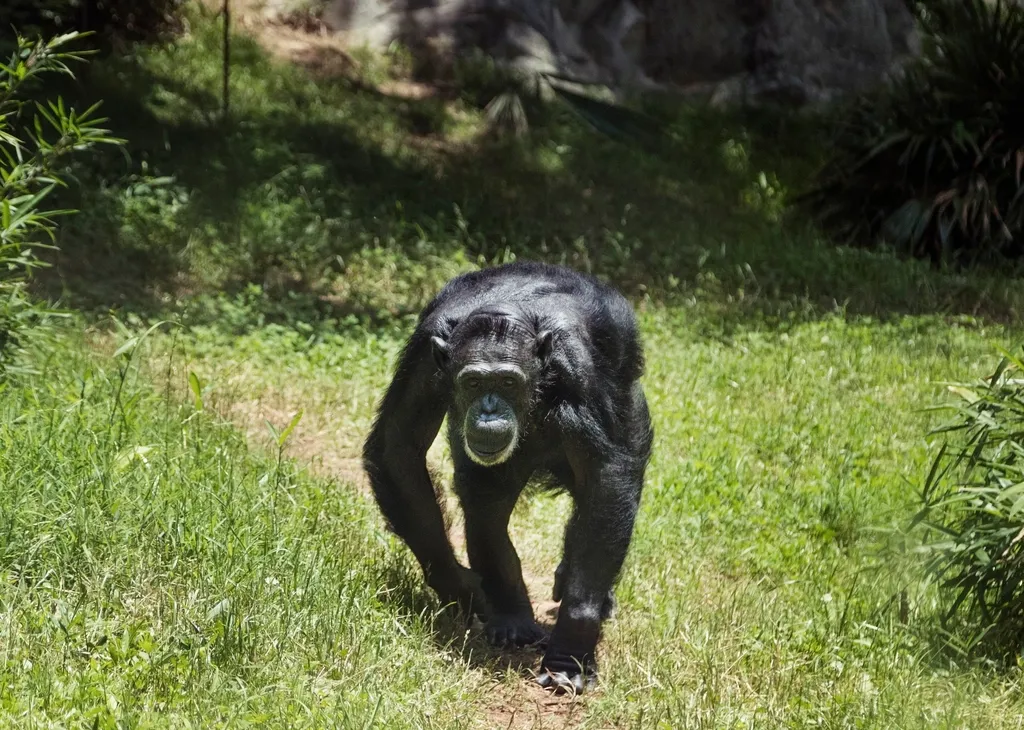
In a strange way, the more we learn about chimpanzees, the less special we seem. Their ability to remember the location of hidden objects after long delays chips away at the comforting story that our kind of memory is unique. Instead, it looks more like a shared primate toolkit that we have turned up to an extreme. We are not aliens dropped onto Earth with a brand-new mental system; we are upgraded versions of something evolution has been tinkering with for a very long time.
I actually find that idea more beautiful than the old myth of human isolation. It means that when you suddenly remember where you left your keys last week, or can still picture the exact corner of the childhood yard where you buried a “treasure,” you are tapping into a deep, ancient pattern that chimps also share in their own way. To me, the conclusion is blunt: if chimpanzees can hold such rich maps of the world in their minds, they are not just animals we study – they are cognitive cousins whose inner lives demand respect. Maybe the real question is not how impressive their memory is, but how long it will take us to treat that memory as something that truly matters.

- Animal Cognition Says Chimpanzees Can Remember the Location of Hidden Objects After Long Delays - August 24, 2026
- Animal Cognition Says Pigeons Can Learn Abstract Categories That Go Far Beyond Simple Pattern Matching - August 24, 2026
- Animal Cognition Says Goats Read Human Gestures Better Than Their Stubborn Reputation Suggests - August 24, 2026