

Despite urbanization and habitat loss, the United States remains home to an incredible diversity of wildlife. From the dense forests of the Pacific Northwest to the swamps of Florida, wild animals continue to thrive in various ecosystems across the country. While some species have become harder to find, there are still numerous magnificent creatures that Americans can observe in their natural habitats. This article explores 18 remarkable wild animals that continue to inhabit the United States, offering wildlife enthusiasts and casual observers alike the opportunity to connect with the natural world through wildlife watching.
American Bison

Once on the brink of extinction with fewer than 1,000 individuals remaining in the late 1800s, the American bison has made a remarkable comeback. Today, approximately 500,000 bison exist in North America, with significant populations in Yellowstone National Park, Theodore Roosevelt National Park, and various wildlife refuges. These massive mammals can weigh up to 2,000 pounds and stand six feet tall at the shoulder, making them the largest land mammals in North America. Visitors to Yellowstone often witness these majestic creatures grazing in meadows or crossing roads, providing a glimpse into America’s wild past when tens of millions of bison roamed the Great Plains.
Gray Wolf

The gray wolf has experienced a significant recovery in the United States after being nearly eradicated in the lower 48 states by the mid-20th century. Thanks to conservation efforts and reintroduction programs, wolves now thrive in regions like the Northern Rockies, Minnesota, Wisconsin, and Michigan. The Yellowstone reintroduction in 1995 has become one of the most successful wildlife conservation stories in American history. These intelligent pack animals can be spotted in places like Yellowstone National Park, where they’ve restored natural balance to the ecosystem by controlling elk populations. With keen senses and superior hunting abilities, wolves typically avoid humans, making sightings particularly special for wildlife enthusiasts who are fortunate enough to glimpse these elusive predators.
Grizzly Bear
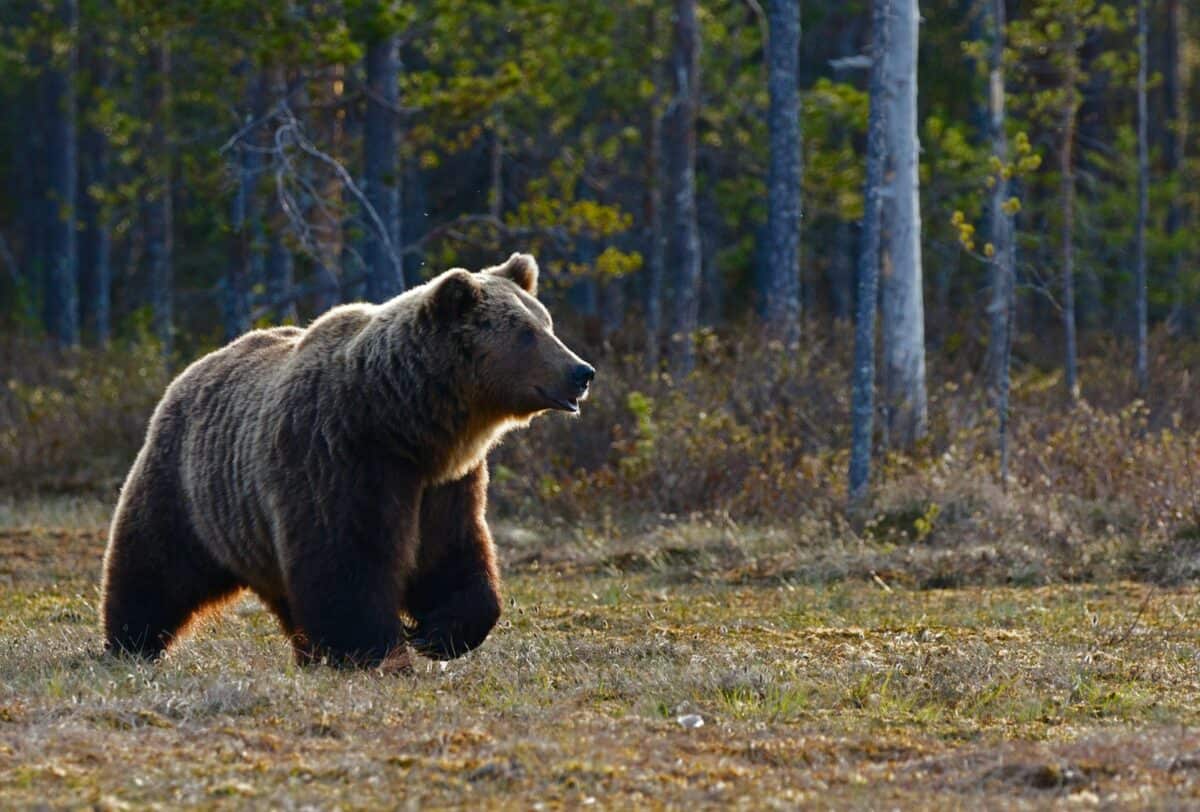
Grizzly bears, a subspecies of brown bear, remain an iconic symbol of American wilderness. These massive omnivores can weigh up to 700 pounds and stand over seven feet tall when on their hind legs. Once ranging throughout the western United States, grizzlies now primarily inhabit Alaska, Wyoming, Montana, Idaho, and Washington, with the largest populations in the Greater Yellowstone Ecosystem and Glacier National Park. Despite their fearsome reputation, grizzlies typically avoid human contact and primarily feed on berries, nuts, roots, and fish. Wildlife viewers hoping to spot these magnificent creatures should maintain a safe distance and carry bear spray when hiking in grizzly country. Dawn and dusk offer the best opportunities for sightings, particularly in open meadows where bears often forage.
Mountain Lion
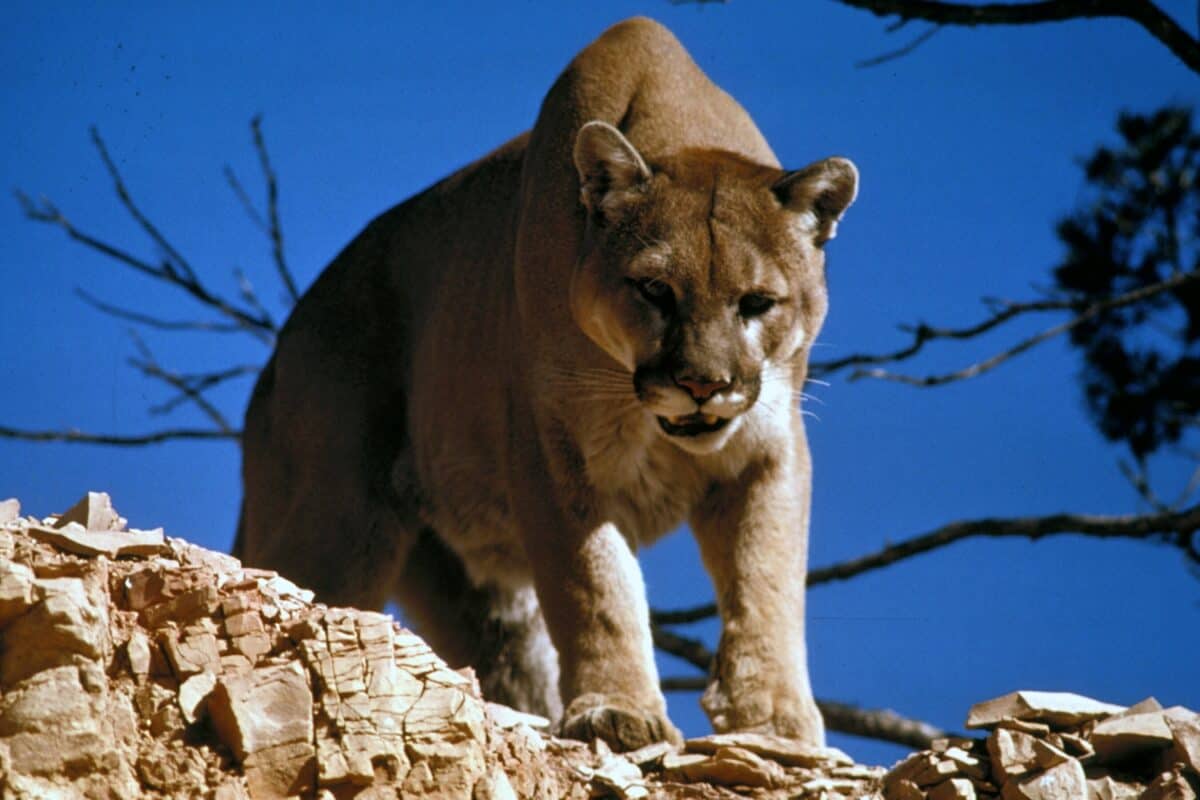
Also known as cougars, pumas, or panthers, mountain lions are the second-largest cat species in the Americas. These solitary and elusive predators inhabit diverse environments across the western United States, with small populations in Florida (where they’re known as Florida panthers) and occasional sightings in eastern states. Adult males can weigh up to 220 pounds and measure up to eight feet from nose to tail tip. Mountain lions are remarkably adaptable, living in mountains, deserts, forests, and even on the outskirts of suburban areas. Despite their wide range, seeing a mountain lion in the wild is exceptionally rare due to their secretive nature and primarily nocturnal habits. Those hoping to spot one should look for signs like tracks or scat while hiking in places like the Rocky Mountains, Sierra Nevada, or the canyons of the Southwest.
American Alligator

The American alligator represents one of the greatest conservation success stories in U.S. history. Once endangered due to overhunting and habitat loss, these prehistoric reptiles have recovered dramatically and now number over 5 million across the southeastern United States. Alligators can grow up to 15 feet long and weigh over 1,000 pounds, though most adults are between 8-11 feet. They inhabit freshwater wetlands, rivers, lakes, and swamps throughout Florida, Louisiana, Georgia, Alabama, Mississippi, North and South Carolina, Texas, and Arkansas. Visitors to the Everglades National Park, Okefenokee Swamp, or Louisiana’s Atchafalaya Basin can easily spot these impressive reptiles sunning themselves on banks or floating with just their eyes and nostrils above the water’s surface. Spring and fall provide the best viewing opportunities when temperatures are moderate and alligators are most active.
Bald Eagle

America’s national bird, the bald eagle, has made a remarkable recovery from near-extinction. Removed from the endangered species list in 2007, these majestic raptors now number over 300,000 across the United States. With a wingspan reaching up to 7.5 feet and distinctive white head and tail feathers (which develop when the birds reach maturity at around five years of age), bald eagles are unmistakable in flight. They primarily inhabit areas near water, where they hunt for fish, their preferred prey. Prime viewing locations include Alaska’s Chilkat Bald Eagle Preserve, which hosts the world’s largest concentration of bald eagles during the late fall salmon run, Washington’s Skagit River, Minnesota’s Mississippi River headwaters, and the Chesapeake Bay region. Winter months often provide the best viewing opportunities in the lower 48 states, as northern eagles migrate south in search of open water for fishing.
Moose

As the largest members of the deer family, moose are imposing figures in the northern forests and wetlands of the United States. Standing up to 6.5 feet tall at the shoulder and weighing up to 1,500 pounds, adult males (bulls) sport massive antlers that can span six feet from tip to tip. These solitary herbivores inhabit Alaska, the northern Rocky Mountains, northern New England, Minnesota, Wisconsin, and Michigan. Despite their size, moose can be surprisingly difficult to spot, often preferring secluded wetlands and forests where they feed on aquatic plants, leaves, and twigs. The best places to see moose include Isle Royale National Park in Michigan, Baxter State Park in Maine, Grand Teton National Park in Wyoming, and throughout Alaska. Early morning and evening hours offer the best chances for sightings, particularly near ponds and marshes where moose feed on aquatic vegetation.
Bobcat

Bobcats are remarkably adaptable predators found in nearly every U.S. state except Delaware. These medium-sized cats, named for their short “bobbed” tails, typically weigh between 15-35 pounds and stand about twice the size of a domestic cat. Their tawny, spotted coats provide excellent camouflage in their varied habitats, which include forests, mountains, deserts, and increasingly, suburban areas. Despite their wide distribution with a population estimated at over one million, bobcats remain elusive due to their primarily nocturnal habits and natural wariness of humans. Patient wildlife watchers might spot these agile hunters at dawn or dusk in places like Big Bend National Park in Texas, Shenandoah National Park in Virginia, or Zion National Park in Utah. Look for their distinctive tracks (which lack claw marks, unlike canine tracks) and listen for their vocalizations, which can resemble domestic cat sounds but are typically louder and more intense.
Wild Horses

America’s wild horses, descendants of domesticated horses brought by European explorers and settlers, now roam free in several western states. The Bureau of Land Management estimates approximately 86,000 wild horses and burros inhabit public lands across 10 states, with the largest populations in Nevada, Wyoming, and Oregon. These free-roaming equines have adapted to survive in harsh environments, developing strong hooves, resilient digestive systems, and social structures that help them thrive in the wild. The most famous wild horse population resides on Assateague Island along the Maryland and Virginia coast, where the small, sturdy “ponies” have adapted to a diet of salt marsh plants. Other notable viewing areas include Nevada’s Virginia Range, Wyoming’s McCullough Peaks, North Dakota’s Theodore Roosevelt National Park, and North Carolina’s Outer Banks. The best viewing times are early morning and late afternoon when the horses are most active and often gather near water sources.
Bighorn Sheep
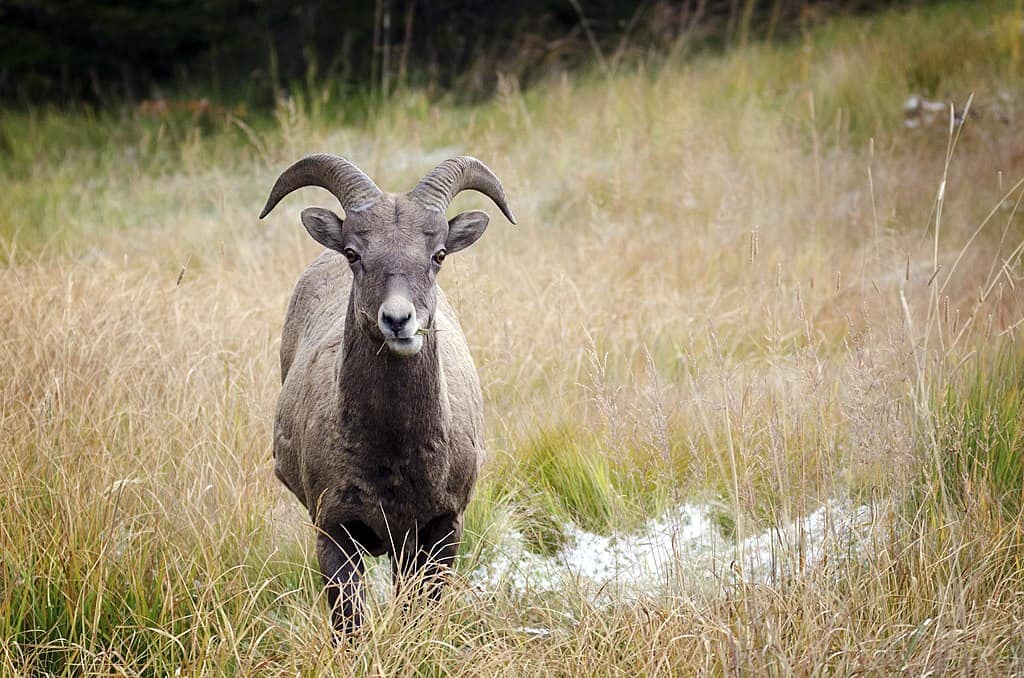
Known for their impressive curved horns that can weigh up to 30 pounds, bighorn sheep are iconic inhabitants of the rocky mountain regions across western North America. Males (rams) engage in spectacular head-butting contests during mating season, with collisions that can be heard echoing through canyons. These sure-footed climbers inhabit steep, rocky terrain in states including Colorado, Wyoming, Montana, Idaho, Nevada, Utah, Arizona, and California, with a total population of approximately 85,000. The desert bighorn subspecies has adapted to the harsh conditions of the southwestern deserts, while Rocky Mountain bighorns thrive in alpine environments. Prime viewing locations include Rocky Mountain National Park in Colorado, Yellowstone and Grand Teton National Parks in Wyoming, Glacier National Park in Montana, and Badlands National Park in South Dakota. Winter and early spring offer the best viewing opportunities when the sheep descend to lower elevations in search of food.
American Black Bear
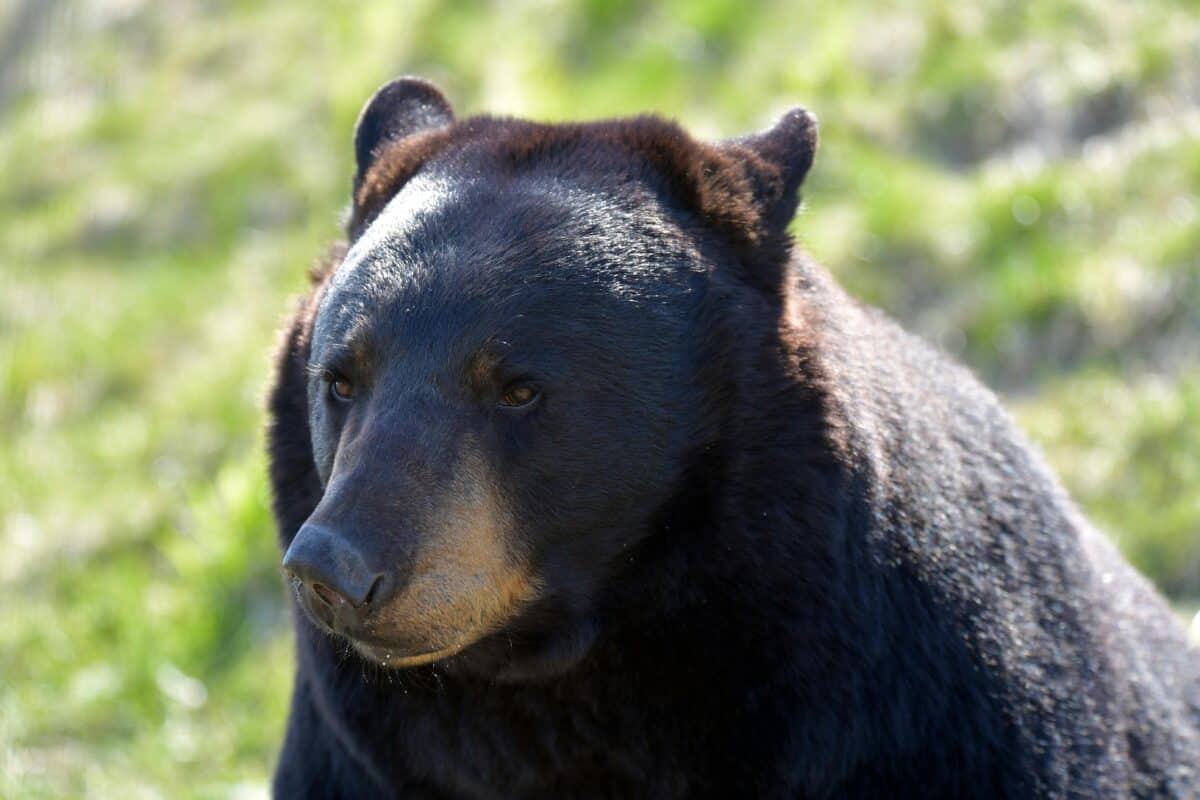
The American black bear is the most common and widely distributed bear species in North America, with a population estimated at over 800,000. Despite their name, these adaptable omnivores can be black, brown, cinnamon, or even white (in the case of the Kermode or “spirit” bear in British Columbia). Smaller than grizzlies, black bears typically weigh between 200-600 pounds and stand about 3 feet at the shoulder. They inhabit forests across at least 40 states, with significant populations in the Appalachian Mountains, the Ozarks, the northern Great Lakes region, the Rocky Mountains, and the Pacific Northwest. Great Smoky Mountains National Park boasts one of the highest densities of black bears in the eastern United States, while Yosemite National Park and Olympic National Park offer good viewing opportunities in the west. These intelligent and curious animals are primarily active during dawn and dusk, feeding on berries, nuts, insects, and occasionally fish or small mammals.
Pronghorn

Often mistakenly called “antelope,” pronghorns are unique to North America and represent the continent’s fastest land mammal, capable of sustained speeds up to 35 mph and bursts approaching 60 mph. These distinctive animals, with their tan and white coloration, black facial markings, and small forked horns, inhabit the grasslands and deserts of the western United States. Approximately 700,000 pronghorns roam across states including Wyoming, Montana, Idaho, Colorado, New Mexico, and Arizona. Unlike true antelopes, pronghorns shed the outer sheath of their horns annually. Their exceptional speed evolved as a defense against now-extinct American cheetahs, leaving them vastly overqualified to outrun modern predators. Yellowstone National Park’s Lamar Valley, Wyoming’s Grand Teton National Park, and Montana’s National Bison Range offer excellent viewing opportunities of these swift-moving herds, particularly in open grassland areas during morning and evening hours.
River Otter

North American river otters are charismatic, playful mammals that have recovered from historical overhunting and now inhabit waterways across much of the United States. These sleek, semi-aquatic members of the weasel family can grow to about 4 feet long and weigh up to 30 pounds. Their dense fur, webbed feet, and powerful tails make them exceptional swimmers, capable of remaining underwater for up to eight minutes. River otters can be spotted in lakes, rivers, coastal areas, and marshes throughout the country, with particularly strong populations in the Pacific Northwest, the northern Rockies, the Great Lakes region, and parts of the Northeast and Southeast. Yellowstone National Park, Olympic National Park, and the Everglades all offer good opportunities to witness these playful animals sliding down muddy banks, fishing cooperatively, or engaging in what appears to be pure play. Dawn and dusk provide the best chances for observation, especially along slow-moving waterways with abundant fish populations.
Elk

Elk, also known as wapiti, are one of North America’s largest deer species, with bulls weighing up to 700 pounds and sporting magnificent antlers that can span five feet. These social herbivores once ranged throughout most of the United States but now primarily inhabit western states including Colorado, Wyoming, Montana, Idaho, Oregon, and Washington, with reintroduced populations in eastern states like Pennsylvania, Michigan, and Kentucky. The total U.S. elk population exceeds 1 million animals. During the fall rutting season, bull elk engage in dramatic bugling contests, with their eerie, high-pitched calls echoing through valleys as they gather and defend harems of females. Rocky Mountain National Park, Yellowstone National Park, and Great Smoky Mountains National Park offer some of the best elk viewing opportunities in the country. The animals are most active at dawn and dusk, often moving between forests where they spend the day and open meadows where they feed in the evening and early morning.
Sea Otter

Sea otters are among the most charismatic marine mammals along the Pacific coast of the United States. These playful creatures, the smallest marine mammals in North America, weigh between 31-100 pounds and possess the densest fur of any animal (up to one million hairs per square inch). Once hunted to near extinction for their luxurious pelts, sea otters have rebounded to approximately 3,000 individuals along California’s central coast and over 70,000 in Alaska. Unlike other marine mammals, sea otters lack blubber and rely on their thick fur and high metabolism for warmth, consuming up to 25% of their body weight daily in shellfish, urchins, and other invertebrates. They’re famous for floating on their backs while using rocks as tools to crack open shellfish on their chests. The best viewing locations include California’s Monterey Bay and Elkhorn Slough, where otters can be spotted year-round, particularly during morning hours when they actively feed before resting in kelp beds during midday.
American Crocodile

While alligators get most of the attention among U.S. reptiles, the American crocodile offers wildlife enthusiasts a chance to observe one of the world’s largest reptile species. In the continental United States, these impressive creatures are found exclusively in southern Florida, primarily in brackish and saltwater habitats around Florida Bay, the Florida Keys, and portions of the Everglades. With a population of approximately 2,000 individuals in Florida, these once-endangered reptiles have gradually recovered thanks to conservation efforts. American crocodiles can grow up to 15 feet long and weigh over 1,000 pounds, though such giants are rare today. Unlike their more aggressive relatives elsewhere in the world, American crocodiles are relatively shy around humans. Everglades National Park and Biscayne National Park offer the best viewing opportunities, particularly along the mangrove shorelines at Turkey Point Nuclear Generating Station, which has become an important sanctuary for the species due to its warm-water canals.
Mountain Goat

Mountain goats are the undisputed masters of precipitous terrain, capable of scaling seemingly impossible cliffs with their specialized hooves that feature soft inner pads for traction and hard outer edges for digging into rock faces. Despite their name, these white-coated animals with pointed horns are not true goats but belong to the same family as antelopes and cattle. Native to the northern Cascade and Rocky Mountains, mountain goats inhabit alpine environments in Washington, Idaho, Montana, and Alaska, with introduced populations in Colorado, Wyoming, Utah, Nevada, South Dakota, and Oregon. The total U.S. population numbers approximately 100,000 individuals. These sure-footed climbers can be observed in places like Glacier National Park, Olympic National Park, Grand Teton National Park, and Mount Evans in Colorado, where they often descend to mineral licks and visible rocky outcroppings during summer months. Their thick white coats, which help them survive harsh mountain winters, make them relatively easy to spot against dark mountain backgrounds.
Conclusion:

The United States is home to an extraordinary array of wild animals, many of which have overcome the threats of habitat loss, hunting, and human expansion to persist—and even thrive—across diverse ecosystems. From the soaring bald eagle to the elusive mountain lion, these species represent both the resilience of nature and the success of conservation efforts. Whether in the dense forests of the Pacific Northwest, the swamps of the Southeast, or the vast grasslands of the West, opportunities abound for Americans to connect with wildlife in their natural habitats. By supporting conservation initiatives and responsible wildlife tourism, we can help ensure that future generations will continue to marvel at the incredible animals that still roam the American landscape.

- 10 Amazing Facts About Bees You Didn’t Know - August 24, 2026
- 17 Wild Animals You Can Still Spot in the U.S. Today - August 24, 2026
- 12 Things Ravens Do That Make Scientists Compare Them to Primates - August 24, 2026
Leave a comment
You must be logged in to post a comment.