
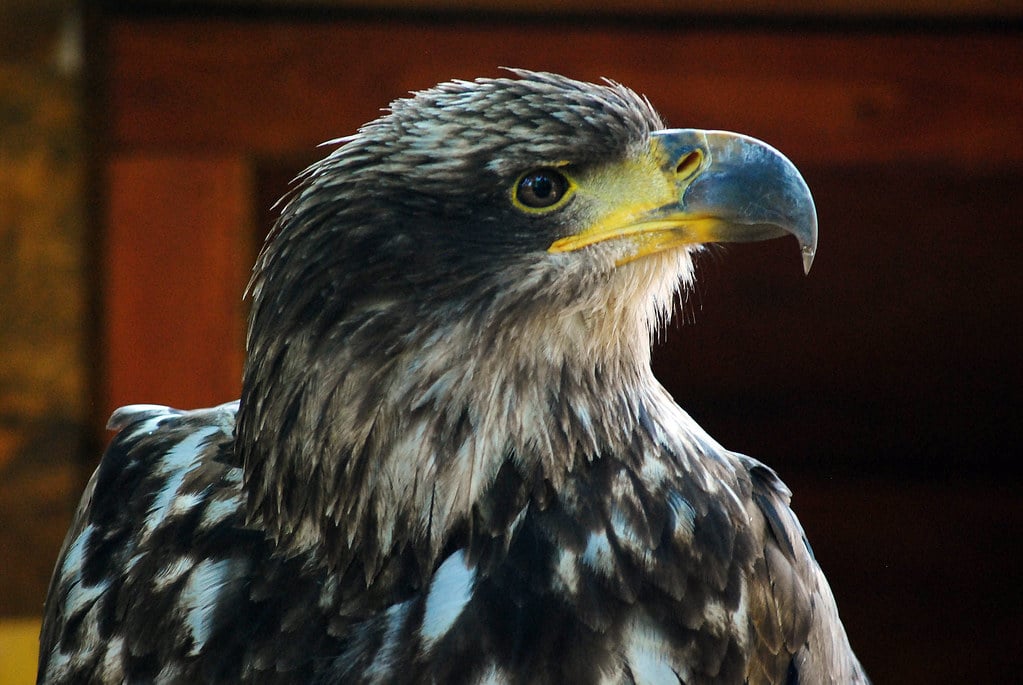
If you’ve ever seen footage of a peregrine falcon plummeting out of the sky, you probably assumed you were looking at the ultimate predator in the bird world. That iconic, high-speed stoop looks unbeatable, like the avian version of a fighter jet in a nosedive. But here’s the twist: as spectacular as that dive is, several other raptors have evolved hunting techniques that are even more specialized, more niche, and in some ways, more extreme.
Once you step away from the drama of raw speed, you start seeing something even more fascinating: birds of prey that turned into crab-hunters, poison-resistant snake killers, monkey snatchers, and night vision specialists that make the dark their playground. Each of the seven raptors below has pushed its body and brain in a direction so specific that the peregrine’s famous dive starts to look almost “generalist” by comparison. Ready to meet the specialists?
The Secretary Bird: Snake Assassin on Stilts
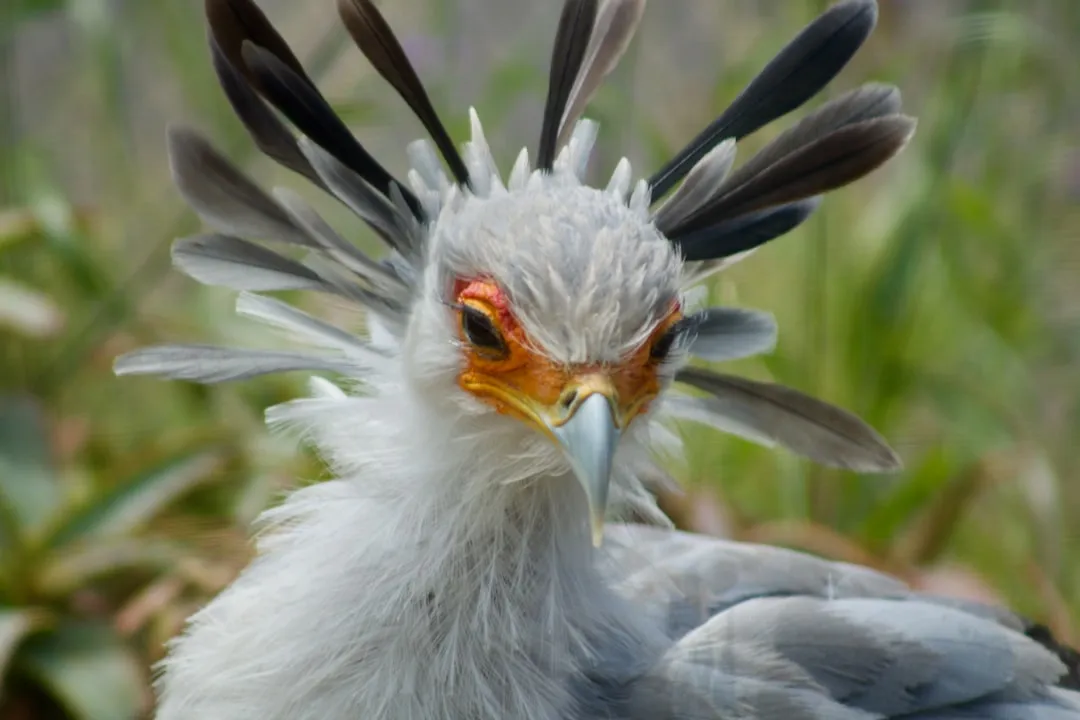
Imagine a raptor that hunts with its feet more than its beak, striding across the savanna on stilt-like legs, then hammering down rapid-fire kicks with the force of a heavyweight boxer. That’s the secretary bird of sub-Saharan Africa, a long-legged killer built almost like a cross between an eagle and a crane. Instead of chasing birds in the air, it stalks the ground, scanning for snakes, lizards, rodents, and even young birds hiding in the grass.
What makes its technique more specialized than a peregrine’s dive is just how tailored its entire body is to one brutal task: stomping dangerous prey to death, especially venomous snakes. Its legs are long but armored with tough scales, and the foot strike is so fast and precise that it can stun or kill a snake before it has time to strike back. Studies using force sensors have shown that the secretary bird’s kick can deliver enormous impact in a fraction of a second, like a living piston designed for reptile demolition. While the peregrine depends on height and speed, the secretary bird turns the open savanna into a walking execution ground, winning its battles one perfectly aimed stomp at a time.
The Snail Kite: Specialist of a Single, Slimy Food
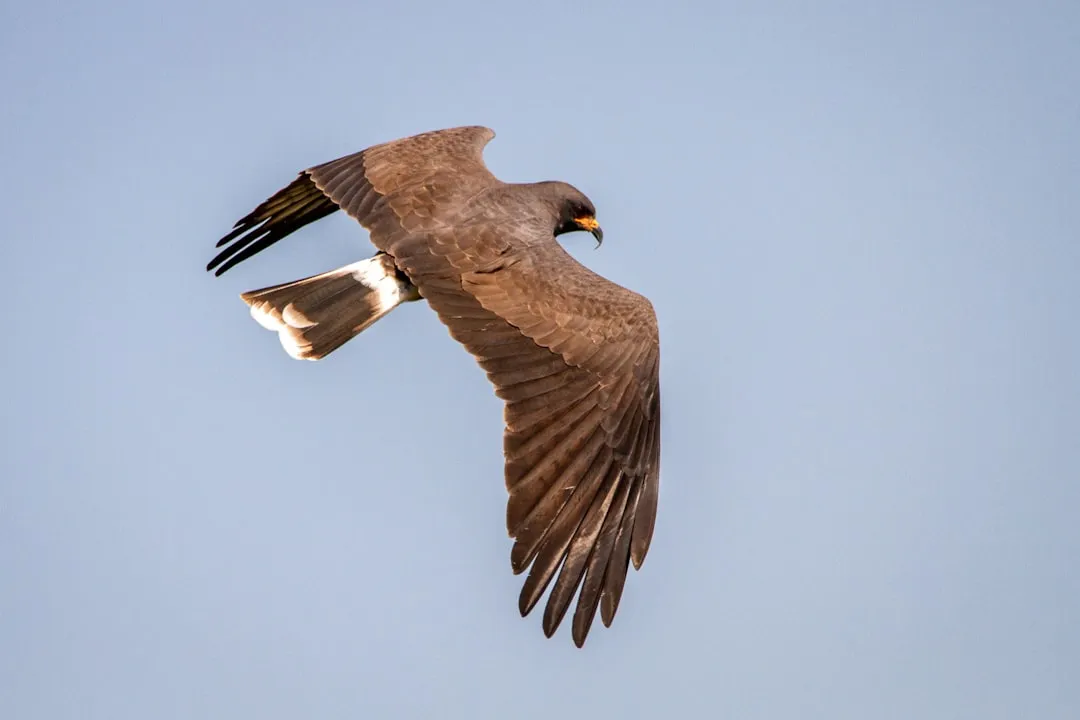
Most raptors will grab whatever they can catch: birds, mammals, reptiles, the occasional unlucky fish. The snail kite looks at that buffet and says, “No thanks, I only eat one thing.” This medium-sized raptor, found in parts of Central and South America and in Florida, is obsessed with freshwater apple snails. Its entire hunting technique and even its beak shape have narrowed around this one, slow-moving, heavily armored food source.
The snail kite’s beak is thin, sharply hooked, and almost delicate compared to the brutal tools of an eagle. After spotting a snail from above, the bird swoops down, plucks it from the water or vegetation, and then uses that precision hook to slip inside the snail’s shell and extract the soft body without shattering the whole structure. That is surgical-level specialization. Where the peregrine’s dive is a high-speed method that can work on many different kinds of birds, the snail kite has walked itself into an evolutionary corner: a raptor whose entire lifestyle rises and falls with the fortunes of one specific snail. It’s the bird-of-prey equivalent of a gourmet chef who refuses to cook anything but one meticulously perfected dish.
The Crab Plover of the Raptor World: The Black-Shouldered Kite’s Hover Hunt
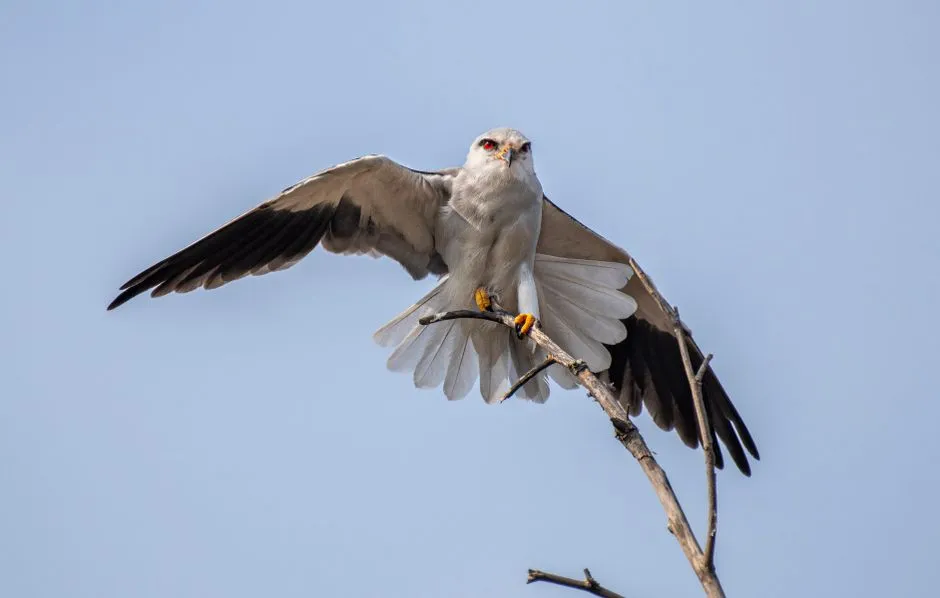
Black-shouldered kites might not look as dramatic as a falcon, but watch one hunt and you’ll feel like you’re seeing slow-motion precision instead of raw velocity. This small, pale raptor, seen in parts of Africa, Asia, and Australia, has perfected the art of hovering in place against the wind, almost like a tiny drone with feathers. It faces into the breeze, flaps just enough to hold its position, and stares down at the ground, waiting for the slightest movement from a rodent or insect.
This hovering technique is a niche solution to a very specific problem: how to pinpoint and drop directly onto small prey in open fields and grasslands without wasting energy chasing them around. While a peregrine’s dive is a dramatic all-or-nothing sprint from the sky, the black-shouldered kite’s hunt is more like a sniper waiting for the perfect shot. The bird’s wings and flight muscles are tuned to let it hang in the air with astonishing stability, then fold and drop with tight control. It’s not showy, but it is intensely specialized, the kind of hunting style that only works when a bird has mastered the art of becoming a floating, watchful ghost over the land.
The Bat-Hunting Specialist: The Bat Hawk
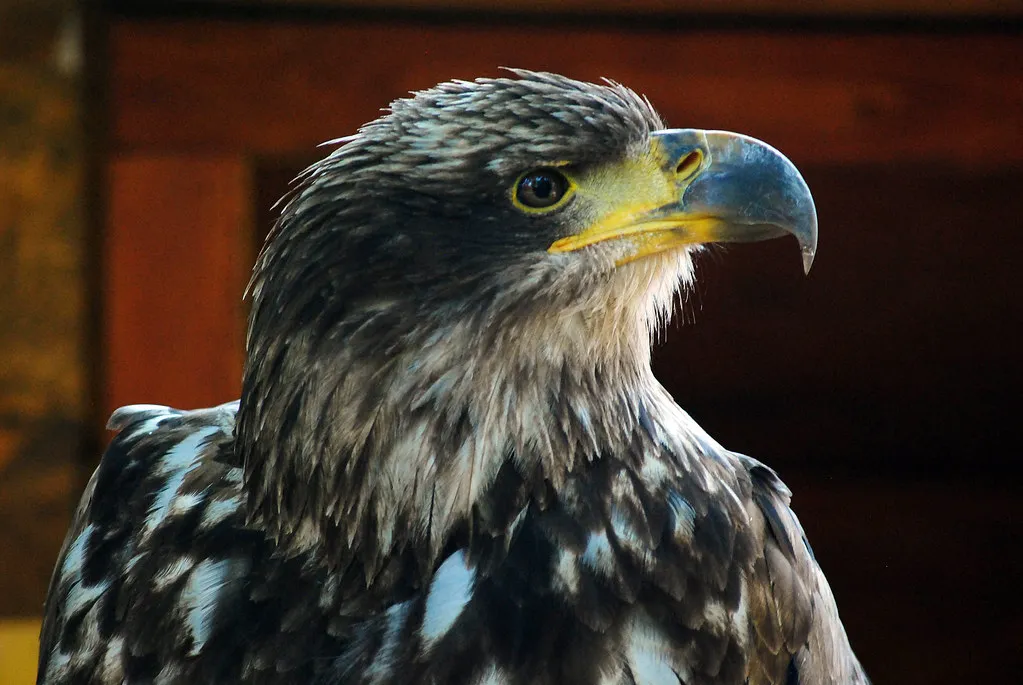
If the peregrine is the sprinter of the bird world, the bat hawk is the evening shift assassin that clocks in when most raptors are thinking about roosting. Found in Africa and parts of Asia, the bat hawk times its entire hunting routine to the nightly explosion of bats leaving their roosts at dusk. Its body is unusually adapted for this narrow job: long, pointed wings for high-speed pursuit and a giant mouth opening that lets it swallow prey mid-flight like a vacuum.
While a peregrine can hunt many types of birds during daylight, the bat hawk has become a dusk specialist, targeting bats almost exclusively as they emerge in dense streams. It often positions itself near known bat colonies, then accelerates through the swarm, grabbing and gulping prey with shocking efficiency. Researchers have watched bat hawks catch and swallow multiple bats in rapid succession without even landing. This is not a general “catch what you can” strategy; it is a hunting style locked to a specific time of day, a specific prey, and a specific behavior pattern. The bat hawk doesn’t need the dizzying speed of a peregrine’s stoop, because it has mastered a narrower, neatly timed window of opportunity instead.
The Honey Buzzard: Breaker of Hornet Fortresses
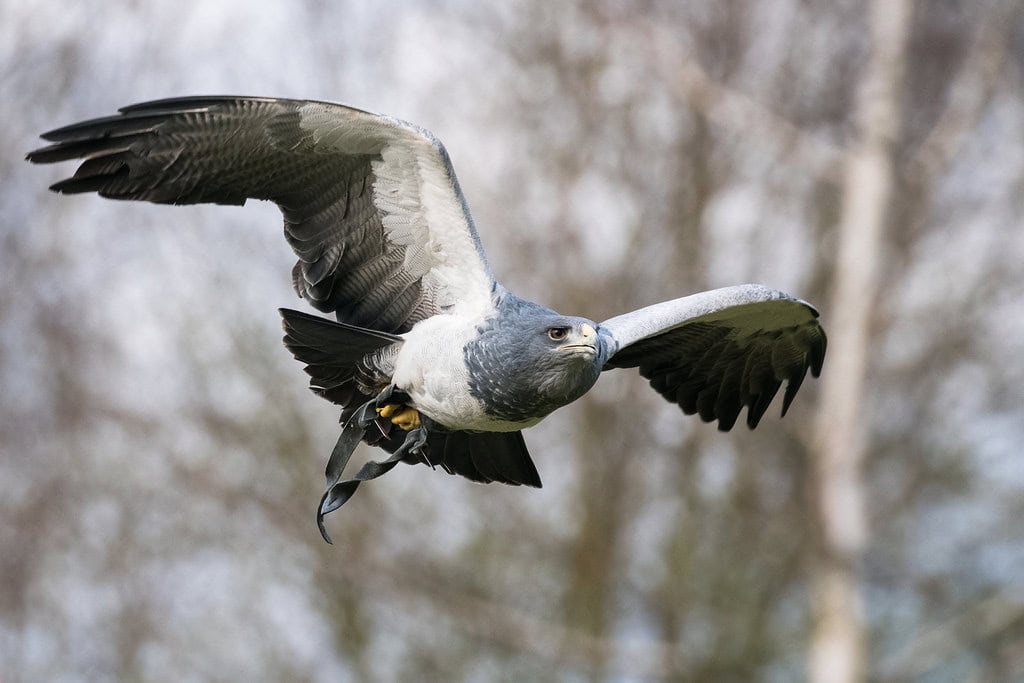
<pThere are raptors that tackle mammals, birds, fish, and reptiles. Then there is the honey buzzard, which does something that sounds borderline insane: it raids the nests of wasps and hornets for their larvae. European and Oriental honey buzzards are built for this high-risk job, with thickened skin and specialized feathers that help shield them from stings while they dig into underground or tree nests. Where a peregrine simply has to hit hard and grab, the honey buzzard must approach a buzzing fortress and calmly tear it apart.
Their hunting technique is almost methodical. They locate wasp or hornet nests, land nearby, and then start excavating with beak and claws, sometimes taking considerable time while angry insects swirl around them. Their long necks and fairly slender beaks are adapted to reach deep into cavities and pull out the rich, fatty larvae that other raptors rarely touch. It is a slow and deliberate assault on highly defended food, the kind of niche strategy that demands both physical protection and behavioral patience. Compared to the straightforward physics of a high-speed dive, the honey buzzard’s approach looks more like a carefully planned burglary of a heavily guarded vault.
The Harpy Eagle: Arboreal Heavyweight Built for Monkey Ambush
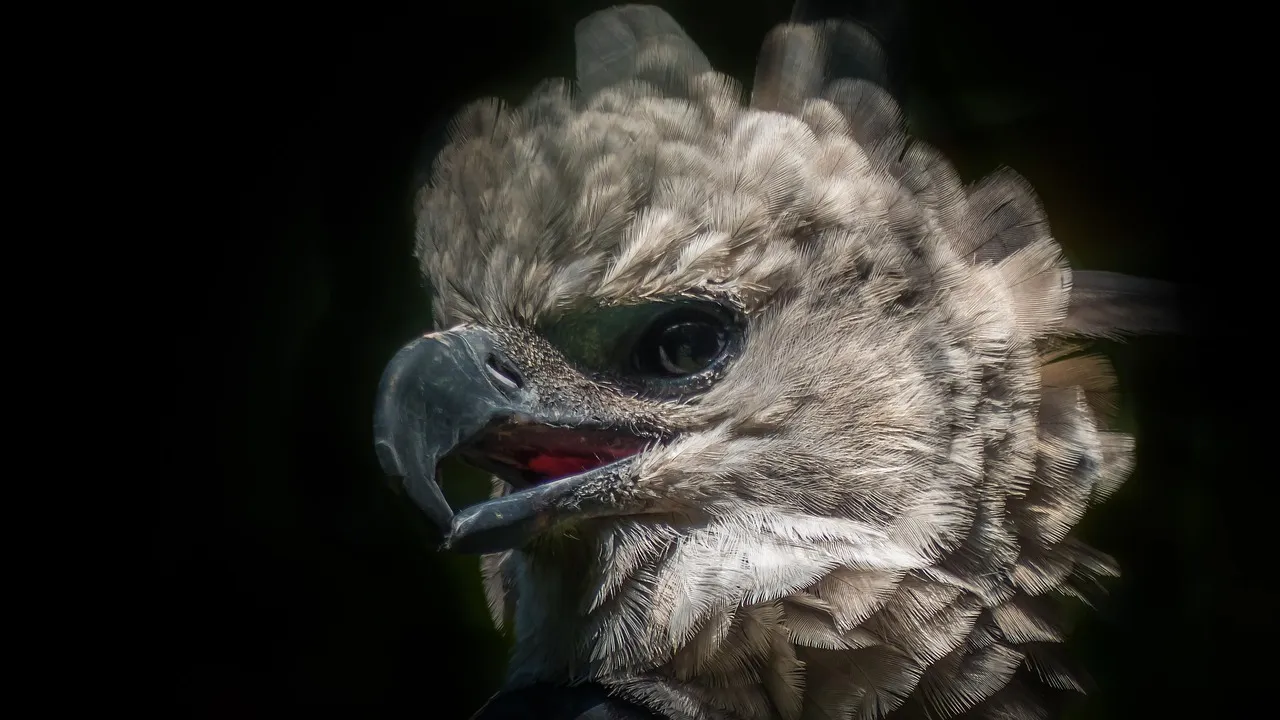
When people call the harpy eagle one of the most powerful eagles on Earth, they’re not exaggerating. This massive raptor from the tropical forests of Central and South America has taken specialization to the canopy, turning into a primate and sloth hunter that patrols thick jungle rather than open skies. Its legs are thick like a dog’s, and its talons rival the claws of a grizzly bear in size, all designed for one brutal task: ripping large, arboreal mammals from the trees.
Unlike a peregrine that thrives in open airspace, the harpy eagle hunts in a cluttered, three-dimensional maze of branches and leaves. It uses short, broad wings that give it explosive upward and sideways bursts of movement, letting it maneuver between branches with surprising agility for such a large bird. It perches silently, waiting for an unsuspecting monkey or sloth to move within range, then launches in a short ambush, slamming into its prey with devastating force. This is not a flexible generalist strategy; it is a forest-based, tree-to-tree ambush style honed over countless generations. If the peregrine is a missile in the sky, the harpy is a heavyweight wrestler dropping from the ropes inside a leafy arena where only the most specialized hunter can win.
The Barn Owl: Silent Assassin of the Night Fields
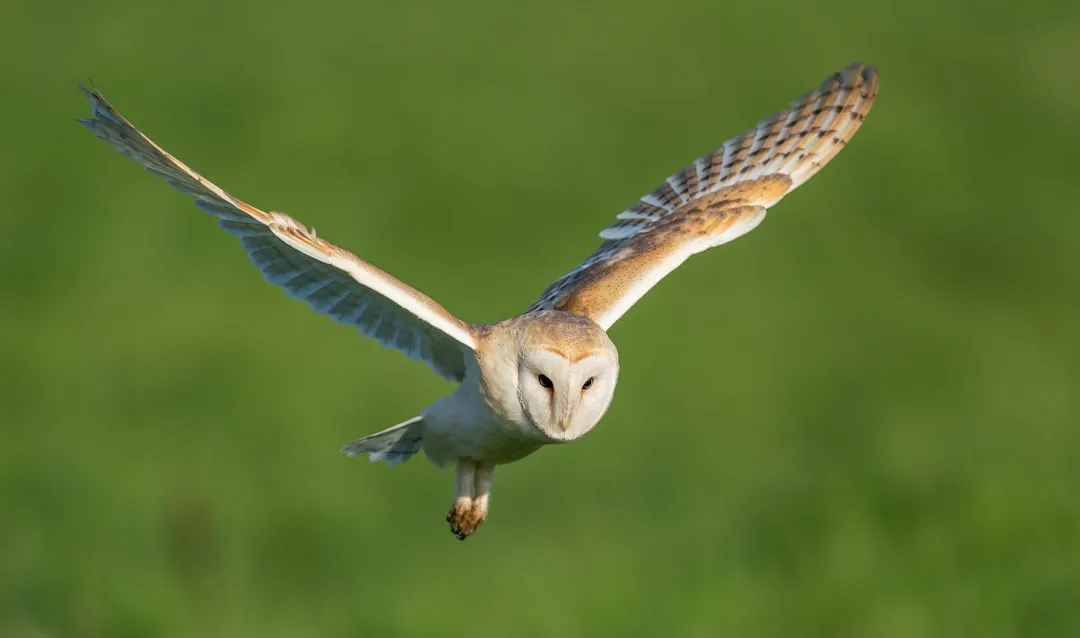
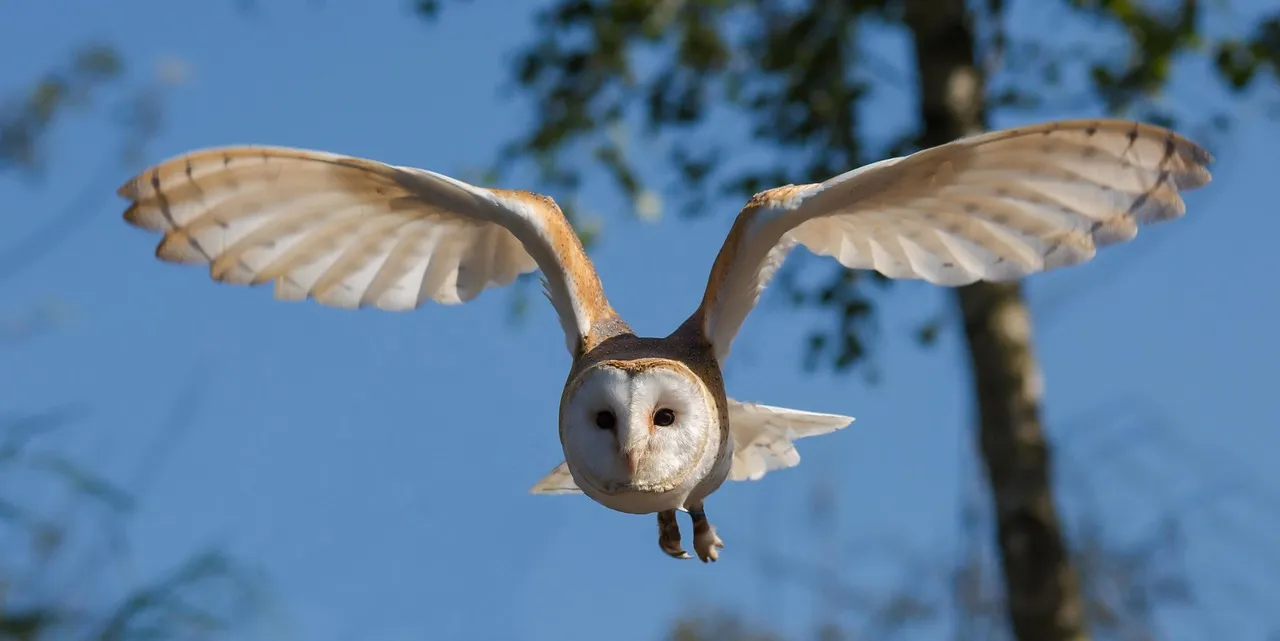
On paper, the barn owl looks less dramatic than a falcon. In reality, it might be one of the most specialized hunters on the planet, just in a very different way. Where the peregrine is about speed and impact, the barn owl is about silence and sensory precision, especially hearing. Its heart-shaped facial disc works like a living satellite dish, funneling the tiniest rustles of rodents in the grass straight to asymmetrically placed ears that can detect tiny differences in sound timing.
This allows barn owls to hunt effectively in almost complete darkness, sometimes striking prey they have never actually seen, only heard. Their feathers are uniquely structured to break up airflow noise, so their flight is nearly silent, giving their prey no auditory warning at all. They cruise low over fields, listening as much as looking, then drop in a smooth, ghostlike pounce. It’s a hunting strategy built around stealth and sound, to a degree that makes a peregrine’s loud, visible, daytime stoop seem almost crude by comparison. The barn owl doesn’t need to be the fastest thing in the sky when it is, for small mammals, the quietest and most terrifying presence in the dark.
Conclusion: Why Specialization Beats Speed in the Long Run
It’s tempting to crown the peregrine falcon as the ultimate raptor just because it wins the speed contest, but nature is rarely that simple. When you look at birds like the secretary bird, snail kite, bat hawk, honey buzzard, harpy eagle, black-shouldered kite, and barn owl, a different picture appears: the real magic lies in how precisely a species can fit itself to a particular niche. These raptors have sacrificed flexibility to become masters of very narrow jobs, from stomping venomous snakes to raiding hornet nests or ghosting over fields at night guided mostly by sound.
In my view, that level of specialization is more impressive than sheer velocity, because it shows just how far evolution will go to solve a specific problem. A peregrine’s dive is spectacular, no question, but a barn owl hearing a mouse under snow, or a honey buzzard calmly shredding a hornet nest, feels even more extreme once you think about the risks involved. Each of these seven raptors proves that being the “best” hunter is not about one flashy trick, but about how deeply a bird’s body, senses, and behavior are tuned to a single, demanding way of life. The next time someone brings up the peregrine’s legendary dive, which of these quiet specialists will you be thinking about instead?

- 7 Raptors With Hunting Techniques More Specialized Than a Peregrine Falcon's Dive - August 24, 2026
- 8 Birds That Can Stay in the Air Longer Than Most People Think Possible - August 24, 2026
- Animal Cognition Says Chimpanzees Can Remember the Location of Hidden Objects After Long Delays - August 24, 2026