
Step outside on a freezing morning and the yard feels empty, almost abandoned. But if you really look and listen, winter reveals a secret drama: the birds that spent summer chasing insects are suddenly hammering at seeds, raiding berries, and crowding around feeders like they own the place. It is not just a small tweak in their menu either – some backyard birds flip their diets so dramatically in winter that they almost feel like different species.
Once you notice this shift, you never see your winter birds the same way again. Their new food choices are about survival, not preference; every bite is a strategy against cold, hunger, and long nights. Let’s look at nine familiar backyard birds that pretty much reinvent their diets when winter arrives – and what that means for how you can actually help them.
1. American Robin – From Worm Hunter To Berry Addict
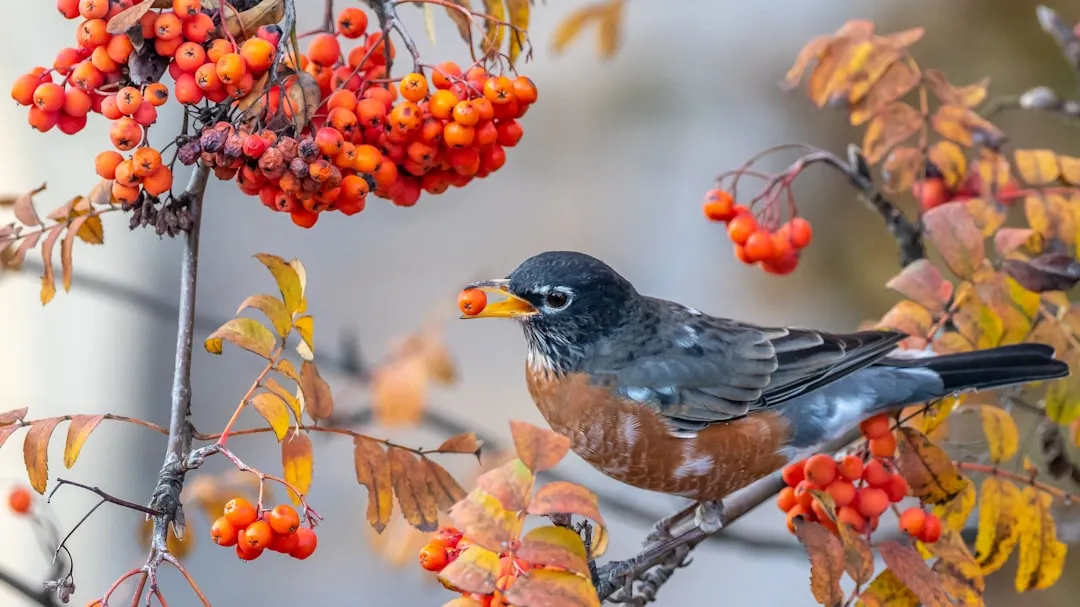
Most people think of American Robins as the classic worm pullers of spring lawns, but in winter their lives flip upside down. As the soil hardens and earthworms disappear from reach, robins stop poking around the ground and instead move into trees and shrubs, hunting for fruits and berries like crabapple, hawthorn, and holly. A bird that seemed glued to the grass in June suddenly becomes a berry bandit in January.
This shift is so dramatic that many people assume robins have migrated far away, when in reality a lot of them are still around; they have just moved higher up into the trees and deeper into wooded areas with fruit. If your winter yard has berry-producing plants, you will sometimes see big loose flocks of robins descend out of nowhere, strip a tree in a day, and melt away again. It feels almost shocking, like someone changing their entire diet overnight and never looking back until spring returns.
2. Dark-eyed Junco – Insect Forager Turned Seed Vacuum
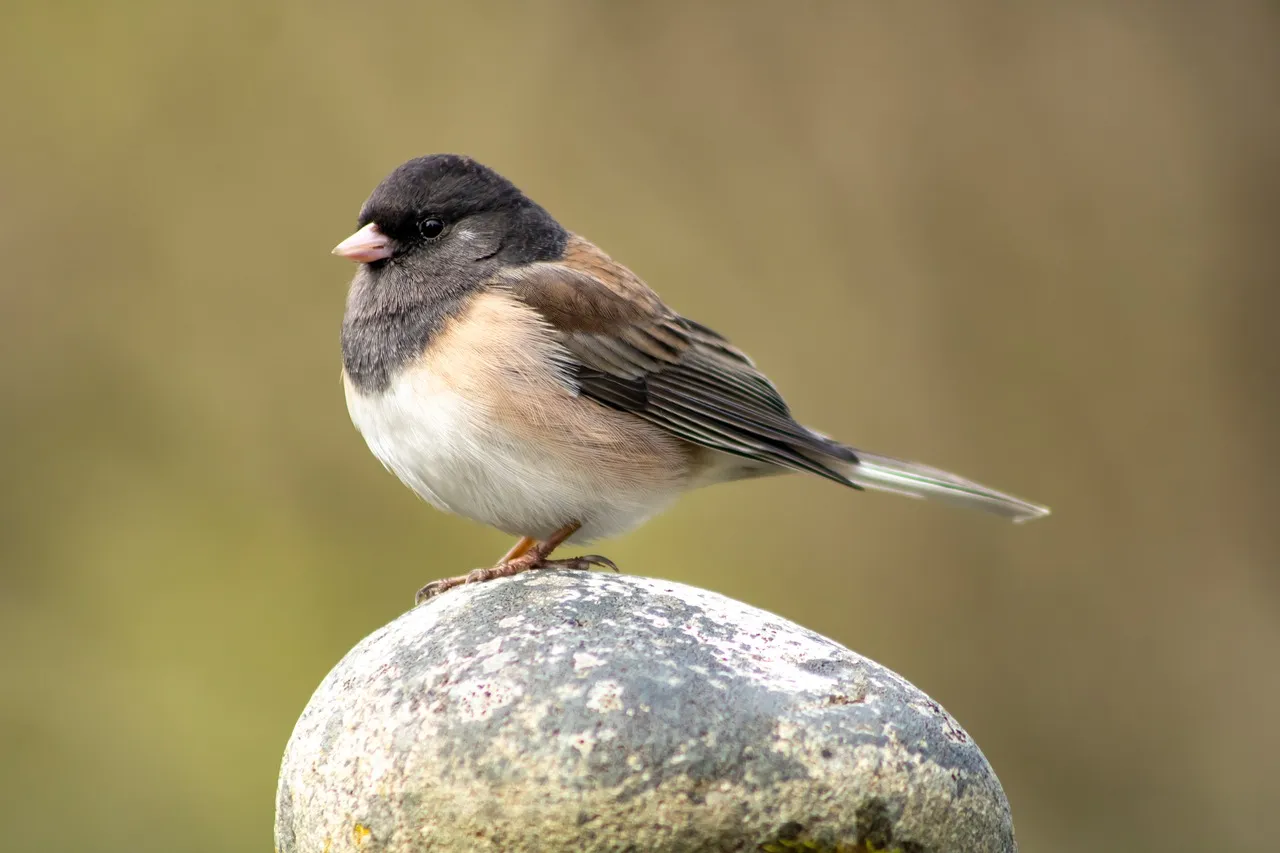
Dark-eyed Juncos, those little “snowbirds” with the dark hood and white outer tail feathers, are famous winter visitors. In summer, though, especially on their breeding grounds up north or at higher elevations, they eat a lot more insects and small invertebrates, especially when raising their young. Protein-rich bugs fuel fast growth and high activity, and juncos are surprisingly nimble foragers when you watch them in a summer forest.
Once winter hits, the story changes completely. Juncos move into backyards and open spaces and become almost entirely seed-focused, scratching through leaf litter like tiny chickens and cleaning up spilled seed under feeders. Sunflower hearts, millet, and other small seeds suddenly become the center of their world. If you have ever watched a mixed winter flock under your feeder, juncos are usually the ones hoovering up the ground buffet, living proof that a strictly bug-hunting lifestyle simply does not cut it when the freeze sets in.
3. American Goldfinch – Green Insect Nibbler To Seed Purist
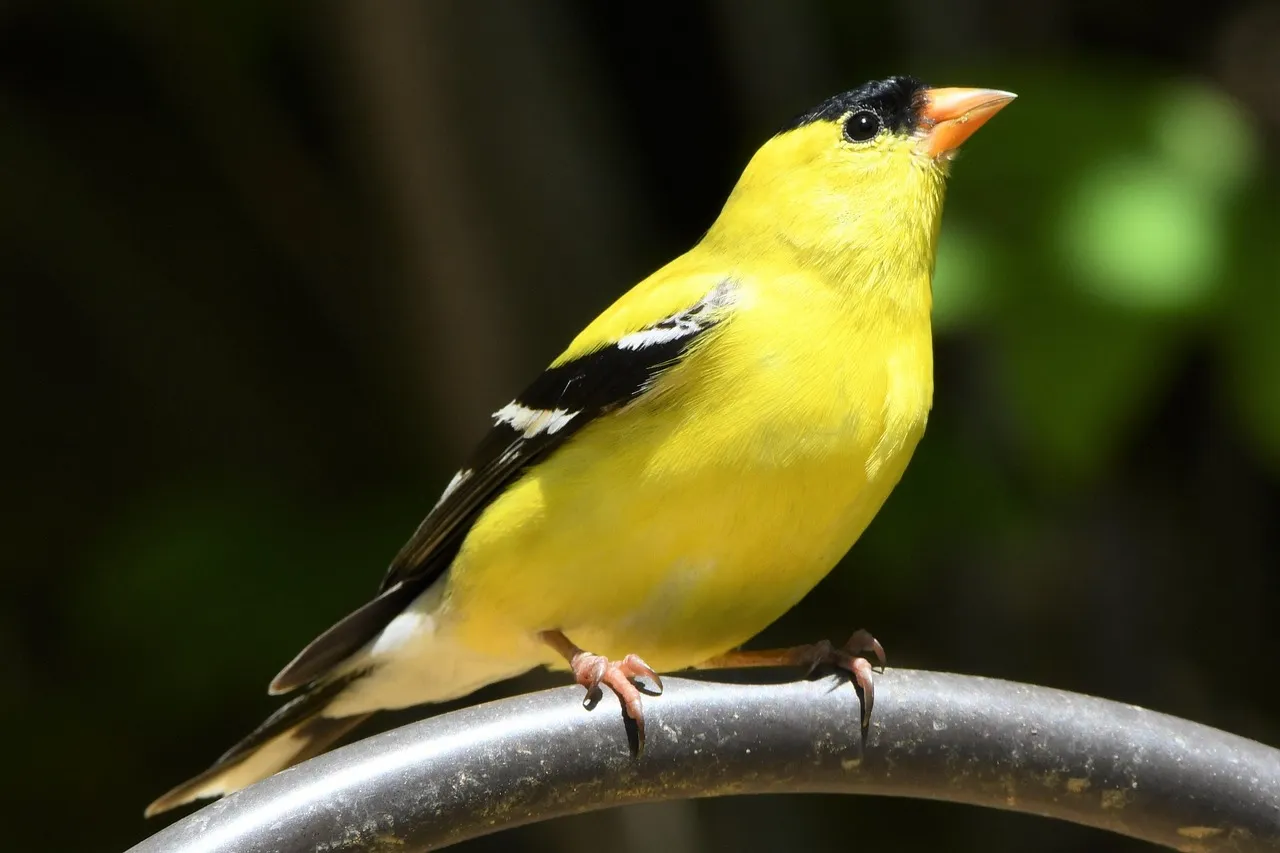
American Goldfinches are often treated as year-round seed lovers, and that is partly true, but the balance of their diet swings hard with the seasons. In the breeding season they will eat more soft plant material and some insects, especially for feeding chicks that need extra protein. You will sometimes see them picking at fresh green growth and tiny arthropods, not just thistle seed socks. They are far less locked into dry seed than people assume when the world is green.
In winter, though, goldfinches become almost obsessively seed-based, particularly favoring small seeds like nyjer, sunflower chips, and the seeds of wild plants such as goldenrod and coneflower. Their bright yellow fades to a muted olive-brown, and their diet seems to do the same – pivoting from varied summer fare to a simple, high-fat winter menu. I remember thinking one January that our “finches had left,” only to realize they were still there, just duller, quieter, and laser-focused on the feeders instead of flitting around the flower beds.
4. Downy Woodpecker – Bug Extractor To Suet And Seed Specialist
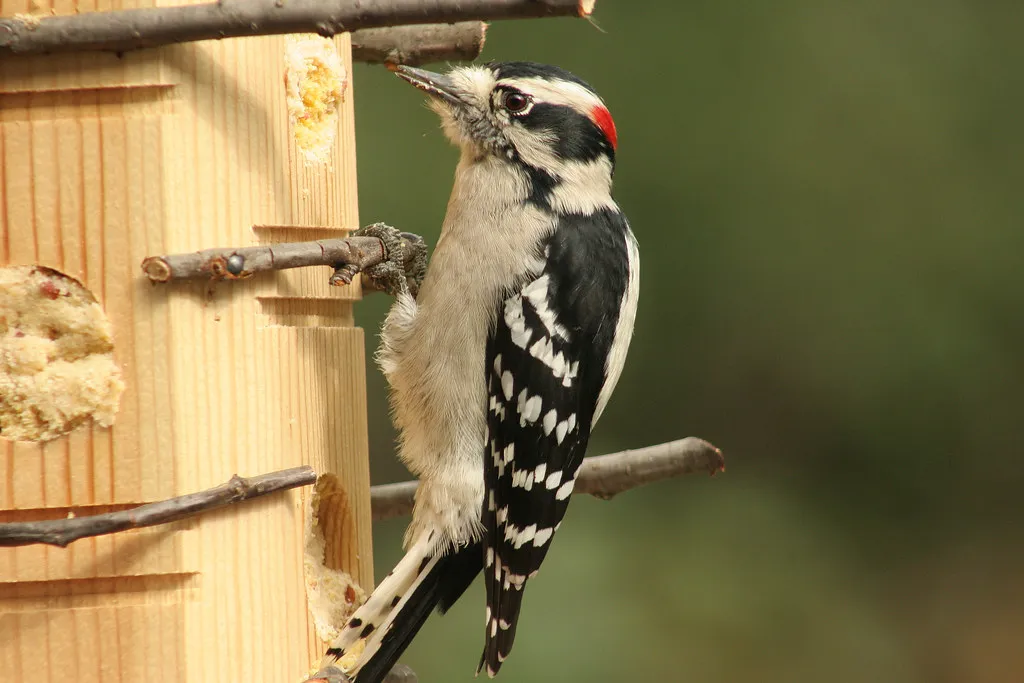
Downy Woodpeckers in summer are busy insect hunters, probing bark for beetle larvae, ants, and other hidden morsels. They are like tiny carpenters, tapping and chiseling in a never‑ending search for soft-bodied prey. Much of their warm-season diet is animal protein pulled straight from trees, and you will hear them working even when you cannot see them.
In winter, however, insect numbers crash and bark crevices are not nearly as generous. That is when downies completely shift gears and show up at suet feeders, peanut feeders, and even sunflower seed feeders, relying far more on high-fat, high-calorie foods that help them survive long, icy nights. You will notice them spending long, deliberate stretches clinging to a suet cage, carving chunks like a person savoring a thick winter stew. Without those rich foods, their insect-based summer strategy simply would not work in the cold.
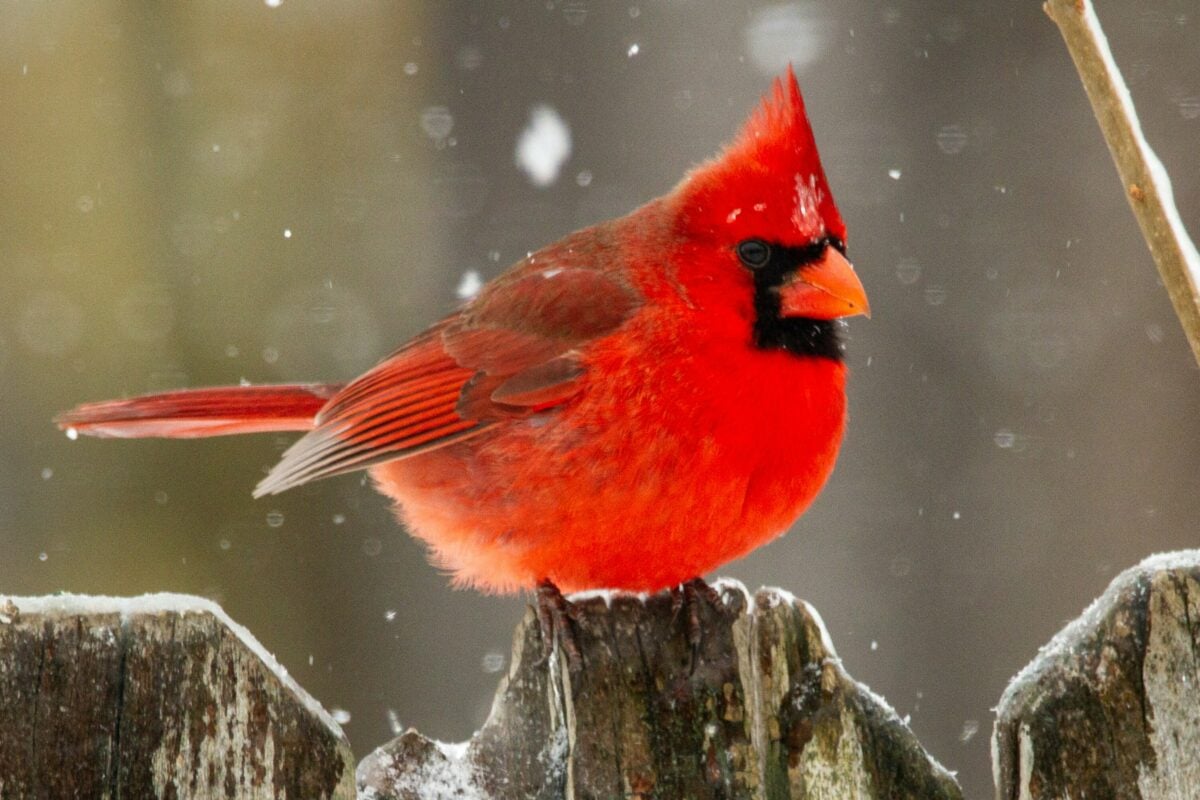
5. Northern Cardinal – Summer Omnivore To Winter Seed Powerhouse
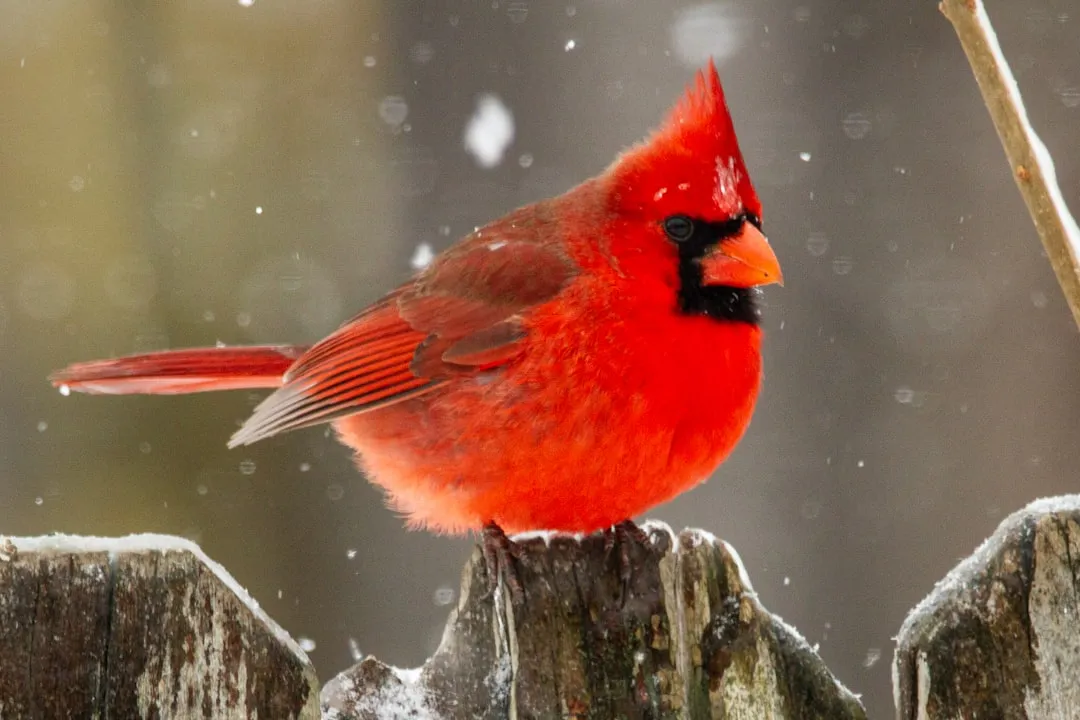
Northern Cardinals are often painted as seed eaters, and in winter that is absolutely true, but in the warmer months they have a much more mixed diet. During spring and summer, cardinals eat a noticeable amount of insects, especially to feed their nestlings. They snap up beetles, caterpillars, and other invertebrates, turning their bright red presence into a surprisingly effective pest-control team in the garden.
As soon as winter settles in, cardinals lean heavily into seeds and fruits and may almost completely drop insects from their regular daily diet. They focus on sunflower, safflower, and other large seeds that they can crack with their strong, conical bills, plus berries whenever they can find them. Watching a cardinal pair at dusk on a snowy day, filling up on sunflower at the feeder, you realize you are seeing a completely different food strategy than in June – more like marathon runners carb-loading than hunters chasing protein.
6. Black-capped Chickadee – Summer Bug Hunter To Winter Cache And Seed Master
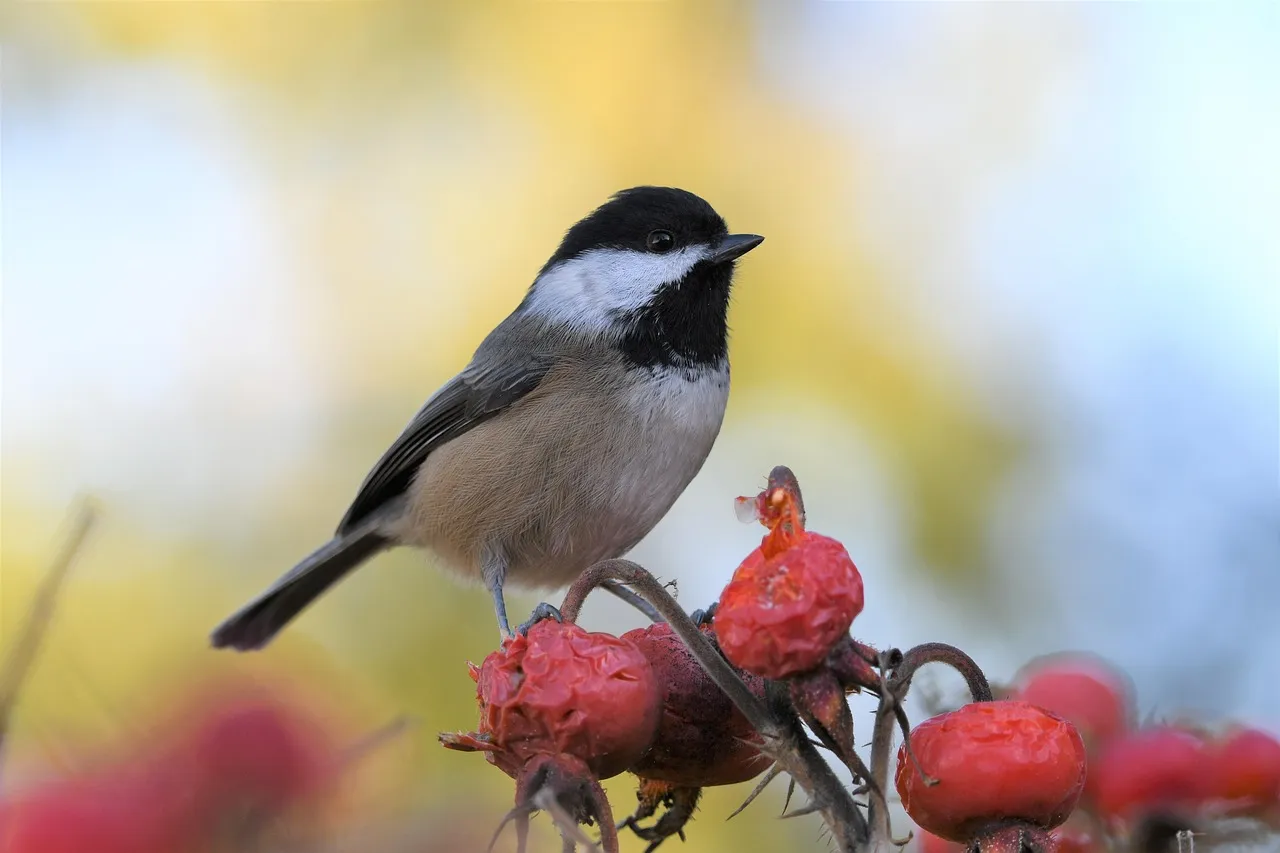
Black-capped Chickadees are tiny, but they live life at high speed. In summer, their diets are dominated by insects and spiders, which power their energetic foraging and constant chatter. They pick caterpillars and larvae from leaves and twigs with incredible precision, making them surprisingly important insect controllers in forests and backyards alike. When food is abundant, they take full advantage of rich, fresh prey.
In winter, chickadees swing heavily toward seeds, nuts, and suet, and they rely on their habit of caching food for survival. They grab individual seeds or bits of suet and stash them in bark crevices and other hiding spots, then return later when conditions are harsh. You will see them dart in, take one sunflower seed, and disappear again – that is not picky behavior, that is long-term planning. Their whole winter survival plan is built around dense, fatty foods and the memory of where they hid yesterday’s prizes, instead of the insect feast they enjoyed in summer.
7. Blue Jay – Opportunistic Forager Turned Winter Nut Banker
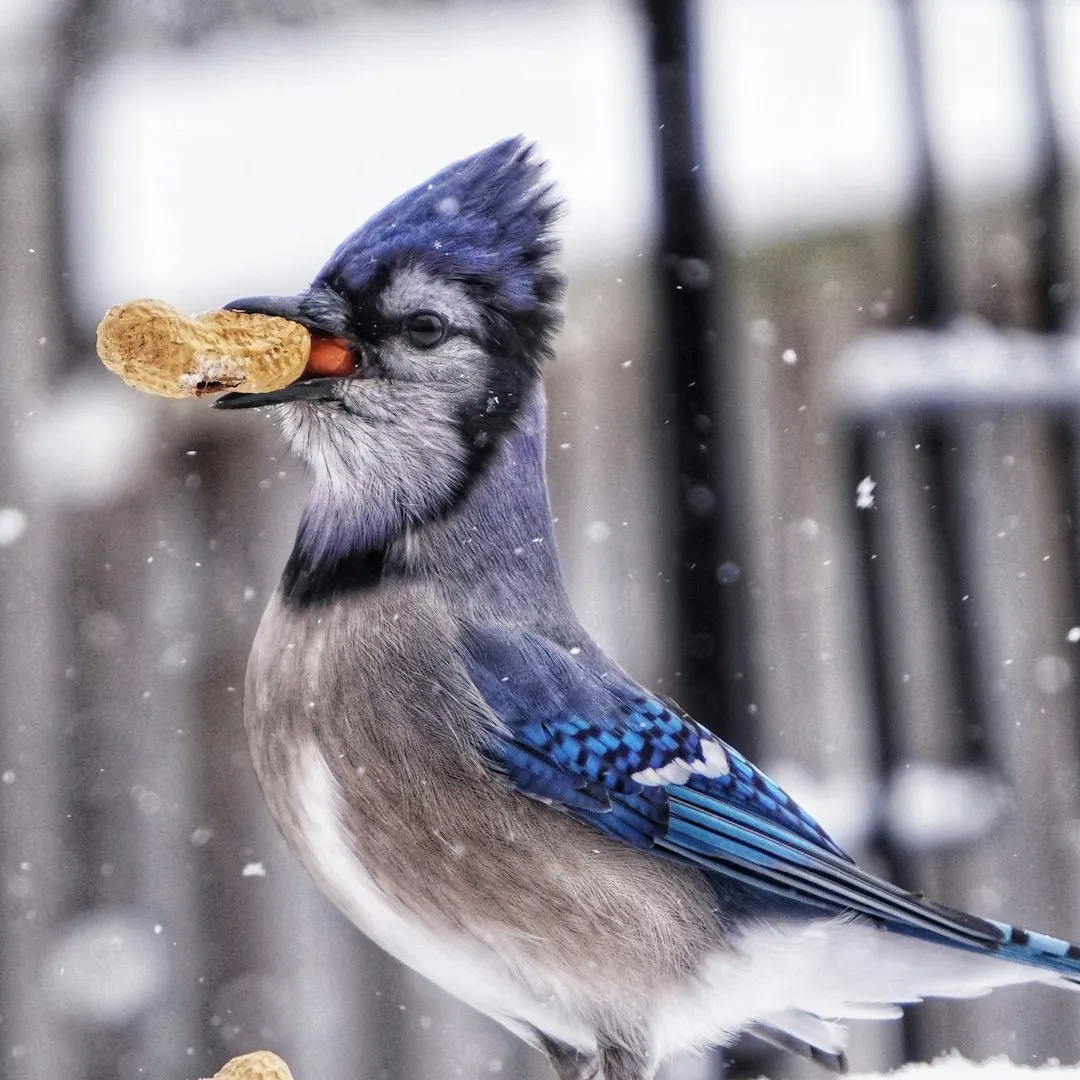
Blue Jays are generalists by nature, and in warm months their menu is broad: insects, small invertebrates, fruits, seeds, even the occasional egg or nestling. They patrol yards with a kind of bold curiosity, sampling whatever is available. That variety gives them plenty of options when life is easy and food is everywhere. It is easy to underestimate how strategic they are because they look so loud and casual.
When winter approaches, though, jays lean heavily into nuts and large seeds, especially acorns and peanuts, and they cache them intensively. They will stuff several peanuts or acorns into their throat pouch and fly off to bury them in lawns, leaf litter, or forest floors, creating a hidden pantry they can raid later. Their diet becomes far more about stored, high-energy foods than fresh insects or soft fruits. It is a radical seasonal shift: from sampling the buffet to becoming disciplined bankers of fat-packed currency for the coldest days.
8. European Starling – Summer Insect Swarms To Winter Field And Feeder Raids
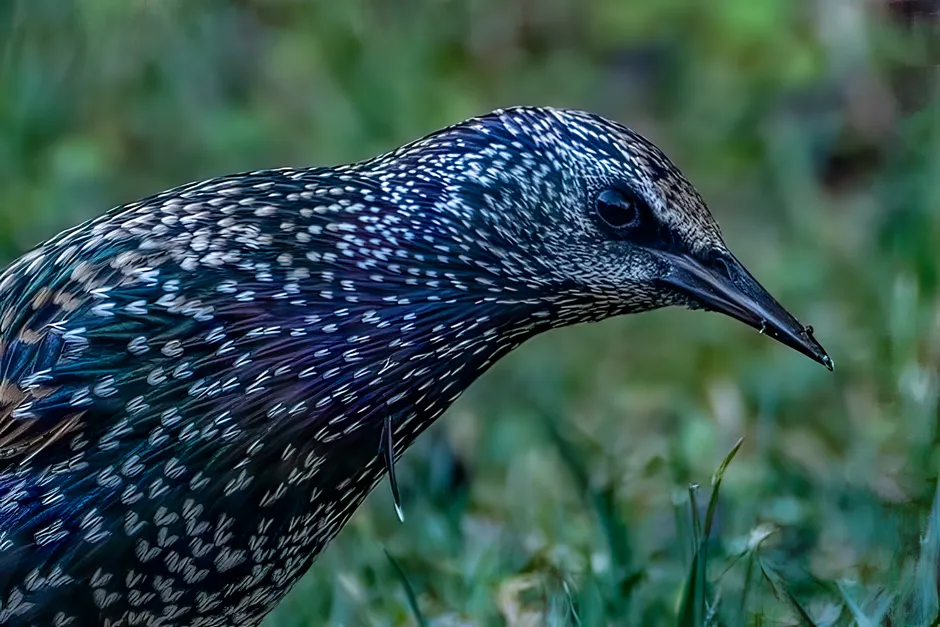
European Starlings are controversial birds, but their diet shift between seasons is undeniably dramatic. In spring and summer, starlings spend a lot of time probing lawns and fields for insects, grubs, and other invertebrates, especially when feeding their young. You will often see big flocks “walking” across grass, jabbing their bills into the soil like little sewing machines. During these months, insects make up a very large chunk of what they eat.
In winter, though, their focus moves toward grains, seeds, and food scraps, often gathering in huge flocks around agricultural fields and urban food sources. They hit feeders hard, devouring suet, cracked corn, and anything else they can dominate. The insect-rich turf they loved in summer becomes far less productive, so they compensate by becoming aggressive, highly social seed and grain raiders. They are one of the clearest examples of a bird that, for a few cold months, trades a mostly insect-based lifestyle for a heavily plant-based one.
9. House Sparrow – Warm-Season Insect Feeder To Cold-Season Grain And Seed Devotee
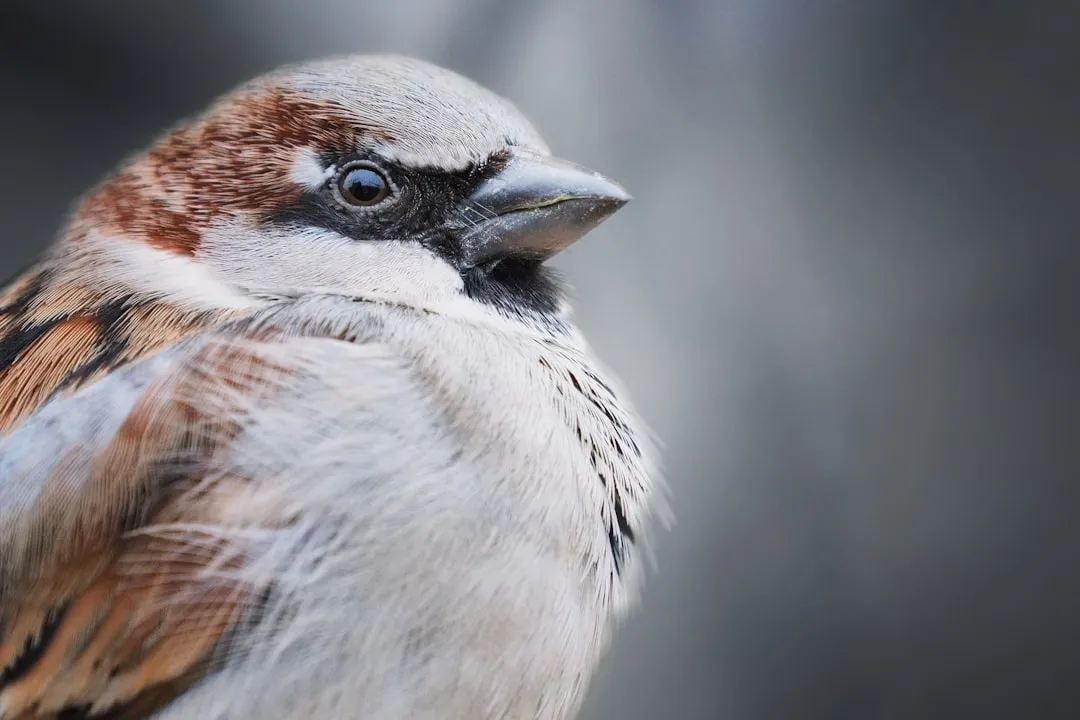
House Sparrows may seem like they always eat crumbs and seeds, but if you watch them closely in spring and summer, you will notice something different. When they are nesting, adults gather lots of insects and soft-bodied invertebrates to feed their chicks, which need protein to grow quickly. You can see them fluttering in shrubs and low vegetation, bringing back beakfuls of tiny insects rather than just cereal bits from a sidewalk.
Once winter arrives, their diet tilts heavily back toward grains and seeds, especially around human settlements: spilled birdseed, livestock feed, and anything edible dropped by people. Insects become scarce, so they pivot almost entirely to dense, storable plant foods that keep them going through frosty mornings and long nights. It is a near-complete swing from animal protein to plant calories, driven not by preference but by necessity – proof that even the most “urban” birds are still deeply tied to the seasons.
Conclusion: Winter Birds Deserve More Credit Than We Give Them
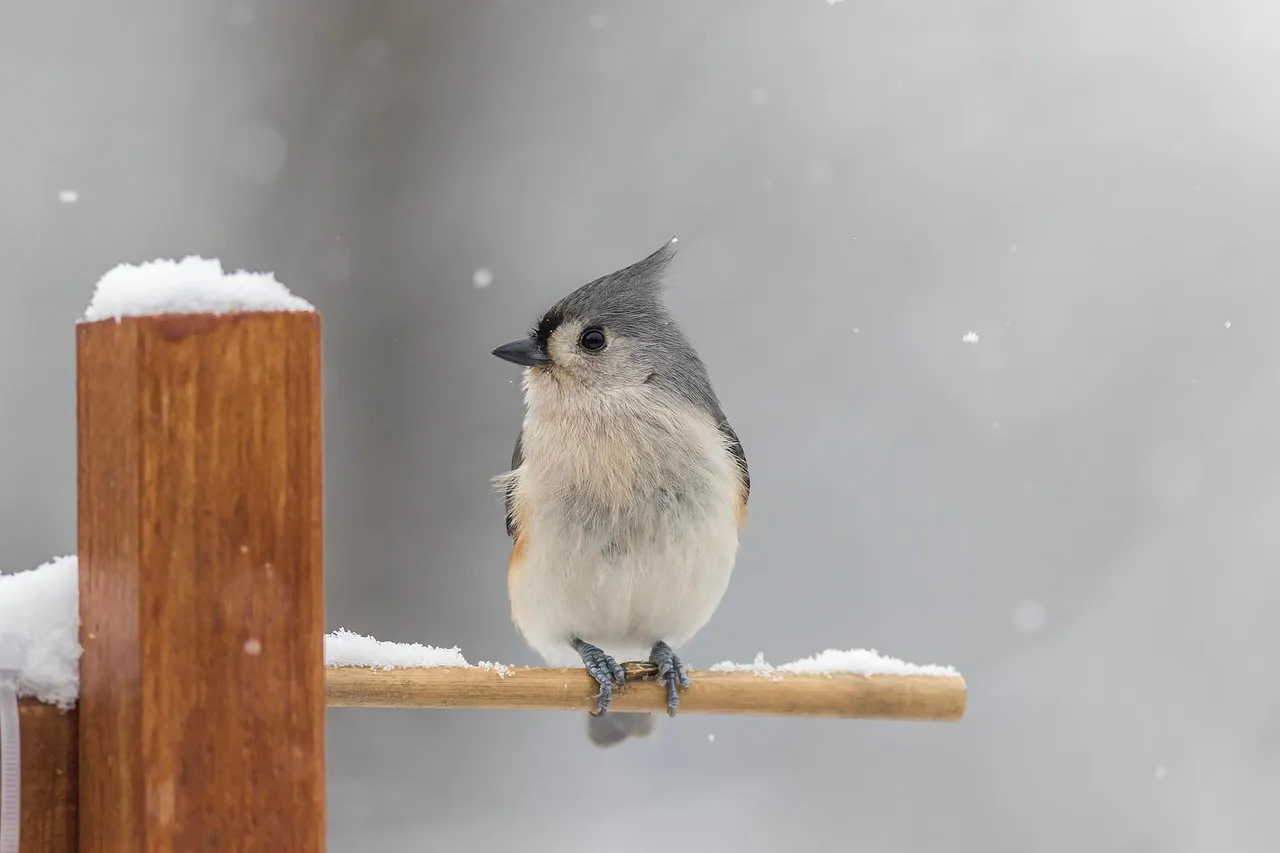
When you realize how completely many backyard birds reinvent their diets in winter, it becomes hard to see snowy mornings as “quiet” or “lifeless” anymore. Under that stillness, there is a constant negotiation with the cold: a robin turning to berries, a chickadee trusting its memory of hidden seeds, a woodpecker swapping grubs for suet. To me, that flexibility is one of the most impressive survival tricks in nature, and we often overlook it because these birds feel so familiar. The truth is, they are tougher and more adaptable than we give them credit for.
My honest opinion is that if we offer winter food responsibly – native berry plants, diverse seeds, suet that mimics natural fat sources – we are not “spoiling” birds, we are partnering with their survival strategy. We are simply tilting the odds a little in favor of the creatures that bring color and movement to the bleakest months. Next time you fill a feeder or notice a robin in a fruiting tree instead of on the lawn, you are seeing a quiet act of reinvention in real time. Knowing that, how can a frozen backyard ever feel boring again?
