
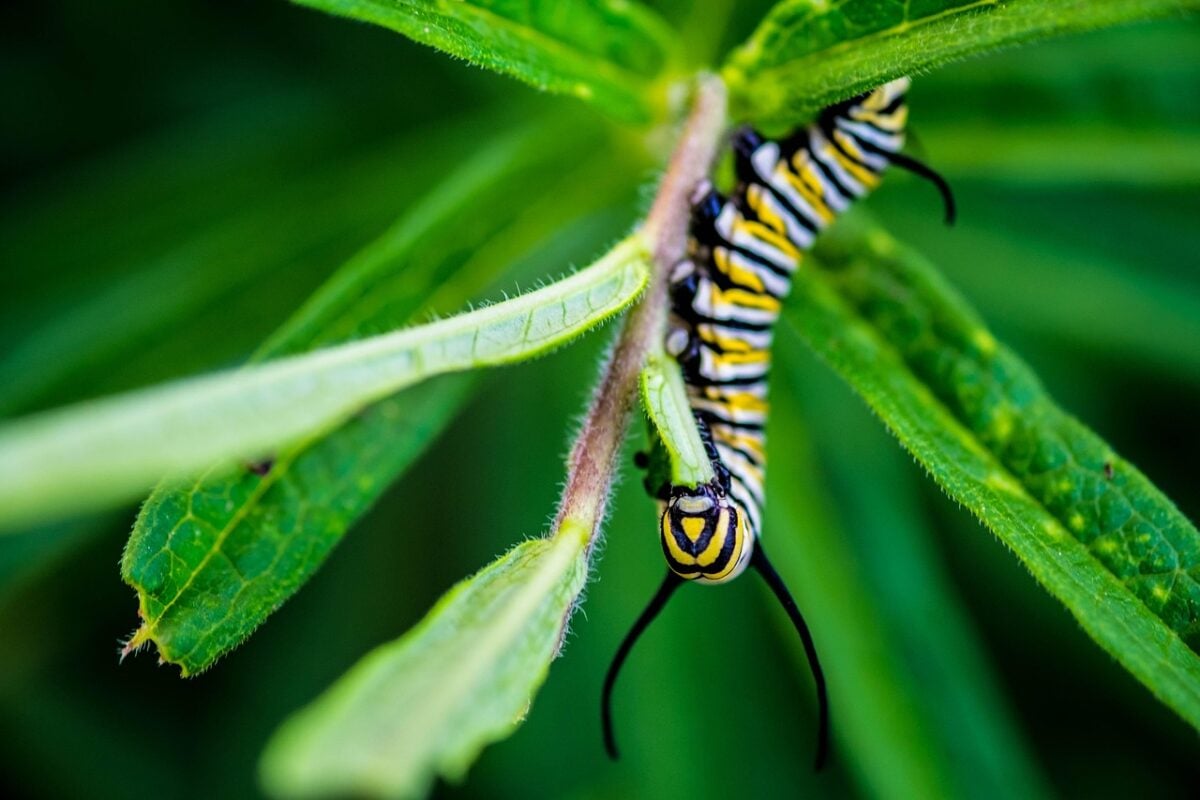
If you’ve ever planted a “butterfly garden” full of bright blooms, only to see a few quick fly-bys and not much else, you’re not alone. The surprising truth is that the flowers adult butterflies sip from are often not the same plants their caterpillars actually need to survive. You can have a yard overflowing with nectar and still be a desert for butterfly babies.
Once I understood that, my whole approach to gardening flipped. I stopped asking only what looks pretty to me and started asking what feeds the next generation. That’s when the magic started: more caterpillars, more chrysalises tucked into odd corners, and eventually far more butterflies than I ever saw when I focused just on flowers. Let’s dig into eight powerful native plants that quietly host caterpillars, even if the adults are off flirting with zinnias, coneflowers, and lantanas.
1. Native Oaks (Quercus species): The Powerhouse You Probably Overlook
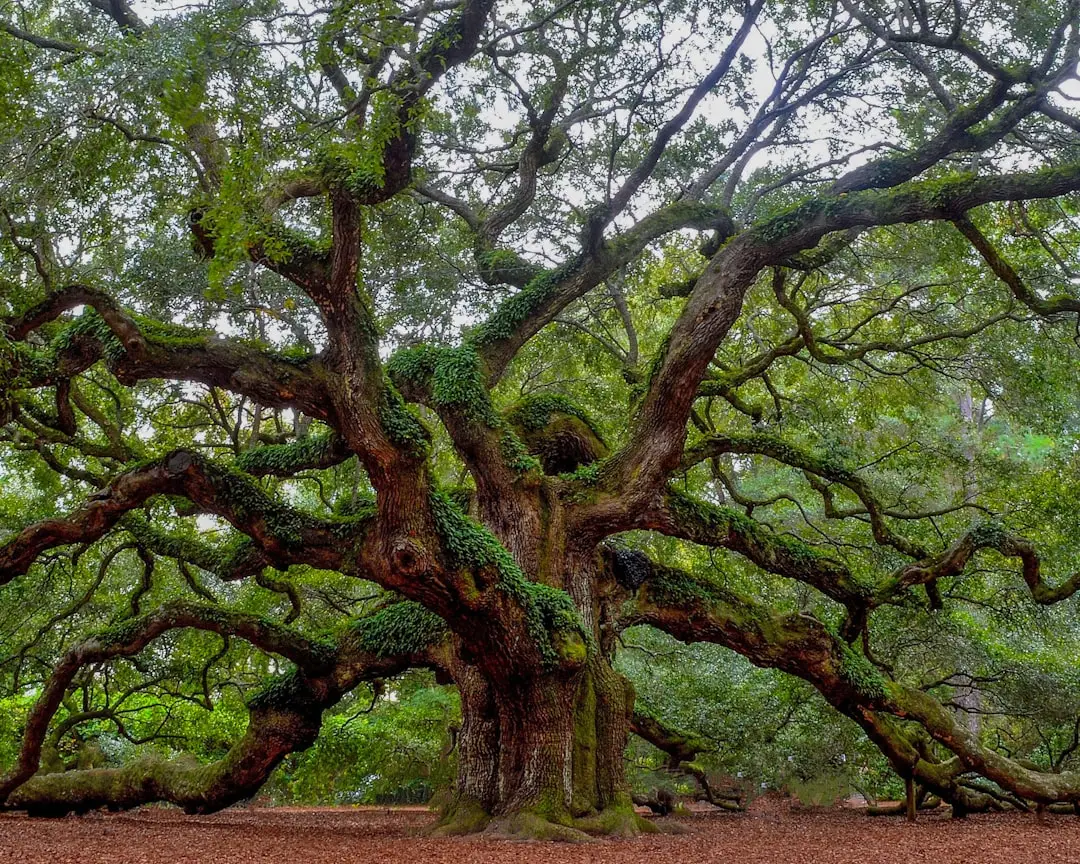
Here’s a wild thought: the single most important “butterfly plant” in many North American yards is not a flower at all, but a tree. Native oaks are the heavyweight champions of caterpillar host plants, supporting hundreds of moth and butterfly species, even though adult butterflies may be off nectaring on clover, asters, or garden perennials. To most people, an oak is just a big shade tree; to caterpillars, it’s a fully loaded grocery store.
What’s sneaky about oaks is that most of the action happens out of sight in the canopy. You might never notice tiny green or brown caterpillars blending into the leaves, but nesting birds certainly do, since they rely on this caterpillar bonanza to raise their young. From a gardener’s perspective, planting or preserving a native oak in your yard does more for butterflies than almost any flat of “pollinator” annuals ever will. It’s the quiet, long-game move that pays off year after year.
2. Milkweeds (Asclepias species): Monarch Nurseries in Plain Sight
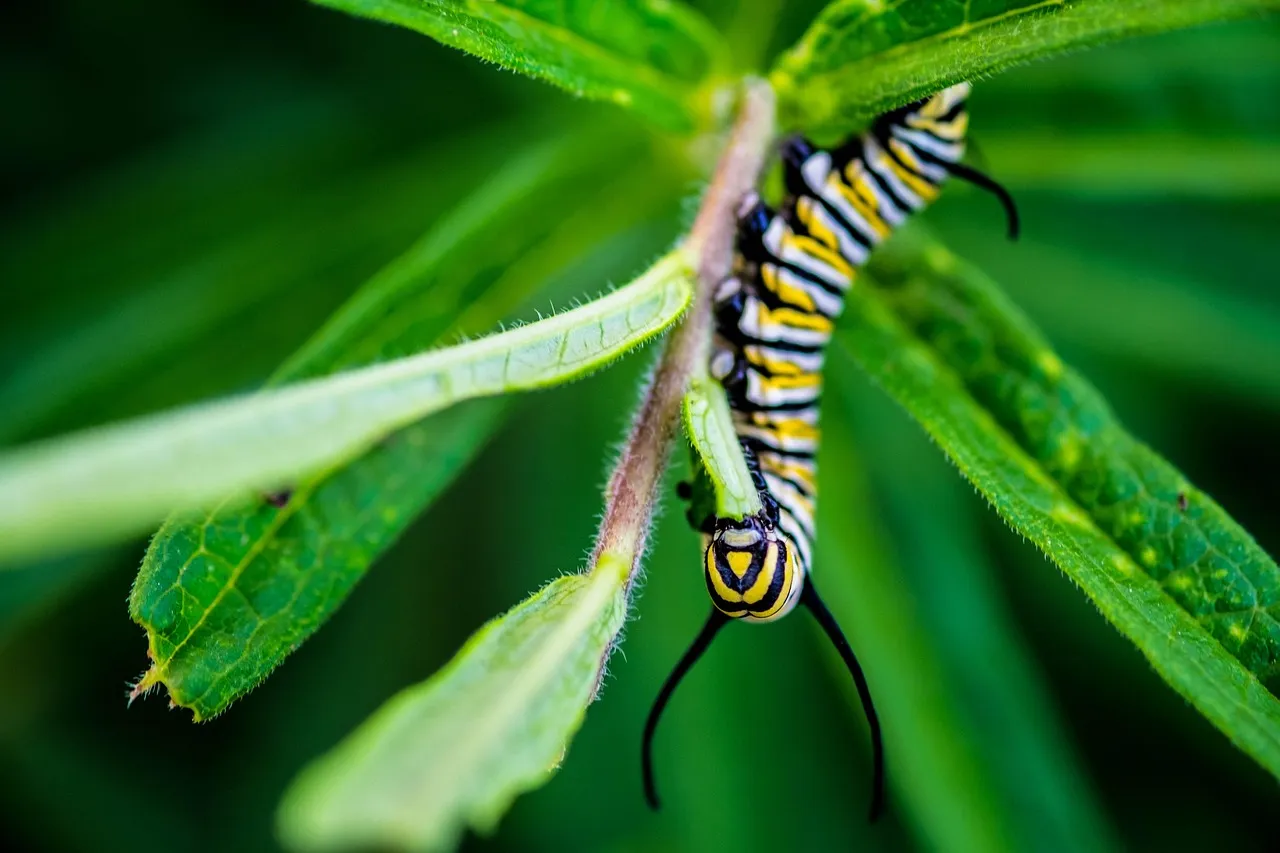
Milkweed is famous because of monarchs, but many gardeners still think of it only as a nectar plant. In reality, it’s the leaves, not the flowers, that make milkweed absolutely non‑negotiable for monarch caterpillars. Adult monarchs will happily nectar on all kinds of blooms in your yard, including nonnative favorites, but when it’s time to lay eggs, they must find milkweed or the next generation simply doesn’t happen.
Different native milkweeds fit different spaces: common milkweed for larger wild patches, swamp milkweed for damp spots or rain gardens, and butterfly weed for sunny borders that need a splash of color. I’ve watched monarchs skip right past my brightest nectar flowers to curl their abdomen around a single, nondescript milkweed leaf. The flowers might catch your eye, but it’s the foliage that quietly holds the future.
3. Native Willows (Salix species): Early-Season Lifelines
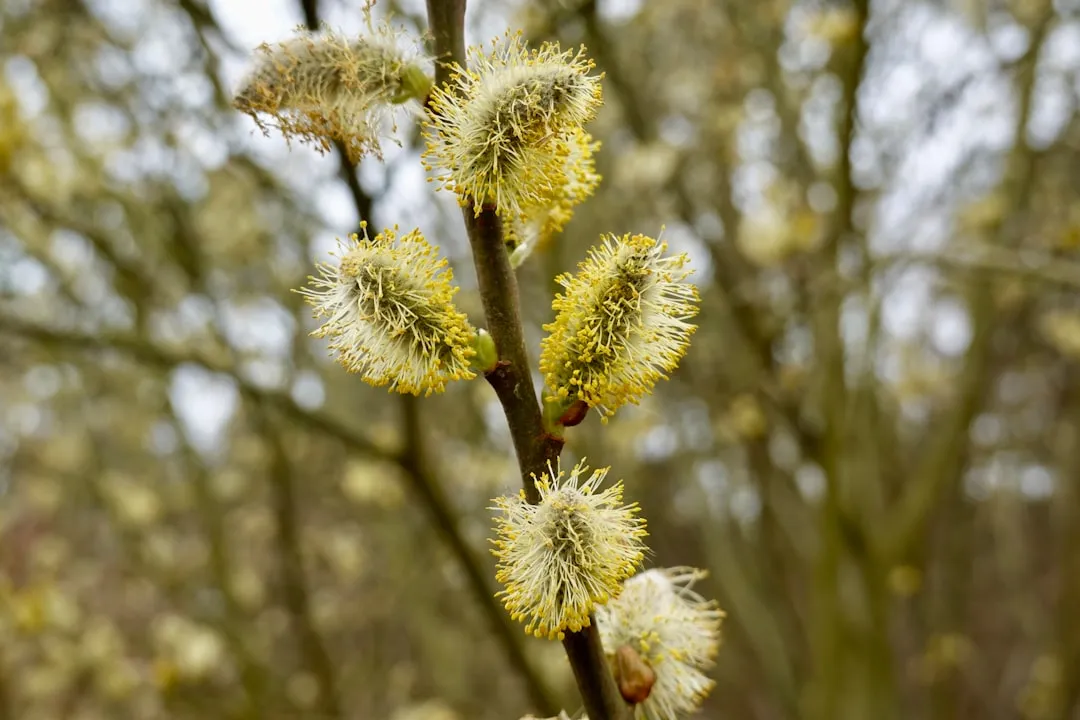
Willows are like an early-season breakfast buffet for caterpillars, especially in cooler climates where spring food can be scarce. While adult butterflies may be zipping around to dandelions, violets, or fruit tree blossoms, their caterpillars are often munching away on willow leaves nearby. Many species of mourning cloak, viceroy, and various moths depend heavily on willows as larval hosts.
What makes willows special is their timing and productivity. They leaf out early, they grow quickly, and they can handle a surprising amount of chewing without collapsing into a sad twig skeleton. A native willow shrub along a fence line or near a wet spot becomes this hidden nursery where life kicks off weeks before the flashy summer flowers show up. You may see catkins and think “pollen,” but caterpillars see shelter and sustenance.
4. Native Violets (Viola species): Tiny Flowers, Huge Impact
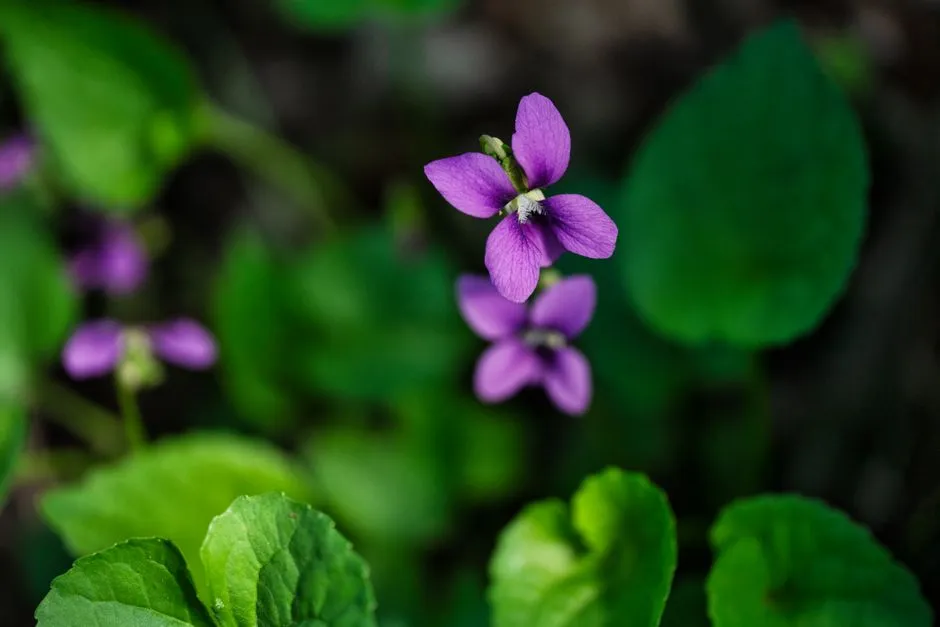
Violets often show up as little volunteers in lawns and shady corners, and many people treat them like weeds. But these modest plants are critical hosts for several fritillary butterflies, whose caterpillars are surprisingly specific in their tastes. The adults might be gliding over your garden sipping from coneflowers or bee balm, and you’d never guess that their babies are clinging to low violet leaves in the grass.
Because violets are small and can handle some foot traffic, they’re perfect for tucking into less formal areas: under trees, between stepping stones, or in a lightly managed lawn. Letting a patch of native violets flourish is one of the simplest, least fussy ways to support butterflies. It feels almost too easy: you stop fighting them, and suddenly your yard becomes vital habitat.
5. Native Grasses (Little Bluestem, Switchgrass, and Friends)
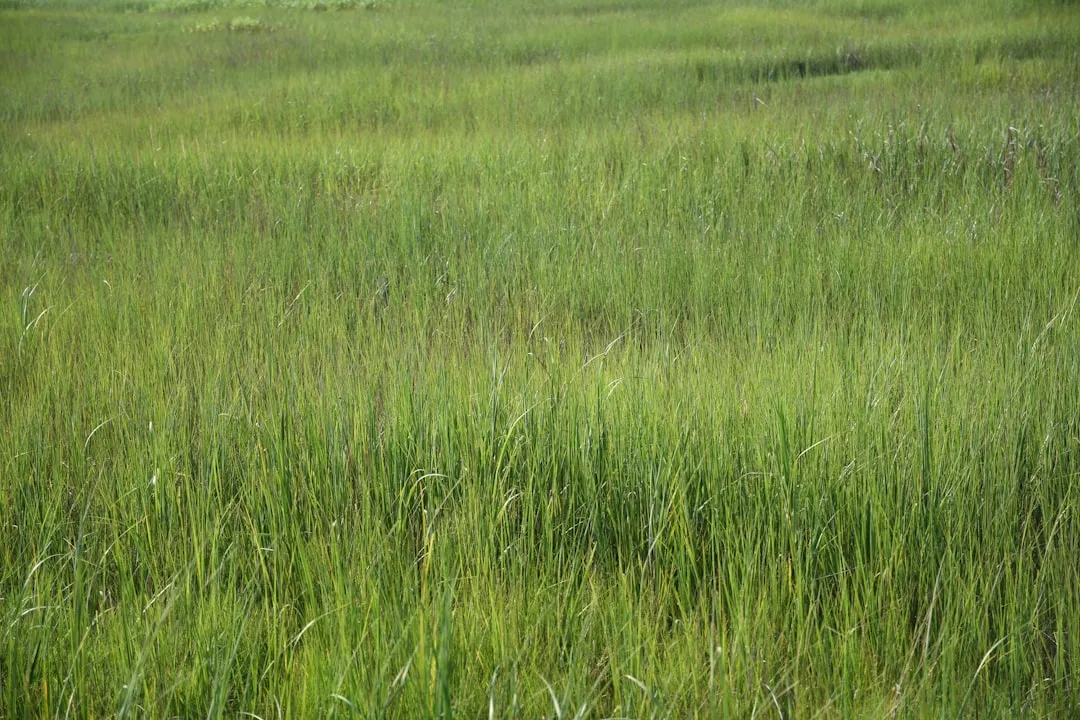
When people picture butterfly plants, ornamental grasses rarely make the list, but they should. Many skippers and other grass-feeding butterflies lay their eggs on native warm-season grasses like little bluestem, switchgrass, Indian grass, and side-oats grama. The adults may be visiting sedums, joe-pye weed, or garden phlox for nectar, while their larvae are tucked deep in grassy clumps, hidden from predators and lawn mowers.
I used to ignore grasses, thinking they were just background texture, until I realized they’re basically apartment complexes for caterpillars. Deep-rooted native grasses also hold soil, soak up stormwater, and sway beautifully in the wind. So when you swap a square of plain turf for a pocket of native prairie grasses, you’re not just adding “green stuff” – you’re building housing for a whole suite of lepidopteran tenants that your flowers alone could never host.
6. Spicebush (Lindera benzoin): The Shrub Behind the Show
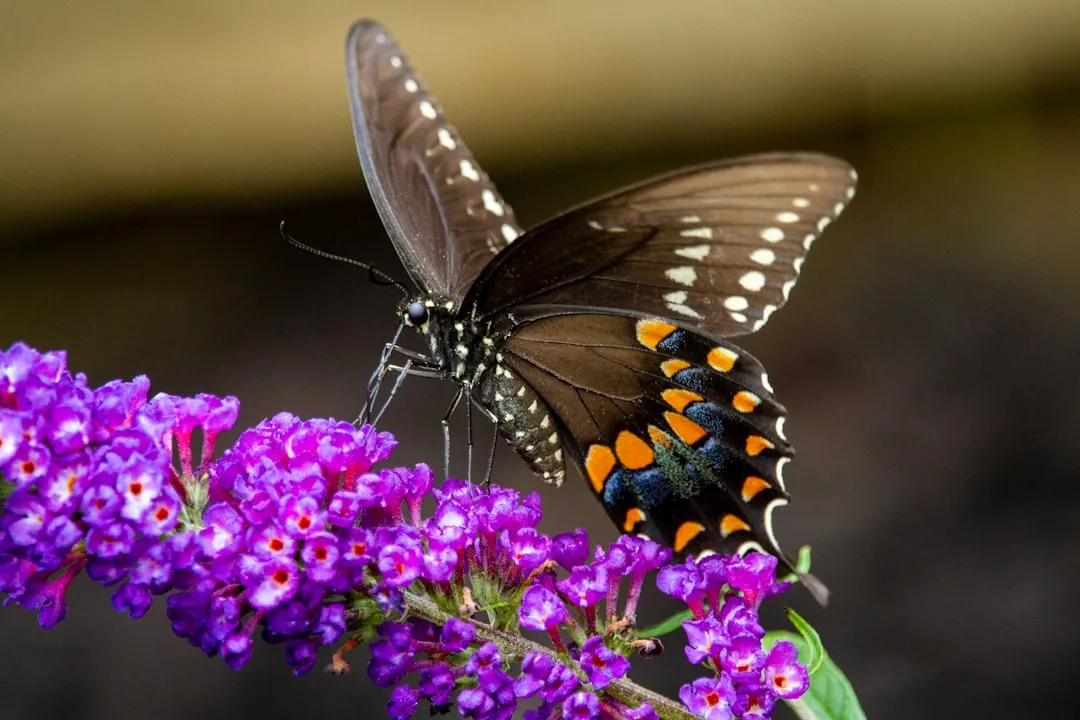
If you’ve ever seen a spicebush swallowtail with those electric blue and green markings, there’s a good chance its life started on a humble spicebush hidden in a woodland edge. Adult swallowtails often feed on popular nectar plants like milkweed, phlox, or butterfly bush, which can fool gardeners into thinking the flowers are what matter most. But their caterpillars are laser‑focused on certain native shrubs, with spicebush being one of the stars.
Spicebush is a flexible, shade-tolerant shrub that fits beautifully along property lines, in understories, or in semi-shady garden beds. It offers fragrant foliage, berries for birds, and crucial leaves for swallowtail larvae to curl up in. The first time I found a spicebush caterpillar disguised like a fake bird dropping on a leaf, it felt like discovering a secret level in a video game – the real story was happening behind the scenes all along.
7. Native Pawpaw (Asimina triloba): The Hidden Host for Zebra Swallowtails
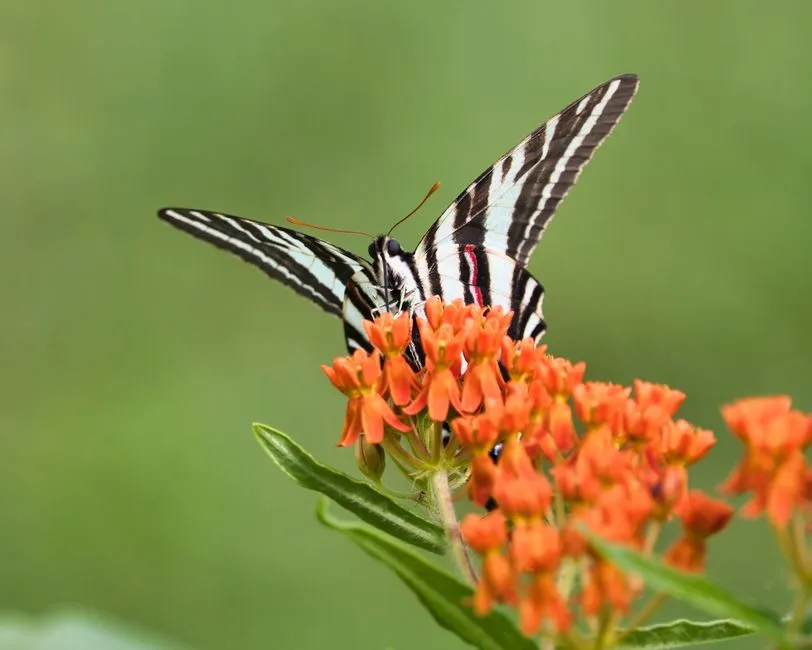
Pawpaw trees are having a bit of a moment because of their custard-like fruit, but they carry another, quieter claim to fame: they are the main larval host for zebra swallowtails. You might see these striking black-and-white butterflies nectaring on whatever is blooming nearby, from wildflowers to garden perennials, and never realize their caterpillars are picky eaters who depend strongly on pawpaw leaves.
Pawpaws fit well into small urban or suburban yards, especially if you plant a few together to encourage fruiting. They tolerate some shade, add a tropical-looking vibe, and, if you’re lucky, reward you with edible fruit as a bonus. From a butterfly perspective, though, even a single pawpaw is like placing a very specific welcome mat: you’re telling zebra swallowtails that your yard is not just a pit stop, but a place where they can build a family.
8. Goldenrods (Solidago species): Not Just Late-Season Nectar
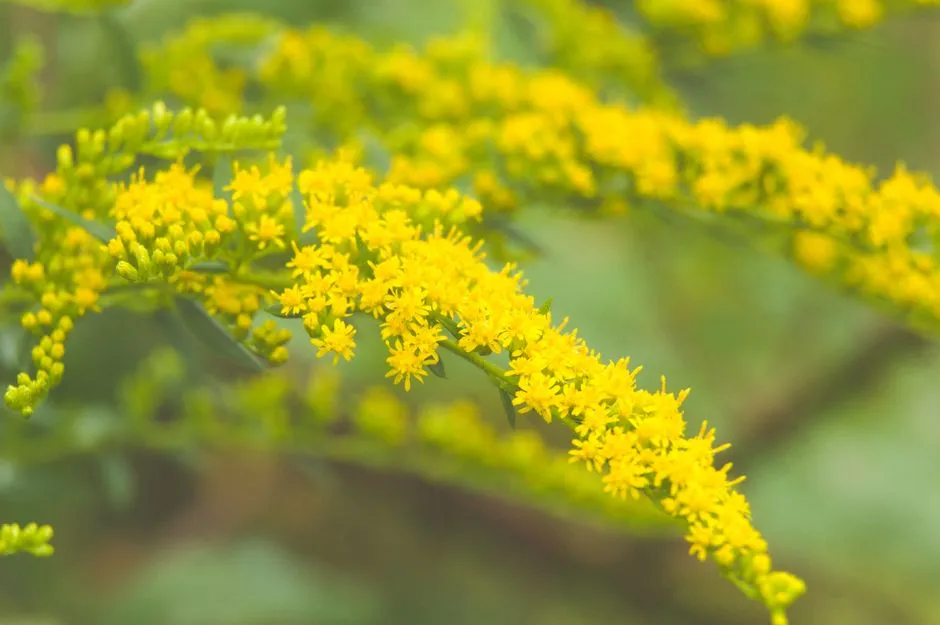
Goldenrod often gets mislabeled as the villain behind autumn allergies, even though wind-pollinated ragweed is usually the real culprit. Allergy myths aside, goldenrods are rock stars for both nectar and larval hosting. Adult butterflies flock to their golden plumes late in the season, but many moths and some butterfly species also use goldenrods as caterpillar host plants, chewing on the foliage long after the flowers have faded from your memory.
What I love about goldenrod is how it stitches together the end of the growing season. While other plants start to shut down, goldenrod explodes with color and activity, hosting everything from hungry caterpillars to migrating monarchs fueling up on nectar. Choose well-behaved native species or shorter cultivars, and you get a plant that looks beautiful, supports a crowd of insects at multiple life stages, and proves that one plant can be both a restaurant and a nursery at the same time.
Conclusion: Flowers Are the Party, Host Plants Are the Home
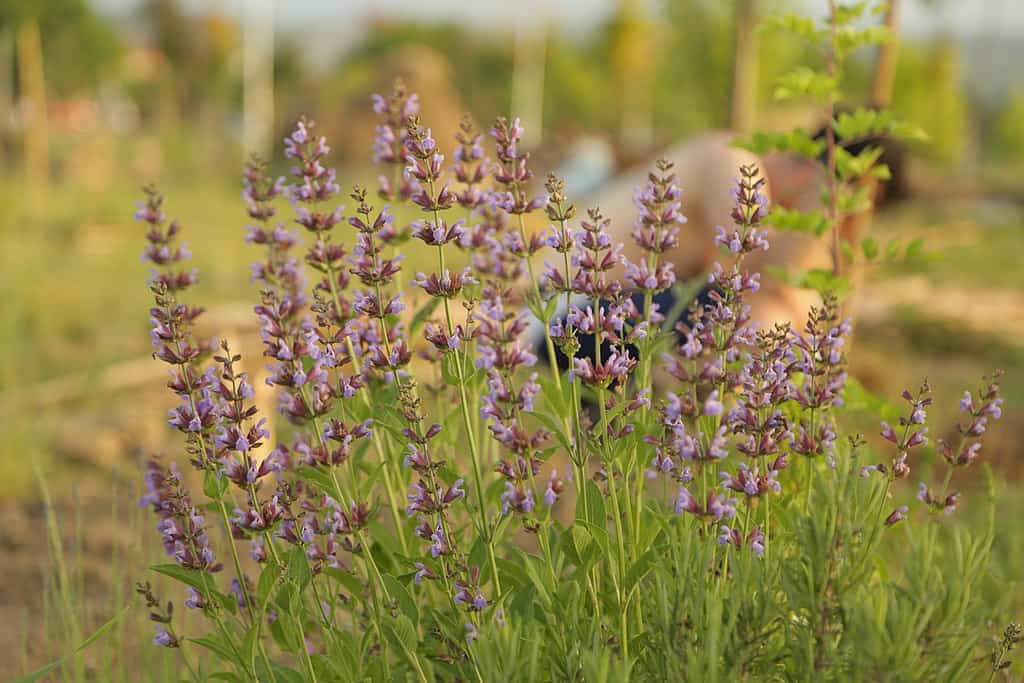
It’s tempting to judge a butterfly garden by how many blooms it packs into a small space, but that’s a bit like judging a neighborhood by the number of coffee shops while ignoring whether anyone can actually afford to live there. Nectar flowers are the party; host plants are the home. Without oaks, milkweeds, willows, violets, native grasses, spicebush, pawpaws, and goldenrods – or their local native equivalents – you’re throwing a beautiful event with no place for the guests to raise their kids.
My own opinion, after watching garden trends come and go, is that chasing flashy “pollinator” labels without digging into which plants host caterpillars is a dead end. The real flex in 2026 is a yard that might look a little wilder, a little more layered, and a lot more alive. If you start thinking like a caterpillar instead of just a color‑hungry shopper, your whole garden shifts from decor to ecosystem. When you look at your yard right now, do you see a buffet for adult butterflies – or a true home for their future generations?
