
There’s a moment almost every cat owner recognizes: your old cat skips a meal, sleeps a little longer, moves a little slower – and your stomach drops. Is this just what fifteen years old looks like? Or is this the quiet start of goodbye? Most people guess wrong in both directions, either panicking over totally normal aging or quietly explaining away a real crisis as “she’s just getting old.”
The unsettling truth is that normal senior slowdown and true end-of-life decline can look almost identical for weeks – until you know exactly where to look. Veterinarians and hospice-minded cat guardians watch for very specific patterns, not vague feelings, and once you see the 18 differences below, you’ll never look at “just getting old” the same way again.
#18 – Energy Dips vs. Sudden Crashes
A healthy senior cat slows down in gentle, gradual layers, not a cliff-drop. They nap more, play in shorter bursts, and skip the midnight zoomies – but they still have predictable “up” times, especially around mealtime or a favorite toy. You’ll still catch them at the window in the morning light or curled on your lap by nine. If they still choose to engage with you a few times a day, you’re probably watching normal aging, not the final chapter.
End-of-life energy loss looks nothing like that gentle fade. It’s a sudden, noticeable crash – the cat who used to greet you at the door now barely lifts her head. She sleeps almost constantly, and when she is awake, she seems too exhausted to move more than a few steps. There’s no “good time of day” left anymore, and that steep, sudden drop is a red flag no one should quietly blame on age.
#17 – Normal Weight Loss vs. Wasting Away
Some senior cats slim down slightly as metabolism shifts and muscle naturally thins with age. If your vet has run blood work, ruled out disease, and your cat’s weight has settled into a stable, narrow range, that mild leanness is often just a normal part of growing older. Their coat might hang a little looser, but there’s still some padding over the spine and hips, and they’re eating reasonably well.
End-of-life weight loss looks and feels brutal by comparison. You’ll notice sharp bones, sunken hips, a bony spine, and a hollow, “hangy” belly with almost no substance left. The head can even take on an angular, almost owl-like shape. Even if the cat is still eating, the weight keeps disappearing – a condition called cachexia that often signals cancer, advanced kidney disease, or heart failure – and rapid, relentless weight loss like this is your cue to call the vet today, not next month.
Fast Facts
- Cachexia is muscle and fat loss driven by disease, not by diet.
- It’s often linked to cancer, kidney failure, or heart failure.
- It can occur even while the cat is still eating.
- Watch for a sunken belly, a visible spine, and an angular, “owl-like” face.
#16 – Occasional Stiffness vs. Reluctance to Move at All
Arthritis in older cats is almost criminally under-diagnosed, so a little hesitation is common and usually harmless. A senior cat may think twice before jumping onto the couch, take the long way around, or use a step stool you added – but she still gets there, especially when treats or you are the reward. That kind of cautious, calculated movement is typical of aging joints, not necessarily a sign the end is near.
In a final season, pain or weakness can reach a point where a cat avoids movement entirely, even when highly motivated. She might stay frozen in one spot for hours, soil herself because the walk to the litter box hurts too much, or cry out the moment you pick her up. This isn’t just “slow” anymore – it’s distressed, fearful movement, and when her body is clearly trapping a mind that still wants to move, that’s a very different conversation about quality of life.
#15 – Senior Quirkiness vs. True Disorientation
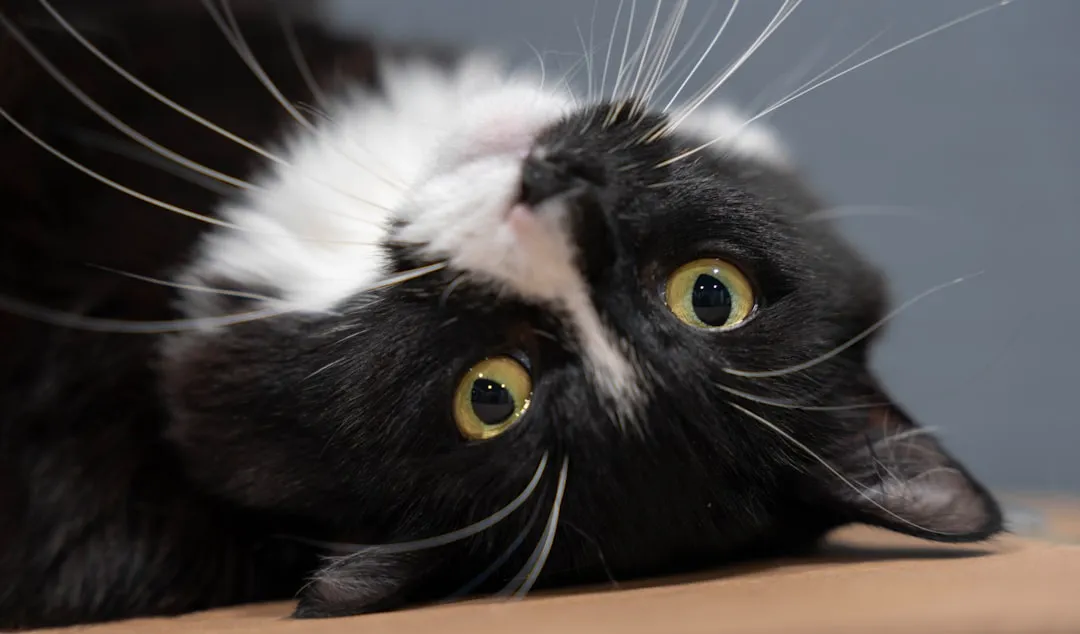
Older cats can turn into real characters. They might meow more, demand food at 4 a.m., or invent new routines that drive you a little crazy. As long as they’re consistent, responsive, and oriented – they know exactly where the food bowl is, who you are, and where the bed sits – that’s classic senior attitude, not cognitive decline.
End-of-life cognitive changes, especially feline dementia, look like something else entirely: true confusion. The cat stares blankly at walls, gets physically stuck in corners, forgets where the litter box lives, or seems lost in the home she’s lived in for a decade. She may wander and cry out at night or seem startled when you simply walk toward her. If your cat suddenly looks like she’s in a stranger’s house, that’s not personality – it’s often a sign she’s entering her final chapter, even if her body still looks fine.
#14 – Normal Napping vs. “Checking Out”
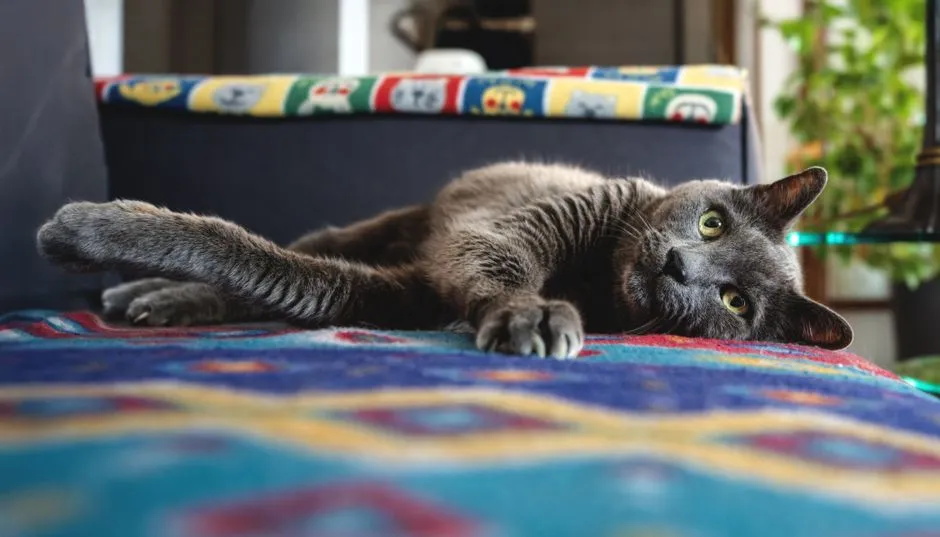
Senior cats sleep a lot – 16 to 18 hours a day isn’t unusual, and that alone isn’t a warning sign. What actually matters is how they wake up. A normally aging cat still rouses the moment you open a can, shake the treat bag, or sit down in their favorite chair; their eyes brighten, their ears swivel, and they choose to interact, even briefly.
A cat in its final season doesn’t just sleep more – she starts to “check out.” You call her name and get almost no reaction. Food being served no longer excites her, and her eyes can look dull or oddly far away, like she isn’t fully present anymore. Some guardians describe it as watching their cat leave in small pieces, and when the world stops reaching her even through the things she used to love, that’s a powerful sign of major decline.
#13 – Manageable Picky Eating vs. Near-Total Loss of Appetite
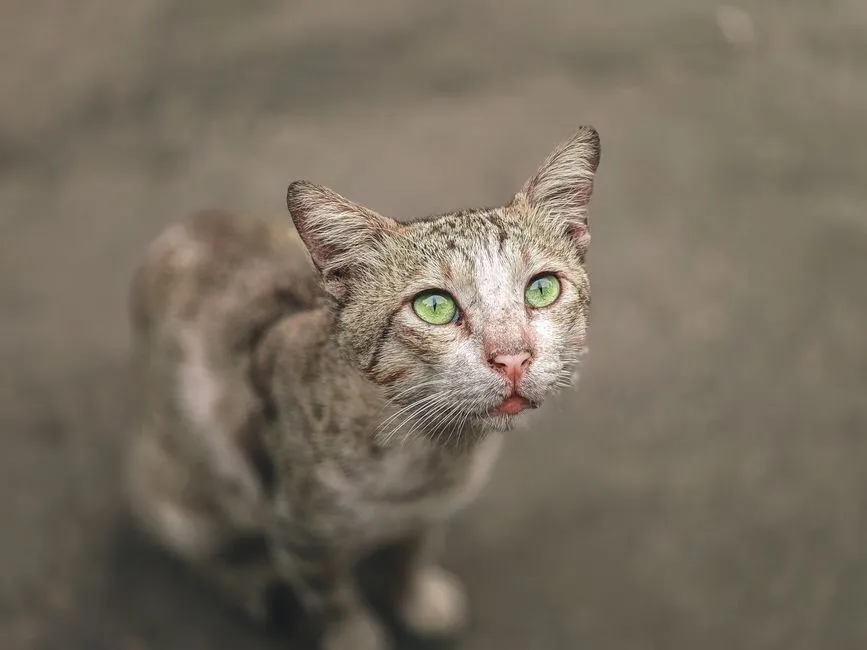
Plenty of older cats turn into food critics almost overnight. They’ll reject yesterday’s favorite flavor, demand their food warmed, or only accept certain textures – annoying, but it still shows real interest in eating and real pleasure in food. If they eventually eat enough to hold their weight once you adjust the menu, that’s finicky, not fatal.
End-of-life appetite loss looks completely different. Your cat may:
- Sniff food and simply walk away.
- Lick it once or twice, then stop.
- Ignore even “forbidden” foods like tuna or chicken that used to send her running.
This isn’t a taste complaint – it’s the body shutting down the desire to eat entirely, and prolonged anorexia in cats can trigger fatty liver disease on top of whatever illness is already at play. If your cat has eaten almost nothing in 24 to 48 hours, that’s an emergency, not a wait-and-see situation.
#12 – Simple Litter Box Mishaps vs. Losing Toilet Control
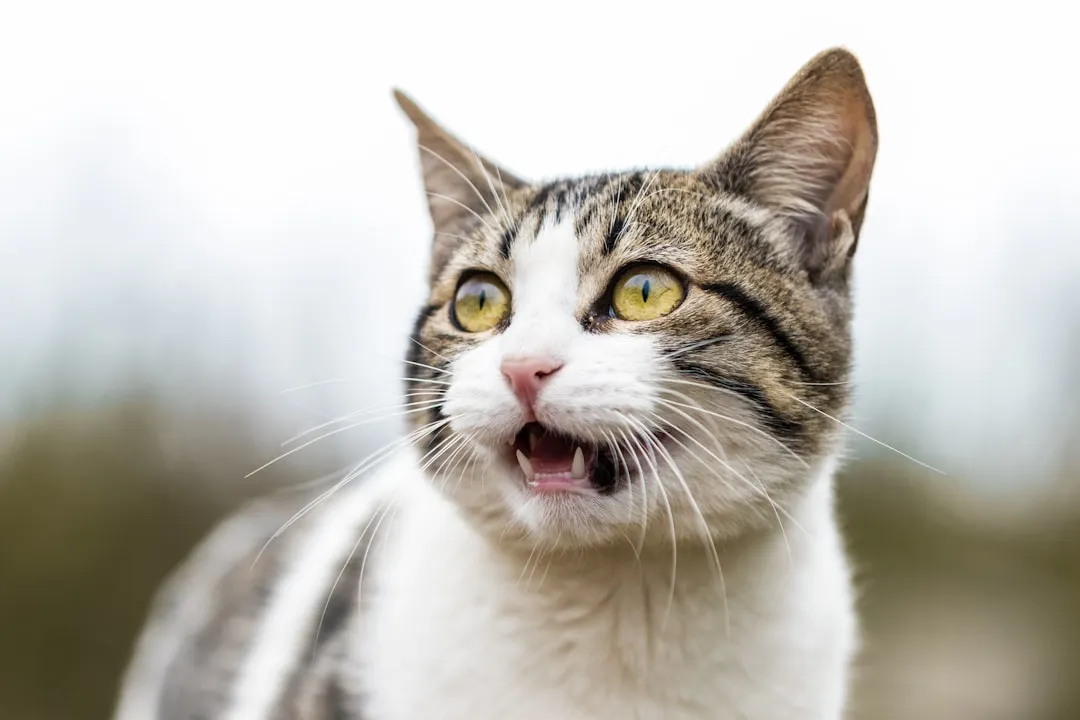
As cats age, occasional accidents happen. Arthritis can make a tall-sided box painful to climb into, or dim vision can make it harder to find in a dark hallway at night. These cats usually still try – heading toward the box, missing just outside it, or struggling with the step-in – and simple fixes like lower sides or an extra box nearby often solve it.
In a final season, the pattern changes completely: true loss of control or total disinterest in toileting norms. The cat may:
- Urinate or defecate right where she’s lying.
- Seem completely unaware she’s soiled herself.
- Stand and leak urine without even attempting to squat.
Sometimes she’s simply too weak to make the trip; other times kidney failure or neurologic disease is disrupting normal function altogether. When a previously tidy cat repeatedly soils herself and can’t seem to help it, that’s usually late-stage decline, not “just being old.”
#11 – Mild Breath Changes vs. “Something Is Really Wrong” Smells
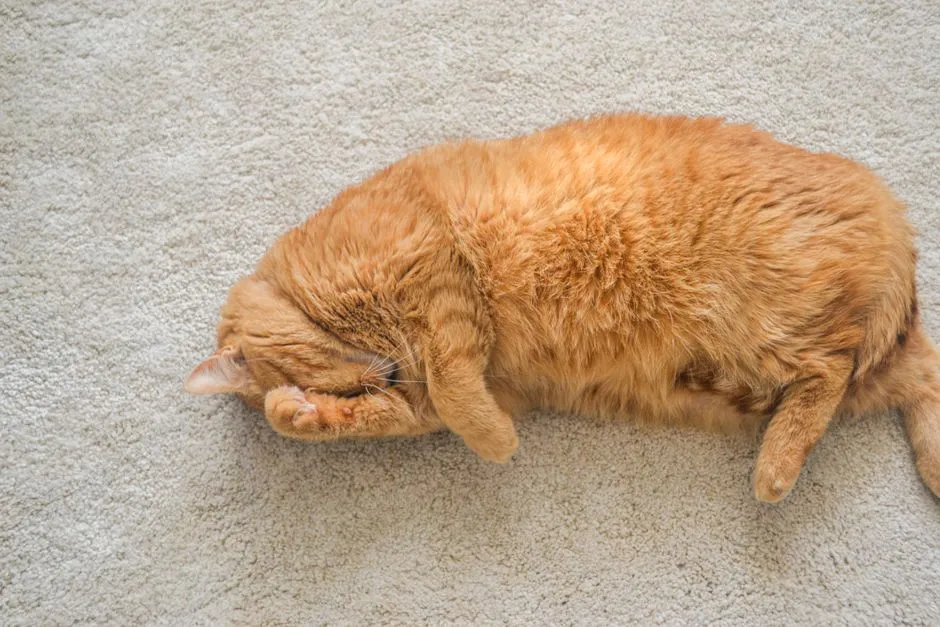
Older cats can develop slightly fishy or stale breath, especially alongside dental tartar buildup. It’s unpleasant, sure, but it tends to stay moderate and fairly consistent, and a professional dental cleaning plus home care often clears it right up. That’s normal senior maintenance, not a sign the end is near.
End-of-life breath and body odor are hard to mistake for anything else. Severe dental disease, oral tumors, kidney failure, and systemic infection can produce a rancid, ammonia-like, or rotten-meat smell that lingers even with the mouth closed. You may also notice a generalized “sick” odor around the whole body, especially if the coat has turned greasy and unkempt. While the internet loves jokes about “stinky old cats,” experienced owners know that a sudden, profoundly wrong smell that doesn’t improve is often a sign the underlying disease has advanced.
Worth Knowing
- Severe dental disease or oral tumors can cause a lingering, rotten-meat smell.
- Kidney failure often produces an ammonia-like odor on the breath.
- Systemic infection can create a generalized “sick” body odor, not just bad breath.
- A greasy, unkempt coat paired with a strong smell usually points to a bigger underlying issue.
#10 – Slower Grooming vs. Giving Up on Self-Care
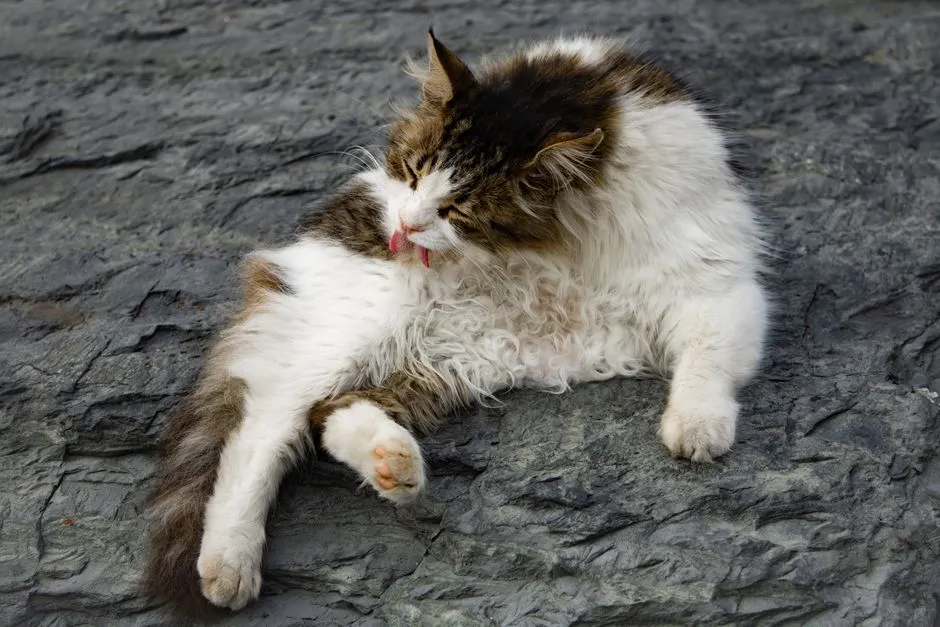
It’s common for older cats to groom a little less thoroughly, leaving small mats in hard-to-reach spots like the lower back or hips. You’ll see mild dullness or a few tiny knots, but overall they still look like they’re trying, and most still accept – even enjoy – a good brushing session.
When a cat is nearing the end, grooming can stop almost completely. The coat turns greasy, clumped, flaky, or heavily matted, and you may find feces or urine caught in the fur along with long-standing eye or nose crusts – a genuinely neglected look, even though you love this cat fiercely. This isn’t you failing her; it’s her body failing her. Cats are naturally fastidious, so when they no longer have the energy or will to keep themselves clean, it’s almost always a serious quality-of-life warning.
#9 – Normal Senior Vocalizing vs. Distress Calls
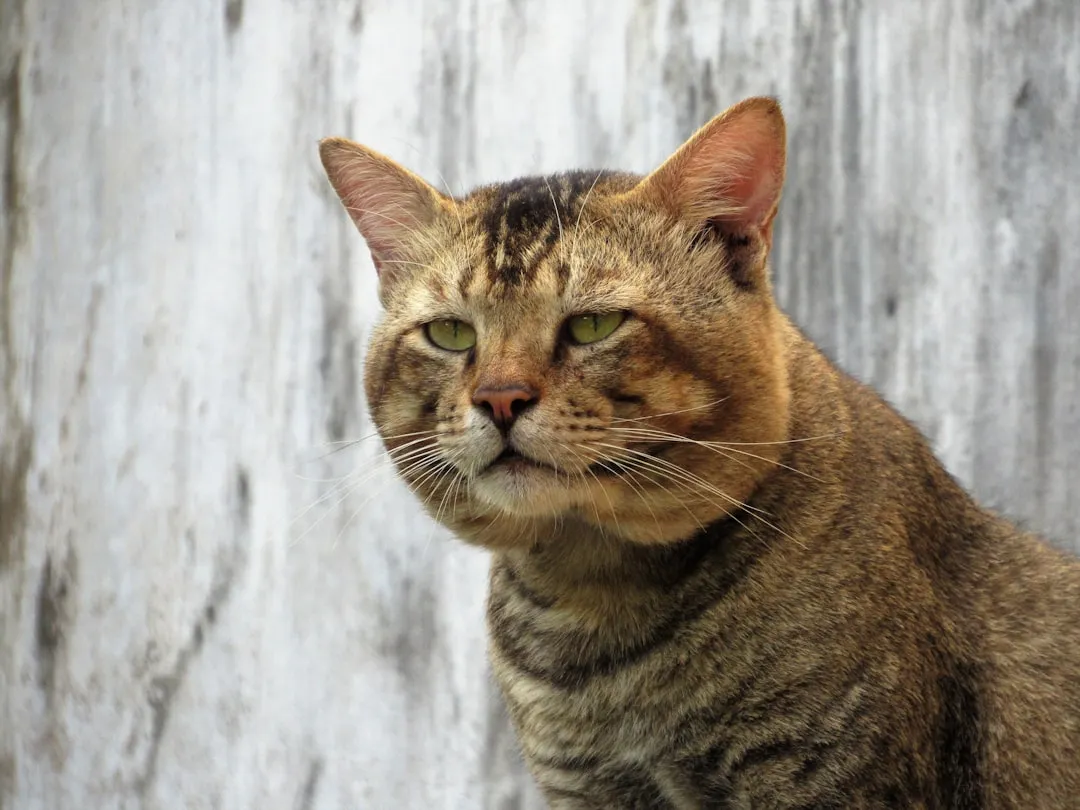
Some cats simply get louder with age – the yowling “feline grandpa” demanding dinner at odd hours is practically a meme at this point. If your senior meows more but settles the moment you respond, feed, or pet him, that’s often just a personality shift, hearing loss, or plain old boredom.
End-of-life vocalizing carries a completely different tone: hoarse, weak, or broken; repetitive and inconsolable; a deep, mournful wail instead of a simple request. These cries often show up at night and don’t stop no matter how much you comfort him, and pain, cognitive dysfunction, high blood pressure, or organ failure can all be behind it. If your gut says “this sounds like suffering, not sass,” trust it – that’s not old-and-demanding, that’s a cat telling you something is very wrong.
#8 – Senior Moodiness vs. Persistent Irritability or Pain
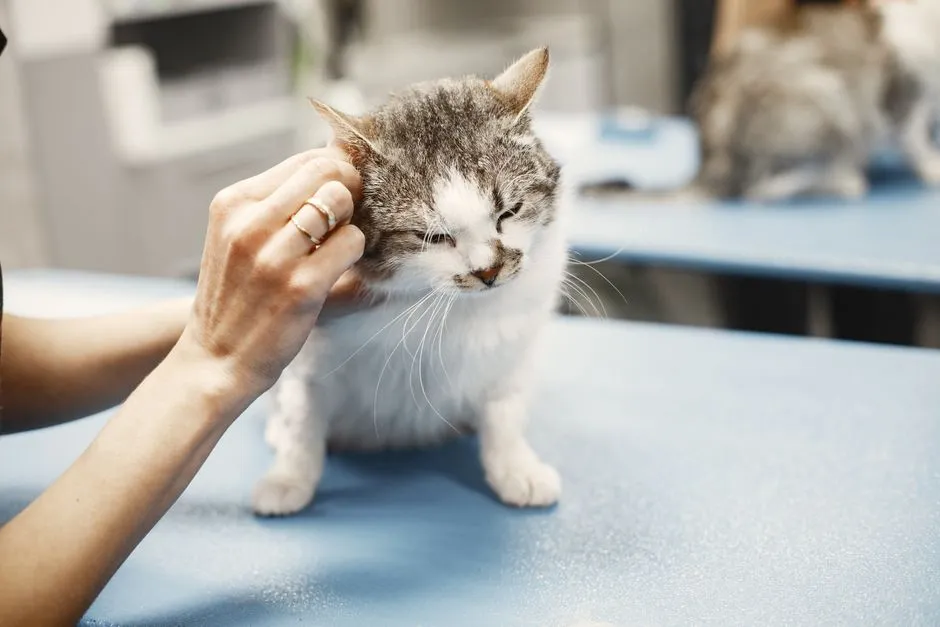
Older cats, like older people, can get a little cranky. They may tolerate less rough play, want shorter petting sessions, or swat if you touch a sore joint by accident. But in between those moments, they still seek closeness, still purr, still show their usual affection – the personality is intact, only the boundaries have shifted.
In a final season, irritability often becomes constant or extreme. A once-sweet cat might hiss when you approach, avoid touch entirely, or lash out unpredictably even when you’re being gentle – not because she’s turned mean, but because chronic, poorly controlled pain or nausea has taken over. If your cat seems miserable more than she seems herself, that’s not grumpy-old-man energy anymore; it’s a major welfare concern, and waiting too long out of guilt often just means she suffers longer than she needed to.
#7 – Stable Chronic Illness vs. Uncontrolled Disease
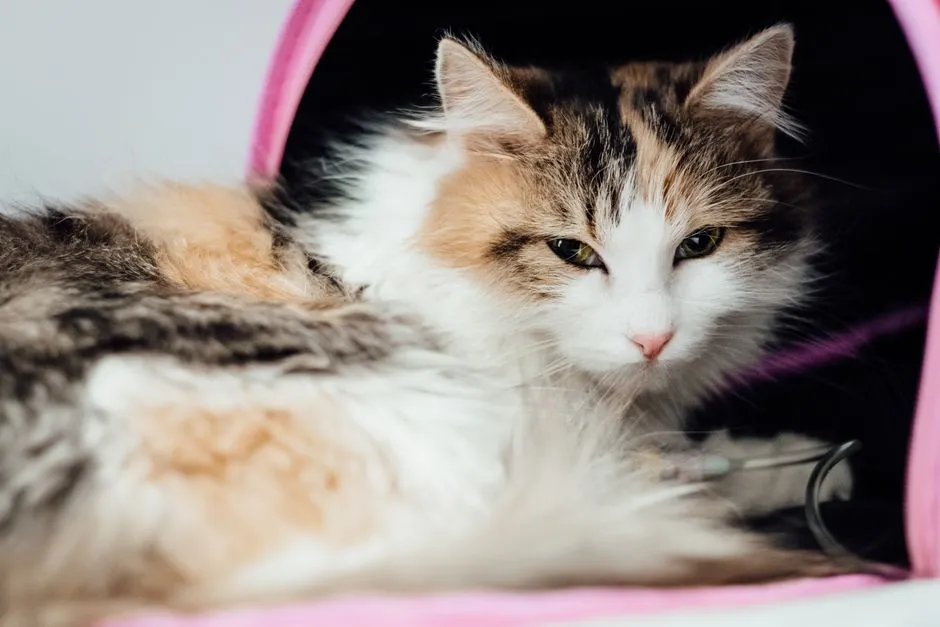
Lots of senior cats live with diagnoses like kidney disease, hyperthyroidism, or diabetes for years. With proper treatment, their labs may be abnormal but stable, their weight steady, and their behavior close to normal – an “older but managed” cat, not a dying one. Regular vet visits, medication, and diet adjustments can keep this version of a cat comfortable for a long time.
A cat in its final season often has disease that simply stops responding to treatment. Kidney values may skyrocket despite fluids and diet changes, diabetes becomes impossible to regulate, or cancer keeps progressing even with therapy. Every medication tweak buys less time, and the side effects start outweighing the benefits. When the disease is driving the day instead of you, and good days shrink to almost none, you’ve crossed out of normal aging and into end-of-life territory.
Quick Compare
- Managed illness: labs abnormal but stable; weight holds steady.
- Uncontrolled illness: values worsen despite treatment adjustments.
- Managed illness: medication keeps behavior close to normal.
- Uncontrolled illness: every tweak buys less time, and side effects outweigh the benefits.
#6 – Occasional Off Day vs. A New, Worse “Normal”
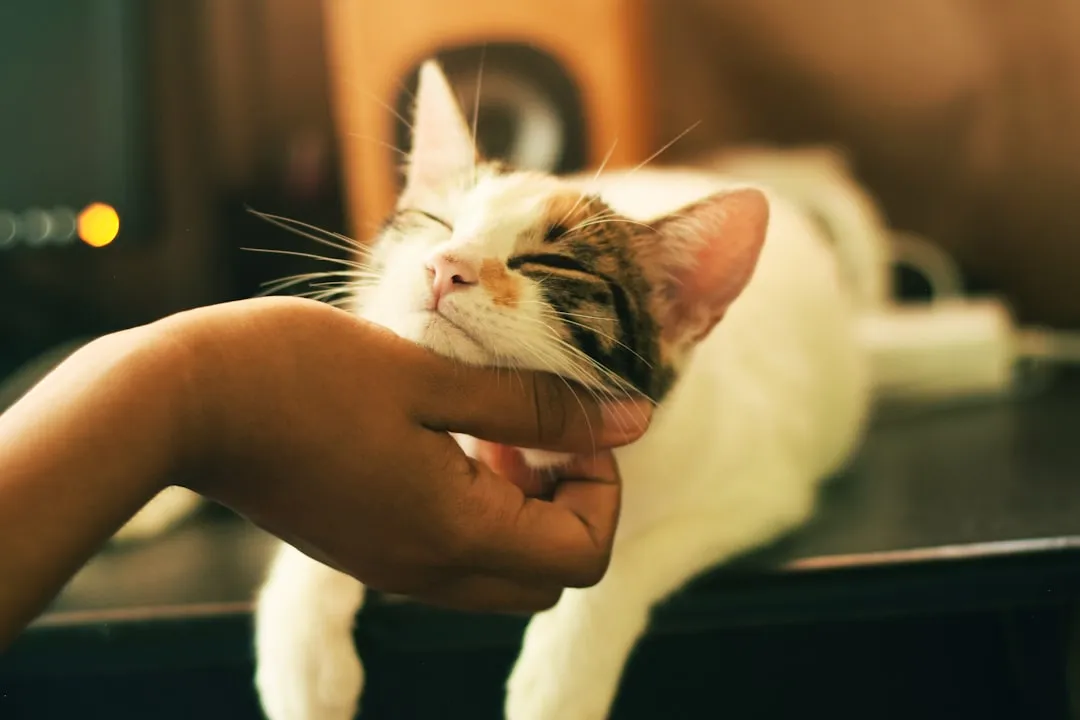
Even healthy cats have bad days – a little vomiting after eating too fast, a sleepy afternoon after a big play session, minor tummy upset that clears on its own. The defining feature of a simple off day is clear improvement within a day or two: appetite returns, energy rebounds, and the old personality is back like nothing happened.
End-of-life decline almost never snaps back like that. Instead of one bad day, you get a string of bad weeks, maybe with tiny “better” moments sprinkled in that never quite return to the old baseline. Guardians often describe it the same way: “We kept waiting for her to bounce back, but she never really did.” When the good days become rare surprises instead of the rule, you’re not looking at a rough patch anymore.
#5 – Normal Aging Eyes vs. “Something’s Off” in the Gaze
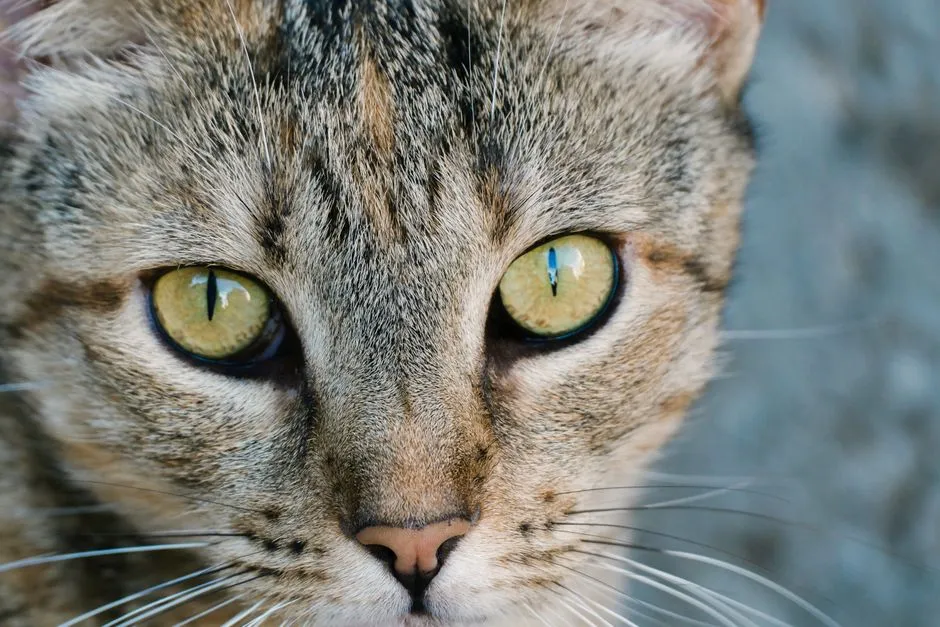
Older cats can develop slightly cloudy eyes or visible lens changes, and their pupils may react a touch slower to light. Vision declines gradually, but they still track movement, still recognize you, and still navigate familiar rooms – maybe hugging the walls a bit more or avoiding a dark staircase at night.
End-of-life eye changes feel more unsettling. You might see:
- Permanently dilated pupils that barely respond to light.
- A vacant, unfocused gaze.
- Eyes that look sunken or oddly bright and glassy.
Sometimes this points to high blood pressure, neurologic trouble, or severe systemic illness. What unnerves most owners is simpler than any diagnosis – their cat’s eyes no longer look “present.” When the eyes stop participating in the relationship entirely, that can be a late-stage marker, especially alongside other serious signs.
#4 – Weathering Stress vs. Crashing from Small Changes
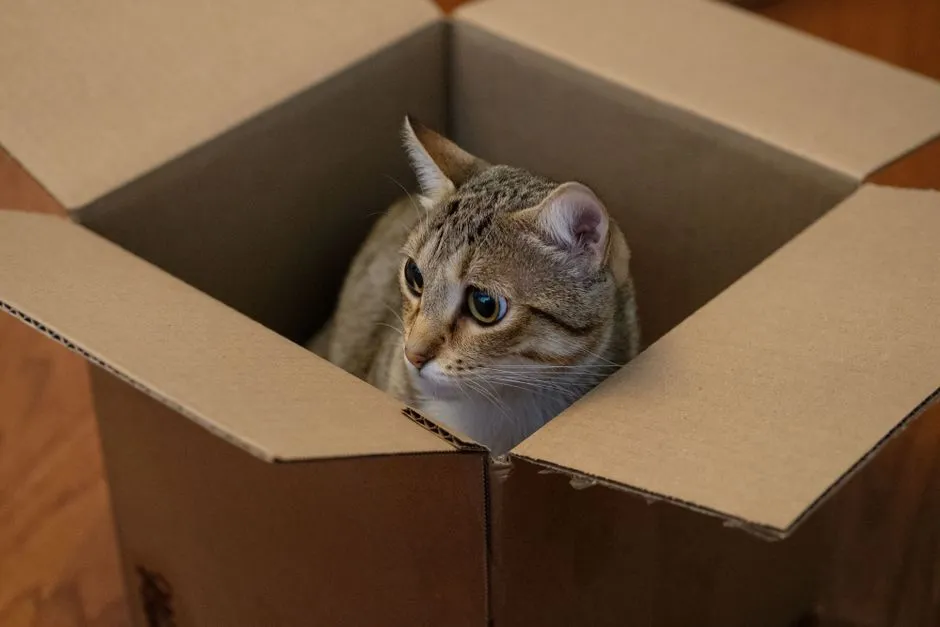
Aging cats may handle stress a little less gracefully, but they usually recover. A vet visit, new furniture, or a houseguest might trigger some hiding or a skipped meal, but within a few days they’re back to their normal selves – resilience slower, not gone.
End-of-life bodies often can’t buffer stress at all. A simple car ride can trigger days of extreme fatigue, appetite loss, or breathing trouble, and a minor infection can spiral into a full systemic crisis. Even basic grooming or a nail trim can feel like more than the body can handle, as if the whole system is running on fumes. When every small event produces an outsized, long-lasting crash, you’re no longer looking at a robust senior but a fragile, end-stage cat.
#3 – Senior Slowing vs. Visible Struggle to Breathe
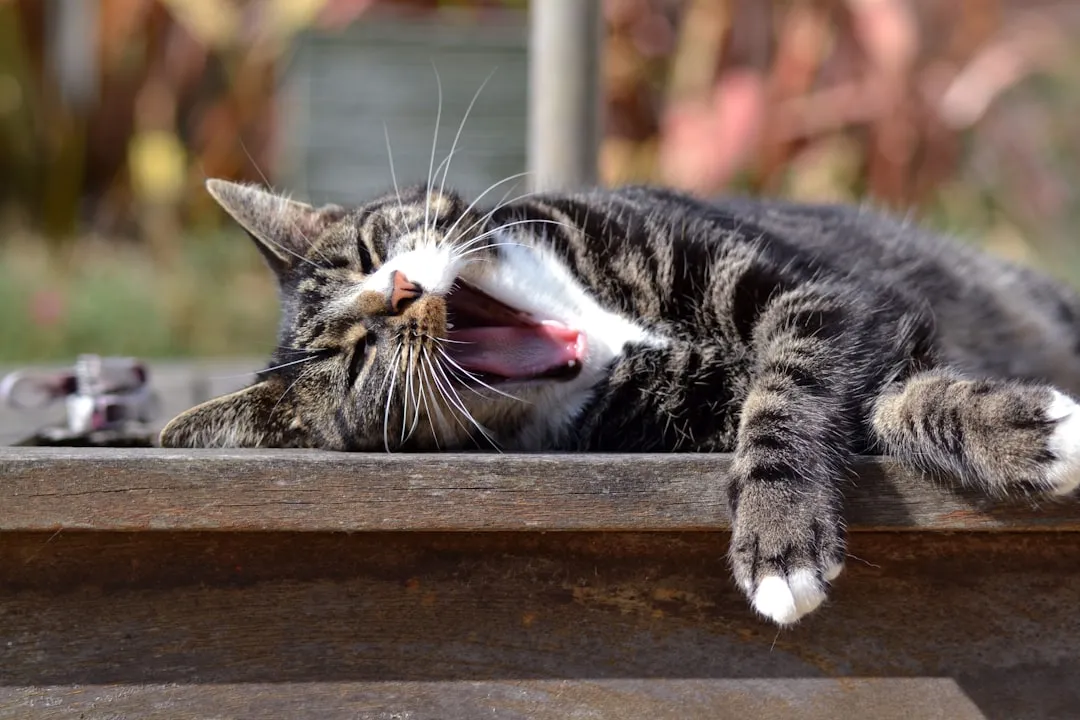
Older cats may pant after intense play or a stressful car ride, especially if they’re overweight or anxious, but that kind of breathing stops the moment they calm down. At rest, a healthy cat breathes quietly, at a normal rate – typically under about 30 breaths per minute while sleeping – with no visible effort at all.
In the final season, respiratory effort can become the loudest alarm bell of all. You might see:
- Rapid, shallow breaths at rest.
- Open-mouth breathing.
- Sides or belly heaving visibly.
- Nostril flaring or the neck stretched out while lying down.
This isn’t “a bit out of shape” – it can mean heart failure, lung disease, fluid in the chest, or severe anemia. Any cat struggling to breathe belongs on the emergency track immediately, not the watch-and-wait track. In many cases, this is exactly where the kindest choices start to come into view.
At a Glance
- Normal resting breathing: quiet and effortless, under about 30 breaths per minute while asleep.
- Warning signs: open-mouth breathing, visible belly heaving, flared nostrils.
- A stretched-out neck while lying down can signal the body is struggling for air.
- Labored breathing at rest warrants an emergency vet visit, not a wait-and-see approach.
#2 – Clingy Senior vs. A Cat Preparing to Withdraw
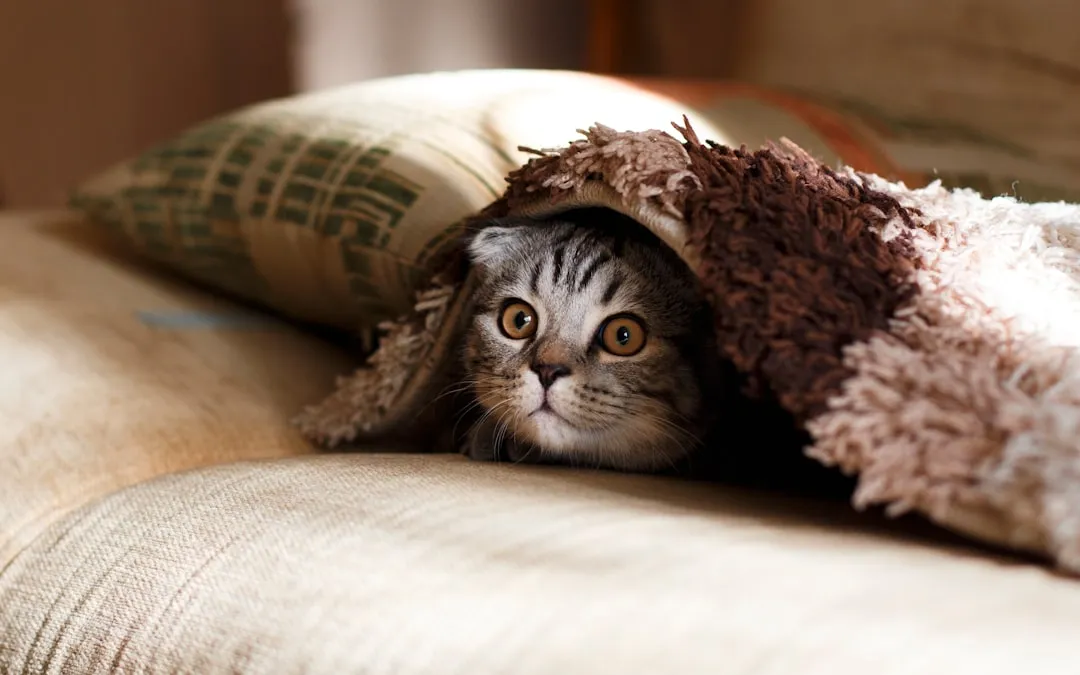
Some senior cats turn into total velcro companions – following you room to room, crying if you shut a door, insisting on sleeping directly on your chest. As long as they otherwise seem engaged and comfortable, that extra clinginess usually reflects anxiety, sensory changes, or simply knowing exactly where safety lives now.
Near the end, many cats take the opposite path: they withdraw to quiet, hidden places and resist being moved. The classic image of a cat “going off to hide” isn’t a myth – it’s a deep survival instinct. While not every dying cat hides, a sudden, strong pull toward isolation, especially in a cat who used to be clingy, often signals the body is shutting down. When your presence no longer soothes but seems to exhaust or irritate her, she may be shifting from needing you physically to simply needing you to shield her from more suffering.
#1 – A Life Worth Living vs. Days That Are Mostly Suffering
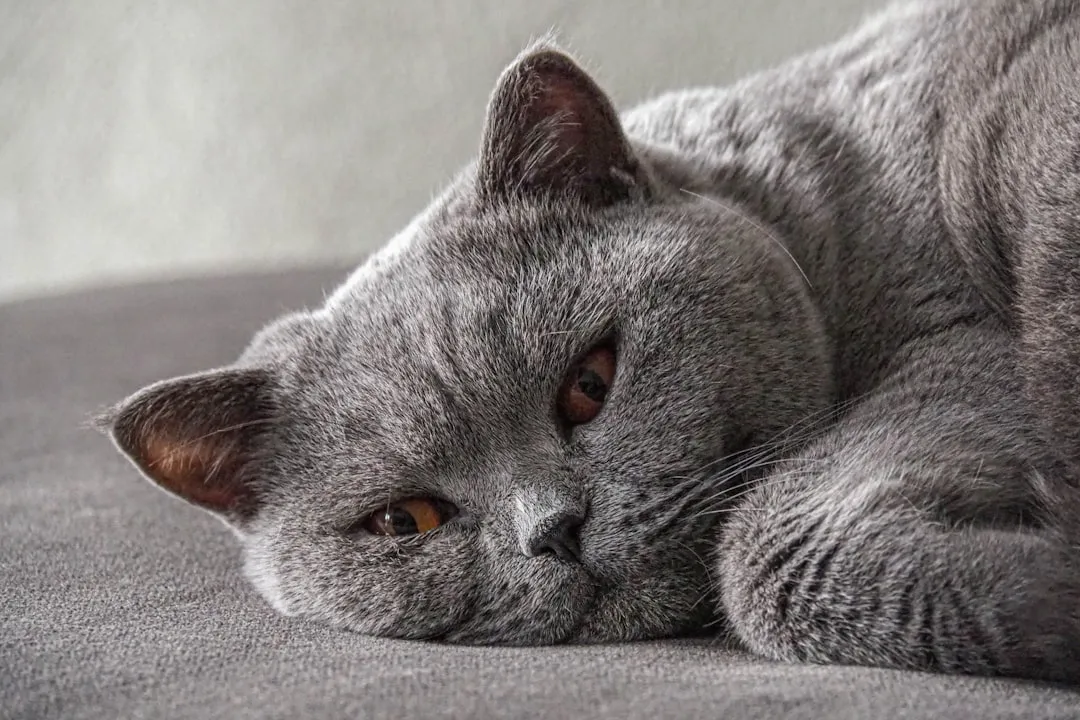
Here’s the hardest truth most people avoid: age and dying are not the same thing. Plenty of 17-year-old cats still genuinely enjoy life – eating well, seeking affection, having strong opinions, even playing a little. Their bodies are slower, but pleasure clearly outweighs discomfort, and bad days still reliably bounce back with rest or treatment.
In a cat’s true final season, that ratio flips completely. Pain, nausea, fear, or exhaustion start to dominate, and even the “good” days are never fully comfortable. She stops doing the things that made her who she is – no more greeting at the door, no more sunbathing on the windowsill, no more curiosity about an open cabinet. When you quietly tally her days and realize the joyful moments are now tiny sparks in a long, gray stretch of suffering, you’re no longer talking about normal aging – you’re deciding whether you’ll let love look like mercy.
Why It Stands Out
- She still greets you, seeks affection, or asks for attention on her own terms.
- Bad days are followed by a real bounce-back, not permanent decline.
- Eating, resting, and moving still bring more comfort than distress.
- Small joys – a sunbeam, a favorite toy, a familiar routine – still visibly matter to her.
The Bottom Line
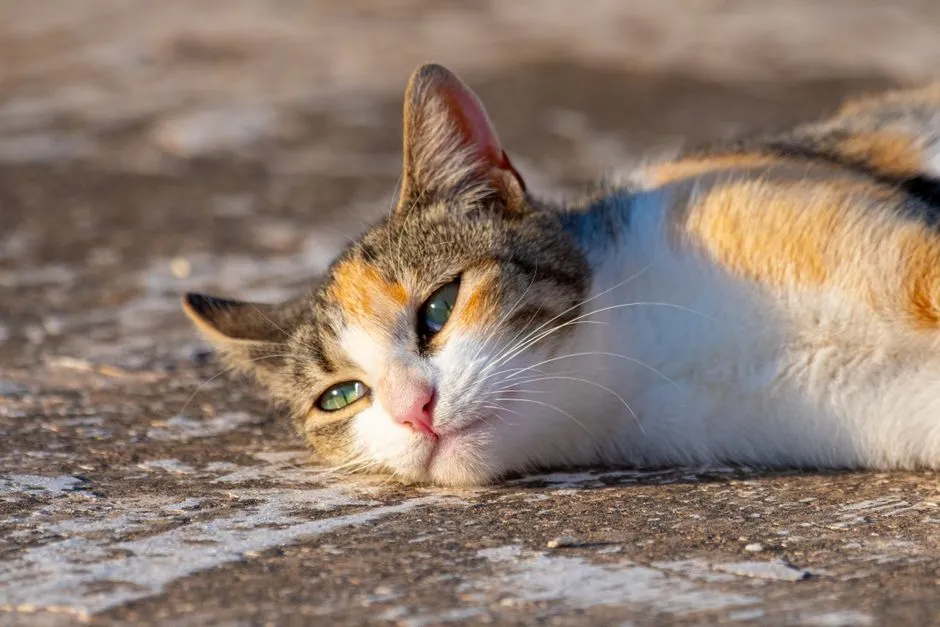
Most people wait for one dramatic, unmistakable sign that their cat is dying. The uncomfortable truth is that it’s almost never one thing – it’s a pattern: appetite slipping, weight wasting, breathing changing, eyes dulling, personality fading, and treatment helping less and less each time you try.
Aging, by itself, doesn’t steal pleasure. Uncontrolled disease and unmanaged pain do, and that distinction changes everything about how you should be watching your own cat right now.
Here’s where I’ll be blunt: the real mistake isn’t letting go too soon. It’s mistaking endless decline for a life well lived, and telling yourself “she’s just old” long after the pattern has already answered the question. If your gut keeps whispering that your cat’s days are mostly hard now, listen to it. You’re not giving up on her – you’re finally showing up for her, in the one moment that asks the most of you.
Did we get this line right, or does your own cat’s story draw it somewhere else?
