
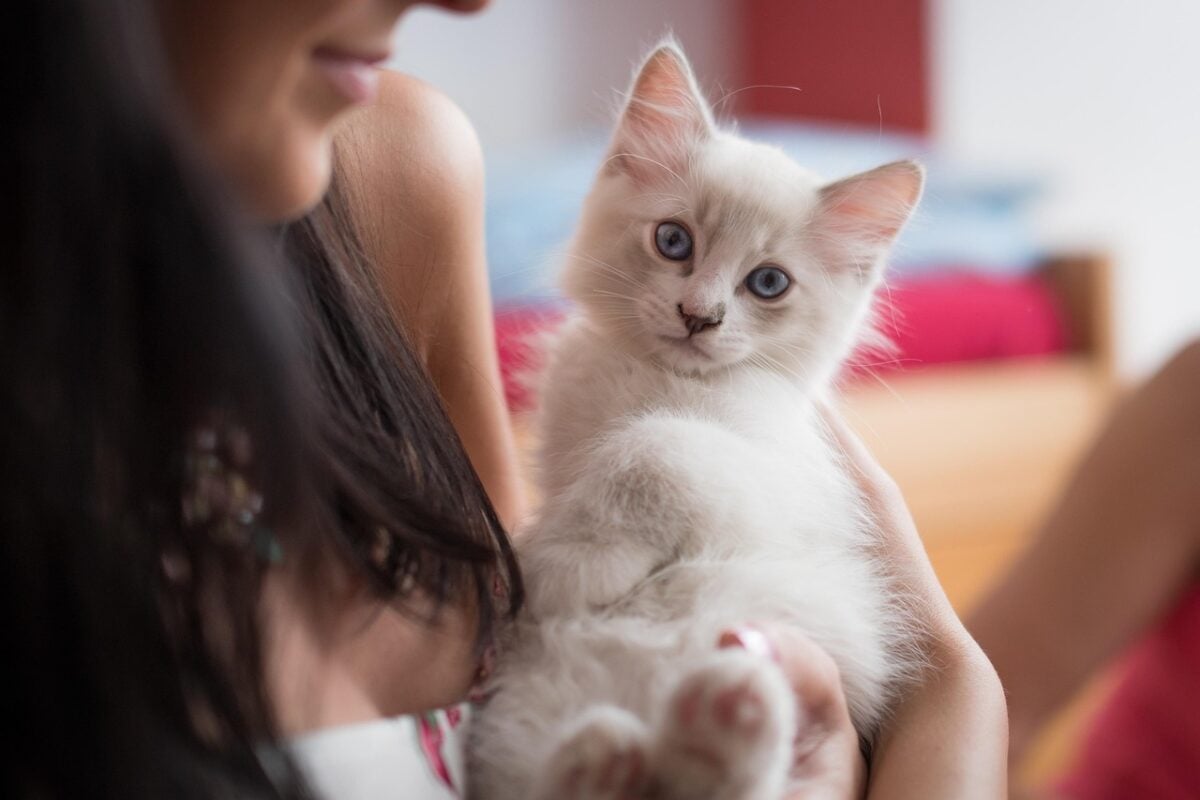
You’ve probably heard that cats just turn into stiff, grumpy old statues once they hit double digits. Behaviorists and lifelong owners are quietly telling a very different story about what actually happens after fourteen.
A surprising number of cats don’t harden with age – they soften, slow down, and become almost embarrassingly devoted to the people who raised them. Certain breeds take this transformation to an extreme most people never see coming, and by the time you reach the last few names on this list, you’ll understand why longtime owners get emotional just talking about it.
#17 – Bengal: The Wild Child That Finally Hits “Zen Mode”
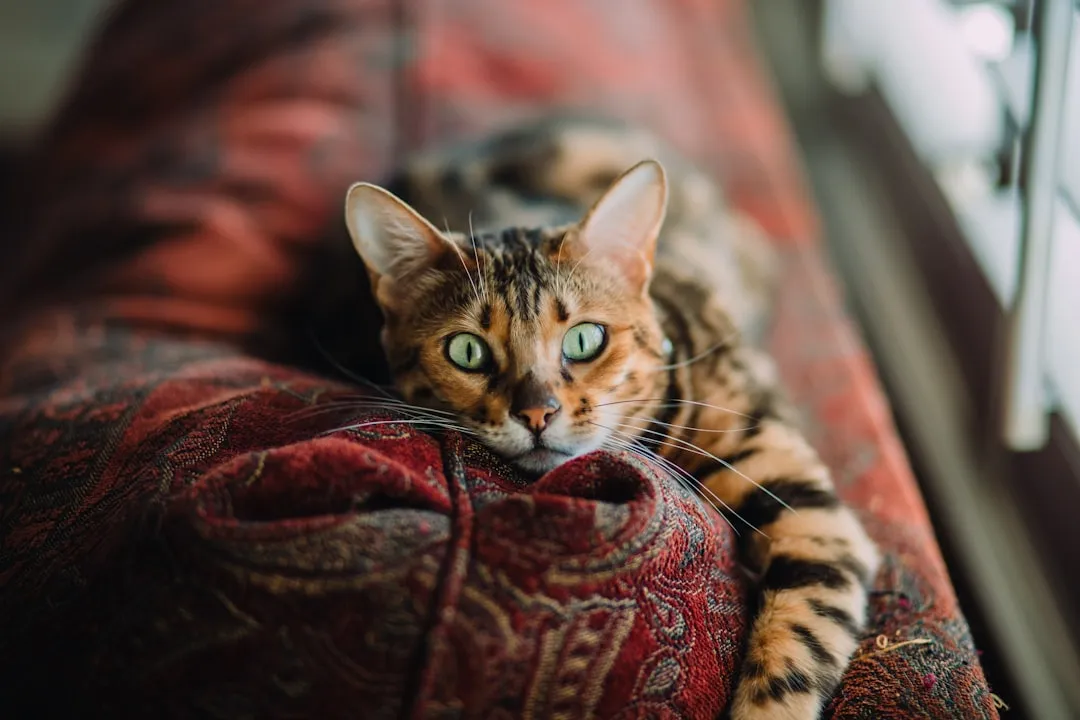
Bengals are sold on their mini-leopard looks and borderline chaotic energy, but almost nobody warns you what happens after fourteen. The same cat that used to bounce off your walls will often shift into a slow, observant shadow that follows you from room to room instead of scaling your curtains.
The turning point is usually mobility, not personality. Joint stiffness and slower reflexes nudge Bengals away from parkour and toward laps they spent a decade ignoring. Many now simply settle beside your laptop and ask for the cheek rubs they used to reject outright.
- Settles beside you instead of climbing past you
- Asks for gentle cheek rubs it once refused
Fast Facts
- Most vets consider a cat “senior” around age 11 and “geriatric” once it passes 15
- In one study, 90 percent of cats over 12 years of age showed radiographic (X-ray) evidence of arthritis, even without obvious limping
- Many cats hide their pain very effectively, so a slower cat is often a sore cat, not just a calmer one
- With good care, plenty of indoor cats now live well into their late teens
#16 – Siamese: The Loudmouth That Becomes a Soft-Spoken Shadow
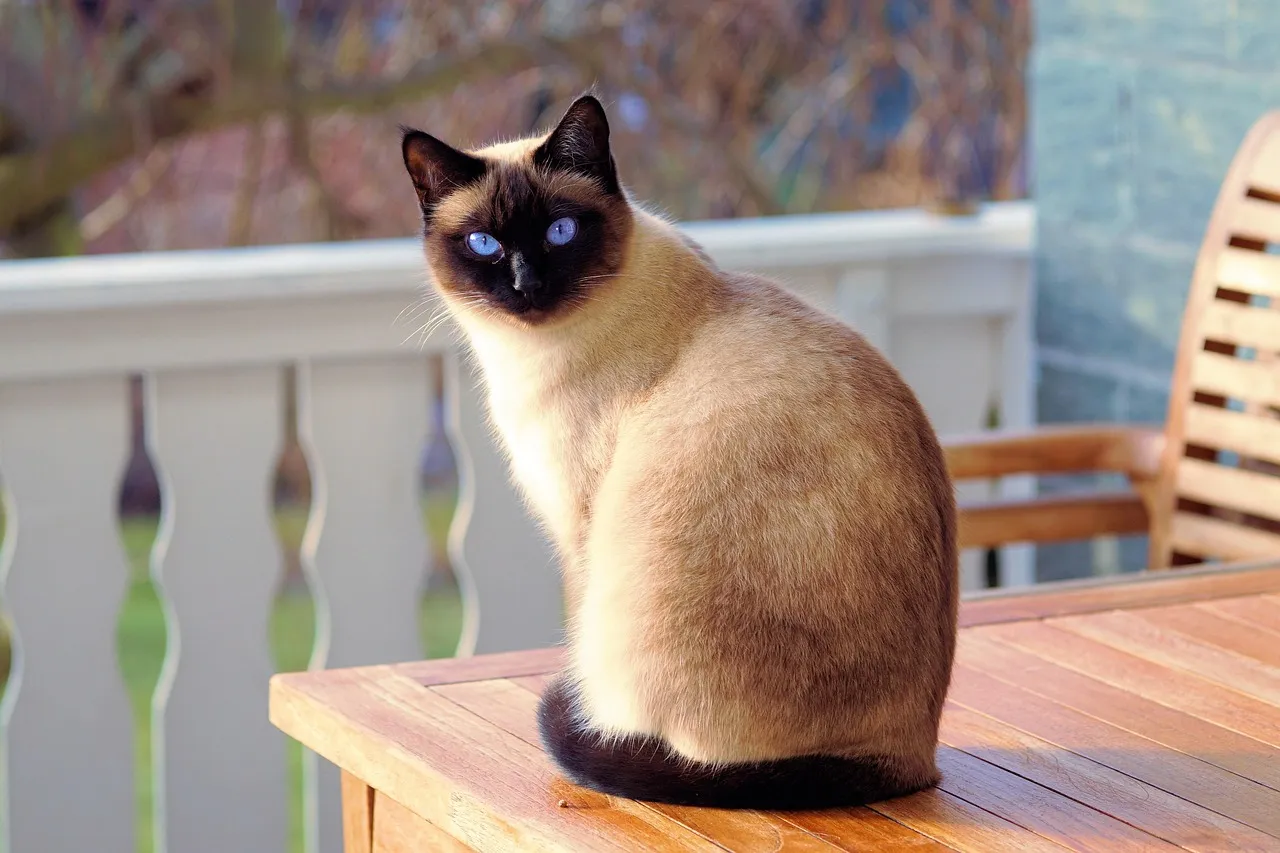
Siamese are famous for being loud, demanding drama magnets in their youth. Yet many guardians notice that after about fourteen, the nonstop yowling melts into soft chattering and quiet “checking in” meows – the intensity redirects into closeness instead of noise.
Their need for social contact can actually grow with age, not shrink. Elderly Siamese often follow their person from room to room like a polite shadow and sleep pressed against a shoulder instead of parked at the foot of the bed. Fans insist they were “born velcro,” but even they admit the sharp edge wears off in old age.
- Follows you room to room instead of demanding attention loudly
- Sleeps pressed against your chest instead of at the bed’s edge
#15 – Burmese: The “Dog-Like” Cat That Turns Into a Living Teddy Bear
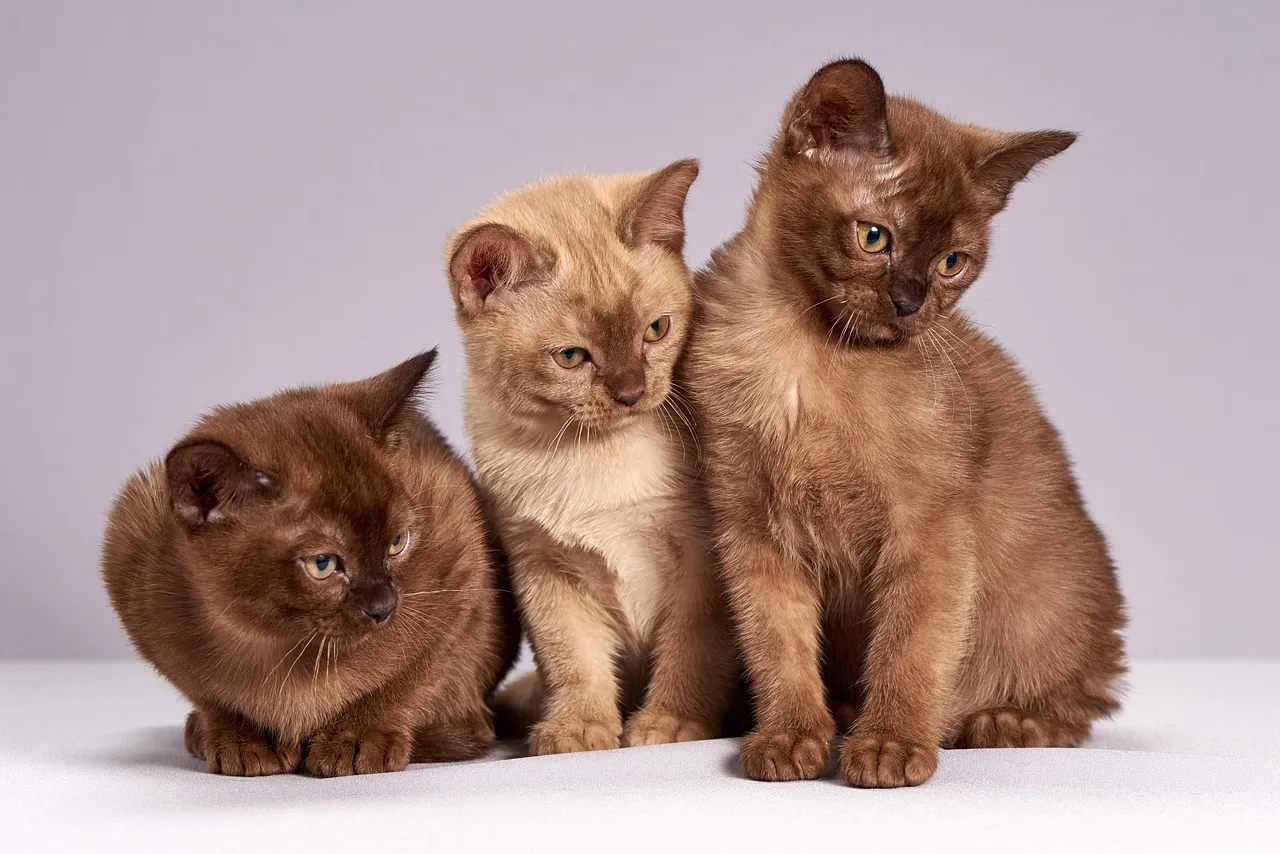
Burmese already have a reputation for clinging to their people, but the senior years push that bond into another category entirely. Past fourteen, many become almost impossibly gentle, rarely using claws even in play, trading roughhousing for long, slow blink exchanges.
They also tend to tolerate brushing, nail trims, and vet handling far better than they did at eight or nine, simply because their default setting is now “relaxed sponge.” Some people call this clinginess excessive, but a fourteen-plus Burmese doesn’t just coexist with you – it anchors its entire emotional world around you.
- Sleeps tucked in the crook of an arm for hours
- Greets guests with cautious curiosity instead of wild enthusiasm
#14 – Abyssinian: The Perpetual Kitten That Finally Surrenders to Cuddles
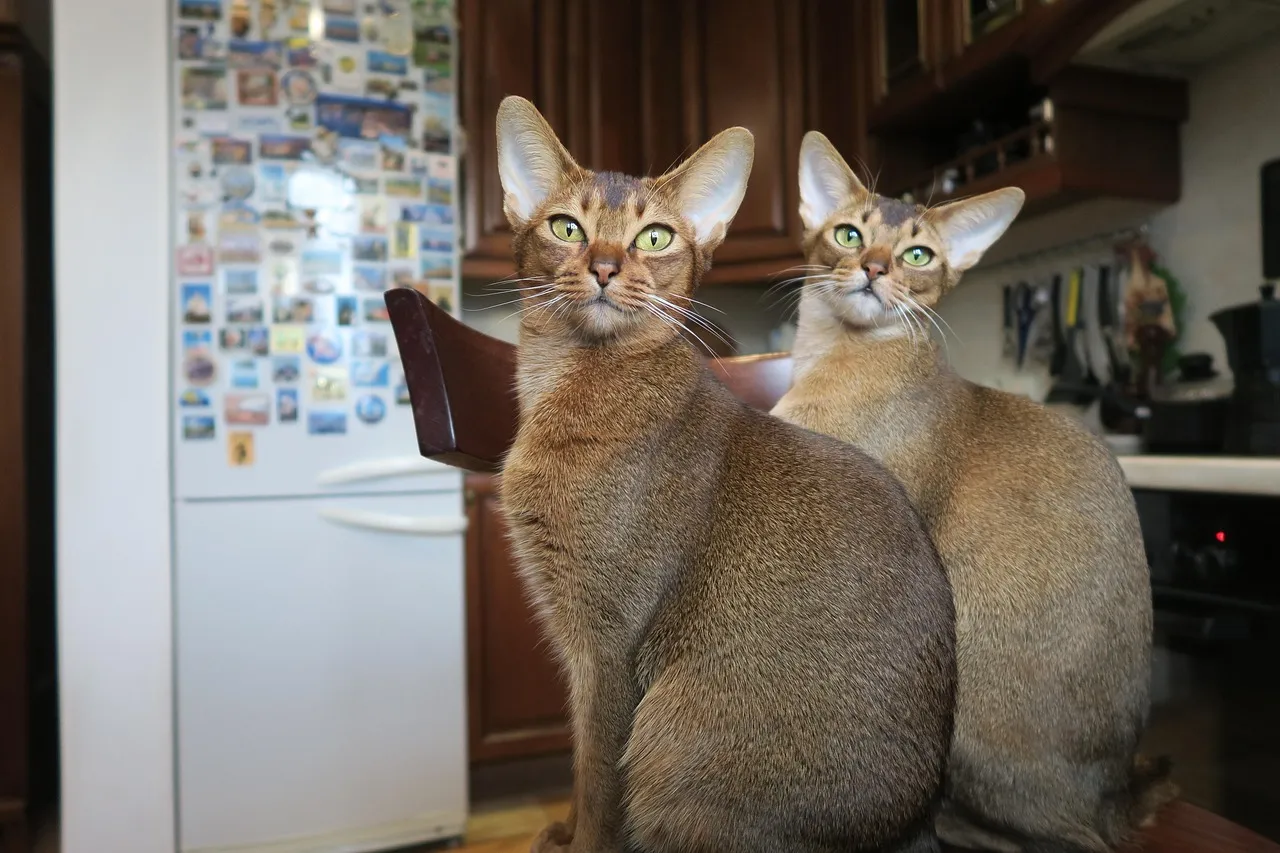
Abyssinians are often called the cats who never grow up – always climbing, investigating, interrupting. The quiet secret is that past around fourteen, most of that chaos gives way to a thoughtful, almost regal calm.
Instead of leaping to the tallest bookshelf, an older Aby curls up somewhere it can keep you and the room in sight, trading motion for quiet observation. Long-time Aby owners say if you only met one as a senior, you’d never believe how wild it was at three.
- Tolerates longer petting sessions without getting overstimulated
- Allows gentler handling from kids or elderly family members
#13 – Norwegian Forest Cat: The Forest Hunter Turned Fireplace Companion
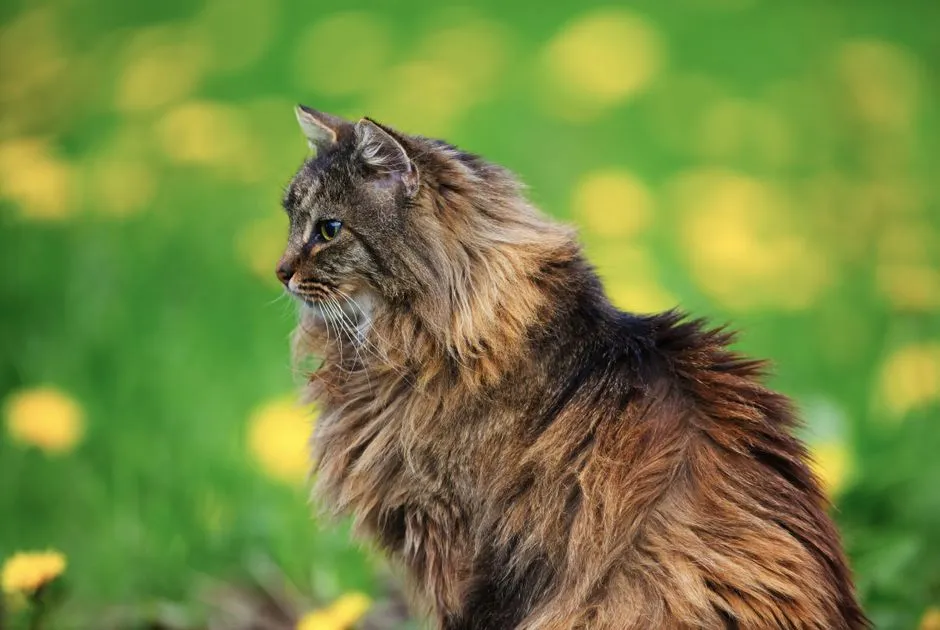
Norwegian Forest Cats are built for action – heavy coats, climbing claws, and a confident, almost busy presence in their prime. Beyond fourteen, many “Wegies” start trading that independence for unexpected tenderness and people-centered routines.
Age-related joint and heart issues can nudge their size and energy into slower, quieter days, but the emotional payoff is real. The same cat that used to own the highest shelf in the house now seems happiest pressed against your leg, purring softly.
- Seeks out gentle brushing sessions as real bonding time
- Shows new patience with kids and pets it once merely tolerated
#12 – Oriental Shorthair: The Drama Queen That Learns Gentle Boundaries
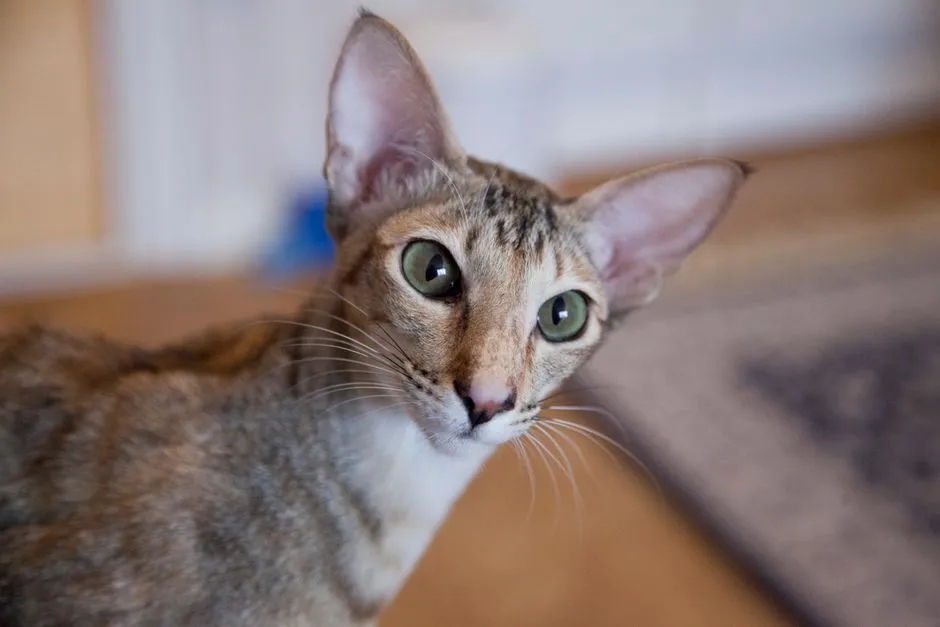
Oriental Shorthairs are basically Siamese with a fashion-model body and an even louder opinion. Young adults run hot – high volume, high emotion, high everything. Past fourteen, many shift from chaos to communication, softening in both body language and touch.
Health checks matter a lot here, since dental issues, kidney changes, and arthritis can sap their old edge – but treating those often makes them even calmer. What used to be demanding screeches quietly become soft, almost conversational meows.
- Trades rough play for careful paw taps to get attention
- Melts into longer, quieter lap sessions
#11 – American Shorthair: The “Background Cat” That Becomes Your Gentle Shadow
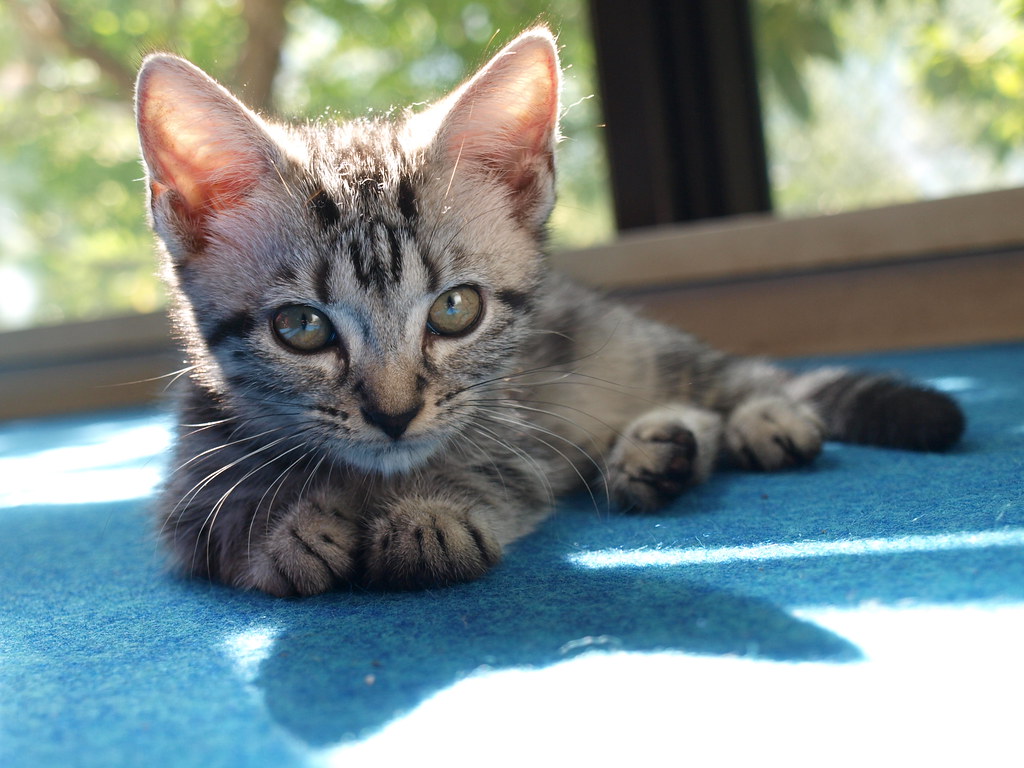
American Shorthairs are usually described as easygoing and independent – the classic background family cat. Past fourteen, a surprising number transition from quiet presence to constant shadow, trailing you with a softness they never showed before.
Some of this is simple aging, but there’s also learned trust built over a decade in the same home. Critics call them boring, but anyone who’s had a fifteen-year-old American Shorthair melt on their chest during a bad day would argue otherwise.
- Naps closer to you, choosing contact points over solitary corners
- Tolerates gentle handling it once avoided
#10 – Maine Coon: The Giant Goofball Turned Gentle Guardian
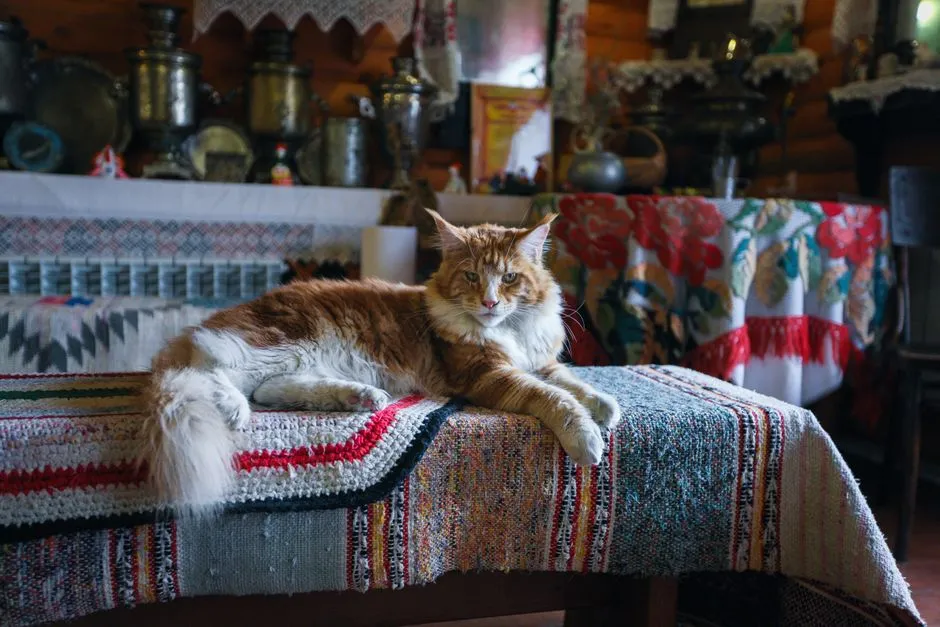
Maine Coons are clownish for much of their lives – big, goofy, always underfoot. In advanced age, that playful chaos often settles into a calm, deeply gentle presence, almost like a furry guardian quietly checking on everyone in the house.
Because they’re physically impressive, the contrast is striking: a lion-like cat that could dominate the room instead moves like a cloud, patient with everyone around it. Owners of senior Coons often call them the most trustworthy cat they’ve ever had around kids and elderly relatives.
- Chooses stable, low resting spots close to humans
- Responds to petting with long, contented purrs instead of playful swats
#9 – British Shorthair: The Reserved Aristocrat That Quietly Melts
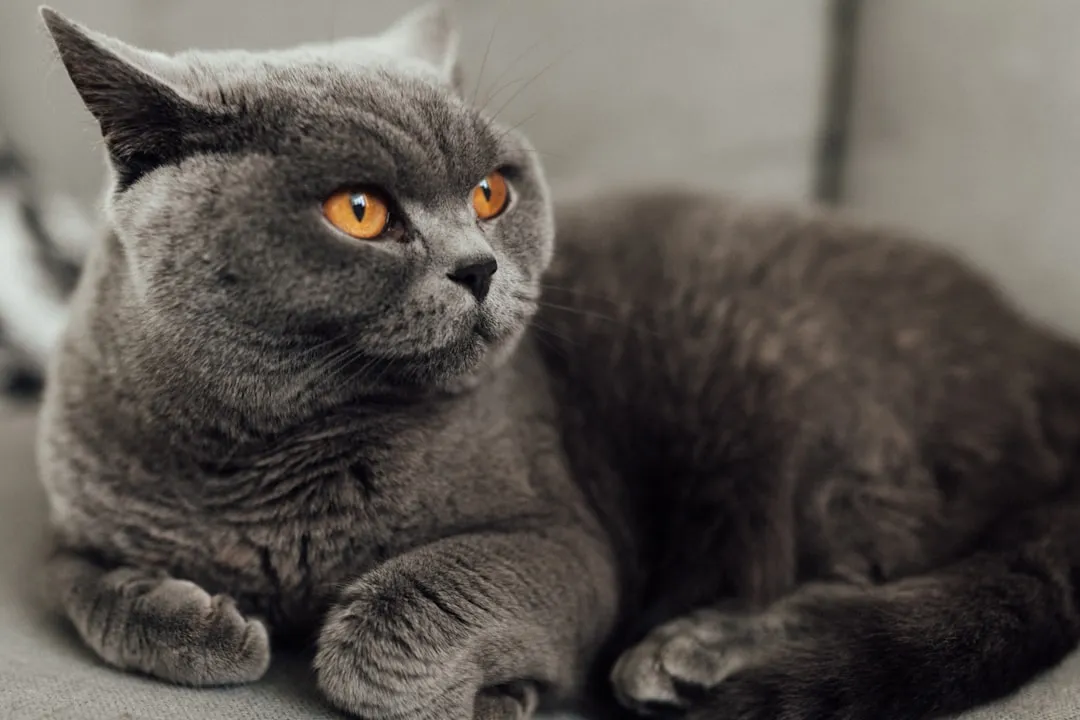
British Shorthairs often get labeled as plush décor – dignified, reserved, a little emotionally distant. That stereotype holds until they finally get old enough to drop the mask. Past fourteen, a lot of Brits lean hard into quiet physical affection, seeking warmth and security.
Their play drive fades, replaced by ritual: same chair, same blanket, same human, every day. What many people mistake for coldness is often just introversion, and in the senior years, the guard simply lowers.
- Moves from the far end of the sofa to directly beside your leg
- Tolerates, even enjoys, being picked up briefly
At a Glance
- Origin: one of the oldest known pedigree breeds, with roots tracing back to Great Britain
- Average weight: roughly 9 to 18 pounds, with males noticeably larger than females
- Average lifespan: 12 to 17 years, with many living comfortably into their late teens
- Coat: dense, plush double coat that sheds seasonally and appreciates weekly brushing
#8 – Sphynx: The Clingy Extrovert That Becomes a Heat-Seeking Comfort Blanket
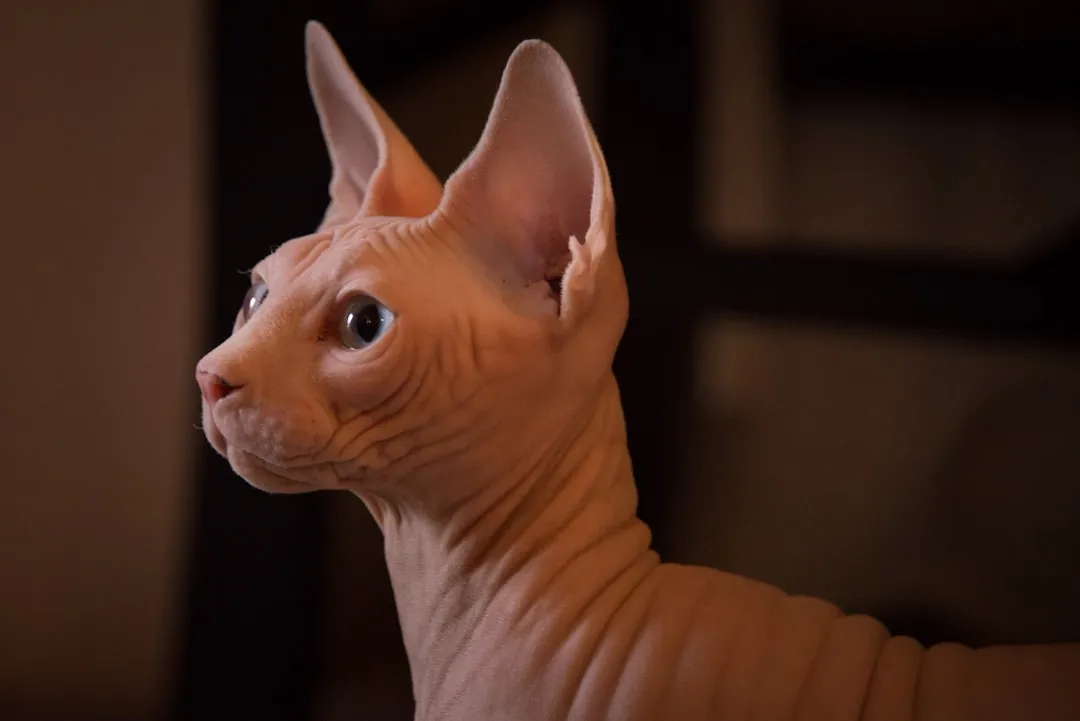
Sphynx cats are affectionate from day one, but aging intensifies their need for warmth and connection. Without a protective coat, circulation and body fat changes make temperature matter more than ever. After fourteen, many spend even more time pressed directly to bare skin, purring quietly.
Because every wrinkle and bone is visible, you also notice how carefully they start to move – and that visible vulnerability seems to amplify their gentleness. A senior Sphynx rarely chooses conflict; it chooses contact, slipping under the covers and staying glued to one person all night.
- Accepts gentle handling and grooming with almost no protest
- Seeks constant skin-to-skin contact rather than independent naps
#7 – Ragdoll: From Floppy Favorite to Meditative Nurse
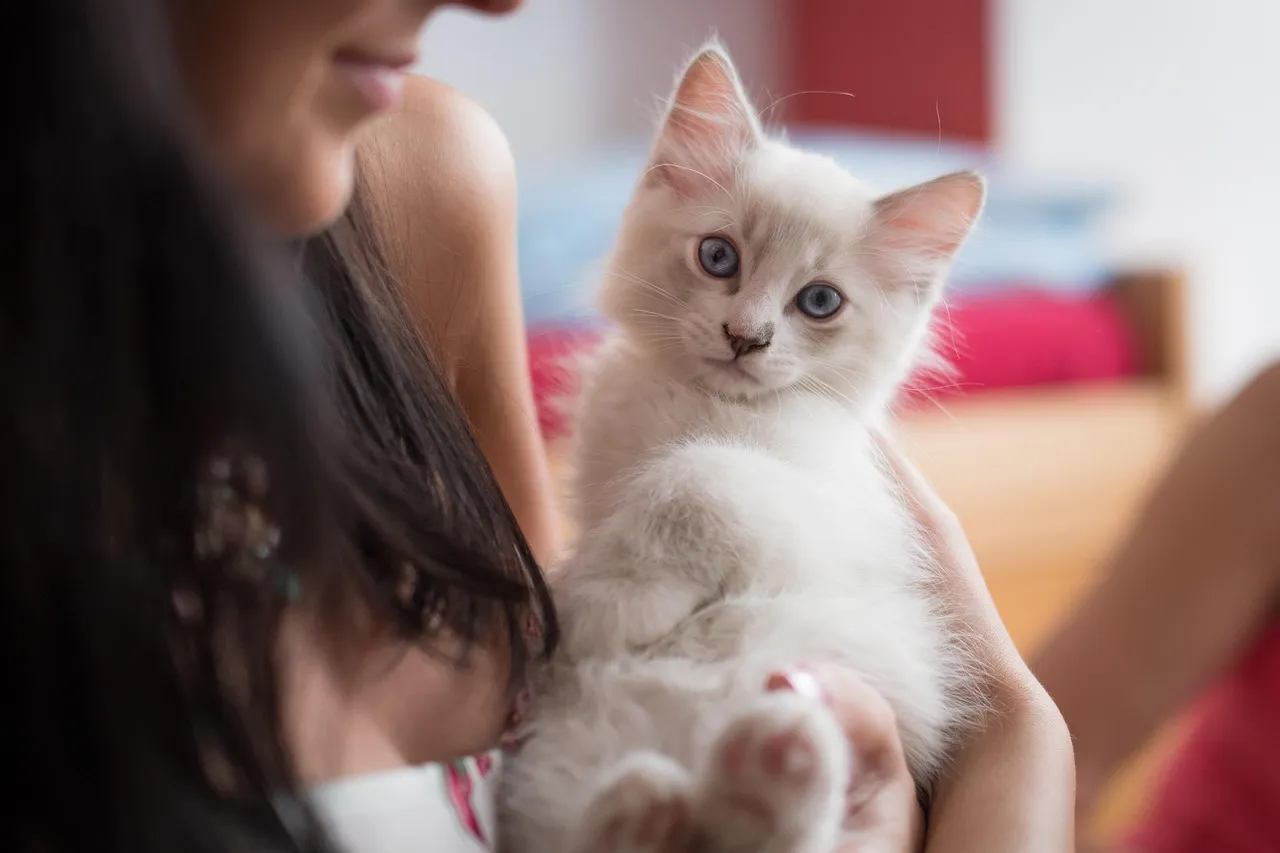
Ragdolls are marketed as docile from the start, but their older years bring a different kind of soft. After fourteen, many become almost meditative companions, picking up on human emotions and responding with long, still cuddle sessions instead of play.
They’ll tolerate slow, awkward hugs from children or gentle visits from grandchildren in a way few young cats will. Some critics call them “too passive,” as if an easygoing nature were a flaw – but for people who want a soft, predictable presence in late life, that’s exactly the point.
- Chooses laps more frequently than any other resting place
- Seems to “check on” sick or stressed family members until things feel calmer
#6 – Birman: The Blue-Eyed Confidant That Only Gets Kinder
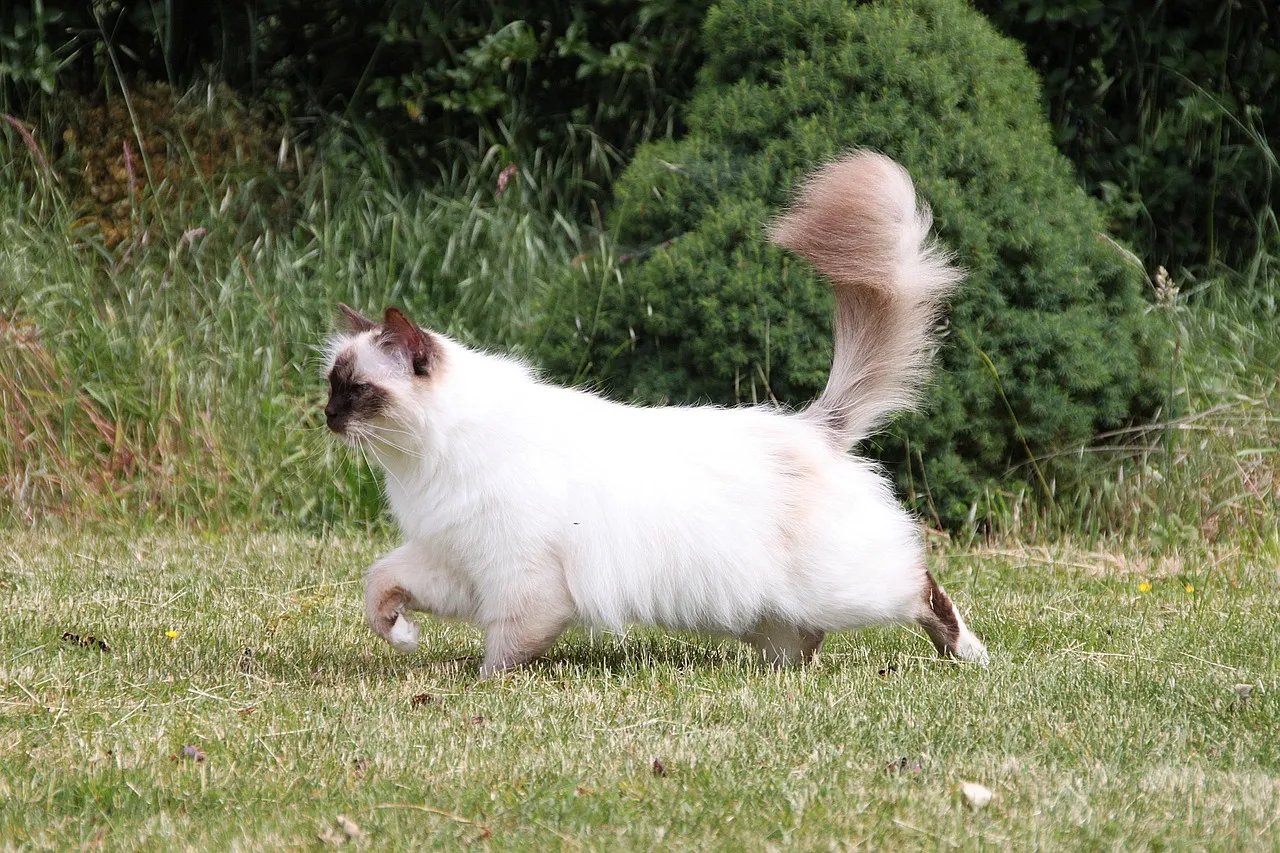
Birmans already carry a saintly reputation – calm, affectionate, hard to rattle. What’s less discussed is how, beyond fourteen, they often become even more tolerant and people-focused, accepting new furniture, visiting relatives, and household chaos with a shrug.
Because their energy was already moderate even in youth, the senior shift is about refinement rather than reinvention. They trade mild playfulness for deep stillness, staying by your side for entire evenings and rarely using their claws even when startled.
- Sleeps close to your face or neck, purring quietly
- Handles startling moments with almost no claw use
#5 – Persian: The High-Maintenance Icon Turned Soft, Silent Companion
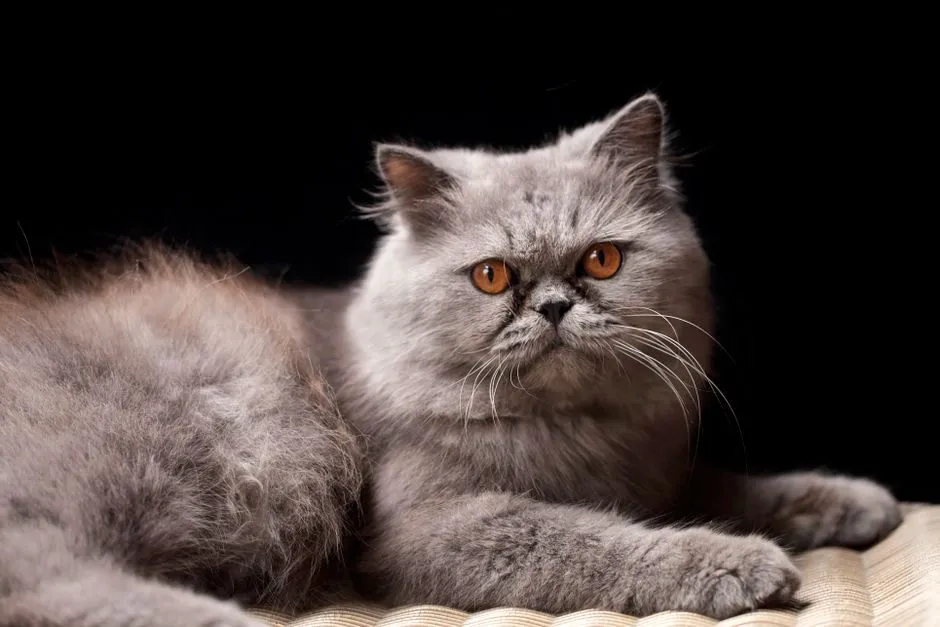
Persians are divisive. Critics point to their grooming needs and health issues; fans talk about their sweetness. Both are right – and past fourteen, with good care, many become astonishingly calm, accepting nearly any gentle touch during brushing or cuddles.
They were never going to be parkour champions, and in the senior years, their preferred activity is simply existing quietly near their person. Health monitoring stays critical for breathing, eyes, and joints, but in stable seniors, the personality that shows through is almost pure softness.
- Spends long stretches on soft surfaces beside you, not across the room
- Tolerates gentle face and paw cleaning that once caused a fuss
Quick Compare
- Young Persian: bursts of playful energy, sensitive to heat, needs daily brushing to prevent mats
- Senior Persian (14+): content with quiet lounging, seeks warm sunny spots, tolerates grooming with far less fuss
- Young Persian: cautious around strangers, loud noises, and sudden changes
- Senior Persian (14+): more accepting of visitors and gentle handling once trust is fully settled
#4 – Chartreux: The Quiet Observer That Turns Into a Blue-Grey Shadow
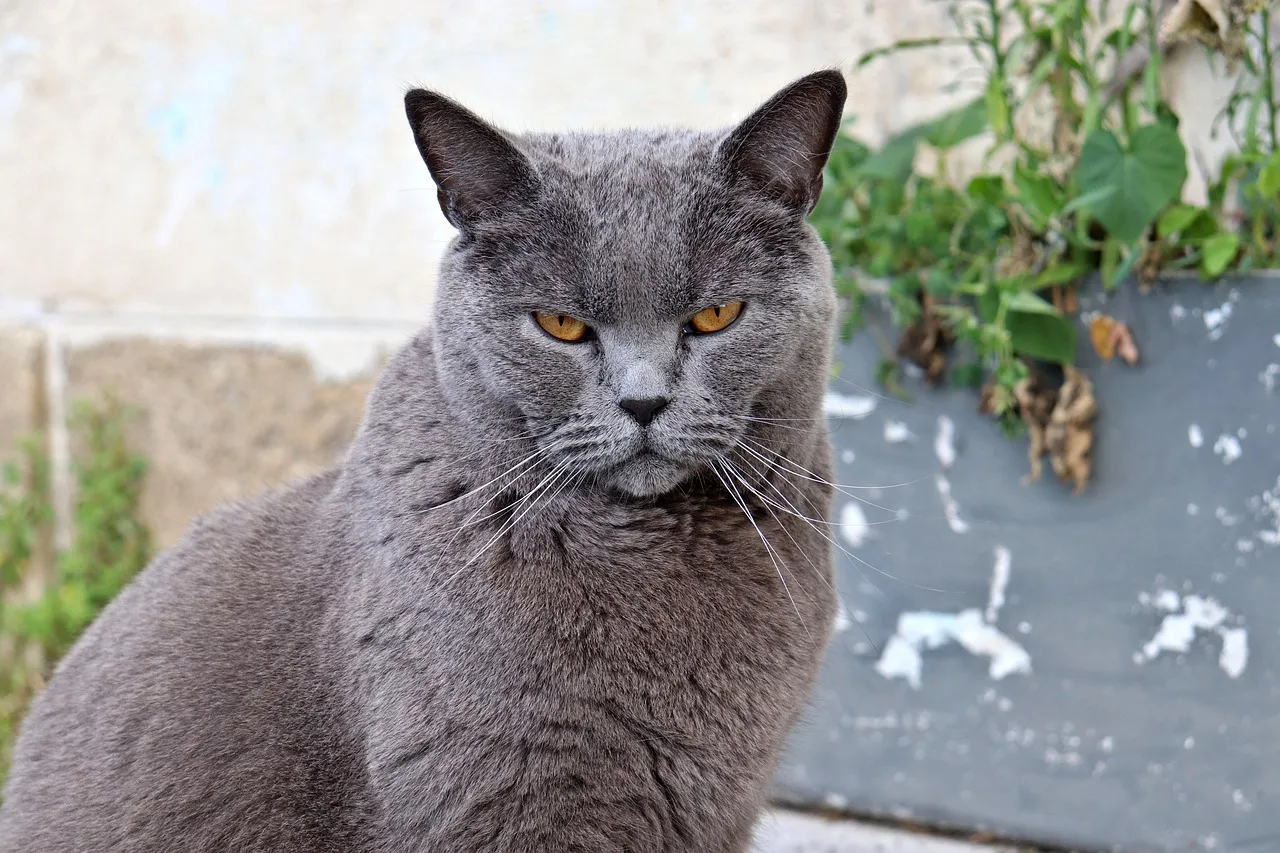
Chartreux cats already live in the calm, observant lane, but they’re not always cuddly in youth – many prefer proximity over direct handling. Past fourteen, something shifts, and a lot of Chartreux start slowly, intentionally seeking physical contact in quiet households.
Their history as working mousers gives them a self-contained vibe that age often melts completely. It’s not dramatic; it’s subtle and consistent – but people who wait for it swear it’s one of the most rewarding transformations in the cat world.
- Starts initiating lap time it never wanted at six or seven
- Purrs more audibly during gentle petting sessions
#3 – Tonkinese: The Social Butterfly That Finally Lands
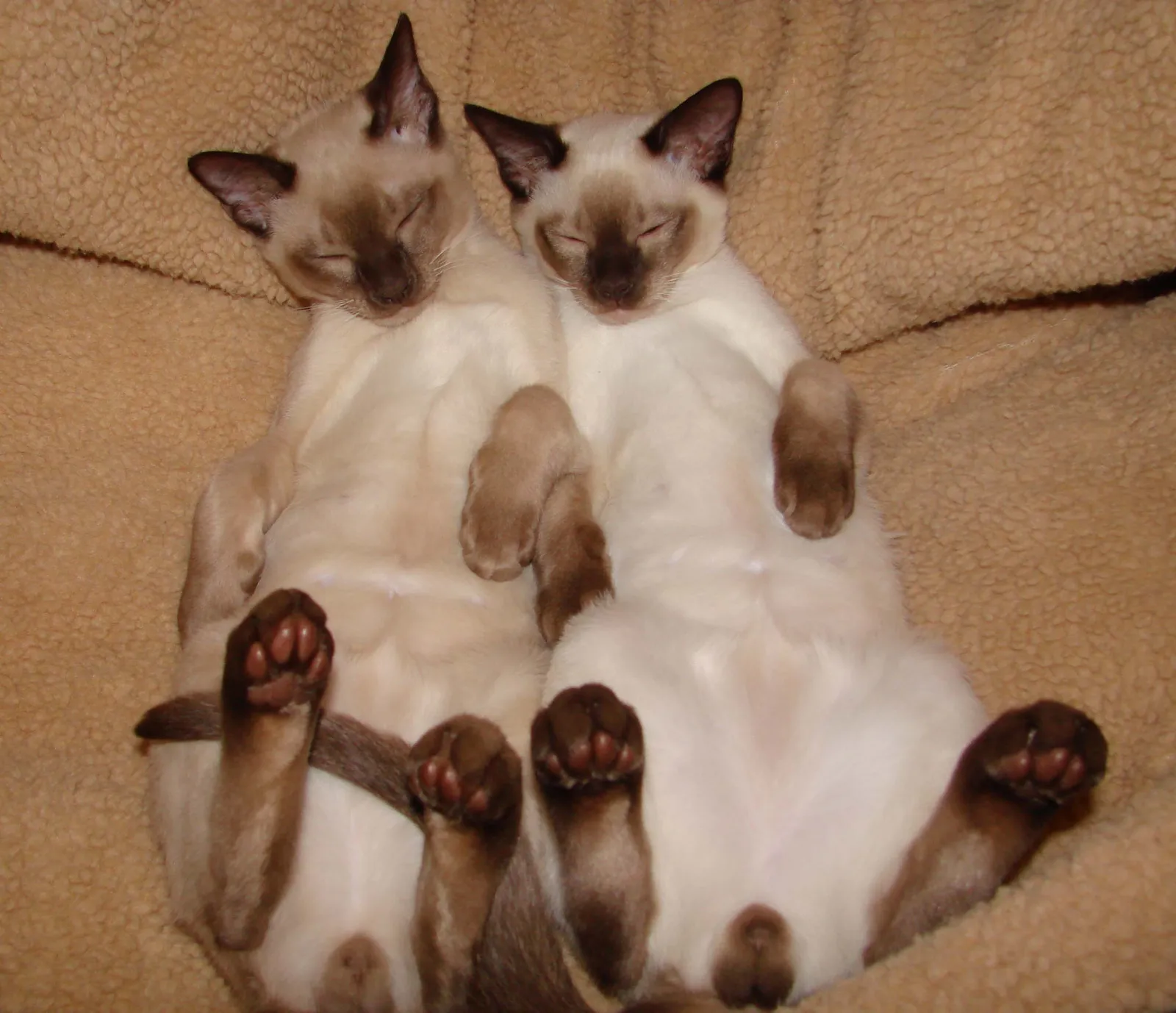
Tonkinese, a Siamese-Burmese mix, come out of the box as loud, playful socialites who want to be in the middle of everything, always. By fourteen or fifteen, their energy finally matches their emotional maturity, and they become extremely people-oriented but physically gentle and easy to handle.
Because they’re smarter than most people expect, they seem to understand household rhythms – waiting in the same spot, anticipating bedtime, curling up predictably. The whirlwind of their youth condenses into a focused beam of affection for the one or two people they’ve chosen.
- Bonds exceptionally closely with one or two people
- Settles into laps quickly and moves slowly, as if it knows the time matters
#2 – Scottish Fold (and Fold Mixes): The Plush Introvert That Blossoms Late
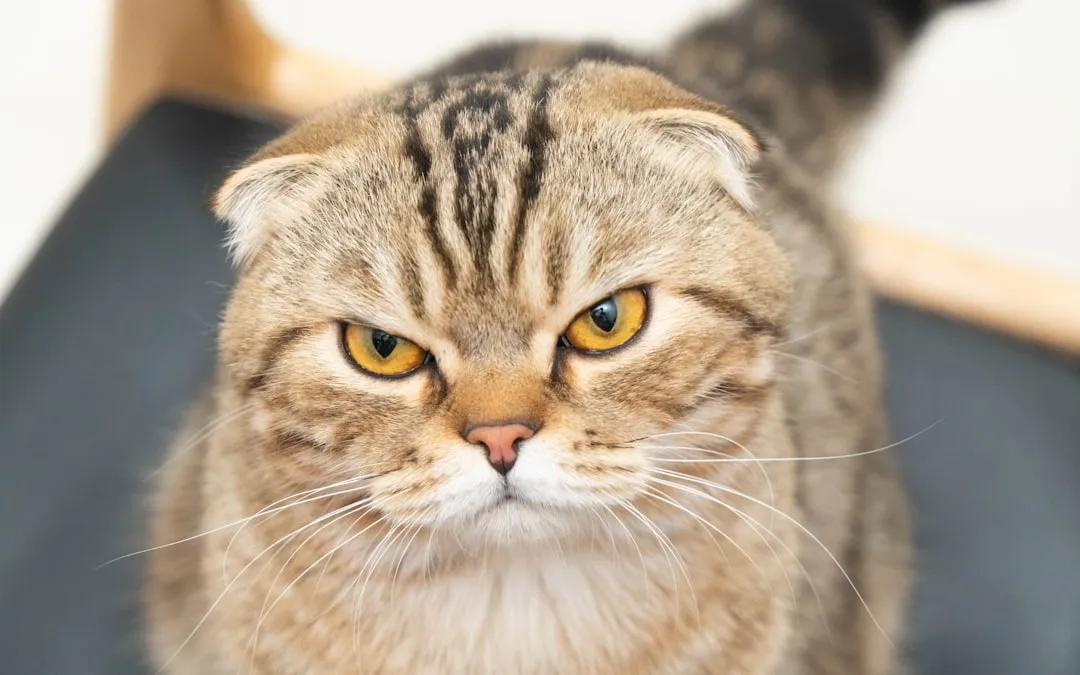
Scottish Folds, where ethically bred and carefully monitored, are often quiet, observant cats with a soft demeanor already. Past fourteen, in individuals without severe pain, they tend to become intensely gentle, almost hesitant to put any pressure on people with their paws or claws.
There’s real controversy here – some argue no Fold should be bred at all because of joint disease risk, and that debate isn’t going away. Still, among existing elderly Folds receiving proper vet care, the combination of vulnerability and affection often produces cats that are almost impossibly tender with their humans.
- Sleeps pressed against your side, barely moving all night
- Uses extremely soft pawing to ask for food or petting
“The mutation that causes the Scottish Fold’s ears to fold also affects cartilage development throughout the body”
Dr. Justine Lee, DVM, DACVIM
#1 – Domestic Mixed-Breed Housecats: The Everyday Cats That Age Into Pure Gold
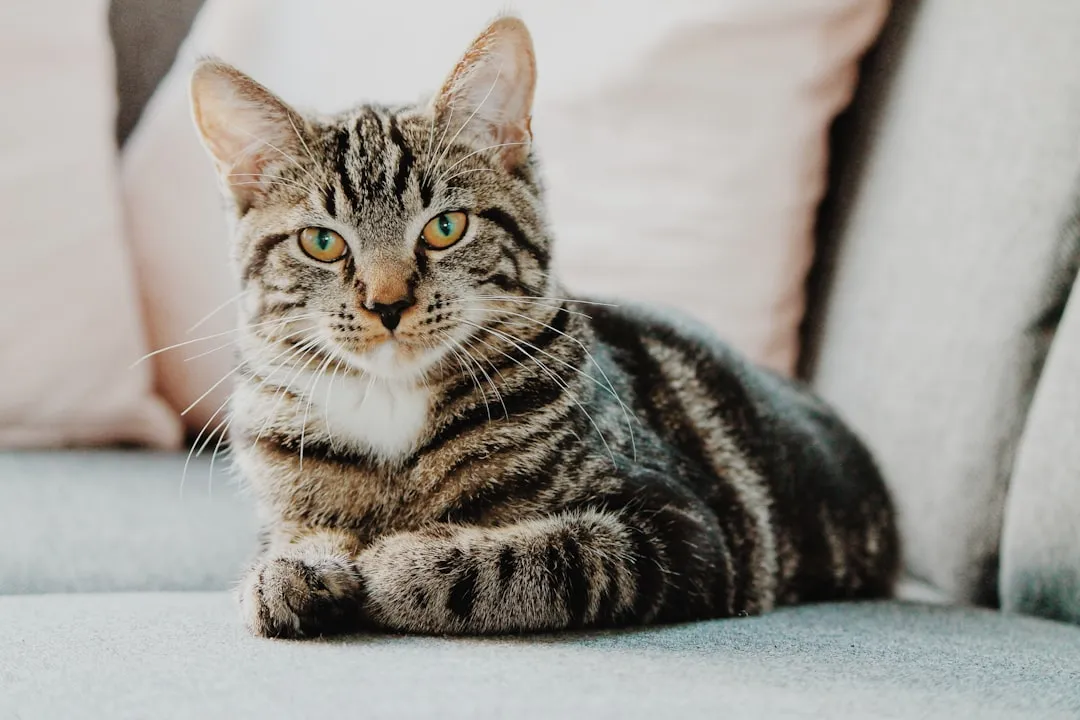
The most overlooked truth in all of this? The gentlest seniors are often not fancy at all. Ordinary domestic shorthairs and longhairs – shelter cats, alley rescues, “just a tabby” – are statistically the ones most of us actually live with, and many transform dramatically once they pass fourteen.
The spicy ex-stray that hissed for months may eventually become the cat that sleeps on your chest every night, paws tucked, purr barely audible. Age strips away fear and hypervigilance, especially for cats with rough starts, and in its place you often get a soulfully gentle animal that trusts you more than anyone else on earth.
- Learns your routines, your moods, and your safe handling style
- Finally accepts that the food keeps coming and the home is theirs
The Bottom Line
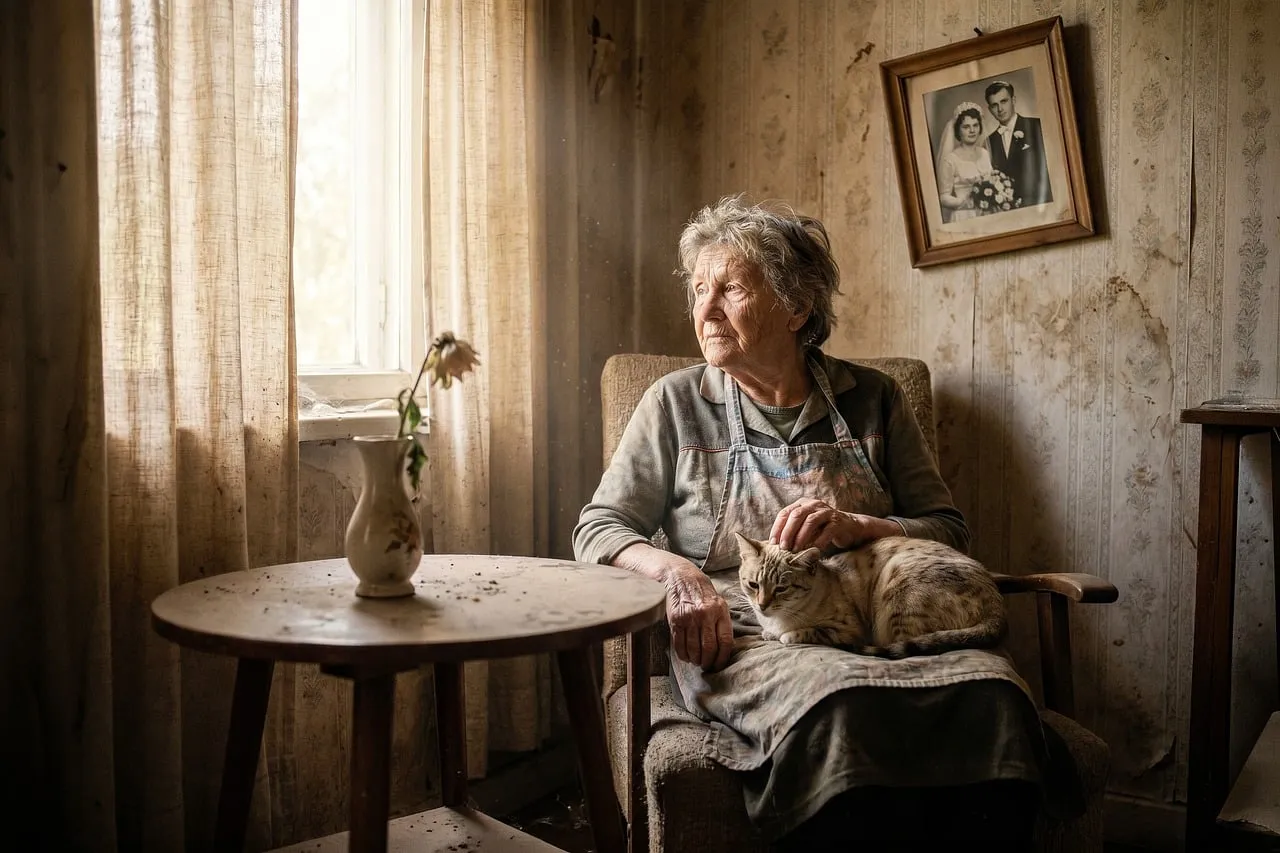
Line these seventeen up side by side and one pattern is impossible to ignore: as cats move past fourteen, physical slowdown, deep familiarity, and hard-earned trust combine into a version of them that’s far gentler than most people expect. High-energy Bengals learn stillness, reserved British Shorthairs drift closer, and “just a tabby” with a rough past eventually hands you its whole heart.
None of this is guaranteed – health, history, and individual quirks matter – but the idea that old cats are automatically grumpy is simply wrong. If anything, the senior years are when you finally meet who your cat really is, stripped of chaos and survival mode. The real question isn’t whether they’ll soften. It’s whether we’re patient enough to stick around long enough to earn it.

- 17 Cat Breeds That Grow Impossibly Gentle Once They Pass Their Fourteenth Year - August 25, 2026
- 6 US States Where Red Wolves Still Survive - August 25, 2026
- 8 Native Plants That Host Caterpillars Even When Adult Butterflies Prefer Different Flowers - August 24, 2026