
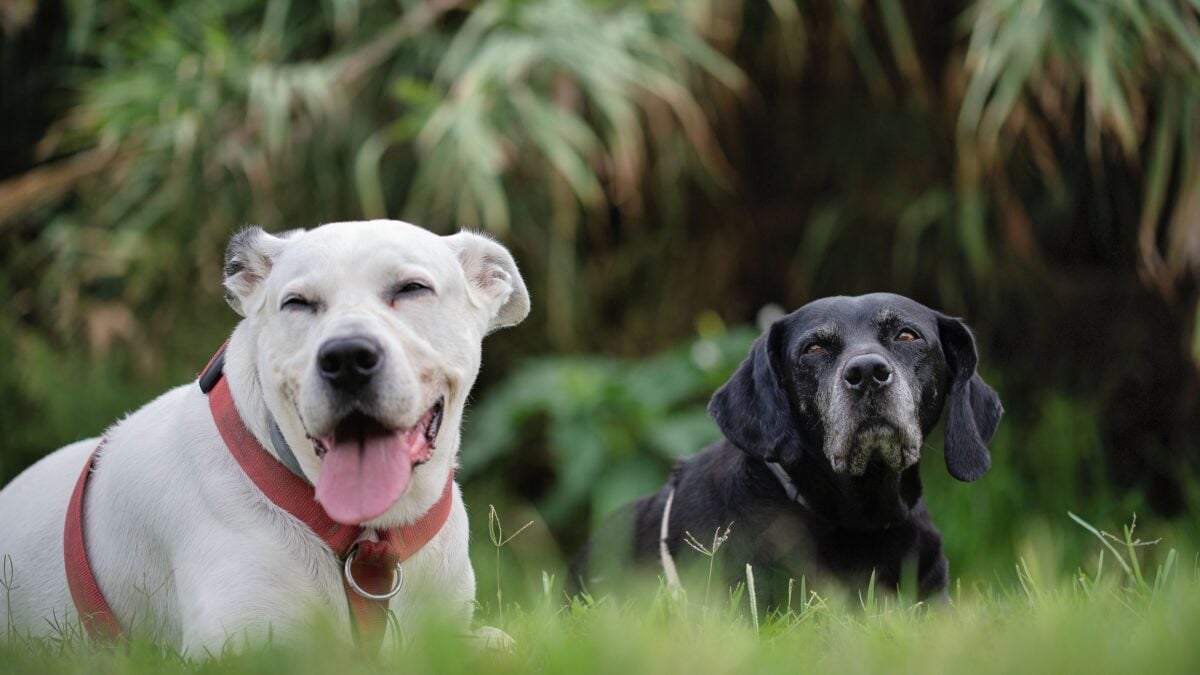
Most people think a “good old dog” is the easy kind – the one that sleeps all day, never complains, and quietly stays out of the way. That’s the story we tell ourselves because it’s comforting. But vets will quietly tell you something very different: some of the most painful, anxious, or confused senior dogs are the ones who make almost no noise about it at all. They don’t whine. They don’t cry. They just fade.
That’s the trap. Silence gets mistaken for peace, and by the time the signs are obvious, your dog may have been hurting for months. If your dog is past 7 or 8, comfort isn’t something you can guess at anymore – you have to read it in the small stuff. Here are 18 signals that separate a genuinely comfortable old dog from one that’s just gotten very good at hiding it.
#1 – Changes in Sleeping Patterns (Too Much or Too Little)

A lot of people brag that their old dog “just sleeps all day now,” as if that’s automatically a good sign. But a sudden increase or decrease in sleep can actually be an early clue of pain, anxiety, or illness, not simply age. If your dog has gone from following you room to room to zoning out alone for hours, that shift is worth paying attention to.
Watch how they sleep, not just how long. Deep, relaxed sleep with loose muscles looks nothing like a stiff, guarded posture that never changes all night. A comfortable senior dog switches positions, stretches, sighs, and sometimes even dream-twitches. A dog that holds one pose, avoids curling up, or startles awake at every little sound may be quietly uncomfortable – and many vets say this is one of the most under-reported early warning signs there is.
#2 – Hesitation With Stairs, Couches, or the Car
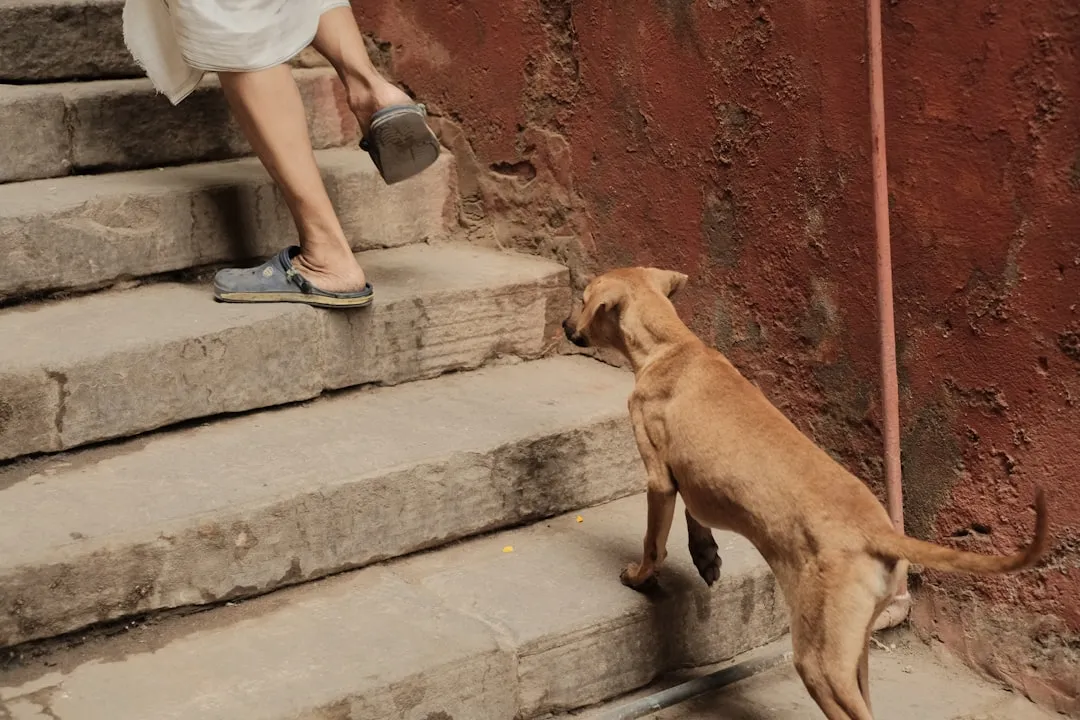
Most people chalk this up to “he’s just old,” but that’s lazy thinking. A dog that suddenly pauses, thinks, or needs encouragement before stairs, the couch, or the car is very likely dealing with pain or weakness. Dogs hate showing vulnerability, so they’ll avoid movements that hurt long before they ever limp dramatically.
Look for the little workarounds: taking stairs sideways, jumping off the couch but refusing to jump back up, or circling nervously before attempting a step. These aren’t quirks – they’re coping strategies. Comfort looks like easy, automatic motion. Discomfort looks like hesitation and calculation. And the worst advice you’ll hear is “don’t baby him, make him move” – forcing it can make things dramatically worse.
#3 – Subtle Changes in Appetite and Eating Style
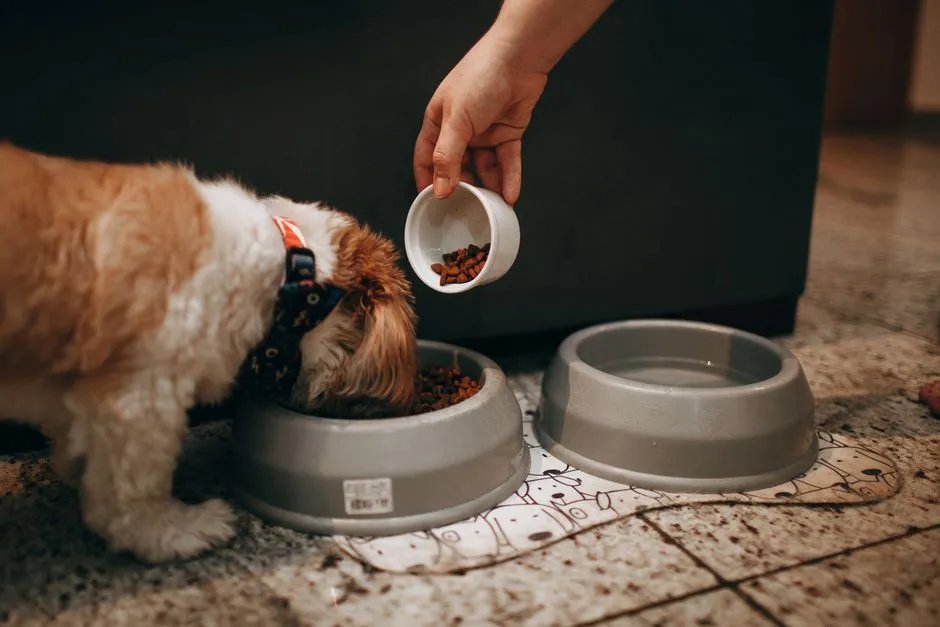
Owners obsess over whether their dog eats, but rarely notice how they eat – and that’s a mistake. A senior dog that still finishes meals but suddenly takes longer, drops kibble, chews on one side, or walks away mid-bite may be dealing with real discomfort. Dental pain, nausea, or chronic pain elsewhere in the body can quietly dull enthusiasm for food without ever fully killing it.
Watch for small shifts, like switching from crunching kibble to only licking wet food, leaving hard pieces behind, or needing you nearby just to get started. Many “picky” senior dogs aren’t stubborn at all – they’re hurting. A truly comfortable old dog eats with relaxed focus and settles calmly afterward. One that paces, needs hand-feeding, or stares at the bowl with a sigh is telling you something real.
Fast Facts
- Dental disease is extremely common in dogs by age 3, and the pain often shows up as slower eating rather than refusing food outright.
- Dropping kibble or chewing only on one side can point to a cracked tooth, gum disease, or jaw pain.
- Nausea from kidney or liver changes can turn a confident eater into a “grazer” who nibbles instead of finishing meals.
- A sudden preference for soft or wet food over kibble is one of the earliest tells of mouth pain.
#4 – Panting at Odd Times (Especially at Rest)
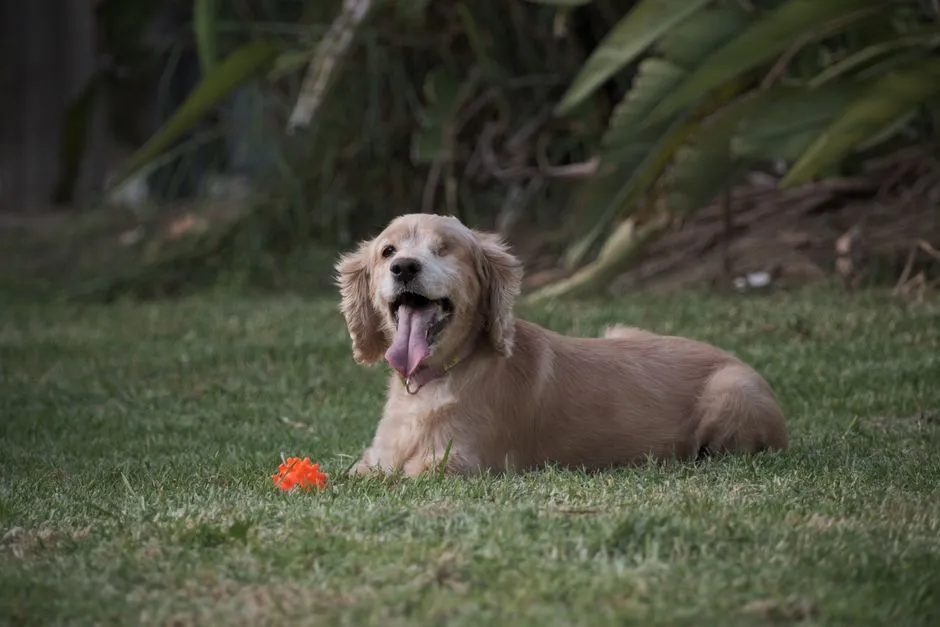
People expect panting on a hot day or after a game of fetch. But panting in a cool room, at night, or after mild movement can be a classic sign of pain, anxiety, or even heart trouble in older dogs. Plenty of seniors lie down, start panting, and their owners assume “he’s just hot” – even with the AC running. That’s not relaxation. That’s a stress signal.
Watch for patterns: panting paired with restlessness, pacing, or constant repositioning is suspicious. A comfortable dog’s breathing is slow, steady, and soft, usually with relaxed eyes. Labored breathing or wide-eyed panting while simply lying still is not “just getting old” – some vets quietly consider it one of the more urgent reasons to book a checkup.
#5 – Reluctance to Be Touched in Certain Spots
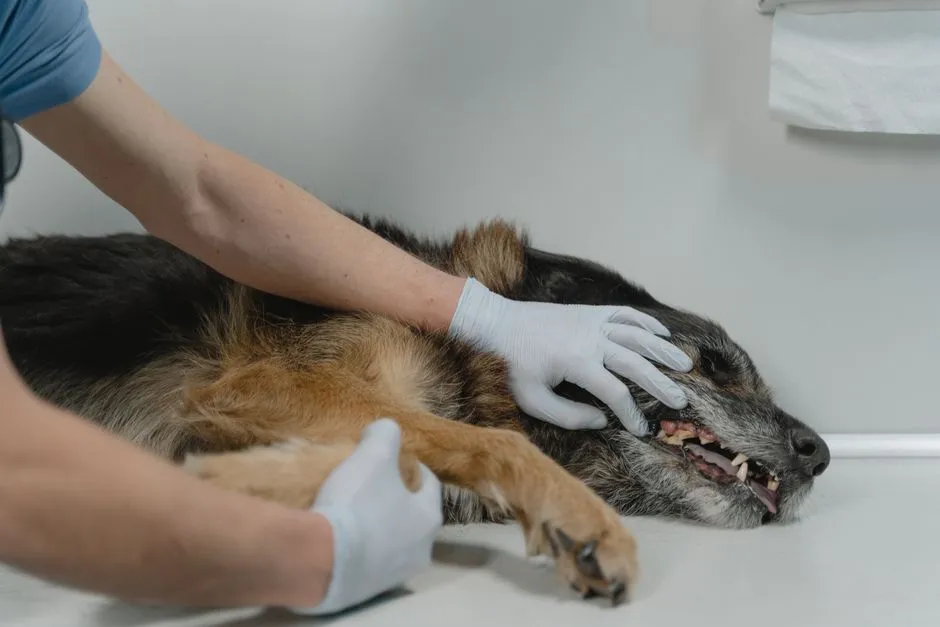
This is one of the clearest comfort tests there is, and one of the most ignored. If your old dog flinches, stiffens, licks their lips, or slowly pulls away when you touch specific areas, that’s not “being grumpy” – that’s often pain talking. Common trouble zones include the hips, lower back, shoulders, and paws. Most dogs don’t yelp. They just hold their breath, freeze, or look away.
Try slow, gentle petting when your dog is calm. A comfortable dog leans in, melts, or rolls over for more. One that tolerates touch but never truly relaxes into it may be living with constant, low-grade pain. Calling a dog “cranky” or “done with cuddles” is an easy excuse to avoid investigating further – you don’t need to poke and prod like a vet, but don’t ignore the quiet flinch either.
#6 – New House Soiling After Years of Being Potty Trained
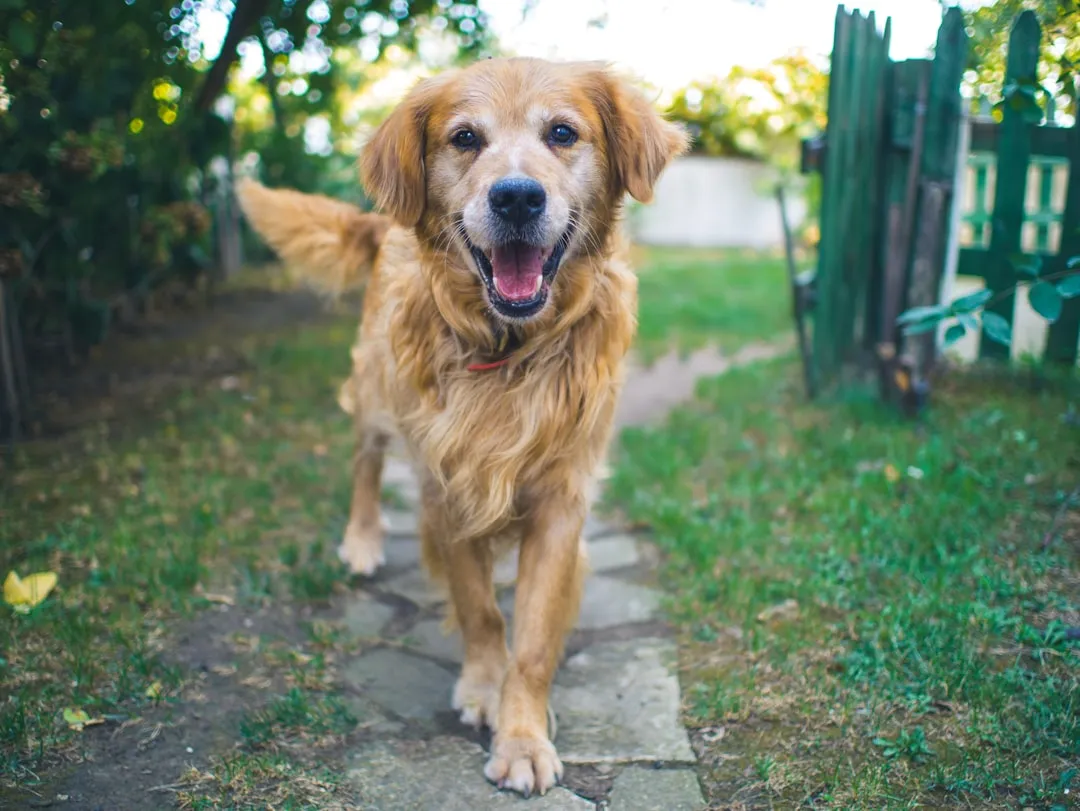
Many owners assume accidents automatically mean dementia, and leave it at that. The truth is messier. A house-trained senior who suddenly starts having accidents indoors may be dealing with pain, urgency, or anxiety – not just “forgetfulness.” Arthritis can make it physically hard to get up in time, and bladder infections or kidney issues can make holding it painful or even impossible.
Watch the context closely. Does your dog try to make it to the door but just can’t? Do they look embarrassed or distressed afterward? That usually points to physical struggle, not stubbornness. Even genuine cognitive decline is still a comfort issue, not just a cleanliness problem. A comfortable senior, with reasonable support, should still be able to reach their potty spot most of the time – writing it off as “she’s old, what can you do” does her a real disservice.
#7 – Stiffness After Rest (The “Slow Start” Syndrome)
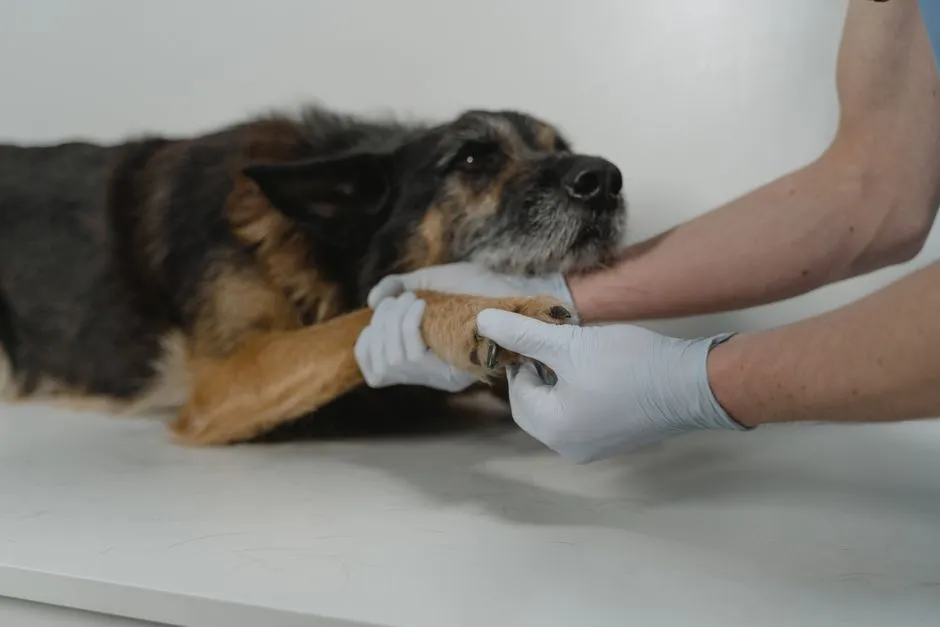
The classic story: the dog lies down fine, but when they get up, they move like a rusty robot. Owners laugh it off as “he just needs to warm up,” but that start-up stiffness is one of the clearest signs of chronic joint pain there is. If it takes several minutes for your dog to loosen up after sleep or a long car ride, you’re not looking at normal aging – you’re looking at discomfort.
Pay close attention to the first ten steps after rest. A comfortable old dog may be slower than they used to be, but they shouldn’t stagger, bunny-hop, or drag their feet. Stiffness that eases with gentle movement is textbook arthritis behavior. The good news is that modern pain management can dramatically improve this. The bad news is that most people never even mention it to their vet, because they assume it’s simply inevitable.
#8 – Changes in Grooming: Over-Licking or Not Grooming at All

Dogs don’t have words, so they use their tongues instead. Excessive licking of one joint, a paw, or the groin area is often a sign of pain or irritation, not boredom. The opposite is just as telling: a once-tidy dog who now smells, mats up, or lets debris collect in their coat may simply be too sore or too fatigued to groom themselves properly anymore.
Watch for hot spots caused by constant licking or chewing – many “allergy” dogs actually have underlying soreness or nerve pain in that exact region. A truly comfortable senior usually maintains a baseline of cleanliness, especially in familiar spots like paws and rear. If that slips, ask why. Is bending to reach that area now painful? Is arthritis in the neck or spine blocking normal grooming? These are comfort questions, not cosmetic ones.
#9 – Withdrawal From Family Interaction
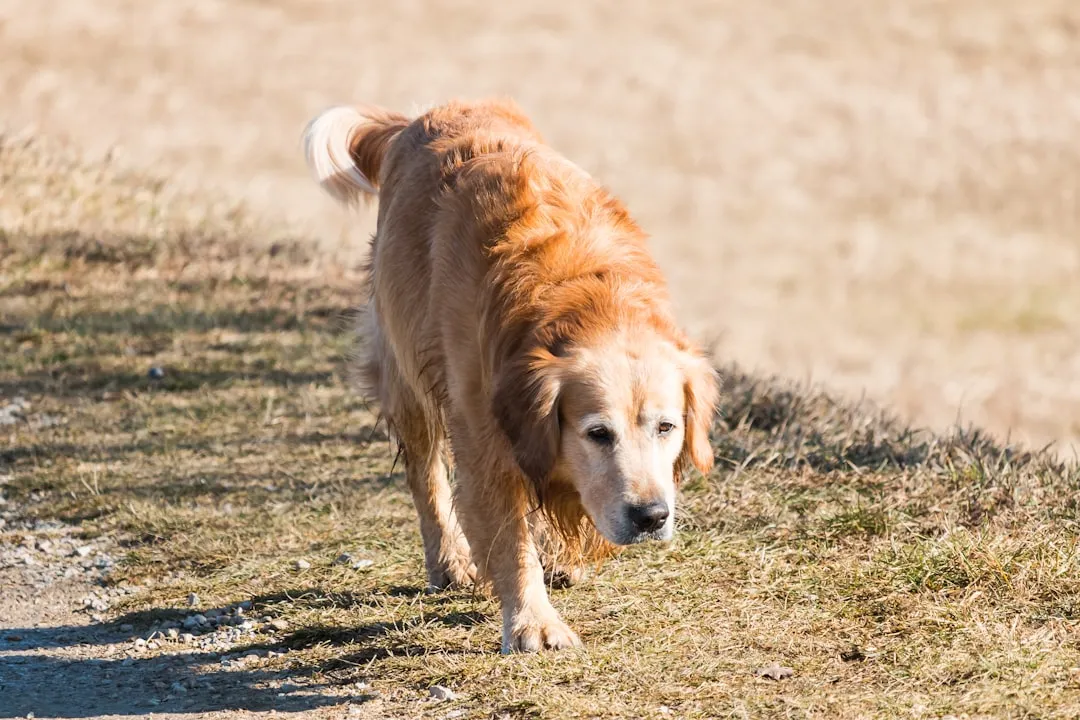
This one is brutal because it’s so easy to misread. Owners say, “she’s just independent now,” but many seniors who take themselves off to another room, avoid eye contact, or stop greeting at the door are actually feeling unwell, anxious, or cognitively confused. Dogs are social by nature – a real personality shift away from connection is never just a quirk.
Notice when and how they withdraw. Are they always in the same corner? Do they seem disoriented when you approach, or just flat and distant? A comfortable old dog might nap more, sure, but will usually still seek out your presence, even if it’s just to sleep near you. A dog that hides, avoids kids or noise, or drops out of familiar rituals like bedtime routines may be quietly struggling. Writing it off as “retired from family life” is comfortable for you – not for them.
#10 – Sudden Clinginess or “Velcro Dog” Behavior

Here’s the twist: the opposite of withdrawal – sudden, intense clinginess – can be just as loud a comfort clue. A dog that must suddenly be in constant contact, follows you from room to room, or panics when left alone may be signaling pain, anxiety, or declining senses. They’re not spoiled. They’re scared, uncomfortable, or both.
While most people love the extra cuddles, it’s worth asking what actually changed. Are their eyes cloudy? Is their hearing fading? Are they more easily startled? Losing a sense often makes dogs lean harder on their human for security, and chronic pain pushes them the same direction. A genuinely comfortable senior can enjoy your company but still relax at a distance sometimes. If your dog treats you like a life raft in a storm 24/7, you owe it to them to figure out what feels so unsafe.
Quick Compare
- Withdrawal: avoids contact, seeks solitude, disengages from family routines.
- Clinginess: seeks constant contact, panics when left alone, follows room to room.
- Shared root: both can signal pain, fading senses, or anxiety – not just personality.
- Red flag either way: any sudden, lasting shift from your dog’s normal baseline.
#11 – Changes in Play: Not Just Less, But Different
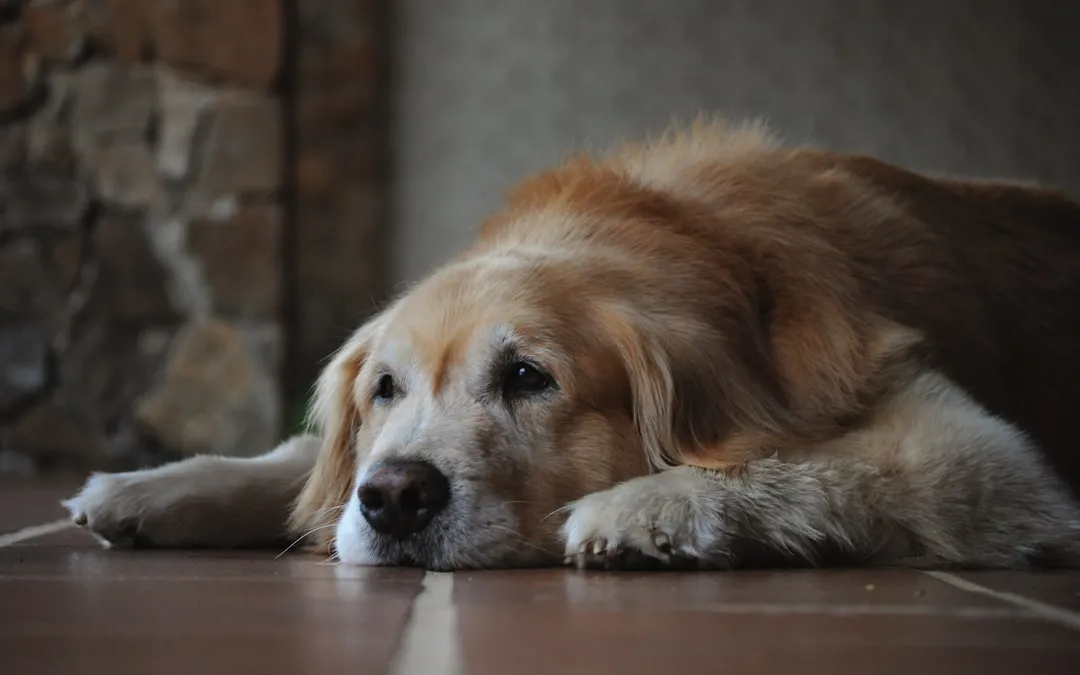
People expect old dogs to play less. But a change in how they play is far more revealing than how often. A dog who used to chase balls and now only wants to sniff around is simply making a choice – that can be totally fine. But if they try to play and stop abruptly, drop toys, or wince when they twist, that’s discomfort speaking.
Watch for half-hearted attempts: bringing you a toy, bouncing once, then lying back down. Or grabbing the toy but refusing to tug with their usual intensity. Many owners call this “maturing.” Vets see it as a pain flag. A comfortable old dog might prefer calmer games – slow tug, puzzle toys, gentle walks – but they’ll still show real sparks of joy without immediate fallout. Abruptly abandoning a favorite play style deserves attention, not a shrug.
#12 – Facial Expressions: Squinting, Furrowed Brows, and Tension
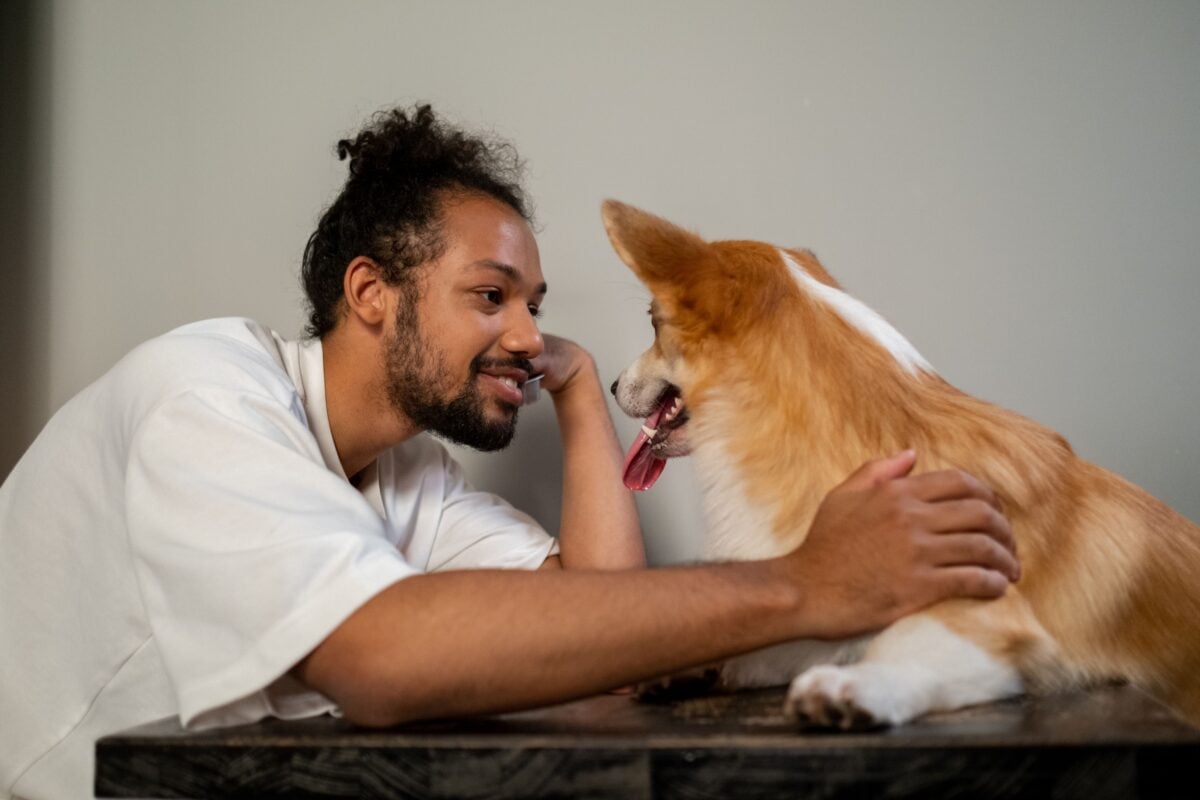
Dog faces tell more truth than owners give them credit for. Subtle squinting, a constantly furrowed brow, or a tight jaw can all be signs of chronic discomfort. A relaxed dog has soft eyes, loose lips, and often a slightly open, “smiling” mouth. A dog in pain may hold their mouth closed, lick their lips repeatedly, or show more white around the eyes than usual.
Don’t just check their face during obvious stress – check it while they’re supposedly resting. Do they actually look peaceful, or like they’re gritting their teeth through something? Some people mistake this tense look for “wisdom” or “seriousness in old age.” That’s romanticizing what might be daily discomfort. Once you learn to spot the difference between genuinely relaxed and quietly hurting, you can’t unsee it.
#13 – Nighttime Restlessness or Pacing
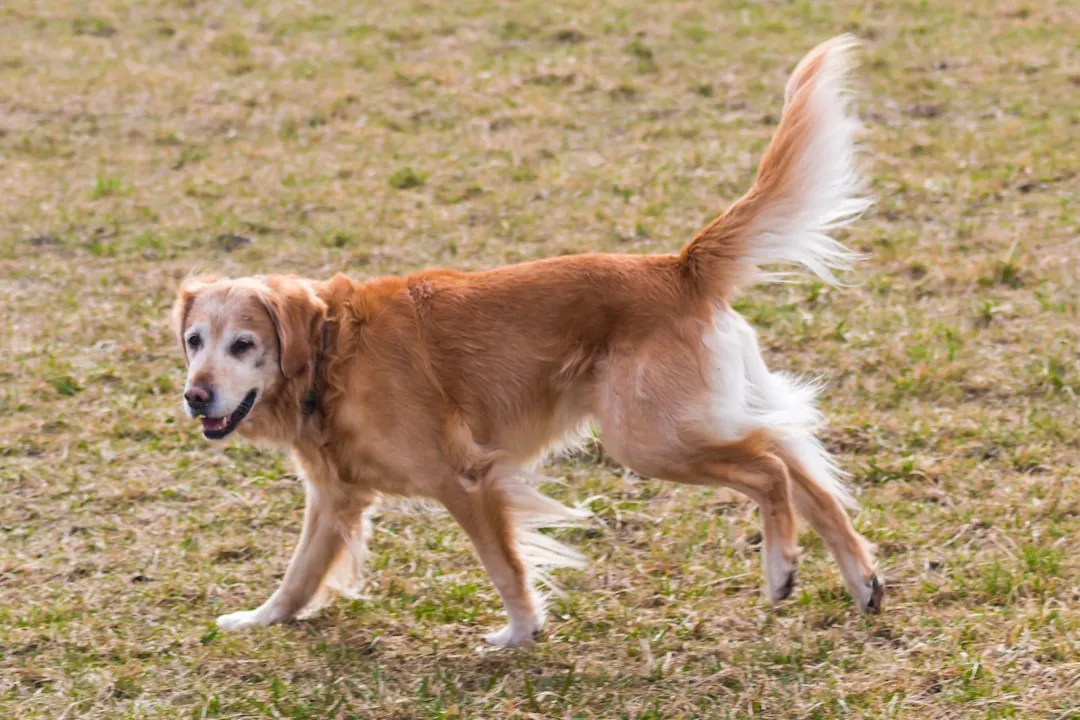
A senior dog wandering the house at 2 a.m. isn’t just “odd” – it’s a textbook red flag. Nighttime pacing, whining, or repeated attempts to change sleeping spots often signal pain, anxiety, or cognitive decline. The quiet of night makes internal discomfort louder, and many dogs simply can’t find a position that doesn’t hurt, so they keep moving.
You might also notice them staring at walls, getting stuck in corners, or standing in strange places. That’s not quirky – it’s distress. A comfortable older dog should be able to settle for long stretches at night, even if they wake once to potty. Constant repositioning, panting, or wandering is not “just old dog stuff,” and this is one area where early intervention can drastically improve both their life and your sleep.
#14 – Sudden Startle Responses or New “Grumpiness”
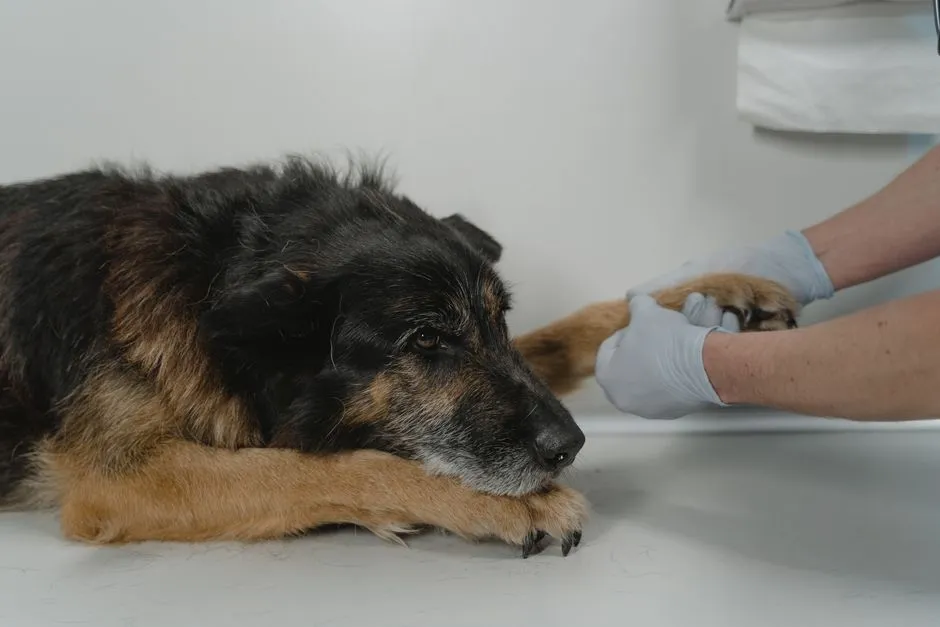
If a dog who tolerated anything as a youngster now snaps or growls when touched in certain situations, plenty of people label them “mean.” That’s lazy. New irritability, especially when being moved, picked up, or stepped over, is often pain-based, not a character flaw. Imagine being yanked up when your back is killing you – you’d snap too.
Look for patterns. Does the snark happen when you move them off the couch, roll them while sleeping, or lift them into the car? That’s not random aggression, it’s a warning. A comfortable dog can be woken, shifted, or brushed without going straight to defense. Yes, cognitive or sensory decline can change temperament too – but every behavior change deserves a pain check first. “Just old and grouchy” is a convenient myth.
Worth Knowing
- Snapping when touched near the hips, back, or belly often points to arthritis or internal pain.
- Growling when lifted or rolled over usually signals a specific sore spot, not general crankiness.
- Dogs with fading hearing or vision may startle-snap simply because they didn’t see or hear you coming.
- A focused vet exam can often pinpoint the exact trigger area in a single visit.
#15 – Changes in Body Weight and Muscle Tone
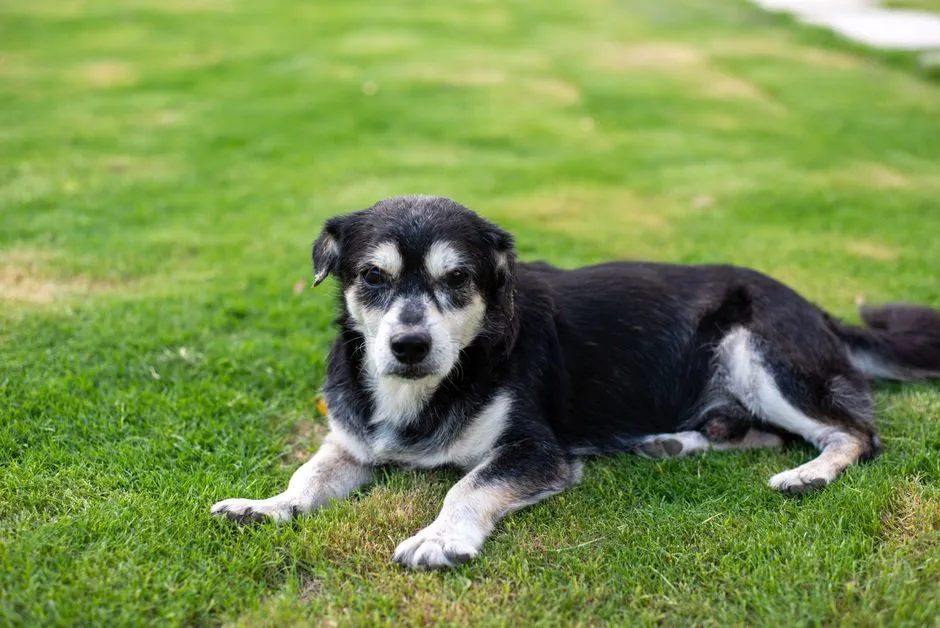
Weight changes are some of the easiest signals to miss because they happen so slowly. A senior quietly losing muscle over the spine and hips, or gaining fat around the middle, may be far less comfortable than they look. Muscle loss often means they’re moving less because of pain. Extra weight puts even more strain on joints that are already aching.
Run your hands along their body. Can you suddenly feel bones you never felt before? Is their belly thicker even though “you feed the same as always”? A comfortable old dog usually maintains a relatively stable, lean body with decent muscle for their age, when diet and movement are right. Big swings in either direction are not “just aging” – pretending they are lets real problems go untreated.
#16 – Eye and Ear Changes That Affect Confidence

It’s trendy to joke about “the old man with cloudy eyes,” but vision and hearing loss massively affect how safe and comfortable a dog feels in their own home. Misjudging distances, bumping into furniture, or startling when touched from behind aren’t personality quirks – they’re sensory deficits, and those deficits quietly breed anxiety.
Watch for new clinginess, hesitation at thresholds, or refusing to enter dark rooms. A comfortable senior with good environmental support – rugs for traction, nightlights, consistent furniture placement – can still navigate confidently. A dog that freezes in doorways, panics at sudden touch, or avoids certain rooms may not feel secure at all. Too many owners write this off as “cute old dog behavior” instead of asking how to make their world easier to move through.
#17 – Breathing, Coughing, and “Just Getting Winded”
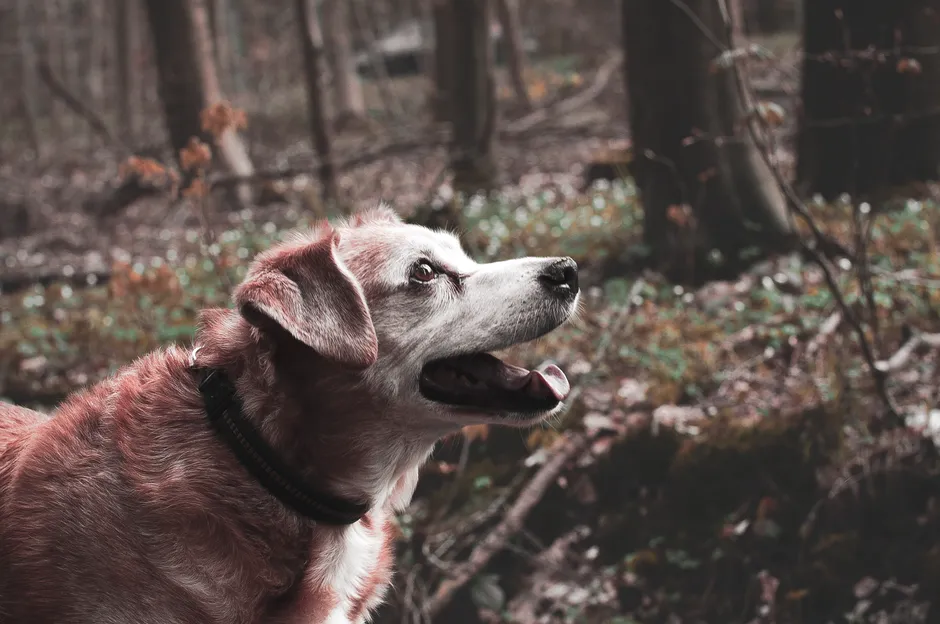
People are shockingly quick to wave off respiratory changes. A senior dog who coughs occasionally, gets winded on short walks, or lies down with elbows spread and neck stretched out may not be comfortable at all. Heart and lung issues are common in older dogs, and they don’t always look dramatic – at first.
Notice posture: do they prefer sitting or standing over lying on their side? Do they grunt when they settle? Is there a soft, regular cough that “has always been there” but is quietly getting more frequent? Comfortable breathing is quiet, rhythmic, and effortless. Anything else deserves more than a shrug – blaming it all on “out of shape and old” is dangerously dismissive, especially since early treatment can genuinely improve both comfort and lifespan.
#18 – The “Spark Test”: Joy, Curiosity, and Daily Engagement
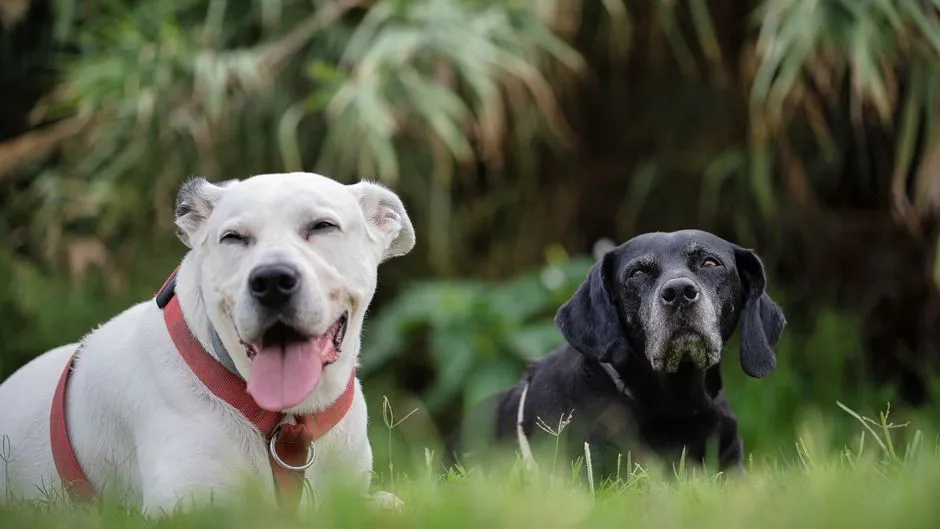
Here’s the most important signal of all: a truly comfortable old dog still has moments of obvious joy, curiosity, and engagement with life. It might look smaller now – a happy trot to the food bowl, a tail wag for a favorite person, a keen interest in sniffing the same old tree – but the spark is still there. When that spark disappears and the days blur into flatness, this isn’t just about age anymore. It’s about quality of life.
Ask yourself bluntly: does my dog still have things they clearly enjoy, most days? Or do they simply exist, enduring the hours between naps? Many people avoid this question because the answer hurts. But comfort was never measured by how quiet a dog is – it’s measured by how much they can still live, not just survive. When the spark is gone despite good vet care, pain control, and support, loving them sometimes means letting go.
At a Glance
- Does your dog still have at least one activity they clearly enjoy most days?
- Do the good days still outnumber the hard ones?
- Could pain management or mobility support realistically improve their week?
- Would your vet call their current comfort level “manageable” or “declining”?
What Their Silence Was Really Telling You
Old dogs don’t complain the way humans expect them to. They speak in whispers – a slow step on the stairs, a midnight pacing session, a distant stare from the corner of the room. Silence isn’t proof of comfort. Sometimes it’s proof of resignation.
The hardest truth here is uncomfortable on purpose: pretending every limp, accident, or behavior change is “just old age” often protects our feelings more than it protects theirs. The good news is that most of these 18 signals can be dramatically improved with pain management, environmental tweaks, and one honest conversation with a vet. The bad news is that waiting until a dog is barely moving or eating usually means they’ve been uncomfortable for a long time already.
In my view, choosing to see these quiet signs – and actually act on them – is what separates real love from simple attachment. So ask yourself honestly: are you reading your dog’s signals, or are you still hiding behind “she’s just old”?
