
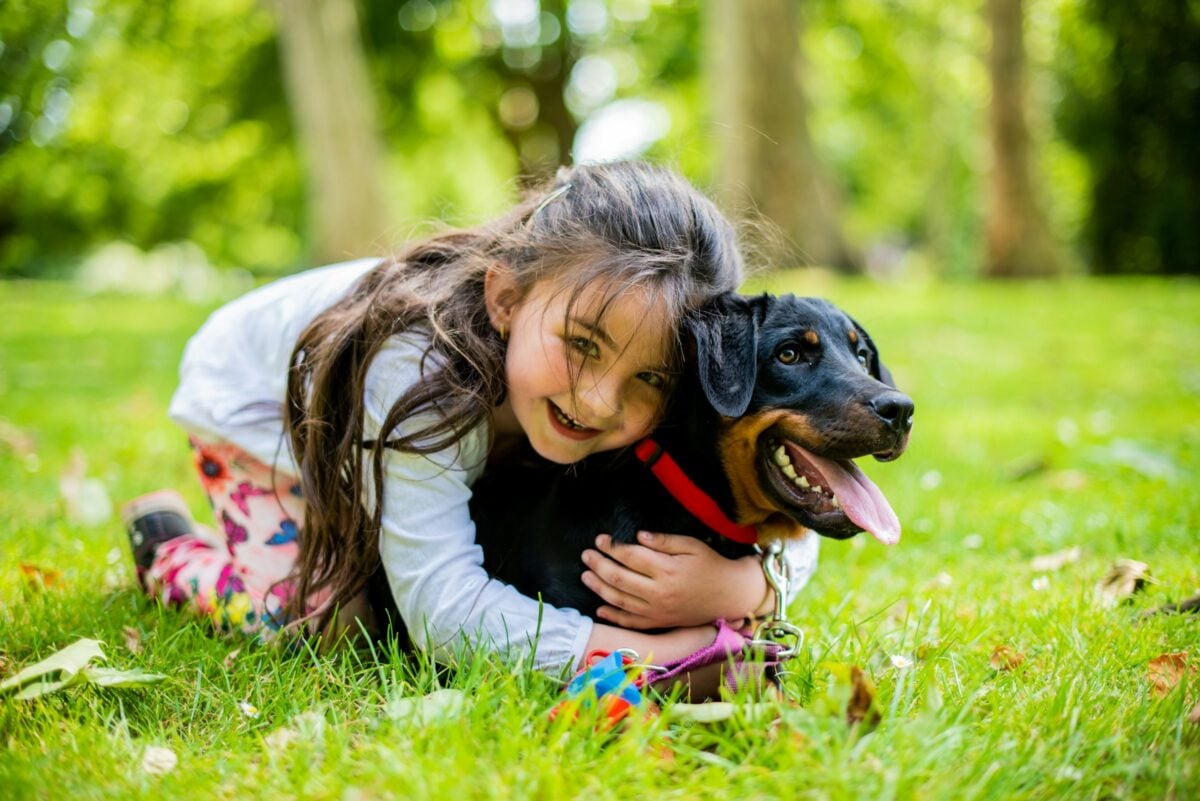
Long before you raise your voice, pack a suitcase, or even admit to yourself that something’s wrong, your dog already knows. Not because they’re psychic – because they’ve been quietly studying you since the day you brought them home, logging every sigh, footstep, and closed door like evidence in a case only they’re working.
Trainers, researchers, and thousands of dog owners keep circling back to the same unsettling idea: dogs might be the most honest witnesses in any household, and they never lie about what they sense. Here are 19 signals your dog is almost certainly reading right now – some familiar, some genuinely eerie – long before anyone in the room says a word.
#1 – The Emotional Weather Nobody Announced
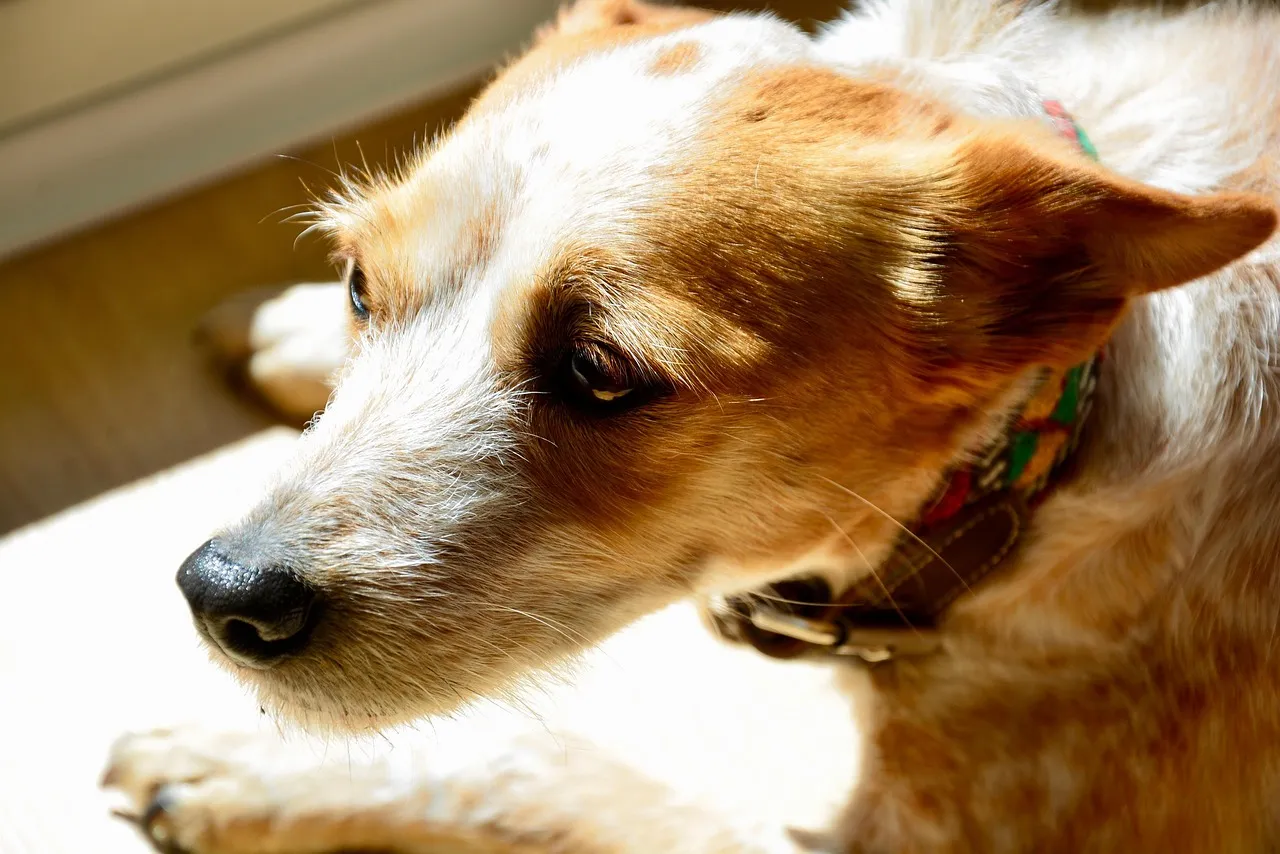
Dogs don’t just notice moods; they live inside them. Before anyone raises their voice or sighs dramatically, your dog is already tracking the emotional weather of the room. Faster footsteps, less eye contact, a heavier drop onto the couch – it all feeds their internal radar. They’re pattern machines, and the second the pattern breaks, they clock it.
They’re also experts at pairing emotional states with outcomes. If tension in the house usually ends with doors slamming or someone storming out, they start bracing early. That’s why some dogs slink off, lick their paws, or wedge themselves under a table before an argument officially starts. They’ve learned that this particular flavor of stiffness almost always means trouble.
#2 – The Body Language You Didn’t Know You Were Broadcasting
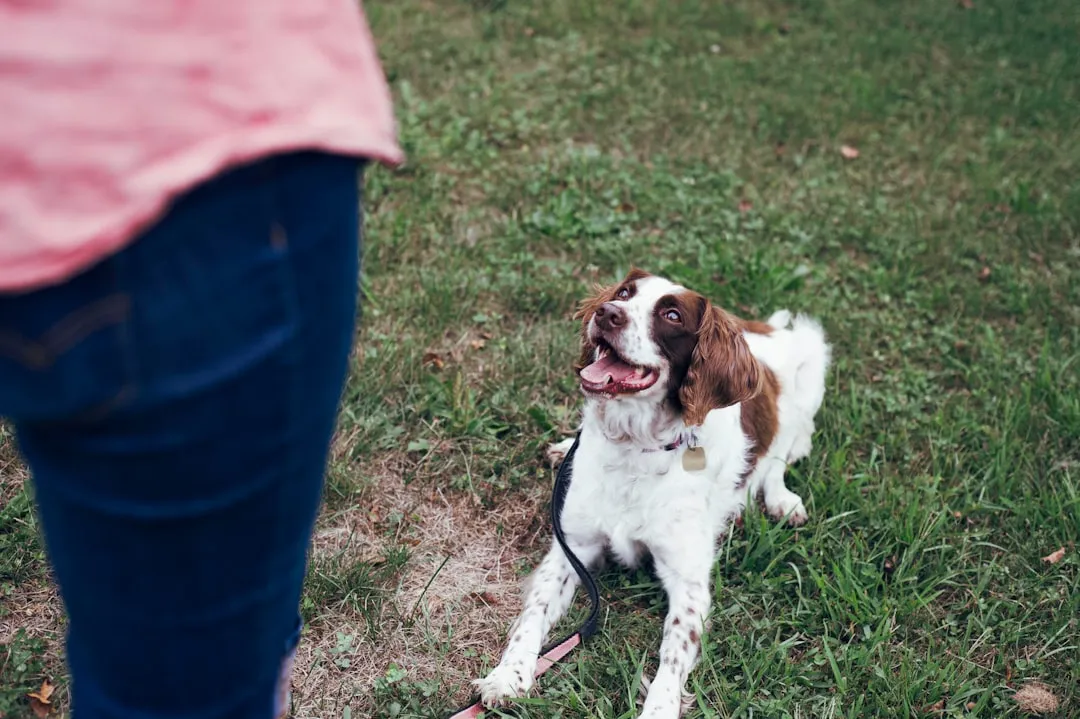
Long before you say “walk” or “vet,” your body has already told the story. Dogs read tiny shifts – how you stand up, the way your shoulders drop, the angle of your feet pointing toward the door. To them, these aren’t random movements; they’re signals filed away in a personal dictionary of what you do right before key events.
That’s why you can spell the word out and they still know. It isn’t the letters; it’s your slightly faster pace, your hand brushing the leash hook, your eyes flicking toward the door. Flip it around, and if your shoulders cave and your steps drag, plenty of dogs go quieter and more “velcro” almost instantly – adjusting to your energy before you’ve even admitted you’re exhausted.
#3 – The Smell of Stress You Can’t Hide
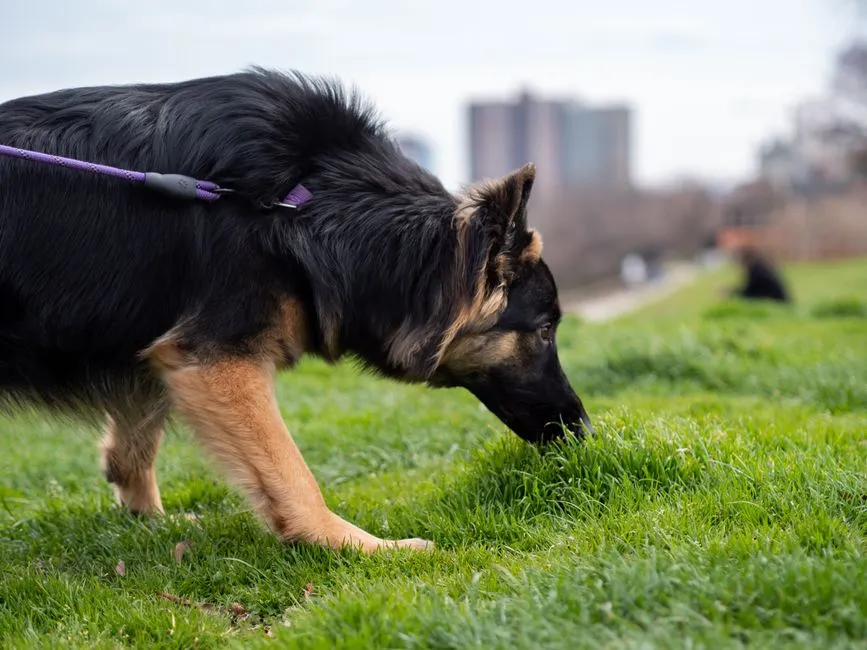
Humans underestimate smell; dogs live by it. When someone in the house is stressed, their body chemistry shifts – sweat composition changes, breathing alters, stress hormones surface in subtle ways. Studies suggest dogs can detect changes in human scent tied to stress and even certain illnesses. To a dog, a “normal” you and an “anxious” you literally smell different.
What’s wild is how fast they act on it. Some dogs go clingy the moment stress chemicals spike, hovering near one specific person. Others do the opposite and quietly disappear, having learned that this particular smell tends to precede conflict. Watch for pacing, extra yawning, or a dog checking rooms one by one, as if hunting for the source of a bad vibe nobody’s named yet.
Fast Facts
- Dogs are estimated to have up to 300 million scent receptors, compared to roughly 6 million in humans.
- The brain region devoted to analyzing smell is proportionally much larger in dogs than in people.
- Stress hormones like cortisol can shift body odor within minutes of a spike.
- Some trained dogs can detect blood sugar changes or certain illnesses through scent alone.
#4 – The Routine Cracks You Haven’t Admitted Yet
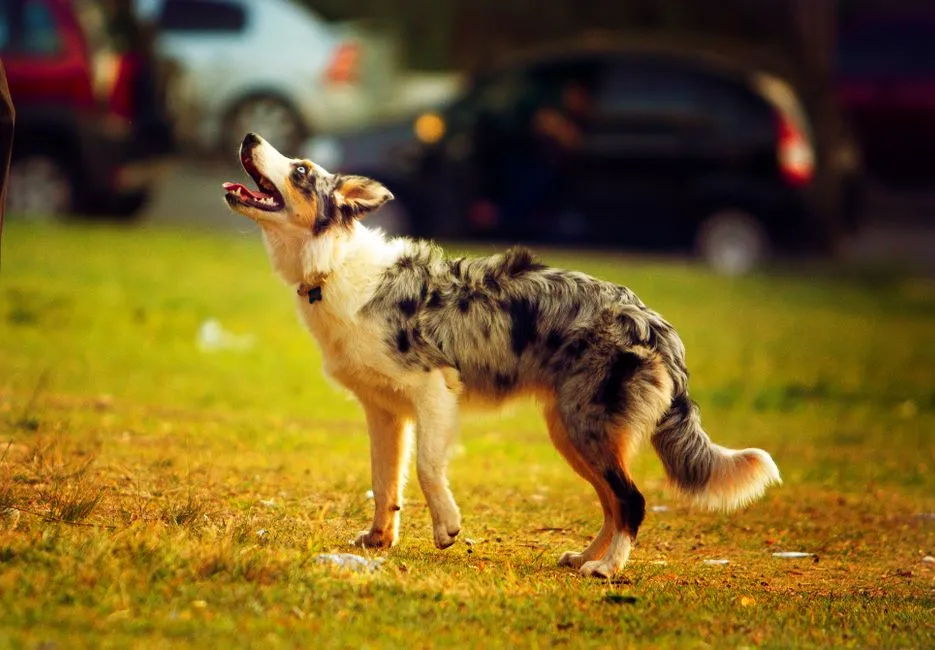
People love to say “dogs love routine” like it’s only about feeding time. In reality, dogs track dozens of micro-routines – your alarm time, how many cups of coffee get made, whether you grab the laptop bag or the gym bag first. Change one piece of that scripted morning, and most dogs clock it instantly.
If someone starts working later, packing quietly, or showering at a different hour, a tuned-in dog often turns watchful or restless. They might sit by the door at unfamiliar times or shadow whoever’s schedule just shifted. Plenty of owners swear their dog acted “off” days before a move, a breakup, or a big trip – because the dog clocked the prep long before anyone said it out loud.
#5 – Rising Conflict Before the First Shout
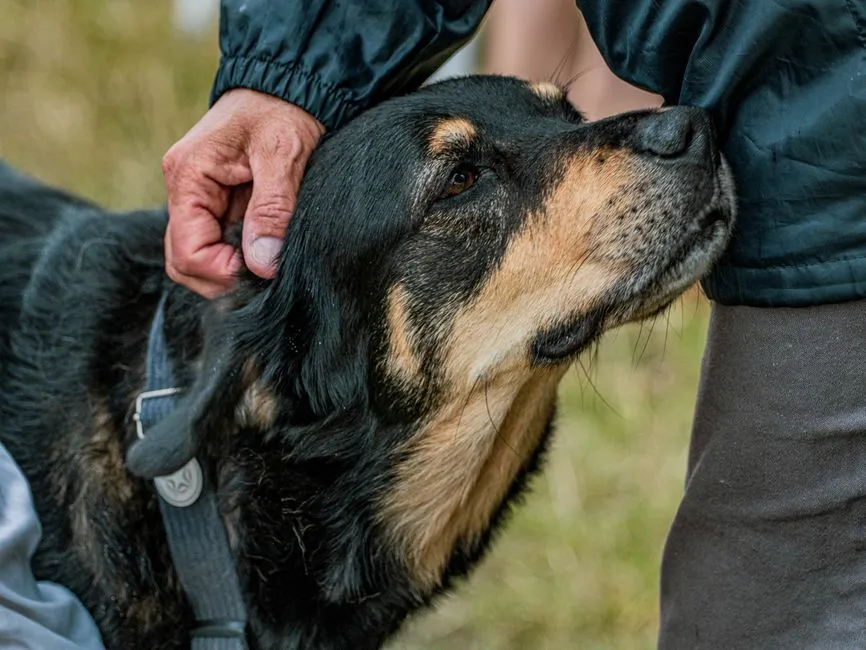
A lot of people insist “my dog hates arguments,” but the truth is harsher: your dog sees the fight coming before either of you admit you’re about to have one. They pick up on clipped answers, faster footsteps, and the moment two people quietly stop touching or making eye contact. To a dog, dropped eye contact is as loud as a slammed door.
Some dogs respond by physically inserting themselves – sitting between people, leaning hard into one person’s leg, or suddenly demanding play to break the tension. Others freeze in place, ears back, waiting for impact. If fights are common in a house, the dog may retreat to a safe zone – a crate, a bedroom, under the table – the instant those early cues appear, even if the argument never actually happens that day.
#6 – Who Really Runs the House (It’s Not Who You Think)
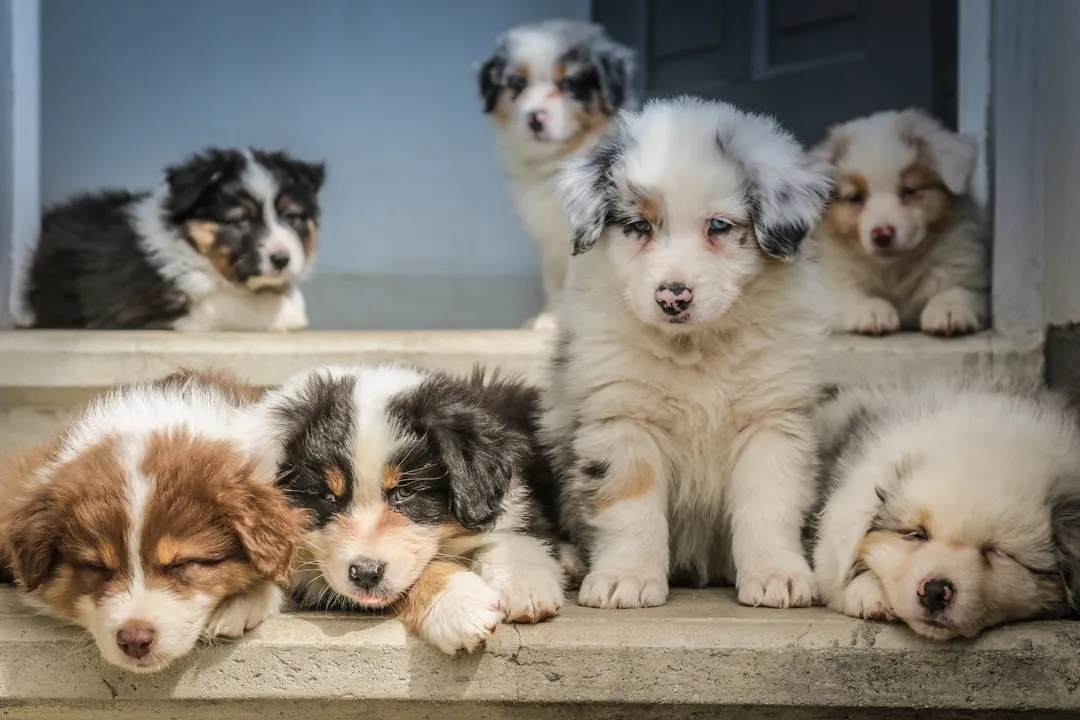
Most people assume the dog thinks “the leader” is whoever feeds them. Not quite. Dogs quietly map who controls movement, decisions, and access – who opens doors, who ends playtime, who breaks up arguments, who everyone unconsciously glances at before acting. That person becomes the center of gravity in the dog’s mind, no command required.
You’ll see it the moment something strange happens – a crash in the kitchen, a stranger at the door, a crying kid. Watch who the dog looks at first. That’s usually who they’ve decided is in charge. Sometimes it’s not who you’d expect: plenty of households have a dog who quietly picks the calm, quiet adult as the true stabilizer, not the loud one handing out most of the orders – which can create some real friction when the “official” hierarchy and the dog’s hierarchy don’t match.
#7 – The Grief You’re Trying to Hide

One of the eeriest things about living with a dog is how fast they key into grief, even when everyone’s trying to keep it together. Before the tears start, there’s a heavy stillness – less movement, fewer conversations, longer stares at nothing. Dogs track that drop in social energy like a storm front rolling in.
They may start following one specific person everywhere, refusing to leave their side, or lying quietly at their feet for hours. The goofy clown dog suddenly plays less and sleeps more. The independent one starts checking in constantly. They don’t understand loss the way we do, but they absolutely register that the emotional baseline of their pack has crashed.
Dogs are our link to paradise. They don’t know evil or jealousy or discontent.
Milan Kundera
#8 – The Diagnosis No Doctor Has Given Yet
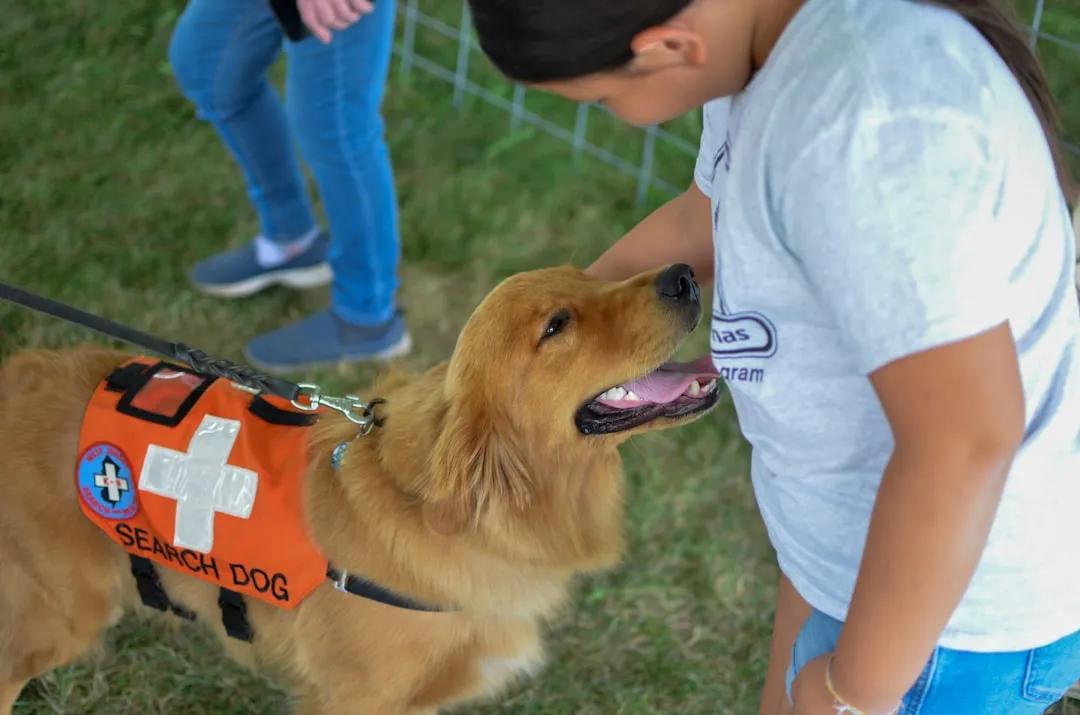
This one sounds like a myth until you look at the evidence. There are documented cases of dogs alerting to cancers, seizures, and blood sugar changes. Not every internet story is proof, but scientists broadly agree on one thing: dogs can detect certain biological changes in humans before we consciously notice symptoms – mostly through scent, but also through altered breathing and micro-movements.
In regular households, this can look like a dog obsessively sniffing one spot on someone’s skin, or suddenly fixating on a person who insists they “feel fine.” Others paw, nudge, or act genuinely distressed around someone whose body chemistry has quietly shifted. Not every clingy dog is predicting a medical crisis, obviously – but when a dog’s behavior changes dramatically toward one person, it’s rarely nothing.
Worth Knowing
- Diabetic alert dogs can be trained to signal low blood sugar in their owners, sometimes before symptoms appear.
- Some medical detection dogs are trained to identify scent patterns linked to certain cancers.
- Seizure alert dogs occasionally react minutes ahead of an episode, though researchers are still studying exactly how.
- No special breeding is required – it taps into scenting instincts every dog already has.
#9 – Pregnancy and Nursery Prep Before It’s Public
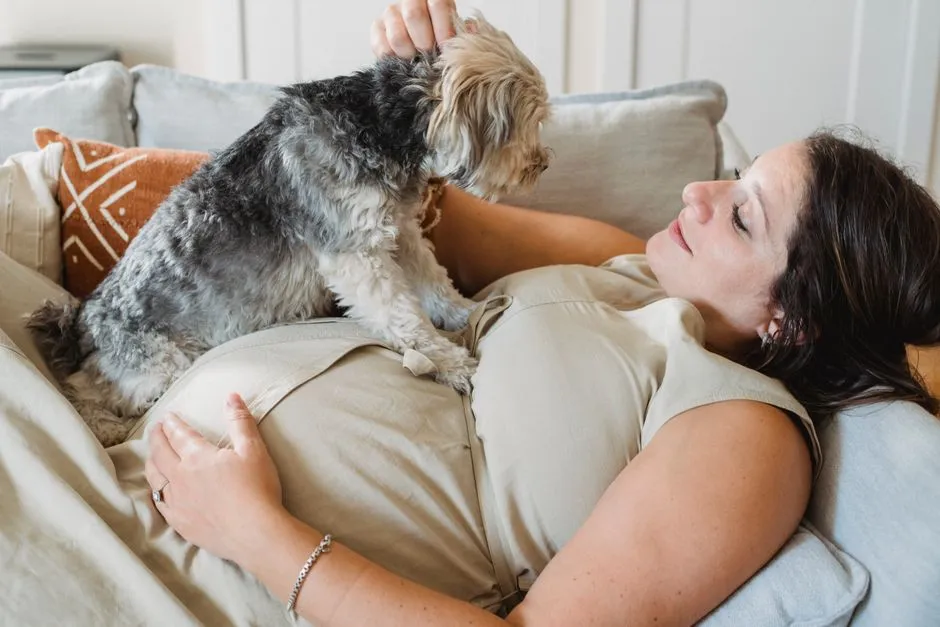
Plenty of people swear “my dog knew I was pregnant before I did,” and while that’s probably exaggerated, they’re not entirely wrong. Hormonal shifts change body odor, daily habits, even the way you sit down. Dogs are wired to notice reproductive changes in their pack, because in nature, that kind of shift affects safety and resources.
They may start sniffing a belly more, lying across a lap protectively, or acting oddly cautious. Then comes the environmental prep – new furniture, boxes, more visitors, different cleaning smells – and dogs watch a nursery appear piece by piece, feeling the buildup without any of the context. Sensitive dogs can turn anxious or extra clingy months before a baby ever arrives, confused not by the baby, but by anticipation with no explanation attached.
#10 – The Money Stress That Leaks Into Everything
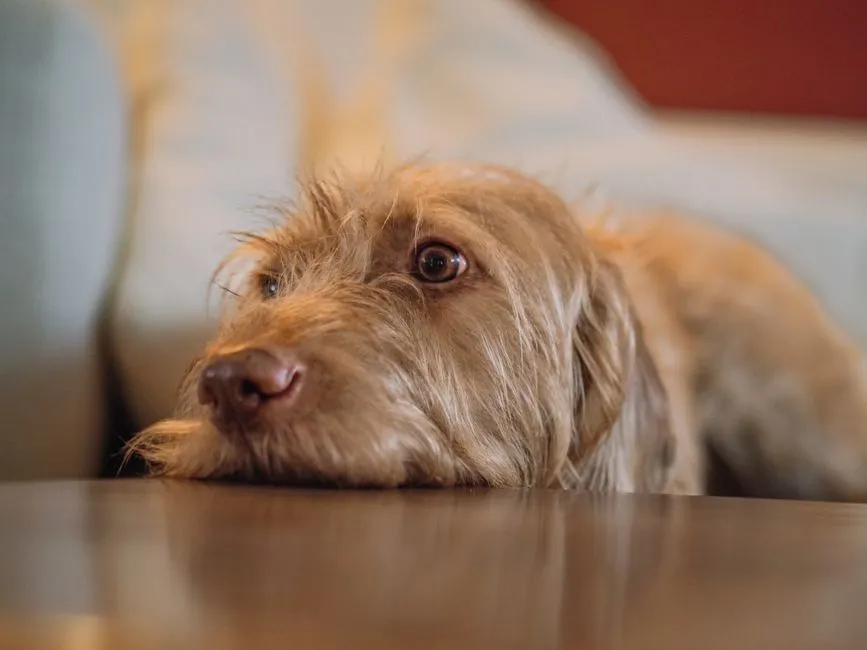
Money problems and job trouble have a scent, a schedule, and a posture. When someone is suddenly home far more than usual, or far less, dogs log the shift. They also pick up on agitated pacing, more screen time, shorter tempers, and late-night phone calls. Even the way keys hit the counter changes when someone’s worried about work.
Dogs tend to respond one of two ways: ramping up to demand attention through barking, nudging, or destructive behavior, or dialing way down, sleeping more and staying out of the way. Both are survival strategies. The attention-seekers are trying to drag the household back to a familiar, playful rhythm; the avoiders are trying not to become one more problem in an already tense home. When someone says their dog “acted out for no reason” during a rough season, it’s rarely actually for no reason.
Quick Compare
- Attention-seekers: barking, nudging, destructive chewing – trying to pull the house back to a familiar rhythm.
- Avoiders: sleeping more, staying out of sightlines – trying not to add stress to an already tense home.
#11 – Who’s Anxious, Even While Faking Calm
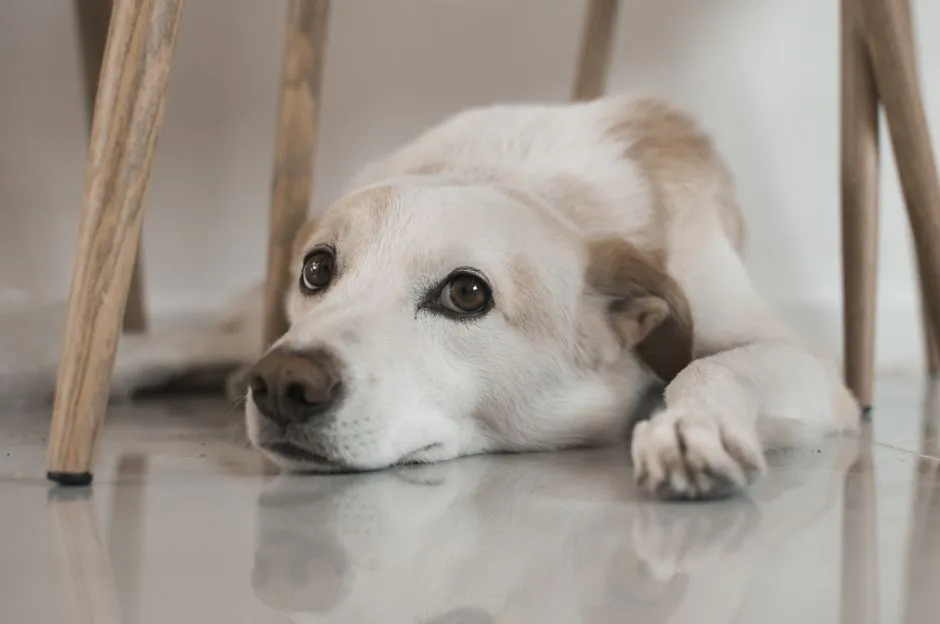
Some people are excellent at masking anxiety around friends or kids. They’re nowhere near as good at hiding it from the dog. Elevated heart rate, shallow breathing, restless leg tapping, forced laughter – it all lights up as a red flag to a creature built to read mammalian nervous systems. Your dog may zero in on the most anxious person in the room long before anyone else clocks who’s actually struggling.
Interestingly, many dogs favor the calmest person in the house right up until that person cracks. Then the dog may suddenly refuse to leave them alone – pawing, whining, or gently “herding” them away from stressful situations. It can be irritating if that person insists they’re fine, but from the dog’s perspective, the energy doesn’t lie even when the words do.
#12 – The Silence That Isn’t Actually Peaceful
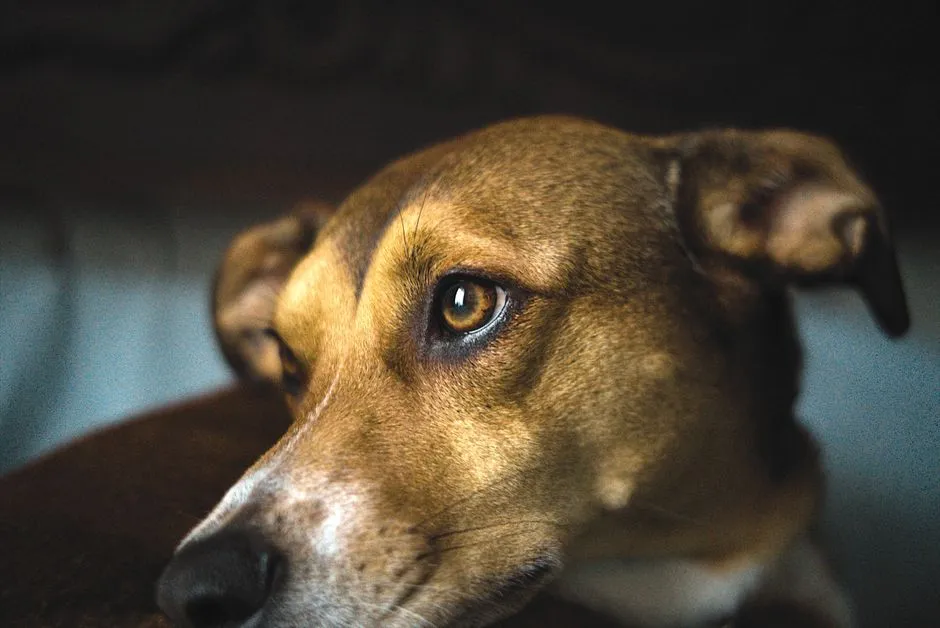
Not all silence is created equal, and dogs know it. There’s the peaceful kind – everyone reading, TV low – and the heavy kind that follows an argument, bad news, or a shocking text. Dogs behave very differently in each, even when the two silences look identical to a human walking into the room.
In peaceful silence, most dogs relax, stretch out, maybe nap. In tense silence, they stay alert – ears swiveling, eyes tracking, body slightly stiff. Some dogs will suddenly “act out” in that quiet, grabbing a toy or demanding to go outside, trying to break the pressure and reset the room. Others do the opposite and retreat, sensing this kind of quiet usually comes before more trouble.
#13 – Doorway Drama and Threshold Tension
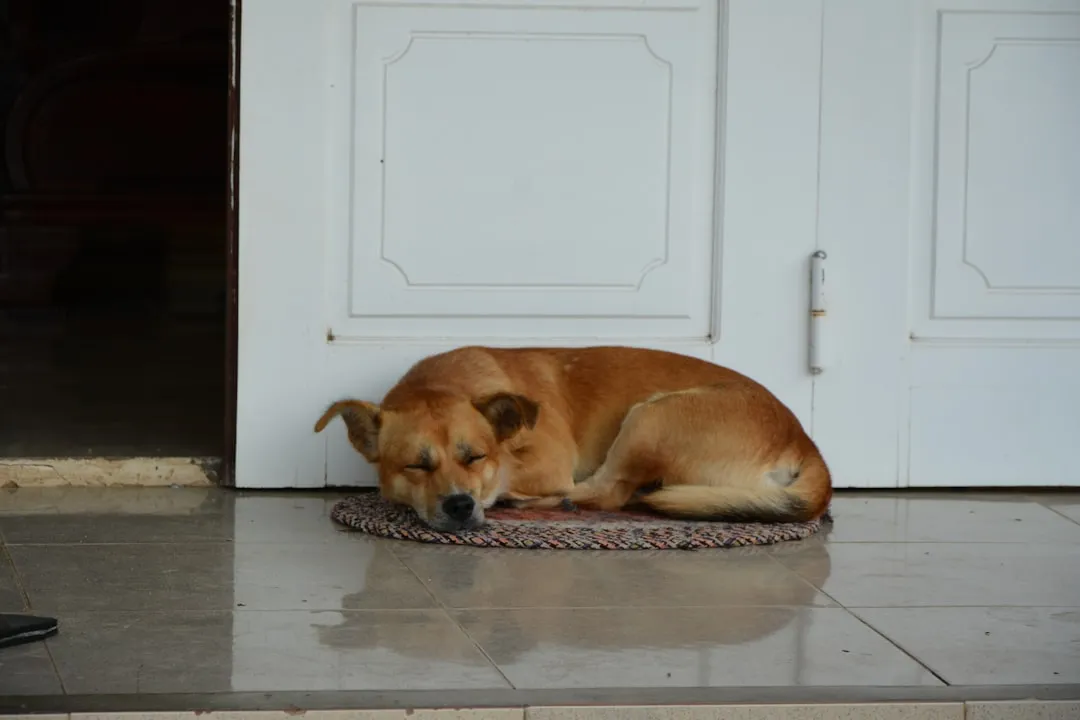
Watch your dog at doorways and hallways – they’re pressure points in the social map of your home. Dogs notice who hesitates at certain rooms, who storms through, who avoids specific doors at specific times. Thresholds are where energy changes direction, and dogs obsess over those transitions.
If a particular room becomes the “argument room” or the “crying room,” plenty of dogs will start slowing down as they pass it, peeking in, or refusing to enter unless invited. Others park themselves in a hallway where they can monitor multiple doors at once, like a security guard on shift. To you it looks like a dog lying on the floor; to the dog, it’s a control point.
#14 – The Relationship Quietly Falling Apart
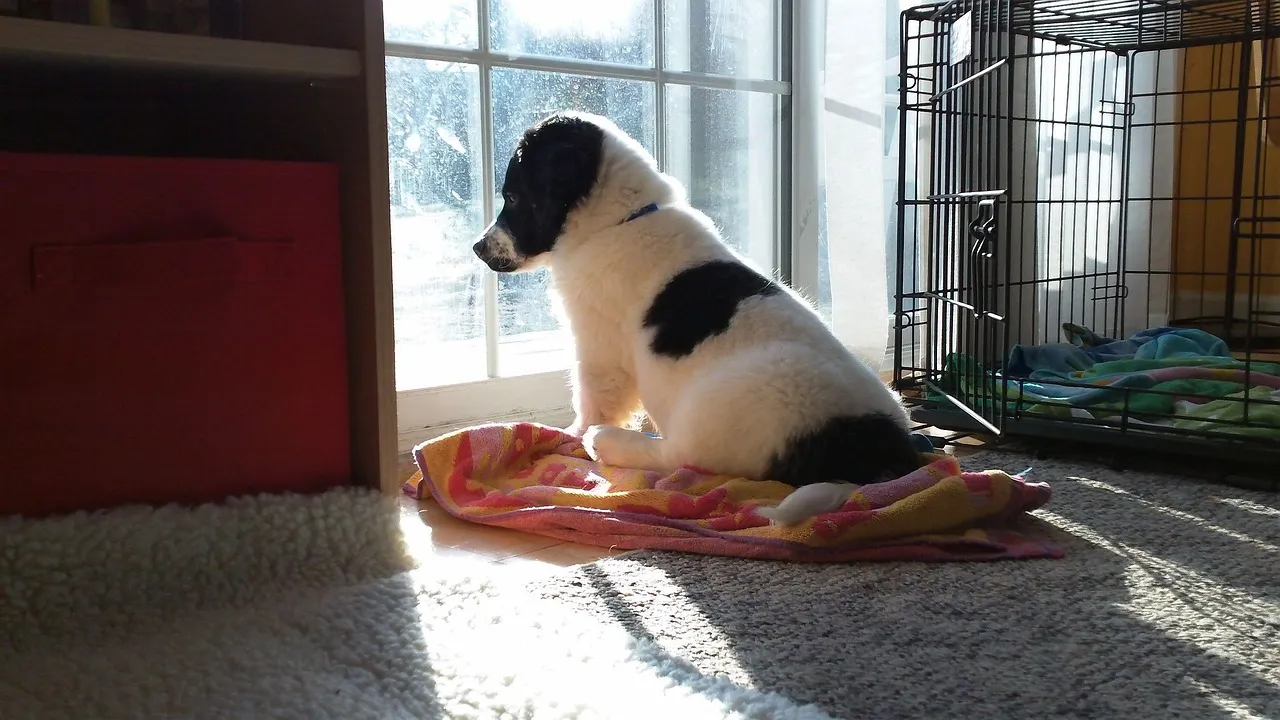
Dogs don’t just bond with individuals – they track the connections between people. They know who usually sits together, plays together, laughs together, and they absolutely notice when those pairings start to fall apart. If two people suddenly stop sharing space or stop touching, the dog reads it as a structural crack in the pack.
You might catch a dog trying to “bridge” the gap, dropping a toy in the space between two people on the couch, or bouncing back and forth as if checking two separate camps. If one person starts spending more time in another room or leaving alone, the dog may start waiting at different doors or windows at new times, visibly unsettled by a shift no one has explained.
#15 – “Leaving for Good” vs. “Just Stepping Out”
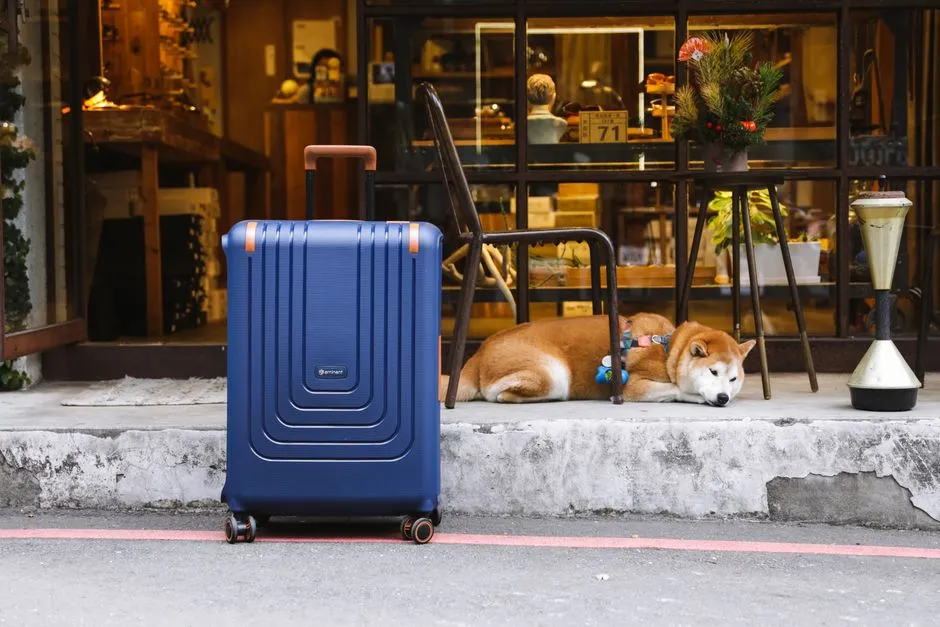
To humans, grabbing keys and walking out looks basically the same whether you’re headed to the store or moving out for good. To dogs, it doesn’t. They distinguish between short-absence energy and “this is different” energy, often well before anyone says a word. Suitcases, extra trips to the car, quieter goodbyes, or no goodbye at all – it all registers.
Some dogs go frantic on “leaving for good” days – barking, blocking the door, pacing room to room after the person’s gone. Others go very still, lying in that person’s usual spot as if guarding the absence itself. When people say “my dog knew the breakup was real before I did,” they’re not exaggerating. The dog read the packing pattern and the eye contact that didn’t happen. The words were just confirmation.
#16 – The House Before and After a Move

Moves don’t start on moving day. They start with cardboard boxes, decluttering, and a low-level buzz of “we have so much to do,” and dogs pick up on it long before any lease is signed. They watch their landscape shift – familiar things disappearing into boxes, familiar smells sealed away – and it reads as instability, no announcement needed.
You may notice a dog suddenly guarding certain items, following you room to room, or acting jumpier than usual. Some regress in training or have accidents; others become hyper-attached because the home base is literally changing shape under them. After the move, their behavior often mirrors how settled you are, not how nice the new place is – if you’re scattered and stressed, they treat the new house as unsafe until proven otherwise.
At a Glance
- Guarding favorite toys, beds, or blankets as boxes appear
- Following you from room to room more than usual
- Regression in house-training or sudden accidents
- Restlessness or pacing once familiar furniture disappears
#17 – The Real Pecking Order (Kids Included)
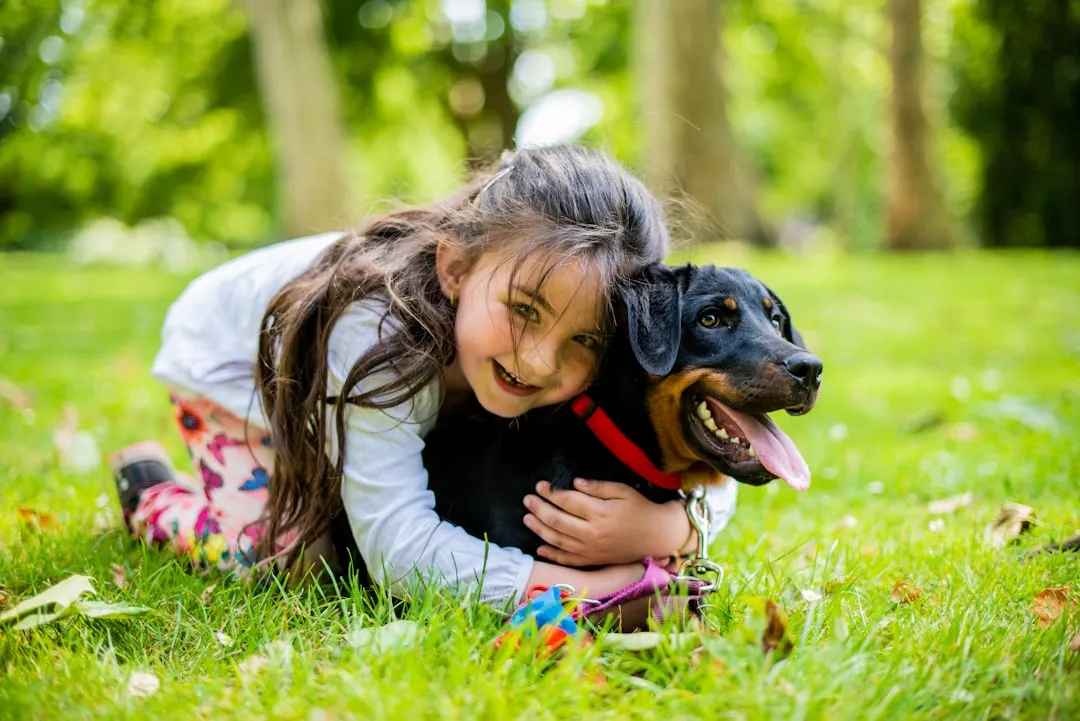
Dogs are constantly updating a mental chart of who can do what to whom. They see which kid gets away with more, who gets scolded, who’s allowed to pick them up and who isn’t. They’re not just obeying rules; they’re watching how those rules get applied between the humans in the house.
A dog might tolerate rough handling from one child but sidestep another who’s unpredictably loud or harsh. Some dogs hover protectively near kids they see as vulnerable, especially younger ones or those who get reprimanded often. Others shadow the household “enforcer.” When roles quietly shift – an older kid gets more independent, a grandparent moves in, a partner leaves – the dog changes who they follow and sleep near, staying in sync with the real hierarchy, not the one anyone’s actually discussing out loud.
#18 – The Second Before You Snap

There’s a moment before humans lose it – before the yell, the sob, the slammed drawer – when self-control hairline-fractures. Breathing changes, muscles clench, eyes harden or glaze over. Dogs are disturbingly good at spotting this pre-explosion shift, often faster than the person having it.
Many will intervene – shoving a toy into your hand, nudging your leg, suddenly “misbehaving” just to break your focus. It can feel like terrible timing, but from the dog’s view, they’re throwing an emotional life raft. Even when they do nothing active, you’ll often catch them staring, ears pricked, bracing for impact. If your dog reliably reacts seconds before you lose it, the uncomfortable truth is they know your tipping point better than you do.
#19 – The Moment the House Stops Feeling Like Home
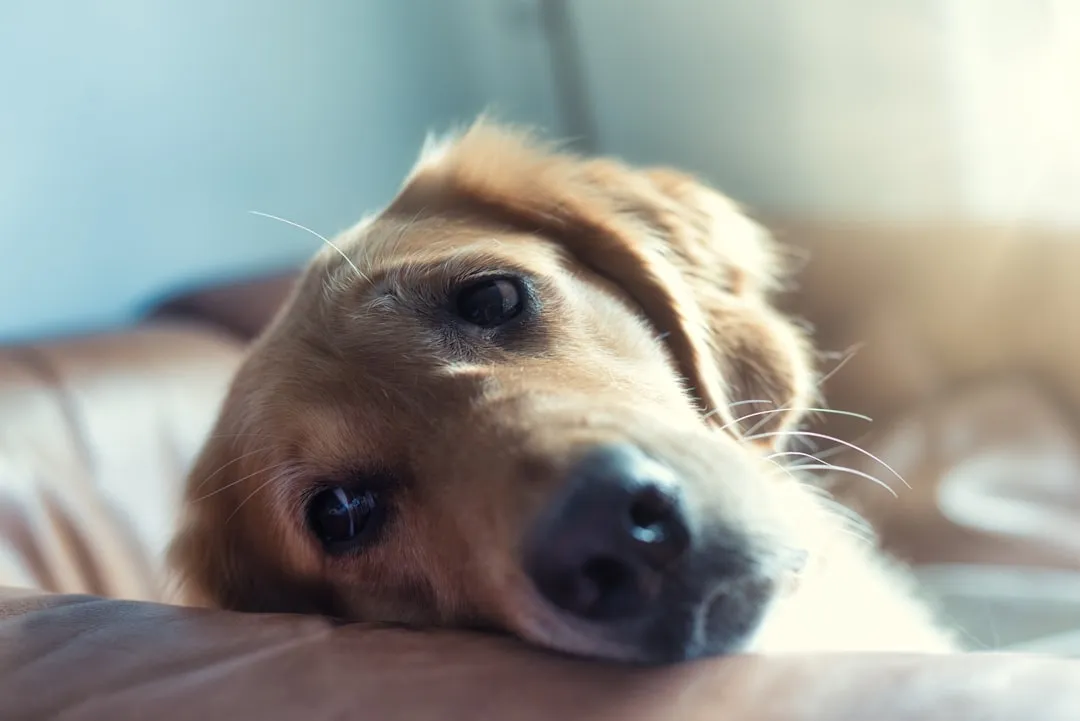
Here’s the darkest signal dogs pick up: the point at which a house stops feeling like a safe den and turns into just a place. Dogs know when the emotional center of a home is gone, even when the walls and furniture haven’t moved an inch. It might follow a death, a divorce, a major trauma, or a slow grind of chronic stress where nobody laughs anymore.
A once-confident dog may start patrolling at night, changing sleep spots, or begging into someone’s bed when they never used to. Others quietly shut down – playing less, reacting less, as if the pack they were protecting doesn’t quite exist the same way anymore. This is the signal most people feel in their gut but refuse to name out loud. Your dog, who has no choice but to live inside that truth, already has.
The Bottom Line
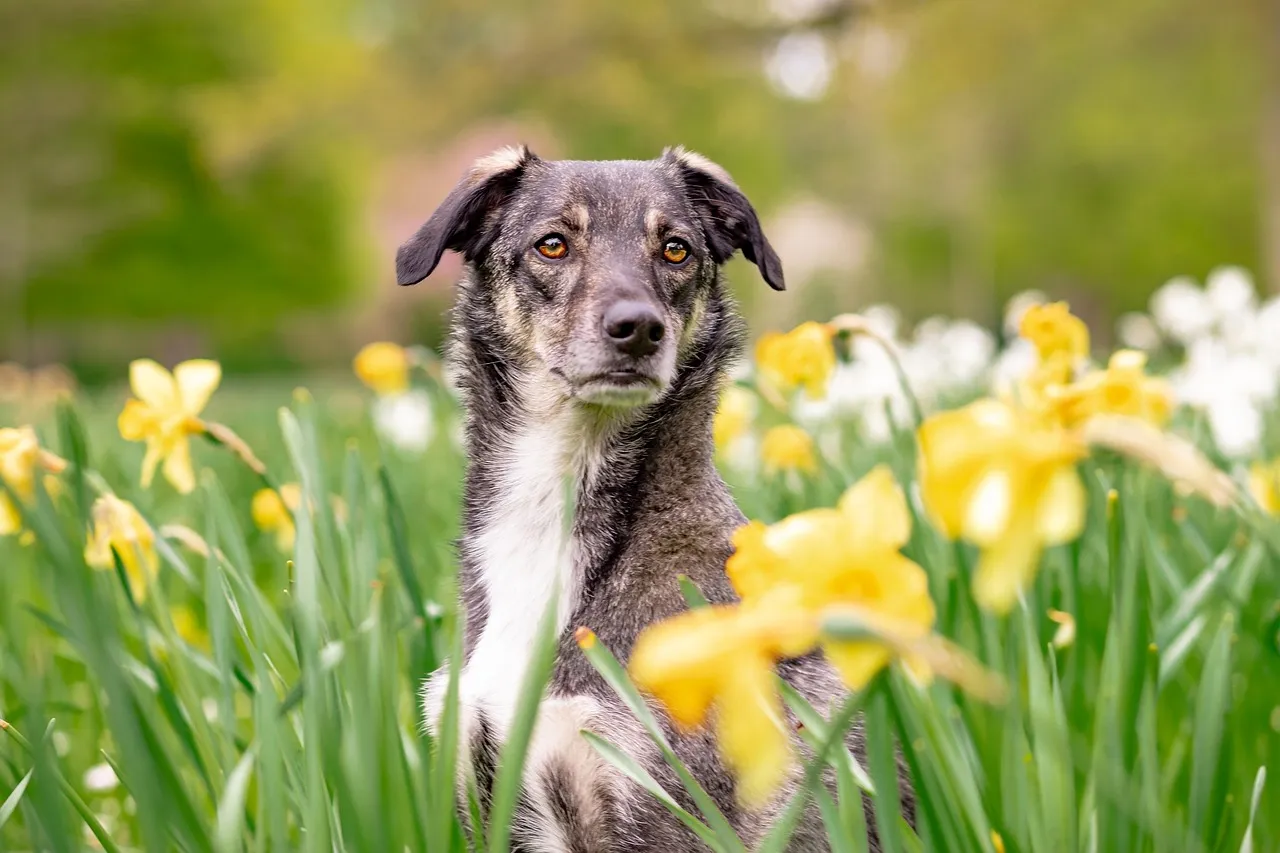
Dogs aren’t mystical fortune-tellers. They’re brutally accurate pattern-readers trapped in a body that can’t explain what it knows. Long before anyone speaks, they’re decoding stress, conflict, loss, love, power shifts, and emotional drift using nothing but scent, posture, routine, and silence.
If your dog’s behavior suddenly shifts, chances are it’s reflecting something real, not “random weirdness.” The uncomfortable truth is that your dog might be the only one in the house responding honestly to what’s actually happening. So instead of writing it off as clingy or neurotic, it’s worth asking the harder question: what is my dog showing me about this home that I’ve been refusing to see?
Did we hit a nerve, or miss one you’ve seen in your own dog? Tell the truth in the comments.
