
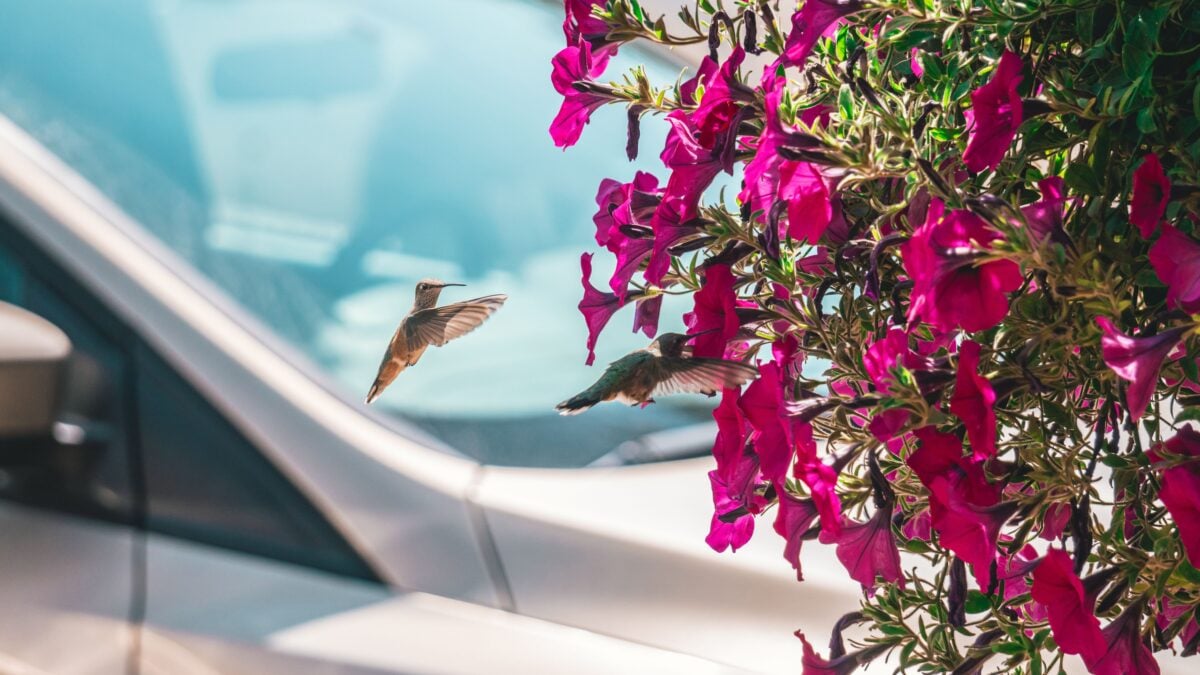
Most people assume hummingbirds simply “fly south when it gets cold.” The truth is sharper, stranger, and honestly a little intense. In the final weeks before migration, these tiny birds turn into feathered athletes racing a life-or-death deadline, and almost none of it looks the way you’d expect from your backyard chair.
They bulk up like they’re training for a fight, turn feeders into tiny battlegrounds, coach their own kids through tough love, and quietly read the sky for the exact hour to vanish. Most families watch this entire drama unfold for weeks and never clock what they’re actually seeing. Here’s what’s really happening, behavior by behavior, straight from what the science and longtime hummingbird watchers have documented.
#1 – Supercharging Their Metabolism on Purpose
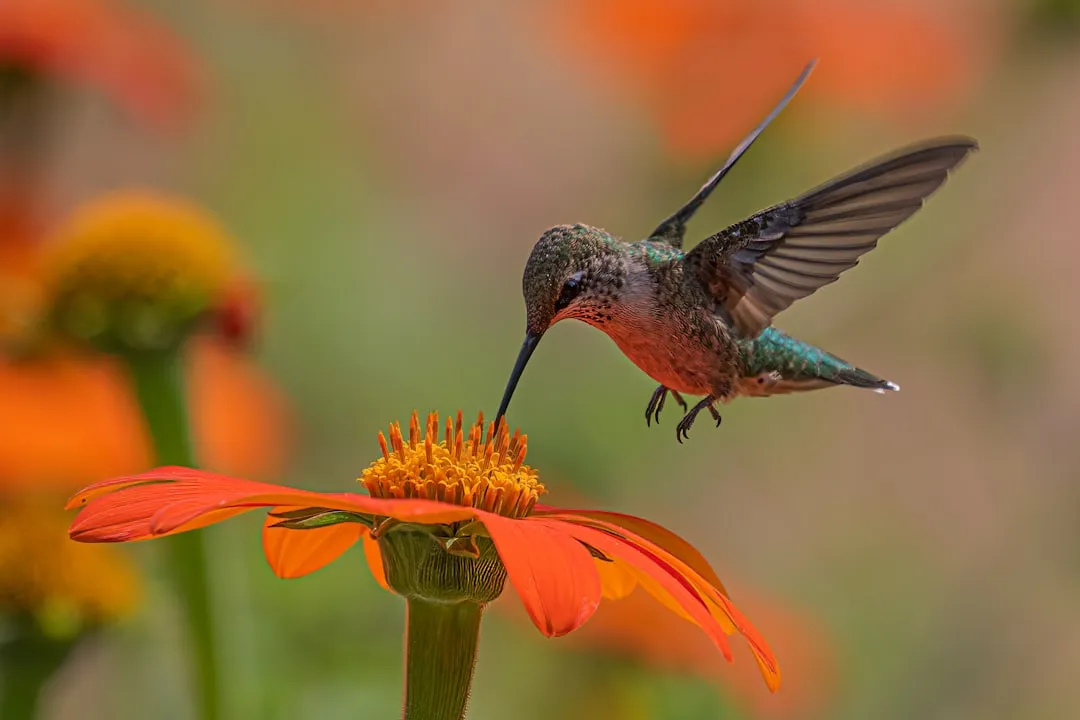
In the final stretch before migration, hummingbirds don’t just eat more. They deliberately push their metabolism into overdrive. That frantic back-and-forth at your feeder isn’t random; it’s a carefully timed fuel-loading program, converting sugary nectar into fat at one of the fastest rates in the entire bird world.
You’ll see them visit flowers and feeders every few minutes, often choosing higher-sugar sources over everything else. They’re not being picky; they’re doing math with their lives. The right sugar concentration means more flight time and fewer risky landings where predators wait.
- Shorter pauses between feeding sessions
- Noticeable impatience and hovering if a feeder is empty
They look restless because they are. But this metabolic sprint is nothing compared to what they start doing with their body weight in #2.
#2 – Bulking Up With “Migration Weight Gain”
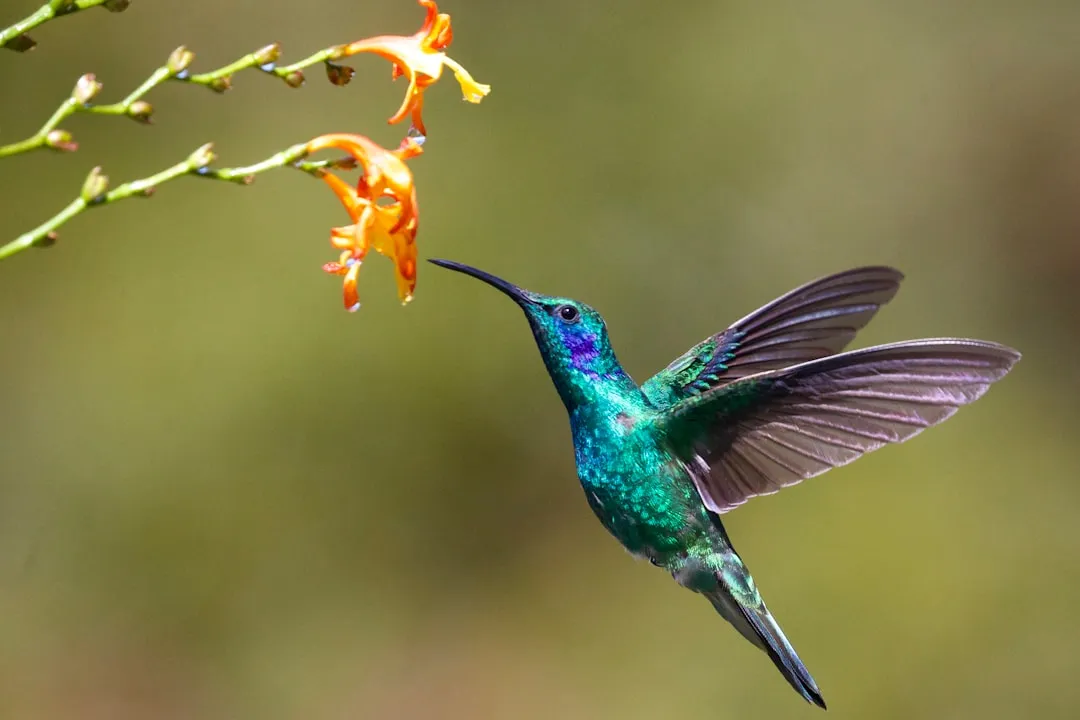
Most people picture hummingbirds as permanently tiny and delicate. But in the weeks before migration, they intentionally gain up to 25-40% of their body weight. For a creature that weighs less than a penny, that’s like a human packing on dozens of pounds in a matter of days, on purpose.
If your regulars suddenly look a bit thicker or less needle-slim, you’re not imagining it. This isn’t unhealthy fat; it’s precision fuel storage for long flights, including nonstop stretches over open water where there’s nowhere to land. Backyard watchers often panic and assume a bird looks sick or fluffed up wrong, but that rounded look usually means the bird’s internal calendar is right on schedule.
- Birds may sit more often between feeds to process food
- Wingbeats can look slightly less “weightless” on the heaviest days
Fast Facts
- A ruby-throated hummingbird normally weighs about 3-4 grams, roughly the weight of a penny
- Pre-migration weight gain can push that up by 25-40% in just a couple of weeks
- Many make a nonstop flight across the Gulf of Mexico, close to 500 miles, without landing
- That single crossing can take 18 to 24 hours of continuous flight
That visible weight gain is serious business, and it’s one reason feeder access matters so much. But the way they fight for that access in #3 surprises a lot of families.
#3 – Turning the Yard Into an All-Out Turf War

If your late-summer feeders look like a tiny air war, you’re seeing classic pre-migration behavior. Territoriality spikes, and some individuals become shockingly aggressive for their size, dive-bombing, chasing, and vocalizing nonstop. That one bird that seems to “own” your feeder isn’t just cranky; it’s defending a fuel station it believes could decide its survival.
You’ll see elaborate chases, high-pitched scolding calls, and even mid-air collisions. To a human eye, it looks like squabbling. To a hummingbird, it’s resource control: fewer competitors at “its” feeder means more calories with less effort spent.
- Males often guard prime spots from perches with a clear view
- Even usually shy birds join the chaos as urgency ramps up
This territorial drama can actually reduce how many birds feed successfully in one spot. But their workaround, especially for females and juveniles, shows up in #4.
#4 – Creating Secret Backup Feeding Routes
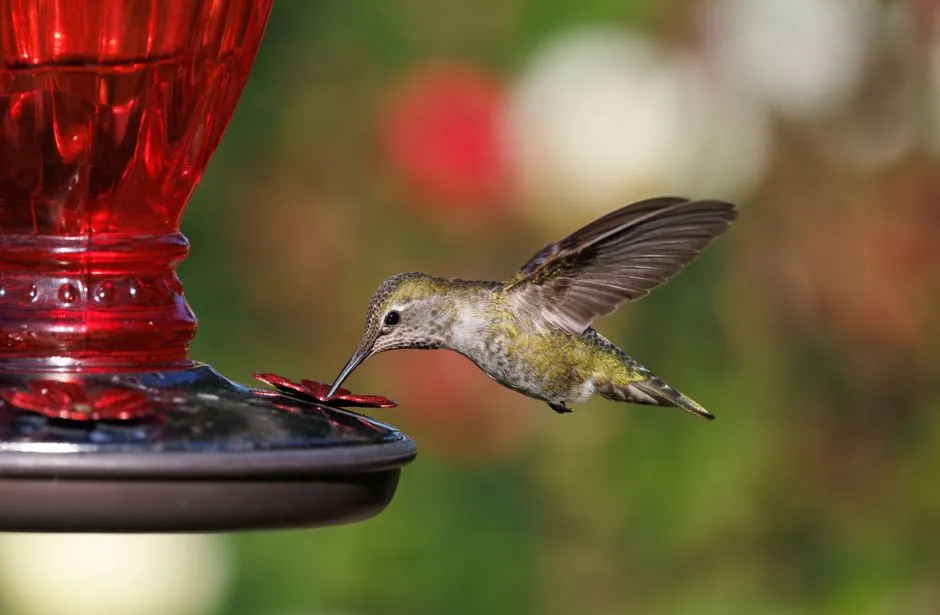
While the bullies are busy guarding the main feeder, other hummingbirds quietly switch to backup routes and hidden food sources. Families often assume the birds have “disappeared for the season,” when really they’ve just shifted to safer, less obvious spots with fewer fights.
These might include side yards with late-blooming flowers, neighboring gardens with less traffic, or natural sap wells from woodpeckers that attract insects. Instead of joining every feeder brawl, some birds start doing wide, looping patrols that trace a mental map of every reliable nectar patch nearby. It looks random, but it’s really a last-minute network of food stops, the way a road-tripper plans gas stations on a long desert drive.
And once they know where the food is, something strange happens to their daily schedule in #5.
#5 – Feeding at “Odd” Hours to Stay Ahead
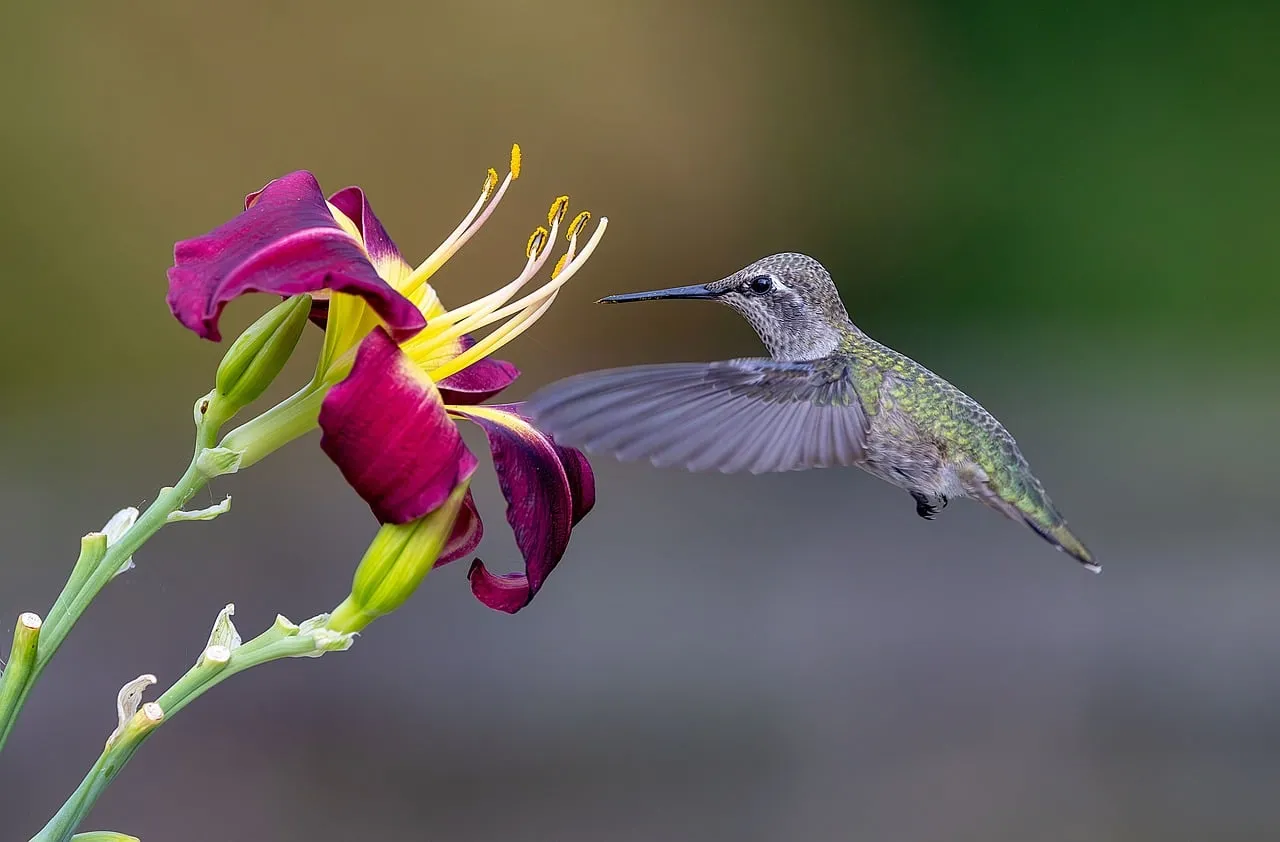
As migration approaches, hummingbirds quietly adjust their timing. You’ll see more intense feeding right at dawn and again near dusk, plus shorter, more frequent visits throughout the day. They’re squeezing every usable minute out of cooler temperatures, when nectar is plentiful and insect activity is high.
Morning feeding rebuilds energy reserves after a night of fasting. Evening feeding is even more critical; it’s topping off fuel tanks for the long night ahead, and for any overnight distance flights already underway. Families who only glance outside midday often miss this whole pattern and assume “activity is down” when it’s really just shifted.
- Early-light visits can be calmer, with fewer territorial battles
- Late-evening feeding can look almost frantic on cool days
That subtle schedule shift is part of a bigger internal countdown, and the most underrated piece of that countdown is what their hormones are doing in #6.
#6 – Running on an Internal “Migration Alarm Clock”
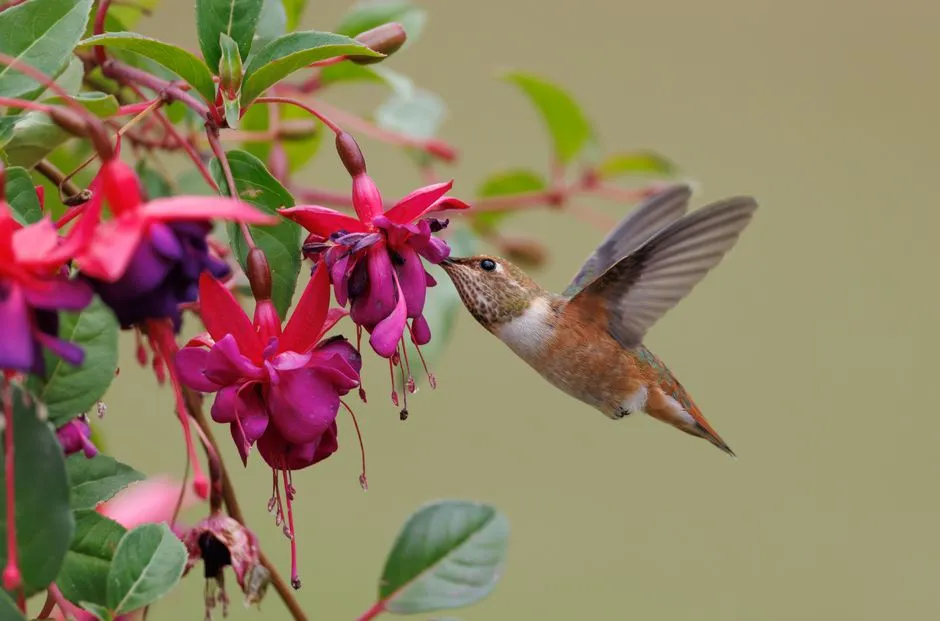
No, they’re not watching the weather channel. In the weeks before migration, hummingbirds respond to changes in day length that quietly flip internal hormonal switches. Even if temperatures stay warm and flowers keep blooming, their bodies read the shortening daylight as a non-negotiable deadline.
Hormones signal the bird to ramp up feeding, build fat, and eventually feel a powerful restlessness called migratory “zugunruhe,” a deep, internal urge to move. That’s why leaving feeders up does not confuse them into staying; their bodies are not taking a vote on Facebook myths.
- You may notice more pacing flight patterns near dusk
- Perching birds can look unusually alert, scanning the sky and horizon
This built-in alarm clock is the real boss, not your backyard. And it’s also what drives the incredible nightly transformation you almost never see in #7.
#7 – Dropping Into Energy-Saving Torpor at Night
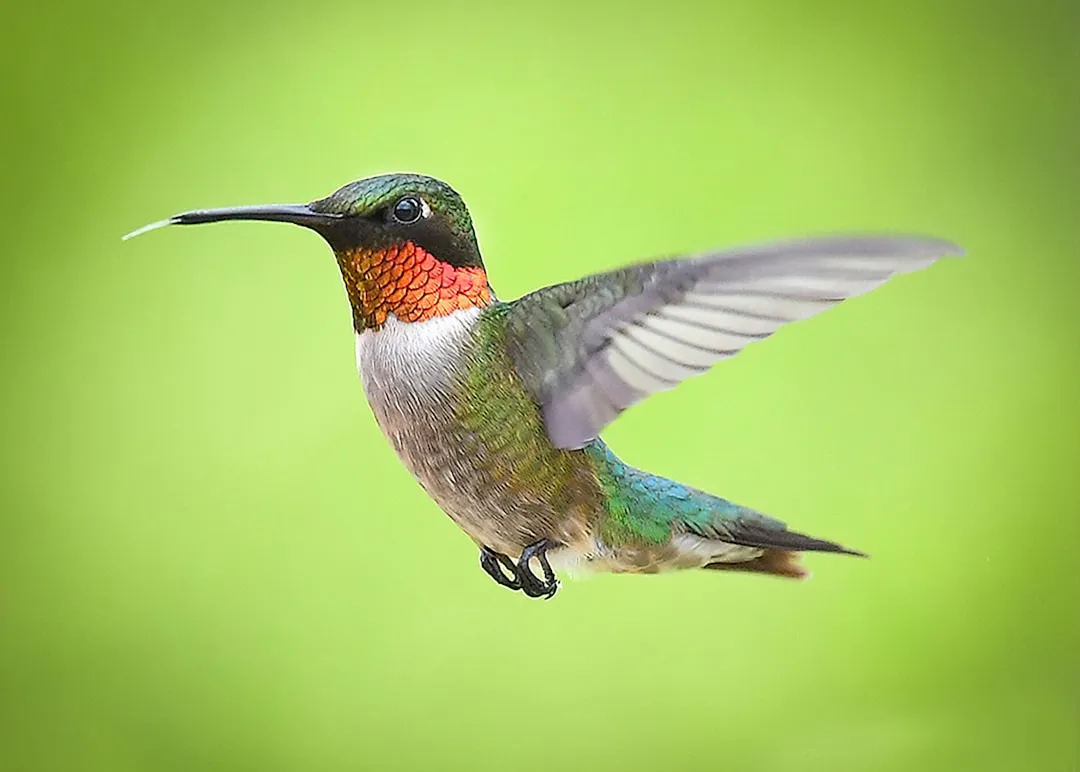
In the final weeks, many hummingbirds rely heavily on a state called torpor, a mini, controlled hibernation every single night. Their heart rate and body temperature plummet so they don’t burn through the precious fat they spent all day building.
Families imagine hummingbirds gently sleeping; in reality, they may look half-frozen and unresponsive if you find one after dark. It’s so dramatic that an undisturbed bird in torpor can be mistaken for dead. But by dawn, that same bird shivers itself awake, warms up its engines, and launches straight into a full day of eating. Torpor is a high-risk, high-reward gamble: less energy spent, but slower reactions if a predator gets close.
- Birds often choose sheltered, hidden perches before entering torpor
- Cool, clear nights make torpor even more energetically important
Night is when they protect yesterday’s gains. Daytime is when they start training for tomorrow’s journey, which you’ll notice in #8.
#8 – Quietly Extending Their Daily Flight Range
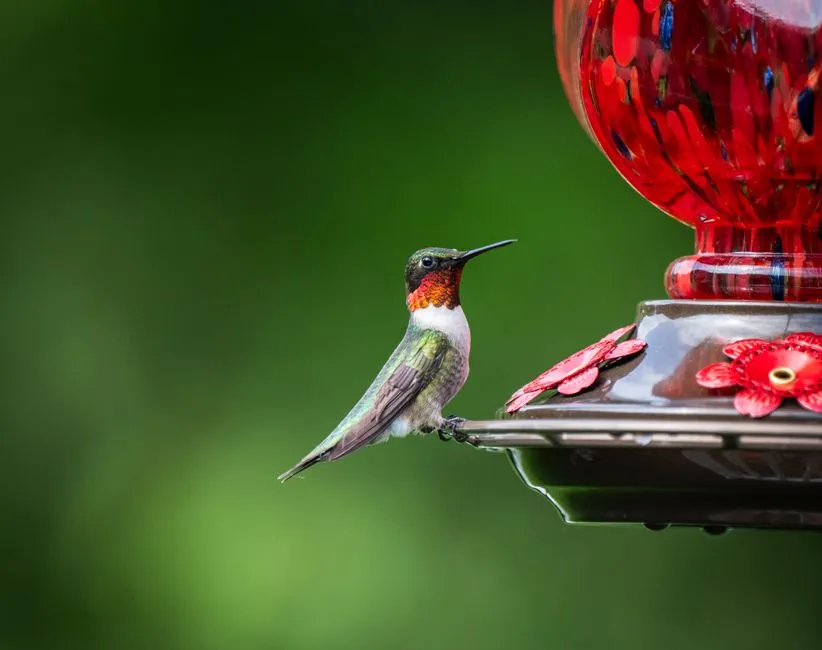
In late summer, many families only notice hummingbirds near the deck or window. But as migration nears, those same birds start making longer and more purposeful flights beyond the yard, practicing the endurance they’ll need on the route south.
What looks like “flying off and not coming back” is often just an expanding daily circuit. Instead of staying pinned to one yard, they test new flyways over tree lines, across fields, following hedgerows and river corridors, the same kinds of routes they’ll use at full migration scale later. Each day’s path is like a dress rehearsal, complete with emergency exits and snack stops built in.
- Birds may return less predictably but still show up at “anchor” feeders
- You might notice brief, high-altitude passes instead of low hovering
Once they’ve mapped the airspace, the next step is fine-tuning exactly where they stop, and that’s where their sharp memory really takes over in #9.
#9 – Locking In a Mental Map of Every Reliable Stop
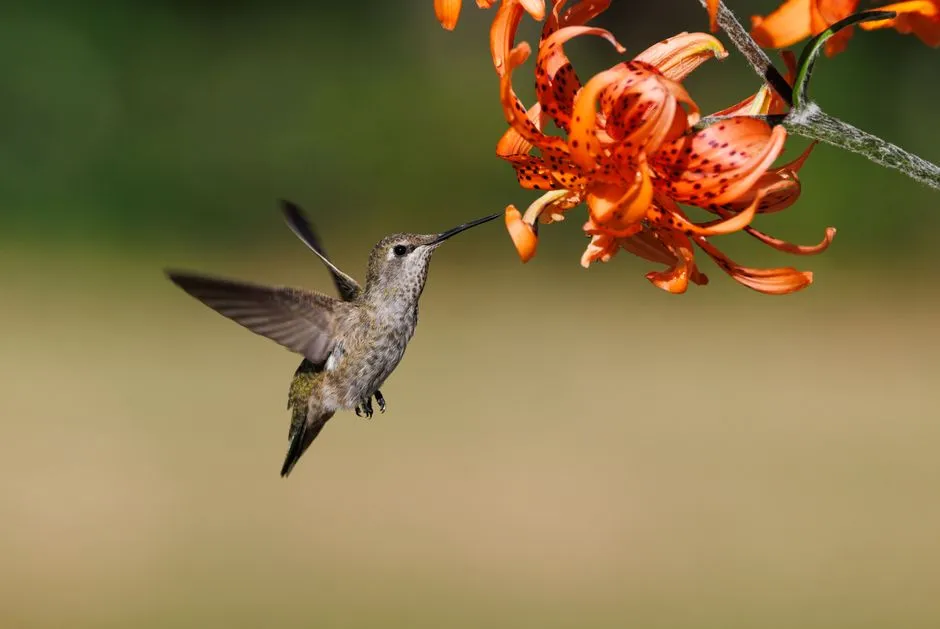
Hummingbirds are not randomly wandering. In the final weeks, they’re building a detailed mental map of nectar sources, insect hotspots, safe perches, and sheltering trees. This map doesn’t just cover your yard; it can span neighborhoods and natural corridors they’ll use as on-ramps into full migration.
They remember which feeders stay filled consistently, which gardens still bloom late into the season, and where fresh water drips or mists on hot days. That’s why letting feeders suddenly run dry near migration can be more than an inconvenience; it can remove a planned stop from a route they were counting on. They’re committing locations to memory the way a marathon runner studies water stations along the course.
Worth Knowing
- Hummingbirds have a proportionally large hippocampus, the brain region tied to spatial memory
- Researchers have found they can recall individual flower locations and refill timing for weeks at a stretch
- They track which feeders are reliably filled, not just which ones exist in the neighborhood
Once their map feels solid, their attention shifts dramatically to their kids, which is where #10 comes in.
#10 – Coaching and Testing the Youngsters
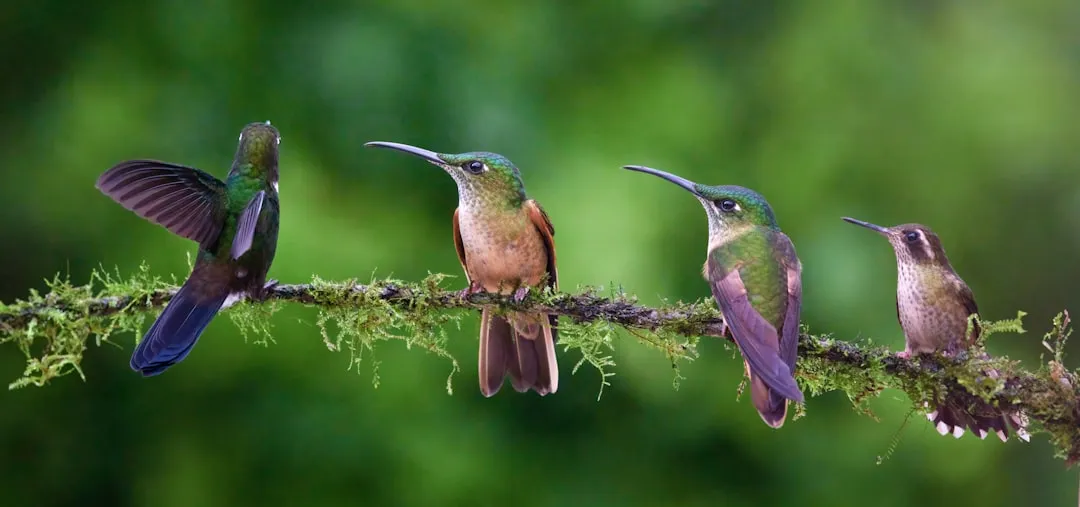
By the time migration is close, most adult hummingbirds are done nesting, but their behavior around juveniles changes in ways families often misread. You’ll see more chasing of young birds, sharper corrections, and a lot less obvious gentleness. It can look mean.
In reality, adults may be pushing juveniles to feed independently, avoid dangerous spots, and build their own strength. Young birds often hover clumsily at feeders or linger too long on exposed perches, and adults will occasionally flush them out, forcing quicker approaches and escapes. It’s brutal-looking, but so is the reality of migration; a slow, inexperienced bird is an easy meal for predators along the route.
- Juveniles may beg or hover near adults and be ignored
- Short teaching chases can explode into full-bore territorial fights
That tough-love phase prepares the young for something even more intense: the hidden insect hunt you rarely notice in #11.
#11 – Doubling Down on Protein With Insect Hunts
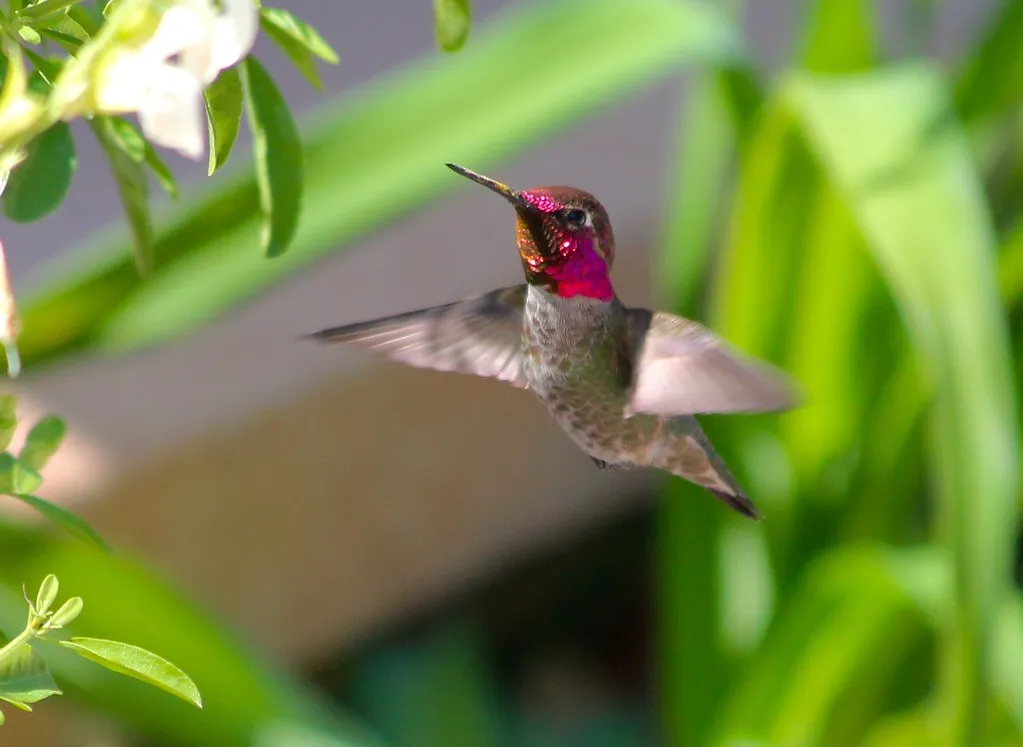
Nectar gets all the attention, but late-season hummingbirds are also hunting far more insects than most families ever realize. Protein is crucial for maintaining muscle, growing feathers, and supporting that rapid weight gain everyone notices.
In the weeks before migration, you’ll catch them snapping tiny gnats out of the air, raiding spider webs, and hovering over leaf clusters. This insect binge matters most for juveniles and birds finishing a molt, since nectar alone can’t build the muscle and tissue needed to power such intense flight. Watch closely near porch lights in the early morning or evening, or at branch tips where swarms of tiny insects gather.
A hummingbird zigzagging in one spot isn’t confused; it’s picking bugs off an invisible buffet. Once they’ve stocked enough muscle and fuel, another hidden project becomes urgent, the feather upgrade in #12.
#12 – Rushing a Critical Feather Check and Mini-Molt
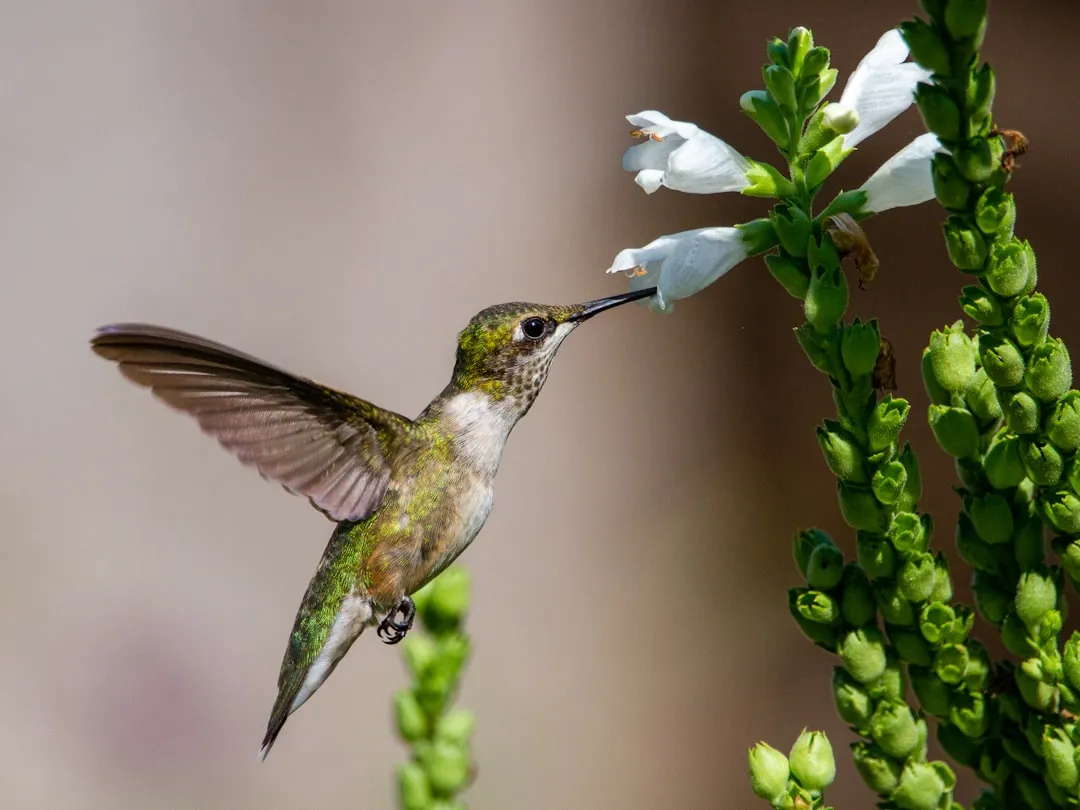
In the final weeks, many hummingbirds are in some stage of changing or refreshing feathers, and migration does not wait for perfect plumage. They have to balance flying, feeding, and low-key molting all at once, which is why some birds look patchy, dull, or oddly uneven right before they vanish south.
New feathers mean stronger, more efficient flight and better insulation at night, but growing them costs energy. So as they bulk up, they’re also quietly repairing the very wings and tail feathers they’ll rely on for thousands of flaps per minute, hour after hour.
- You may notice stray feathers in favored perching areas
- Birds sometimes preen obsessively, twisting to inspect each feather
Families often misread this scruffy look as illness. It’s usually just last-minute maintenance before the hardest trip of their year. Once their bodies are ready, they start paying closer attention to bigger patterns, especially the weather signals in #13.
#13 – Reading Weather and Wind Like Seasoned Pilots
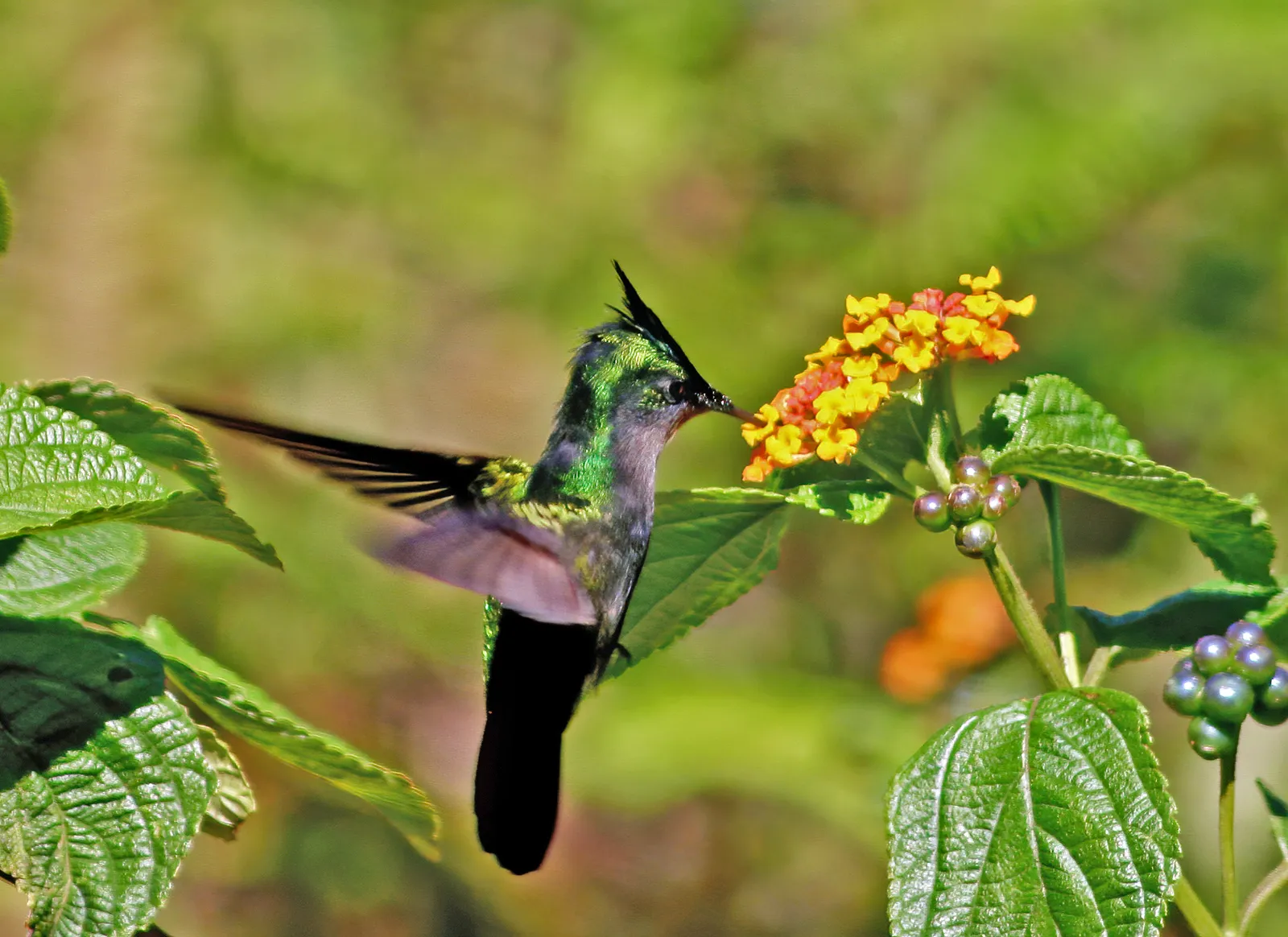
While day length starts the countdown, weather helps fine-tune the exact departure window. In those final weeks, hummingbirds seem to key in on pressure changes, wind direction, and approaching fronts. You’ll often notice a surge in frenzied feeding right before a clear cold front, as they stack calories ahead of a push.
They tend to favor tailwinds when they can get them, so a stretch of northerly winds in autumn can trigger sudden, noticeable departures across North America. To families, it looks like “they were here yesterday and suddenly gone.” To the birds, it’s catching the right conveyor belt at exactly the right moment.
- Heavy feeding followed by a quiet yard often lines up with a front passing
- Calm, clear mornings after storms can see new birds passing through
Quick Compare
- Departure trigger: Clear skies, dropping pressure, and a north or northwest tailwind
- Delay trigger: Warm, humid air with headwinds or an incoming storm system
- Big movement days: Often the morning right after a strong cold front passes through
This weather awareness isn’t mystical; it’s survival pattern recognition honed over generations. But even while preparing to leave, some hummingbirds still invest energy in ritualized behavior, especially the dramatic sky shows in #14.
#14 – Performing Sudden Display Flights With a Twist
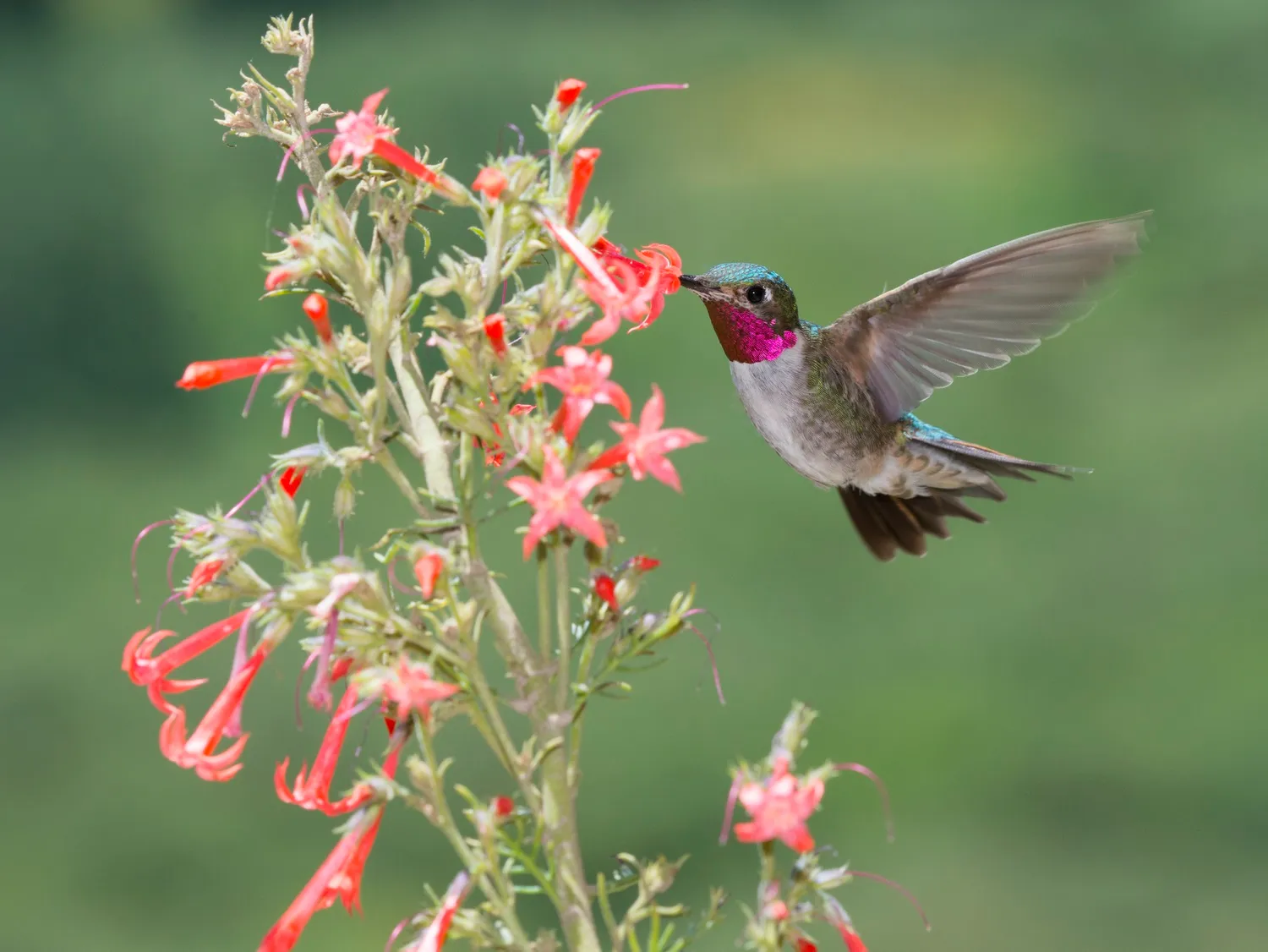
Many families think of the arcing, plunging display flights as purely courtship behavior. But in the late pre-migration weeks, you may still see short, intense dives and U-shaped displays that look almost out of season.
Some experts believe these late performances are part residual courtship, part territorial reinforcement, and part fitness test. A bird that can still pull off a blistering dive, a hard turn, and a rapid climb is, by definition, in solid flying shape, and these displays also send an unmistakable “keep out” message to rivals in valuable feeding territory. So while nesting is largely over, the sky acrobatics continue as a kind of final proof of strength.
- Displays may be shorter and less frequent, but still dramatic
- You might notice juveniles watching from the sidelines, then trying clumsy copies
Once the showing off winds down, hummingbirds shift toward something quieter and more strategic: choosing where to sleep and stage before the big launch, as in #15.
#15 – Choosing Safer Night Roosts and Staging Spots
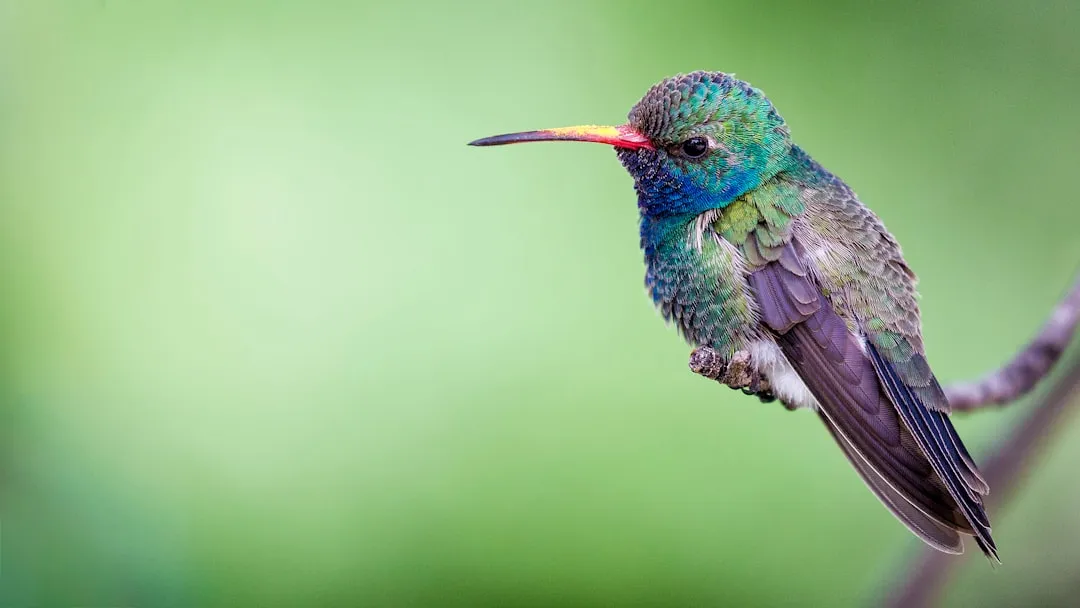
As the season edges toward migration, hummingbirds often adjust where they spend the night. Instead of casual perches near busy feeders, they start using thicker cover, deeper shrubs, and sheltered branches that offer protection from wind, cold, and predators. It’s like upgrading from the couch to a storm bunker.
You may see fewer birds roosting in obvious spots. That doesn’t mean they’re gone; it means they’re hiding smarter. Some will also join loose, temporary concentrations in particularly rich areas, not true flocks, but clusters where many individuals exploit the same food and shelter at once.
- Dense evergreens, tangled vines, and hedge interiors are prime roosting spots
- Birds often slip to roost just before true darkness, after final feeding
These staging behaviors are easy to miss because they’re quiet. The opposite is true for the emotional goodbye moment many families swear they see, which we have to talk honestly about in #16.
#16 – Making “Goodbye” Visits That Feel Personal
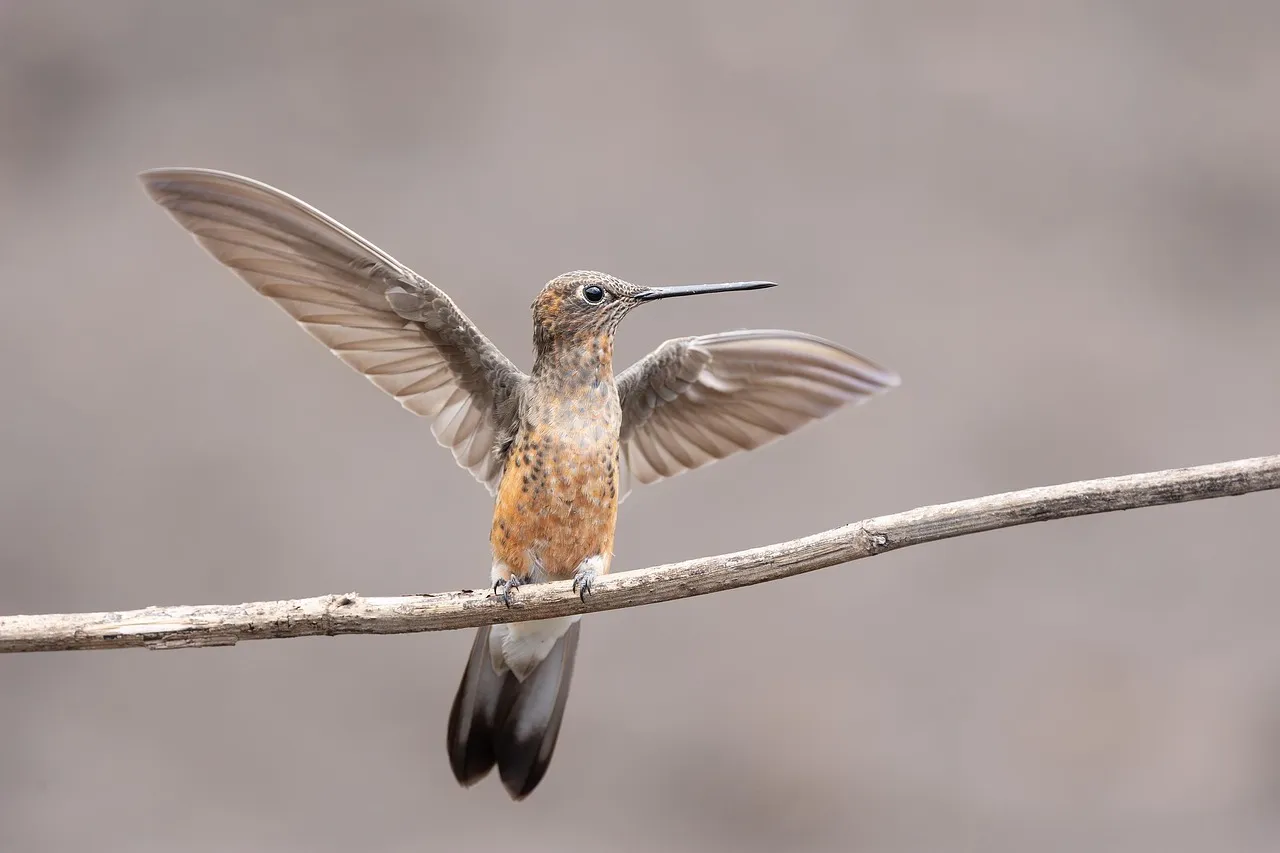
Ask long-time hummingbird hosts and you’ll hear a version of the same story: one bird came right up to the window, hovered inches from a face, and then was never seen again. While science can’t prove they’re saying goodbye, final, close visits near favorite humans or windows are reported so often they’re hard to ignore.
What’s likely happening is simpler than it feels. As the internal clock says go, a bird does one last check of its most reliable food spots, and your face just happens to be next to one of them. That intense, up-close hover might be a final assessment of the feeder, or a last imprinting of the location into memory.
Is it sentimental? Probably not in the human sense. But denying that these close farewell moments happen at all is just as unscientific. Whatever the motive, those hover-stares usually mean the bird is very close to leaving, which brings us to the quietest, most misunderstood phase of all in #17.
#17 – Slipping Away in Small, Staggered Waves
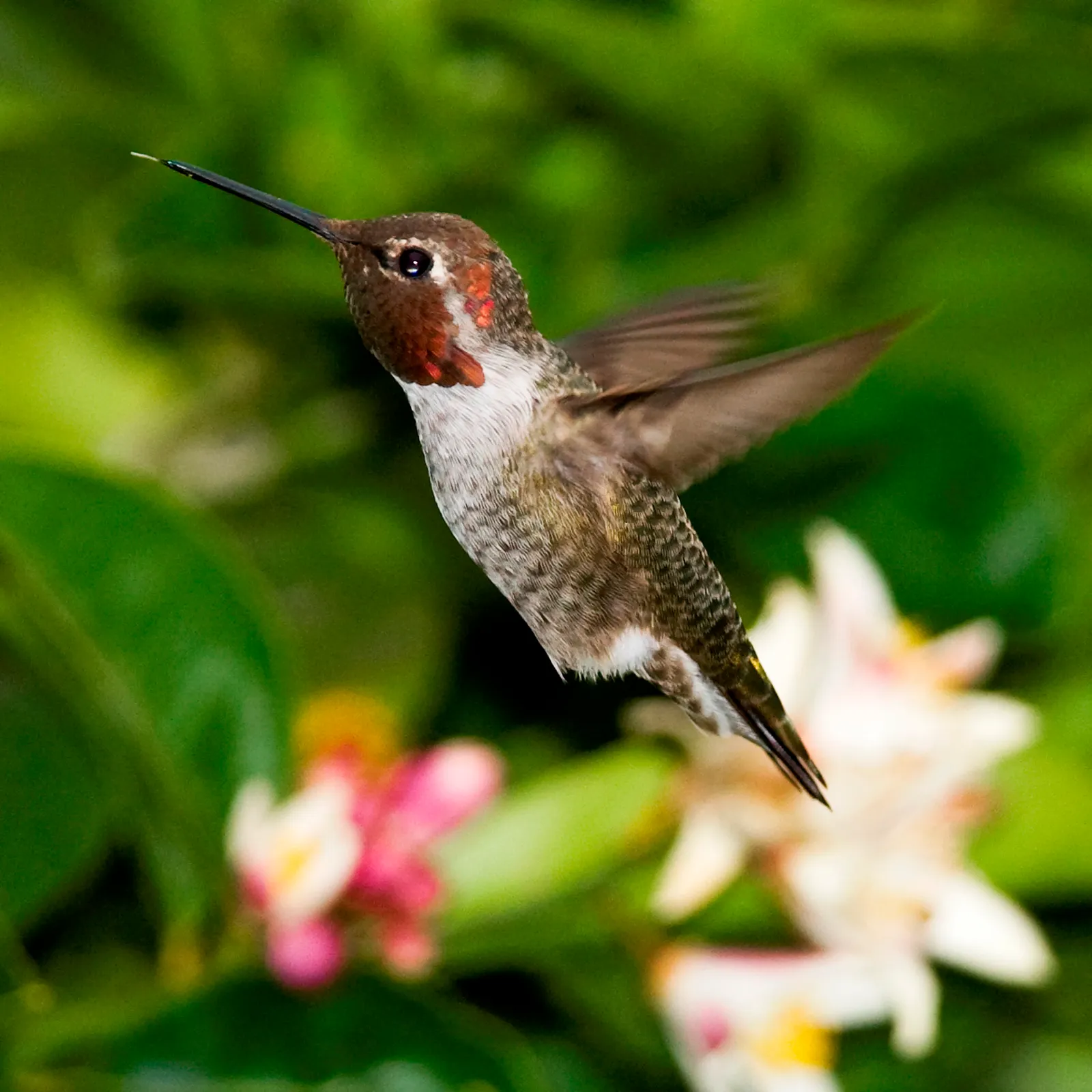
Most families imagine a dramatic “last day” when all their hummingbirds suddenly take off together. Reality is subtler. Hummingbirds usually depart in small, staggered waves over days or weeks, often starting with adult males, then females, then juveniles. Your yard doesn’t empty in one big whoosh; it slowly thins out.
This is why people argue online about the “right” week they left; everyone’s seeing different individuals on different schedules. Some birds are just passing through from farther north, so your “last” hummingbird may actually be someone else’s mid-route traveler.
- You might still see a random straggler long after “your” regulars left
- Sudden quiet can be followed by a brief return if weather shifts
At a Glance
- Adult males often leave first, sometimes as early as late July or early August
- Adult females typically follow a couple of weeks later
- Juveniles are usually last, sometimes lingering into September or even October in warmer regions
There’s no big group send-off, no flock circling the block. One by one, when the light, the weather, and their bodies line up, they simply don’t come back to the feeder that day.
The Bottom Line
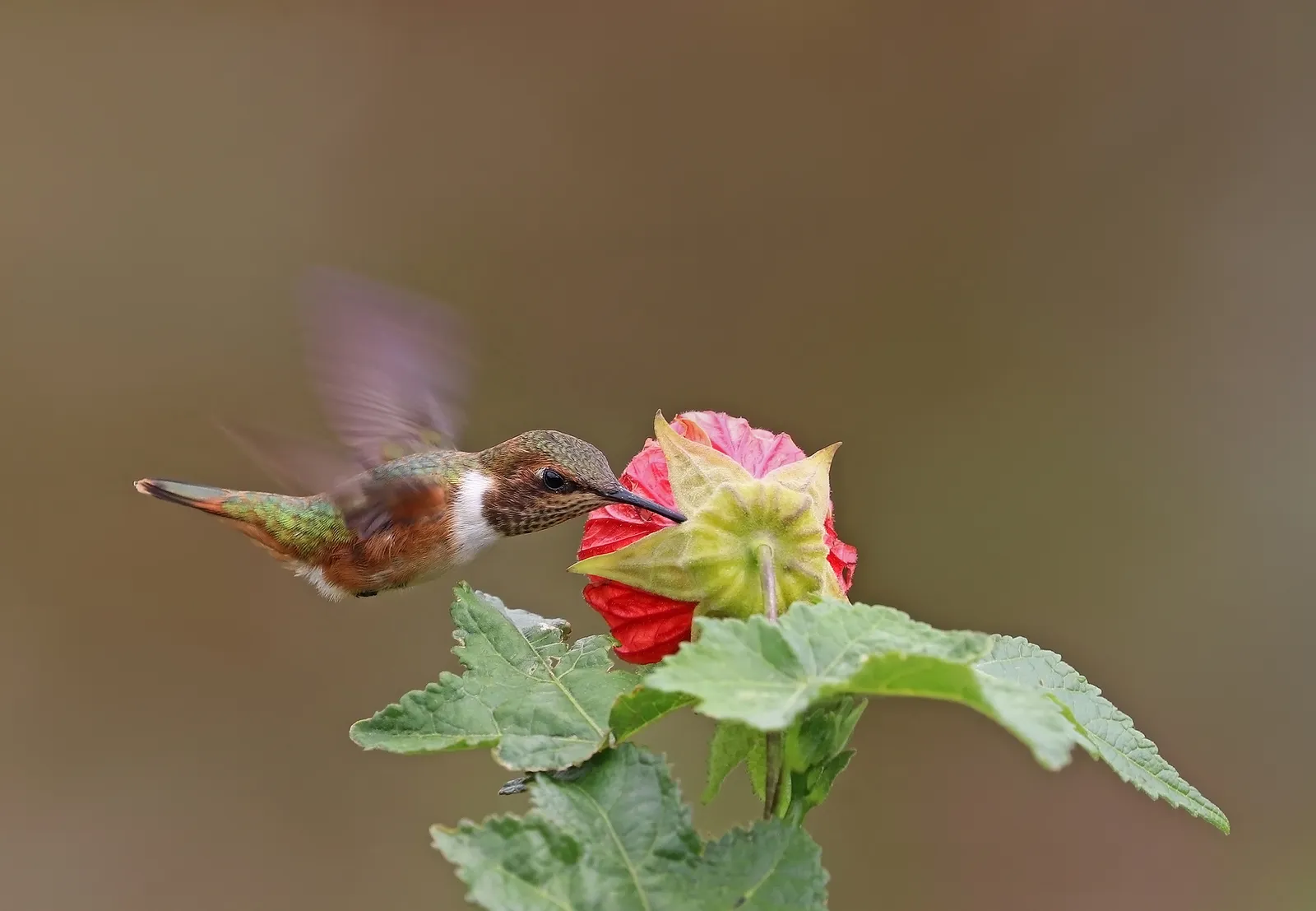
In their final weeks before migration, hummingbirds are not just hanging around the yard. They’re executing a complex, high-stakes survival plan that most of us miss while we’re refilling the sugar water. They bulk up dramatically, fight harder, hunt more insects, repair feathers, coach their youngsters, and quietly read the sky for their moment to leave. The cute feeder drama is actually a brutal, efficient training camp.
Honestly, the biggest mistake families make is underestimating how serious this time is for the birds. Leaving feeders up, planting late blooms, and paying attention to behavior changes isn’t sentimental; it’s practical support for an animal about to do something extraordinary.
Which part of their pre-migration routine surprised you most, and what are you going to watch for differently this year?
