

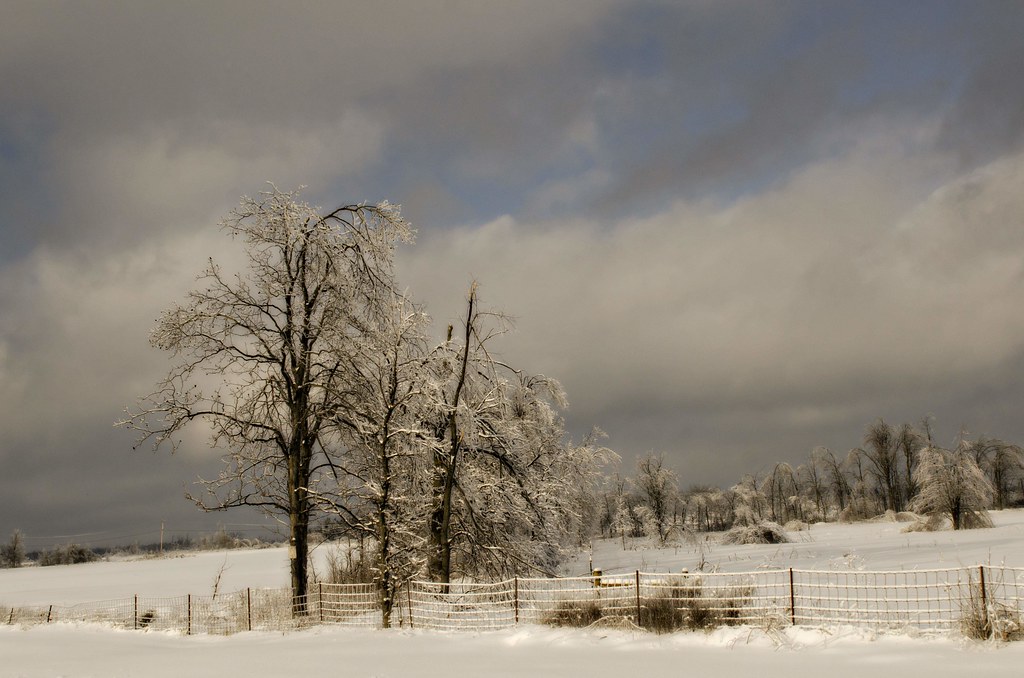

A Surge of Unseasonal Mildness (Image Credits: Flickr)
In early January, parts of the United States experienced an unusual respite from winter’s grip as mild, springlike conditions swept in before giving way to more turbulent weather.
A Surge of Unseasonal Mildness
Temperatures climbed into the 60s across several regions last week, offering a brief taste of spring amid the typical January chill. This warmth stemmed from a shifting atmospheric pattern that pushed cooler air northward while allowing southerly winds to dominate. Meteorologists noted that such anomalies often signal the approach of dynamic weather systems. The National Weather Service reported elevated risks for gusty conditions as this front moved eastward.
Communities in the Midwest and Southeast took advantage of the balmy days for outdoor activities, but forecasters warned of an impending change. The mild air mass began to interact with incoming moisture, setting the stage for precipitation. By midweek, scattered showers emerged, hinting at the storm’s evolving nature. This blend of comfort and caution defined the initial phase of the event.
From Calm to Chaotic: The Storm’s Core Dynamics
As the system intensified, it transitioned from a gentle warm front into a more forceful storm, carrying risks of heavy rain and thunderstorms. Fast-moving disturbances tracked from the Rockies toward the Great Lakes, bringing gusts that exceeded 40 miles per hour in open areas. The Storm Prediction Center highlighted potential for severe thunderstorms in the lower Mississippi Valley, where instability could foster isolated tornadoes.
Rainfall totals reached several inches in parts of the South, leading to localized flooding concerns. Snowfall remained light in higher elevations but added to travel disruptions. The system’s speed limited widespread accumulation, yet it underscored winter’s unpredictability. Forecasters emphasized monitoring updates as the storm progressed into the weekend.
Regional Variations in the Storm’s Reach
The West Coast faced renewed threats from atmospheric rivers, delivering heavy mountain snow and coastal downpours that echoed recent patterns. In California, accumulations in the Cascades prompted avalanche warnings and road closures. Meanwhile, the East Coast braced for a return of colder air, potentially sparking coastal snow events next week.
Central areas enjoyed the springlike interlude longest, with sunshine giving way to cloudy skies and light precipitation. The Great Plains saw wind-whipped storms that stirred dust and reduced visibility. Each zone experienced the event differently, from drenching rains in the Southeast to icy mixes farther north. Travel advisories proliferated as airlines adjusted for delays.
Navigating the Weather Shift
Residents prepared by securing outdoor items against winds and checking drainage systems for heavy rain. Emergency services urged drivers to slow down on slick roads and avoid flooded areas. Utility companies readied crews for possible outages from downed lines. Schools and businesses in affected zones shifted to remote operations where feasible.
Longer-term forecasts suggested a cooler pattern settling in after the storm, erasing much of the recent warmth. This cycle highlighted the value of flexible planning in variable climates. Experts recommended apps from reliable sources like the National Weather Service for real-time alerts. Staying informed proved essential as conditions fluctuated rapidly.
- Monitor local forecasts daily for updates on precipitation and wind.
- Prepare emergency kits with flashlights, water, and non-perishable food.
- Secure loose objects around homes to prevent wind damage.
- Avoid travel through known flood-prone zones.
- Layer clothing to adapt to sudden temperature drops.
Key Takeaways
- The springlike storm blends mild warmth with severe risks, affecting travel and daily life across multiple regions.
- Western mountains face heavy snow, while the East anticipates colder air and possible snowstorms.
- Preparation through monitoring and basic safeguards can mitigate impacts from rain, wind, and flooding.
This springlike storm serves as a reminder of winter’s capricious side, where fleeting warmth yields to potent fronts that test resilience. As the pattern evolves, communities that stay vigilant will weather it best. What impacts have you noticed from this unusual system? Share your experiences in the comments.

- Urban Coyotes Show Remarkable Adaptability, Learning to Thrive in City Environments - July 22, 2026
- Beavers Are Nature’s Engineers, Creating Vital Habitats for Other Wildlife Species - July 21, 2026
- The Recovery of the California Condor Offers Hope for Other Critically Endangered Birds - July 21, 2026