

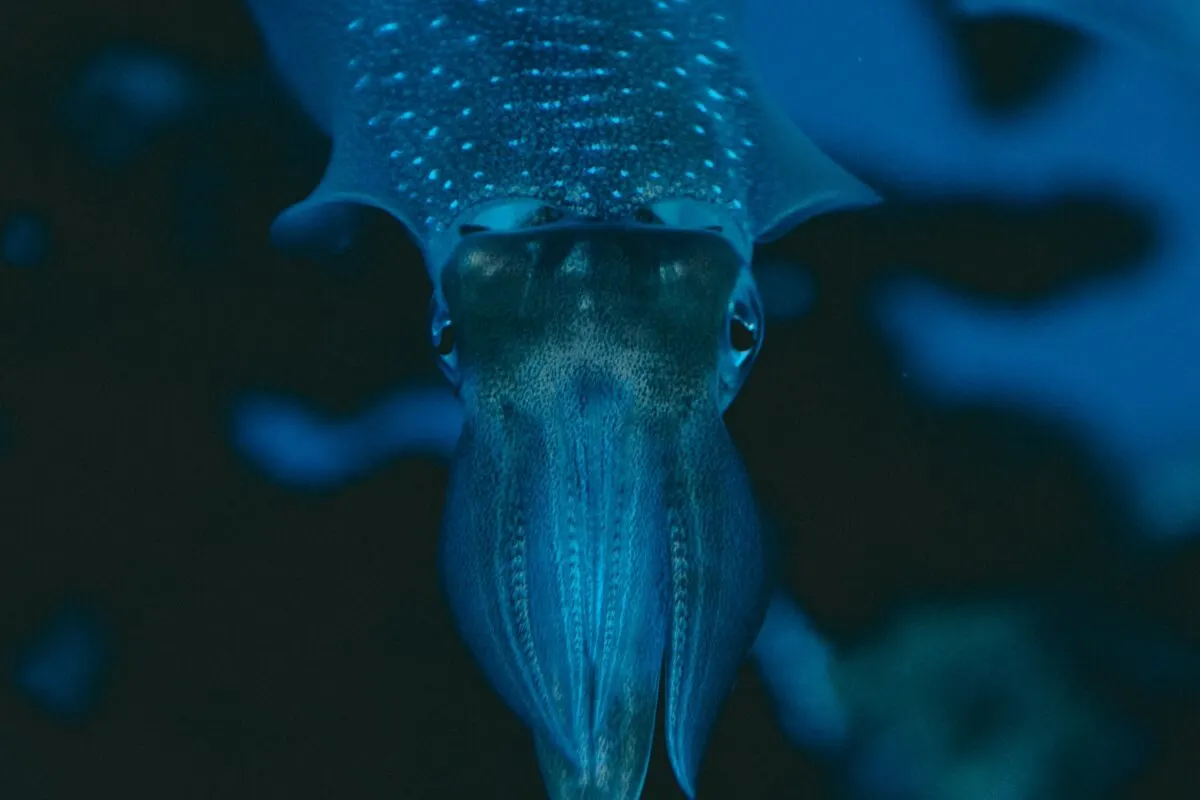
The ocean teems with mysteries, and among the most mind-boggling are the elusive giants that dwell in its dark depths. The recent sighting of a giant squid off the Florida Keys has ignited curiosity and excitement among marine biologists and ocean enthusiasts alike. These rare ocean giants seldom make an appearance, especially in waters so close to human activity. This article delves into what this sighting means for science, conservation, and our understanding of the ocean’s enigmatic depths.
The Enigma of the Giant Squid

Giant squids are among the most mysterious creatures of the ocean, often living in the deep, uncharted regions far from human observation. Known scientifically as Architeuthis, these squids are elusive, and direct encounters with them are rare. Sightings like the one off the Florida Keys offer a rare glimpse into their elusive existence, shedding light on their behavior and distribution.
An Unexpected Visitor to the Florida Keys

The appearance of a giant squid near the Florida Keys is unusual. Typically associated with the deeper and cooler parts of the world’s oceans, the presence of this deep-sea dweller in warmer, more recreational waters raises questions about changes in the marine environment. It’s a phenomenon that could indicate shifts in oceanic currents, prey availability, or other environmental factors.
The Giant Squid’s Unique Biology

Giant squids are remarkable for their size, reaching lengths of up to 43 feet (13 meters) and weighing around half a ton. Their anatomy is adapted for life in the deep sea, with large eyes that allow them to detect minimal light and a streamlined body optimized for swift movement. Their tentacles and sharp beaks make them formidable predators, often hunting fish and other squid.
The Significance of Recent Sightings

Encountering a giant squid in relatively shallow waters could provide scientists with invaluable data. Monitoring such occurrences helps researchers understand broader ecological patterns and environmental changes. This particular sighting off the Florida Keys can contribute to studies on marine life distribution and the health of ocean ecosystems.
Insights into Deep-Sea Ecology

The giant squid’s appearance near the surface offers a window into deep-sea ecology. Understanding their behavior and interactions in unusual settings helps scientists learn more about the ocean’s food webs and the effects of environmental shifts on marine biodiversity. Their presence is a powerful indicator of changes occurring beneath the waves.
Potential Climate Change Implications
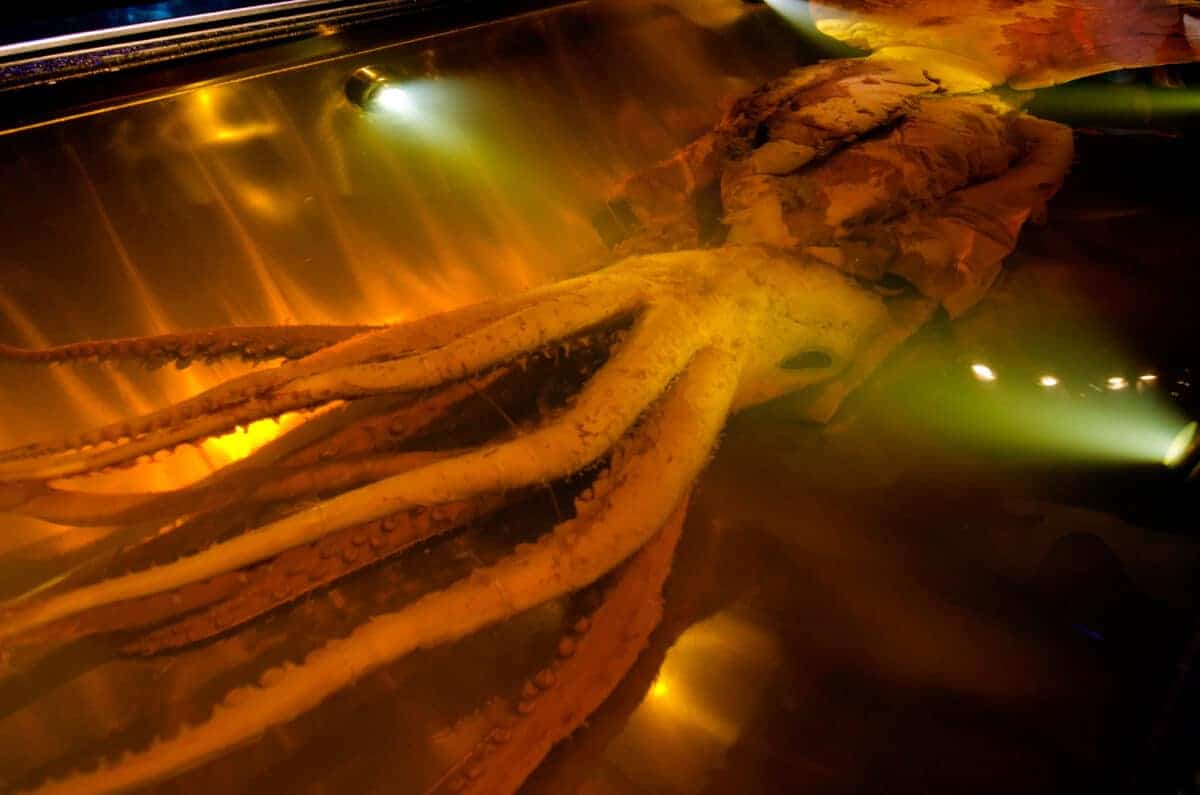
The migration of deep-sea creatures into shallower, warmer waters may signal shifts resulting from climate change. As sea temperatures rise, these cold-water dwellers might venture into previously unsuitable environments. Such movements could have cascading effects on marine ecosystems and require careful study to understand long-term impacts.
Human Impact and Conservation Efforts

Human activities, such as overfishing and pollution, can alter marine habitats, affecting species distribution. Understanding how these factors influence giant squid sightings is crucial for developing conservation strategies. Protecting the ocean’s delicate balance is vital to maintaining biodiversity and ensuring the survival of obscure species like the giant squid.
The Role of Technology in Marine Research
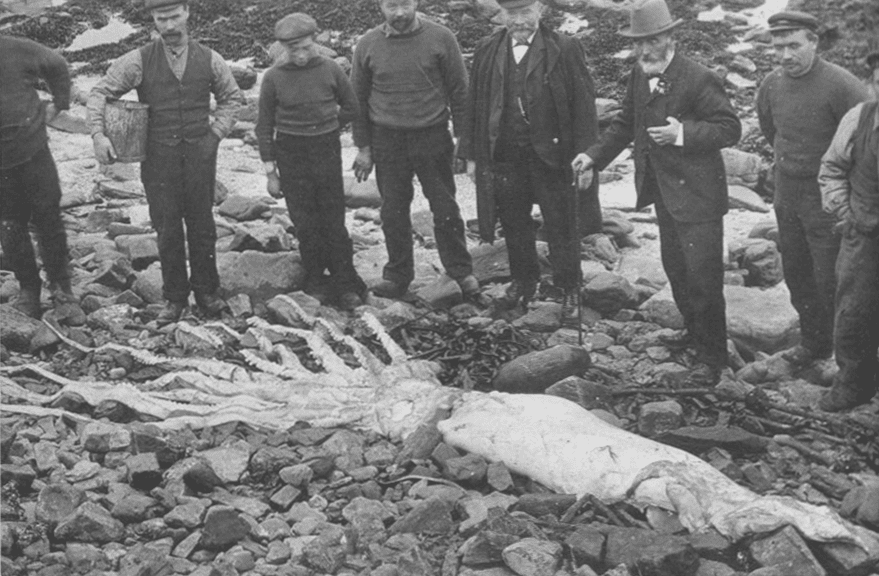
Advancements in technology, such as deep-sea cameras and autonomous drones, have revolutionized marine research. These tools allow scientists to explore inhospitable environments and gather data on elusive species like the giant squid. The recent sighting highlights the importance of continued innovation in marine exploration and documentation.
Public Fascination with Ocean Mysteries

Encounters with the ocean’s mysterious inhabitants captivate the public imagination. The tale of the giant squid near the Florida Keys ignites wonder and curiosity, nurturing a passion for marine biology and conservation in future generations. This fascination can drive public support for ocean research and conservation initiatives worldwide.
Interdisciplinary Approaches to Ocean Research
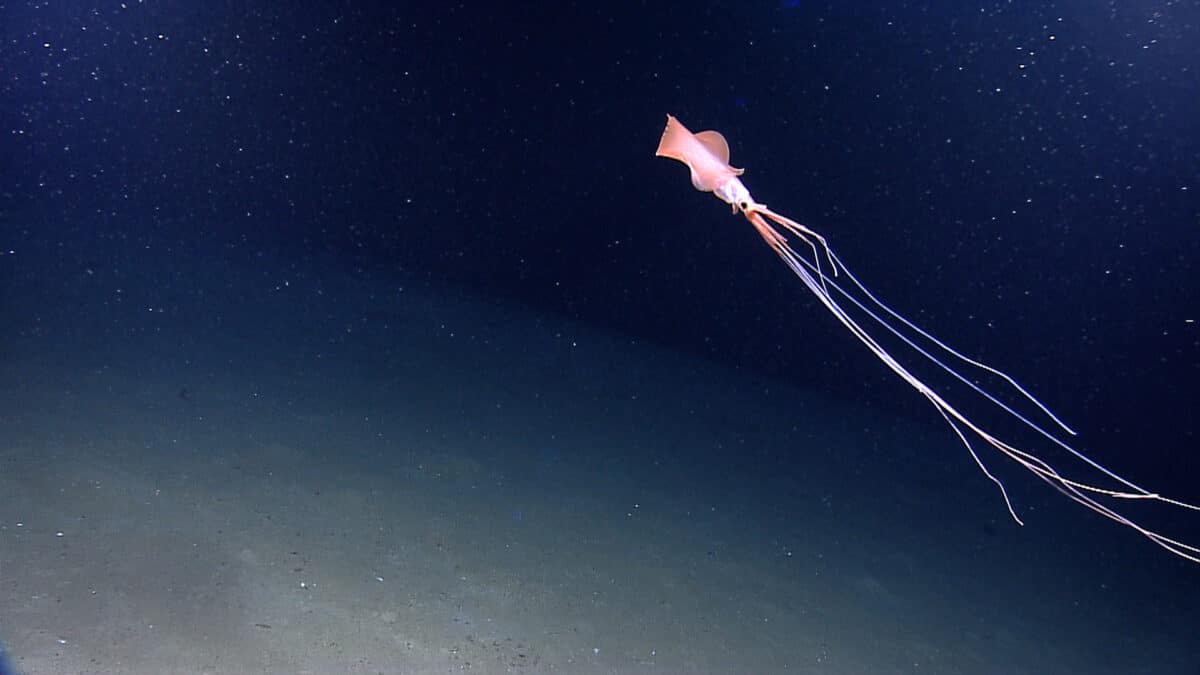
Studies of elusive creatures like the giant squid require collaboration between various scientific disciplines. Marine biologists, oceanographers, and climate scientists work together to understand the complex interactions within marine ecosystems. Such interdisciplinary research is critical for unveiling the ocean’s secrets and addressing environmental challenges.
Media and Public Awareness

Media coverage of extraordinary events like a giant squid sighting plays a crucial role in raising public awareness about marine conservation issues. It highlights the importance of ocean health and the need for sustainable practices to protect the biodiversity that thrives beneath the waves.
The Future of Giant Squid Research
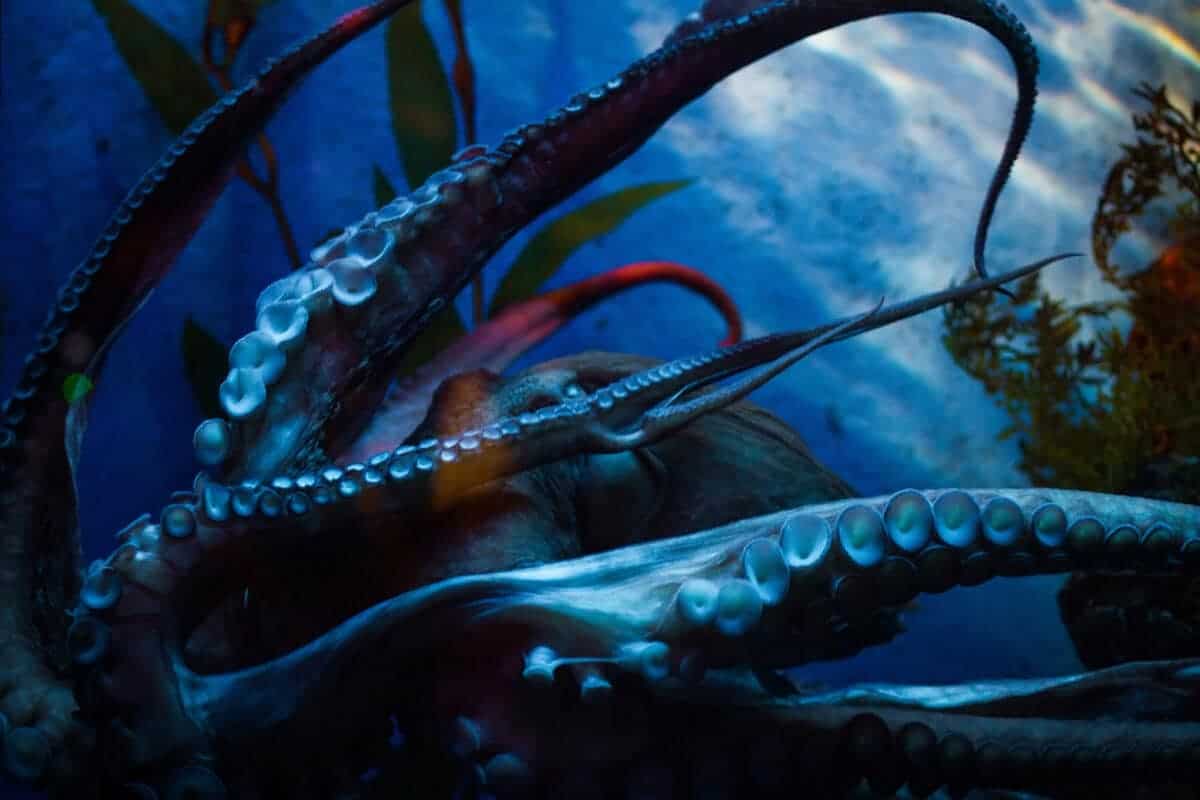
As researchers gather more data, the scientific community anticipates new insights into the life and behavior of giant squids. Continued exploration and conservation efforts are essential to protecting these enigmatic creatures and the vast marine habitats they call home. The sighting off the Florida Keys is a reminder of the endless mysteries awaiting discovery in the deep ocean.
Conclusion: Embracing the Ocean’s Mysteries

The sighting of a giant squid near the Florida Keys underscores the vastness and complexity of the ocean. It serves as a reminder of how much we have yet to learn about the deep sea and the creatures that inhabit it. By embracing curiosity and prioritizing conservation, we can ensure the protection of our ocean’s wondrous biodiversity, learning from its hidden inhabitants while cherishing the marvels they bring to our world.

From exploring the marine wonders in the Azores and witnessing the vast savannas of Kenya, to delving deep into the rich biodiversity of South Africa and traversing iconic landscapes in Australia and the US like Yellowstone, Chris's experiences are vast.
With a penchant for diving alongside sharks, the ocean holds a special place in his heart.
Through his academic insights, he champions wildlife conservation, striving with 'Animals Around The Globe' to cultivate a profound connection between humans and animals, enhancing our mutual appreciation.
Connect with him at Feedback@animalsaroundtheglobe.com.
- What Happens If Fireflies Stop Glowing? - July 21, 2026
- Coyotes Are Thriving in Every U.S. State — Even New York City - July 21, 2026
- The Best Cat Breeds for Highly Empathetic Owners - July 21, 2026