


In a rare biological phenomenon that captivated both local residents and scientists alike, a two-headed turtle was born at a wildlife center in Maine. This extraordinary occurrence, known as bicephaly, represents one of nature’s most fascinating anomalies and has drawn attention from herpetologists and wildlife enthusiasts across the country. The turtle, which emerged from its egg with two fully formed heads on a single body, offers researchers a unique opportunity to study this uncommon developmental condition in reptiles while providing the public with a glimpse into the remarkable variability of life on our planet.
The Discovery of Maine’s Two-Headed Turtle

The remarkable two-headed turtle was discovered in the summer of 2021 at a wildlife rehabilitation center in central Maine. Staff members were monitoring a clutch of snapping turtle eggs that had been rescued from a threatened nesting site when they noticed something unusual about one of the hatchlings. As the tiny turtle emerged from its shell, caregivers were astonished to see that it possessed two distinct heads, each with its own set of eyes, mouth, and brain. The discovery immediately prompted calls to local wildlife experts and veterinarians who confirmed the turtle had polycephaly, specifically bicephaly—a condition where an animal develops two heads instead of one.
Understanding Bicephaly in Reptiles

Bicephaly occurs when an embryo begins to split into twins but doesn’t complete the separation process during early development. In reptiles, this condition is relatively more common than in mammals, though it remains exceedingly rare in wild populations. Scientists estimate that bicephalic turtles occur in roughly one in every 100,000 births.
The condition results from either environmental factors affecting the embryo during crucial developmental stages or genetic mutations. In turtles specifically, the incomplete division of the embryonic disk during the first few weeks of development leads to two heads forming while the rest of the body develops as a single entity. Each head typically possesses its own brain, though they share the same body, internal organs, and shell.
Physical Characteristics of the Maine Two-Headed Turtle
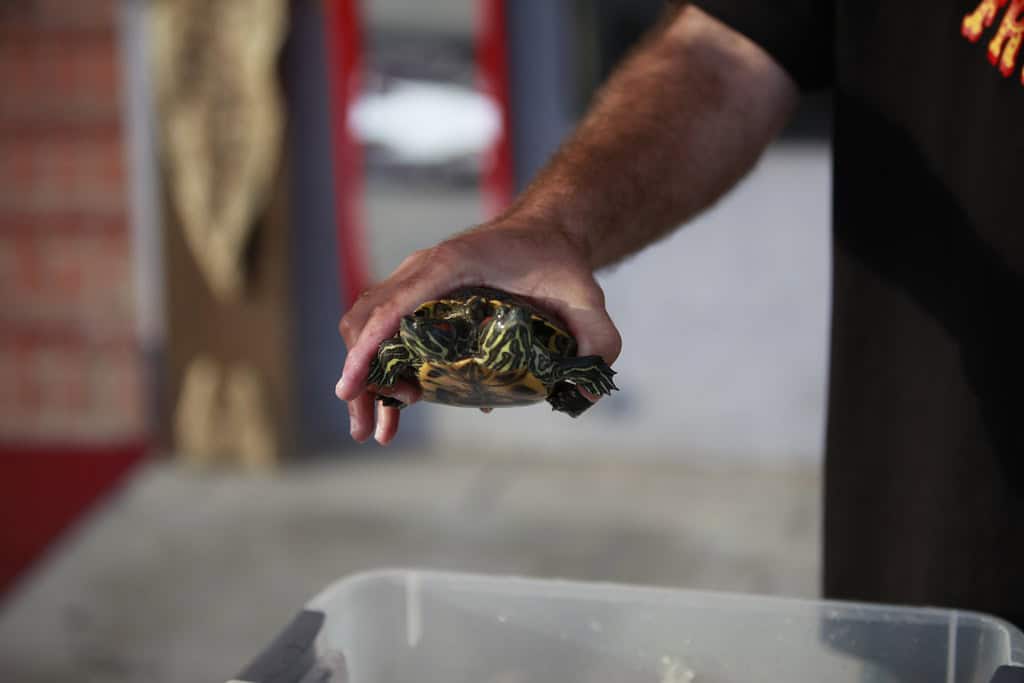
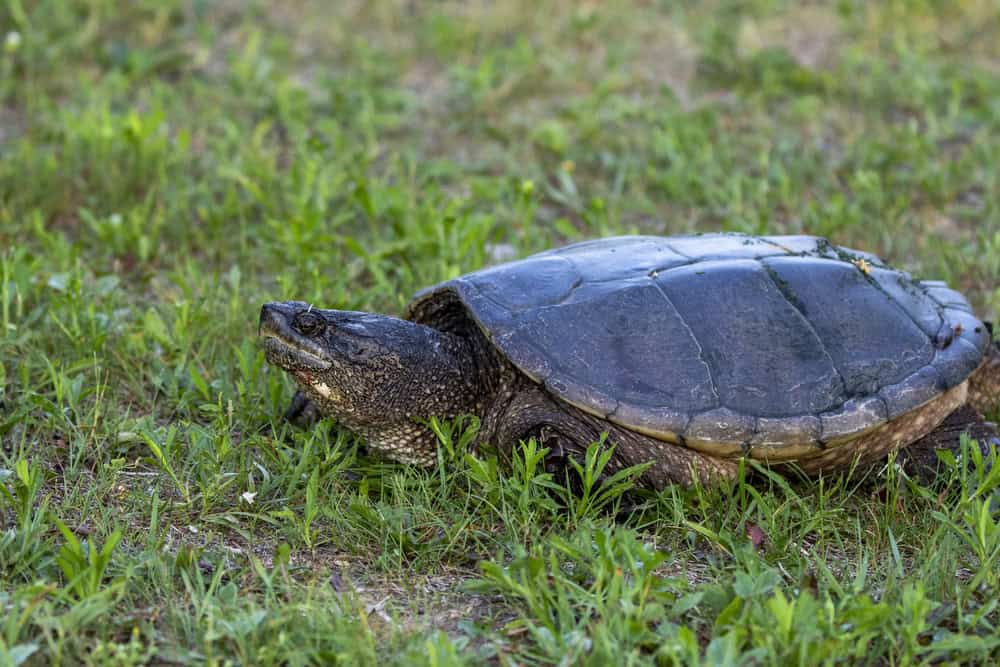
The bicephalic turtle discovered in Maine was identified as a common snapping turtle (Chelydra serpentina), a species native to North America. At hatching, the unusual reptile measured approximately two inches in length, which is typical for snapping turtle hatchlings. Its shell appeared normal, though slightly wider than average to accommodate the dual neck structure.
Each head measured about half an inch in length, with fully formed eyes, nostrils, and mouths. Remarkably, both heads demonstrated independent movement and responsiveness to stimuli, indicating that each possessed functional neural systems. The turtle’s limbs and tail developed normally, though researchers noted a slight asymmetry in the overall body structure, with the right side being marginally larger than the left.
Survival Challenges for Two-Headed Reptiles

Animals with bicephaly face significant survival challenges in the wild, and the Maine two-headed turtle is no exception. The condition creates numerous obstacles that would make independent survival highly unlikely without human intervention. The most immediate challenge is mobility—the two heads often have difficulty coordinating movement, as each brain may attempt to control the body independently.
This can result in contradictory impulses, with one head wanting to move in one direction while the other desires to go elsewhere. Additionally, feeding presents complications, as the two heads might compete for food or experience difficulties coordinating swallowing. Internal complications can also arise, including shared digestive systems that may not function optimally and potential vascular issues that could lead to health problems as the turtle matures.
The Scientific Significance of the Finding
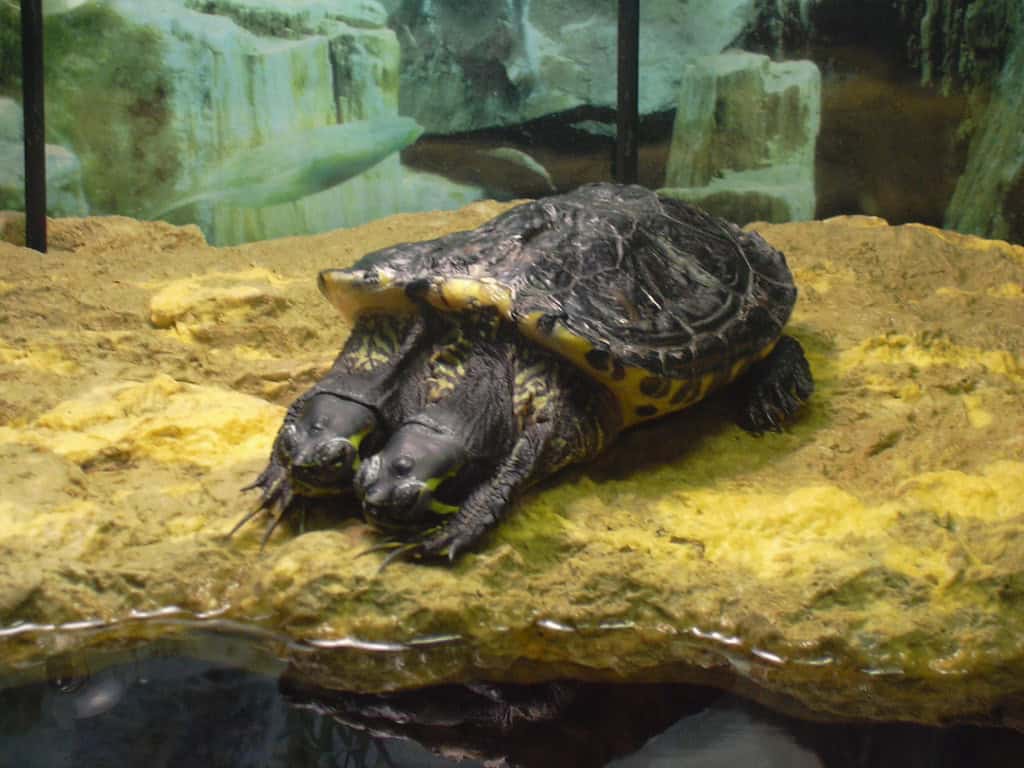
Beyond its novelty, the Maine two-headed turtle represents a valuable opportunity for scientific research. Biologists and veterinarians have been able to study how the animal’s dual nervous systems function and interact with a shared body. This research provides insights into neural development and adaptation in reptiles.
The case also offers valuable data on developmental biology and the factors that can influence embryonic development in turtles. Scientists are particularly interested in understanding whether environmental factors such as temperature fluctuations, chemical exposure, or genetic predispositions played a role in this instance of bicephaly. Such research not only advances our understanding of reptile biology but may also contribute to broader studies on developmental anomalies across species.
Care and Management Protocols

Caring for a two-headed turtle presents unique challenges that require specialized attention and management protocols. The wildlife rehabilitation center in Maine developed a comprehensive care plan in consultation with herpetologists and exotic animal veterinarians. The turtle was housed in a carefully controlled environment with precise temperature and humidity regulation to minimize stress.
Feeding required particular attention, as staff needed to ensure both heads received adequate nutrition while preventing competition between them. This often involved hand-feeding each head separately with appropriately sized food items. Regular health assessments were conducted to monitor growth, shell development, and any potential complications arising from the shared organ systems. Water quality was maintained at optimal levels to prevent infections, which can be particularly dangerous for reptiles with developmental anomalies.
Historical Context of Bicephalic Turtles

The Maine two-headed turtle joins a small but notable list of documented cases of bicephalic turtles throughout history. One of the most famous examples was “Thelma and Louise,” a two-headed Texas river cooter that lived for several years at the San Antonio Zoo. Another well-documented case occurred in 2018 when a two-headed diamondback terrapin was discovered in Massachusetts.
Archaeological evidence suggests awareness of such anomalies dates back centuries, with Native American cultures in the northeastern United States incorporating two-headed turtles into their mythology and folklore. In many indigenous traditions, such unusual animals were considered spiritually significant, sometimes representing duality or serving as omens. The scientific documentation of bicephalic turtles began in earnest in the late 19th century, with increasingly detailed studies emerging throughout the 20th century as veterinary medicine and herpetology advanced.
Public Response and Educational Impact

The discovery of the two-headed turtle generated significant public interest throughout Maine and beyond. Local news outlets reported on the unusual hatchling, and social media posts featuring the turtle quickly went viral. Recognizing an opportunity for public education, the wildlife center developed a program that allowed limited public viewing while maintaining the animal’s welfare as the top priority.
Educational materials were created to explain the science behind bicephaly and dispel misconceptions about “mutant” animals. The center used the turtle’s story to highlight broader conservation issues facing reptiles in Maine, including habitat loss and the impact of human activities on nesting sites. School groups were particularly engaged, with many teachers incorporating the two-headed turtle into science lessons about biology, evolution, and environmental factors affecting wildlife.
Long-term Prognosis and Development
The long-term outlook for two-headed turtles varies significantly based on the extent of their internal abnormalities and the quality of care they receive. In the case of the Maine specimen, veterinarians conducted detailed examinations, including imaging studies, to assess its internal structures and potential health concerns. While many bicephalic reptiles have shortened lifespans due to complications arising from their condition, some have been known to thrive for years in captivity under proper care.
The wildlife center implemented a monitoring protocol to track the turtle’s development, documenting growth rates, feeding behaviors, and any emerging health issues. Particular attention was paid to shell development, as abnormal growth patterns can occur in turtles with developmental anomalies. Specialists noted that the first year of life would be critical in determining the turtle’s long-term prognosis, with the greatest risks coming from potential digestive complications and neurological issues related to the dual-head structure.
Similar Cases in Other Species
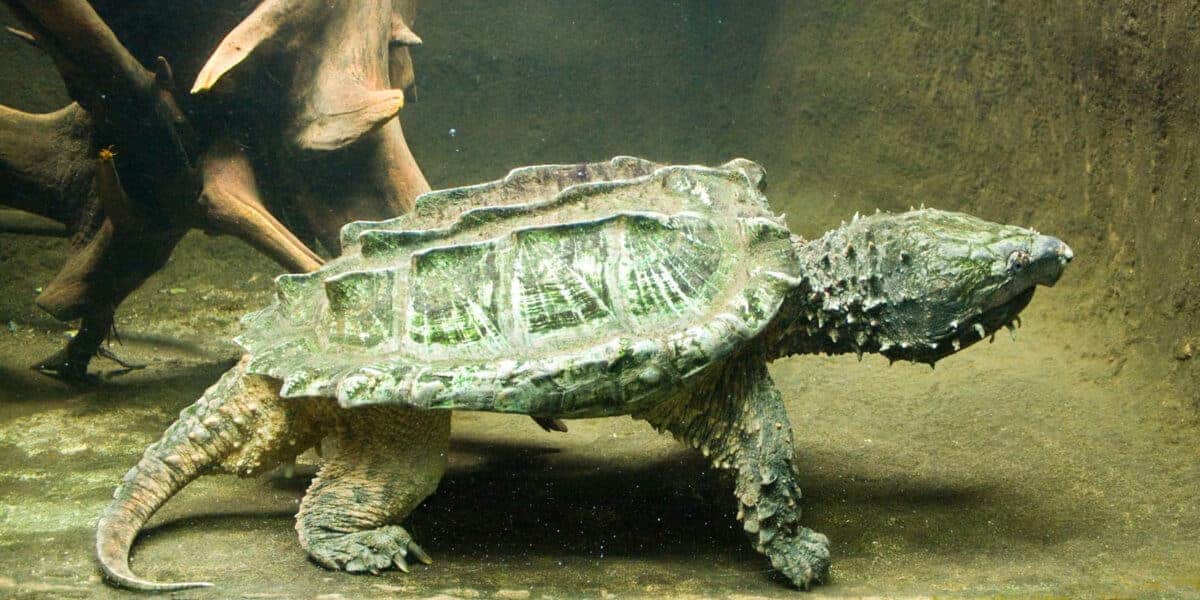
While the Maine two-headed turtle garnered significant attention, bicephaly occurs in various animal species beyond turtles. Snakes exhibit this condition relatively more frequently than other reptiles, with two-headed specimens documented in numerous species including rat snakes, garter snakes, and cobras. Among amphibians, cases have been reported in frogs and salamanders, though less commonly than in reptiles.
The phenomenon is exceedingly rare in birds and mammals but has been documented in cattle, sheep, cats, and even human beings. The occurrence across diverse species suggests common developmental mechanisms that can be disrupted during embryonic development. Interestingly, the prognosis and functional capabilities vary significantly between species. Two-headed snakes, for instance, often demonstrate better coordination between heads than turtles do, while mammals with the condition typically face more severe complications due to their complex neurological systems.
Conservation Implications
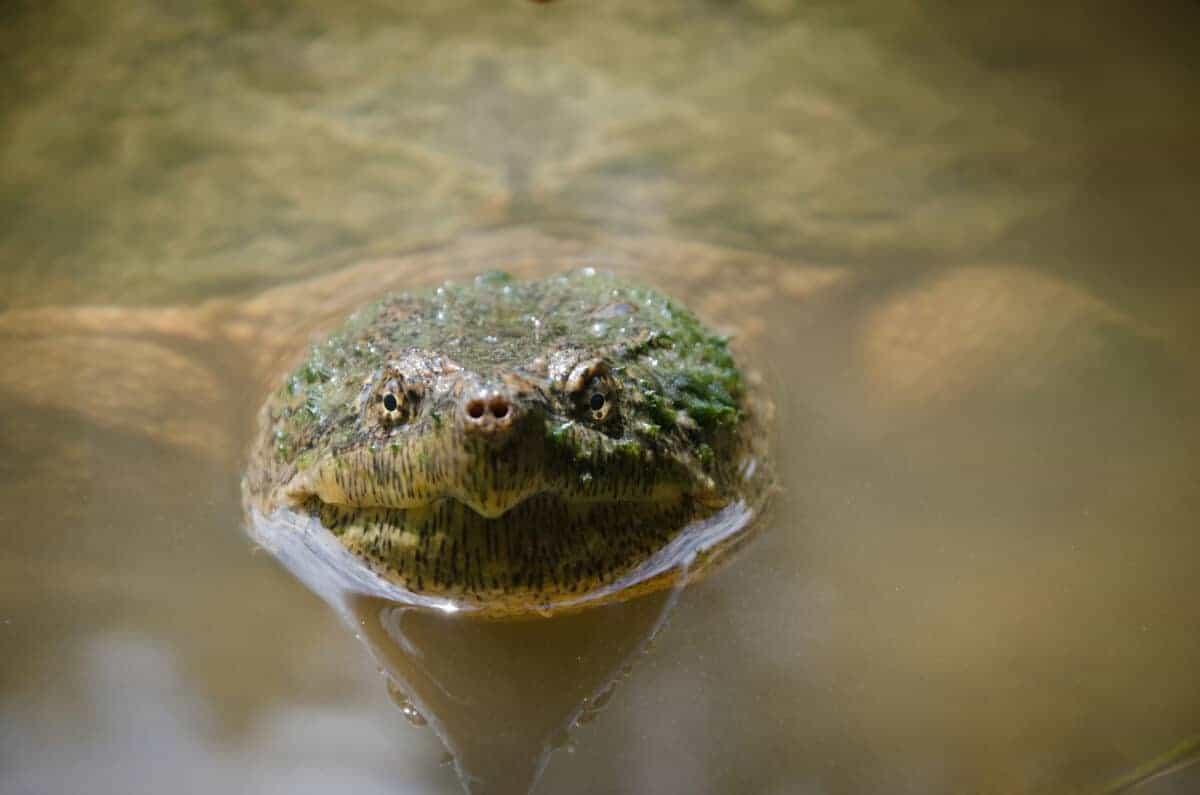
The discovery of the two-headed turtle in Maine sparked conversations about broader conservation issues affecting turtle populations. Scientists have noted that developmental abnormalities in reptiles sometimes occur at higher rates in areas with environmental contamination or habitat disruption. While a single case doesn’t necessarily indicate environmental problems, wildlife officials took the opportunity to assess the nesting area where the egg was collected for potential contaminants or other factors that might influence embryonic development.
The incident also highlighted the importance of turtle conservation efforts in Maine, where seven of the state’s eight native turtle species face various threats including habitat loss, road mortality, and climate change. Conservation organizations used the public interest generated by the two-headed turtle to promote awareness of protection measures for nesting sites and the importance of maintaining healthy aquatic ecosystems that support turtle populations.
The Future of Maine’s Two-Headed Turtle

Following its discovery and initial care period, plans were developed for the long-term future of Maine’s two-headed turtle. Given its unlikely prospects for survival in the wild, wildlife officials determined that permanent captivity would be in the animal’s best interest. The wildlife rehabilitation center collaborated with accredited zoological institutions with expertise in reptile care to ensure the turtle would receive specialized attention throughout its life.
Considerations included the potential for the turtle to serve as an ambassador animal for conservation education while maintaining its quality of life as the primary concern. A specialized care team was assembled to monitor its development, address health issues as they arise, and document its growth and behavior for scientific purposes. This information contributes to the limited body of knowledge regarding bicephalic animals and may help inform the care of similar cases in the future.
Conclusion

The birth of a two-headed turtle in Maine represents one of nature’s rare and fascinating developmental anomalies that continues to captivate both scientists and the general public. Through careful management and specialized care, this unique creature has not only survived but has become an important subject for scientific study and public education about reptile biology and conservation. The case highlights the remarkable adaptability of life and the complex factors that influence embryonic development in turtles and other species. As researchers continue to monitor and document the turtle’s progress, its story serves as a reminder of nature’s unpredictability and the importance of preserving natural habitats where turtles and other wildlife can thrive for generations to come.

From exploring the marine wonders in the Azores and witnessing the vast savannas of Kenya, to delving deep into the rich biodiversity of South Africa and traversing iconic landscapes in Australia and the US like Yellowstone, Chris's experiences are vast.
With a penchant for diving alongside sharks, the ocean holds a special place in his heart.
Through his academic insights, he champions wildlife conservation, striving with 'Animals Around The Globe' to cultivate a profound connection between humans and animals, enhancing our mutual appreciation.
Connect with him at Feedback@animalsaroundtheglobe.com.
- A Bear Journey Through The USA: 18 Best Bear Photos from 18 US States - July 19, 2026
- Elephant Matriarchs Know Every Waterhole for Miles - July 19, 2026
- Top 10 Dinosaur Relatives Still Roaming Earth Today - July 19, 2026