

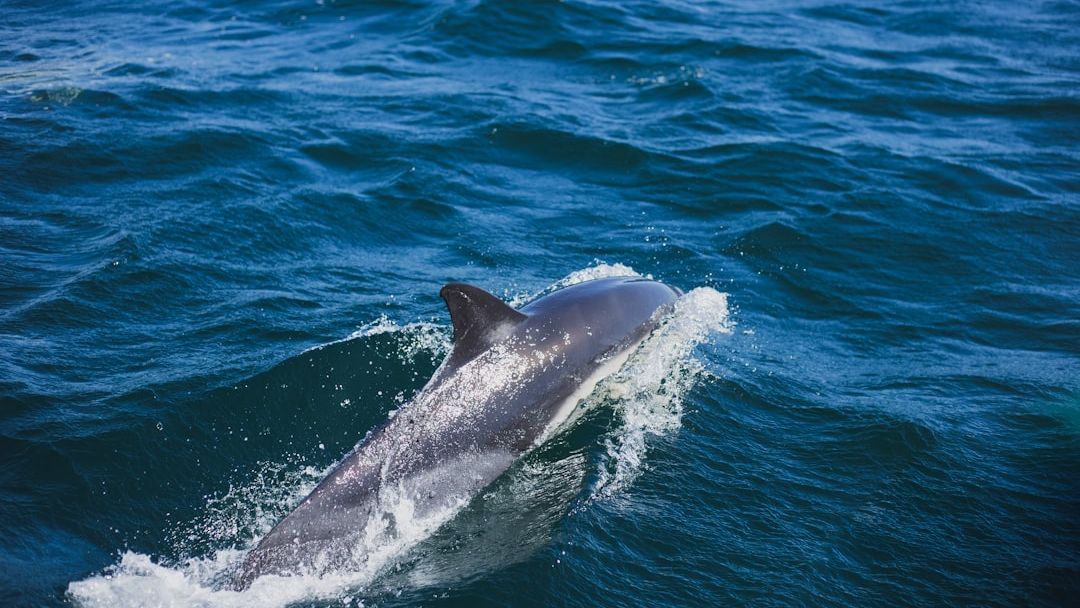
Porpoise Bay, New Zealand — A pioneering study from the University of Otago has mapped the subtle rhythms of Hector’s dolphins as they hunt in this sheltered Southland bay. Deployed acoustic devices captured echolocation clicks over eight months, revealing that the dolphins ramp up foraging in the afternoons during summer and surprisingly return in winter. These patterns expose the bay’s role as a critical habitat for a mere 63 individuals in peak season, while raising alarms about disturbances from swimmers.
First Glimpse Through Sound Waves
Researchers placed two echolocation detectors in the inner and middle sections of Porpoise Bay from January to August 2020. The devices recorded dolphin clicks around the clock, marking the initial use of passive acoustic monitoring for Hector’s dolphins at this site. This approach allowed detection without visual bias, capturing activity in murky waters or at night.
The method proved effective in pinpointing foraging behaviors through high click rates, which signal active hunting. Traditional boat surveys often miss these nuances, especially in a bay known for summer crowds. The data provided a continuous record, free from weather disruptions that plague daytime observations.
Summer Peaks and Unexpected Winters
Foraging activity built steadily through summer days, cresting in the afternoon within the protected southwest corner of the inner bay. Dolphins then shifted toward the middle bay as evening approached. Daylight hours and high tides correlated with heightened efforts, likely tied to better prey visibility and access.
Most striking, detectors picked up dolphins in winter, challenging assumptions of seasonal absence. This hints at the bay serving as vital off-season ground for dolphins from the nearby Catlins Coast group. With only about 63 dolphins estimated in summer, such small numbers amplify the habitat’s value.
| Season | Preferred Location | Peak Foraging |
|---|---|---|
| Summer | Inner bay (SW corner) | Afternoon, daylight, high tide |
| Winter | Inner/middle bay | Presence confirmed; patterns unclear |
High Stakes for Small-Bodied Hunters
Hector’s dolphins, weighing around 45 kilograms, maintain high metabolic rates that demand near-constant foraging. Females bear large calves relative to their size in cool waters, imposing steep energetic costs for nursing. Disruptions here could ripple through mother-calf pairs, reducing intake at crucial times.
“Being a small-bodied marine mammal with high metabolic rates, they must forage almost continuously to satisfy their high energetic demands,” noted lead author Max Harvey. Swimmers drawn to shore-hugging pods risk interrupting these vital routines, particularly with calves present. The fragmented population structure, marked by low numbers and limited gene flow, heightens extinction risks for local groups.
Guiding Visitors Toward Safer Interactions
Recreational swimmers pose one of the main threats by approaching groups too closely. Simple guidelines could make a difference: enter the water at least 50 meters from dolphins and steer clear of pods with calves. “Entering the water at least 50 meters away from dolphin groups and not swimming with groups containing calves are the best ways we can ensure the dolphins can use the bay on their own terms,” Harvey emphasized.
Long-term acoustic monitoring offers a path forward, tracking changes amid tourism pressures. Public education will prove essential, turning bay visitors into stewards of this unique wildlife haven. The study, published in the New Zealand Journal of Marine and Freshwater Research, calls for sustained efforts to preserve the site.
- Maintain distance: At least 50 meters from any dolphin group.
- Skip calf-inclusive swims: Prioritize the most vulnerable pairs.
- Support monitoring: Advocate for ongoing acoustic and visual surveys.
As Hector’s dolphins navigate their fragile world, these acoustic revelations remind us that quiet listening can safeguard the loud calls of conservation. Porpoise Bay’s dual-season role demands vigilance, ensuring future generations witness these agile hunters in their element.

- Beavers Are Nature’s Engineers, Creating Vital Habitats for Other Wildlife Species - July 21, 2026
- The Recovery of the California Condor Offers Hope for Other Critically Endangered Birds - July 21, 2026
- Bats Play a Crucial Role in Controlling Insect Populations Across the United States - July 21, 2026