

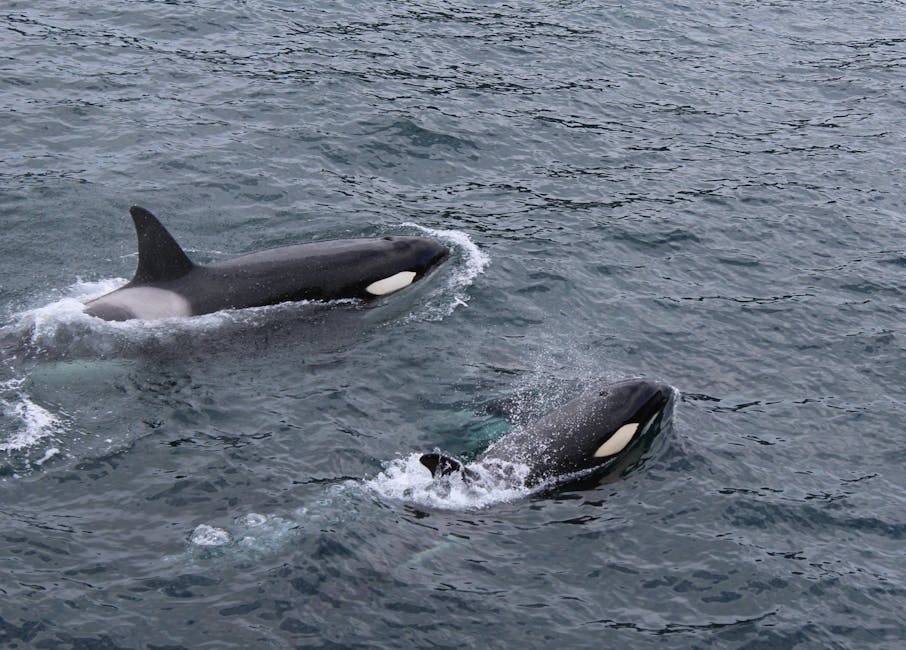
Endangered southern resident killer whales navigate the busy waters of Puget Sound, where vessel traffic and construction noise threaten their survival. An innovative AI system now scans underwater audio streams around the clock, pinpointing the whales’ distinctive calls to prompt swift human adjustments. This technology offers a vital buffer, allowing conservationists and authorities to pause disruptive activities before the orcas arrive.[1][2]
A Desperate Fight for Survival
Only 76 southern resident orcas remain, divided into three pods that rely heavily on vocalizations for hunting Chinook salmon and communicating amid noisy waters. These whales face mounting pressures from prey shortages, pollutants, vessel strikes, and incessant human-generated sounds that drown out their echolocation clicks and calls. Inbreeding further compounds the crisis in this isolated population.[1]
Bioacoustics experts emphasize the urgency. “Inbreeding is also starting to be a problem, which is what you’d expect for a small population,” David Bain, chief scientist at Orca Conservancy, noted. Traditional visual sightings falter at night or in poor weather, leaving gaps in monitoring that AI now fills effectively.[1]
How OrcaHello Listens Beneath the Waves
OrcaHello processes live feeds from seven hydrophones in the Orcasound network, filtering vast audio volumes into brief candidate clips for review. A machine-learning model, refined through years of hackathons and open-source collaboration, flags potential southern resident calls while minimizing false alarms. Moderators – trained bioacousticians – then verify detections via an online portal, adding details like pod identity when possible.[2][3]
The workflow ensures precision: audio streams hit cloud servers, AI analyzes two-second segments, and confirmed alerts dispatch within minutes. Since its 2020 launch, the system has logged detections on over 150 days, including a newborn J-pod calf’s first calls in 2025 detected hours before visual confirmation. This open-source effort stems from a 2019 Microsoft hackathon, blending engineering with marine science.[2]
Turning Alerts into Real-World Protection
Notifications reach a broad network, triggering immediate responses. The Port of Seattle halts pile-driving under the Quiet Sound program, while Washington State Ferries slow vessels to reduce noise. Construction crews switch to quieter tasks, gaining hours of lead time as orcas approach.[1]
“It’s a real-time AI alert system that’s listening 24/7 for orca calls,” explained Akash Mahajan, a co-developer. Fisheries managers adjust operations, and oil spill responders prepare, all informed by these precise pings. The system has issued positive alerts on 138 days to date, proving its reliability in high-stakes scenarios.
- Pause underwater construction like pile-driving during orca presence.
- Redirect boat traffic and enforce slowdown zones.
- Inform seasonal fisheries closures for salmon protection.
- Enhance spill response readiness in sensitive areas.
- Support research with annotated audio datasets exceeding 6,700 minutes.
Expanding the AI Conservation Frontier
Partners including the Center for Whale Research and Orca Conservancy collaborate on scaling OrcaHello to more sites and species. Future upgrades aim to classify call types automatically and integrate with vessel tracking for dynamic alerts. The project’s datasets fuel broader bioacoustics research, tracking orca activity patterns year-round.[1]
Volunteers and annual hackathons sustain momentum, with moderators reviewing candidates averaging under 10 minutes daily. This human-AI synergy outperforms solo efforts, delivering verified insights even in winter when whales forage actively. As threats persist, such tools bridge technology and nature’s needs.
OrcaHello demonstrates how AI can safeguard fragile ecosystems without invasive measures, buying time for broader recovery efforts. Its success hinges on community vigilance and rapid response, proving small innovations yield outsized gains for wildlife.
Key Takeaways
- OrcaHello filters ocean noise to detect SRKW calls 24/7 across Puget Sound hydrophones.
- Expert-reviewed alerts have enabled 150+ days of confirmed detections since 2020.
- Actions like pausing construction protect the 76 remaining whales from noise and strikes.
What steps can communities take to further support these orcas? Share your thoughts in the comments.

- Urban Coyotes Show Remarkable Adaptability, Learning to Thrive in City Environments - July 22, 2026
- Beavers Are Nature’s Engineers, Creating Vital Habitats for Other Wildlife Species - July 21, 2026
- The Recovery of the California Condor Offers Hope for Other Critically Endangered Birds - July 21, 2026