

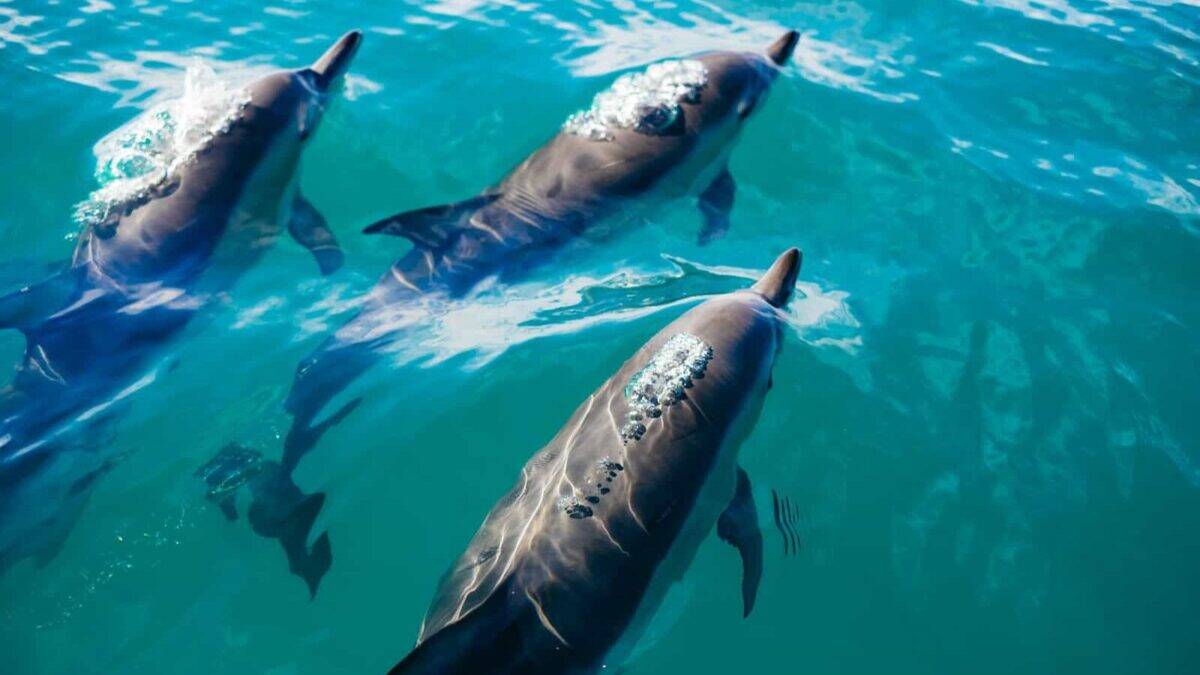
In the mysterious depths of our oceans, whales and dolphins communicate through a complex symphony of clicks, whistles, and calls. For decades, scientists have been fascinated by these marine conversations, wondering what secrets they might hold. Recent breakthroughs in artificial intelligence have brought us closer than ever to decoding these underwater dialogues. As AI technology advances at an unprecedented pace, researchers are now asking a question that once seemed purely science fiction: Could we soon have actual conversations with dolphins and whales? This article explores the cutting-edge research, technological innovations, and ethical considerations surrounding interspecies communication, particularly focusing on how AI is helping us understand the sophisticated language of cetaceans.
The Complex Language of Cetaceans

Cetaceans—the group including whales, dolphins, and porpoises—possess some of the most sophisticated communication systems in the animal kingdom. Sperm whales communicate using patterns of clicks called “codas,” while dolphins use a diverse repertoire of whistles, including unique “signature whistles” that function similar to names. Orcas (killer whales) have been documented using distinct dialects that vary between pods, suggesting a form of cultural transmission of language.
These vocalizations aren’t just simple signals—they contain complex information about identity, location, emotional states, and potentially much more. The challenge for humans has always been understanding the nuances and meanings behind these sounds, a task that was virtually impossible before the advent of advanced computing and artificial intelligence.
The Evolution of Cetacean Communication Research

Research into cetacean communication dates back to the 1950s, when scientists first began recording and analyzing whale songs and dolphin whistles. Early pioneers like John C. Lilly conducted controversial experiments attempting to teach dolphins human language. While these early efforts yielded limited results, they sparked interest in the field. The 1970s and 1980s saw more sophisticated approaches, including the work of Louis Herman with bottlenose dolphins and the humpback whale song research of Roger Payne.
These studies revealed that cetaceans possessed cognitive abilities far beyond what was previously thought possible. However, the limitations of technology at the time meant that researchers could only scratch the surface of understanding these communication systems. It wasn’t until the digital revolution and the rise of AI that the field would experience its most significant breakthroughs.
How AI Is Transforming Marine Mammal Research
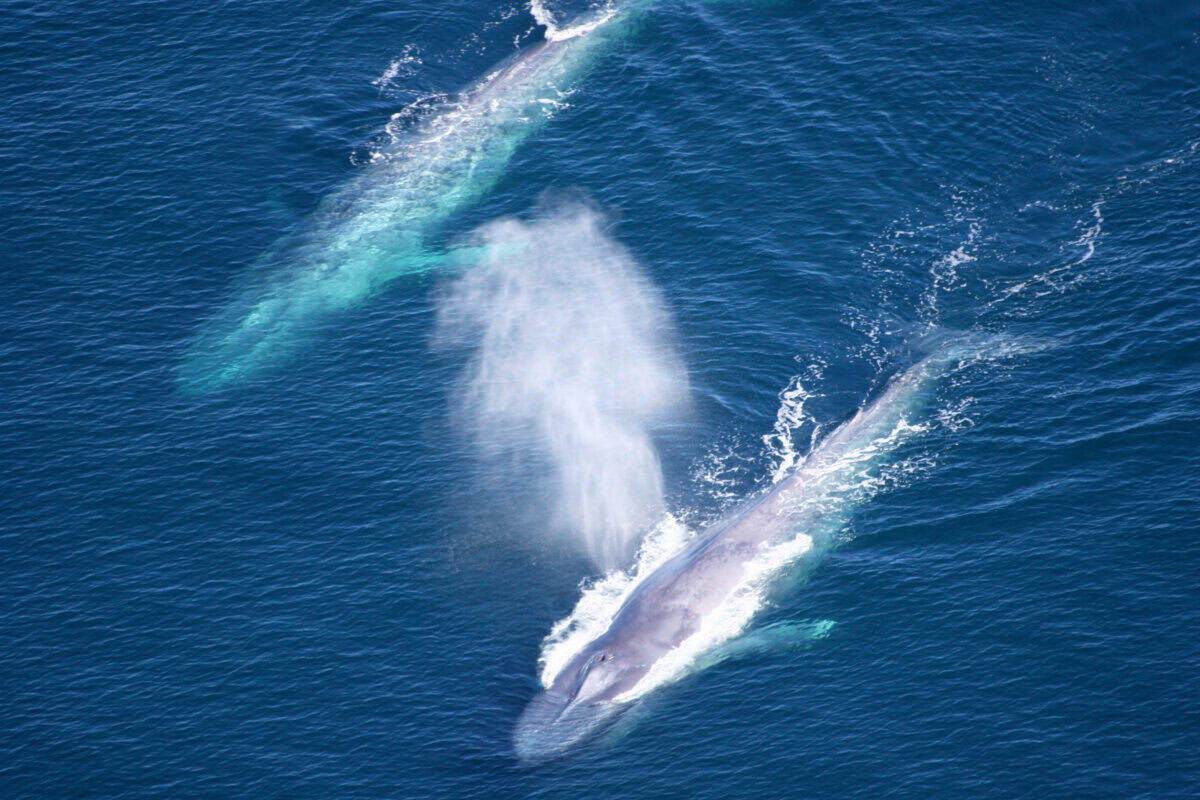
Artificial intelligence has revolutionized marine mammal research in multiple ways. Machine learning algorithms can now process vast amounts of acoustic data, identifying patterns that would be impossible for human researchers to detect. Deep learning neural networks can classify different types of vocalizations, match them to specific behaviors, and even identify individual animals by their calls.
Unsupervised learning techniques are particularly valuable, as they can discover patterns without requiring researchers to know in advance what they’re looking for—essential when studying a language we don’t yet understand. Projects like the Cetacean Translation Initiative (CETI) are leveraging these AI capabilities to analyze millions of sperm whale clicks, creating the most comprehensive dataset of cetacean communication ever assembled. This combination of big data and sophisticated AI is opening doors that remained firmly closed to previous generations of researchers.
The CETI Project: Decoding Sperm Whale Communication

The Cetacean Translation Initiative (CETI) represents one of the most ambitious attempts to decode non-human communication. Launched in 2021, this interdisciplinary project brings together marine biologists, AI researchers, linguists, and roboticists to study the communication of sperm whales. These magnificent creatures have the largest brain of any animal and communicate using distinctive patterns of clicks.
CETI researchers have deployed advanced underwater recording devices around the Caribbean island of Dominica, where sperm whales are known to gather. These devices capture millions of whale vocalizations, which are then processed using natural language processing (NLP) models similar to those used in human language translation. By analyzing the contextual patterns of these clicks—when they occur, which whales are present, and what behaviors follow—the AI systems are beginning to identify potential units of meaning. The project aims not just to catalog sounds but to understand the underlying structure of whale communication, potentially revealing whether it contains elements that could be considered a true language.
Breakthrough Technologies in Marine Bioacoustics

The technological tools enabling this research have evolved dramatically in recent years. Passive acoustic monitoring devices can now operate autonomously for months, capturing high-quality recordings in challenging underwater environments. Specialized hydrophones capable of detecting the full frequency range of cetacean vocalizations, from the infrasonic rumbles of blue whales to the ultrasonic clicks of dolphins, provide unprecedented audio clarity.
Miniaturized tags with multiple sensors can be temporarily attached to animals, recording not just sounds but also movement data, providing crucial context for vocalizations. On the computational side, specialized AI architectures like convolutional neural networks (CNNs) and recurrent neural networks (RNNs) are particularly adept at processing acoustic data. These technological advances collectively allow researchers to collect and analyze data at scales previously unimaginable—millions of vocalizations across multiple species and populations—creating a foundation for truly understanding cetacean communication systems.
From Whales to Dolphins: Different Species, Different Challenges

While much attention has focused on whales, dolphins present both unique opportunities and challenges for communication research. Their smaller size and greater adaptability to captivity have historically made them easier to study, resulting in a rich body of research on dolphin cognition and communication. Bottlenose dolphins, in particular, have demonstrated remarkable linguistic capabilities, including understanding symbolic language systems created by humans and comprehending basic syntactic structures.
The Wild Dolphin Project, founded by Dr. Denise Herzing, has spent decades studying Atlantic spotted dolphins, developing a two-way communication interface called CHAT (Cetacean Hearing and Telemetry) that allows humans and dolphins to share a set of mutually created signals. Dolphins’ highly social nature and problem-solving abilities make them excellent candidates for communication studies. However, their communication system differs from that of larger whales—featuring more whistles and fewer clicks—requiring AI systems to be adaptable to different acoustic patterns and potentially different underlying communication structures.
Are We Finding Language or Just Communication?
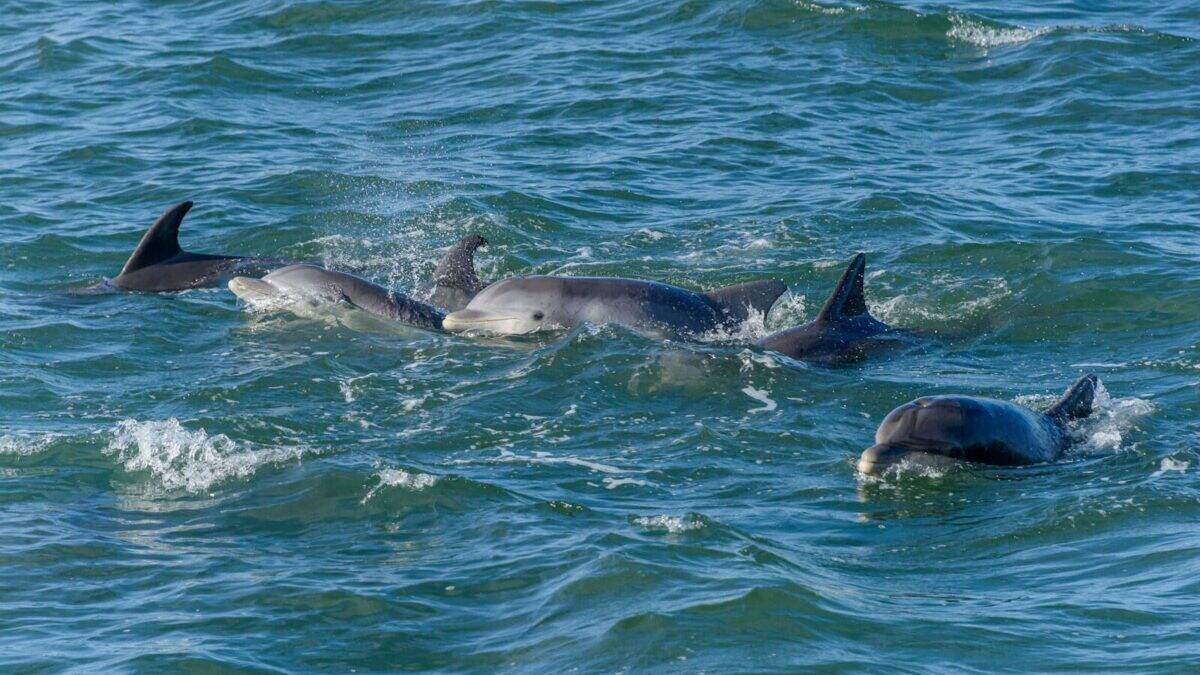
A critical question in this research is whether cetacean vocalizations constitute a true language or simply a sophisticated communication system. Linguists generally define language as having several key properties: it must be symbolic (with sounds representing concepts), have grammar (rules governing how symbols can be combined), be generative (able to create novel meanings from existing elements), and allow displacement (referring to things not immediately present). While cetacean communication clearly contains some of these elements—particularly symbolic representation and possibly some form of syntax—the jury is still out on whether it qualifies as a full language.
AI research may help answer this question by identifying structural patterns that humans might miss. For instance, information theory metrics applied to sperm whale codas suggest they contain levels of complexity comparable to some human languages. However, researchers remain cautious about anthropomorphizing or projecting human language concepts onto cetacean communication. The goal is not necessarily to find a “whale language” that mirrors human language, but to understand these communication systems on their own terms.
Creating a Two-Way Communication System
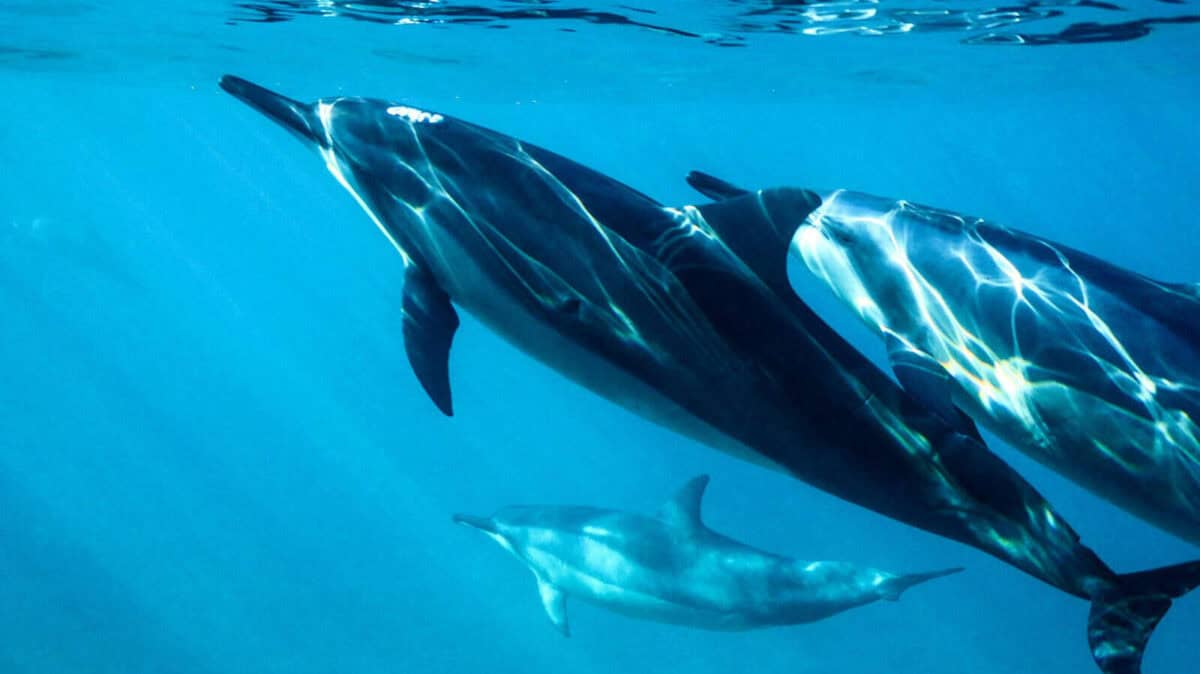
The ultimate goal for many researchers is to move beyond passive understanding to active communication with cetaceans. Several projects are working toward this ambitious objective. The Earth Species Project is developing AI tools specifically designed for interspecies communication, focusing not just on cetaceans but on bridging the communication gap across species boundaries. SETI (Search for Extraterrestrial Intelligence) researchers have also taken interest, seeing cetacean communication as a valuable testbed for developing methods to potentially communicate with alien intelligence.
Practical approaches include developing underwater speakers that can accurately reproduce cetacean sounds and creating interfaces that translate human inputs into cetacean-like vocalizations. Some systems use visual representations of sounds that can be manipulated by researchers and potentially responded to by the animals. Early experiments have shown promising results—dolphins have demonstrated the ability to understand that artificial sounds or symbols can represent objects or actions, suggesting the potential for a shared communication system. However, creating a true two-way system requires not just technological innovation but a deep understanding of cetacean cognition and perception.
Ethical Considerations in Interspecies Communication
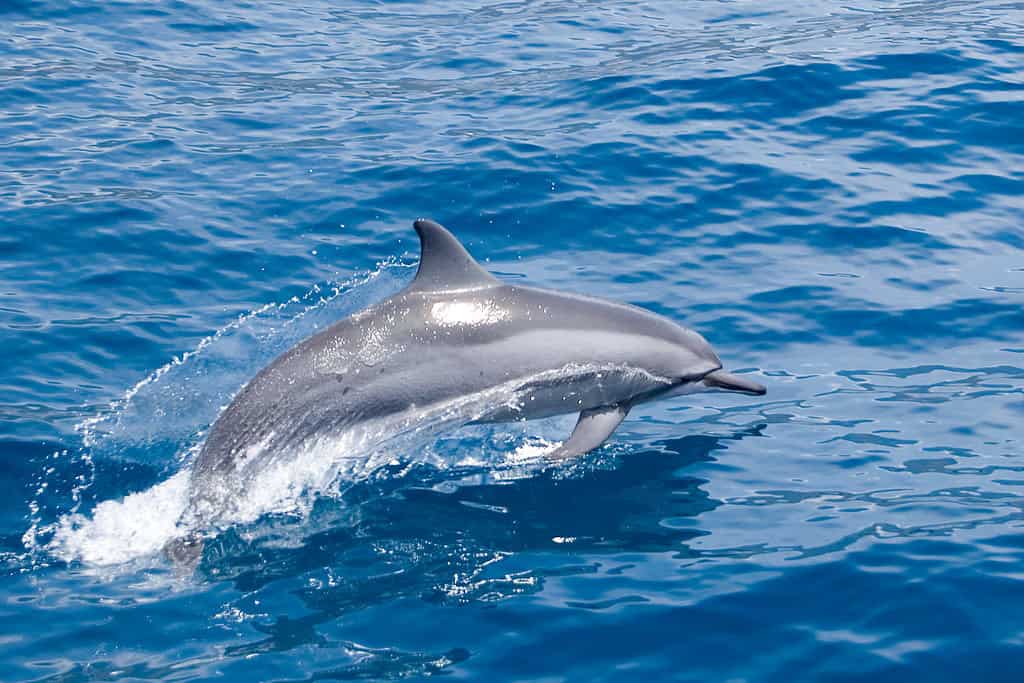
As this field advances, it raises profound ethical questions. If we develop the ability to communicate with cetaceans, what responsibilities does that create? These animals live in complex societies with their own cultures and may have concepts of rights and autonomy that we’re only beginning to understand. There are concerns about potential exploitation—could communication technologies be misused for entertainment or military purposes? Questions of consent also arise: Do cetaceans want to communicate with humans, and how can we ensure our research respects their agency?
Some indigenous cultures have traditionally viewed cetaceans as non-human persons with whom they share the environment; modern science is now catching up to this perspective. Leading research projects have begun incorporating ethicists and indigenous knowledge-holders into their teams to address these concerns. Many researchers argue that successful communication could actually strengthen conservation efforts by creating deeper human connections to these species and potentially allowing cetaceans to express their own needs and experiences directly to humans.
The Impact of AI on Understanding Other Species

The techniques being developed for cetacean communication have broader implications for understanding animal cognition across species. Similar AI approaches are being applied to primate vocalizations, bird songs, elephant rumbles, and even the chemical signals of insects. This emerging field of “computational ethology” uses AI to detect patterns in animal behavior and communication that human observers might miss. These cross-species studies are revealing fascinating convergences and differences in how various animals communicate.
They’re also challenging our understanding of human uniqueness—as we discover more sophisticated communication in other species, the gap between human and animal communication appears less absolute and more a matter of degree. AI is particularly valuable in this research because it can approach animal communication without human biases about what language “should” look like. This allows for the possibility of discovering communication systems that operate on entirely different principles than human language but are nonetheless complex and meaningful.
Limitations and Challenges in Current Research

Despite remarkable progress, significant challenges remain in decoding cetacean communication. The underwater environment presents unique technical difficulties—sound travels differently in water, recordings can be contaminated by boat noise or other marine sounds, and deploying equipment in remote ocean locations is logistically complex. From a data perspective, researchers still lack sufficient examples of cetacean communication linked to known contexts, making it difficult for AI systems to learn reliable patterns.
The neural basis of cetacean communication remains poorly understood—their brains are organized differently from human brains, potentially supporting very different types of linguistic processing. There’s also the fundamental challenge of perspective: cetaceans experience the world primarily through sound (through echolocation, they can “see” inside objects) and live in a three-dimensional aquatic environment vastly different from our terrestrial world. Their communication might reference concepts or experiences that have no direct human equivalent. Researchers must maintain humility about these limitations while continuing to advance the technical capabilities that might eventually overcome them.
Future Directions in Cetacean Communication Research
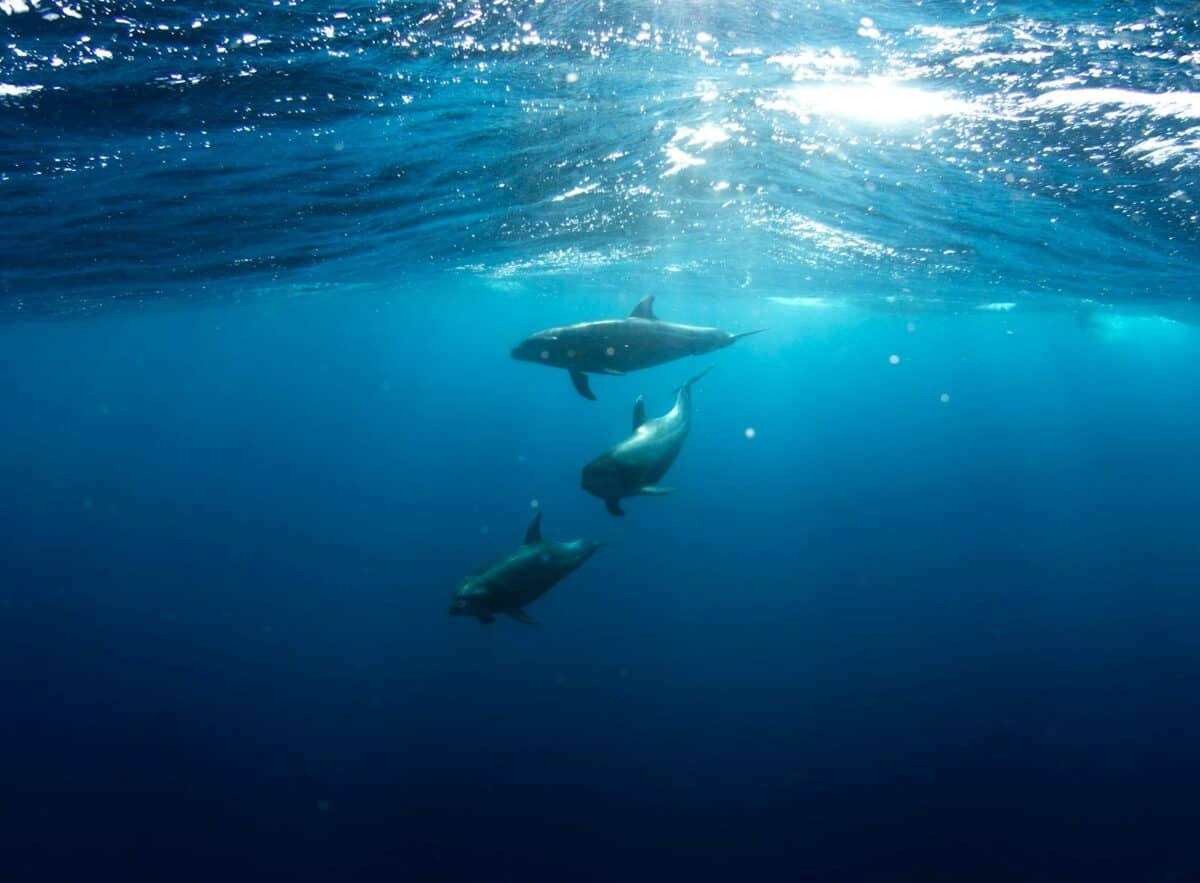
The field of cetacean communication research stands at an exciting frontier, with several promising directions for future development. Advanced recording technologies, including autonomous underwater vehicles equipped with hydrophone arrays, will enable more comprehensive data collection across wider geographic areas. Multimodal AI systems that integrate acoustic data with visual observations, genetic information, and environmental factors will provide richer context for understanding communication patterns.
Quantum computing may eventually offer computational power that can process the enormous datasets needed to fully map cetacean communication systems. Collaborative, open-source research initiatives are growing, allowing scientists worldwide to share data and analytical approaches. Some researchers envision a global network of underwater listening stations that continuously monitors cetacean communications, creating an ever-growing database for AI analysis. The development of specialized AI architectures designed specifically for non-human communication analysis—rather than adapting models built for human language—may yield breakthrough insights. As these technologies mature, we may move from decoding individual signals to understanding broader conversational dynamics and eventually to meaningful exchanges between species.
Conclusion: The Profound Implications of Interspecies Dialogue

The quest to communicate with cetaceans represents one of humanity’s most profound scientific endeavors—an attempt to reach across the species barrier and establish mutual understanding with another intelligent mind that evolved along a different path. The progress being made through AI-powered research suggests that meaningful interspecies communication may indeed be possible in the coming decades. Such a breakthrough would fundamentally transform our relationship with the natural world, challenging us to expand our moral circle and reconsider our place in Earth’s complex web of consciousness.
It would raise new questions about the rights of non-human intelligences and potentially create advocates for ocean conservation who can directly express their experiences of environmental degradation. Beyond these practical implications lies something even more profound: the opportunity to experience a truly alien perspective—not from another planet, but from the depths of our own oceans—expanding our understanding of what communication, intelligence, and consciousness can be. As we stand on the threshold of potentially chatting with dolphins and decoding whale languages, we are reminded that some of the most extraordinary discoveries await not in distant galaxies, but in the minds of the remarkable beings with whom we already share our blue planet.

From exploring the marine wonders in the Azores and witnessing the vast savannas of Kenya, to delving deep into the rich biodiversity of South Africa and traversing iconic landscapes in Australia and the US like Yellowstone, Chris's experiences are vast.
With a penchant for diving alongside sharks, the ocean holds a special place in his heart.
Through his academic insights, he champions wildlife conservation, striving with 'Animals Around The Globe' to cultivate a profound connection between humans and animals, enhancing our mutual appreciation.
Connect with him at Feedback@animalsaroundtheglobe.com.
- How Bison Are Reshaping the American Prairie - July 10, 2026
- How Ocean Animals Are Affected by Climate Change - July 10, 2026
- 23 Popular Dog Breeds Illinois Vets Secretly Wish You’d Stop Choosing - July 10, 2026