


In the remote backcountry near Denali National Park, Alaska, a group of experienced hikers returned to their cabin after a long day on the trail only to find a huge brown bear had crashed their camp and helped itself to every bit of their food supply.
The hikers had been out for two days and thought their supplies were safely stored. But when they arrived, food containers were shredded, plastic bags torn apart, and nothing edible was left. “It was like a buffet for a bear,” one of the hikers explained. The destruction was so thorough that it took hours to clean up.
Thankfully, the hikers were unharmed. Brown bears typically avoid humans unless food or territory is involved. This close encounter was a serious reminder of the risks of camping in bear country.
Brown Bears: The Giants of the North
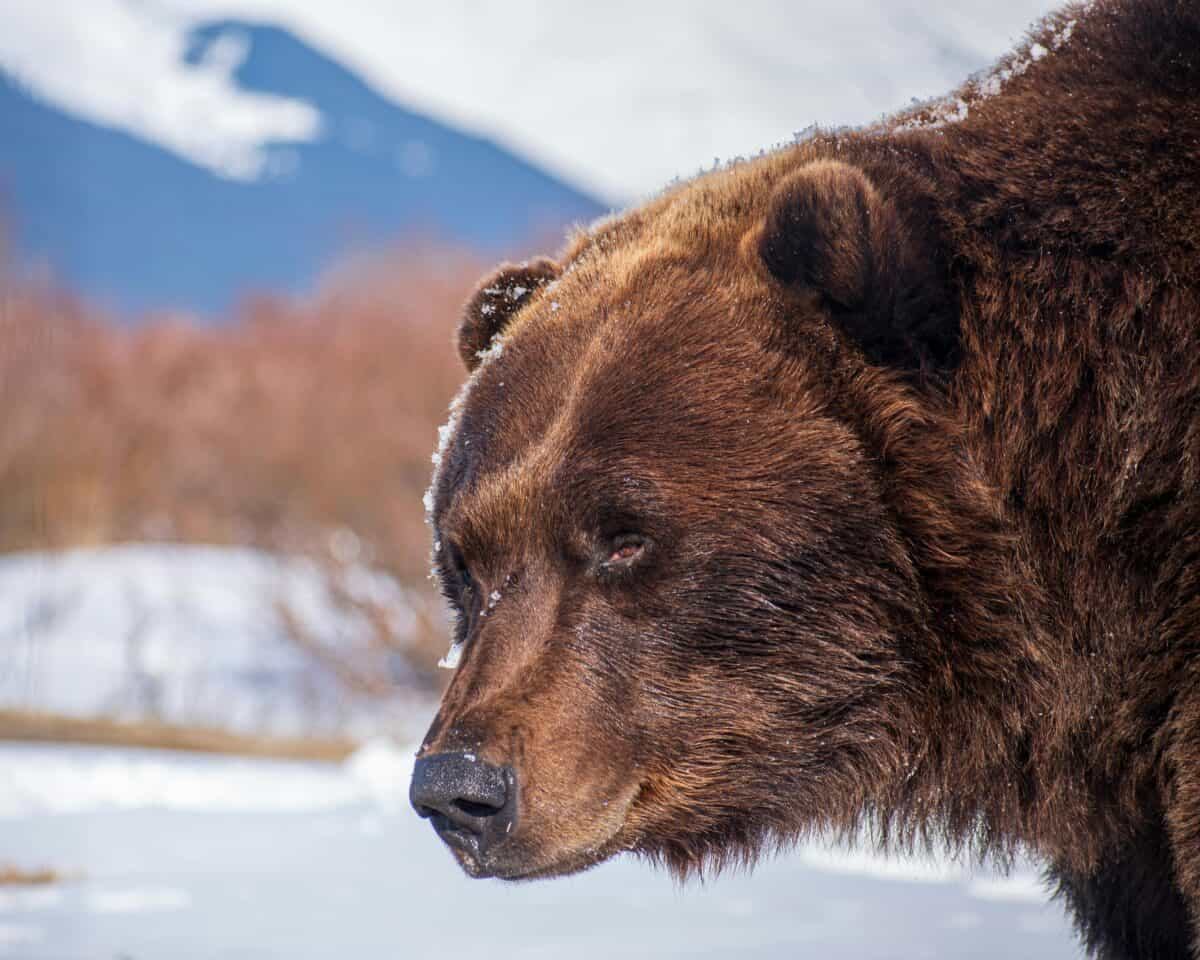
Brown bears, also called grizzly bears, are among North America’s largest predators. Adult males can weigh up to 680 kilograms (1,500 pounds) and stretch over 2.5 meters (8 feet) from nose to tail.
These bears have an incredible sense of smell, approximately 2,100 times better than humans, enabling them to detect food from great distances. Their powerful jaws and sharp claws make short work of tough food containers and campsites.
Brown bears are mostly solitary but become more active in late summer and fall as they bulk up for winter hibernation. During this time, they can become bolder and more aggressive, especially when food is scarce.
The Importance of Bear-Proof Food Storage
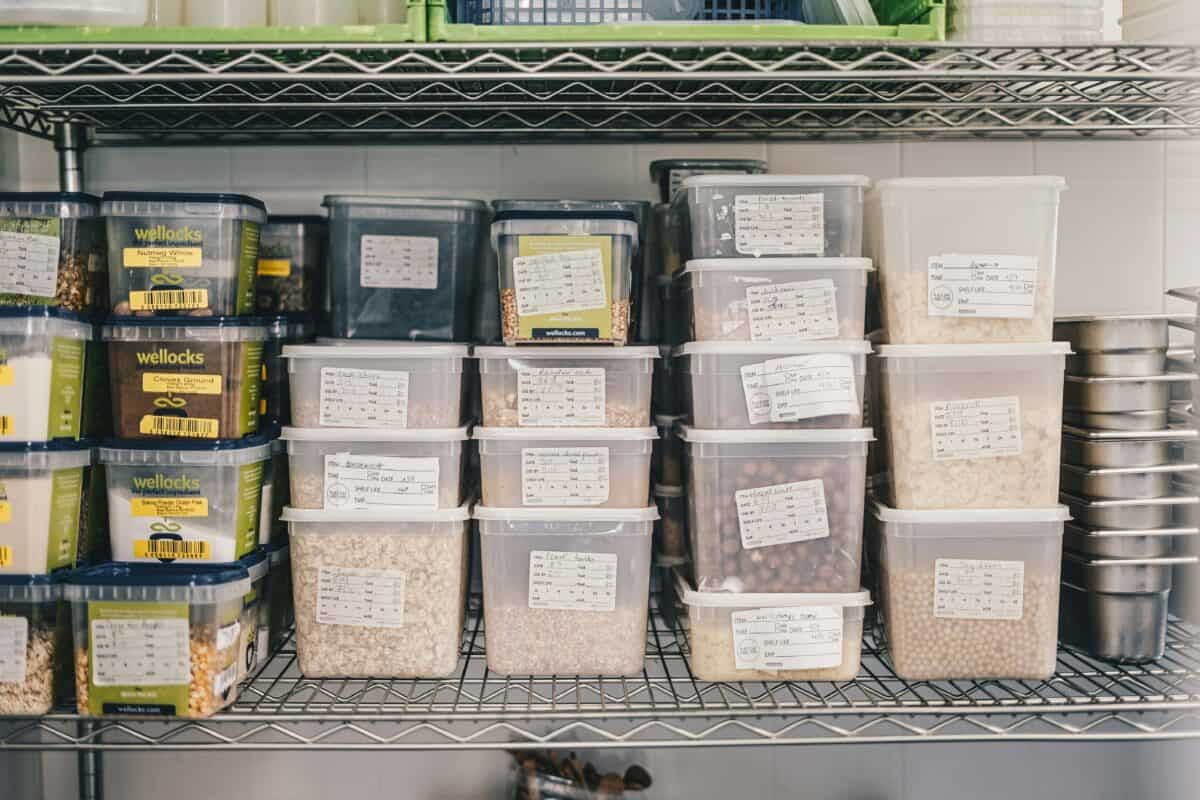
Alaska’s wilderness regulations are strict when it comes to food storage, requiring hikers and campers to use bear-resistant containers or hang food at least 4 meters (13 feet) above the ground and 2 meters (7 feet) away from tree trunks.
In this case, the hikers had underestimated the bear’s determination and strength. Wildlife officials warn that unsecured food not only attracts bears but also creates dangerous situations for humans and animals alike.
Bears that become habituated to human food often lose their natural fear of people, leading to increased chances of conflict. Unfortunately, these bears may have to be relocated or euthanized to protect public safety.
Lessons for Future Adventurers
This incident serves as a harsh but valuable lesson for anyone heading into bear country. Proper food storage isn’t just about protecting your snacks—it’s about respecting wildlife and staying safe.
Experts recommend always using approved bear containers, keeping campsites clean, and never leaving food unattended. Moreover, carrying bear spray and knowing how to react if you encounter a bear can be lifesaving.
While brown bears are magnificent creatures deserving of admiration, their power and instincts make them unpredictable. When humans venture into their territory, caution and preparation are the best defenses against potential dangers.

- Texas Ranchers Injured and Horses Killed in Aggressive Bee Attack - July 19, 2026
- Cougar Attack on Cyclists Shakes Washington Wilderness - July 19, 2026
- Snake Found in Arizona Toilet Shocks Homeowner - July 19, 2026