
When most people think of ancient structures, their minds jump to towering pyramids, crumbling Greek temples, or the brooding stones of Stonehenge. Fair enough. Those are extraordinary. But here’s something that rarely gets talked about in the same breath: animals have been building things far, far longer than humans ever have. Long before our ancestors picked up the first chisel, creatures of all kinds were already engineering the landscape in ways that still leave scientists genuinely speechless.
We’re not talking about mere nests or simple holes in the ground. Some of these constructions span areas the size of entire countries. Others have endured for tens of thousands of years without a single human hand maintaining them. The sheer scale and antiquity of what animals have built is, honestly, a little humbling. Let’s dive in.
The Termite Mega-Cities of Brazil That Predate the Roman Empire
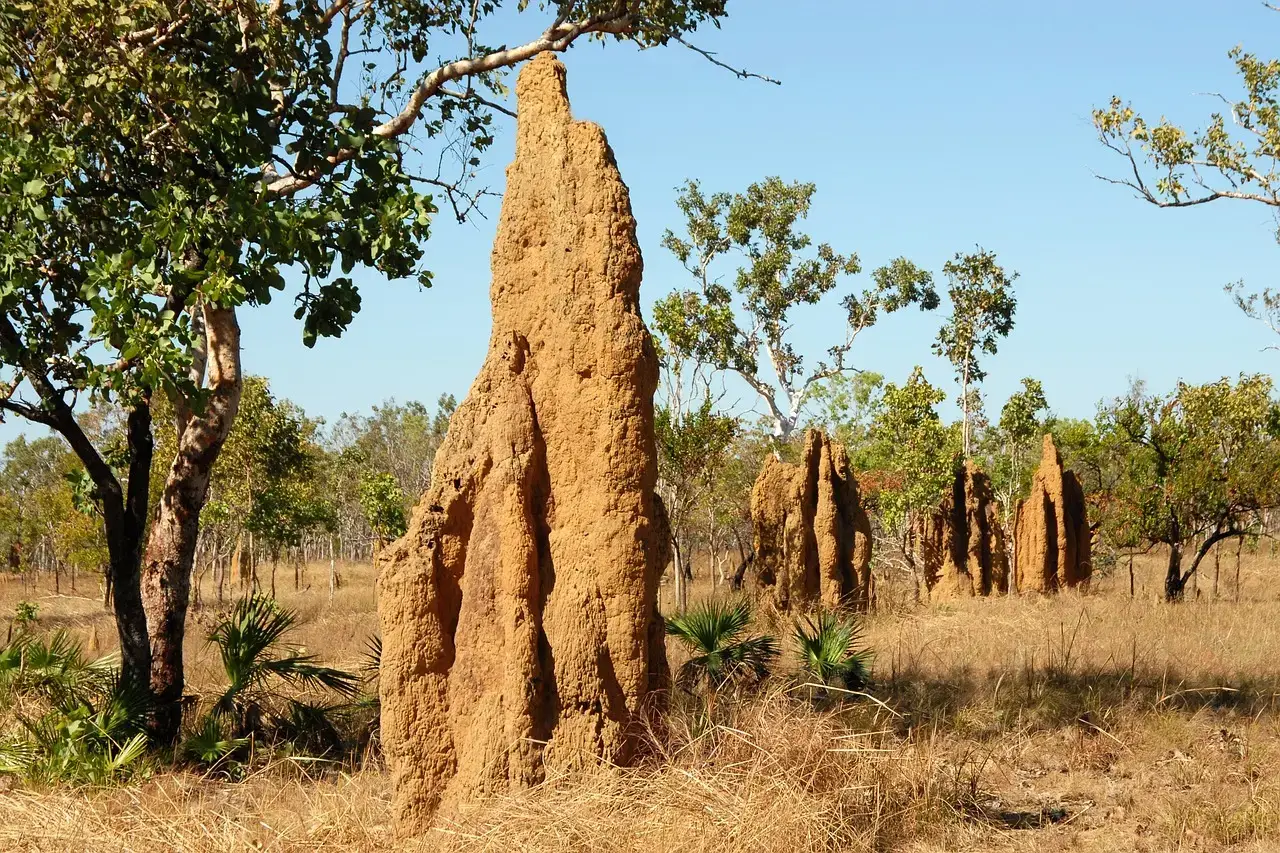
Most of us picture termite mounds as roughly knee-high towers of hardened mud scattered across an African savanna. That mental image is wildly incomplete. Some 200 million conical termite mounds rise from the ground in northeastern Brazil, each about two to four meters high and about nine meters wide, and researchers have found them to be up to around 4,000 years old, making them almost as ancient as the pyramids of Giza.
Let that sink in for a moment. Two hundred million mounds. That’s not a colony. That’s a civilization.
The roughly 4,000-year-old mounds are so immense that each holds nearly 1,800 cubic feet of soil in it, and taken together, the termites have excavated more than 2.4 cubic miles of earth, equivalent to the volume of about 4,000 Great Pyramids of Giza. For an insect you could crush between two fingers, this is a staggering feat of engineering.
The mounds rise from the earth every 65 feet or so and are visible from space. These structures, as tall as skyscrapers to the insects that made them, aren’t just massive – they’re also incredibly ancient. Remarkably, the termites that built the ancient mounds still use them today, though unlike many termite-engineered wonders, these particular termites do not use the mounds as nests. Instead, the researchers propose the monumental mounds are actually heaping piles of excavated waste.
South Africa’s 34,000-Year-Old Termite “Apartment Complexes”
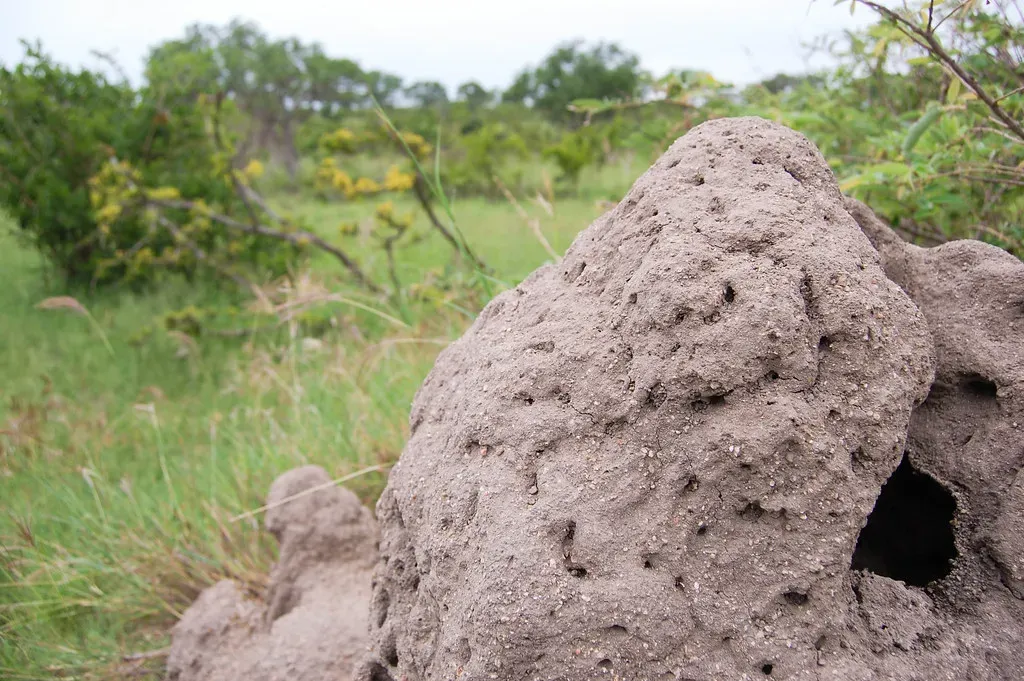
If the Brazil mounds impressed you, brace yourself. Scientists in South Africa have been stunned to discover that termite mounds still inhabited in an arid region of the country are more than 30,000 years old, meaning they are the oldest known active termite hills. These aren’t ruins. They’re occupied.
Some of the mounds near the Buffels River in Namaqualand were estimated by radiocarbon dating to be 34,000 years old, according to researchers from Stellenbosch University. I think the most jaw-dropping part of this story is the timeline. These mounds existed while saber-toothed cats and woolly mammoths roamed other parts of the Earth and large swathes of Europe and Asia were covered in ice.
The tests showed that the organic matter dragged into the nest by the termites had been there for at least 19,000 years. The mineral calcite in the nests, also a result of termite activity, was even older, having been around for 34,000 years, since before the last Ice Age.
Researchers described the Namaqualand mounds as a termite version of an “apartment complex,” with evidence showing they have been consistently inhabited by termite colonies. Think of that analogy for a second. Even our longest-standing human apartment buildings rarely make it past a few centuries.
Ancient Worm Burrows: The Oldest Construction Projects on Earth
Here’s where we push the timescale into truly mind-bending territory. Long before termites were stacking soil and long before any human ancestor walked upright, tiny worm-like creatures were already busy modifying the planet.
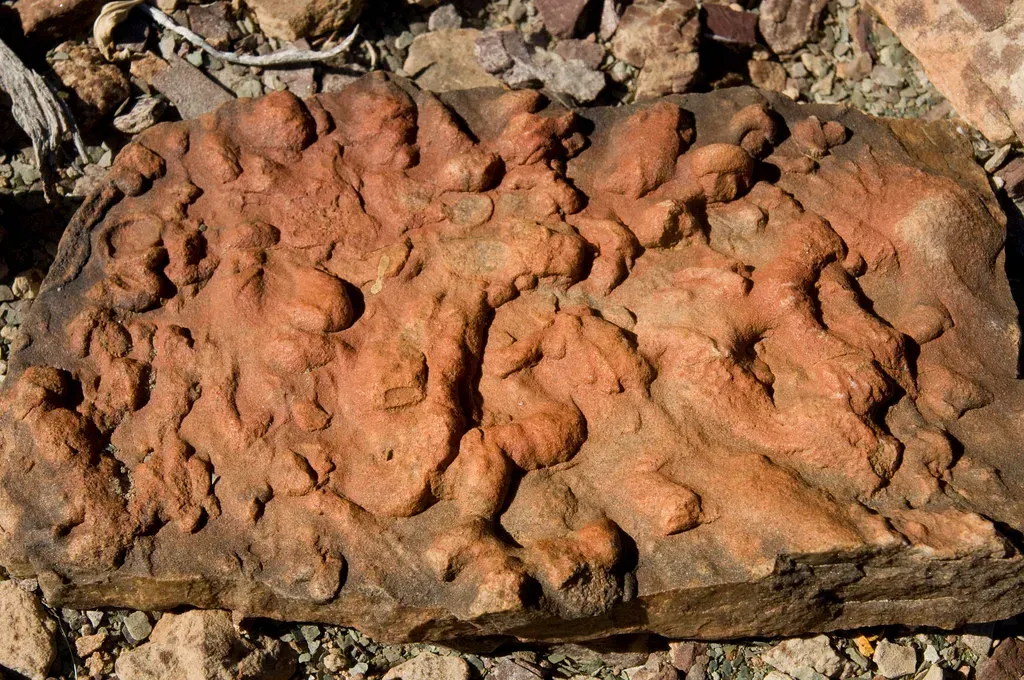
A reconstruction of the late Ediacaran sea floor around 550 million years ago shows burrows of a worm-like animal in what was the first discovery of such deeply penetrating burrows. In the history of life on Earth, a dramatic and revolutionary change in the nature of the sea floor occurred in the early Cambrian period, between 541 and 485 million years ago. This phenomenon was coupled with the diversification of marine animals that could burrow into seafloor sediments.
Previously, the sea floor was covered by hard microbial mats, and animals were limited to standing on, resting on, or moving horizontally along those mats. Then, vertical burrowers began to churn up the underlying sediments, which softened and oxygenated the subsurface, created new ecological niches, and thus radically transformed the marine ecosystem into something more like what we observe today.
Research published in the scientific journal Geology reveals the existence of fossilized worm tunnels dating back to the Cambrian period, a staggering 270 million years before the evolution of dinosaurs. Then there are even older traces still. Researchers have discovered what appears to be evidence of worm-like animals in rocks that are over 1 billion years old, about twice as old as any other evidence for multicellular life yet discovered at the time, adding a new perspective to the origination of multicellular animals, typically thought to have begun with a sudden explosion during the early Cambrian period.
It’s hard to say for sure where the line between “digging” and “construction” falls, but those ancient burrows permanently reshaped ocean ecosystems. That, by any definition, counts as building something.
Coral Reefs: The Longest-Running Construction Project in History
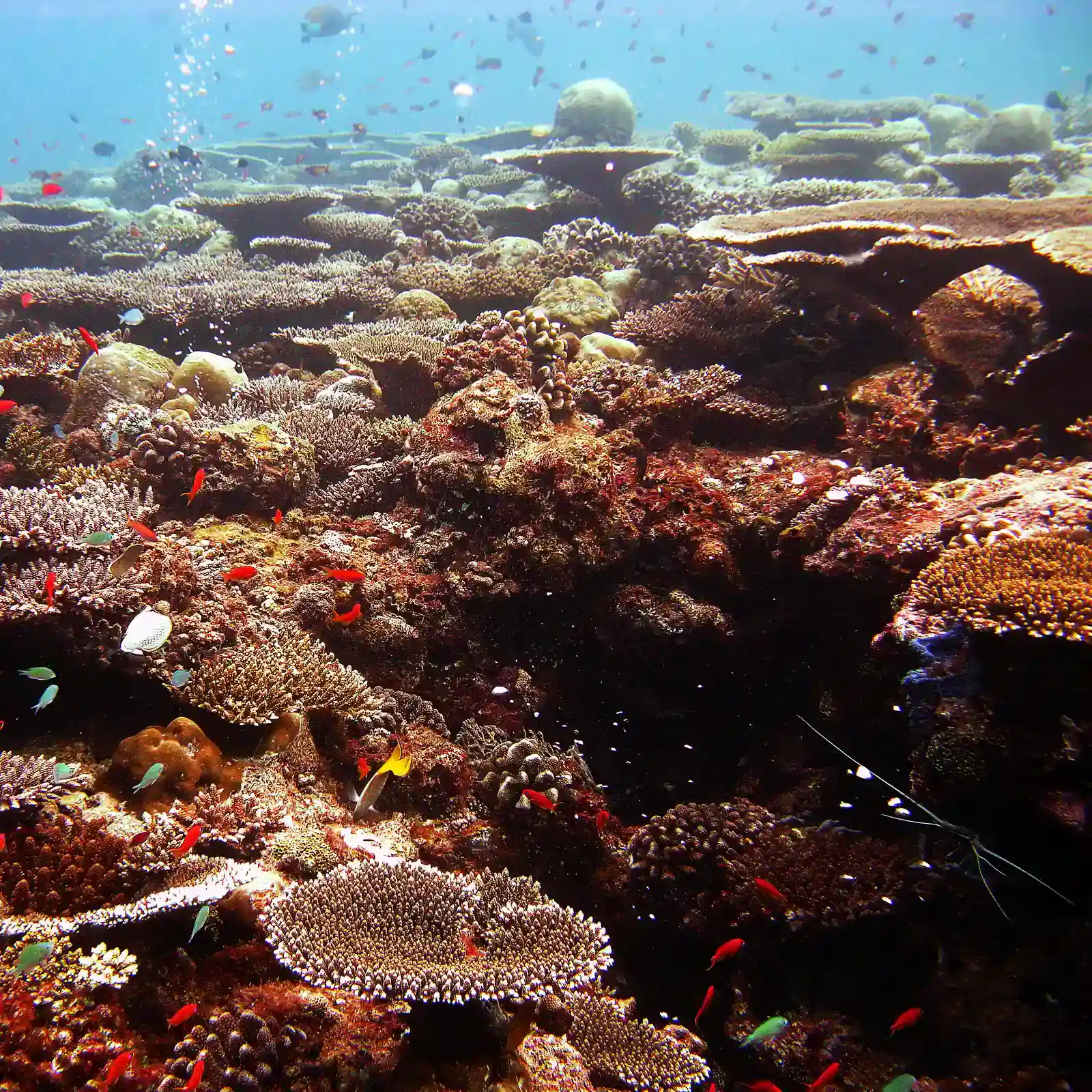
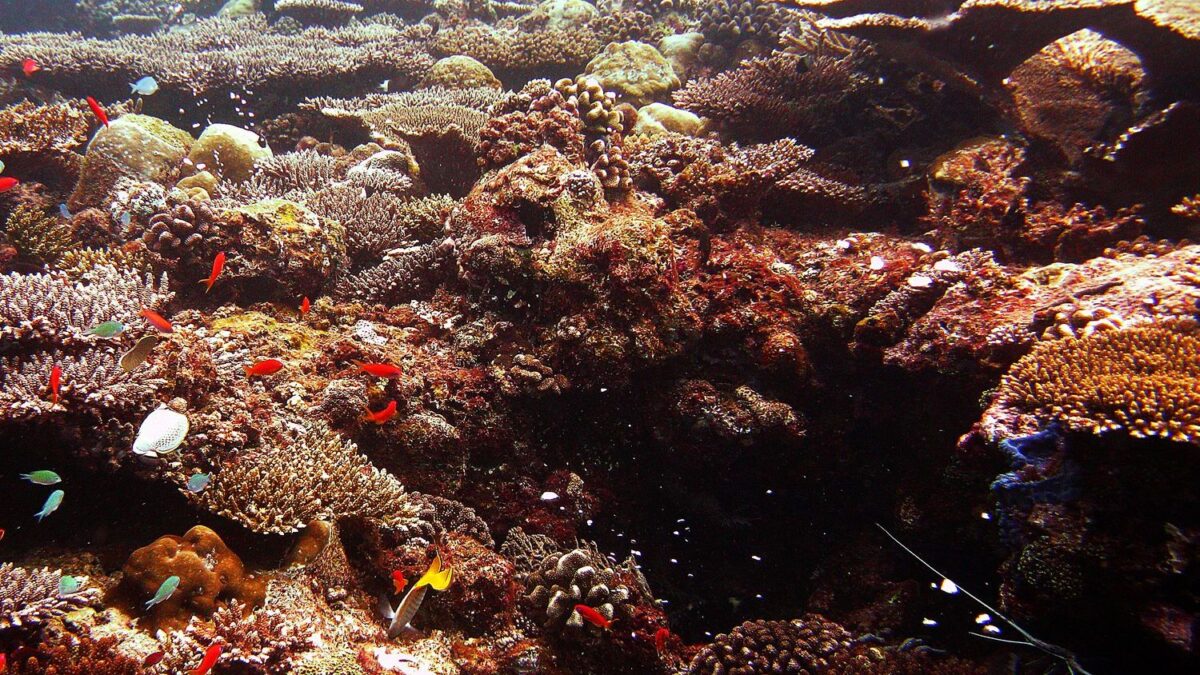
Honestly, if we’re talking about animal structures that dwarf human ruins in both scale and age, nothing beats a coral reef. In and of themselves, coral reefs are extraordinary living structures, vast calcite scaffolds constructed by billions of tiny polyps. Imagine a city built entirely out of skeletons, growing centimeter by centimeter, generation after generation. That’s essentially what a coral reef is.
The first reef-like structures of animal origin were built by archaeocyath sponges of the Lower Cambrian, 530 to 520 million years ago. That’s not a typo. Over half a billion years of continuous biological construction, a timeline that makes Stonehenge feel like something built last Tuesday.
Reef-building in skeletal animals appeared much earlier in evolutionary history than previously thought, as far back as 548 million years ago. To build a reef, the animals must have a base to start from such as the ocean floor, a way of attaching to one another, and the ability to form a rigid structure. That’s a blueprint. A remarkably sophisticated one, arrived at without an architect, a committee meeting, or a single blueprint in sight.
The times of maximum reef development were in the Middle Cambrian, the Devonian, and the Carboniferous, owing to now-extinct coral orders, and the Late Cretaceous and Neogene periods, owing to the order Scleractinia, which includes modern reef-building corals. Reef ecosystems have survived multiple mass extinctions, reinvented themselves, and kept building. No human monument can claim that kind of resilience.
Beaver Dams: Nature’s Most Persistent Engineers
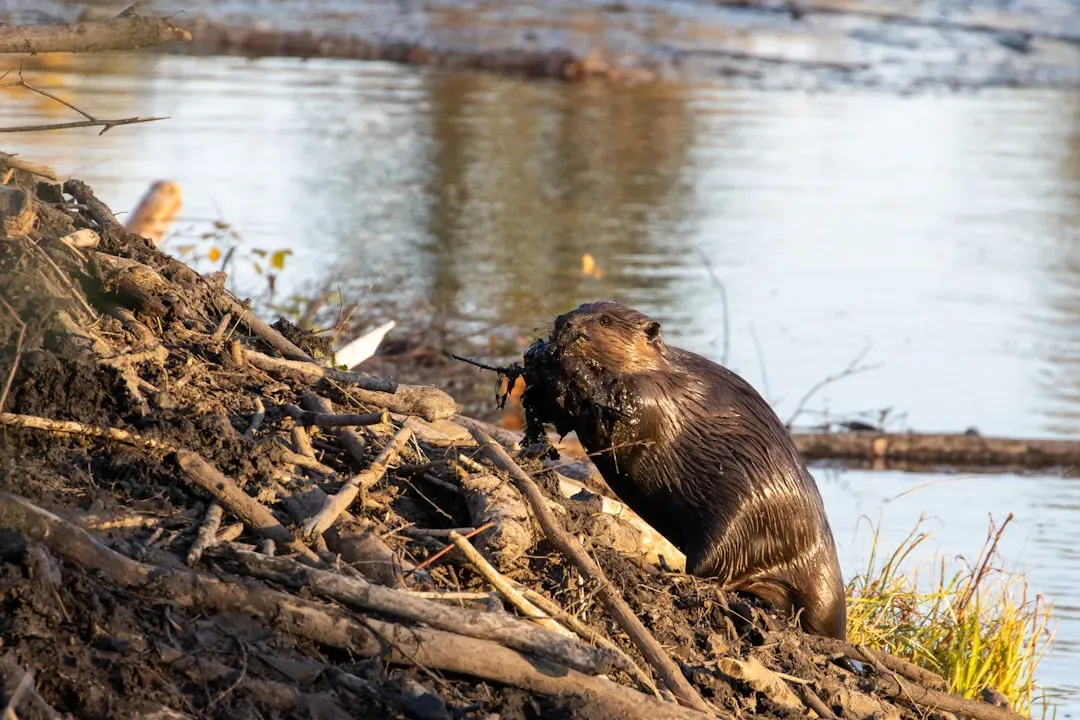
Let’s come back a little closer to the present, though “closer” is relative when you’re talking about engineering legacies that stretch over centuries. Beavers alter their environments more than any other creature except for man. Whereas many human modifications tend to degrade wildlife habitat, beavers usually improve it. They are responsible for creating important habitat for waterfowl, moose, deer, fish, furbearers, and a host of other wildlife.
What’s less appreciated is just how durable their constructions are. Radiocarbon dating of wood fragments from one dam in California suggests that it was first built around the year 580, was still in use and repaired around 1730, and finally abandoned for good sometime after 1850, over 1,200 years after it was erected. That’s a lifespan comparable to many medieval cathedrals.
No known beaver dam stands out as much as the half-mile-wide dam in Canada’s Wood Buffalo National Park, the largest ever found, which was discovered by researcher Jean Thie in 2007 while scanning through Google Earth images. Park officials confirmed that the dam was not only large but old enough for plants to have taken root.
A new survey shows that many of the dams and ponds documented by researchers nearly 150 years ago are still there, testament to the resilience of the rodents and their ability to maintain structures over many generations. Think of it like a family heirloom, passed not through inheritance papers but through instinct, rebuilt and reinforced by generations of descendants who never knew their ancestors yet continued the same work.
Why Animal Architecture Challenges Everything We Think We Know About “Building”
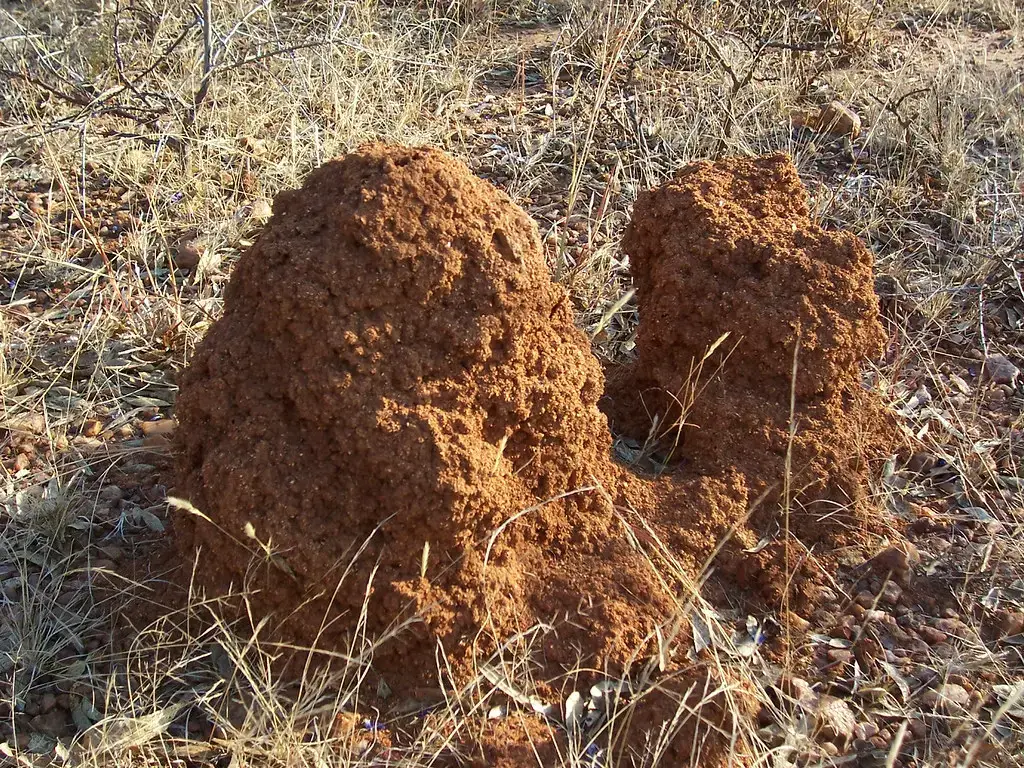
Here’s the thing. When archaeologists find a 5,000-year-old temple, we call it one of humanity’s great achievements, and rightfully so. But we rarely pause to ask what a 34,000-year-old termite mound represents, or what it means that worm-like creatures were reshaping entire ocean floors half a billion years ago. The bias toward human construction is understandable, but it sells the natural world profoundly short.
Fossils suggest that animals have been acting as architects by constructing shelters and other built structures for hundreds of millions of years. Many animals shape and modify their physical environment, thereby creating a diversity of structures, from underground burrows to constructed nests to towering above-ground edifices, all of which are referred to as “animal architecture.”
The architectural creations of animal architects are diverse, including the fortress-like mounds of termites, the housing markets of architecturally remodeled shells of social hermit crabs, the subterranean tunnel systems of naked mole rats, the intricately decorated bowers of bowerbirds, and the engineered dams of beavers. Each one of these structures solves a specific engineering problem, often with breathtaking elegance.
The extensive system of tunnels and conduits in termite mounds have long been considered to help control climate inside the mound. The termite mound is able to regulate temperature, humidity, and respiratory gas distribution. Passive climate control, built into a structure made of soil, saliva, and dung. We’re only beginning to incorporate similar passive cooling principles into modern architecture. Honestly, we might want to take notes.
Conclusion
There is something quietly revolutionary about realizing that the impulse to build, to shape your environment and leave a structure behind, did not begin with us. It is an ancient, deep-coded behavior that stretches from the worms of the Cambrian ocean floor all the way to the termite mounds of South Africa that were already ancient when the last woolly mammoth breathed its final breath.
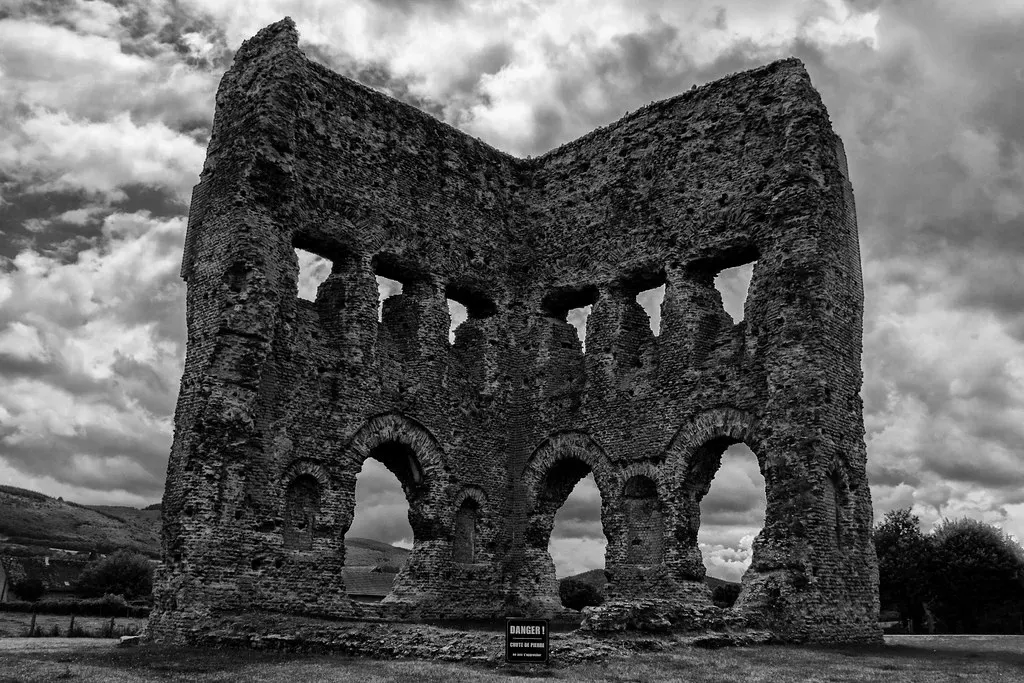
The next time you stand before the ruins of some celebrated ancient civilization, consider this: beneath your feet, and in the forests, rivers, and oceans around you, there are structures far older and sometimes far grander, constructed by creatures with no written language, no rulers, and no cranes. Just biology, instinct, and time.
What does it say about the nature of intelligence and ingenuity that some of the most enduring structures on Earth were never designed by a mind that could contemplate its own creation? That’s a question worth sitting with for a while. What do you think? Share your thoughts in the comments below.

- 12 Architectural Wonders From The Ancient World That Inspire Us Today - July 18, 2026
- 6 Beautiful Ancient Cities That Time Forgot (But Shouldn’t) - July 18, 2026
- 6 Common Animal Behaviors That Are Often Misunderstood by Humans - July 18, 2026