
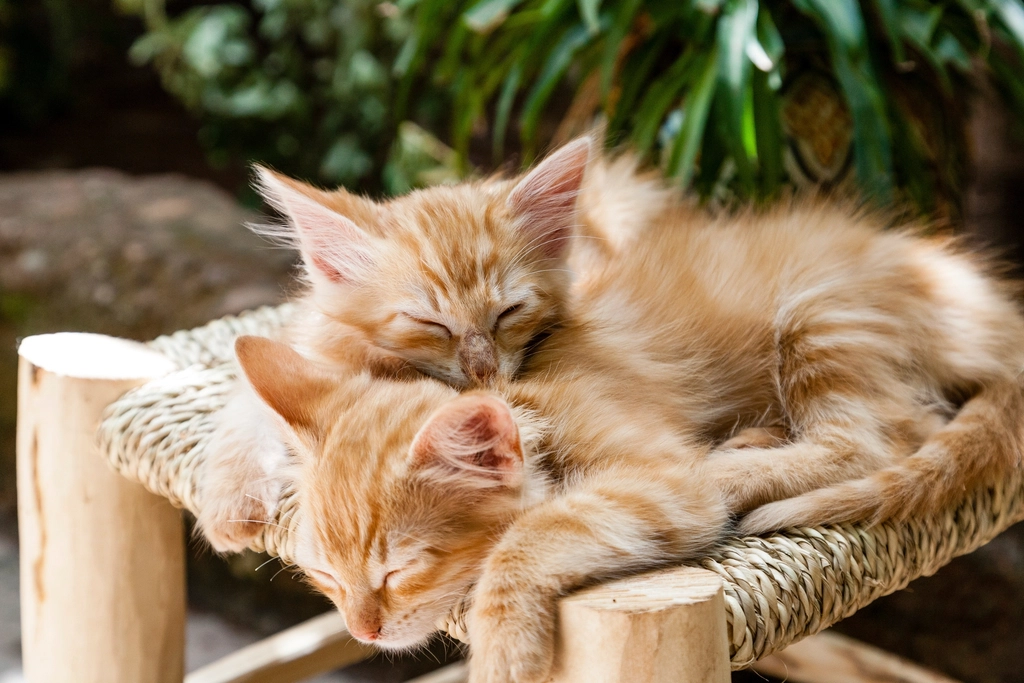
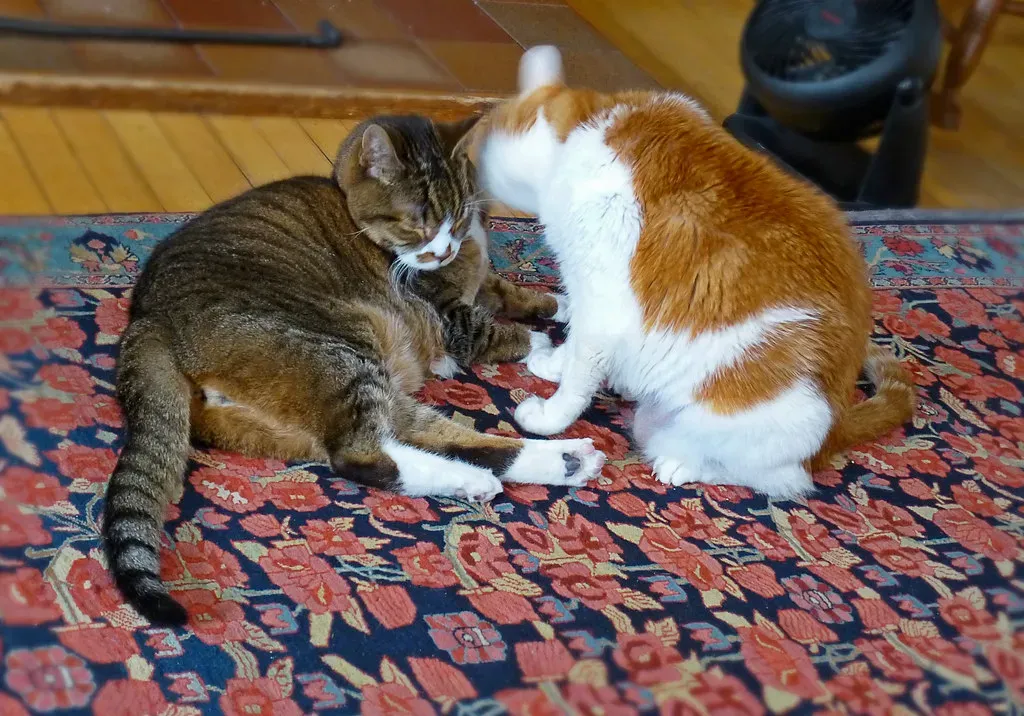
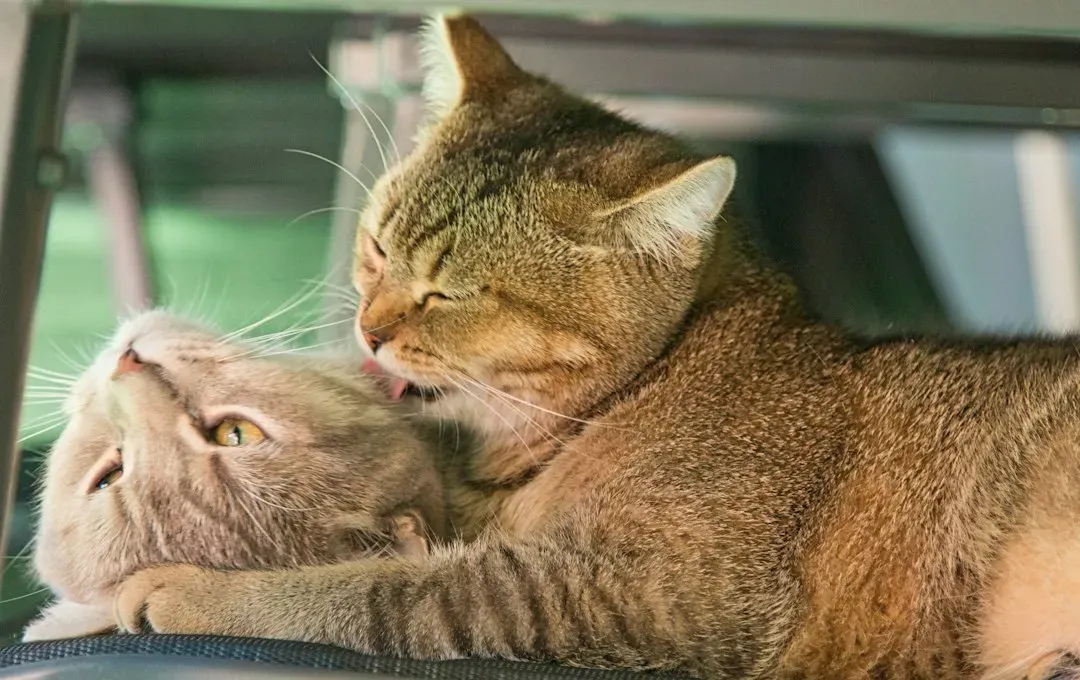
If you’ve ever watched two cats sit side by side while one carefully licks the other’s ear, you’ve seen something quietly remarkable. It looks sweet, sure, but there’s a pattern hiding in it. The tongue doesn’t wander randomly across the body.
Most of the attention tends to land in a few specific places. Once you notice where, a lot of feline social life starts to make more sense. It’s a small detail, yet it says plenty about who trusts whom in a household.
What Allogrooming Actually Is
🔥 Would you like to save this?
We'll email this post to you, so you can come back to it later!
Researchers call it allogrooming, which simply means one animal grooming another. In cats, it’s usually gentle and unhurried, with one cat licking or nibbling at the fur of its companion. It’s different from the self-grooming cats do for hours every day.
Many species do this, including primates, horses and rodents. In cats, it’s generally understood as a social behavior, not just a hygiene routine. That’s why behaviorists pay such close attention to it.
Why the Head and Neck Get the Most Attention
🔥 Would you like to save this?
We'll email this post to you, so you can come back to it later!
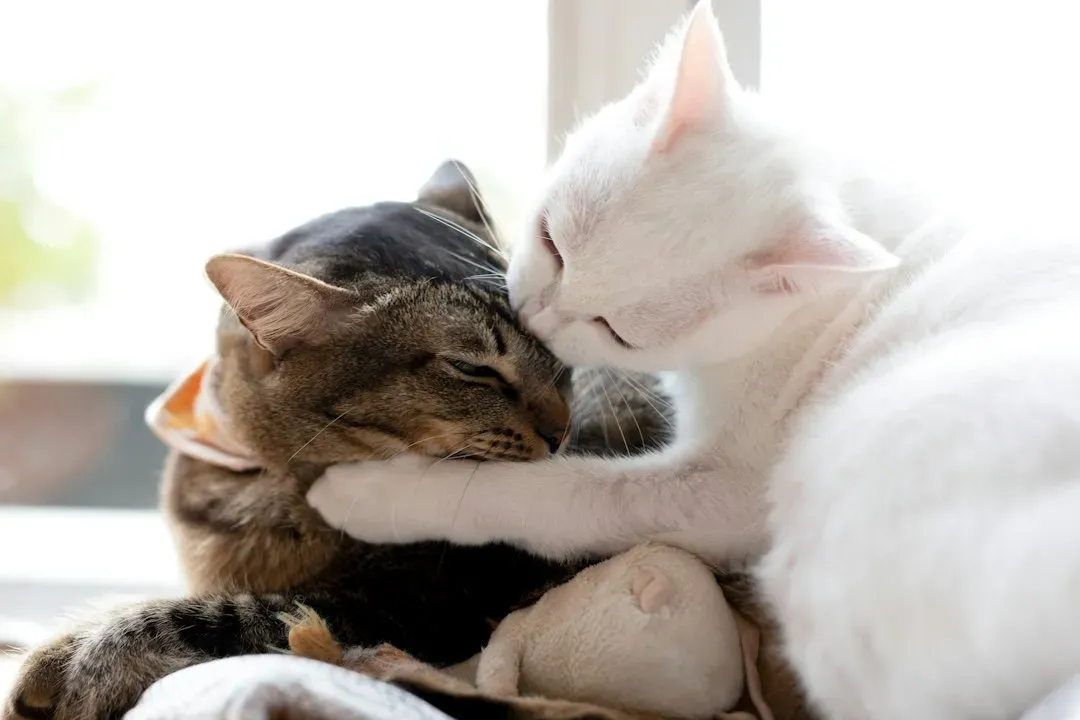
The head and neck are the spots a cat can’t easily reach on its own. A cat can wash its paws, flanks and tail without help, but it needs a paw to do the job on its face, and it still struggles with the back of the neck. A friend with a tongue fills that gap nicely.
That practical explanation is widely accepted among feline behavior experts. Still, there may be more than convenience at work, since these areas also carry social meaning. Cats have scent glands around the face and cheeks, so grooming there may help friendly cats share a familiar group scent.
A Sign of Trust and Tolerance
🔥 Would you like to save this?
We'll email this post to you, so you can come back to it later!
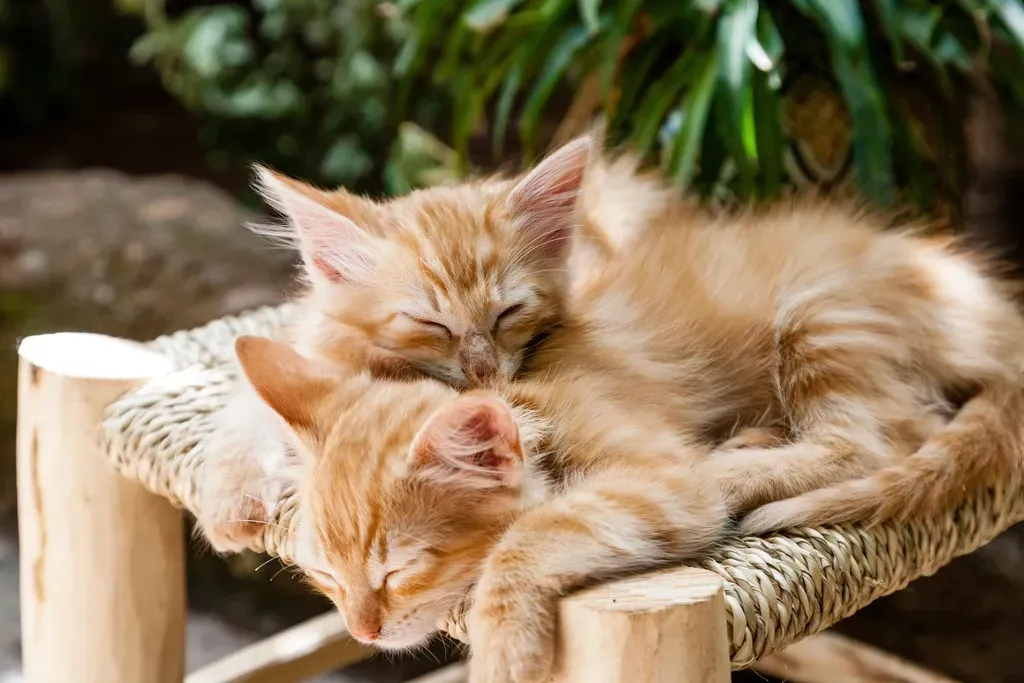
Think about what it takes to let another animal put its mouth near your throat. A cat that allows it is relaxed enough to lower its guard. That’s not a small thing for a species that is both predator and prey in the wild.
Behaviorists generally read this kind of grooming as a marker of a comfortable relationship. Cats that groom each other often also sleep close together, rub against each other and share space without tension. Together, those behaviors paint a picture of a bond that’s more than mere coexistence.

Air Purifiers for Home Pets Large Room Up to 3000 Ft²,HEPA Air Cleaner with Washable Double-Side Filter, PM2.5 Air Quality Monitor,15dB Sleep Mode for Bedroom Odor Dust Pollen,White
Check Price on AmazonAs an Amazon Associate, we earn from qualifying purchases.
10/8/2026 8:23 am GMTi

PetSafe Oasys Pet Fountain, 1/2 Gallon (64 oz), Small Dogs & Cats
Check Price on AmazonAs an Amazon Associate, we earn from qualifying purchases.
10/8/2026 8:14 am GMTi

2 Pcs Halloween Pet Hat Bandana Set, Witch Pumpkin Costumes for Dogs
Check Price on AmazonAs an Amazon Associate, we earn from qualifying purchases.
10/9/2026 2:45 pm GMTi

Dog Stairs for Bed 18" H, 4-Step Dog Steps for High Bed
Check Price on AmazonAs an Amazon Associate, we earn from qualifying purchases.
10/9/2026 2:42 pm GMTi

Orthopedic Extra Large Dog Bed, Waterproof Washable XL Pet Bed 44"
Check Price on AmazonAs an Amazon Associate, we earn from qualifying purchases.
10/7/2026 1:32 pm GMTi
Who Grooms Whom
🔥 Would you like to save this?
We'll email this post to you, so you can come back to it later!
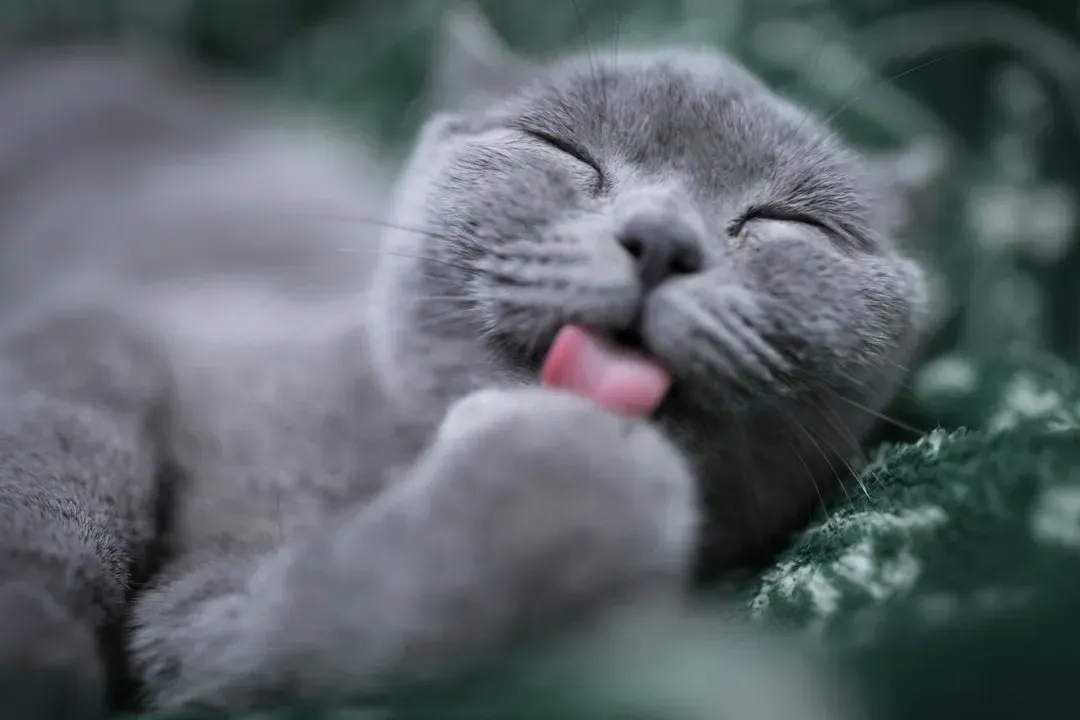
It isn’t always an even trade. Some cats do more of the grooming, while others mostly receive it, and the pattern can shift over time. Studies of cats living in groups have suggested that grooming is often directed toward particular companions rather than spread evenly.
Relatedness and shared history seem to matter, with littermates and long-time housemates often being close. However, plenty of unrelated cats form strong bonds too. If your two cats have a lopsided routine, it’s usually nothing to worry about.
When Grooming Gets Too Rough
🔥 Would you like to save this?
We'll email this post to you, so you can come back to it later!
Not every lick is a love note. Sometimes grooming can turn into persistent pestering, with one cat holding the other down or the recipient flattening its ears and pulling away. A cat that keeps trying to leave is telling you something.
Grooming can also be a way for cats to ease tension after a minor scuffle, so context matters. Watch the body language as a whole, including tails, ears and posture. If the mood seems strained or fights break out, a vet or qualified behaviorist can help sort out what’s going on.

Glass Hummingbird Feeder for Outdoors Hanging
Check Price on AmazonAs an Amazon Associate, we earn from qualifying purchases.
10/7/2026 1:21 pm GMTi

Smart Bird Feeder with Camera Solar Powered, 2K HD Live Video, 10,000+ Bird Species AI Identification
Check Price on AmazonAs an Amazon Associate, we earn from qualifying purchases.
10/7/2026 1:22 pm GMTi

Halloween Cat Costume Cloak Witch Hat Pet Accessories
Check Price on AmazonAs an Amazon Associate, we earn from qualifying purchases.
10/9/2026 2:44 pm GMTi

Glass Hummingbird Feeder for Outdoors Hanging, 16 oz Leak-Proof Nectar Feeder with Bee Guards & Ant Moat
Check Price on AmazonAs an Amazon Associate, we earn from qualifying purchases.
10/7/2026 1:22 pm GMTi

Portable Dog Water Bottle Foldable Dog Travel Water Bottle
Check Price on AmazonAs an Amazon Associate, we earn from qualifying purchases.
10/7/2026 1:29 pm GMTi
What Owners Can Learn From It
🔥 Would you like to save this?
We'll email this post to you, so you can come back to it later!
Seeing this behavior at home is generally a good sign that your cats are comfortable together. You don’t need to do anything special, and the best move is usually to leave them to it. Interrupting a calm grooming session doesn’t help anyone.
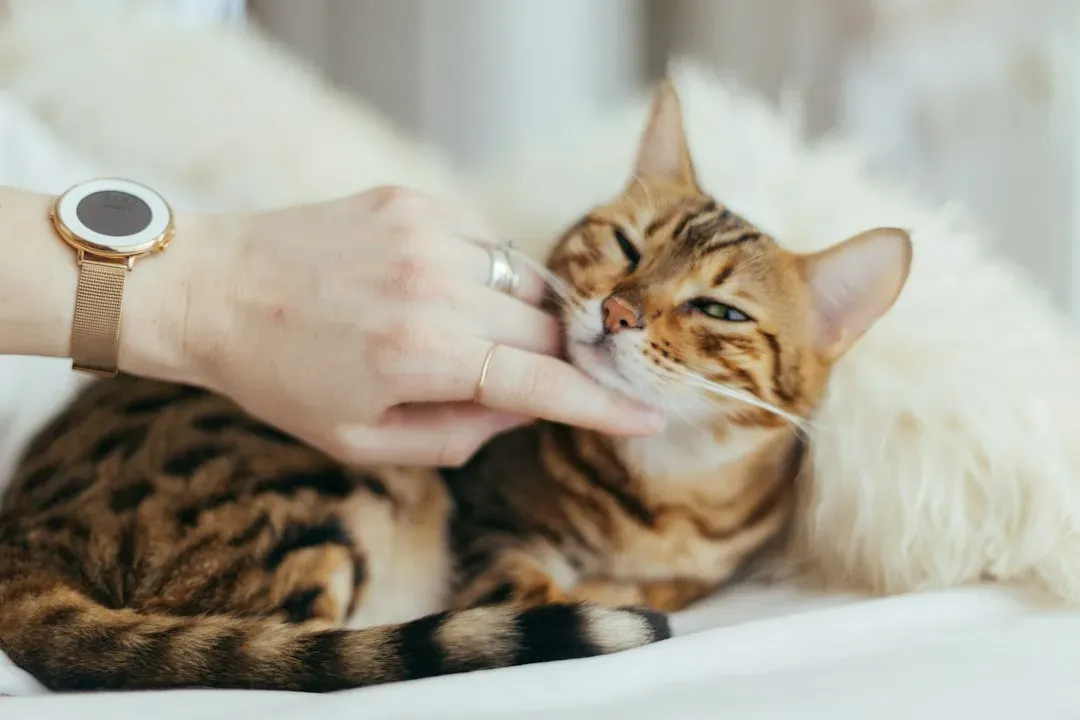
You can support these friendships by giving each cat its own food bowls, resting spots and litter boxes. That reduces competition, which gives friendships room to grow. Gentle petting around your cat’s cheeks and neck may also feel familiar to them, though every cat has its own limits.

Halloween Dog Collar with Bow, Orange Cute Ghost Collar,
Check Price on AmazonAs an Amazon Associate, we earn from qualifying purchases.
10/9/2026 2:43 pm GMTi

Earth Rated XL Dog & Puppy Pee Pads, Discreet Top, Max Absorbency
Check Price on AmazonAs an Amazon Associate, we earn from qualifying purchases.
10/7/2026 1:28 pm GMTi

Professional 7 in 1 Dog Paw Cleaner for Dogs & Cats - Includes 1 Portable Paw Washer, 1 Bath Brush
Check Price on AmazonAs an Amazon Associate, we earn from qualifying purchases.
10/7/2026 1:26 pm GMTi

Hand Blown Glass Hummingbird Feeders for Outdoors Hanging, 24oz Wild Bird Nectar Feeder
Check Price on AmazonAs an Amazon Associate, we earn from qualifying purchases.
10/7/2026 1:23 pm GMTi
Final Thoughts
🔥 Would you like to save this?
We'll email this post to you, so you can come back to it later!
I think we underrate this behavior. We tend to treat cats as aloof loners, and then two of them settle down for a slow, careful ear wash and the stereotype falls apart. It’s a quiet kind of affection, and it asks nothing of us.
So next time you catch your cats at it, take a moment to just watch. The head and neck focus isn’t an accident, and it isn’t only practical. It’s cats doing friendship the way they know how, and honestly, that’s worth more of our attention than most of us give it.

- Animal Behaviorists Say Cats Who Groom Each Other Focus Mostly on the Head and Neck – a Sign of a Friendly Social Bond - November 7, 2026
- 10 Dog Breeds That Hate Being Left Alone (And Wreck Your Home for It) - November 7, 2026
- These 10 Unique Dog Breeds Have Truly Surprising Origins - November 7, 2026