
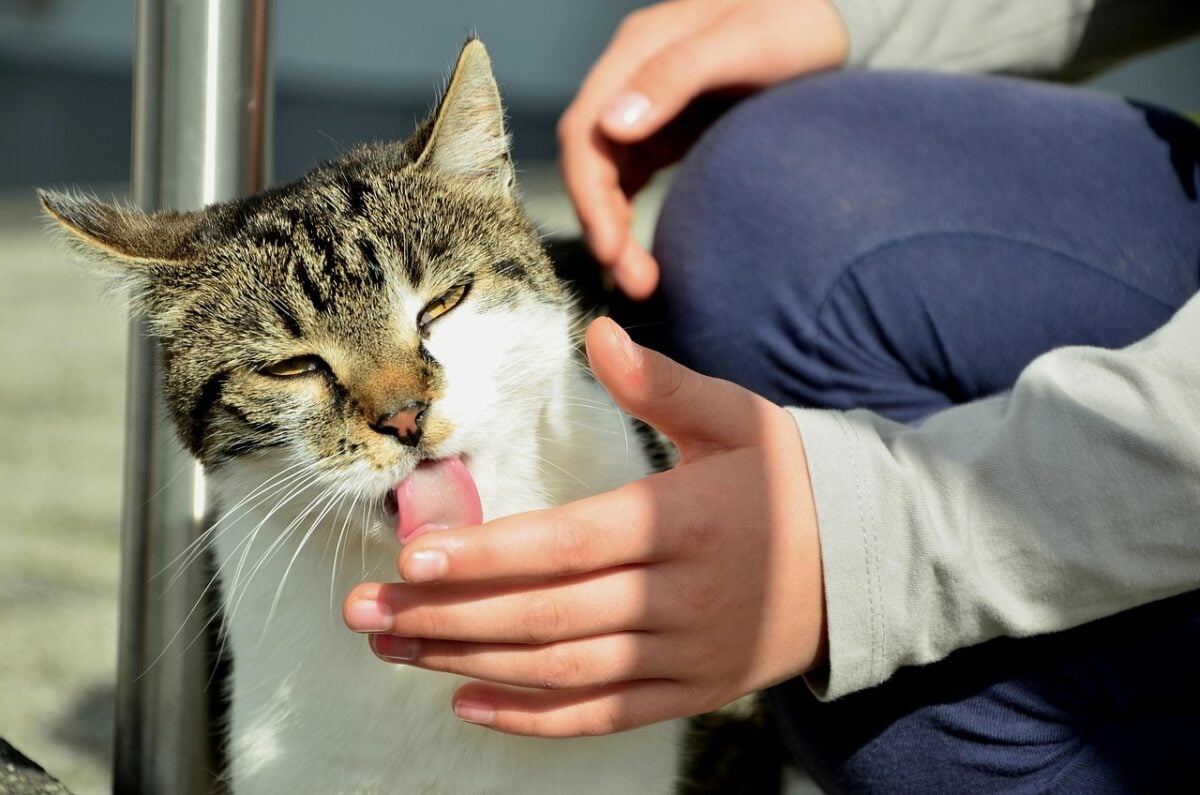
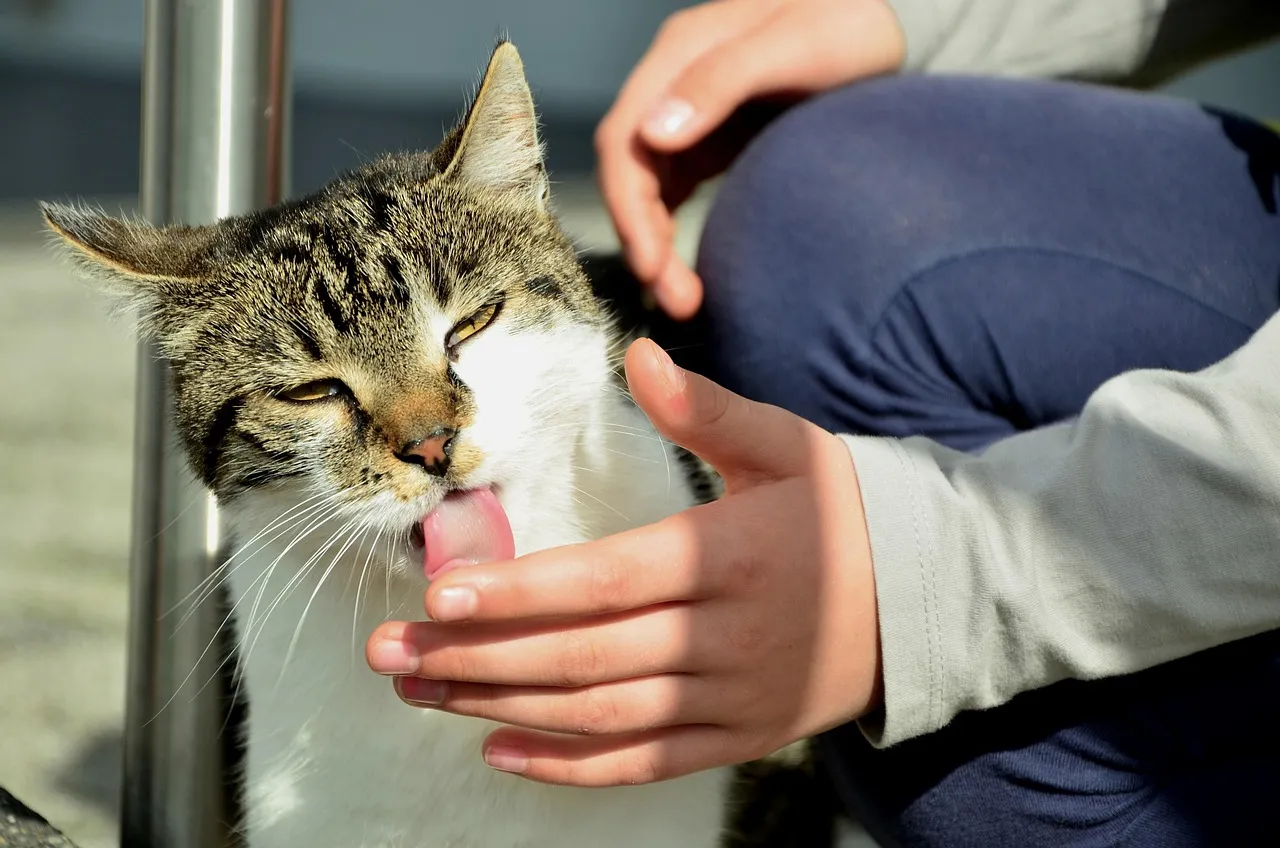
You’re sitting on the couch, half watching a show, when your cat hops up, gives your hand a few rough swipes of that sandpaper tongue, and then strolls off like nothing happened. No cuddle, no follow up. Just a quick lick and a tail disappearing around the corner.
It’s easy to read that as random, or even a little rude. Yet cats rarely do things without some kind of reason behind them, and this small habit may have more going on than it seems. The explanations are a mix of well understood cat behavior and some educated guesswork, so it’s worth sorting out which is which.
A Quick Lick Can Be a Form of Social Grooming
🔥 Would you like to save this?
We'll email this post to you, so you can come back to it later!
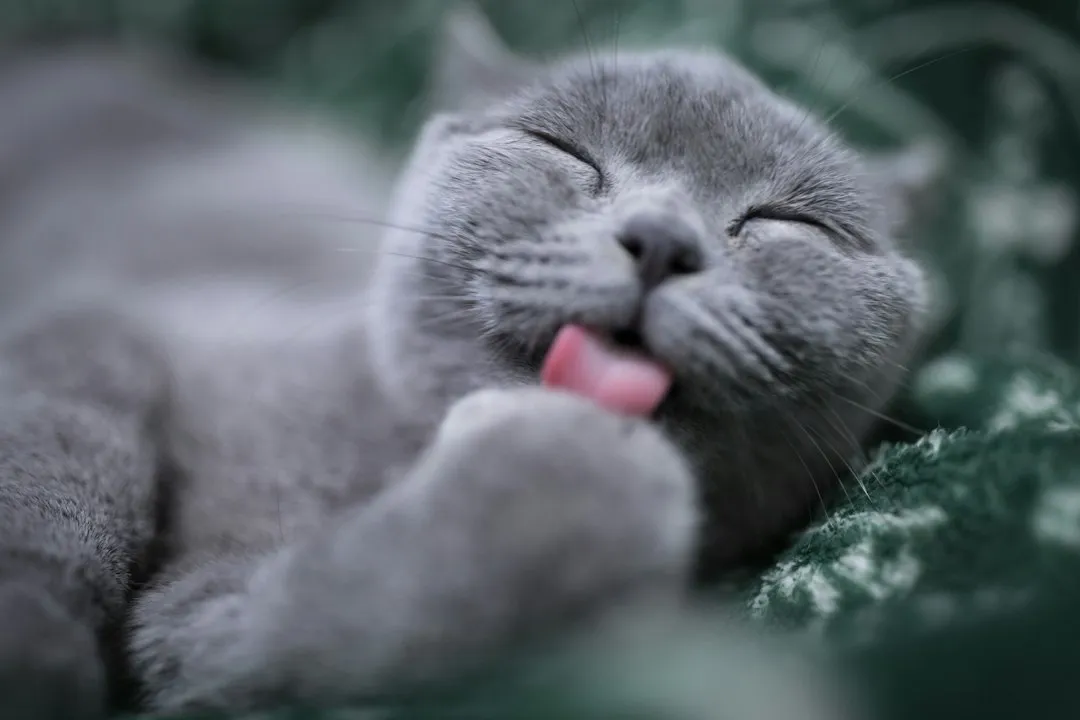
Cats that live together often groom one another, a behavior known as allogrooming. It usually happens between cats that are comfortable in each other’s company, and it tends to focus on the head and neck, spots a cat can’t easily reach on its own.
When your cat licks your hand, it may be extending that same habit to you. Many behaviorists see this as a sign your cat counts you as part of its social circle. It doesn’t have to be a long session to carry that meaning.
Why the Lick Is Often Brief
🔥 Would you like to save this?
We'll email this post to you, so you can come back to it later!
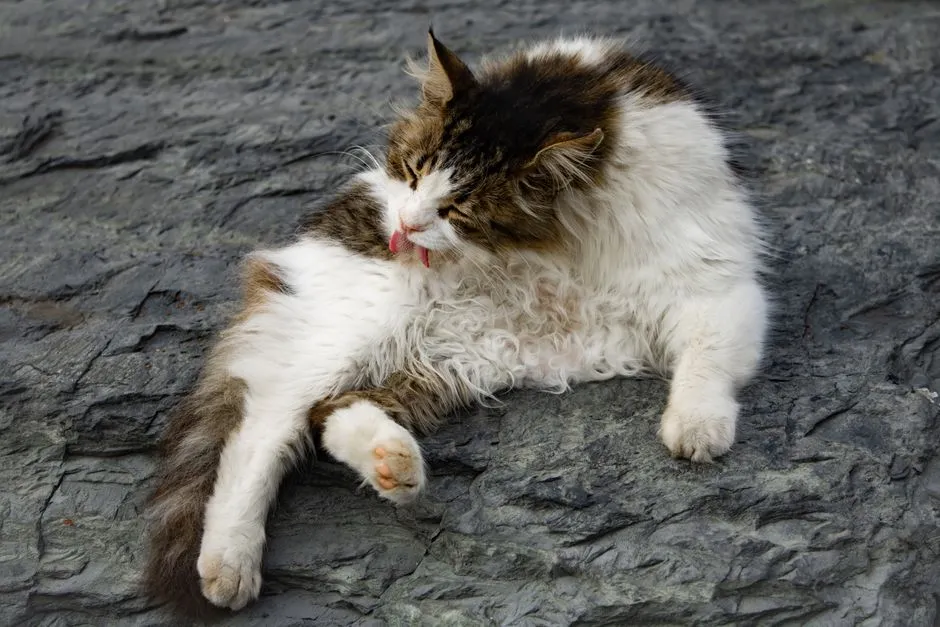
Grooming between cats isn’t always a marathon. Sometimes it’s a few licks and done, especially when the point is a bit of contact rather than a full cleaning. Your cat may simply have made its gesture and moved on to the next thing on its agenda.
Cats also tend to do things in short bursts. Their attention shifts quickly, and a sudden interest in a sound, a smell, or a sunny patch on the floor can end the moment. Walking away doesn’t necessarily mean the affection wasn’t real.
Scent Is Part of the Conversation
🔥 Would you like to save this?
We'll email this post to you, so you can come back to it later!
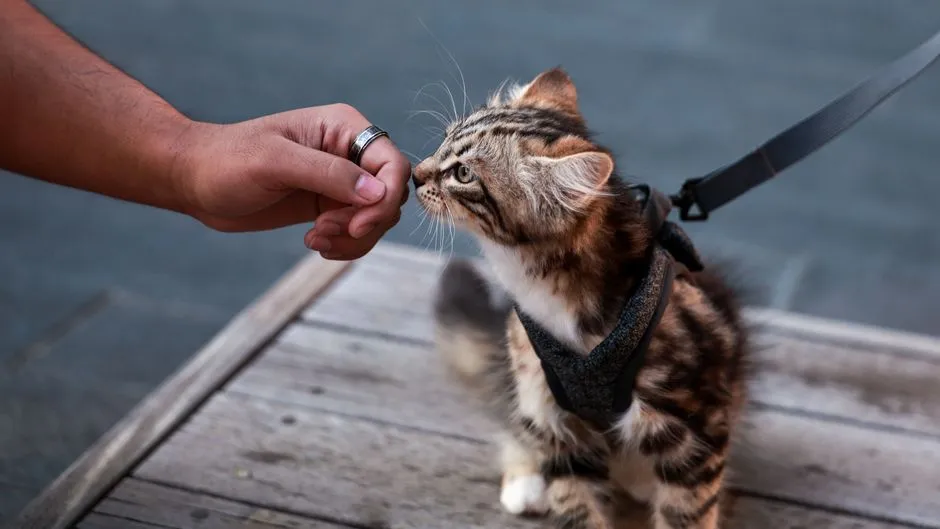
Cats rely heavily on scent, and a lot of their social life runs through it. Licking and rubbing can help mix and share smells, which is one way cats in a household build a familiar group scent.
Your hand may carry plenty of interesting information too, from food you handled to places you’ve been. A lick can be a quick way for your cat to check in, taste the details, and leave a bit of itself behind. It’s less like a kiss and more like a short, practical hello.
Your Hand May Taste Interesting
🔥 Would you like to save this?
We'll email this post to you, so you can come back to it later!
Sometimes the explanation is simpler. Lotion, salt from your skin, or traces of food can make a hand worth a taste. Cats can’t taste sweetness the way people do, but salty or savory residue can still draw them in.
Once your cat has checked and decided there’s nothing more to gain, it may just leave. If the licking tends to happen right after you’ve eaten or applied hand cream, that’s a good clue. Some products aren’t safe for pets, so it’s wise to keep an eye on what your cat is licking.
Reading the Rest of the Body Language
🔥 Would you like to save this?
We'll email this post to you, so you can come back to it later!
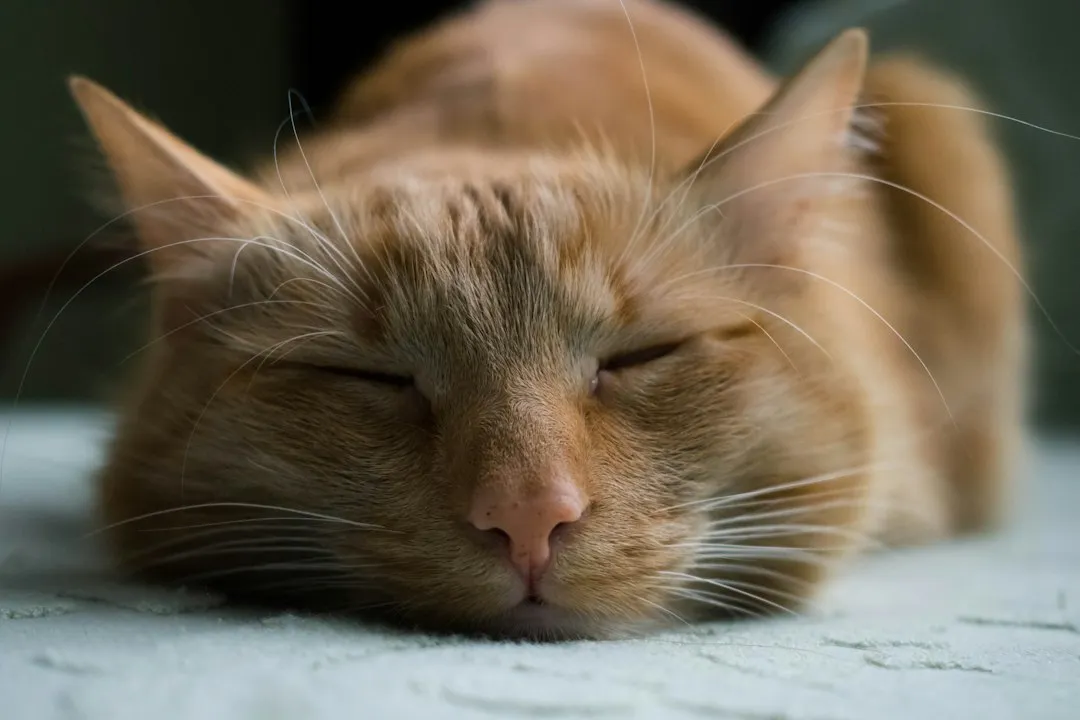
The lick itself is only part of the message. A relaxed cat, with a loose body, soft eyes, and a tail held up or gently curved, is usually communicating comfort. In that case the lick is likely friendly.
Context matters just as much. A cat that licks and then looks tense, flicks its tail sharply, or flattens its ears may be feeling something else entirely, such as restlessness or mild stress. Paying attention to the whole picture tells you far more than the lick alone.
When Licking Might Signal Something Else
🔥 Would you like to save this?
We'll email this post to you, so you can come back to it later!
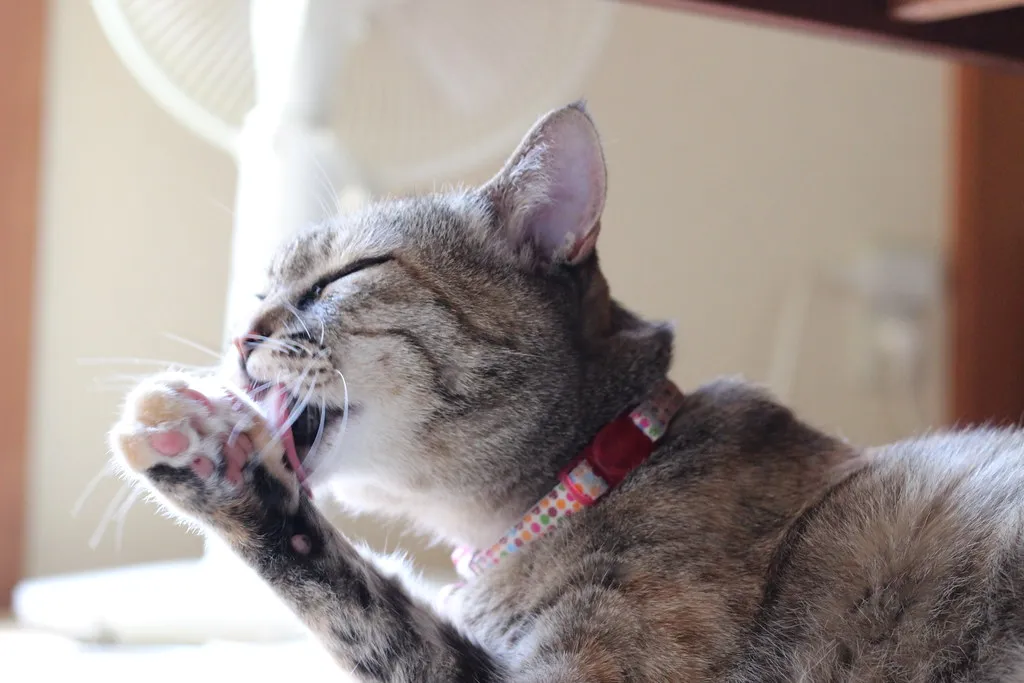
Occasional licks are normal. Frequent, intense, or compulsive licking, of you or of itself, can sometimes point to stress, boredom, or a medical issue such as skin discomfort. A sudden change in how much your cat licks is worth noticing.
If something seems off, a veterinarian is the right person to ask. They can rule out health causes before anyone assumes it’s purely behavioral. For most cats, though, a short lick and a stroll away is just everyday cat life.
Final Thoughts
🔥 Would you like to save this?
We'll email this post to you, so you can come back to it later!
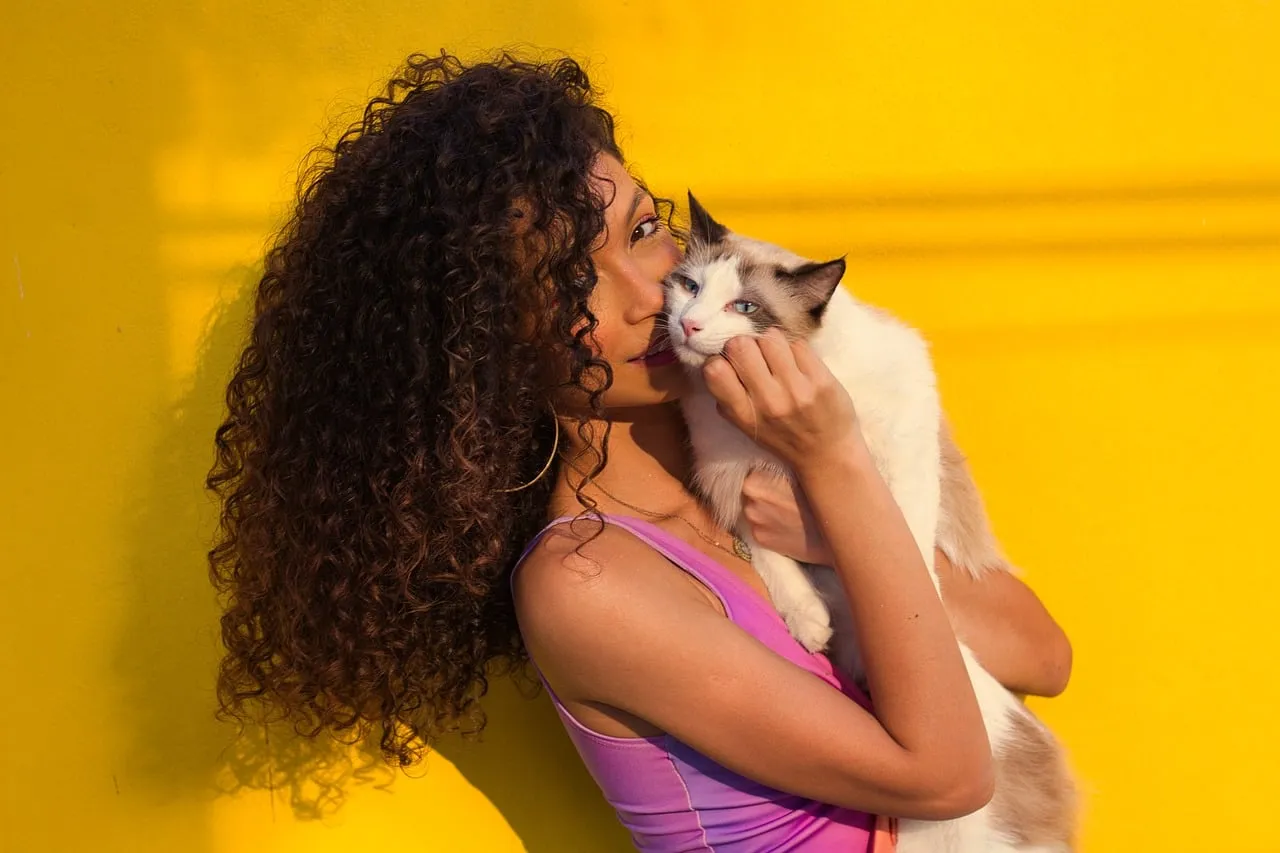
My view is that we spend too much time wanting cats to show love the way dogs do. A quick lick and an exit is a perfectly good message, once you learn to read it. It says your cat knows you, trusts you enough to bother, and doesn’t need a big production to prove it.
So next time it happens, skip the offense. Take it as a small, familiar ritual, accepted on your cat’s terms, and count yourself part of the family.

- 7 Everyday Habits That Can Make Your Senior Dog Happier - November 5, 2026
- 10 Enigmatic Structures That Continue to Puzzle Scientists Today - November 5, 2026
- 10 Strange Ruins in the Americas That Challenge What We Know About Early History - November 5, 2026