
Picture the “perfect” dog for a peaceful retirement: small, fluffy, sweet. Now picture that dog shredding a throw pillow at 6 a.m. because nobody mentioned that small does not mean calm. Size is one of the least reliable clues. What matters is what a breed was built to do for centuries, and whether that job involved sitting quietly beside a person.
This countdown covers 18 dogs whose history, build, and daily habits fit a slower rhythm, plus the honest catch that comes with each one. A few are pocket-sized palace pets. A few weigh more than some adults. One is a sprinter that spends most of its life flat on the couch. The dog at the top may not be the one you expect, and a couple of famous “easy” breeds come with fine print worth knowing.
#18 – Pekingese: The Sleeve-Dwelling Royals Who Still Expect Royal Treatment
🔥 Would you like to save this?
We'll email this post to you, so you can come back to it later!
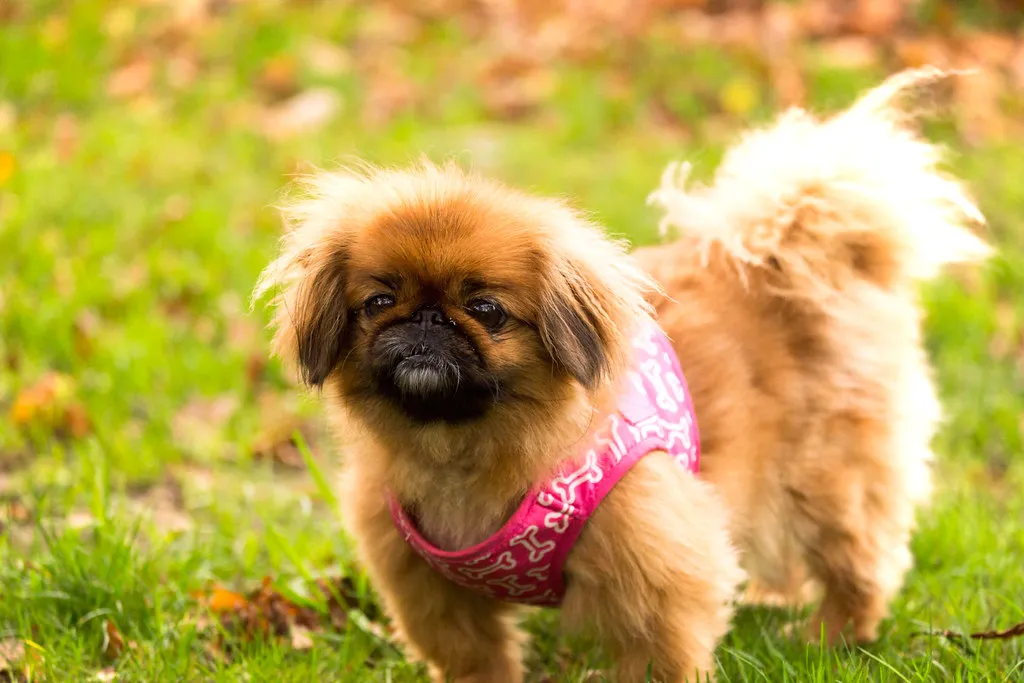
Pekingese were bred as imperial companions in China, and the old stories say the tiniest ones rode in the sleeves of royal robes. Nobody built these dogs to jog, fetch, or hike. Their idea of a workout is a dignified lap around the living room and a slow return to the best cushion in the house.
That makes them a good match for seniors who want presence without pressure. A Pekingese rarely begs for play sessions. It would rather supervise the household from a comfortable perch, like a small, furry landlord.
The catch is attitude. They are independent and love on their own schedule, so anyone expecting a constant cuddle shadow may feel politely ignored. Their flat faces also bring breathing trouble and heat sensitivity, and those prominent eyes need regular checking.
- Short walks of 10-15 minutes are usually plenty.
- The long double coat needs steady brushing, which can become a calm, seated ritual.
Next is a Tibetan watchdog with a surprisingly relaxed second career.
#17 – Lhasa Apso: The Watchful Tibetan Sentinels Who Prefer Observation Over Action
🔥 Would you like to save this?
We'll email this post to you, so you can come back to it later!
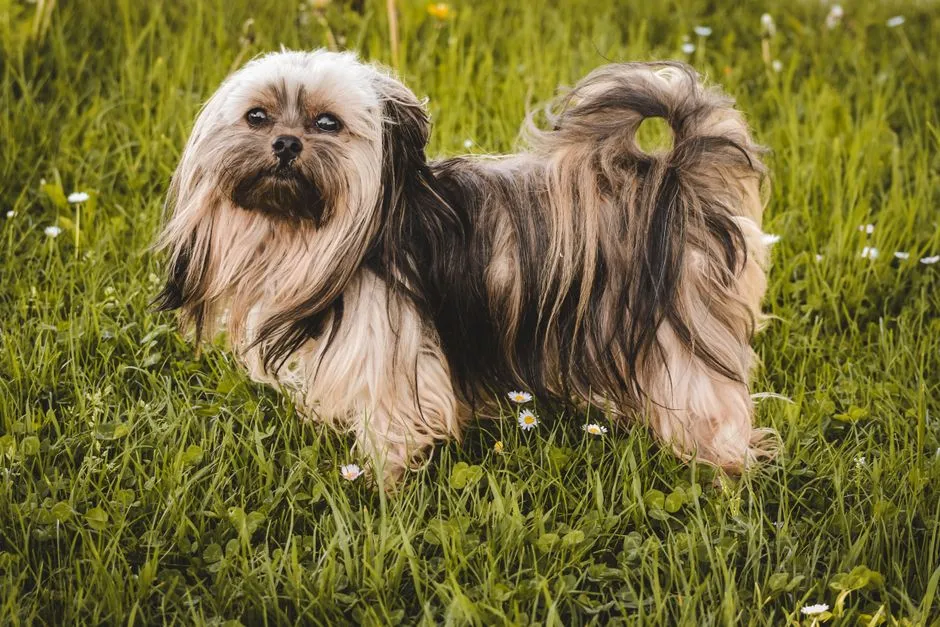
Lhasa Apsos were kept as indoor sentinels in Tibetan homes and monasteries, where their job was to notice visitors, not chase anything. That history left them with a calm, watchful style. They tend to sit and study the room rather than race around it.
For seniors, this means a sturdy little companion with modest exercise needs and a gift for apartment life. Many Lhasas live well into their teens, so this is a long-term friendship. They bond deeply but do not need constant entertainment.
Be honest about the downsides. They can be stubborn in training, wary of strangers, and quick to announce the doorbell. The coat needs real grooming, though many owners keep it in a shorter trim.
- They happily self-entertain with toys or window watching.
- Early socialization helps keep protective barking from bothering neighbors.
Up next is a snowy-white lapdog with a pedigree older than most countries.
#16 – Maltese: The Ancient Lapdogs Whose Gentle Nature Has Endured for Centuries
🔥 Would you like to save this?
We'll email this post to you, so you can come back to it later!
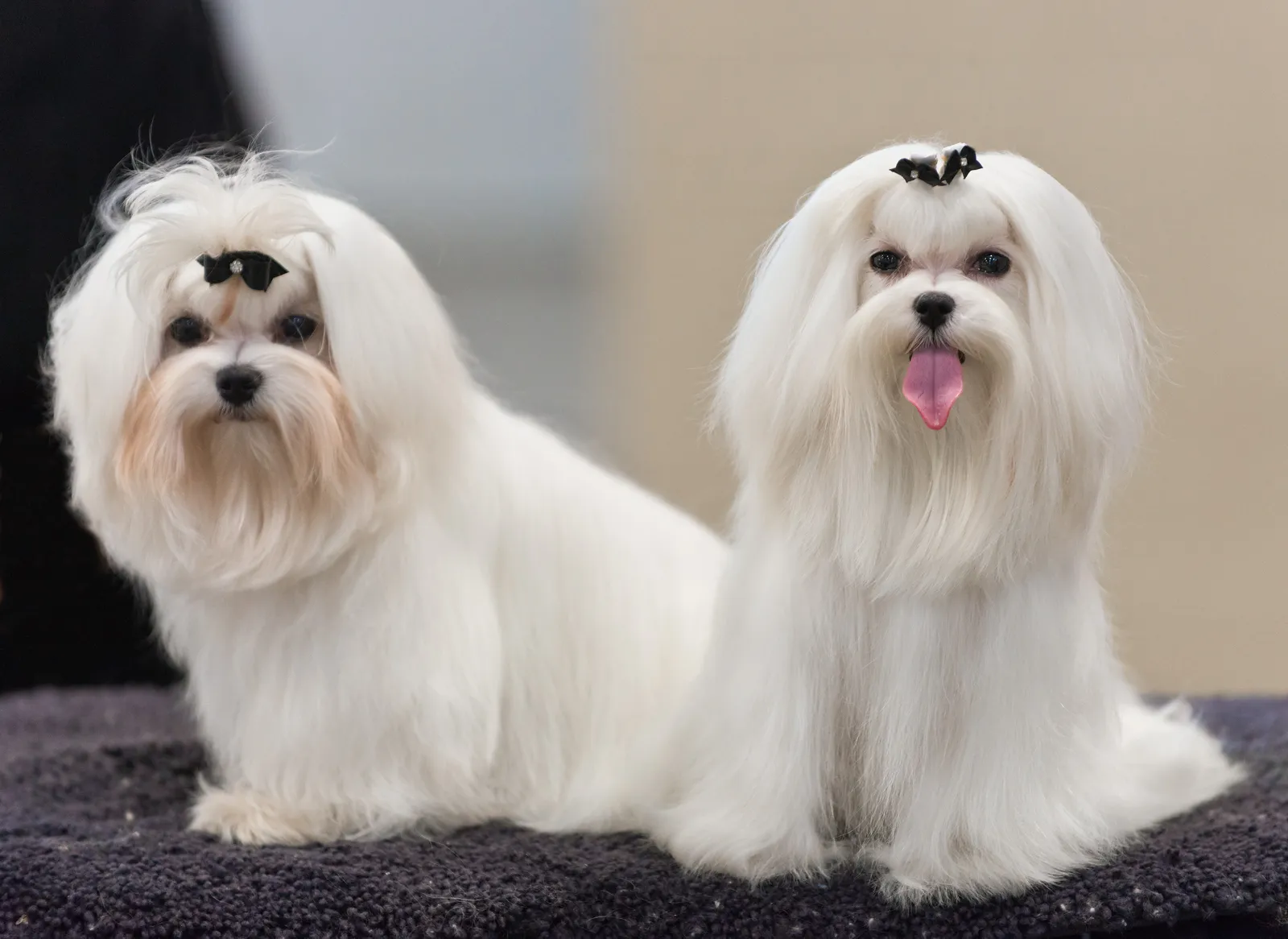
The Maltese has been a pampered companion for an astonishingly long time, with a lineage that stretches back to the ancient Mediterranean. Centuries of being bred purely for company produced a dog that wants to be near its person and little else. That is a very senior-friendly job description.
At under about seven pounds, a Maltese fits on a lap, in a carrier, or in a car seat without a struggle. Short neighborhood walks or a few minutes of indoor play keep them content. Many live well into their teens, which makes them a long companion.
Remember that tiny dogs are fragile. A fall or an accidental step can do real harm, so they suit homes where everyone watches their feet. Dental problems and tear staining are common, and some Maltese are more yappy than their angelic looks suggest.
- Their light weight makes lifting and handling easy.
- The low-shedding coat is often easier on mild allergies, though no dog is truly allergy-proof.
The next dog is smaller than a lapdog, and it may be the sleekest-looking couch cat in this ranking.
#15 – Japanese Chin: The Cat-Like Court Companions Who Prefer a Perch Over a Playground
🔥 Would you like to save this?
We'll email this post to you, so you can come back to it later!
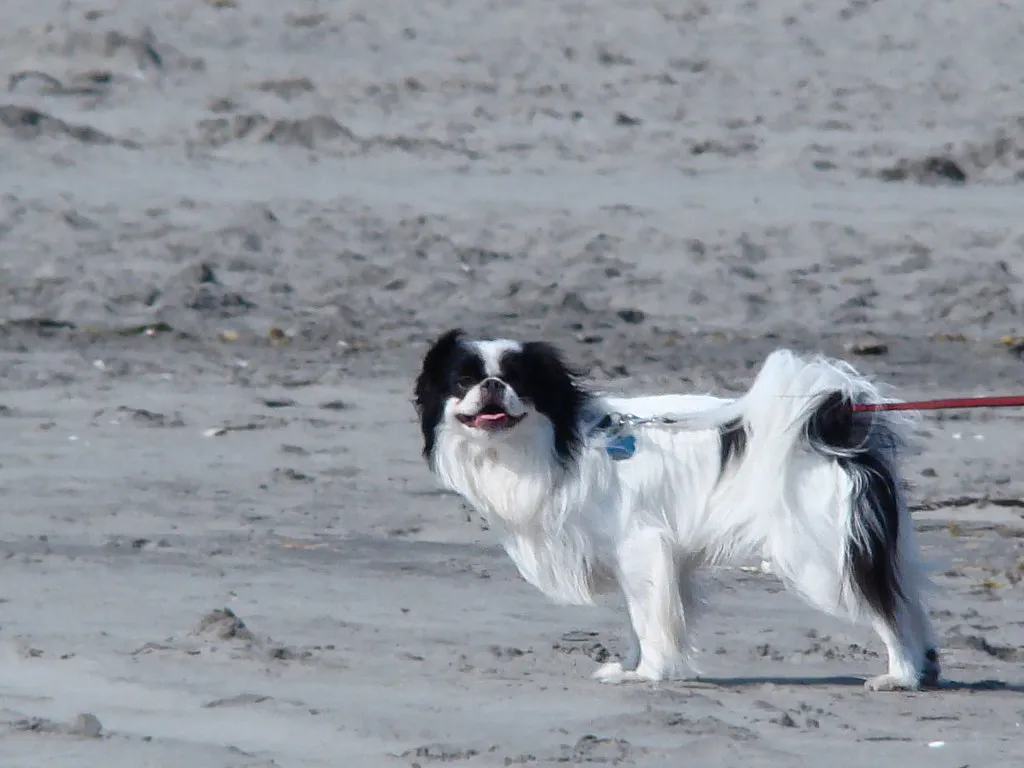
Japanese Chin were bred as companions for nobility, and they act like they remember it. Owners often describe them as cat-like. They perch on the back of a sofa, wash their faces with a paw, and watch the household with quiet amusement.
They usually weigh somewhere between about 4 and 9 pounds, and their exercise needs are small. A gentle walk and some indoor play are typically enough. They are sensitive, tuned to the mood of the room, and tend to do best in calm homes.
At a Glance
- Size: a true toy, standing roughly 8-11 inches at the shoulder.
- Energy: low, with short bursts of playfulness followed by a perch.
- Personality: sensitive, quiet, and happiest in a peaceful home.
- Best for: retirees who are home often and enjoy a watchful, feline-style companion.
Like other flat-faced toy breeds, Chin can struggle in heat and may snort or breathe noisily. Their silky coat needs regular brushing but is easier to manage than many people expect. They also hate being left out of the action, so they fit best with retirees who are home often.
- Short, gentle walks plus indoor play cover their exercise needs.
- Keep them cool in summer, since flat-faced dogs overheat easily.
Now the list gets a dose of speed, followed by an impressive amount of napping.
#14 – Whippet: The 35-MPH Sprinters Who Become Professional Couch Potatoes Afterward
🔥 Would you like to save this?
We'll email this post to you, so you can come back to it later!
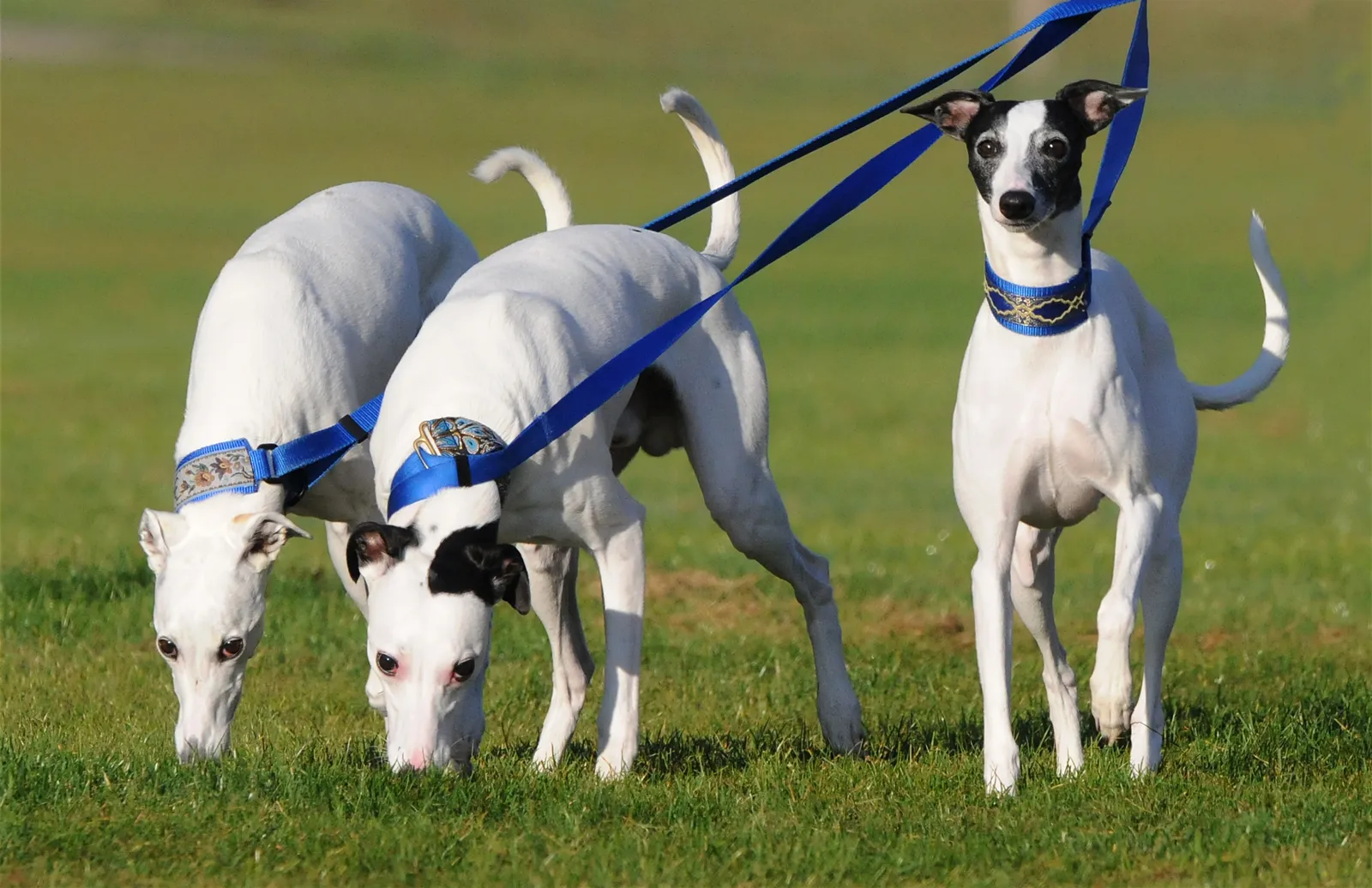
Whippets can hit roughly 35 miles per hour, which makes their indoor behavior all the more surprising. After a short burst outside, most settle into long naps with the dignity of a house cat. They are quiet, clean, and gentle, and they rarely bark without reason.
Seniors who enjoy one brisk outing followed by hours of calm tend to love them. A secure fence or a leash matters, because a Whippet that spots a squirrel may forget every lesson it has ever learned. A sighthound chase instinct does not retire.
Their thin coat and lean frame mean they get cold easily, so sweaters and soft, warm bedding are not optional extras in winter. They form close bonds and want to be near their person, often curled under a blanket on the couch.
- A 20-30 minute daily walk or short play session usually meets their needs.
- They do best on predictable schedules, which suits most senior routines.
The next breed was made for a very different job: slow, careful work in thick brush.
#13 – Clumber Spaniel: The Low-Slung Spaniels Bred for Deliberate, Unhurried Work
🔥 Would you like to save this?
We'll email this post to you, so you can come back to it later!
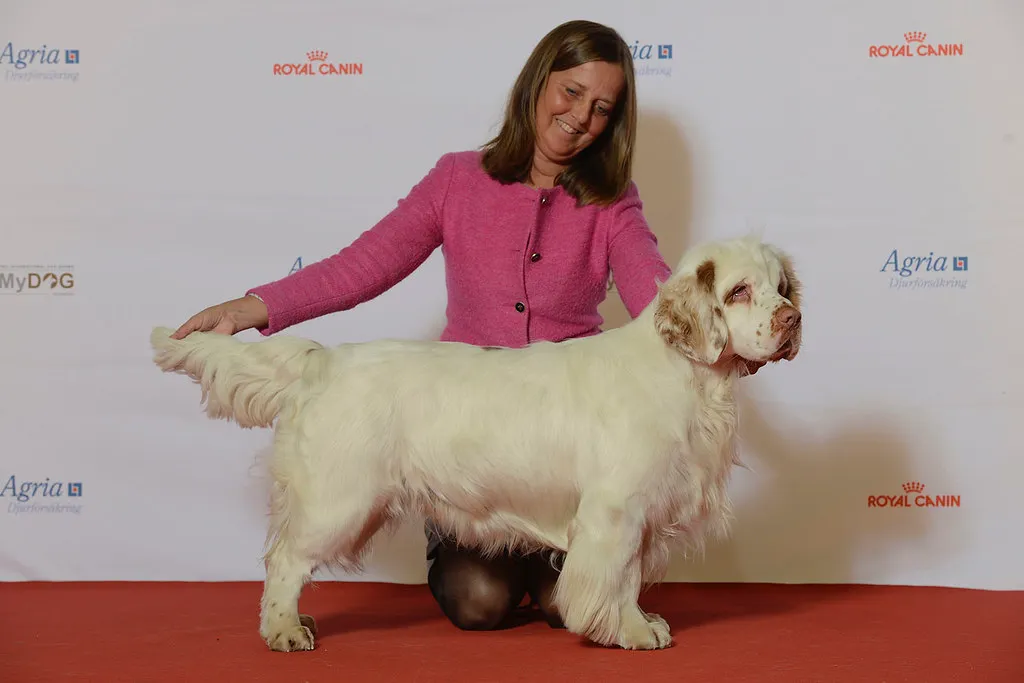
Most spaniels are bouncy. The Clumber is the exception. Bred to work thick cover at a methodical walking pace, it carries that steady, thoughtful style into home life.
Clumbers are affectionate, loyal, and generally mellow, and they are known for following their people from room to room without being demanding. Their patience with slow movements and quiet days makes them a gentle option for older owners who have a bit of space and strength.
There are trade-offs. They are heavy for a spaniel, they drool, and they gain weight easily, which strains their joints. Their white-and-lemon or orange coats also shed, so expect a bit of fluff around the house.
- About 20-30 minutes of leashed walking suits their steady gait.
- Portion control matters more than extra exercise for keeping them healthy.
Next is a dog that has become a symbol of doing absolutely nothing, with some serious fine print.
#12 – English Bulldog: The Wrinkled Icons of Leisure Who Excel at Doing Nothing
🔥 Would you like to save this?
We'll email this post to you, so you can come back to it later!
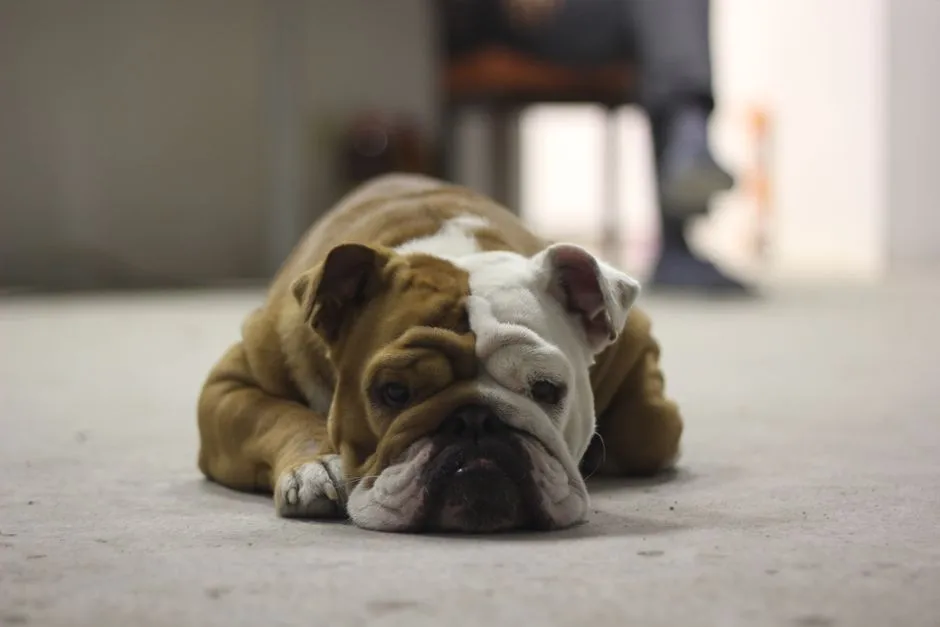
If there were a mascot for lounging, it would be the English Bulldog. After a brief outing, most are happy to flop in a cool spot and snore. They are sturdy, affectionate, and usually quiet indoors.
Their calm, people-focused nature suits apartment living and seniors who want a dog with real presence. They tend to attach strongly to a primary caregiver, which is lovely for a retiree at home most of the day. Many Bulldogs follow their person around the house like a loyal, wrinkly shadow.
The fine print is big, though. Bulldogs overheat easily and can have serious breathing, skin, and joint problems, which may mean frequent vet visits and real expense. They are best for owners who can monitor heat, keep walks short, and plan for health costs.
- Short walks of 15-20 minutes prevent overexertion.
- Skin folds need regular cleaning to avoid irritation.
Now the scale changes dramatically, and so does the math of living with a calm dog.
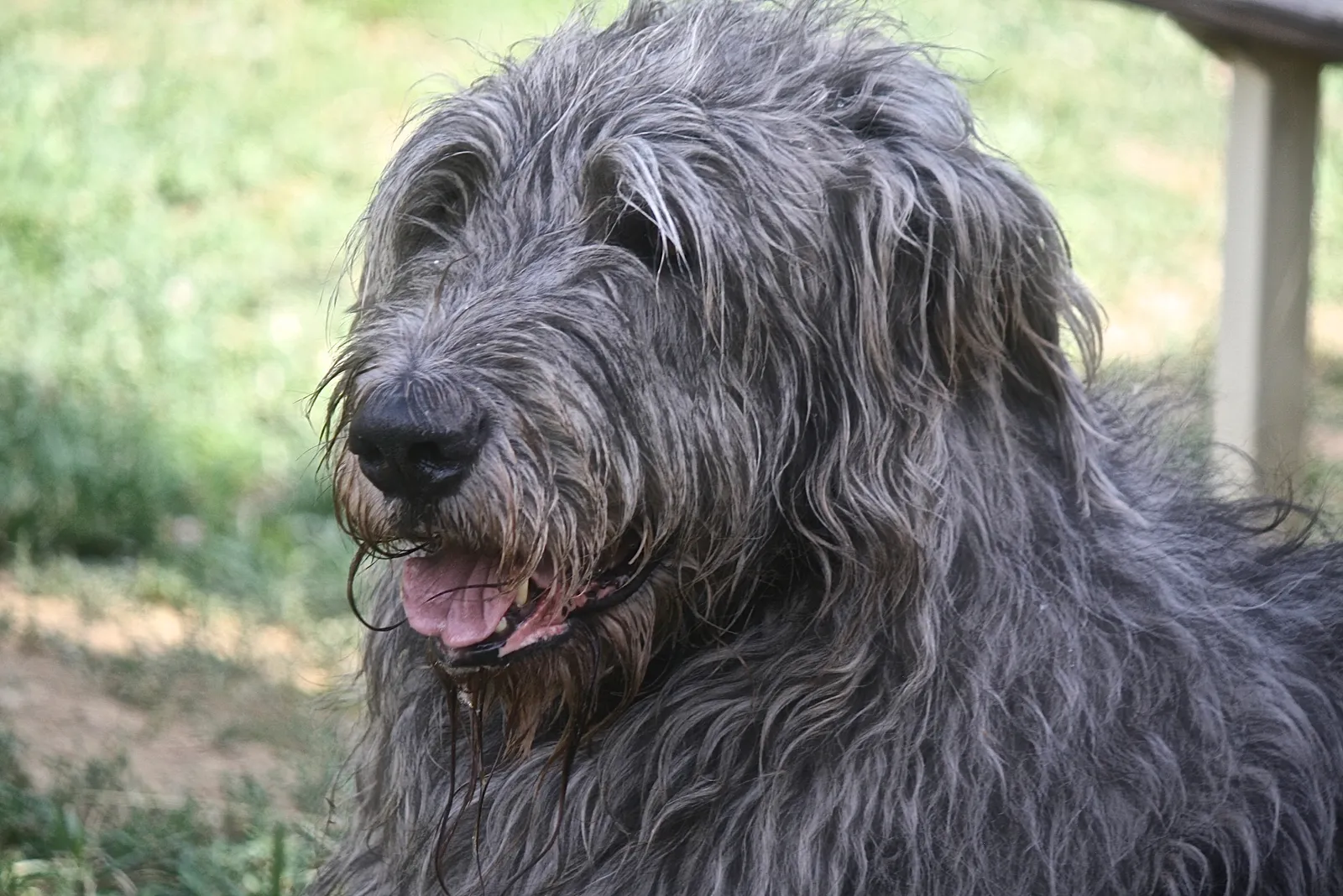
#11 – Irish Wolfhound: The Gentle Giants Whose Size Belies Their Calm Demeanor
🔥 Would you like to save this?
We'll email this post to you, so you can come back to it later!
An Irish Wolfhound is enormous, yet it often behaves like a quiet, thoughtful houseguest. The breed was developed to hunt big game, but at home it is known for a mild, gentle, almost dignified presence. Many people are startled by how peaceful such a huge dog can be.
Wolfhounds are not typically hyper. They want a short walk, a bit of room to stretch, and a soft spot to lie down. They form deep bonds with family, and their size alone tends to deter trouble without them needing to bark much.
The practical issues are real. A Wolfhound’s size can be hard to handle if mobility is limited, and the breed’s lifespan is often short, commonly cited at around 6-8 years. Costs for food, bedding, and vet care run higher too.
- They bond deeply without being aggressive guard dogs.
- Leash training early is vital, since a long-legged dog can pull hard.
Another giant is next, and its nickname might be the most flattering in the dog world.
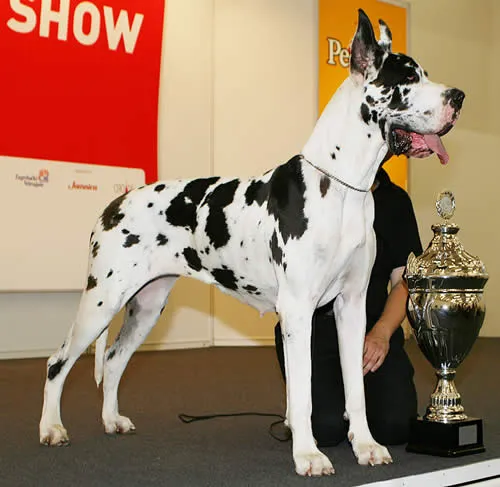
#10 – Great Dane: The Elegant “Apollo of Dogs” Who Prefers Quiet Observation
🔥 Would you like to save this?
We'll email this post to you, so you can come back to it later!
Great Danes are often called the “Apollo of Dogs,” and they walk like they know it. They are tall, graceful, and surprisingly soft-hearted. Their ancestors hunted boar in Germany, but modern Danes are famous for being sweet, people-oriented homebodies.
Once past their goofy adolescent phase, many Danes become relaxed, even lazy. They like to lean against a favorite person, claim half the couch, and doze nearby. Their short coat makes grooming simple.
Plan for the big-dog realities. Lifespans often run 7-10 years, joints need support from good orthopedic bedding, and bloat is a serious risk that every owner should learn about. A dog this large can also knock over someone with balance problems without meaning to.
- Two 15-20 minute walks a day suit most adult Danes.
- They tune in to their owner’s mood, which deepens the bond.
The next dog is even heavier, with a reputation built on pure, patient presence.
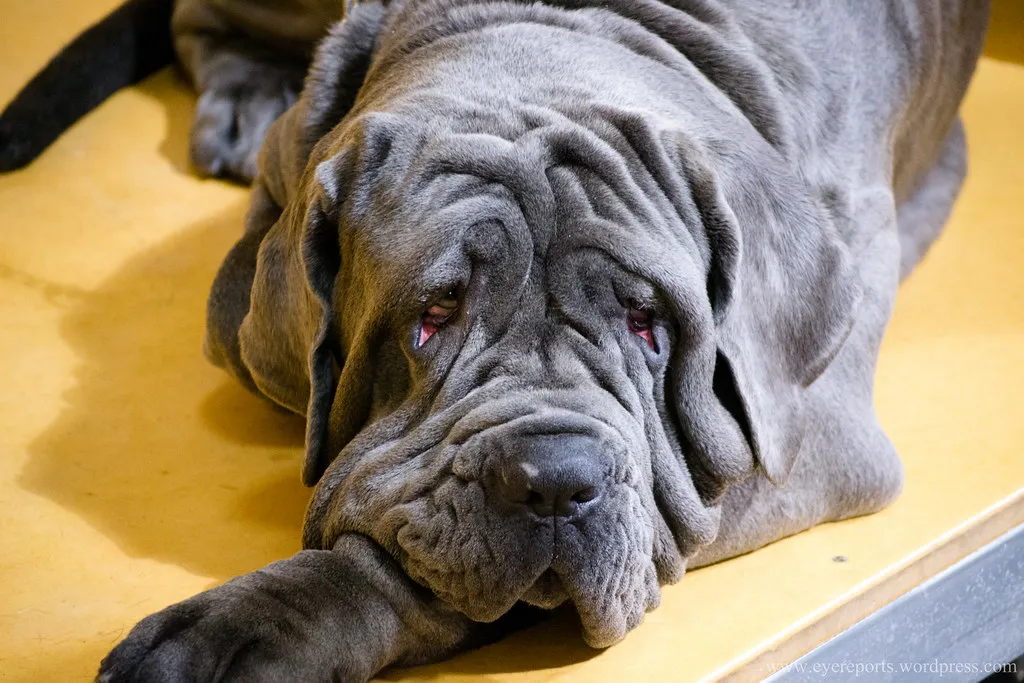
#9 – Mastiff: The Massive Yet Mild-Mannered Protectors of the Hearth
🔥 Would you like to save this?
We'll email this post to you, so you can come back to it later!
The Mastiff is a guardian breed with a surprisingly soft interior. These are not high-energy dogs. They tend to be dignified, steady, and calm, and they usually bark very little.
With a short coat and low exercise needs, a Mastiff can fit into a quiet home as long as there is enough space. Many spend much of the day sleeping, then greet their family with a slow, heavy-pawed show of affection. They are often wonderfully gentle with the people they know.
Quick Compare: The Three Gentle Giants
- Irish Wolfhound: the tallest and leanest of the trio, with a typical lifespan around 6-8 years.
- Great Dane: a short, easy coat and a lifespan often around 7-10 years, with bloat as a key risk.
- Mastiff: the heaviest of the three, often well over 100 pounds, with the most drool.
Size is the main challenge. Mastiffs can weigh well over 100 pounds, drool, and tend to have shorter lives than smaller dogs, with heart and joint problems among the concerns. A senior considering one should be honest about whether they can handle that weight on a leash and in an emergency.
- Short walks and indoor lounging usually satisfy them.
- Early socialization keeps their protective instincts calm and controlled.
Back to a smaller dog now, with a face that looks permanently ready for a party.
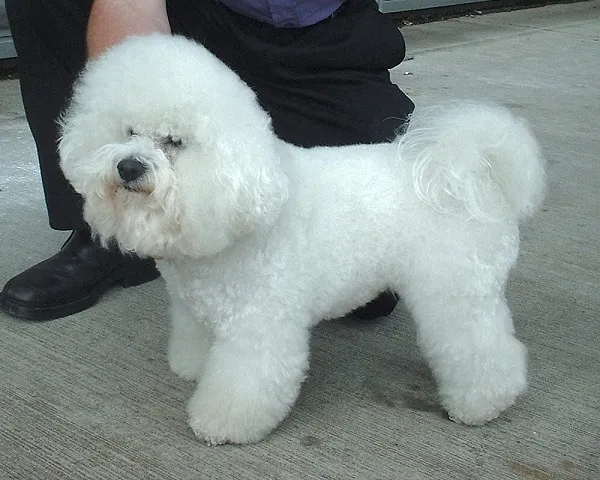
#8 – Bichon Frise: The Cheerful White Clouds That Bring Low-Key Joy
🔥 Would you like to save this?
We'll email this post to you, so you can come back to it later!
Bichon Frises look like walking powder puffs, and they act like they know it. They are merry without being manic, and their exercise needs are modest. A short walk and a few minutes of play are often enough.
Their low-shedding coat appeals to people with mild allergies, though it needs regular professional grooming to avoid mats. They adapt well to apartments, and their friendly outlook makes them easy to bring along on errands or visits. Most seniors find them cheerful rather than demanding.
One caution: Bichons are social animals and can struggle with long stretches alone. They are not ideal for someone who is out all day. Budget for grooming and keep an eye on dental health, which is a common weak spot in small breeds.
- About 20 minutes of daily activity keeps them content.
- They do best when someone is home most of the day.
Next is a snorting, wheezing little comedian who may be calmer than you think.
#7 – Pug: The Comedic Companions Whose Snorts Mask a Deep Calm
🔥 Would you like to save this?
We'll email this post to you, so you can come back to it later!
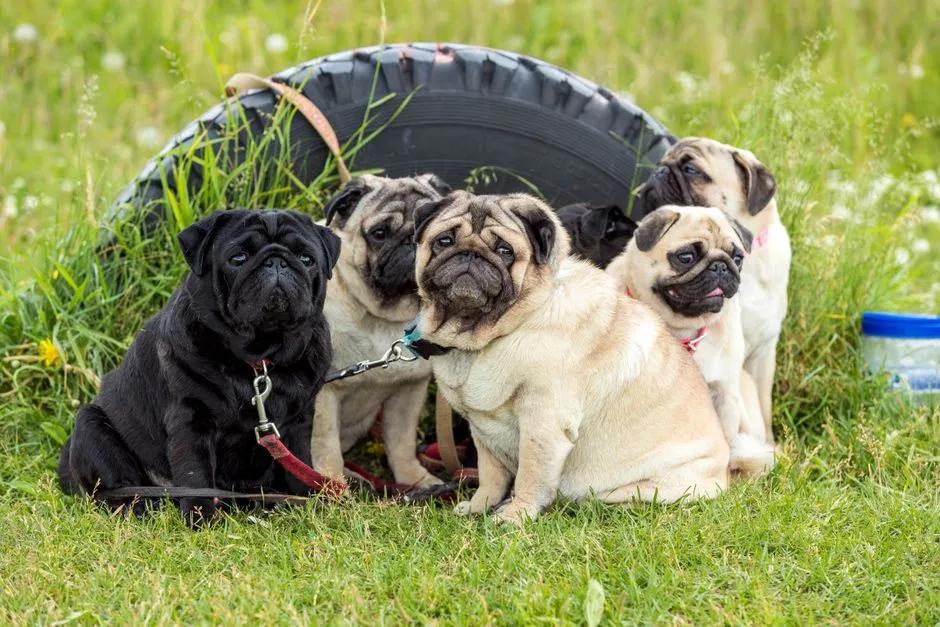
Pugs are famous for big personalities in small, sturdy bodies. They were bred for centuries as companions, and they take that job seriously. Most would happily spend the day within a few feet of their favorite human.
They are generally easygoing, affectionate, and eager to please. A short walk and some indoor time satisfy them, and their short coat is simple to care for. Many Pugs are content to lounge nearby and snore like tiny, wheezy chainsaws.
The downsides are health and weight. Their flat faces can cause breathing trouble and heat intolerance, their eyes need care, and they love food a little too much. Choose a breeder who prioritizes health, and keep treats under control.
- Plan for roughly 15-20 minutes of exercise daily.
- Clean skin folds regularly and watch their weight closely.
The next breed has exploded in popularity, and for good reason, though there is a catch.
#6 – French Bulldog: The Bat-Eared Charmers Built for Couch Life
🔥 Would you like to save this?
We'll email this post to you, so you can come back to it later!
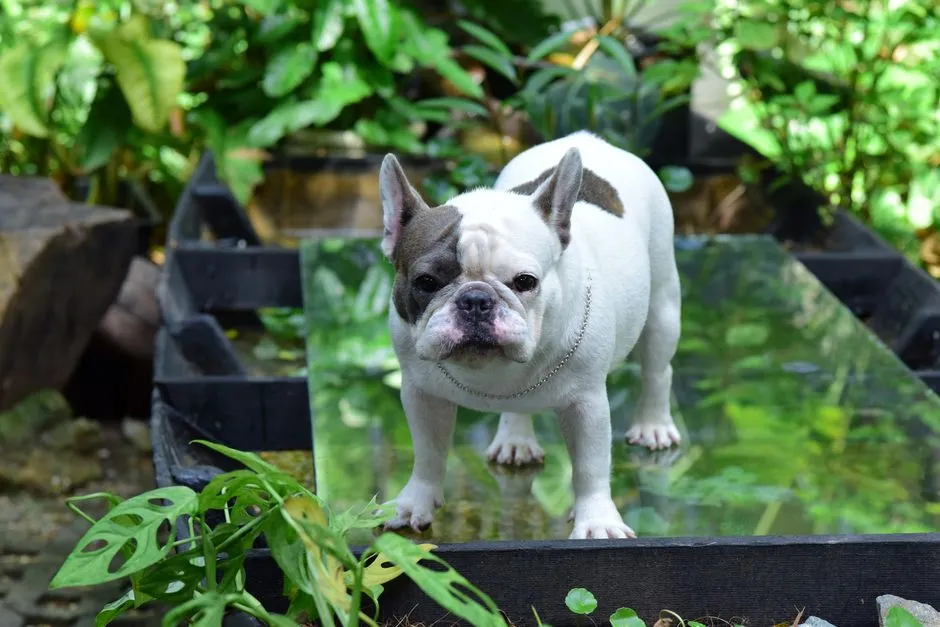
French Bulldogs have become some of the most popular dogs in America, and their easygoing nature is a big reason. They are compact, affectionate, and usually content with a short walk and plenty of lounging. Many Frenchies act like small clowns, but they rarely need a big yard to burn off steam.
Grooming is minimal, and they tend to bond closely with their people. They bark less than many small breeds, which helps in apartments. Most settle quickly into a household routine.
The big issues are health ones. Flat faces make heat and exercise risky, and spinal problems are a known concern in the breed, so choose carefully and expect vet bills. Avoid hot-weather walks and keep stairs and jumping to a minimum.
- 15-20 minutes of gentle activity is often enough.
- They adjust well to consistent household schedules.
Now for the retired racer that turned the whole idea of a fast dog upside down.
#5 – Greyhound: The Retired Racers Who Redefine “Couch Potato”
🔥 Would you like to save this?
We'll email this post to you, so you can come back to it later!
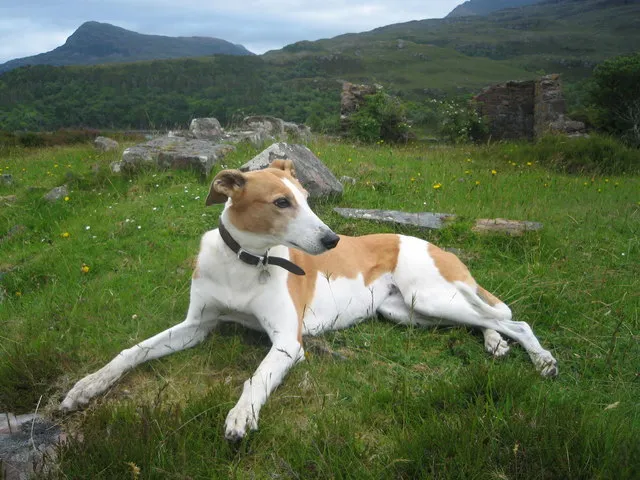
Greyhounds are among the fastest dogs on earth, yet at home they are famously quiet. Many sleep up to 16-18 hours a day, often sprawled on a soft bed like furry runway models. Retired racers in particular tend to settle in fast.
Their short, clean coat makes care easy, and their personalities are gentle and sensitive. A couple of short walks a day usually satisfy them, with a safe fenced run now and then if you want to let them stretch out. Many seniors are surprised by how little noise a Greyhound makes.
Why It Stands Out
- Top speed is often cited at around 45 miles per hour, yet the daily routine is mostly napping.
- Adults commonly weigh in the 60-70 pound range, so they are sizable but slim.
- Many live roughly 10-14 years, a solid span for a dog this size.
- Quiet and clean, with a coat that asks for very little upkeep.
Keep a few details in mind. Greyhounds have thin skin and little body fat, so they need warm, padded bedding and a coat in cold weather. Many ex-racers must also learn stairs and household life from scratch, and a strong prey drive means they should never be off-leash in open areas.
- 20-30 minutes of daily walking meets their needs.
- They form strong, undemanding bonds with a primary caregiver.
Next up is a dog that follows its nose and nothing else.
#4 – Basset Hound: The Droopy-Eared Scent Hounds Who Move at Their Own Pace
🔥 Would you like to save this?
We'll email this post to you, so you can come back to it later!
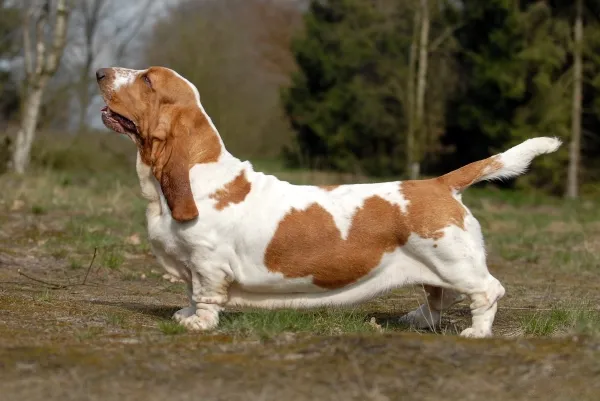
Basset Hounds were bred to track scent at a human walking pace, which explains their famously unhurried attitude. They plod rather than sprint, and they seem to think everything can wait. Their soulful eyes and floppy ears have made them one of the most beloved hounds.
For seniors, that slow tempo can be a gift. A Basset is happy with a short, sniff-heavy walk and a long snooze afterward. They are patient, mellow, and usually good-natured around family.
Plan for stubbornness, though. Once a Basset catches a scent, it may ignore commands completely, so a secure leash is essential. Their long backs call for weight control and limited jumping, and their ears need regular cleaning.
- 20-30 minutes of sniffing walks provides satisfying mental exercise.
- Their even temperament means few sudden energy bursts indoors.
The top three are all about devotion, and the first one has a very regal past.
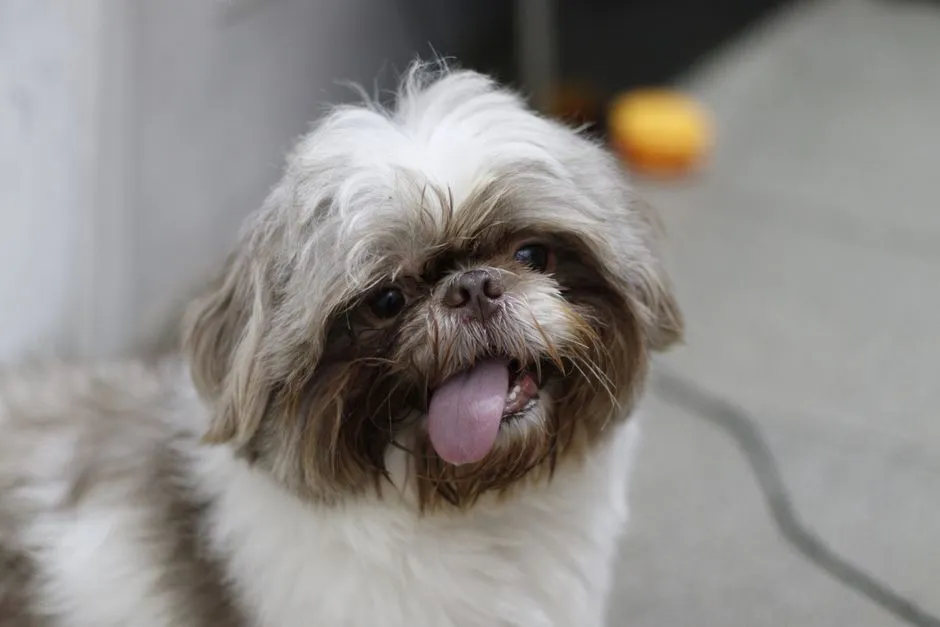
#3 – Shih Tzu: The Lion Dogs of Ancient China Who Excel at Serene Companionship
🔥 Would you like to save this?
We'll email this post to you, so you can come back to it later!
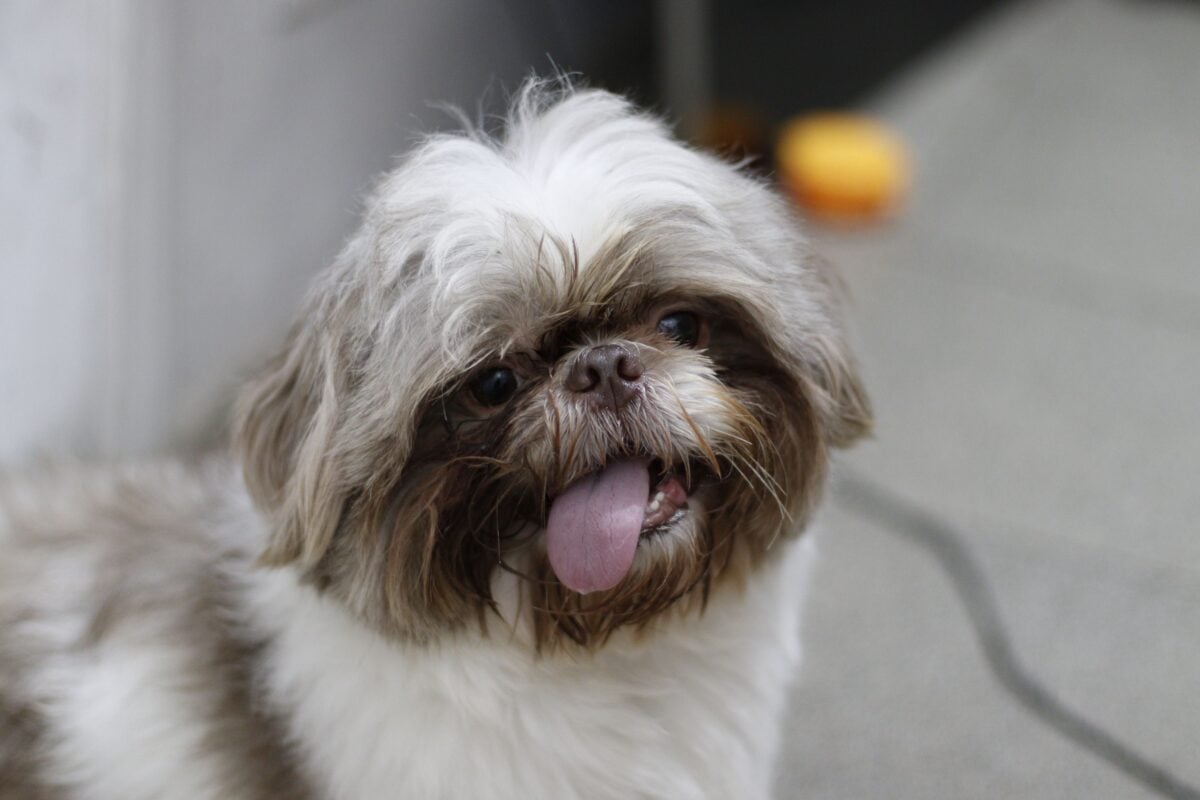
The name Shih Tzu roughly means “lion dog,” but the real lion here is a tiny, affectionate lap warmer. These dogs were palace companions in China for centuries, and their modern personalities show it. They love to sit near, on, or under their people.
Their needs are small: short walks, indoor play, and lots of attention. They are friendly with almost everyone and generally easy to train. Many seniors say a Shih Tzu feels like a warm, steady presence in an otherwise quiet house.
Grooming is the main commitment. The long coat tangles easily, so many owners choose a shorter “puppy cut” and turn brushing into bonding time. Like other flat-faced breeds, they can overheat, and their eyes and teeth need regular care.
- They rarely demand more than 15-20 minutes of activity.
- Their velcro-like attachment provides a reliable emotional presence.
The runner-up is a surprise, because it is not the breed most people picture when they hear “calm.”
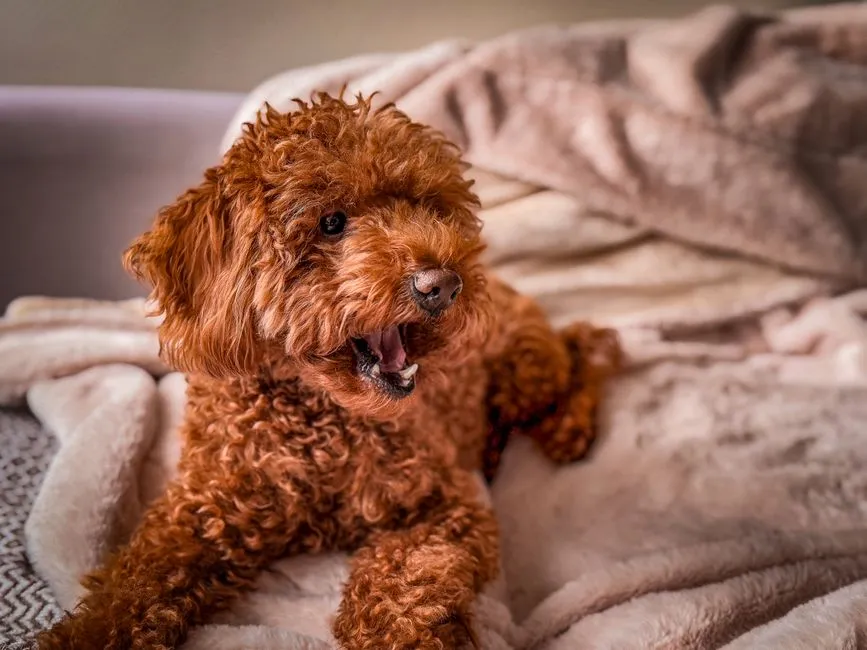
#2 – Toy Poodle: The Intelligent Miniatures Whose Calm Focus Surprises Many
🔥 Would you like to save this?
We'll email this post to you, so you can come back to it later!
Toy Poodles are sharp, which is not always the same as calm. Yet once they mature, many settle into a quiet, adaptable household dog who is happiest when near its person. Their smarts make them easy to train, and that helps seniors build simple, reliable routines.
Their small size, usually 10 inches or under, and low-shedding coat make them practical for tight spaces and mild allergies. A short walk plus a few mental games, such as puzzle toys or simple tricks, tends to satisfy them. Because they mirror their owner’s mood, a relaxed home often produces a relaxed Poodle.
Be realistic about the brain. A bored Poodle can invent its own entertainment, so some daily mental work matters. Expect regular grooming and attention to dental care and joint health.
- 20-30 minutes of varied activity, including mental games, suffices.
- Their trainability lets owners build simple routines that boost confidence.
And now the number one pick, a dog that practically defines the word “lapdog.”
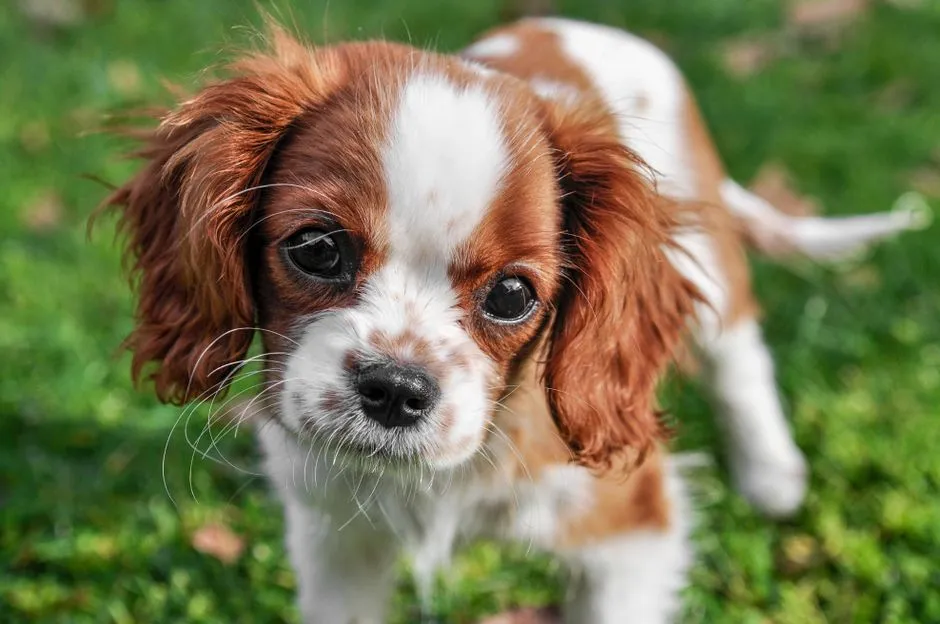
#1 – Cavalier King Charles Spaniel: The Ultimate Lapdog Bred Explicitly for Affectionate Stillness
🔥 Would you like to save this?
We'll email this post to you, so you can come back to it later!
Cavalier King Charles Spaniels were developed as companions, and they seem to read their owner’s rhythm like a book. Busy morning? They tag along. Quiet afternoon? They curl up and wait. This flexibility is why they appear on so many senior-friendly lists.
They are small to medium, soft-coated, and deeply affectionate, with an even temperament that rarely causes trouble. Exercise is flexible: a few leisurely walks or simply following you around the house is often enough. They tend to be gentle with visitors and unfussed by routine changes.
Worth Knowing Before You Choose a Cavalier
- Typical size is about 13-18 pounds and 12-13 inches tall, light enough to lift and carry.
- Lifespans commonly run about 9-14 years, depending heavily on heart health.
- Ask any breeder for proof of heart screening and neurological screening for both parents.
- Walk away from sellers who cannot share health records.
The big caveat is health. Mitral valve disease is common in the breed, and syringomyelia is another inherited concern, so buy from a breeder who screens for both. Many Cavaliers still live full, happy lives, but a responsible start matters more here than with almost any other dog on this list.
- 20-30 minutes of daily activity, split into easy segments, usually does it.
- Their velcro bond provides constant companionship without overwhelming demands.
Here is my honest take: the Cavalier deserves the top spot, but only if you do the health homework. If I had to choose for most seniors, I would skip the giants unless the owner is strong, steady, and prepared. A Mastiff or Wolfhound is a wonderful dog, but it is also a lot of dog to lift on a bad day.
I would also be cautious about the flat-faced favorites. Bulldogs, Pugs, and Frenchies are lovable, but their health bills and heat risks are real. The quiet heroes here are the Greyhound, Whippet, and Shih Tzu, which deliver calm with fewer red flags than their popularity suggests.
The best dog for a quieter life is not the smallest or the trendiest. It is the one whose natural pace matches yours, and whose care you can still manage five years from now. Pick for that, and the calm will follow.

- 10 Common Garden Pests That Are Actually Beneficial To Your Backyard Ecosystem - November 5, 2026
- 10 Unusual Reasons Older Adults Bond More Deeply With Certain Dog Breeds - November 5, 2026
- The Cheetah: The Speed King of the Animal Kingdom - November 5, 2026