
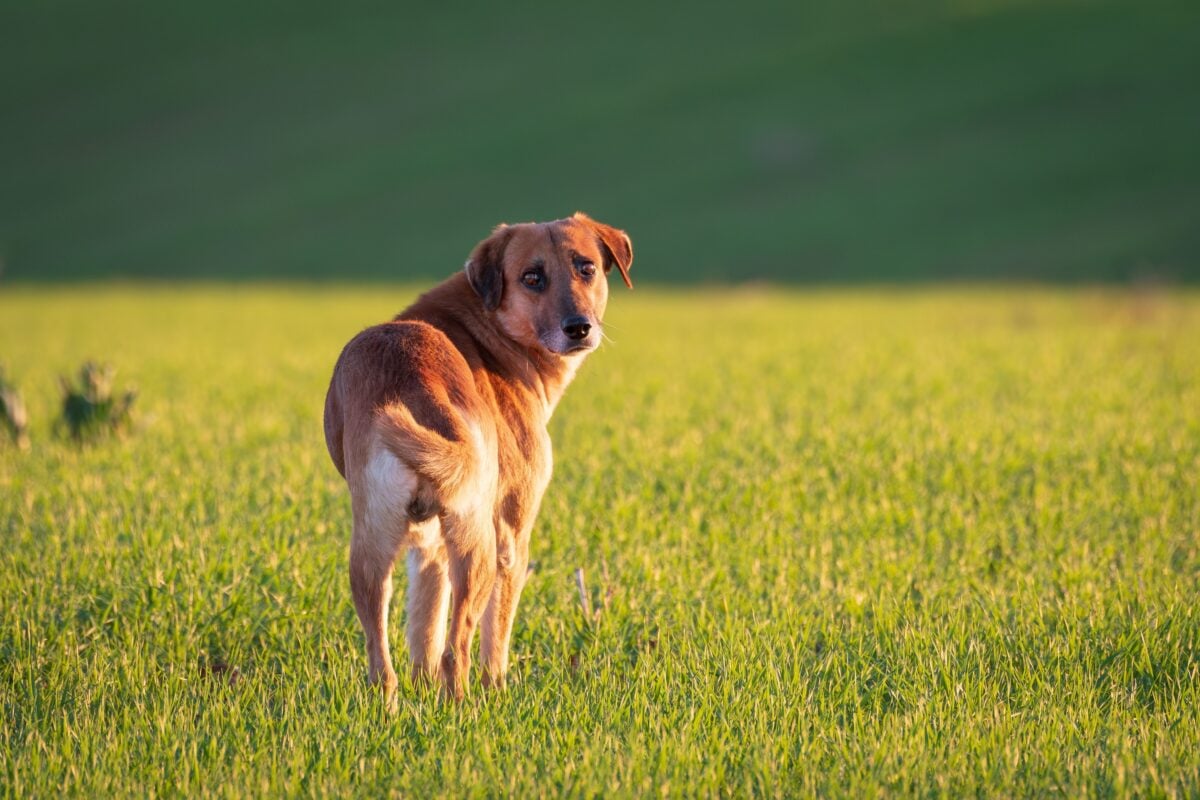
Picture this scene in your living room. Your dog nudges a treat puzzle with its nose, paws at the edges, then pauses and turns its head straight toward you with that expectant stare. It feels like a request, and research suggests it often is. This moment highlights a subtle but telling difference between dogs and their wild relatives.
The behavior emerges most clearly when a task proves impossible, and it points to how domestication reshaped the way these animals approach challenges. Wolves tend to keep trying on their own. Dogs shift their attention outward, toward the nearest human.
The Classic Experiments That Revealed This Behavior
🔥 Would you like to save this?
We'll email this post to you, so you can come back to it later!
Early work by Hungarian researchers in the early 2000s set up simple manipulation tasks for young dogs and hand raised wolves. After the animals learned to open a container for food, the researchers made the container impossible to open. Dogs quickly stopped manipulating the object and directed long gazes toward their owners. Wolves kept working at the container without much interruption or eye contact with people nearby.
Follow up studies refined the setup with adult animals and varied conditions. One version left subjects alone with the puzzle while another kept a neutral human present. Wolves solved the solvable versions far more often and showed little interest in looking at humans even when one stood close by. Dogs across pet and shelter groups spent far more time gazing at the person instead of persisting with the task.
These patterns held across multiple trials and helped establish the looking back response as a reliable marker. Observers noted that the gaze often came after initial attempts failed, suggesting the dogs registered the difficulty and sought an alternative source of information or assistance. The contrast with wolves appeared consistent enough to draw attention from behaviorists studying domestication effects.
Domestication and the Shift in Problem Solving
🔥 Would you like to save this?
We'll email this post to you, so you can come back to it later!
Domestication likely favored dogs that paid close attention to human cues over those that solved every problem through solo persistence. Living alongside people created new pressures where quick social referencing offered advantages in finding food or avoiding trouble. Wolves, shaped by pack hunting and independent survival, retained stronger tendencies to work through obstacles without external input.
Genetic and developmental factors both play roles here. Even wolves raised with extensive human contact from puppyhood rarely match the gaze duration seen in typical pet dogs. This points to selection during domestication that amplified sociability and reduced the drive for prolonged independent manipulation in some contexts.
At the same time, the change does not mean dogs lost all problem solving ability. It reflects a strategic preference shaped by their environment. When humans become reliable partners, turning to them makes practical sense rather than a sign of lesser intelligence.
Persistence Versus Social Reliance

🔥 Would you like to save this?
We'll email this post to you, so you can come back to it later!
Wolves in these tests often show higher overall persistence, continuing to interact with the apparatus even after repeated failures. That focus leads to higher success rates on solvable versions of the puzzles. Dogs, by comparison, reduce their physical efforts sooner and allocate more time to monitoring the human in the room.
The difference raises interesting questions about motivation. Some researchers suggest dogs may experience a form of social dependence that makes independent effort less rewarding once a person is available. Others see it as an adaptive response that leverages human problem solving skills accumulated over thousands of years of shared life.
Encouragement from a person can sometimes boost dog performance, though results vary by individual and prior experience. Shelter dogs showed modest gains when prompted verbally, while pet dogs remained more inclined to wait for direction. These nuances indicate that upbringing and daily routines influence how strongly the looking behavior appears.

Orthopedic Extra Large Dog Bed, Waterproof Washable XL Pet Bed 44"
Check Price on AmazonAs an Amazon Associate, we earn from qualifying purchases.
10/7/2026 1:32 pm GMTi

Glass Hummingbird Feeder for Outdoors Hanging
Check Price on AmazonAs an Amazon Associate, we earn from qualifying purchases.
10/7/2026 1:21 pm GMTi

Halloween Dog Collar with Bow, Orange Cute Ghost Collar,
Check Price on AmazonAs an Amazon Associate, we earn from qualifying purchases.
10/9/2026 2:43 pm GMTi

Glass Hummingbird Feeder for Outdoors Hanging, 16 oz Leak-Proof Nectar Feeder with Bee Guards & Ant Moat
Check Price on AmazonAs an Amazon Associate, we earn from qualifying purchases.
10/7/2026 1:22 pm GMTi

PetSafe Oasys Pet Fountain, 1/2 Gallon (64 oz), Small Dogs & Cats
Check Price on AmazonAs an Amazon Associate, we earn from qualifying purchases.
10/8/2026 8:14 am GMTi
What the Gaze Really Communicates
🔥 Would you like to save this?
We'll email this post to you, so you can come back to it later!
Behaviorists interpret the directed look as a form of referential communication. The dog appears to check in with the human as a potential source of help or information about the stuck puzzle. This differs from simple frustration because the gaze often occurs while the animal remains oriented toward the task rather than turning away entirely.
Timing matters in these observations. Dogs frequently glance back after a series of failed attempts, then return their attention to the object or the person depending on the response they receive. Wolves show far fewer such alternations and maintain focus on the physical challenge instead.
The pattern aligns with other dog human interactions, such as following points or responding to gestures. It suggests an integrated social toolkit that treats people as extensions of their own problem solving resources. This does not require complex theory of mind but does reflect sensitivity to human presence and attention.
Comparisons Across Different Dog Populations
🔥 Would you like to save this?
We'll email this post to you, so you can come back to it later!
Pet dogs, shelter dogs, and even free ranging dogs display the looking back response at higher rates than wolves, though the strength varies. Free ranging dogs with limited direct training still gaze toward humans more readily than equally socialized wolves, hinting that basic domestication effects run deep.
Breed and individual history add further layers. Herding breeds or those selected for close cooperation sometimes show particularly quick glances, while more independent working lines may balance persistence with social checks. Age and prior success with puzzles also shape the exact sequence of behaviors observed.
Across groups the core contrast with wolves remains stable. Even when dogs receive similar early exposure to people, their default strategy leans toward social engagement rather than solitary trial and error. This consistency supports the view that the behavior stems from evolutionary changes tied to human environments.

Smart Bird Feeder with Camera Solar Powered, 2K HD Live Video, 10,000+ Bird Species AI Identification
Check Price on AmazonAs an Amazon Associate, we earn from qualifying purchases.
10/7/2026 1:22 pm GMTi

Earth Rated XL Dog & Puppy Pee Pads, Discreet Top, Max Absorbency
Check Price on AmazonAs an Amazon Associate, we earn from qualifying purchases.
10/7/2026 1:28 pm GMTi

2 Pcs Halloween Pet Hat Bandana Set, Witch Pumpkin Costumes for Dogs
Check Price on AmazonAs an Amazon Associate, we earn from qualifying purchases.
10/9/2026 2:45 pm GMTi

Hand Blown Glass Hummingbird Feeders for Outdoors Hanging, 24oz Wild Bird Nectar Feeder
Check Price on AmazonAs an Amazon Associate, we earn from qualifying purchases.
10/7/2026 1:23 pm GMTi

Air Purifiers for Home Pets Large Room Up to 3000 Ft²,HEPA Air Cleaner with Washable Double-Side Filter, PM2.5 Air Quality Monitor,15dB Sleep Mode for Bedroom Odor Dust Pollen,White
Check Price on AmazonAs an Amazon Associate, we earn from qualifying purchases.
10/8/2026 8:23 am GMTi
Implications for Understanding Canine Cognition
🔥 Would you like to save this?
We'll email this post to you, so you can come back to it later!
These findings reshape how we view dog intelligence. Rather than ranking species on a single scale of problem solving, researchers now emphasize different strategies suited to distinct ecological niches. Dogs excel at navigating human centered worlds, while wolves demonstrate robust independent capabilities in wild settings.
Owners can use this knowledge to support their pets without assuming helplessness. Providing opportunities for successful independent play alongside social interaction helps maintain balance. Recognizing the look as a potential request allows timely assistance that strengthens the relationship without discouraging all effort.
Broader studies continue to explore how these tendencies interact with training methods and daily routines. The gaze behavior offers a window into the unique cognitive niche dogs occupy, one shaped by long coexistence with people.

Halloween Cat Costume Cloak Witch Hat Pet Accessories
Check Price on AmazonAs an Amazon Associate, we earn from qualifying purchases.
10/9/2026 2:44 pm GMTi

Portable Dog Water Bottle Foldable Dog Travel Water Bottle
Check Price on AmazonAs an Amazon Associate, we earn from qualifying purchases.
10/7/2026 1:29 pm GMTi

Dog Stairs for Bed 18" H, 4-Step Dog Steps for High Bed
Check Price on AmazonAs an Amazon Associate, we earn from qualifying purchases.
10/9/2026 2:42 pm GMTi

Professional 7 in 1 Dog Paw Cleaner for Dogs & Cats - Includes 1 Portable Paw Washer, 1 Bath Brush
Check Price on AmazonAs an Amazon Associate, we earn from qualifying purchases.
10/7/2026 1:26 pm GMTi
Reflecting on What This Reveals About Our Shared History
🔥 Would you like to save this?
We'll email this post to you, so you can come back to it later!
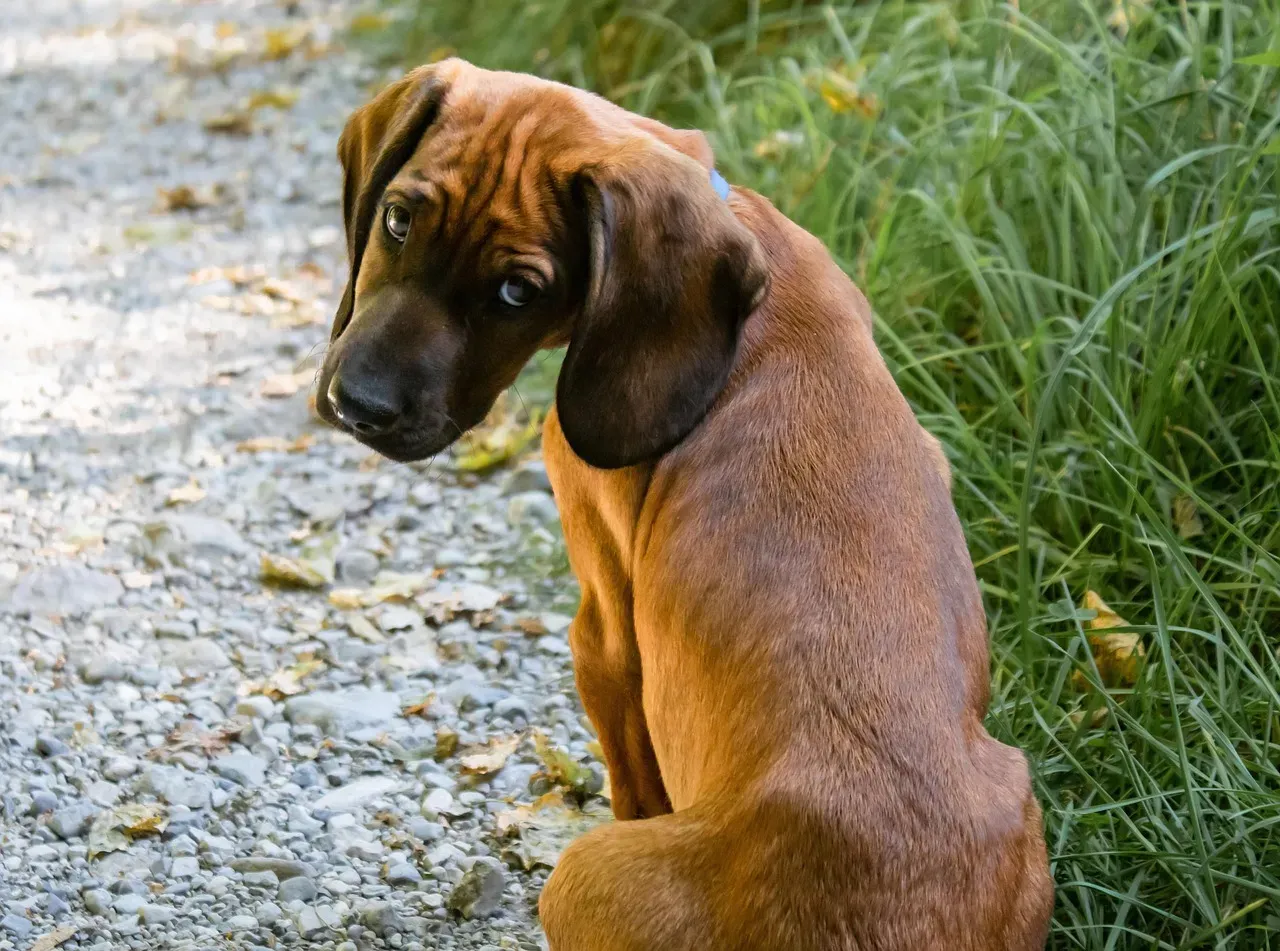
The tendency for dogs to glance back during difficult moments underscores a partnership refined over millennia. It speaks to mutual adaptation where each species benefits from the other’s strengths. Wolves remind us of the wild roots, yet dogs show how selection can tilt behavior toward connection.
This difference invites appreciation rather than judgment. Dogs bring social attunement that fits life with humans, while their occasional reliance on us highlights the trade offs of domestication. Watching that look during a stuck puzzle offers a small but genuine glimpse into an ancient, ongoing collaboration.

- Animal Behaviorists Say When Your Dog Looks Back at You During a Puzzle It Can’t Solve It Is Asking for Help in a Way Wolves Rarely Do - November 7, 2026
- If Your Native American Zodiac Sign Is a Hawk, Here’s What It Means - November 7, 2026
- 15 Incredible Behaviors Only The Smartest Birds Exhibit - November 7, 2026