

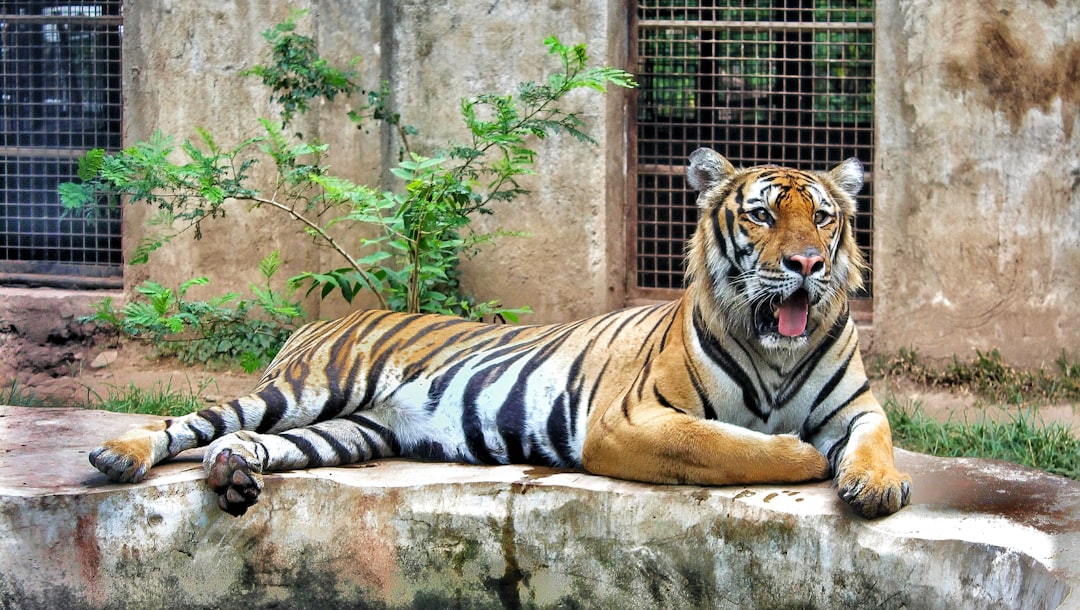
Nearly 95 Percent of Zoos Still Sell Feed Despite Prohibition (Image Credits: Unsplash)
South Korea – Animal welfare advocates and lawmakers pressed for stricter enforcement of regulations prohibiting physical interactions between zoo visitors and captive animals. A comprehensive survey revealed ongoing violations at most facilities nearly two years after the law’s implementation. These practices, critics contend, prioritize entertainment over conservation and inflict undue stress on wildlife.[1][2]
Nearly 95 Percent of Zoos Still Sell Feed Despite Prohibition
The revised Act on the Management of Zoos and Aquariums took effect in late 2023. It explicitly barred facilities from permitting visitors to touch, climb on, ride, or feed animals purely for amusement. Lawmakers aimed to shift zoos toward genuine educational and conservation roles. Yet compliance remained elusive.
The Animal Welfare Research Institute (AWARE) conducted an eight-month investigation into 21 licensed zoos and nine unlicensed operations nationwide. Results exposed stark non-compliance. Key violations included widespread sales of feed and unsupervised petting sessions. Only a handful of sites offered meaningful conservation education.[1]
Survey Highlights Persistent Breaches Across Facilities
AWARE’s findings painted a clear picture of defiance. The group documented practices that directly contravened the law’s spirit. Unlicensed venues exploited regulatory gaps, such as dividing operations across building floors to evade licensing thresholds. Meerkats appeared labeled “for sale” in some cafes while visitors petted them freely.
Registered zoos fared little better. The survey outlined specific infractions:
- 20 out of 21 licensed zoos sold feed to visitors for animal encounters.
- 15 of those imposed no restrictions on purchase amounts or feeding frequency.
- 18 facilities permitted touching without keeper supervision at any time.
- Just three provided species-specific conservation information; others described animals as “easy-to-raise” or “beginner species” for pet keeping.
These lapses occurred despite the law’s clear prohibitions.[1]
Hidden Toll: Stress and Aggression from Visitor Interactions
Direct contact fueled harmful dynamics among animals. AWARE head Lee Hyung-joo noted cases where individuals monopolized food, sparking competition and fights. Such episodes led to chronic stress, aggression, and disrupted natural behaviors. Baby lion cubs and snakes featured in some encounters, amplifying risks.
Experts emphasized that these “experiences” rarely educated. Professor Han Jae-ik of Jeonbuk National University’s College of Veterinary Medicine stated, “It is hard to regard animal encounters as education.” Facilities often masked profit motives behind vague “educational” claims. True learning demanded better alternatives, free from animal distress.
The survey underscored how violations undermined broader welfare reforms in South Korea.[1]
Stakeholders Weigh In on Enforcement Gaps
Lee Hyung-joo criticized misleading labels: “Some even described animals as ‘beginner species for rare animal keeping’ or ‘easy-to-raise animals,’ effectively encouraging people to keep wild animals at home.” He called for eliminating educational exemptions that enabled touching and feeding. The Animal Welfare Parliamentary Forum echoed these demands at the National Assembly.
Not all facilities resisted change. Cheongju Zoo in North Chungcheong Province phased out feeding events. Veterinary head Kim Jeong-ho explained, “In the past, Cheongju Zoo also operated feeding events, but now we run our programs differently.” Staff used audio of animal sounds, models, and medical imaging to engage visitors without contact. Visitors reacted positively to innovations like listening to a snake’s heartbeat during health checks.
Government oversight appeared lax, prompting calls for systemic overhaul.[1]
Redefining Zoos for the Future
Advocates proposed concrete reforms. They urged a complete ban on visitor feeding and touching, regardless of educational pretext. Zoos should prioritize habitat simulations, detailed species talks, and non-invasive demos. Videos, open health exams, and spacious enclosures offered engaging paths forward.
Lee Hyung-joo stressed redefining education: “To honor the spirit of the law, we need a full ban on touching and feeding by visitors.” Lawmakers in the parliamentary forum supported enhanced penalties and loophole closures. Success stories like Cheongju Zoo demonstrated feasibility. Broader adoption could elevate South Korea’s zoos as welfare leaders.
Persistent violations signal urgency. Stronger enforcement promises healthier animals and informed publics.[1]
- Nearly all surveyed zoos violated feeding rules, risking animal aggression.
- Only three sites delivered proper conservation education.
- Innovations like audio and models boost learning without harm.
As South Korea advances animal protections, zoos stand at a crossroads. Will facilities embrace ethical evolution, or cling to outdated attractions? Key takeaways include widespread survey-documented breaches, proven stress from interactions, and viable contact-free alternatives. What do you think about balancing zoo entertainment and animal welfare? Tell us in the comments.

- Urban Coyotes Show Remarkable Adaptability, Learning to Thrive in City Environments - July 22, 2026
- Beavers Are Nature’s Engineers, Creating Vital Habitats for Other Wildlife Species - July 21, 2026
- The Recovery of the California Condor Offers Hope for Other Critically Endangered Birds - July 21, 2026