
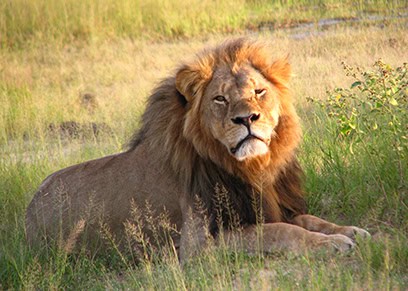
Animals have long been a source of entertainment for humans, from the grand spectacle of circus performances to the exotic allure of zoos and marine parks. While these venues offer a chance for people to connect with wildlife, they also stir debate around the ethics and implications of using animals for entertainment. This article explores the dual nature of animals in the spotlight, considering both the cultural fascination they evoke and the serious questions about animal welfare and ethical considerations.
The Historical Perspective

The use of animals for entertainment is deeply rooted in human history. Ancient Rome, for instance, was infamous for its gladiatorial games featuring exotic animals. Throughout the centuries, animals have been put on display in menageries, trained for circus performances, and showcased in aquariums. These practices were largely driven by curiosity and the desire for spectacle, with little consideration for the animals’ well-being.
Modern Entertainment Venues

Today, animals are featured in various forms of entertainment, including circuses, zoos, aquariums, and wildlife parks. While these institutions have made advancements in animal care, they still face criticism. Circuses, for example, have been under intense scrutiny for their treatment of animals, with many activists highlighting issues such as cramped living conditions and forced performances involving unnatural behaviors. In response, numerous circuses have phased out animal acts altogether, transitioning to human-only performances.
The Role of Zoos and Aquariums

Unlike circuses, zoos and aquariums often position themselves as educational resources and centers for conservation. They aim to provide visitors with an opportunity to learn about different species while supporting breeding programs for endangered animals. However, critics argue that the confinement of animals, regardless of the purpose, can lead to physical and psychological distress. Enclosures, no matter how well designed, cannot fully replicate natural habitats, leading to behaviors indicative of stress and boredom, such as pacing in big cats or fin rubbing in captive cetaceans.
Wildlife Tourism and Film Industry

Beyond traditional venues, animals also play a role in wildlife tourism and the film industry. Animal encounters, such as riding elephants or swimming with dolphins, can be harmful if not managed responsibly. Moreover, the capture and training conditions for animals used in films can lead to severe welfare issues, despite industry regulations intended to protect them.
Ethical Considerations
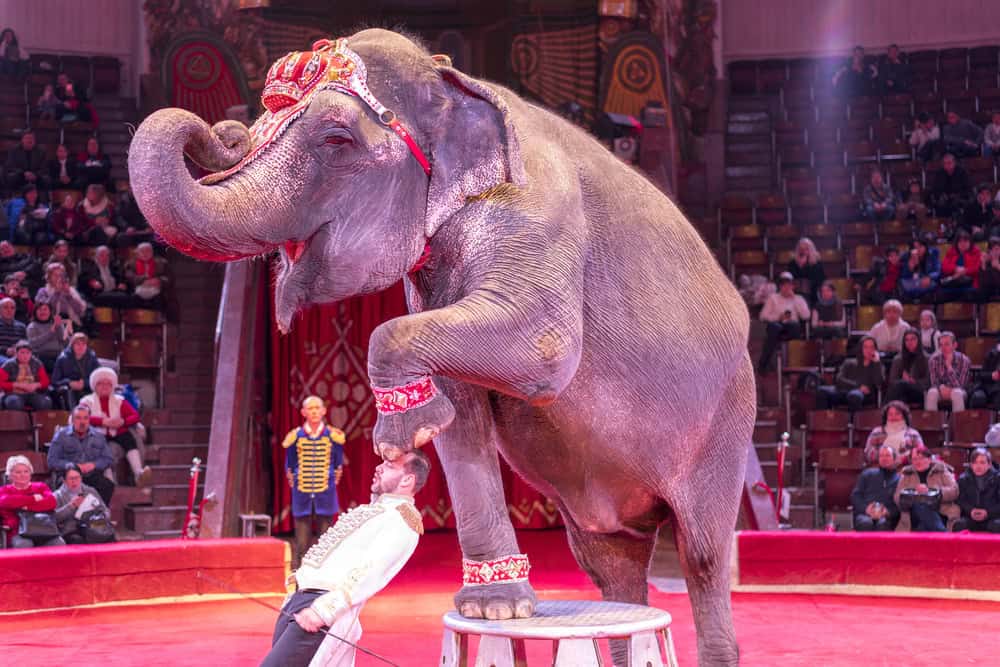
The ethical debate revolves around the question: Do the educational and conservation benefits provided by these institutions justify the impact on the animals involved? Animal rights advocates argue that animals possess intrinsic rights and that using them for human entertainment is exploitative. On the other side, proponents claim that exposure to animals can foster compassion and support for conservation efforts, ultimately benefiting wildlife in broader contexts.
Innovative Solutions and Alternatives

In response to growing ethical concerns, alternative models are emerging. Virtual reality and augmented reality technologies are being developed to create immersive wildlife experiences without involving live animals. Sanctuaries and rescue centers offer another solution, providing homes for animals that cannot be released back into the wild and allowing them to live in environments that prioritize their welfare over entertainment value.
Conclusion

The question of whether animals in entertainment represent wonder or exploitation is complex and multifaceted. While these practices have historical roots and can provide educational benefits, they often raise significant ethical and welfare concerns. As public awareness grows, society must navigate this delicate balance, striving to protect animal welfare while still fostering a sense of connection and wonder with the natural world. Effective change will likely require innovative solutions that reconcile these competing interests, ensuring that the allure of animals in the spotlight does not come at their expense.

Leave a comment
You must be logged in to post a comment.