
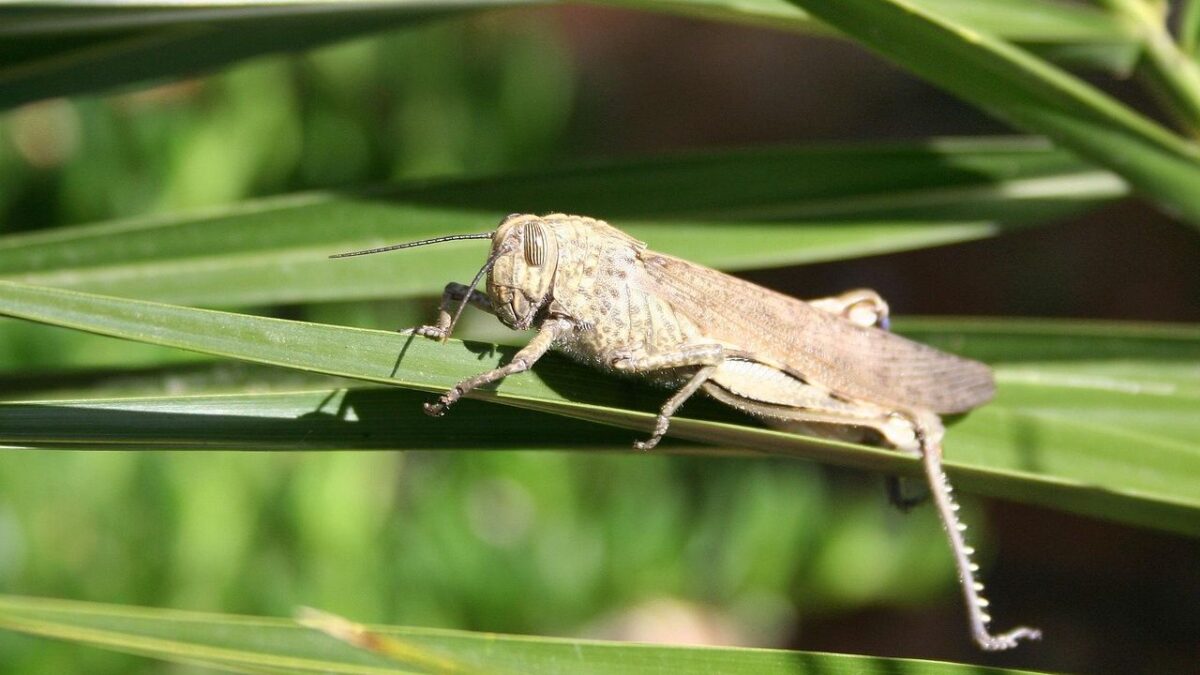
Most of us don’t spend much time thinking about how long an insect lives. It buzzes past, lands somewhere, and disappears. What rarely crosses the mind is that for some creatures, that brief moment we noticed them might have represented a significant portion of their entire existence .
The animal kingdom spans an almost incomprehensible range of lifespans. Some animals, like sea sponges, can live for 15,000 years, while others survive for only a few months, weeks, or days. The creatures at the short end of that spectrum are, in their own way, just as remarkable as those ancient giants. Their lives are compact, urgent, and perfectly engineered by evolution to do exactly one thing: keep the species going.
The Insects That Measure Life in Hours
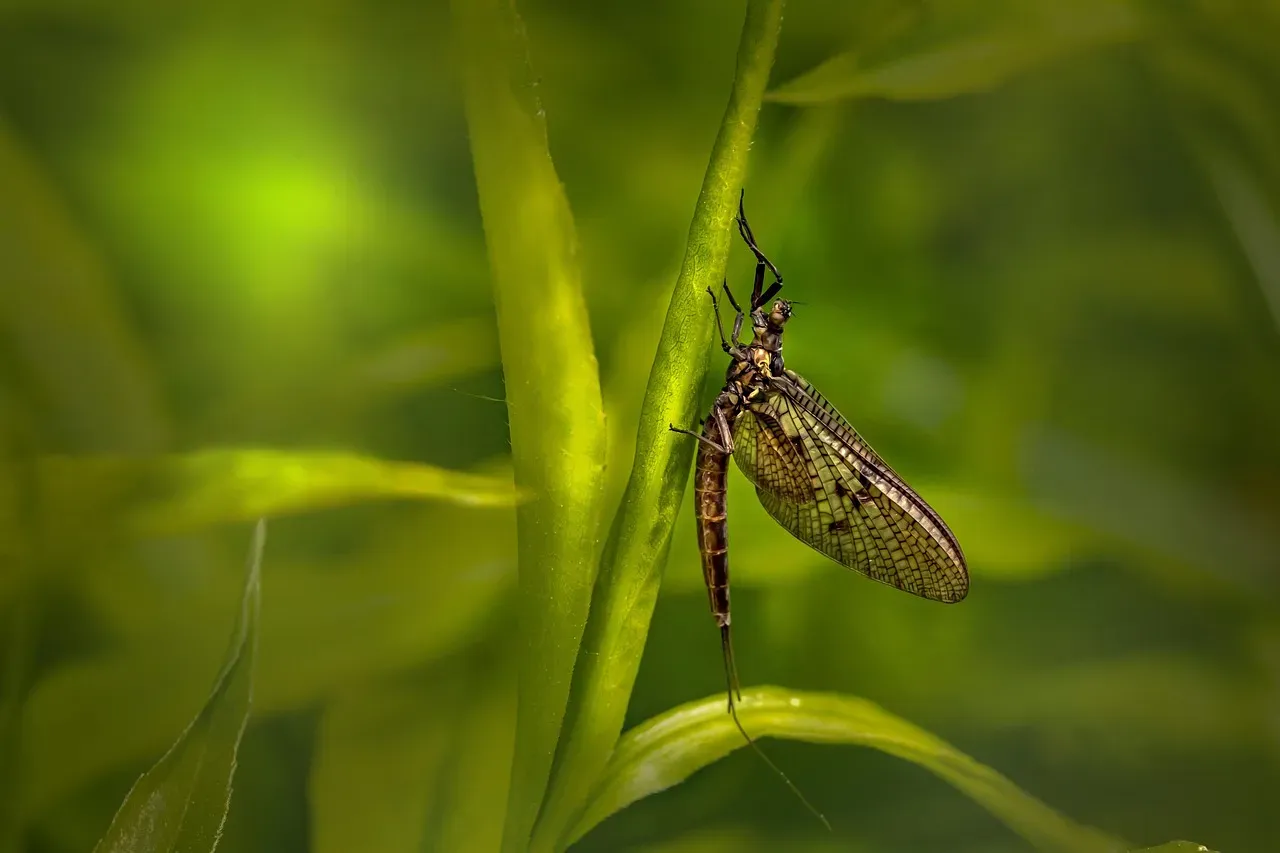
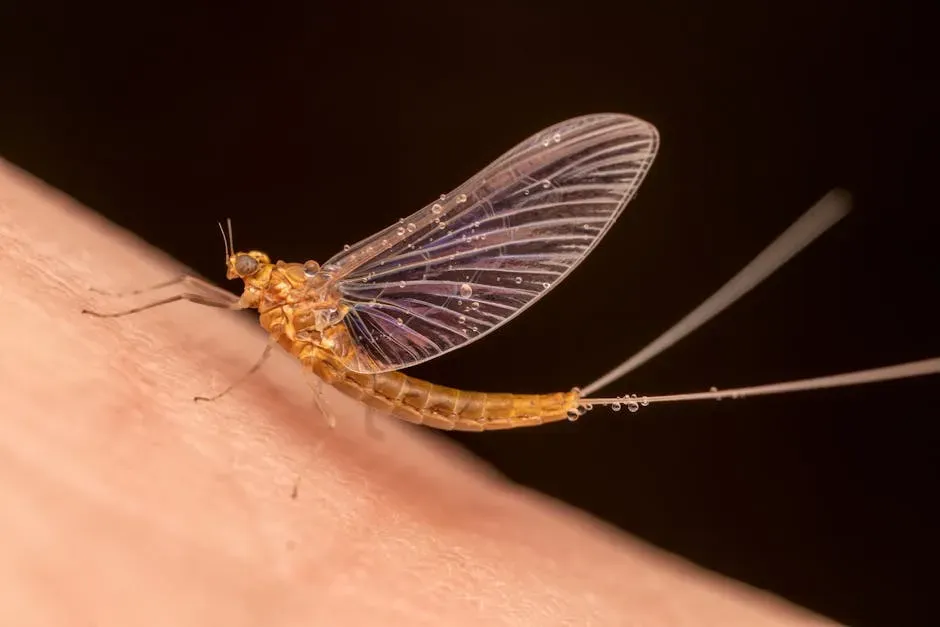
When it comes to brevity, nothing in the animal kingdom quite rivals the mayfly. Mayflies are aquatic insects known for having the shortest lifespans of any creature in the animal kingdom, typically living for only one day. That single day, though, is the culmination of a much longer build-up.
These aquatic insects hatch from eggs as nymphs and live underwater for up to two years, then develop wings for the final stages of their life cycle to mate. So in a sense, the mayfly spends years preparing for a single performance. Adult life is the brief finale, not the whole story.
American sand-burrowing mayflies have the shortest adult lives of any recorded species. Males live less than one hour once they reach adulthood, and females have just five minutes to breed before they die. Five minutes. That figure is hard to fully absorb.
In their short lives, mayflies serve a critical purpose for researchers in determining the health of aquatic ecosystems. The presence of mayfly larvae indicates that the water is clean, unpolluted, and highly oxygenated. A creature that lives for minutes still manages to be ecologically meaningful.
Microscopic Lives: Gastrotrichs and the World Invisible to the Eye
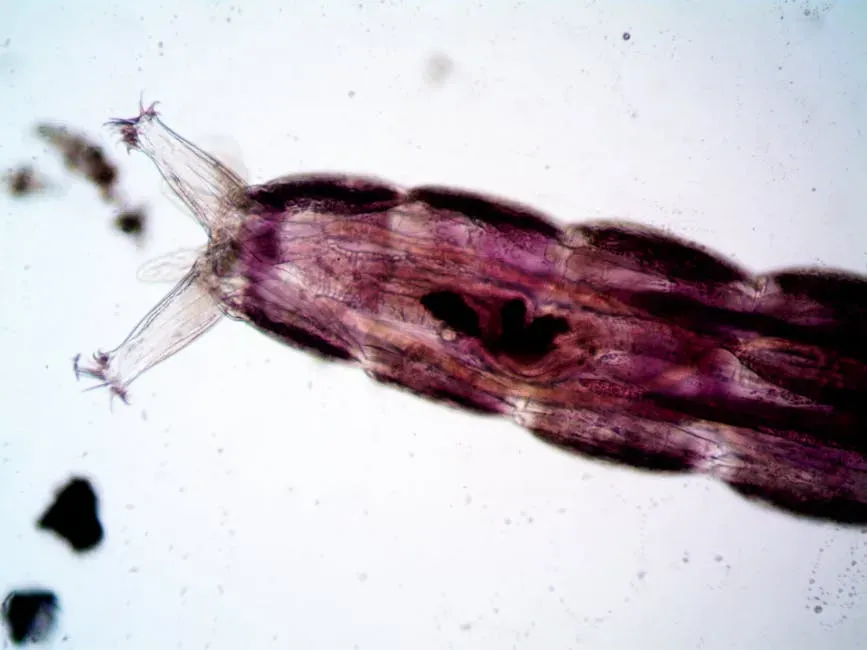
Not all short-lived animals are visible to the naked eye. Gastrotrichs, also known as hairybellies or hairybacks, are microscopic, cylinder-shaped animals that live in freshwater and marine environments. They only live for a few days, with one study finding they lived between 2.6 and 18.6 days, lasting on average just over ten days.
They are cylinder-shaped and have tiny hair-like structures called cilia on their bodies. Gastrotrichs reach maturity in only three days and can lay eggs of their own, because they contain already partially developed eggs when they hatch. The efficiency is almost architectural. Every biological process is compressed and accelerated.
Gastrotrichs have transparent bodies and move around using cilia to swim with water currents. They feed on organic debris, bacteria, and some protozoa. They also have hundreds of adhesive tubes on their lower bodies that allow them to attach to surfaces in their environment. For a creature measured in millimeters, the level of biological complexity is quietly astonishing.
The Shortest-Lived Vertebrate and the Chameleon That Lives Mostly as an Egg
Among animals with backbones, the competition for shortest lifespan produces two genuinely surprising record-holders. The seven-figure pygmy goby is a tiny marine fish found in the Indian Ocean and West Pacific, living amongst coral reefs. This species has the shortest lifespan of any vertebrate, up to 59 days. They spend about three weeks as larvae, two weeks settling on reefs, and three weeks as adults.
These tiny coral reef fish grow up to only 0.8 inches long during this period. At that size, living on a reef for a matter of weeks, they are still managing to find mates, reproduce, and die in a sequence so compressed it barely registers on the scale of vertebrate biology.
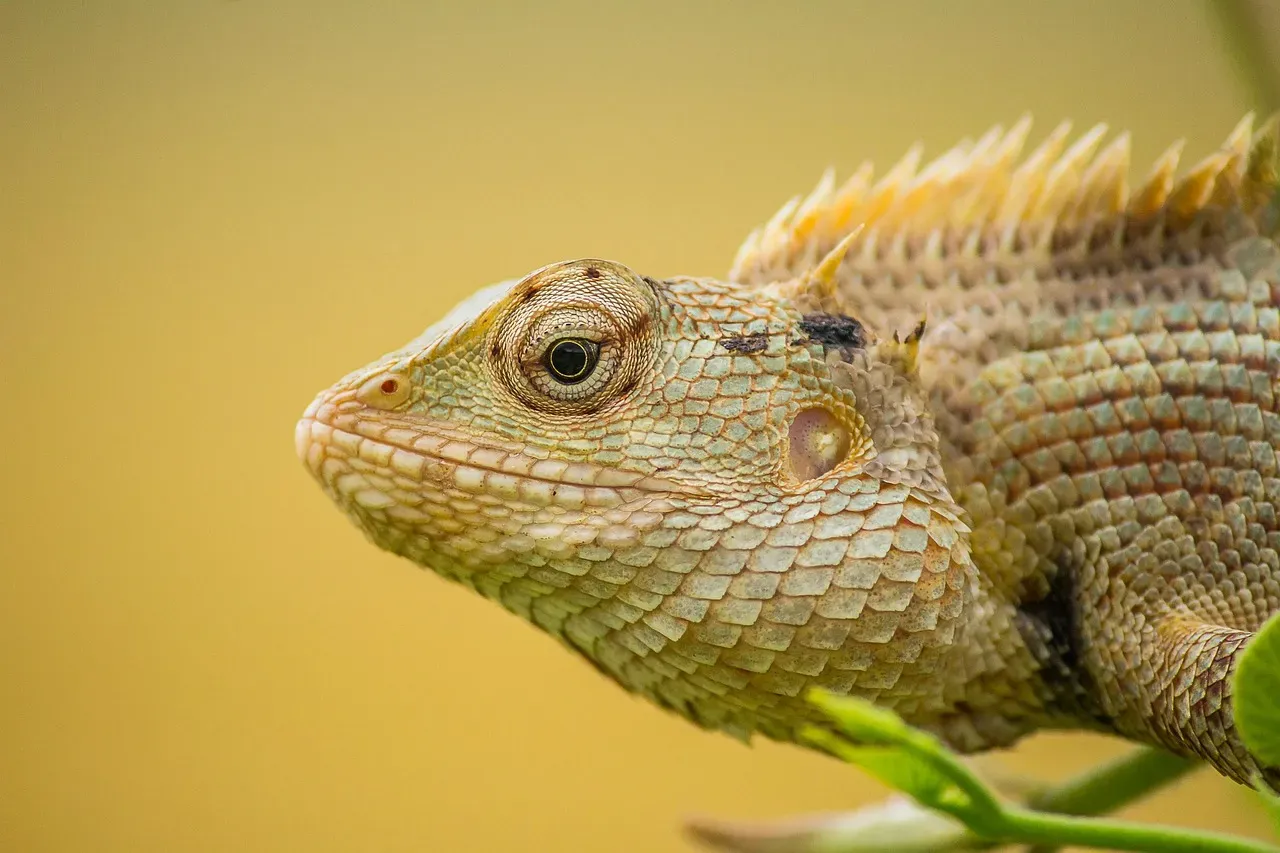
Then there is Labord’s chameleon, which holds a different kind of record. Among tetrapods, the current record holder for shortest lifespan is Labord’s chameleon. These reptiles from the arid southwest of Madagascar have a reported lifespan of four to five months during the annual rainy season and spend the majority of their life, eight to nine months, as a developing embryo.
They hold the record for the shortest lifespan of all tetrapods, hatching, growing, mating, and dying in just four to five months. Labord’s chameleons actually spend more time developing inside their eggs than they do outside of them. It’s a genuinely strange existence. The species is underground as eggs for most of the calendar year.
Early life of this chameleon is characterized by fast growth, resulting in sexual maturity at less than two months of age. After mating, senescent decline becomes apparent, and by the end of the rainy season, a population-wide die-off of both sexes occurs. The entire adult life is a race from hatching to death, with reproduction as the only stop along the way.
Short-Lived Mammals and the Biology Behind Brief Lives
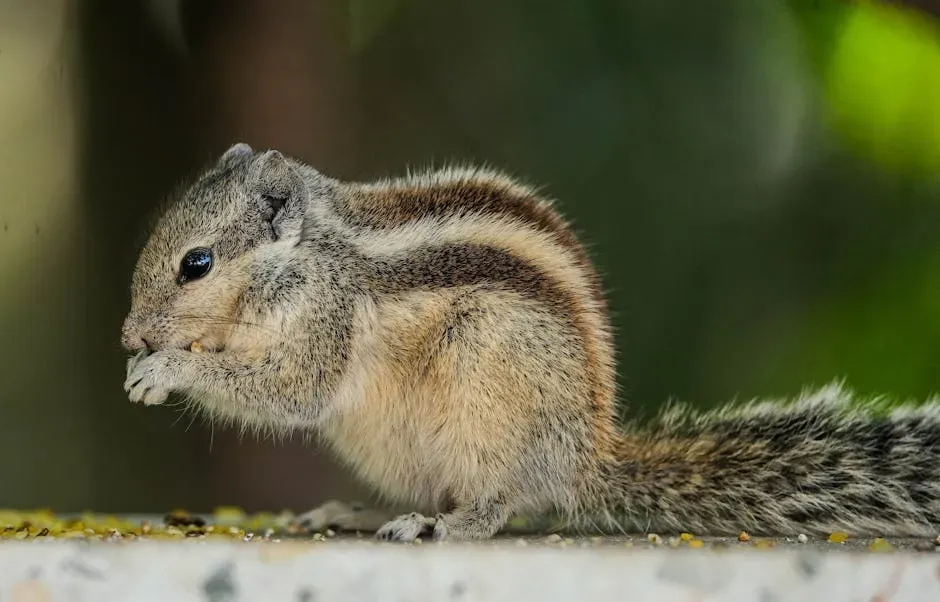
Shrews and mice are considered the shortest-living mammals. Common shrews, found throughout northern Europe and Great Britain, live for fewer than 12 months. Their frantic metabolisms and high exposure to predators make a long life essentially impossible in the wild.
House mice are small rodents found on every continent except Antarctica and are the most commonly used laboratory mice. In the wild, these mice live for about three to four months on average. The gap between wild and captive lifespan is dramatic, which tells you a lot about how hostile the outside world is for small mammals.
The lifespan of an animal depends on its habitat, size, food sources, and its defensive capabilities, along with other factors. For small mammals especially, every one of those variables tends to work against longevity. They’re hunted constantly, their metabolisms burn fast, and their environments are unpredictable.
For many, the window of opportunity for breeding is much, much smaller, but a shorter life can be an evolutionary adaptation in its own right. That reframe matters. A short life isn’t necessarily a failed life from an evolutionary perspective. It can be a precisely calibrated one.
Why Such Brief Lives Exist: Evolution’s Perspective
Short lifespans aren’t accidents of bad fortune. Evolution has crafted these animals to thrive within tight timeframes, often syncing their lives with environmental cues like temperature, rainfall, or food availability. The timing is the strategy.
All animals need to reproduce to continue the survival of their species. Because of their short lives, many of these animals have highly adapted techniques for breeding and laying eggs before they die. The urgency of a brief lifespan translates directly into biological efficiency. There is no room for delay.
From a Darwinian point of view, enough members of these short-lived species are able to reach maturity and propagate their genes, so the incorrigible biological cycle is renewed in the same way. The species persists even if the individual barely gets started.
Though these animals live brief lives, they are still important parts of their ecosystems. Many are crucial parts of the food chain, and without them, larger animals like birds, mammals, and reptiles couldn’t survive. Brief lives, in other words, can carry substantial ecological weight.
Conclusion
There’s something quietly humbling about these creatures. The mayfly that manages to lay thousands of eggs in a single afternoon, the microscopic gastrotrich completing an entire life cycle in about ten days, the chameleon that spends more time underground as an egg than it does alive in the forest. None of them are failures of nature. They’re finely tuned survivors, each shaped by millions of years of pressure into exactly what their environment required.
What these animals reveal, more than anything, is that life doesn’t need to be long to matter. Ecological value, reproductive success, and evolutionary significance don’t scale with lifespan. Sometimes the briefest lives are the ones doing the heaviest lifting.

- 6 Exotic Bird Species You Can Spot in U.S. National Parks - July 19, 2026
- 11 Iconic American Birds Facing New Challenges and How You Can Help - July 19, 2026
- 10 Friendliest Animals in the World - July 19, 2026