

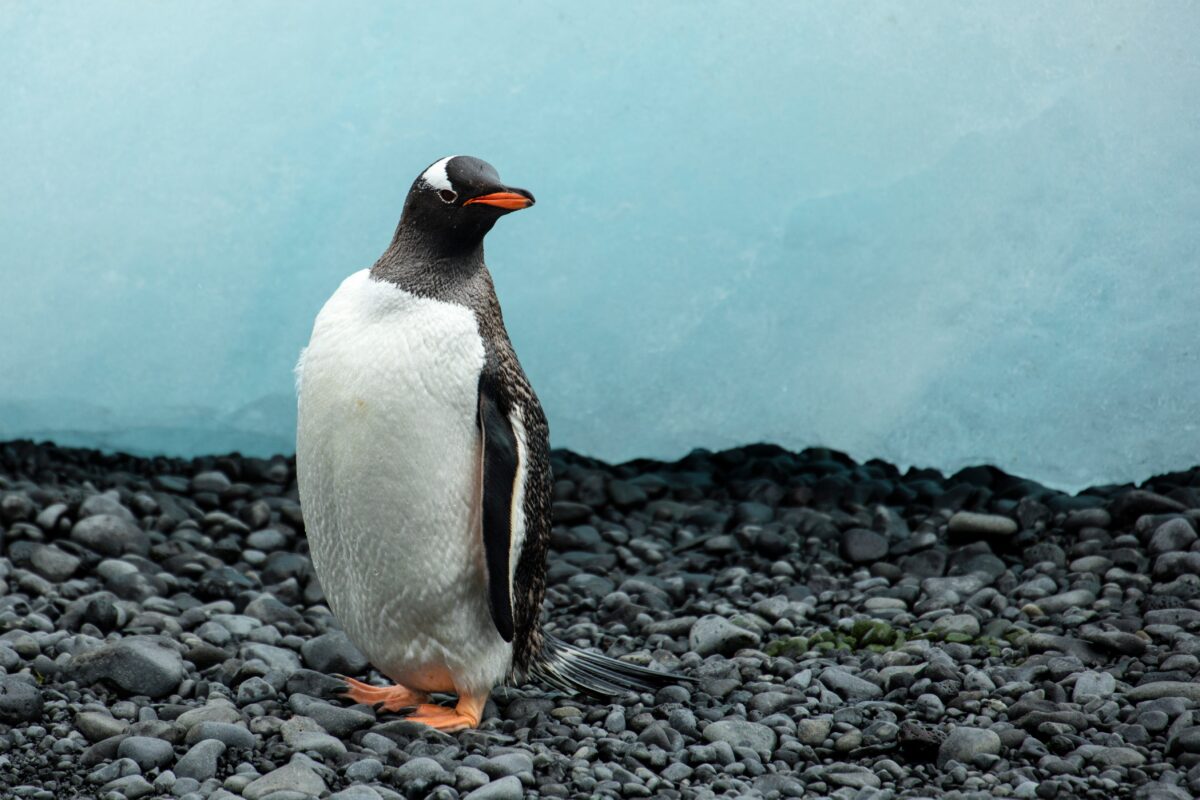

Penguins as Unwitting Pollution Detectors (Image Credits: Upload.wikimedia.org)
On the frozen shores of the Antarctic Peninsula, researchers turn to an unlikely source – penguin waste – to gauge the reach of global pollutants in one of Earth’s most pristine environments.
Penguins as Unwitting Pollution Detectors
A colony of Adélie penguins waddles across the ice, oblivious to their role in scientific discovery. These birds, with their distinctive black-and-white plumage, serve as natural bioindicators for environmental health. Scientists have long recognized that the contaminants penguins ingest through their diet of fish and krill accumulate in their bodies and excrete in feces, offering a snapshot of ocean pollution.
This approach proved particularly valuable during a recent expedition to Horseshoe Island, located at about 68 degrees south. There, an analytical chemist gathered fecal samples while adhering to strict wildlife protection protocols. The work highlighted how even remote areas like Antarctica bear traces of human activity, from industrial emissions to agricultural runoff.
Navigating the Challenges of Fieldwork
Collecting samples in Antarctica demands precision and caution amid subzero temperatures and unpredictable weather. Researchers donned protective suits to minimize disturbance to the wildlife, maintaining a respectful distance from the penguins and curious seals that share the habitat. The journey from Istanbul to this site spanned roughly 16,000 kilometers, organized through annual trips by a Turkish university in coordination with the Marmara Research Center.
Each sample collection followed rigorous guidelines to ensure ethical practices. Teams approached colonies carefully, scooping guano without stressing the birds. This methodical process not only preserved the samples’ integrity but also underscored the logistical hurdles of polar research, where every step balances scientific goals with ecological sensitivity.
Decoding Contaminants in the Lab
Back in the laboratory, the real analysis began. Trace elements such as heavy metals, persistent pesticides, and microplastics emerged from the guano through advanced chemical techniques. These pollutants, carried by ocean currents from distant continents, revealed the global scope of environmental degradation.
Heavy metals like mercury and lead, often from mining and fossil fuel burning, showed up in concentrations that alarmed experts. Pesticides, remnants of agricultural use, indicated long-range atmospheric transport. Microplastics, tiny particles from consumer products, pointed to the pervasive plastic pollution infiltrating marine food chains. Such findings, drawn from the Nature publication on this research, emphasize the need for international monitoring efforts.
Broader Impacts on Antarctic Ecosystems
The presence of these contaminants raises concerns for penguin populations and the wider food web. Adélie penguins, key players in the Southern Ocean ecosystem, could face reproductive challenges or dietary shifts if pollution levels rise. Ornithogenic soils – those enriched by bird droppings – might alter microbial communities, as earlier studies suggested, potentially affecting nutrient cycles in this fragile landscape.
Yet, penguin guano also plays a positive role, releasing ammonia that aids cloud formation and may temper local warming, according to complementary research. This dual nature complicates conservation strategies. Protecting these birds means addressing pollution sources far beyond Antarctica’s borders, through global agreements like the Antarctic Treaty.
Key Contaminants Detected
- Heavy metals: Including mercury and lead, sourced from industrial activities.
- Pesticides: Persistent chemicals transported via air and water from agricultural regions.
- Microplastics: Fragmented particles from plastics, accumulating in the marine food chain.
- Other traces: Potential pharmaceuticals and flame retardants entering via ocean currents.
Key Takeaways
- Penguin feces provide a non-invasive way to monitor remote pollution levels.
- Antarctica’s isolation does not shield it from global contaminants.
- Ongoing research calls for stronger international pollution controls.
As Antarctica remains a barometer for planetary health, studies like this one remind us that no corner of Earth escapes human influence. The resilience of its wildlife offers hope, but sustained action is essential to keep these icy realms pure. What steps do you believe are needed to curb polar pollution? Share your thoughts in the comments.

- Urban Coyotes Show Remarkable Adaptability, Learning to Thrive in City Environments - July 22, 2026
- Beavers Are Nature’s Engineers, Creating Vital Habitats for Other Wildlife Species - July 21, 2026
- The Recovery of the California Condor Offers Hope for Other Critically Endangered Birds - July 21, 2026